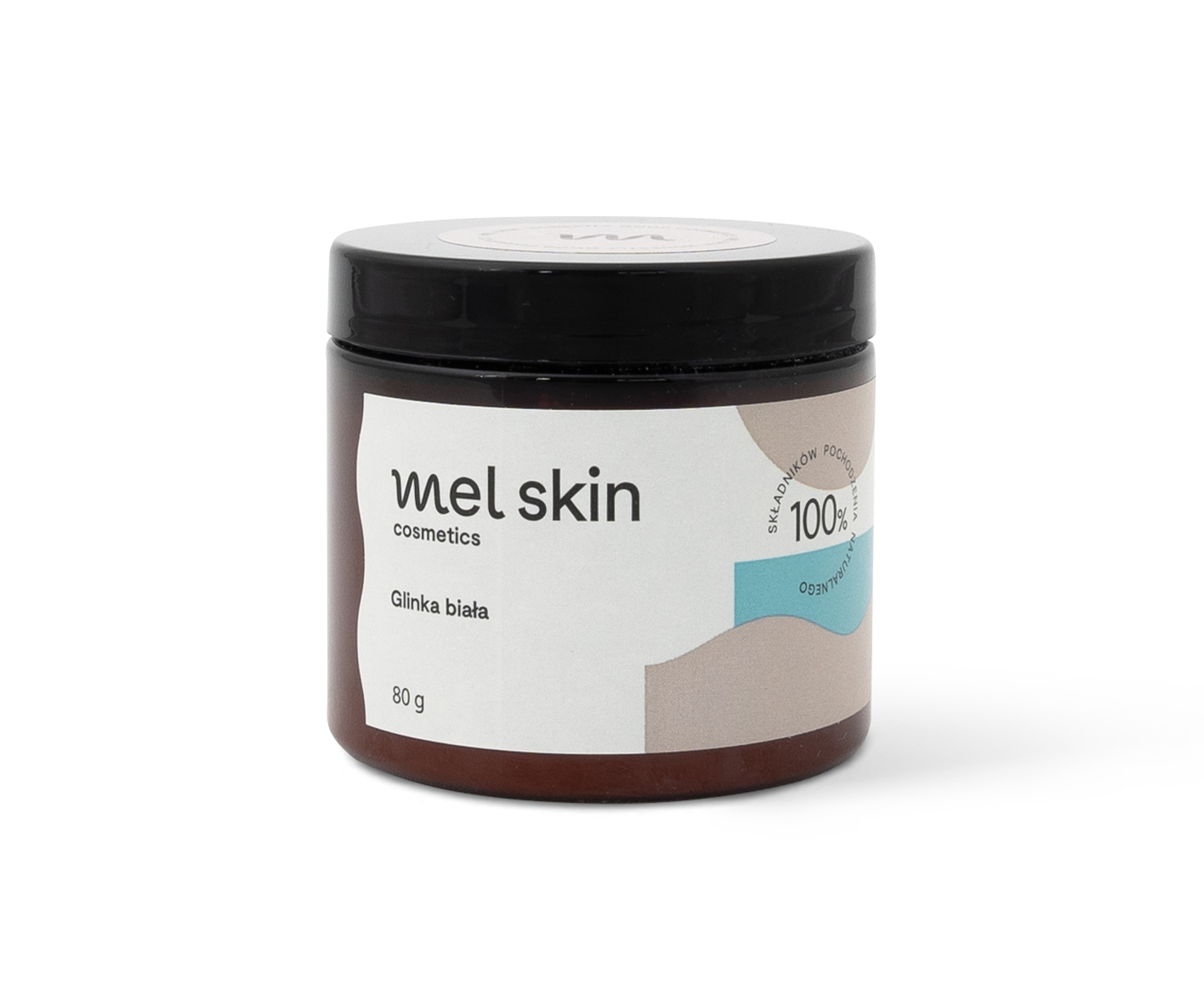
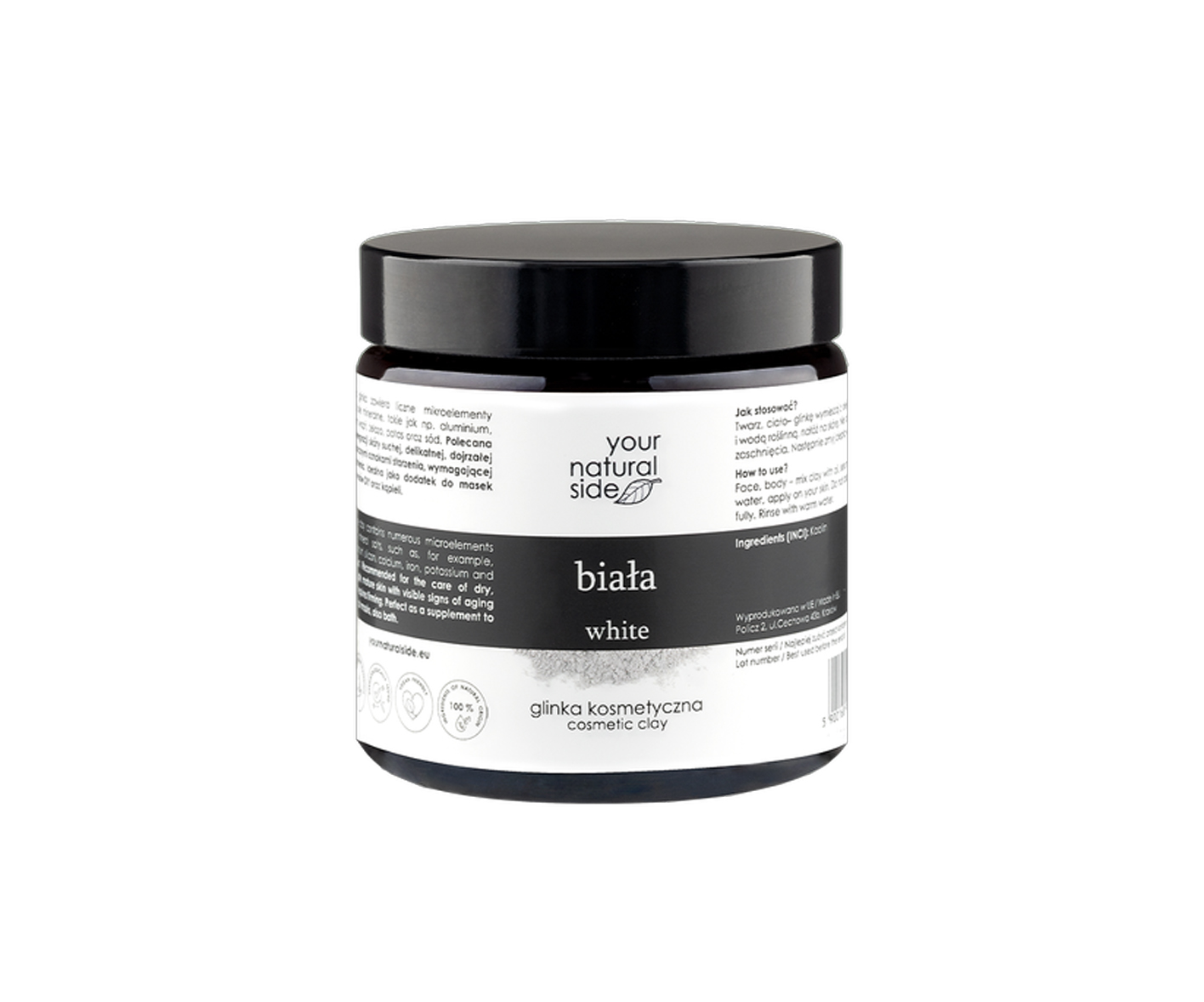
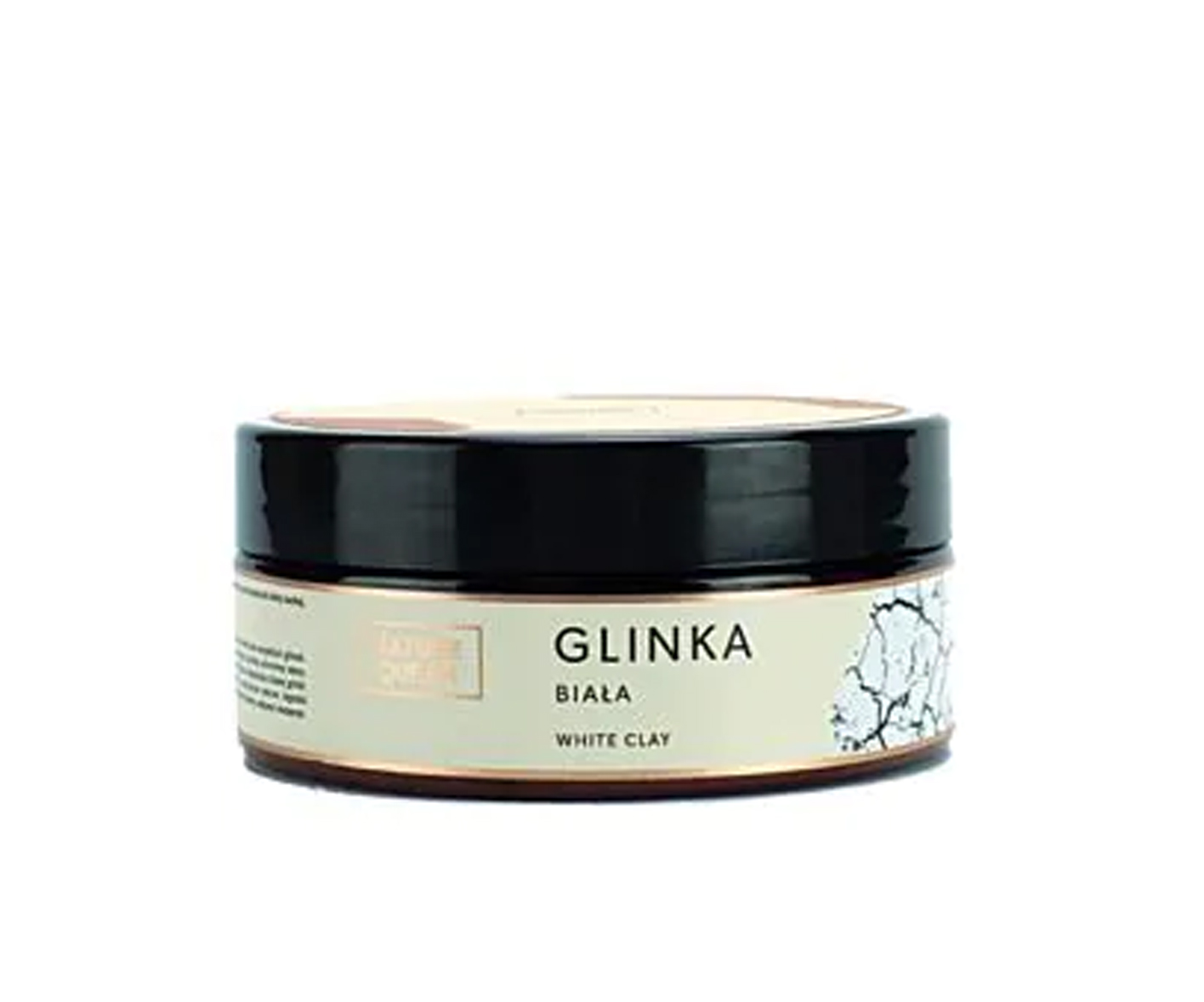
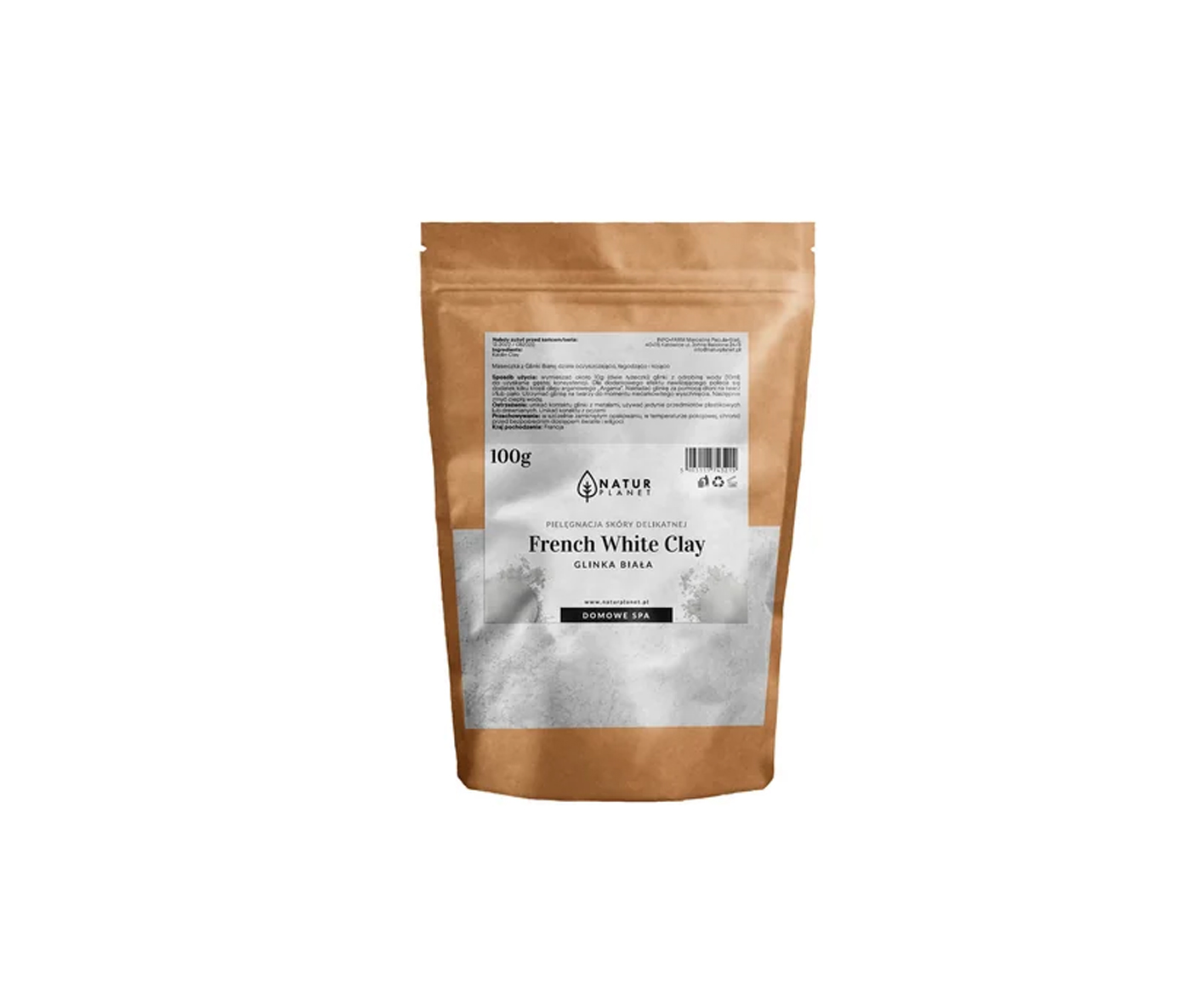
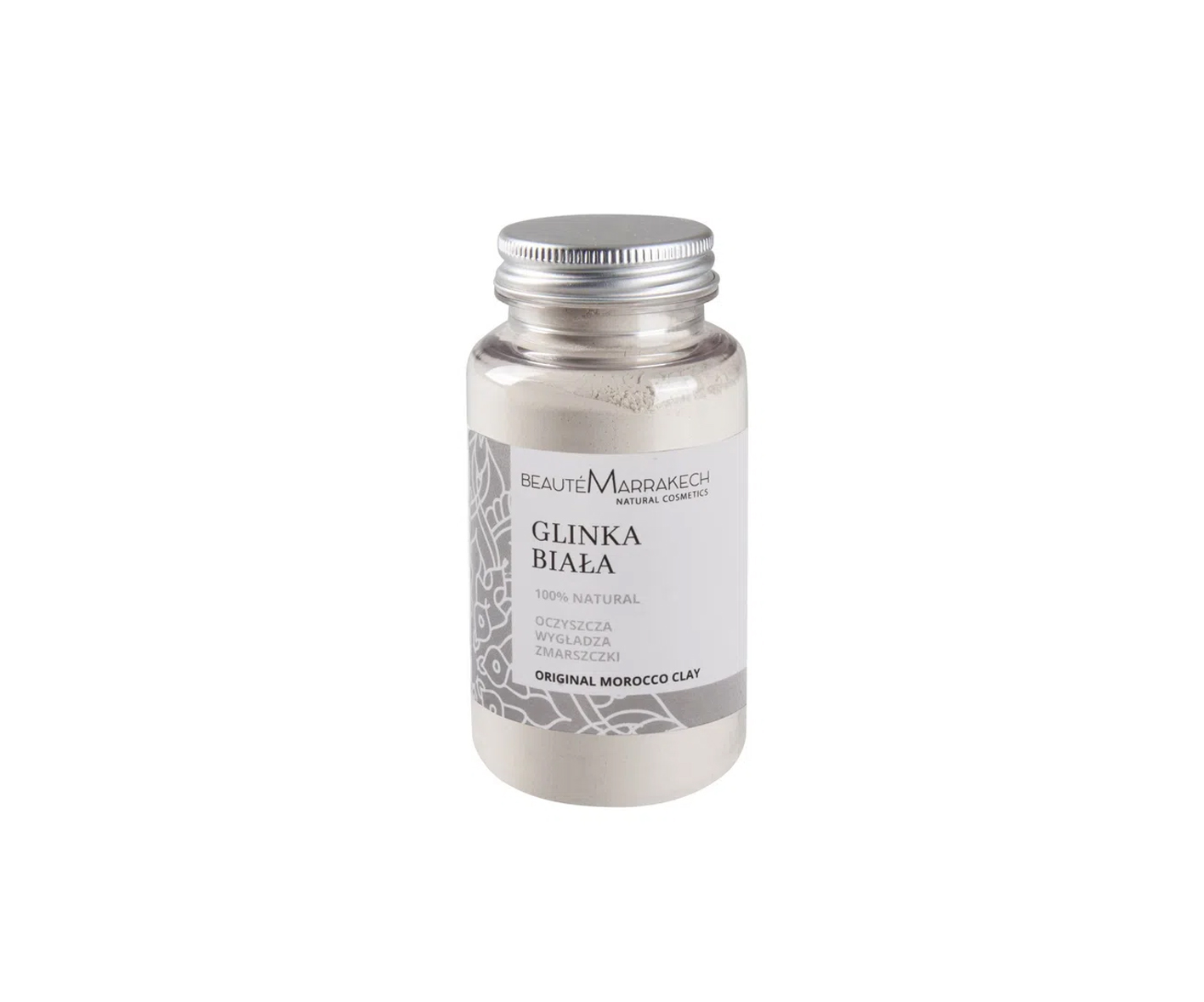
Meet the 5 best white clays and take care of your skin!
Smooth, well-groomed skin has for centuries been a symbol of health, youth and vitality. It is not just a matter of aesthetics - proper skin care has an important protective function for the entire body. The skin is our natural barrier against harmful external factors, so its condition directly affects our overall wellbeing and health. One valuable ally in daily skincare is white clay (kaolin), a natural mineral known to mankind for thousands of years. This gentle yet effective cosmetic ingredient owes its popularity to its versatile action and safe application. White clay not only cleanses and mattifies the skin, but also gently exfoliates and remineralises it without causing irritation. In the article below, you will learn more about white clay and how it works on your skin. We will also give you tips on what to look out for when planning to buy white clay.
Skin
The skin is the largest organ of our body and has a function that is much more complex than it might appear at first glance. It is a multilayered structure with a total surface area of approximately 2 square metres in the average adult. It is made up of three main layers: the epidermis (the outer protective layer), the dermis (containing collagen, elastin and blood vessels) and the subcutaneous tissue (the insulating layer with fat cells). It is a complex system that not only protects our internal organs from mechanical damage, UV radiation or microorganisms, but also regulates body temperature, participates in the synthesis of vitamin D and enables us to feel touch, temperature and pain. Interestingly, the skin is constantly renewing itself - the epidermis completely replaces itself every 28 days or so, which shows what a dynamic and living organ our body layer is.
Skin structure
The structure of the skin resembles a multi-layered structure, where each level has specific functions. The epidermis is the outermost layer, made up mainly of keratinocytes - cells that produce keratin. The epidermis also contains melanocytes responsible for the production of melanin (the pigment that gives the skin its colour) and Langerhans cells (part of the immune system). On the surface of the epidermis is the stratum corneum, which is the body's first line of defence. The d ermis is the deeper layer, rich in collagen and elastin fibres, which provide elasticity and resilience to the skin. Blood vessels, sweat and sebaceous glands, hair follicles and nerve endings are also located here. This layer is responsible for nourishing the skin and its response to external stimuli. The deepest subcutaneous tissue (hypodermis) consists mainly of fat cells. It has an insulating function, protects against mechanical trauma and provides an energy store for the body. It is worth noting that the individual layers of the skin work closely together to form an effective protective barrier and a system that regulates the body's homeostasis.
How to care for the skin
Skin care is a complex process that requires regularity and an understanding of our skin's needs. The basis is a daily routine consisting of a thorough cleansing that removes impurities, make-up and excess sebum. After cleansing, it is important to restore the skin's correct pH by toning, followed by adequate moisturisation, which protects the skin and provides it with essential nutrients.
Sun protection is also an integral part of proper skincare and should be applied all year round, whatever the weather. Regular exfoliation helps to remove dead skin cells, speeding up the skin's renewal process and improving its appearance. Depending on individual needs, it is also worth reaching for specialised products such as serums and masks.
Internal factors also have a huge impact on the condition of the skin. Adequate hydration, a balanced diet rich in vitamins and minerals and regular, healthy sleep are the foundations of healthy skin. Stress levels are also important and can significantly affect its appearance and function.
Effective skincare requires observing your own skin and adapting your routine to its changing needs, which may be related to the season, age or other external factors.
What is white clay
White clay, also known as kaolin, is a natural mineral clay with a soft, creamy texture. It owes its name to the place of its first discovery - Kao-ling Mountain in China's Jiangxi Province, where it was mined in ancient times. It is one of the mildest types of clay, formed by the weathering of rocks containing aluminosilicate minerals.
In its structure, white clay contains mainly aluminium silicate and valuable minerals such as silicon, magnesium, calcium, zinc and potassium. It has a naturally high absorption capacity, meaning that it effectively traps excess sebum and impurities without drying out the skin. It is also rich in trace elements that nourish and remineralise the skin.
The uniqueness of white clay is that, despite its strong cleansing properties, it remains very gentle and safe even for sensitive skin. Unlike other types of clay, it does not cause astringency or dryness and is therefore particularly recommended for dry, sensitive and vascular skin.
Nowadays, white clay is widely used not only in cosmetics, but also in the pharmaceutical industry and medicine, which testifies to its exceptional properties and safety of use.
How white clay affects the skin
White clay has a comprehensive effect on the skin, combining cleansing and skincare properties. Its fine particles effectively absorb excess sebum and impurities, while not disturbing the skin's natural protective barrier. On contact with the skin, the minerals contained in kaolin are gradually released, leading to remineralisation and strengthening of the skin.
Regular use of white clay helps to brighten and even out skin tone. It also has an anti-inflammatory and soothing effect, which is particularly beneficial in conditions of skin irritation or redness. Thanks to its gentle exfoliating properties, it removes dead skin cells, leaving the skin smooth and radiant.
Importantly, white clay has the ability to regulate sebum secretion without over-drying the skin. In addition, it promotes micro-circulation in the skin, which translates into better cell nourishment and improved firmness. After its application, the complexion becomes dull but not tightened, and pores are narrowed and cleansed.
It is worth noting that white clay not only cares for, but also protects the skin by forming a delicate protective film on the surface of the skin, which protects against the harmful effects of external factors.
How white clay works
White clay works on several levels, making it an extremely effective skincare ingredient. First of all, it has a unique microscopic structure - its fine particles act as natural micro-sponges that attract and bind impurities and excess sebum from the skin. This is made possible by the phenomenon of adsorption, or the attraction of particles to the surface of the clay.
Once applied to the skin, the clay gradually dries, which triggers a deep cleansing process. During this process, a gentle massage of the micro blood vessels takes place, which improves the blood supply to the skin and accelerates cell renewal. At the same time, the minerals contained in the clay (such as silicon, magnesium, calcium) penetrate the deeper layers of the skin, where they support regenerative processes. White clay also has antiseptic properties - it creates an environment on the surface of the skin that is unfriendly to bacterial growth. In addition, its mildly alkaline pH helps to restore the skin's natural balance, which is particularly beneficial for complexions prone to eczema.
Importantly, unlike aggressive cleansers, white clay does not disrupt the skin's natural lipid barrier, so it can be used regularly without the risk of irritation or dryness.
For whom white clay
White clay is the most versatile type of clay and will work for most skin types. It is especially recommended for those with sensitive and delicate skin - unlike other types of clay, it does not cause irritation or excessive dryness of the skin. It is an ideal choice for those who are just beginning their adventure with clay masks. It will bring excellent results in case of skin types:
- - combination - regulates sebum secretion without drying;
- - dry - gently cleanses without disturbing the hydrolipidic barrier;
- - sensitive - soothes irritations and redness;
- - Vascular - promotes microcirculation without irritating vessels;
- - mature - nourishes and revitalises;
- - tired - restores radiance and vitality.
White clay, on the other hand, is not the first choice for those with very oily skin or severe acne - in these cases, stronger clays such as green or red are better. Similarly, for skin with enlarged pores or excessive seborrhoea - other types of clay may produce better results.
White clay - effects of use
White clay is a natural mineral that shows a wide spectrum of beneficial effects on the skin. Thanks to its cleansing properties, it deeply cleanses the skin of impurities and excess sebum, regulating its secretion. In addition, white clay has soothing and anti-inflammatory properties, making it soothing for irritation and redness. In addition, thanks to the minerals it contains, such as silicon, magnesium and calcium, white clay promotes the regeneration and reconstruction of the skin, leaving it smooth, smooth and restoring a healthy, radiant appearance.
Regular use of cosmetics with white clay brings long-lasting results in the form of moisturised, nourished and protected skin. It is a true ally in daily care, whatever its individual needs
Key ingredients
White clay, or kaolin, is a natural mineral rich in valuable ingredients that benefit the condition of the skin. Below are the key ingredients contained in white clay and how they work:
- Silica (silicon) - one of the main ingredients in white clay. Silicon promotes collagen synthesis, improving the elasticity and resilience of the skin. In addition, it shows anti-inflammatory and soothing effects.
- Aluminium - this mineral is responsible for the absorbing and cleansing properties of white clay. It attracts and binds impurities and excess sebum, cleansing the skin.
- Magnesium - has a soothing and refreshing effect, alleviating irritation. Additionally, it participates in epidermal regeneration processes.
- Calcium - reinforces the skin's protective barrier and aids skin recovery and regeneration processes. Also improves skin density and elasticity.
- Potassium - regulates the skin's water and electrolyte balance, preventing dryness. Potassium positively influences metabolic processes in cells.
- Zinc - has an antiseptic effect, limiting the growth of bacteria. Supports the treatment of inflammation and acne.
Advantages of
White clay is a valuable cosmetic ingredient that offers many benefits for the condition of the skin. Here are the most important benefits of using white clay:
- Deep cleansing
- Regulation of sebum secretion
- Soothing irritation
- Smoothing and brightening
- Regeneration and nourishment
- Protection against external factors
Disadvantages
Although white clay is one of the gentlest and safest types of cosmetic clay, in some cases its use can lead to undesirable effects.
- Dryness of the skin
- Irritation and allergic reactions
- Interaction with other cosmetics
- Excessive peeling
White clay - how often to use
The regularity of application of white clay (kaolin) in skin care is a key element that influences the results obtained. Although white clay is one of the milder types of clay, excessive or too frequent use can lead to undesirable effects. It is therefore important to adapt the frequency of application to the individual needs and reaction of the skin. It is generally recommended that cosmetics with white clay should be used 1-2 times a week, depending on the condition and characteristics of the skin in question. For very sensitive or irritated skin, start with less frequent application, e.g. once every 10-14 days, and observe the skin's reaction. Gradually, the frequency can be increased until the optimum level is found. It is important not to leave the white clay mask on the face for longer than the recommended time (usually 10-15 minutes). Applying for too long can lead to excessive dryness and irritation. Also remember not to combine white clay with other highly exfoliating ingredients in too short an interval. This can result in excessive epidermal abrasion and damage to the protective barrier.
By adjusting the frequency and time of application of white clay to the individual needs of the skin, we can enjoy its full, long-lasting benefits such as deep cleansing, sebum regulation and a smoother and brighter complexion.
White clay - how to use
To take full advantage of the beneficial properties of white clay (kaolin) in skin care, it is important to apply it in the correct way. Here is a step-by-step guide to the correct use of white clay cosmetics:
- Before applying a white clay mask, cleanse your face thoroughly of make-up, sebum and impurities. This helps to achieve better results.
- First, mix the dry clay with an appropriate amount of water or other liquid (such as hydrolats) until a smooth, creamy consistency is achieved. Then gently apply the mask to the entire face, avoiding the eye and mouth area.
- Leave the mask on the face for 10-15 minutes until it begins to dry slightly. Do not allow it to dry completely as this can lead to irritation.
- After the recommended time, rinse the mask off with lukewarm water, gently massaging the skin with your fingertips. Avoid vigorous scrubbing, which could further irritate the complexion.
- After rinsing off the mask, the skin should be toned and properly moisturised to restore its balance and prevent dryness.
Remember to always perform an allergy test before using a white clay product for the first time. Correct application and adjusting the frequency to the individual skin's needs is key to achieving the desired results.
White clay - what to look for when choosing one
When choosing cosmetics with white clay, it is worth paying attention to a few important points in order to select a product that is optimally suited to our skin's needs.
Pure, natural formulation: It is best to choose cosmetics in which white clay is the main ingredient or one of the key ingredients. Avoid products that contain a lot of additional chemicals, which can irritate the skin.
Type of clay: Although white clay is the safest type, it is worth paying attention to its quality and origin. The highest purity and effectiveness is found in clay sourced from reputable, certified sources.
Texture and ease of application: Look for products with a creamy, smooth texture that spreads easily and does not dry too quickly on the skin. This will make it easier to apply and evenly cover your face.
Skin sensitivity: If you have sensitive skin, look for gentle formulas that won't overly dry or irritate your skin. Also check that the product does not contain ingredients that your skin may react to.
Manufacturer reviews and reputation: Choose products from well-known, respected cosmetic brands that are well established in the market and boast a good reputation among customers. Such companies usually care about the quality and safety of their products.
By following these tips, you are sure to make the optimum choice of white clay, which will become a valuable part of your skincare regimen that delivers the results you are looking for.
Discover the 5 best white clays in 2026
When creating our product reviews, we consider the ingredients and research their safety. We analyse the opinions of industry experts and the experiences of product users. We obtain recommendations from authorised retailers and use available sources of knowledge about active ingredients and their effects. We personally verify the action, texture, scent and feel of the products, and assess value for money.
Below are detailed reviews by our editors with a description of each product indicated.
Bold text in yellow