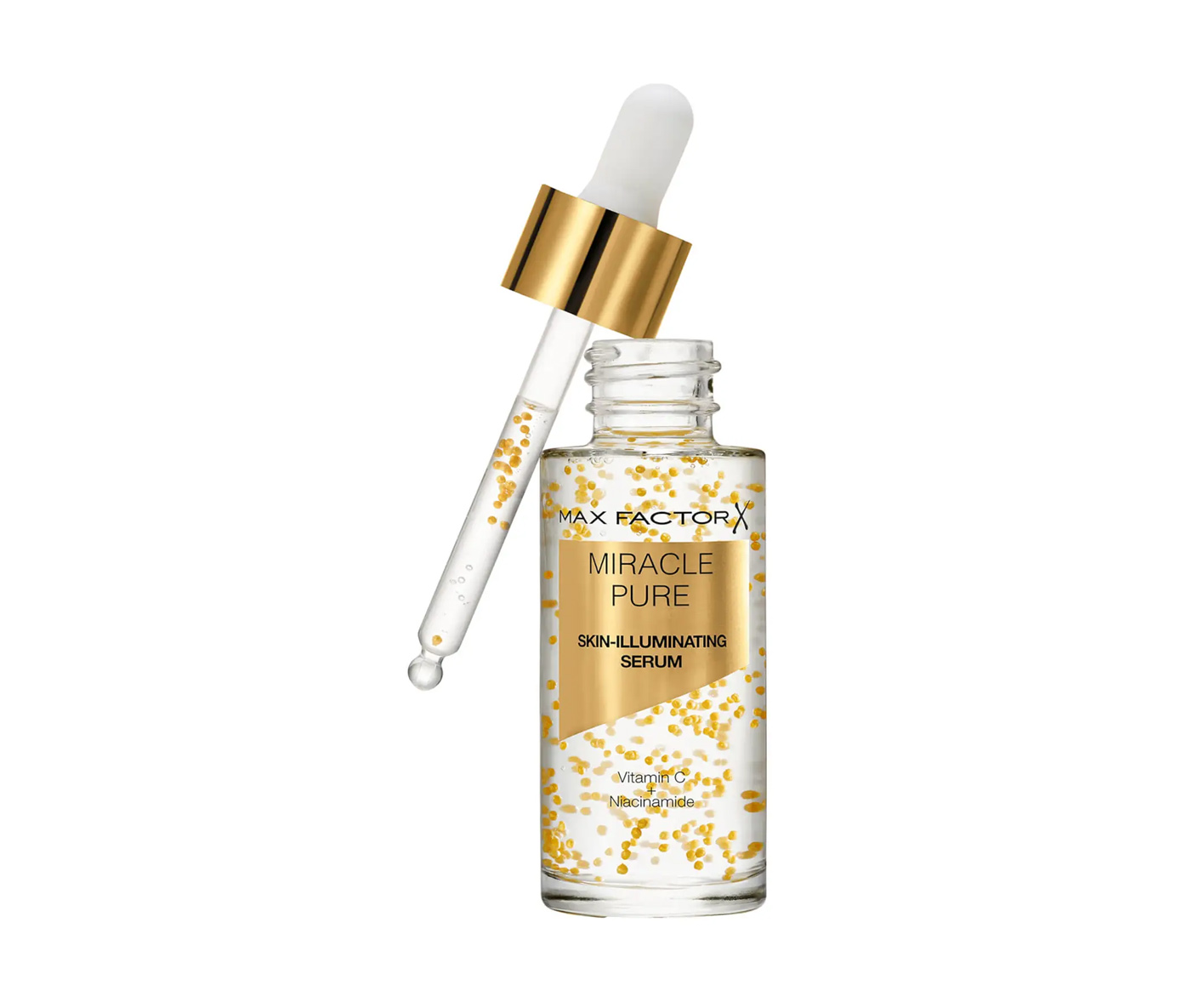
When we look at a person, the first thing we notice is their face. We see the eyes, the facial features, the state of the skin. What the skin looks like is important for mood, confidence, health and comfort. It forms a barrier against negative external influences, which is why it is so important to take care of it. To keep the skin looking young, radiant and healthy, it needs regular cleansing, exfoliating, nourishing and moisturising. As we age, skin tone can also deteriorate, with various types of discolouration appearing. Fortunately, it is possible to prevent the changes that ageing brings to the skin by providing it with the goodness contained in cosmetics with collagen, algae and, of course, vitamin C. It helps to slow down the ageing process and helps to take care of the specific needs of the skin. In the following article, you will find out what the requirements of mature skin are and how vitamin C helps to keep it young.
Facial skin
The facial skin is the outer layer of skin that covers the human facial area. It is the most visible part of the body's skin and performs many important functions. The facial skin is exposed to many external factors, such as sunlight, pollution, moisture and temperature changes, which can affect its condition and appearance.
The facial skin protects the internal structures of the body from mechanical trauma, UV radiation, infection and other external factors. It helps regulate body temperature through the dilation and constriction of blood vessels and the secretion of sweat. The facial skin is richly innervated and plays an important role in receiving sensory stimuli such as touch, pain, temperature and pressure. Sebum, which is a natural lubricating substance produced in the skin, is responsible for keeping the skin moisturised and elastic.
Facial skin is extremely elastic and allows the expression of emotions through facial expressions.
The facial skin consists of several layers, including the epidermis, dermis and subcutaneous layer. The epidermis is the outermost layer that protects against moisture loss and infection. The dermis contains collagen and elastic fibres, which give the skin its elasticity and resilience. The subcutaneous layer contains fatty tissue, which has an insulating function and provides support for the other layers of skin.
Taking care of the facial skin is important for its health and attractive appearance. It is important to wash regularly, moisturise, use sunscreen, follow a healthy diet, avoid smoking and overexposure to the sun.
Skin structure
The skin is the largest organ of the human body and has many important functions. It is made up of three main layers: the epidermis, the dermis and the subcutaneous tissue.The epidermis is the outermost layer of the skin. It consists of several sub-layers, the most important of which are:
- The stratum corneum (cornified layer), consisting of dead epidermal cells called keratinocytes. This layer protects the skin from water loss and external factors.
- Beneath the stratum corneum, there is the granular layer. It contains granules that produce keratin, the protein that gives the skin its strength.
- The stratum spinosum, which lies below, contains cells that connect to each other via connections called intercellular junctions.
- The deepest layer is the basal layer. This is the deepest part of the epidermis, where the stem cells are located. Stem cells divide to create new skin cells that migrate outwards, replacing old cells that disappear into the stratum corneum.
The dermis is the middle layer of the skin, located below the epidermis. It consists of two layers:
- The dermis, which contains connective tissue, blood vessels, collagen and elastic fibres and numerous cells such as fibroblasts (responsible for the production of collagen and elastin fibres).
- The reticular layer, which contains collagen and elastin fibres that give the skin its strength and elasticity. It is also the site for hair papillae, sebaceous glands, sweat glands and sensory receptors.
The deepest layer of the skin is the subcutaneous tissue It consists mainly of adipose tissue, which acts as a thermal insulator and energy reserve. This layer also contains the larger blood vessels and nerves.
The structure of the skin is very complex, with each layer performing important functions. All layers of the skin work together to provide protection and maintain the body's homeostasis.
Mature skin
Mature skin is the term used to describe skin that undergoes a natural ageing process. It is skin that tends to reduce the production of collagen and elastin, the substances responsible for its firmness and elasticity. As a result, the skin can become thinner, drier and less elastic. Its tendency towards wrinkles and loss of firmness increases.
Mature skin often shows more wrinkles, both superficial and deep, and can occur in areas such as lines on the forehead, around the eyes (crow's feet) and around the mouth.
Due to the loss of collagen and elastin, mature skin can lose its firmness and elasticity. This can lead to sagging skin Mature skin is often drier due to reduced production of natural oils and reduced ability to retain moisture. This can lead to a feeling of roughness and flaky skin.
Mature skin can be more prone to the appearance of hyperpigmentation, such as sun spots or uneven skin tone. This is often the result of prolonged exposure to the sun and other
How to care for mature skin
Keeping your skin looking young is possible. However, in order to enjoy great skin condition for as long as possible, you need to follow a few tips. Observe your skin's needs and learn to respond to them. Mature skin needs intensive moisturising Choose a cream with a rich formula that helps retain moisture in the skin. Apply it every day, morning and evening after cleansing your skin.
Use sunscreen. Protecting your skin from UV radiation is key to preventing premature skin ageing. Use sunscreens with a high SPF, especially on exposed parts of the face such as the forehead, nose, cheeks and chin.
Take care to cleanse gently Avoid harsh soaps and cleansers that can dry out your skin. Choose a mild cleanser, foam or cleansing milk that does not disturb the skin's natural protective mantle.
Exfoliate your skin regularly. Exfoliating the skin helps remove dead skin cells and stimulates skin renewal. Choosea gentle enzyme or acidscrub that will not be too irritating to the skin. Avoid exfoliating too much, as mature skin can be more sensitive.
Use a serum rich in active ingredients Mature skin can benefit from an extra dose of active ingredients such as retinol, hyaluronic acid, peptides and vitamin C. Choose a serum focused on your skin's needs to help improve elasticity, texture and firmness.
Remember that healthy skin starts from within. Take care to eat a balanced diet rich in vitamins, minerals and antioxidants. Drink enough water to keep your skin hydrated and supple.
Get plenty of rest and control stress. Stress can negatively affect the skin. Try to take care of your emotional state, rest and carve out time to relax Regular exercise, meditation and breathing techniques can help reduce stress and improve skin condition.
Avoid overexposure to the sun Although a small amount of sun is beneficial to the body (due to vitamin D synthesis), overexposure to the sun can lead to photo-ageing of the skin. Avoid being in the sun during peak sunlight hours.
Remember that everyone's skin is different, so it makes sense to tailor your skincare to your individual needs.Listen to your body's needs and respond to them.
Vitamin C serums
Vitamin C serums are a great tool for mature skin. Ascorbic acid (a.k.a. vitamin C) is a powerful antioxidant that helps fight harmful free radicals that contribute to skin ageing. Vitamin C can help to lighten skin discolouration, such as age spots, acne blemishes or discolouration caused by overexposure to the sun. It helps to inhibit the production of melanin, which is responsible for skin pigmentation. Regular use of vitamin C serums can help to brighten the skin, giving it a healthier and more even skin tone. Using vitamin C serums also helps to reduce the appearance of wrinkles and improve the overall texture of the skin, as ascorbic acid contributes to collagen production.
Vitamin C serums can act as additional UV protection. Although it does not replace traditional sunscreen, it can help neutralise some of the effects of harmful radiation. Vitamin C serums help to hydrate the skin, keeping it radiant and glowing.
Who vitamin C serums are for
Vitamin C serums can help reduce the appearance of wrinkles, improve skin elasticity and overall texture, so people with mature skin will appreciate this cosmetic the most. It will also certainly help to lighten and reduce skin discolouration, such as age spots, acne blemishes or discolouration caused by excessive sun exposure. Ascorbic acid inhibits melanin production, which contributes to skin brightening. Vitamin C serums can make the skin radiant and glowing. It has a moisturising and brightening effect, which is particularly useful for those with a dull skin tone. Vitamin C serums can help even out skin tone, giving a more even and healthy appearance. It can be particularly beneficial for those with rosacea, spots or other skin irregularities.
Key ingredients of vitamin C serums
The key ingredients in vitamin C serums can vary depending on the specific product. Here are some commonly used ingredients:
- L-ascorbic acid - a pure form of vitamin C that has powerful antioxidant properties. It helps to reduce damage caused by free radicals, UV radiation and other environmental factors.
- Ferulic acid - an antioxidant that enhances the effects of vitamin C. Helps protect the skin from UV radiation and reduces skin discolouration.
- Hyaluronic acid - a substance naturally present in the skin that helps to retain moisture and maintain skin firmness and elasticity.
- Niacinamide (vitamin B3) - is often present in serums with vitamin C. It helps to strengthen the skin barrier, lighten hyperpigmentation, and smooth and reduce the appearance of fine lines and wrinkles.
- Vitamin E - a powerful antioxidant that helps neutralise free radicals and protects the skin from UV damage.
It is worth noting that the composition of a particular vitamin C serum can vary from manufacturer to manufacturer and product to product. It is important to check the product label and read the ingredients to find out what ingredients are present.
Effects of vitamin C serums
The effects of ascorbic acid (vitamin C) on the skin can vary depending on individual factors such as skin type, skin condition and method of application. There is no definitive answer as to exactly how long the effects will be visible, as each person may react differently.
However, with regular use of ascorbic acid serums, you can expect to see some changes after about 4-6 weeks of regular use. Below are examples of the effects you may notice:
Benefits of using a vitamin C serum
The use of vitamin C serums has many benefits, including:
- Protection against oxidative damage
- Improved skin tone
- Stimulation of collagen production
- Accelerated wound healing
- Protection against UV radiation
It is worth remembering that individual results may vary. Some people may notice the effects faster, while others may need more time. It is important to use an ascorbic acid product systematically and be patient to assess how the skin reacts and what results can be achieved.
Undesirable effects of using vitamin C serums
The use of vitamin C serums can bring many benefits to the skin. However, some people may experience unwanted side effects. Here are some of them:
- Too much vitamin C can lead to irritation
- Excessive exfoliation
- Intolerance or allergy
It is important to tailor vitamin C concentrations to the individual skin's needs and to consult a dermatologist in the case of hypersensitivity to serum ingredients. Selecting a product with the right PH and concentration can solve the problem of skin irritation. Of course, the above side effects are rather rare.
How often to use vitamin C serums
How often you should use a vitamin C serum depends on several factors, such as your individual skin needs, the concentration of vitamin C in the product and the manufacturer's recommendations. If you are just starting to use a vitamin C serum, it is recommended to start by applying it once a day for the first few days to assess your skin's reaction. If there are no negative reactions, you can increase the frequency of application.
Depending on your skin's tolerance and the manufacturer's recommendations, vitamin C serums can be applied daily or every other day. It is a good idea to apply the serum in the morning, under your cream, to protect your skin from free radicals and UV rays.
If your skin is sensitive or prone to irritation, you may need to apply the vitamin C serum at a lower frequency, for example every two or three days. It is important to observe your skin's reaction and adjust the frequency of application as needed. It is always a good idea to read the instructions on the vitamin C serum packaging, as different products may have different recommendations for frequency of application. The manufacturer may also provide information on any storage and shelf life recommendations for the product.
How do I apply a vitamin C serum?
Applying vitamin C serums can be beneficial to your skin's health. Here are some tips on how to apply this serum correctly:
- Apply the serum to clean and dry skin.
- Vitamin C serums are usually very concentrated, so you only need a small amount. Usually a few drops or one pump is enough to cover the entire face.
- Gently pat the serum onto your face and neck. Avoid rubbing as this can irritate the skin.
- Wait a moment after patting in the product. Allow the serum to absorb into the skin before applying further skincare products. A few minutes is usually sufficient.
- Protect the serum from light and heat. Vitamin C serums are sensitive to light and heat, so store them out of sunlight and at room temperature. Many vitamin C serums are packaged in dark bottles to protect from light.
What to consider when choosing a vitamin C serum
When choosing a vitamin C serum, there are several factors to consider. Here are some important points to look out for:
- Vitamin C concentration: Check the percentage concentration of vitamin C in the product. The higher the concentration, the more concentrated the serum and potentially the more potent the action. Typically, vitamin C serums with a concentration of 10-20% are effective and well tolerated by most people.
- Form of vitamin C: There are many different forms of vitamin C, such as L-ascorbic acid, ascorbic acid phosphate, ascorbyl palmitate, ascorbyl tetraisopalmitate and many others. Each of these forms has its own unique properties and level of stability. Look for serums containing a stable form of vitamin C that will be effective and will not lose its properties during storage.
- Additional ingredients: check if the serum contains other ingredients with beneficial effects for the skin. Vitamin C can be combined with other antioxidants, such as vitamin E or ferulic acid, which enhance its effects and protect the skin from free radical damage. Additionally, moisturising, soothing and anti-inflammatory ingredients can also be useful for the skin.
- Packaging: Vitamin C is susceptible to oxidation and loses its effectiveness in the presence of light and air. Therefore, it is important to choose serums that are packaged in dark, opaque bottles or vacuum packaging that minimises contact with air and light.
- Manufacturer reputation: Before purchasing a vitamin C serum, check the reputation of the manufacturer. Choose products from well-known and trusted cosmetic brands that are known for producing high-quality and effective products.
- User ratings and reviews: Read reviews from other users about the serum you are interested in. Reading reviews can give you a better understanding of how serums work on different skin types and what results can be achieved.
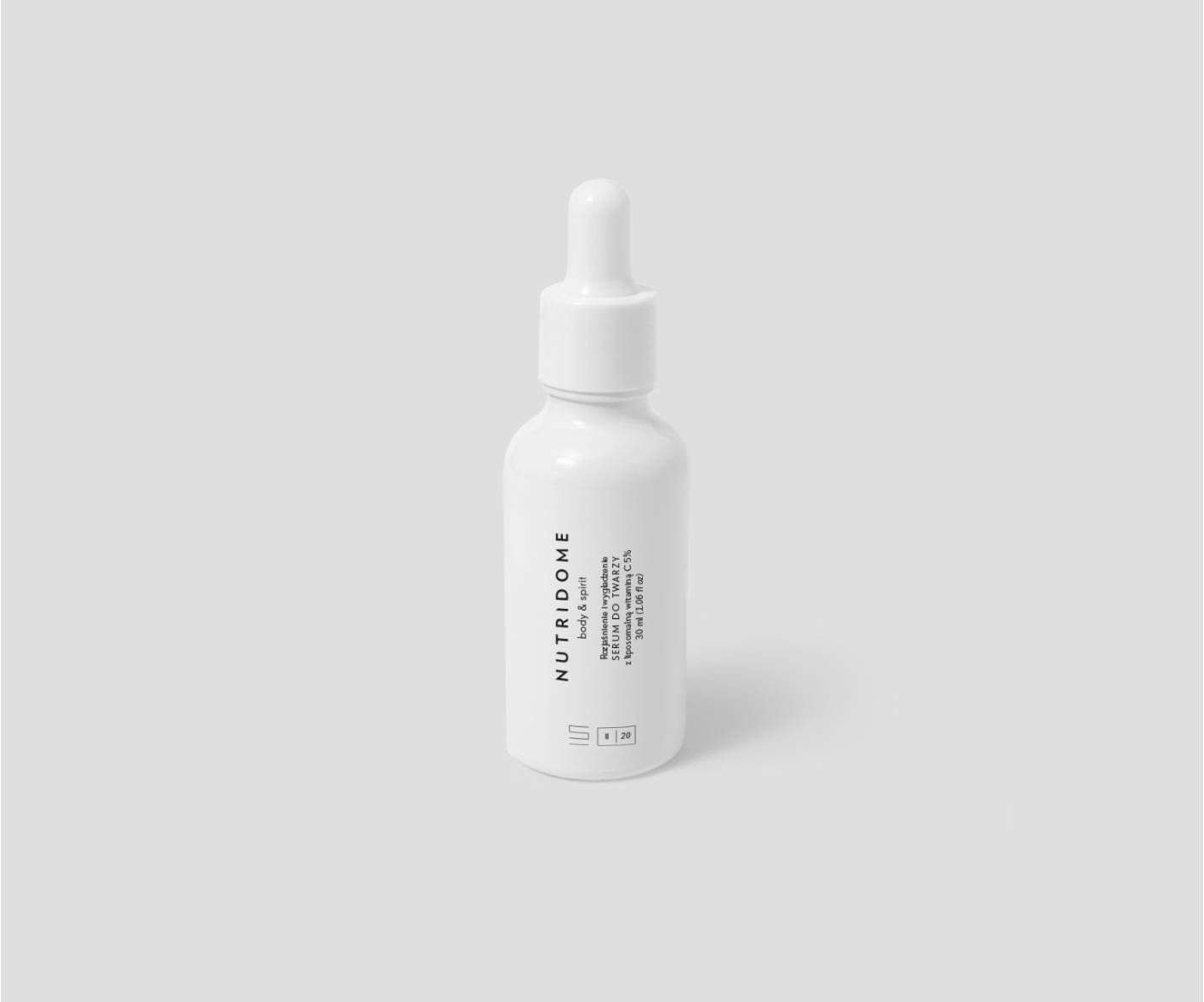
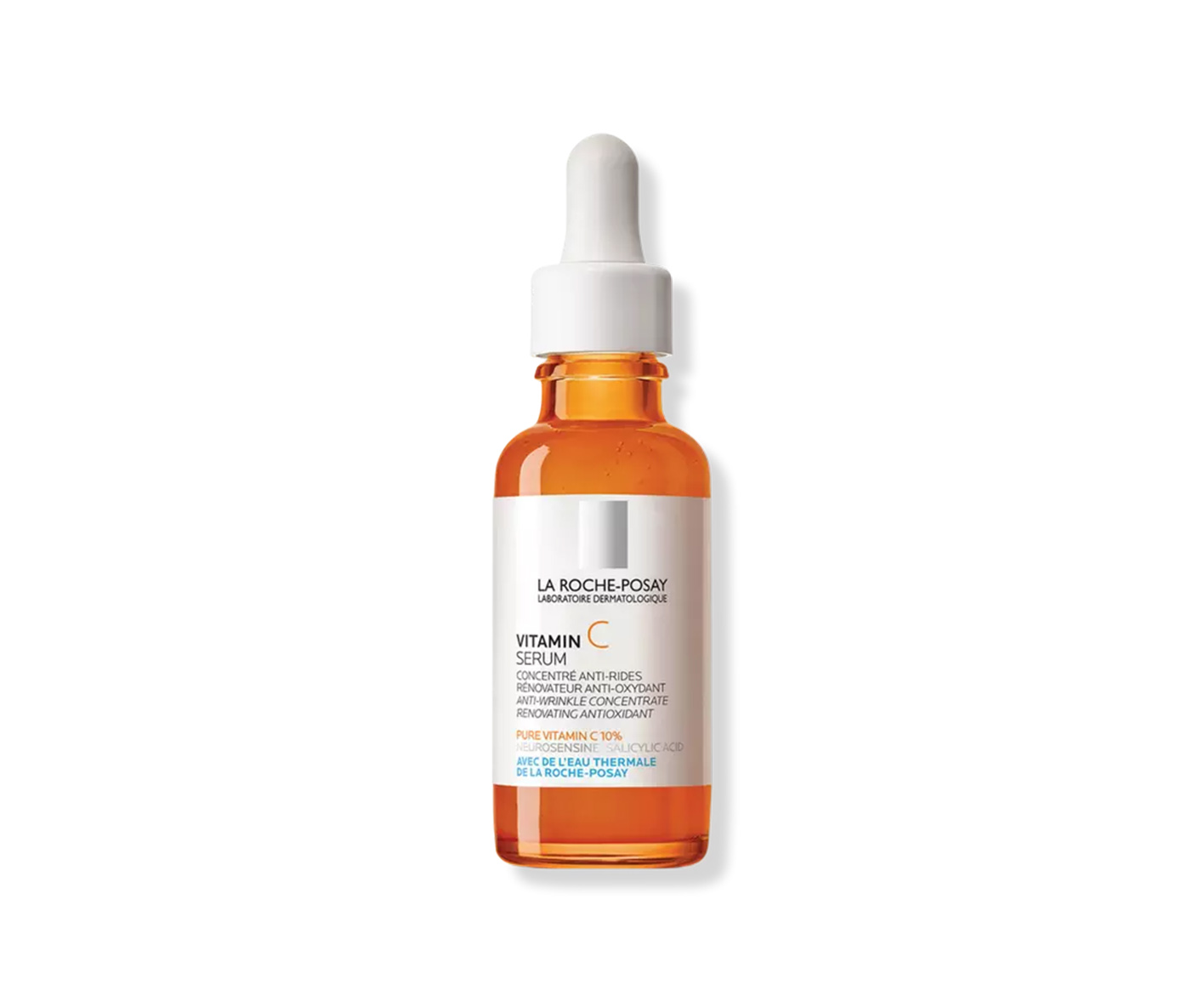
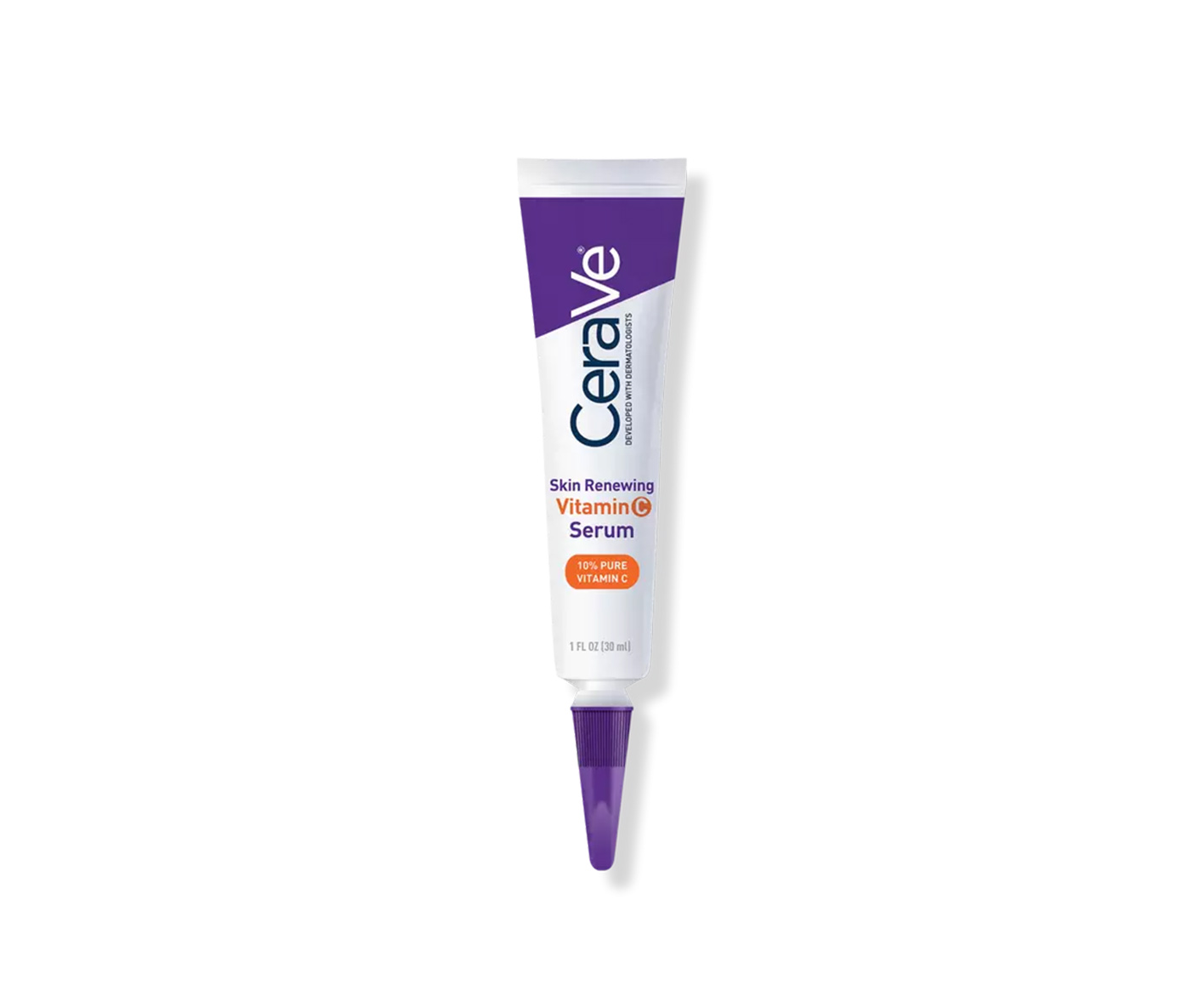
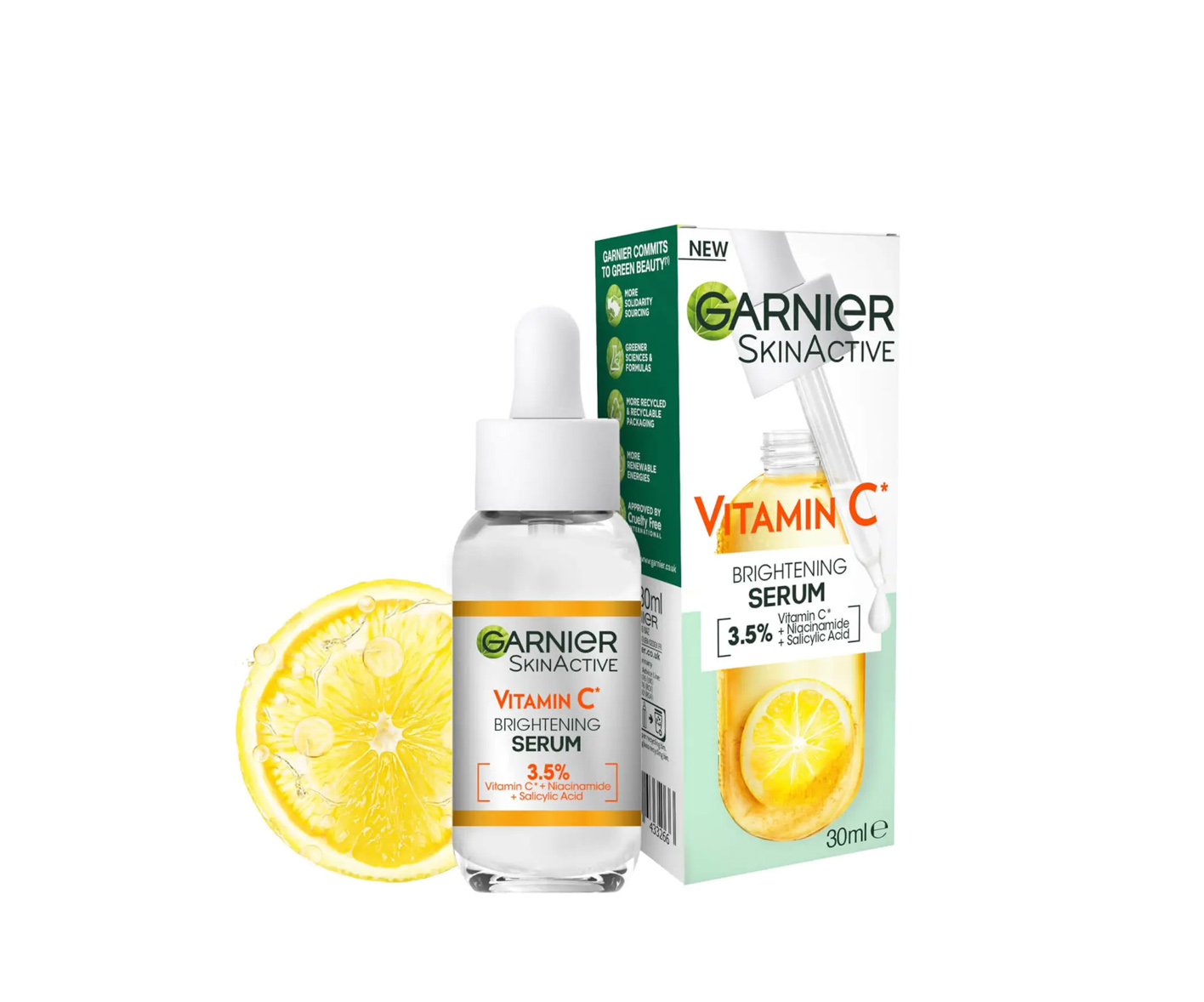
Discover the top 5 best vitamin C serums in 2026
When creating our product reviews, we consider the ingredients and research their safety. We analyse the opinions of industry experts and the experiences of product users. We obtain recommendations from authorised retailers and use available sources of knowledge on active ingredients and their effects. We personally verify the action, texture, scent and feel of the products, and assess value for money.
Below are detailed reviews by our editors with a description of each product indicated.