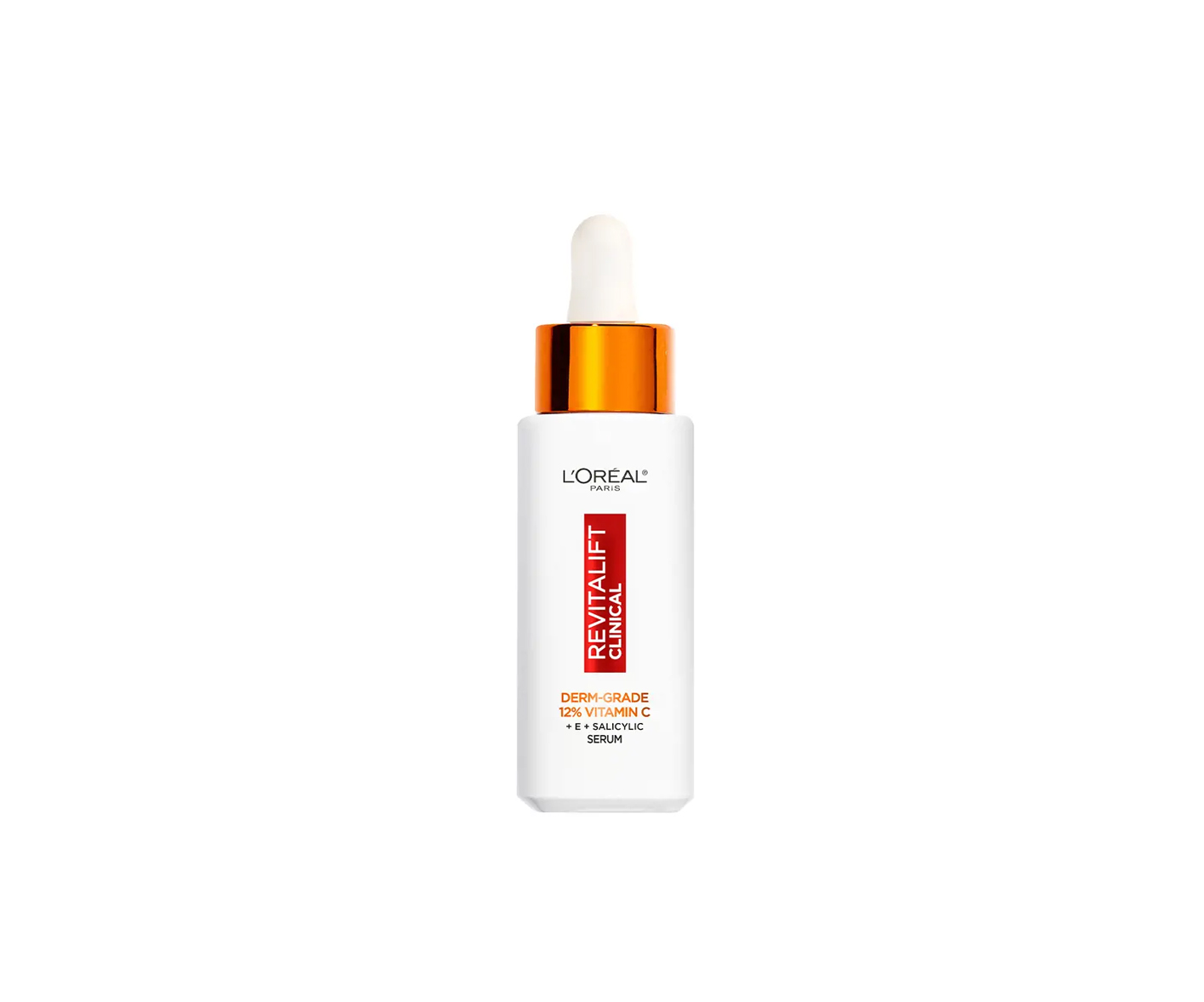
Discover 5 suggestions for vitamin C facial serums to enjoy a beautiful, healthy and youthful looking complexion!
Daily skin care is extremely important. Even the most expensive professional cosmetics and specialised beauty treatments cannot replace proper and systematic home care. The skin is a very important organ that protects the body against negative external influences. If neglected, it will crack, become dry and its condition will deteriorate significantly.
The skin of the face deserves special care. This part of the skin is thinner and more delicate than other skin areas on the body. It is the most exposed and exposed part of our skin. Therefore, it is susceptible to damage, to temperature changes, to cosmetics and to external factors. A beautiful and well-groomed complexion affects attractiveness and self-confidence. Healthy facial skin is also a sign of a healthy body and a hygienic lifestyle. Learn about the structure of the facial skin, how to care for it and which products to use to keep it looking its best.
Facial skin structure
The facial skin is made up of structures such as sebaceous glands, which produce the natural oil sebum, sweat glands, hair follicles and blood vessels that supply the skin with oxygen and nutrients. In addition, the facial skin is highly innervated to receive a range of sensory stimuli.
The facial skin is made up of three main layers:
The dermis is the thickest layer of skin. It is very elastic and resilient. It is between 1 and 3 millimetres thick. It contains blood vessels, sebaceous and sweat glands, numerous dermal papillae, the adductor muscle, the hair follicle and nerve endings. The dermis consists of layers:
- papillary with a wavy structure and containing dermal papillae
- reticular, where the collagen and elastin fibres responsible for the skin's firmness and strength are located.
The epidermis is the direct boundary between the body and the external environment. It protects against harmful substances and also holds the pigment, melanin, which gives hair and skin its colour. It is located above the dermis.
The subcutaneous tissue is located under the dermis. It consists mainly of adipose and connective tissue. Functions of this layer include thermal insulation, energy reserve and protection of internal organs.
Skin problems of the face
Dermatological problems and skin diseases are quite common and affect a large population of people. Some are of minor annoyance and aesthetic in nature, while others cause pain and discomfort. The most common facial skin problems include:
Skin ageing. Skin ageing is most and most rapidly visible on the face. The skin ageing process is natural and manifests itself in wrinkles, loss of elasticity, sagging, discolouration and loss of natural radiance.
Skin dryness. Skin can be prone to dryness especially in winter. Dry skin is rough, flaky, tight and prone to irritation. It can be the result of inadequate care or be genetically determined.
Skin discolouration. Skin discolouration, such as sun spots, acne blemishes and hyperpigmentation, can result from excessive melanin production or skin damage.
Skin greyness. Skin greyness is a condition in which the skin appears to lack a healthy, natural tone. It is often associated with inadequate blood circulation in the skin vessels, tissue hypoxia or other health problems.
Acne This is a very common skin condition. It is manifested by blackheads, papules and pimples. Acne can be caused by excessive sebum production, blocked skin pores, bacterial infection or hormonal changes.
How can facial skin problems be managed?
Although problems related to the condition and appearance of the skin can be a cause of lowered mood and frustration, it is good to know that there are a number of methods to help keep your facial skin healthy and beautiful. Here are the most important of these:
- Proper, regular skin hygiene and care is key to keeping your skin healthy and looking beautiful. It is best to choose natural cosmetics with as few substances as possible that can irritate the skin or cause allergic reactions. It is good to choose cosmetics tailored to the specific skin type and its problems. Skin care should be a daily routine. Frequent and thorough cleansing of the skin is extremely important, especially in cases of acne, for example.
- Moisturising the skin is very important due to the fact that most cleansing cosmetics have a very negative effect on the skin's protective layer. For very sensitive and dry skin, emollients are best. These are lubricants based on paraffin, lanolin or petroleum jelly.
- Drinking plenty of water can work wonders. Supplying the body with water from the outside reinforces the protective lipid mantle, which will keep the skin supple and smooth.
- It is extremely important for the health and appearance of the complexion to lead a healthy and hygienic lifestyle and to avoid stress. There are many relaxation techniques such as meditation, yoga, massages or special breathing techniques. Make sure to get enough sleep, as this benefits the appearance of the skin and prevents dark circles and puffiness under the eyes.
- Protect your skin from the sun by using creams with a high SPF. The sun's rays accelerate the skin's ageing process and are also a cause of pigmentation changes.
Skin problems have different causes and may require an individual approach to the application of skin care treatments. If any skin problems arise, it is best to consult a dermatologist, who will diagnose the problem and its causes and recommend an appropriate treatment on this basis.
Vitamin C face serum - effects
Vitamin C facial serum is one of the most commonly recommended products for skin rejuvenation. A serum is a form of cosmetic product with a concentrated formula with active ingredients in higher concentrations than those present in a traditional cream or lotion. For this reason, its action is assumed to be faster and more effective. The serum is designed to target specific skin problems.
Vitamin C, on the other hand, is a powerful antioxidant that helps fight the signs of skin ageing. It stimulates microcirculation, which prevents grey, dull and dull skin tones, and is also effective in soothing inflammatory skin conditions such as acne. In addition, it has antibacterial and anti-inflammatory properties. A good vitamin C facial serum not only reduces wrinkles, but also lightens hyperpigmentation, tightens and moisturises facial skin and makes it smooth and radiant.
Vitamin C facial serums are available in variants with different concentrations of the vitamin. It is advisable to adapt the concentration of vitamin C to individual skin needs, as too high a concentration can cause irritation. The most commonly used sera are those with the following concentrations of vitamin C:
1. low concentration (up to 10%): Serums with a low concentration of vitamin C are usually recommended for people with sensitive skin or those who are new to vitamin C products. These cosmetics are gentler and have a low risk of skin irritation.
2. medium concentration (10% - 20%): Products containing a medium concentration of vitamin C are more concentrated and may provide better results. They are suitable for most people, but may require gradual introduction to daily skincare.
3. high concentration (above 20%): Serums with a high concentration of vitamin C are mainly for people with advanced skin problems such as deep wrinkles, large pigmentation spots or scars. These products are more intense and may cause a higher risk of irritation, especially for those with sensitive skin.
4. Time-Release (concentrations that release throughout the day): Some vitamin C products are formulated to release vitamin C gradually over the course of the day, which can help to act on the skin for longer and reduce the risk of irritation.
Who are vitamin C facial serums for?
Vitamin C facial serums are basically suitable for all skin types. However, it is important to pay attention to what concentration of vitamin C has been used in it to avoid possible irritation.
Certainly, vitamin C facial serum is an excellent cosmetic for people with mature skin, with visible signs of ageing in the form of wrinkles, discolouration or a fading of the natural skin tone.
Vitamin C facial serum is also an excellent solution for people whose skin is dull, dull and visibly tired - after using vitamin C serum, it will become radiant and fresh.
Vitamin C face serums are also suitable for people with very dry and sensitive skin thanks to their moisturising and anti-inflammatory properties. People with problematic and imperfect skin can also use the serum. The antioxidant and anti-inflammatory effects of vitamin C, for example, are used to support the treatment of acne-prone and sun-damaged skin.
What effects can be achieved by using a vitamin C face serum?
The use of vitamin C facial serums can bring many health and visual benefits to the complexion. However, to get the best results, you need to use the cosmetic regularly and be patient. Some of the most common effects achieved through the properties of vitamin C serums include:
Skin brightening: Vitamin C is known for its skin brightening properties. It helps to reduce pigmentation spots, hyperpigmentation and acne scars.
Reduction of wrinkles and fine lines: Vitamin C stimulates the production of collagen, the protein responsible for skin firmness and elasticity. Regular use of vitamin C serums can help reduce the appearance of wrinkles and fine lines.
Protection against free radicals: Vitamin C is a powerful antioxidant that helps neutralise free radicals that damage the skin and accelerate the ageing process.
Improve skin tone: Regular application of vitamin C to the face can help even out skin tone and reduce redness. The skin will become smoother and healthier.
Moisturising theskin: Some vitamin C sera contain moisturising ingredients to help keep the skin hydrated.
Anti-acne: Vitamin C has antibacterial and anti-inflammatory properties, which can help to relieve inflammation and speed up the healing process of skin lesions.
UV protection: Although vitamin C will not replace sunscreen, it can act as additional protection against harmful UV rays and prevent photodamage to the skin.
What are the key ingredients in a vitamin C face serum?
A vitamin C facial serum is a cosmetic containing various active ingredients to improve the health and appearance of the complexion. In addition to vitamin C, it often contains:
Hyaluronic acid: An ingredient known for its hydrating properties and for retaining water in the layers of the skin, making it firmer and more elastic.
VitaminE: Vitamin E is a powerful antioxidant, protecting the skin from free radical damage and UV radiation.
Ferulic acid: This acid is often used together with vitamin C, as it potentiates its effects.
Plant extracts: Often vitamin C serums contain plant extracts, such as aloe vera extract, green tea or chamomile, which have anti-inflammatory and irritation-soothing properties.
Peptides: Some products may contain peptides that help improve skin firmness and reduce wrinkles.
Seaweed extract: This is an ingredient that is effective in hydrating the skin and providing valuable minerals.
Please note that the composition of vitamin C serums can vary depending on the brand and the specific product. It is always advisable to read the details on the packaging to choose the right product for your individual skin needs.
Benefits of using a vitamin C facial serum
There are many benefits to using vitamin C facial serums for the complexion. Here are the most common ones:
-
Antioxidant protection.
- Skin brightening.
- Reduction of wrinkles.
- Soothing inflammation of the skin.
- Hydration of the skin.
- Ease of application.
Disadvantages of using facial serums with vitamin C
The use of vitamin C facial serums also has a few disadvantages that you should be aware of. Among the most common are:
- Skin irritation.
- Short shelf life.
- The need for regular application.
- Interactions with other skincare products.
- It is important to remember to always choose products adapted to your specific skin type and needs, and to follow the manufacturer's recommendations on the cosmetic packaging.
How often should I use vitamin C face serums?
How often a vitamin C facial serum should be used depends on several factors, such as skin type, other skincare products used and the concentration of vitamin C in the cosmetic. It is assumed that people who are starting to use this type of product should use it once a day to get the skin used to the new active ingredients. During the first applications, a skin test should be carried out and skin reactions observed. In the case of high concentrations of vitamin C (above 20%), it is recommended to use serums once every two days to reduce the risk of irritation. When using other skin care products containing retinol, niacinamide or AHA/BHA acids, it is not recommended to use serums with vitamin C to avoid unwanted interactions or irritation.
It is important to observe your skin's reaction when using vitamin C face serums. If any irritation, redness, itching or other unwanted effects occur, reduce the frequency of use or even stop using the serum for a period of time to allow the skin to recover. If severe irritation or allergic reactions occur, it is best to consult a dermatologist.
How do I apply vitamin C face serum?
The application of a vitamin C face serum is easy, and is made even more convenient by the fact that facial serums are usually contained in pipette bottles. This guarantees precise and efficient application. When applying the serum to the face, it is worth remembering a few rules:
Face serums with vitamin C should be applied to cleansed facial skin.
The serum will be absorbed faster if it is applied to slightly damp skin.
A small amount of product, about one or two drops, is usually sufficient - you can spread the serum all over the face or concentrate on areas that need special attention, such as areas with discolouration or wrinkles.
It is a good idea to gently pat the serum in with your fingers to avoid stretching the skin. Alternatively, you can gently massage the skin in circular motions to help the cosmetic to be absorbed.
Once the serum has been absorbed, apply your favourite cream to your face.
Proper storage of the serum is of paramount importance. Vitamin C is unstable and oxidises quite quickly. Therefore, it is best to store vitamin C serums away from a light source and in an airtight container. A good solution is to place the serum in the fridge or other cool place with limited light.
What should I consider when choosing a vitamin C face serum?
The choice of vitamin C face serums is huge, hence finding a good cosmetic is not an easy task. In order to make the best choice, it is advisable to be guided by several criteria:
Skin type: choose a product that is suitable for your skin type.
Vitamin C concentration: Vitamin C sera are available in different concentrations. Higher concentrations may be more effective, but may irritate the skin. If you have sensitive and problematic skin, choose a lower concentration of the vitamin.
Other ingredients: Read the product label to see what additional ingredients it contains and whether they are suitable for your skin. For example, hyaluronic acid can help moisturise the skin and ferulic acid will enhance the effects of vitamin C.
Packaging and stability: Vitamin C is sensitive to light and air, which can affect its stability. Choose products packaged in dark packaging to prevent loss of efficacy.
Reviews and feedback: Read reviews and testimonials from other users to find out what real effects using a particular product has had.
Discover the top 5 best vitamin C face serums in 2026
When creating our product reviews, we consider the ingredients and research their safety. We analyse the opinions of industry experts and the experiences of product users. We obtain recommendations from authorised retailers and use available sources of knowledge on active ingredients and their effects. We personally verify the action, texture, scent and feel of the products, and assess value for money.
Below are detailed reviews by our editors with a description of each product indicated.