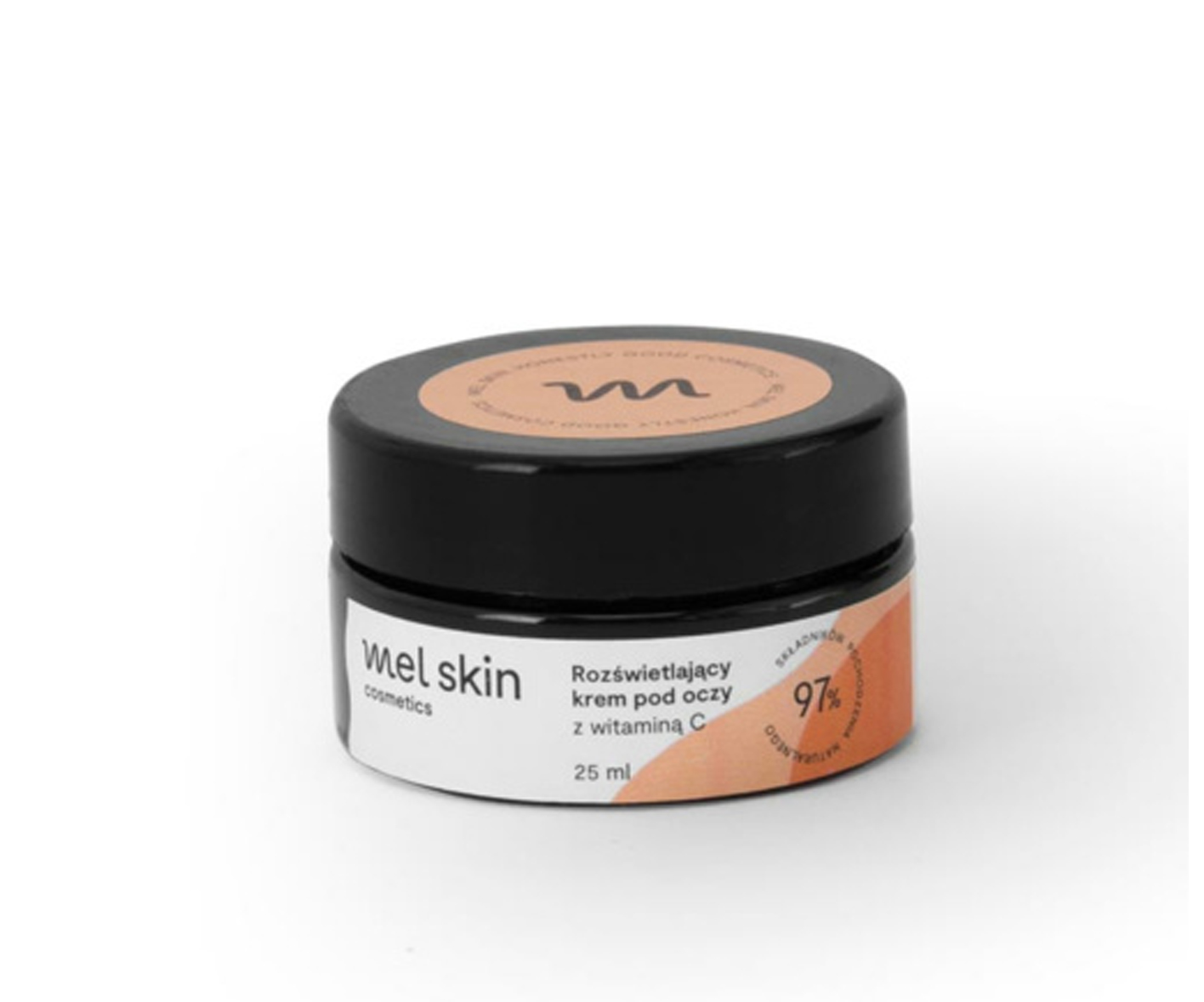
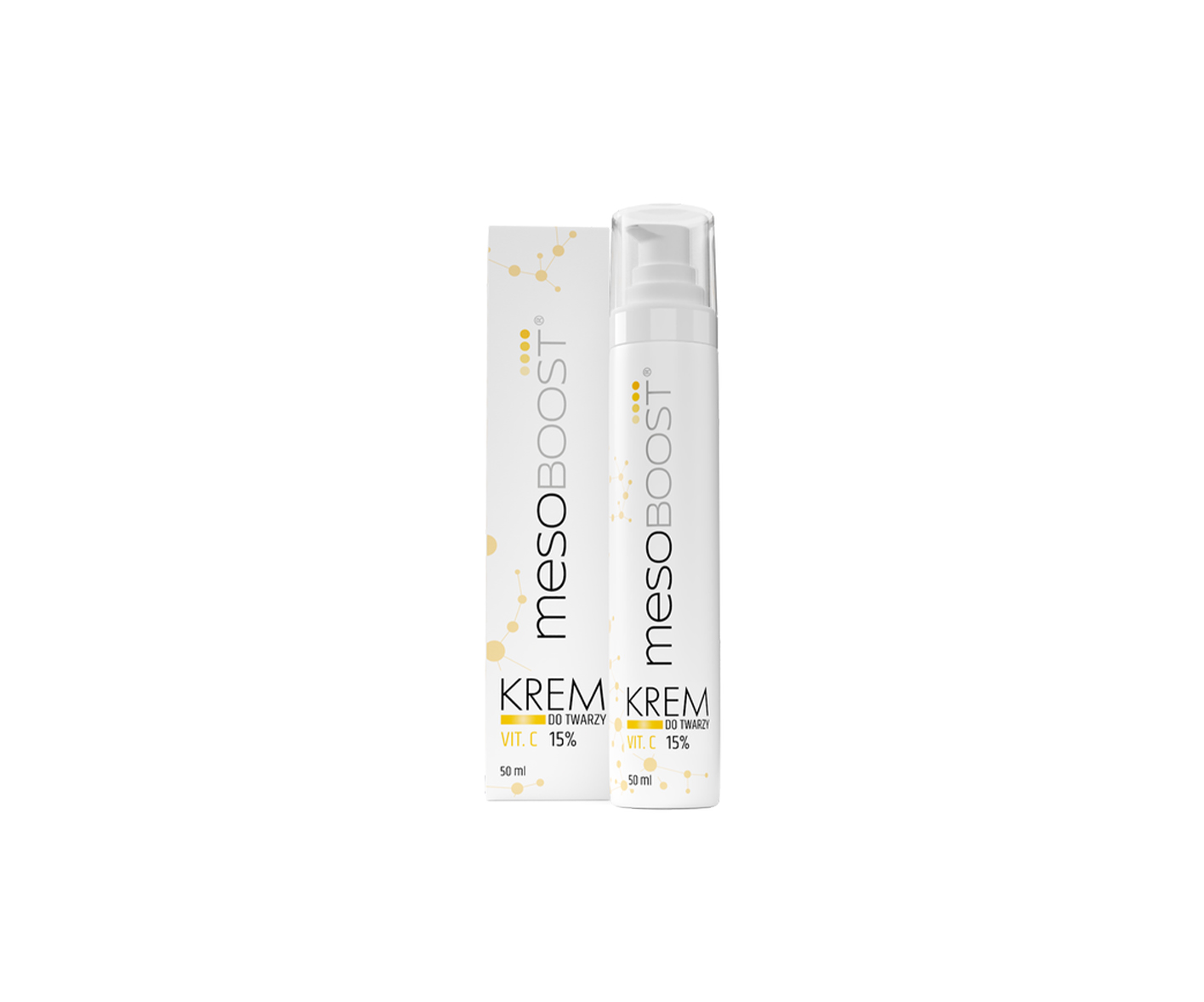
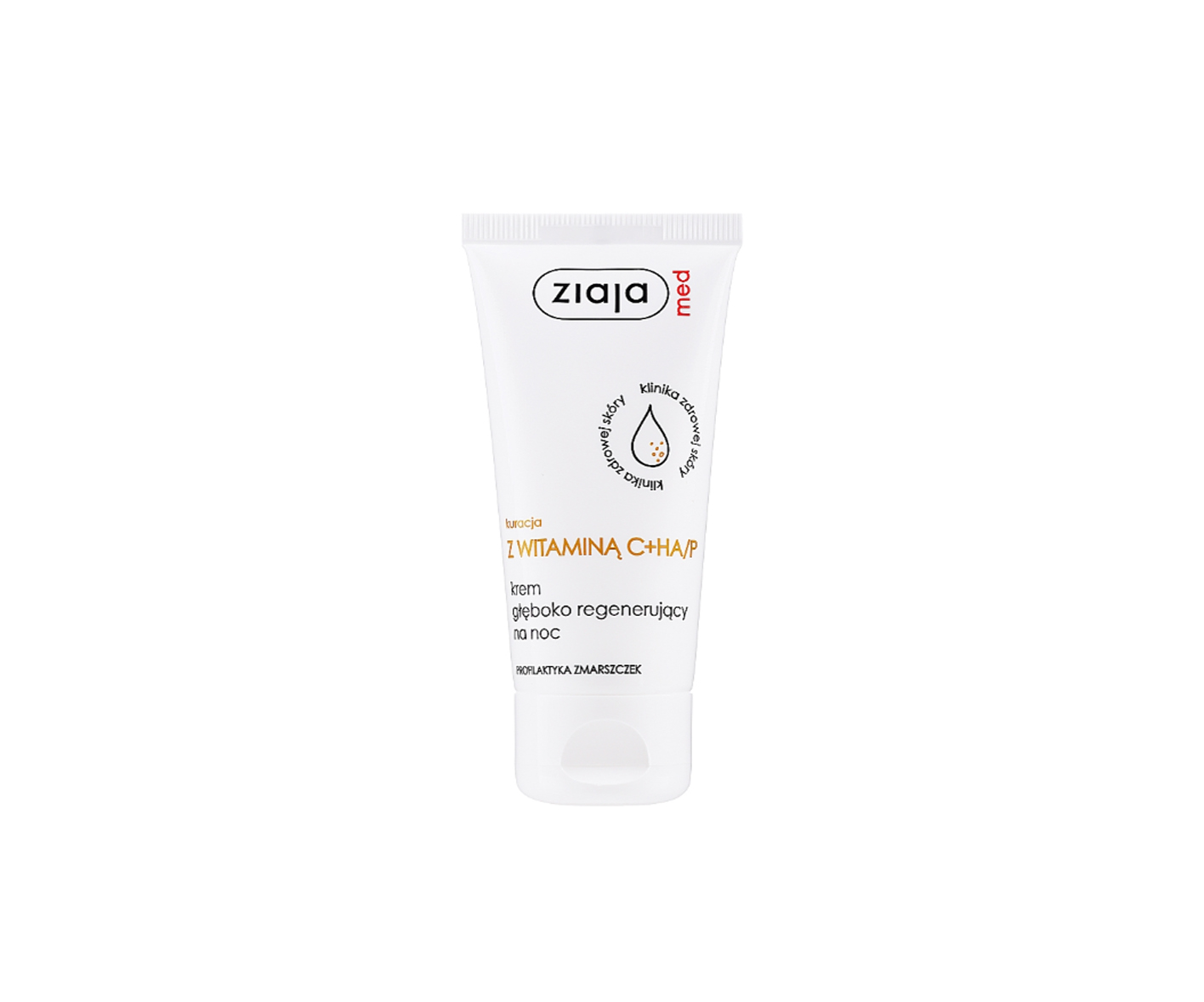
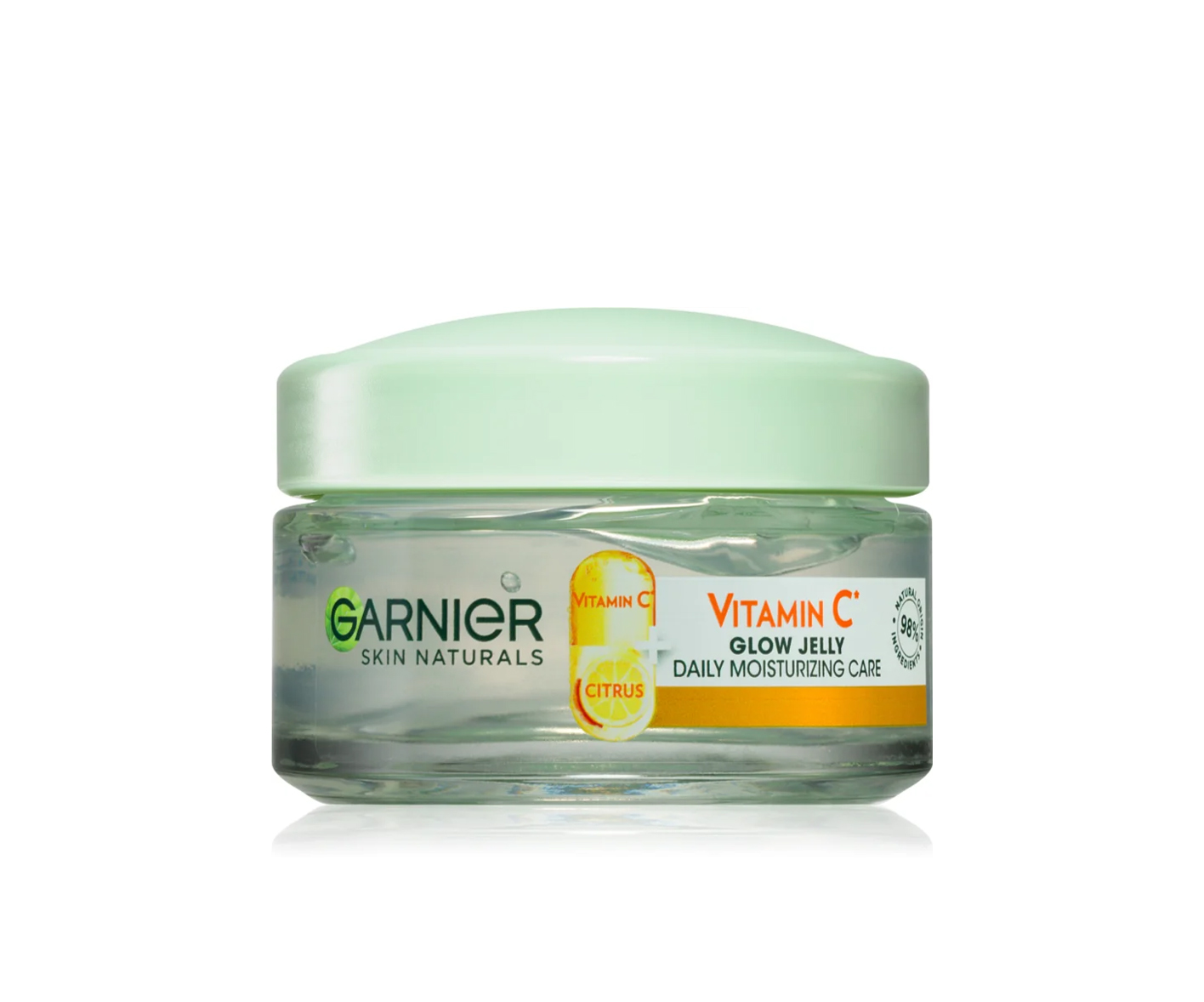
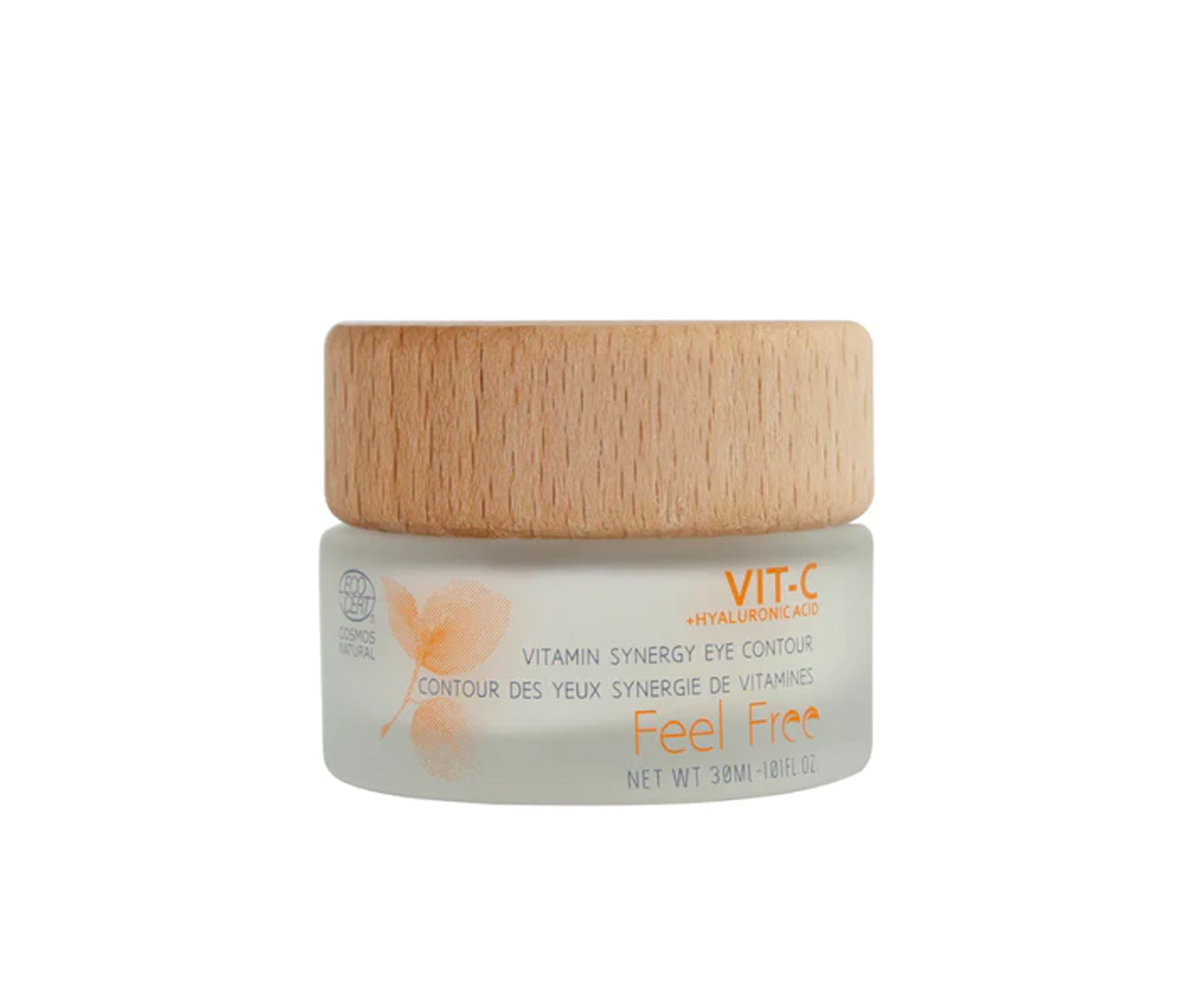
Discover 5 tried-and-tested suggestions for vitamin C face creams to keep your complexion beautiful, healthy and radiant!
Facial skin requires special care due to the fact that it is thinner and more delicate than other areas of skin on the body. Facial skin is the most exposed and exposed to external factors part of our skin. Therefore, it is susceptible to damage, to temperature changes or to the effects of cosmetics. A beautiful and well-groomed complexion contributes to attractiveness and self-confidence. Healthy facial skin is also a sign of a healthy body and a hygienic lifestyle. Read on to find out how facial skin is structured, how to care for it and which cosmetics to use to keep it looking its best.
Facial skin structure
The facial skin is made up of structures such as sebaceous glands, which produce the natural oil sebum, sweat glands, hair follicles and blood vessels that supply the skin with oxygen and nutrients. In addition, the facial skin is highly innervated, enabling it to receive a wide range of sensory stimuli.
The facial skin, like other parts of the skin, is made up of three main layers:
The dermis is the thickest layer of skin. It is very resilient and tough. It is between 1 and 3 millimetres thick. It contains blood vessels, sebaceous and sweat glands, numerous dermal papillae, the adductor muscle, the hair follicle and nerve endings. The dermis consists of layers:
- papillary, with an undulating structure and containing dermal papillae
- reticular, where the collagen and elastin fibres responsible for the skin's firmness and strength are located.
The epidermis is the direct boundary between the body and the external environment. It protects against harmful substances and also holds the pigment, melanin, which gives hair and skin its colour. It is located above the dermis.
The subcutaneous tissue is located under the dermis. It consists mainly of adipose and connective tissue. Functions of this layer include thermal insulation, energy reserve and protection of internal organs.
Skin problems of the face
Dermatological problems and skin diseases are quite common and affect a large population of people. Some are of minor annoyance and aesthetic in nature, while others cause pain and discomfort. The most common facial skin problems include:
Skin ageing. Skin ageing is most and most rapidly visible on the face. The skin ageing process is natural and manifests itself in wrinkles, loss of elasticity, sagging, discolouration and loss of natural radiance.
Skin dryness. Skin can be prone to dryness especially in winter. Dry skin is rough, flaky, tight and prone to irritation. It can be the result of inadequate care or be genetically determined.
Skin discolouration. Skin discolouration, such as sun spots, acne blemishes and hyperpigmentation, can result from excessive melanin production or skin damage.
Grey skin. Skin greyness is a condition in which the skin appears to lack a healthy, natural tone. It is often associated with inadequate blood circulation in the skin vessels, tissue hypoxia or other health problems.
Acne. This is a very common skin condition. It is manifested by blackheads, papules and pimples. Acne can be caused by excessive sebum production, blocked skin pores, bacterial infection or hormonal changes.
How can facial skin problems be managed?
Although problems related to the condition and appearance of the skin can be a cause of lowered mood and frustration, it is good to know that there are a number of methods to help keep your facial skin healthy and beautiful. Here are the most important ones:
● Proper, regular skin hygiene and care is key to keeping your skin healthy and looking beautiful. It is best to choose natural cosmetics with as few substances as possible that can irritate the skin or cause allergic reactions. It is good to choose cosmetics tailored to the specific skin type and its problems. Skin care should be a daily routine. Frequent and thorough skin cleansing is extremely important, especially in cases of acne, for example.
Moisturising the skin is very important as most cleansing cosmetics have a very negative effect on the skin's protective layer. For very sensitive and dry skin, emollients are best. These are lubricants based on paraffin, lanolin or petroleum jelly.
Drinking plenty of water can work wonders. Supplying the body with water from the outside strengthens the lipid mantle, which will keep the skin supple and smooth.
● It is extremely important for the health and appearance of the skin to lead a healthy and hygienic lifestyle and to avoid stress. There are many relaxation techniques such as meditation, yoga, massages or special breathing techniques. Make sure to get enough sleep, as this benefits the appearance of the skin and prevents dark circles and puffiness under the eyes.
● Protect your skin from the sun by using creams with a high SPF. The sun's rays accelerate the skin's ageing process and are also a cause of pigmentation changes.
Skin problems have different causes and may require an individual approach to the application of skin care treatments. If any skin problems arise, it is best to consult a dermatologist who will diagnose the problem and its causes and, on this basis, recommend an appropriate treatment.
Vitamin C face creams - effects
Vitamin C face creams are versatile in their use. First of all, vitamin C is a very powerful antioxidant that counteracts free radicals, so it slows down the ageing process of the skin and protects it from harmful external factors. The use of creams with this vitamin smoothes and tightens the complexion and also reduces and shallows wrinkles.
Another common use of facial creams with vitamin C is to use it to lighten and brighten facial skin and eliminate hyperpigmentation. It is great for evening out skin tone, evening out sallow complexions and giving a healthy glow.
Vitamin C face creams can not only have different concentrations of the active ingredient, but also a different form of vitamin C. They often have additional ingredients as well.
Vitamin C face creams distinguish between forms of the vitamin, such as:
● Ascorbic acid - this is pure vitamin C, which has an immediate effect, but also oxidises quickly,
● Ascorbyl tetraisopalmitate - the most effective and expensive form of vitamin C,
● Ascorbyl glucoside - acts in the deeper layers of the epidermis and inhibits melanin production, among other things,
● Ascorbyl phosphate magnesium salt - a stable and oxidation-resistant form of vitamin C, excellent for sensitive skin,
● Ascorbyl palmitate - only has a superficial effect on the skin, but is very stable.
Who are vitamin C face creams for?
Vitamin C face creams are suitable for all skin types. It is only necessary to adjust the concentration of vitamin C to the individual to avoid possible irritation.
Low concentration (up to 10%): low concentrations of vitamin C are usually recommended for people with sensitive skin or those who are new to vitamin C cosmetics. These formulations are gentler on the skin and have a low risk of skin irritation.
Medium concentration (10% - 20%): Cosmetics with a medium concentration of vitamin C are more concentrated and may provide better results. They are suitable for most people, but may require gradual introduction to daily skincare.
High concentration (above 20%): high concentrations of vitamin C are mainly for people with advanced skin problems such as deep wrinkles, large pigmentation spots or even scars. These cosmetics are more intense and may cause a greater risk of irritation, especially for those with sensitive skin.
Vitamin C face creams are an excellent choice for those with mature skin, with visible signs of ageing in the form of wrinkles, discolouration or a fading of the natural skin tone on the face.
Vitamin C for the face is also a great solution for people whose skin is dull, dull and visibly tired - it will become radiant and fresh after regular use of a vitamin C cream.
Vitamin C creams are also suitable for people with very dry and sensitive skin, as they have moisturising and anti-inflammatory properties. People with problematic and imperfect skin can also use them. The antioxidant effect of vitamin C is used, for example, to support the treatment of acne-prone or sun-damaged skin.
What effects can be achieved by using a vitamin C face cream?
The use of vitamin C face creams can bring many health and visual benefits to the complexion. However, it is important to use the cream regularly to get the best results. Some of the most common effects obtained from the properties of vitamin C applied to the face include:
Skin brightening: Vitamin C is known for its skin brightening properties. It helps to reduce pigmentation spots, hyperpigmentation and acne scars.
Wrinkle reduction: Vitamin C stimulates the production of collagen, the protein responsible for skin firmness and elasticity. Regular use of a vitamin C cream can help reduce the appearance of wrinkles and fine lines.
Protection against free radicals: Vitamin C is a powerful antioxidant that helps neutralise free radicals that damage the skin and accelerate the ageing process.
Improve skin tone: Regular application of vitamin C to the face can help even out skin tone and reduce redness. The skin will become smoother and healthier.
Moisturising theskin: Vitamin C in facial creams often contains moisturising ingredients to help maintain the skin's moisture levels.
Anti-acne: Vitamin C has antibacterial and anti-inflammatory properties, which can help to soothe inflammation and speed up the healing process of skin lesions like acne.
What are the key ingredients in vitamin C face creams?
Vitamin C face creams are cosmetics that contain various active ingredients to improve the health and appearance of the skin. Their composition varies depending on the specific formulation. However, the most common ingredients besides vitamin C are:
- Hyaluronic acid: An ingredient known for its moisturising properties and for retaining water in the layers of the skin, making it firmer and more elastic.
- Vitamin E: Vitamin E is a powerful antioxidant, protecting the skin from free radical damage and UV radiation.
- Ferulic acid: A powerful antioxidant. Often used together with vitamin C as it potentiates its effects.
- Fruit acids: Often added to vitamin C creams to exfoliate dead cells and improve skin texture.
- Plant extracts: Often vitamin C creams contain plant extracts such as aloe vera, green tea or pomegranate extract, which have anti-inflammatory, anti-aging and irritation-soothing properties.
- Peptides: some vitamin C cosmetics may contain peptides, which help to improve skin firmness and reduce wrinkles.
Please note that when using vitamin C for the face in the form of L-ascorbic acid, it is not recommended to combine it with cosmetics with niacinamide. These substances will neutralise each other. It is also better not to combine vitamin C with retinol or acids (AHA/BHA) in the same skin care routine, as this may lead to skin irritation.
Advantages
The use of vitamin C face creams brings many advantages to the skin. Here are the most common ones:
- Antioxidant protection.
- Skin brightening.
- Reduction of wrinkles.
- Soothing inflammation of the skin.
- Hydration of the skin.
- Ease of application.
- Availability of many preparations.
Disadvantages
The use of vitamin C creams also has a few disadvantages that you should be aware of. Among the most common are:
- The possibility of skin irritation.
- The need for regular application.
- Lack of immediate results.
- Unsatisfactory results of application.
- The possibility of interactions with other skincare products.
Always remember to choose cosmetics adapted to your specific skin type and needs, and follow the manufacturer's recommendations on the cosmetic's packaging.
How often should I use vitamin C face creams?
Vitamin C face creams can be successfully applied daily both day and night. It is most often recommended to include them in the morning skincare routine, as they enhance the effect of sunscreen. Face creams usually do not contain a high concentration of vitamin C, so they can be introduced into the daily skincare routine straight away and can be combined with other active ingredients besides retinol, niacinamide and AHA/BHA acids to avoid unwanted interactions or irritation.
How do I apply vitamin C face creams?
Applying a vitamin C cream is quick and easy and is no different to using any other face cream. When applying vitamin C cream, it is worth remembering a few rules:
● Vitamin C face cream should be applied to cleansed facial skin.
● You only need a small amount of the cosmetic to spread it thoroughly over the entire face. Alternatively, you can only concentrate on areas that need special attention, such as areas with discolouration or wrinkles.
● It is a good idea to gently pat the cream in with your fingers to avoid unnecessary stretching of the skin. You can also gently massage the skin in circular motions to help the cosmetic to be absorbed and stimulate blood circulation.
● It is a good idea to wait for the cream to be fully absorbed before applying other skincare or make-up products.
What should I consider when choosing a vitamin C cream for my face?
The choice of vitamin C face creams is huge. Finding a good cosmetic is not an easy task. In order to make the best choice, it is useful to be guided by several criteria:
Skin type: choose a product that is suitable for your skin type.
Concentration and form of vitamin C: vitamin C creams are available in different concentrations and forms. Choose the concentration of vitamin C and the form of vitamin C that is most suitable for you. For most people, products with a concentration of between 10% and 20% are recommended. Ascorbic acid, on the other hand, is the most popular form of vitamin C due to its powerful action.
Other ingredients: read the label of the cosmetic carefully to see what additional ingredients it contains and whether they are suitable for your skin. For example, vitamin E, hyaluronic acid or other antioxidants can enhance the action of the cream and bring greater benefits to the skin.
Packaging: vitamin C is sensitive to light and air, which can affect its stability. Choose creams packaged in dark and opaque packaging to minimise degradation of the active ingredient.
Reviews and feedback: Read reviews and testimonials from other users to find out what real effects the use of a particular product has had.
Discover the top 5 best vitamin C face creams in 2026
When creating our product reviews, we consider the ingredients and research their safety. We analyse the opinions of industry experts and the experiences of product users. We obtain recommendations from authorised retailers and use available sources of knowledge on active ingredients and their effects. We personally verify the action, texture, scent and feel of the products, and assess value for money.
Below are detailed reviews by our editors with a description of each product indicated.