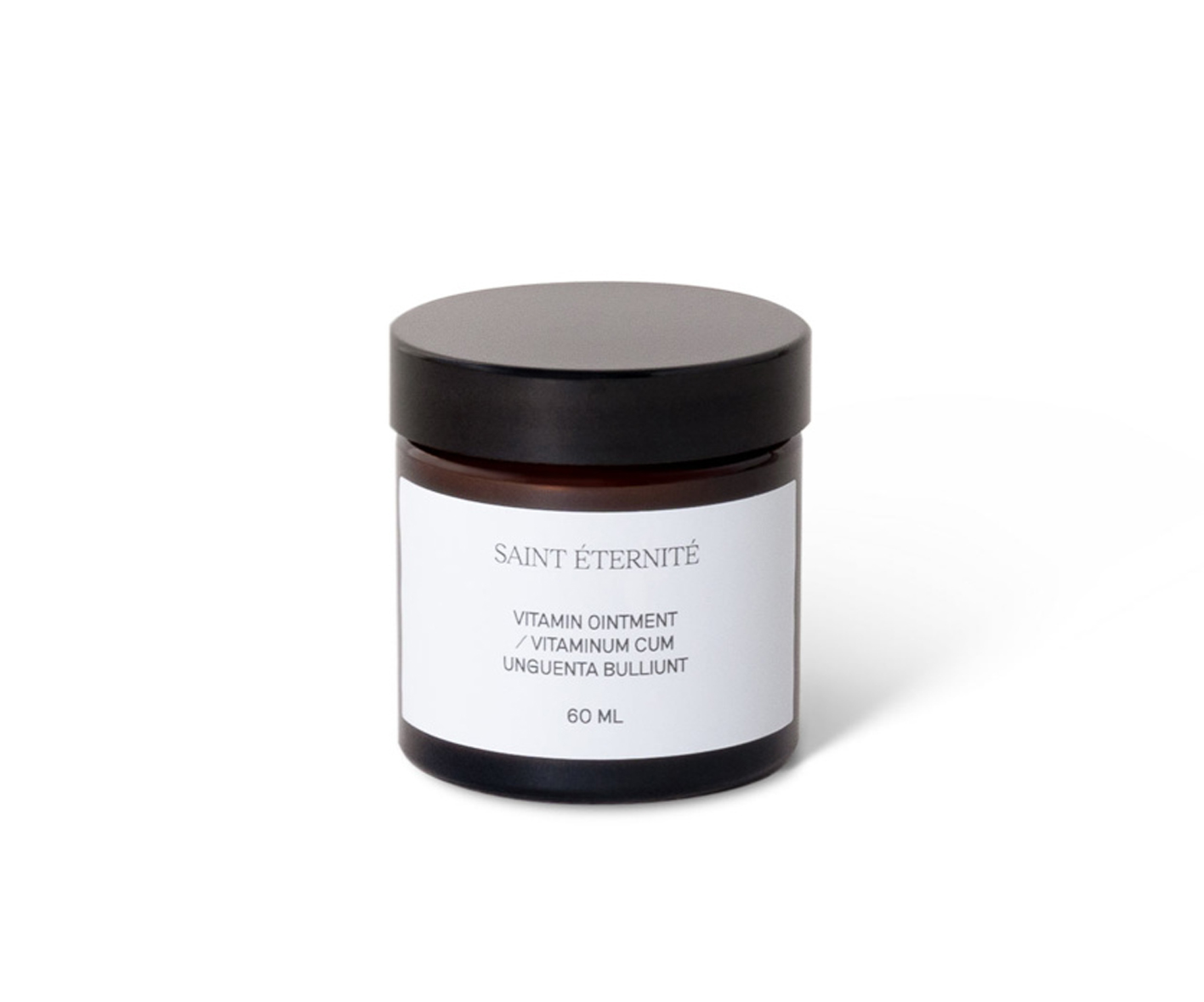
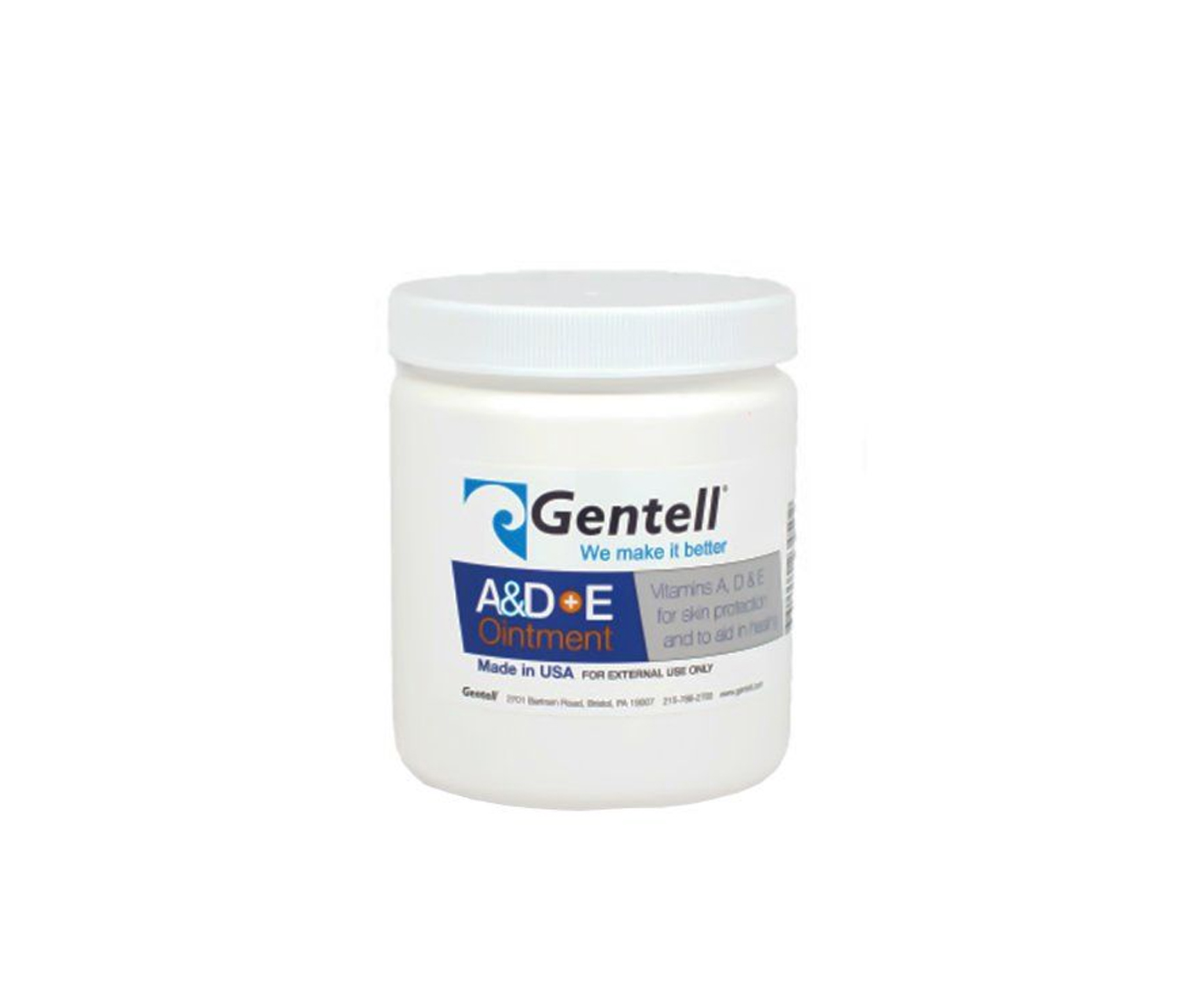
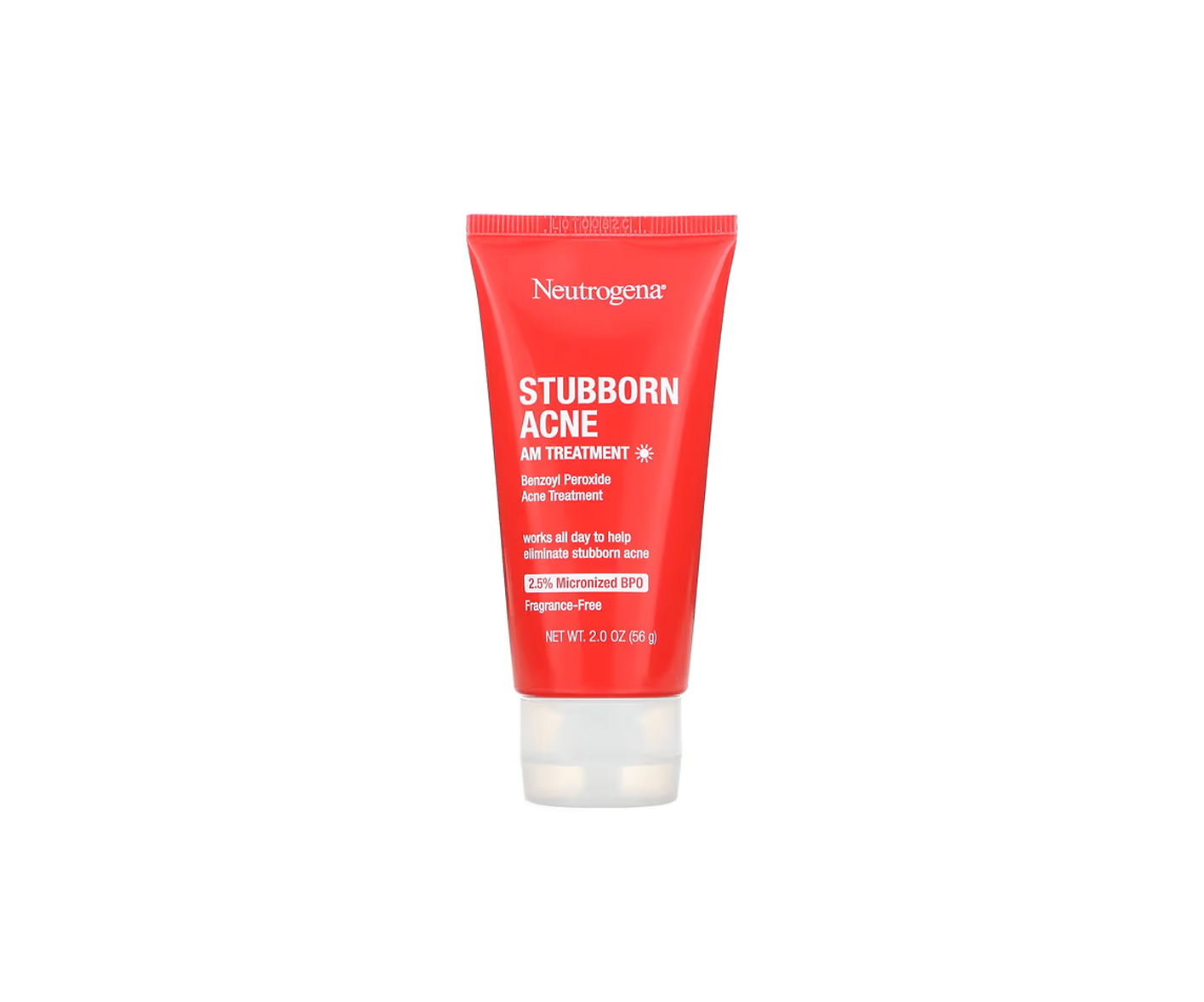
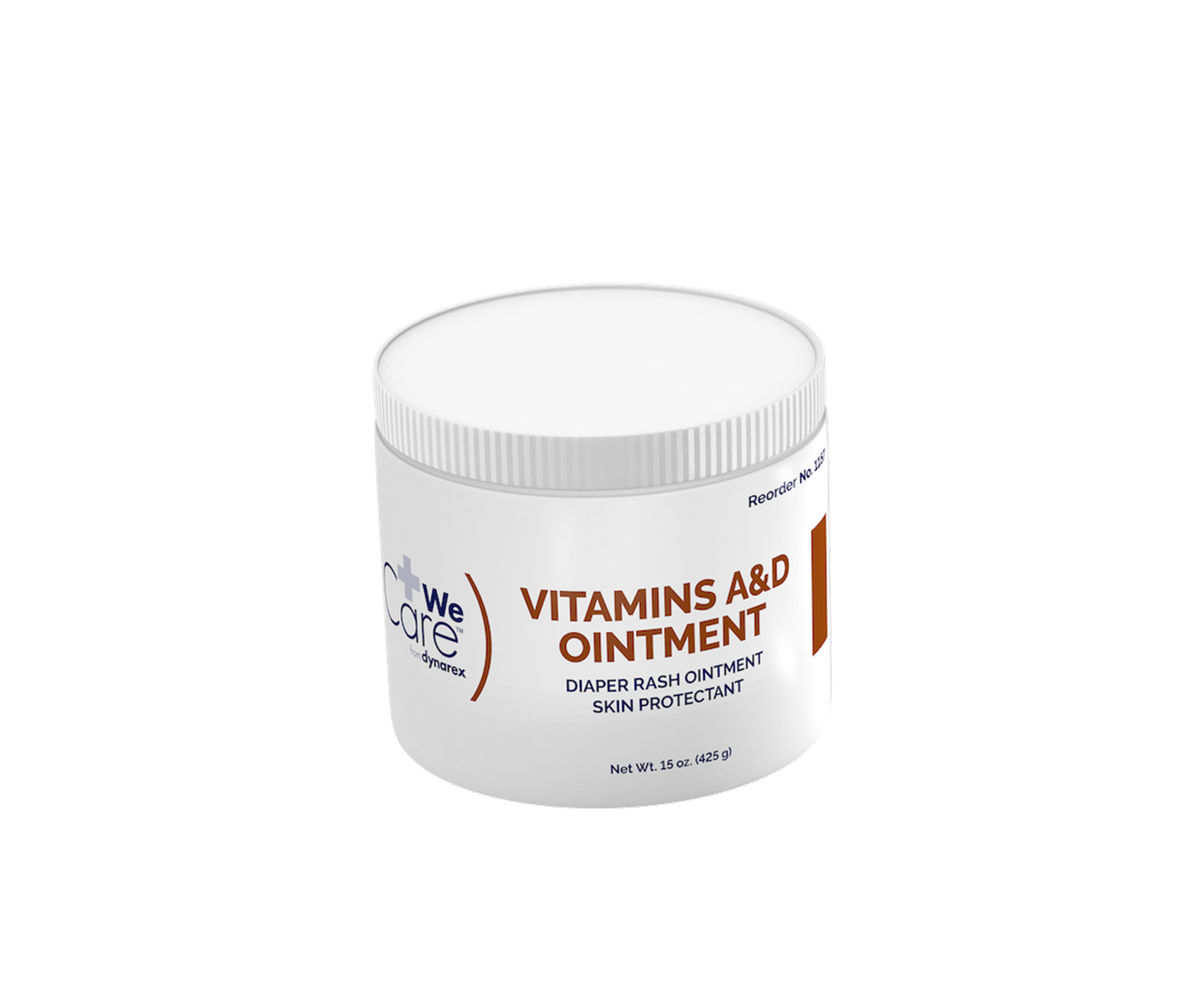
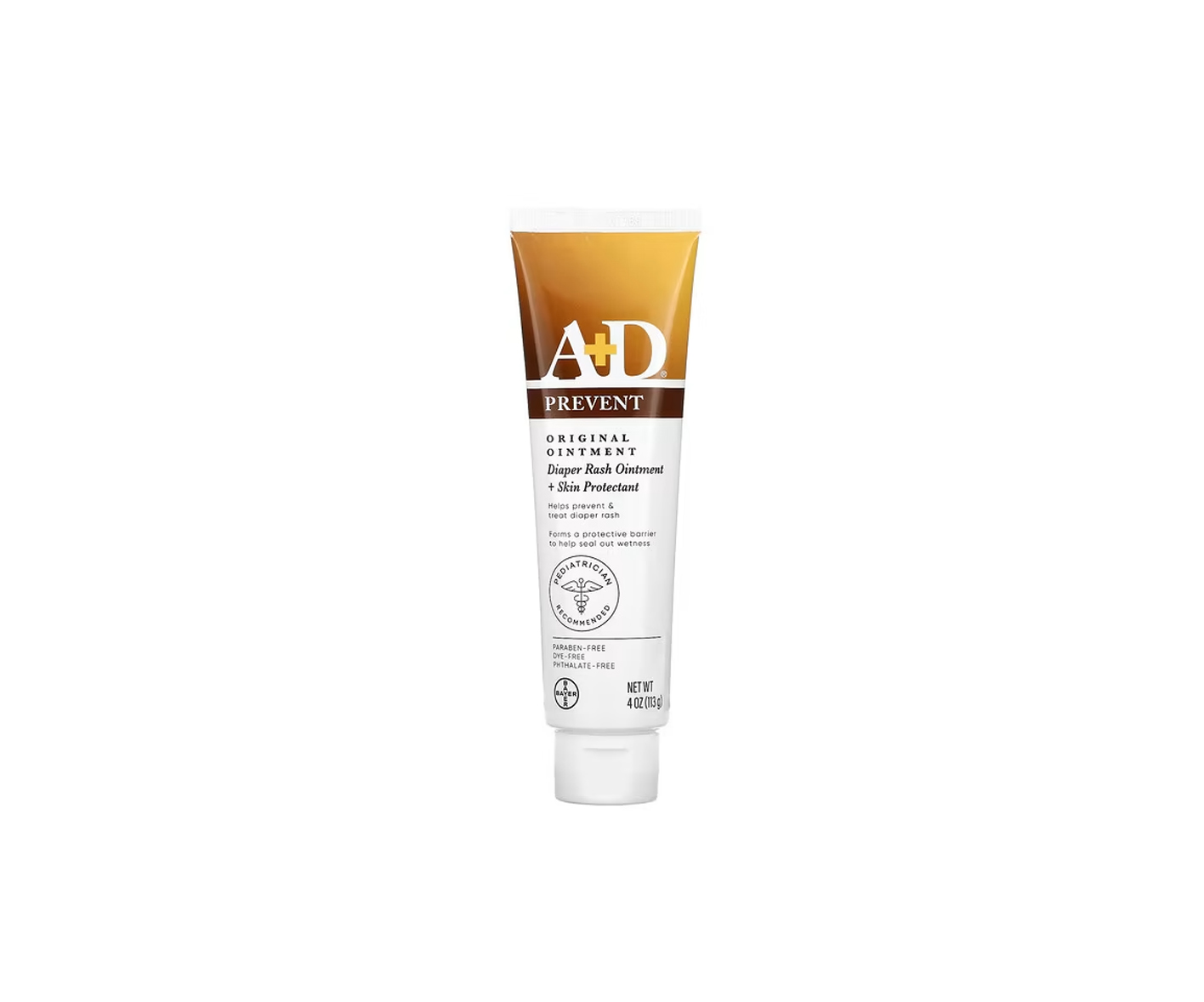
Discover 5 suggestions for vitamin A ointments and take care of your skin
It's no secret that beautiful skin influences our comfort, mood and allows us to feel attractive. However, not many people have the privilege of having flawless skin. Sometimes wrinkles, scars or discolouration appear on it. Fortunately, we can influence the condition of our skin, but if we take good care of it, it will return the favor. A healthy lifestyle, hygiene and proper care are the obvious way to keep the whole organism functioning properly. Ointments containing vitamin A are popular in skin care because of the many benefits they bring to the health and appearance of the skin. Among other things, vitamin A supports the skin's regenerative processes, which translates into an improved appearance. It can help reduce wrinkles, pigmentation spots and other skin imperfections. Vitamin A ointment is smoothing, anti-inflammatory, healing and scar-reducing, so it is undoubtedly worth reaching for. In the following article, you will find out how vitamin A ointment affects the condition of your skin and how to use it to delight in its effects.
What is skin
The skin is the largest organ of the human body and forms a barrier between the body and the external environment. It is a flexible, durable and changeable organ that performs many vital functions. The skin is a barrier that protects the body from harmful external agents such as bacteria, viruses, pollutants, UV radiation and other chemicals. It also protects against water loss and heat loss.
The skin contains different types of sensory receptors that enable us to perceive various stimuli from the environment. These receptors enable us to feel stimuli such as touch, pain, heat, cold and others.
It is also responsible for thermoregulation. It regulates body temperature, helping to maintain an appropriate internal temperature. In response to changes in ambient temperature, the skin can constrict or dilate blood vessels and secrete sweat. In addition to sweat, it also secretes sebum and other substances that can help remove toxins from the body and maintain a healthy skin environment.
The skin is involved in the production of vitamin D in response to UV radiation. Vitamin D is important for bone health and the immune system.
Melanocytes in the skin produce melanin, which gives the skin its colour. Melanin protects the skin from the harmful effects of UV radiation and is responsible for the tan. The skin acts as a protective barrier, protecting internal organs from mechanical damage and injury.
The skin is an extremely important organ for a person's health and well-being, so it is worth taking care of it properly and protecting it from harmful external factors.
Structure of the skin
The skin is a complex organ with several important layers. The epidermis is the outermost layer of the skin. It consists of several layers of epidermal cells, the innermost layer of which is the most active in the process of cell division. The epidermis contains melanocytes, which produce melanin, the pigment responsible for skin colour. The epidermis has a protective function, protecting the body from external agents such as bacteria, viruses and UV radiation.
The papillary layer (stratum papillare) lies just below the epidermis. It contains numerous blood vessels that supply the skin with nutrients and oxygen. The papillary layer also contains sensory receptors, which are responsible for receiving sensory stimuli such as touch and pain.
The reticular layer (stratum reticulare) is the deeper layer of the skin, which contains collagen and elastin fibres. These fibres give the skin its elasticity, strength and structure. Many metabolic processes take place in this layer, which affect the health of the skin.
The subcutaneous tissue (hypodermis) is the deepest layer of the skin, consisting mainly of adipose tissue. The functions of this layer are thermal insulation, protection of internal organs from injury and energy storage in the form of fat. The subcutaneous tissue can also act as a shock absorber.
The structure of the skin can vary according to location on the body and genetic variation. It is worth noting that the skin is a dynamic organ that regenerates throughout life, and that its health and condition depend on proper care and a healthy lifestyle.
Dangers that threaten the skin
The skin is our first line of defence against many threats, but at the same time it is exposed to many potential dangers. Here are some of the main factors that can threaten the skin.
UV radiation Prolonged exposure to UV radiation from the sun or sunlamps can damage the skin and increase the risk of skin cancer, accelerate the skin ageing process and cause sunburn.
Air pollution Air pollutants such as dust, smog and toxic chemicals can settle on the skin and contribute to skin damage and premature ageing.
Smoking Smoking can lead to constriction of the blood vessels in the skin, which can lead to impaired blood circulation and a diminished appearance of the skin. In addition, smoking can increase the risk of wrinkles and skin cancer.
Poisons and chemicals Contact with harmful chemicals such as detergents, solvents and pesticides can lead to skin irritation, chemical burns and skin allergies.
Infections The skin can be exposed to various infections such as ringworm, bacterial skin infections and viral infections, which can lead to inflammation and skin lesions.
Accidents and injuries Mechanical injuries such as cuts, wounds and burns can damage the skin and lead to permanent scarring and infections.
Allergies and hypersensitivity The skin can cause allergic reactions or hypersensitivity to certain substances, which can lead to itching, redness and skin rashes.
Genetics and age. Hereditary genetic predisposition and the natural ageing process can also affect the health and appearance of the skin.
In order to protect the skin from these dangers, it is important to use proper skin care, regularly avoid excessive sun exposure, adopt a healthy lifestyle (e.g. not smoking) and avoid contact with potentially harmful chemicals. Regular check-ups with a dermatologist can also help to detect possible skin problems early and prevent more serious conditions. If, despite your precautions, your skin encounters an unpleasant surprise in the form of acne, scars or other unpleasantness, it is worth reaching for vitamin A ointment.
Vitamin A ointment
Vitamin A ointment, also known as retinol or tretinoin ointment, is a cosmetic or pharmaceutical product that contains vitamin A in the form of retinoids. Vitamin A is a nutrient that is important for skin health. Vitamin A ointments are used to improve skin health and can have many applications.
Retinoids, which are derivatives of vitamin A, are often used to treat acne. They help unclog pores, reduce sebum production and speed up the skin's regeneration process.
Vitamin A ointments can help improve the overall texture of the skin, making it smooth and supple. Smooth out wrinkles and lines, visually rejuvenating the skin.
The use of vitamin A ointment can help to reduce the appearance of scars, such as acne and surgical scars, by stimulating the skin's healing process. Retinoids can also be used in the treatment of some forms of psoriasis to help relieve symptoms, such as peeling skin.
Vitamin A ointment helps to maintain the youthful appearance of the skin by reducing wrinkles, pigmentation spots and other signs of ageing.
Vitamin A ointments can cause skin irritation, dryness, flakiness and a burning sensation, so they should be used according to your doctor's instructions or the instructions on the packaging, as excessive amounts can be harmful to the skin.
For whom vitamin A ointment
Vitamin A ointment can be useful for many people in a variety of situations. Retinoids, or vitamin A derivatives, are often prescribed or recommended by dermatologists to treat acne. They can help unclog pores, reduce sebum production and speed up the skin's recovery process.
Vitamin A ointment can help those looking to rejuvenate their skin. Retinoids can be used as a preventative measure to keep skin looking younger and prevent wrinkles.
Vitamin A ointment will also be appreciated by those wishing to reduce the appearance of scars, including acne and surgical scars.
Retinoids can be used in the treatment of some forms of psoriasis to help relieve symptoms such as peeling skin.
People with skin problems such as hyperpigmentation, uneven skin texture or loss of elasticity can benefit from vitamin A ointment to improve overall skin condition.
How vitamin A ointment works
Vitamin A ointment works on the skin by activating regeneration processes, improving skin texture and reducing signs of ageing. The main effect of vitamin A ointment is due to the presence of retinoids, which are derivatives of vitamin A. Retinoids, such as retinol or retinoic acid (tretinoin), stimulate skin cells to divide and grow faster. This speeds up the skin's regeneration process, which can help get rid of damaged or ageing cells.
Retinoids help to improve collagen in the skin, making the skin firmer and more elastic. This contributes to reducing the appearance of wrinkles and lines. Vitamin A ointments can help smooth out bumps, fine scars and pigmentation spots on the skin, giving it a more uniform appearance. It lightens pigmentation spots and skin discolouration, such as age spots and hyperpigmentation.
Vitamin A ointment is an effective remedy for acne as it helps unclog pores, reduce skin inflammation and regulate sebum production. Retinoids can increase the production of collagen, which is a key structural protein in the skin, giving it firmness and elasticity. Retinoids can help to reduce the appearance of enlarged pores on the skin.
However, it is worth remembering that retinoids can cause skin irritation, dryness, redness and a burning sensation, especially at the beginning of use. Therefore, it is advisable to start using vitamin A ointments gradually and to use proper moisturising care and sun protection when using them.
Key ingredients in vitamin A ointments
Vitamin A ointments, often referred to as retinoid or tretinoin ointments, contain active ingredients derived from vitamin A or its derivatives that have beneficial effects on the skin. The key ingredient in a vitamin A ointment is actually a retinoid or its derivative. Here are some common retinoids and their active ingredients that are found in such ointments:
Retinol - this is one of the most common forms of vitamin A used in cosmetics and ointments. Retinol is easily converted into the active form of retinoic acid by the skin. It helps to improve skin texture, reduce wrinkles and stimulate collagen production.
Tretinoin (retinoic acid) - is a more powerful and active form of vitamin A that is often prescribed by dermatologists to treat acne, wrinkles and other skin problems. Tretinoin helps to speed up the skin's regeneration process.
Adapalene - is another type of retinoid used to treat acne. Adapalene works to unblock pores and reduce skin inflammation.
Retinaldehyde - an intermediate form of vitamin A that is less irritating than some other retinoids. Retinaldehyde helps to improve skin texture and reduce signs of ageing.
Retinyl palmitate - a more stable form of vitamin A that is used in some skincare products. Retinyl palmitate can help improve skin elasticity and protect against free radical damage.
Benefits of using vitamin A ointment
The use of vitamin A ointments, especially those containing retinoids, has many benefits and advantages for the health and appearance of the skin. Here are some of the main benefits of using such ointments:
- Reduction of wrinkles and lines
- Improving skin texture
- Treatment of acne
- Lightening of pigmentation spots
- Reducing enlarged pores
- Restoring skin balance
- Preventing signs of skin ageing
- Improving the overall health of the skin
Undesirable effects of vitamin A ointments
The use of vitamin A ointments, especially those containing retinoids, can cause unwanted side effects in some people. Below are some of the potential adverse effects of using such ointments:
- Skin irritation
- Rash
- Dryness and peeling of the skin
- Burning sensation
- Redness
- Sensitivity to the sun
- Deterioration of skin problems
- Dry skin and peeling of the lips
It is worth noting that not every person will experience these adverse effects, and the intensity and frequency of side effects can vary depending on the type of retinoid, dose and individual skin response. If you are experiencing adverse effects from vitamin A ointment, consult your dermatologist, who can adjust your therapy or recommend appropriate skincare products to alleviate these symptoms.
How often to use vitamin A ointment
The use of vitamin A ointment depends on your specific situation and the skin problem you wish to treat. Vitamin A has many beneficial properties for the skin, but excess or inappropriate use can lead to side effects. Therefore, it is important to adapt the frequency of vitamin A ointment use to your individual needs. If your doctor has prescribed vitamin A ointment or recommended its use, follow his or her recommendations regarding dosage and frequency of application. Vitamin A ointments, such as retinoids, are often used to treat acne. They are usually applied once a day in the evening, but the exact instructions will depend on the type and strength of the product and individual skin needs. The use of vitamin A ointments to reduce wrinkles can vary from product to product, but they are usually applied once a day in the evening.
If you have psoriasis or other skin conditions, always apply the ointment as directed by your doctor. Often, vitamin A ointments can be applied once a day or as otherwise recommended by a specialist.
Avoid over-application. Excess vitamin A can lead to skin irritation, dryness, flakiness or other side effects. Do not use more product than recommended by the label or your doctor. Products containing vitamin A, especially retinoids, can make the skin more sensitive to the sun. It is therefore important to use adequate sun protection to avoid sunburn and other skin damage. Remember, these are general guidelines and specific recommendations for the use of vitamin A ointment may vary depending on the product and the needs of the skin.
Vitamin A ointment - method of application
Vitamin A ointment application depends on the specific product and the directions on the label or provided by your doctor or dermatologist. Here are the general steps you can consider when applying vitamin A ointment:
1. place a small amount of the ointment on clean, dry skin. Make sure your skin is clean and dry before applying the ointment. It is usually sufficient to apply a small amount of product as vitamin A is a concentrated ingredient.
(2) Avoid contact of vitamin A ointment with the areas around the eyes and mucous membranes, as this can cause irritation. If the ointment is intended for use on the face, try to stay away from these areas.
3. gently spread the ointment on the skin, avoiding excessive rubbing. You can use your fingertips or special applicators if these are recommended by the product.
4. vitamin A, especially in the form of retinoids, is usually applied in the evening as it can make the skin more sensitive to UV radiation. Evening application avoids problems associated with sun exposure.
5 Try to follow the dosage and application frequency recommendations on the product label.
6. use sun protection. Products containing vitamin A, especially retinoids, can make your skin more susceptible to UV radiation. It is therefore important to use adequate sun protection every day to protect your skin from the sun's harmful effects.
7 Monitor skin reactions. For the first few weeks of using vitamin A ointment, you may experience slight burning, redness or flaking of the skin. If these symptoms are bothersome or worsen, consult your doctor.
Which vitamin A ointment is best
When choosing a vitamin A ointment, there are a few key factors to consider to find the right product for your needs and skin type. Here are some considerations to take into account:
Skin type: It is important to choose an ointment that is suited to your skin type. Some vitamin A products may be more suitable for oily skin, while others will work better on dry or combination skin.
Purpose of use: Determine why you want to use vitamin A ointment. Do you want to treat acne, reduce wrinkles, improve skin texture, or do you have other specific skin problems? Choose a product that is designed to address your specific problem.
Type of vitamin A: Vitamin A comes in different forms and products may contain different types of vitamin A or its derivatives, such as retinol, retinoids, retinaldehyde, etc. Each of these ingredients may have different effects and levels of efficacy. Consult an expert to find out which form of vitamin A will work best for you.
Product potency: vitamin A products vary in their potency. Some are over-the-counter (OTC) and have lower concentrations of vitamin A, while others are available by prescription and are more potent. Again, a consultation with a dermatologist will help determine what strength of product is right for you.
Additional ingredients: some vitamin A ointments contain additional ingredients such as moisturisers, antioxidants or other active ingredients. Look out for these additional ingredients, which may help to improve the condition of your skin.
Skin sensitivity: If you have sensitive skin, you may need to choose a product with a milder effect or start using it gradually to avoid irritation.
Price and availability: The price of a product can also be an important factor to consider. Compare different price options and consider your budget. Also make sure the product is available in your region.
Opinions and reviews: Read other people's opinions about the product you are interested in. Reviews can provide useful information about efficacy and other users' experiences.
Discover the top 5 vitamin A ointments in 2026
When creating our product reviews, we consider the ingredients and research their safety. We analyse the opinions of industry experts and the experiences of product users. We obtain recommendations from authorised retailers and use available sources of knowledge about active ingredients and their effects. We personally verify the action, texture, scent and feel of the products, and assess value for money.
Below are detailed reviews by our editors with a description of each product indicated.