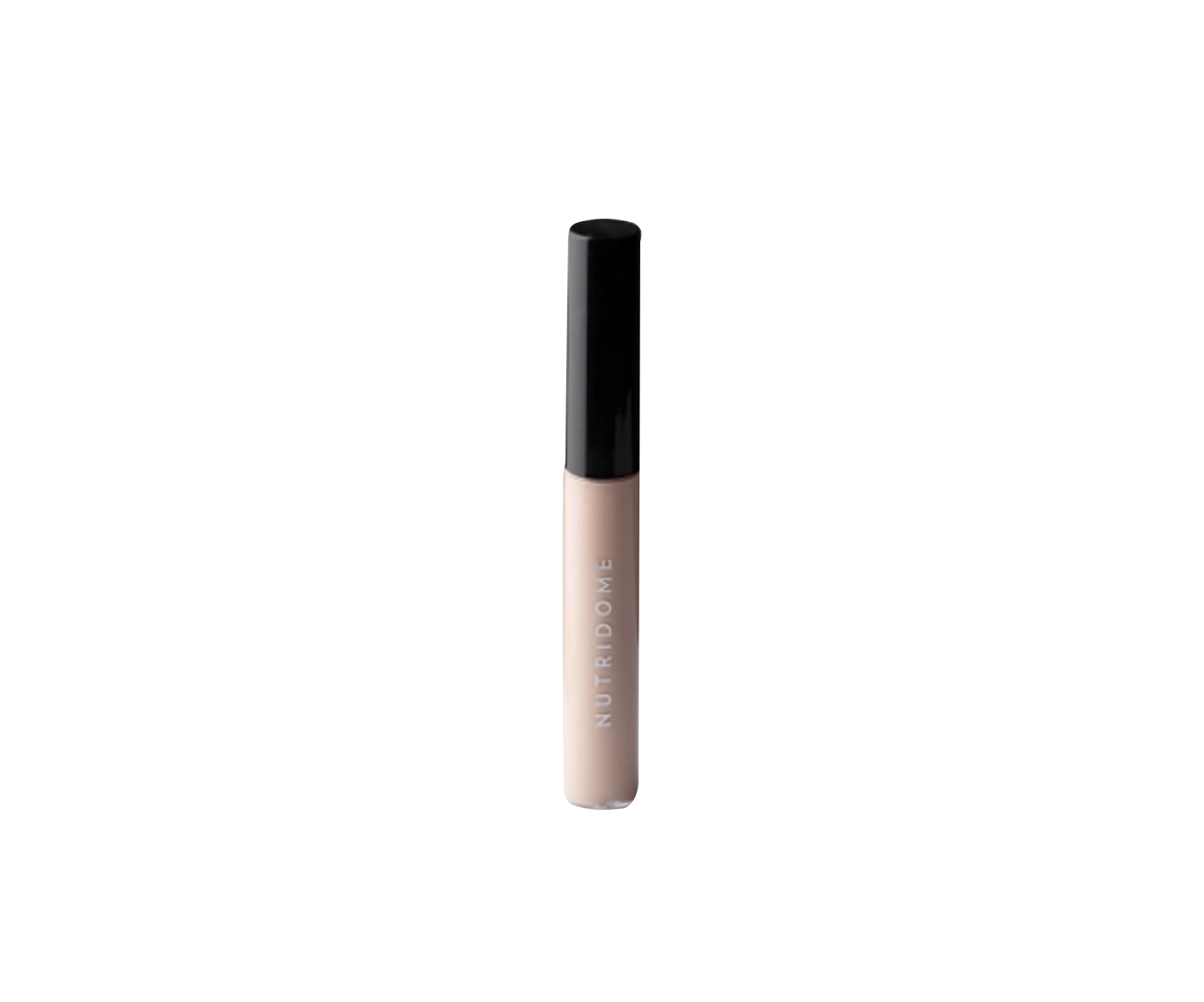
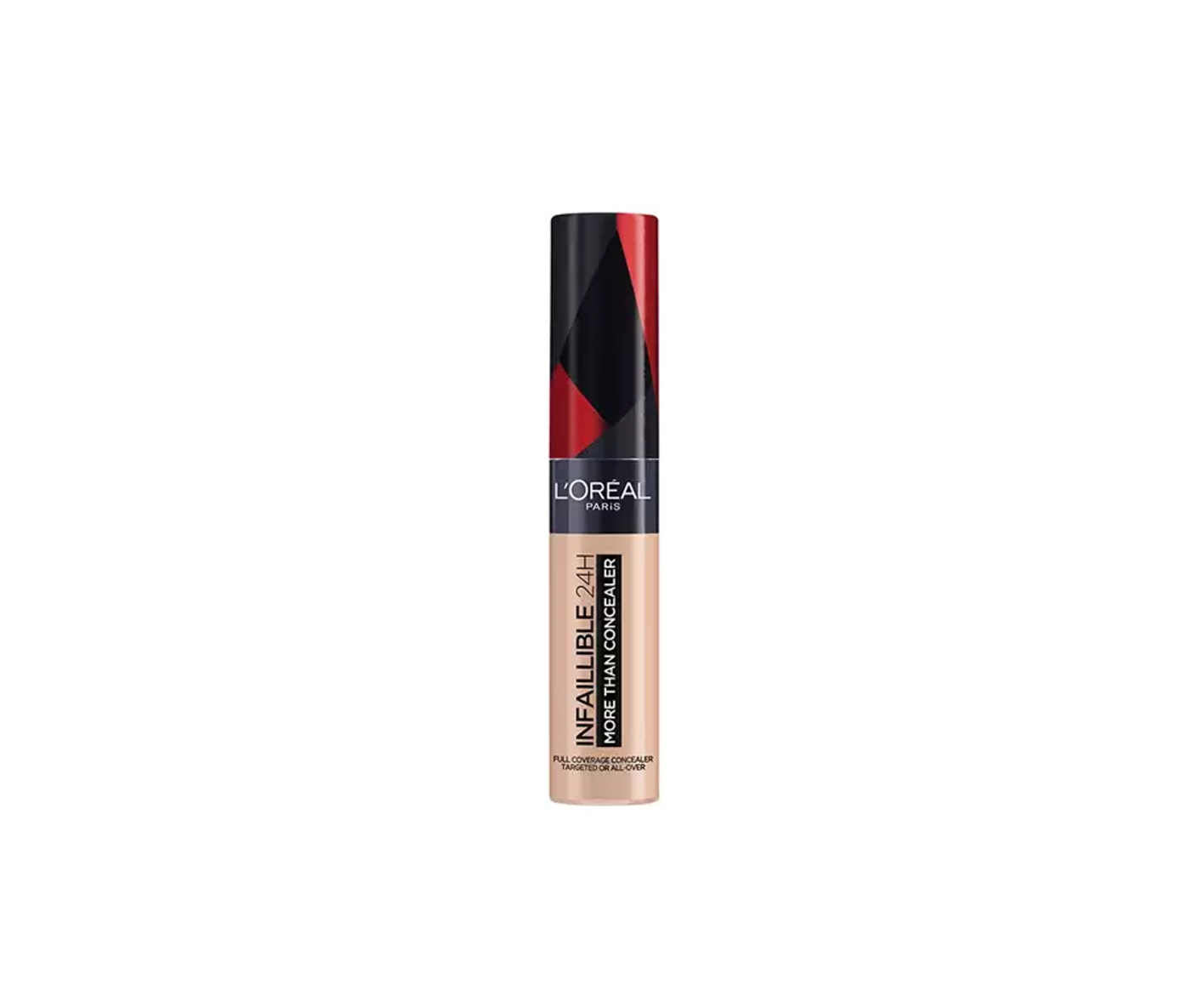
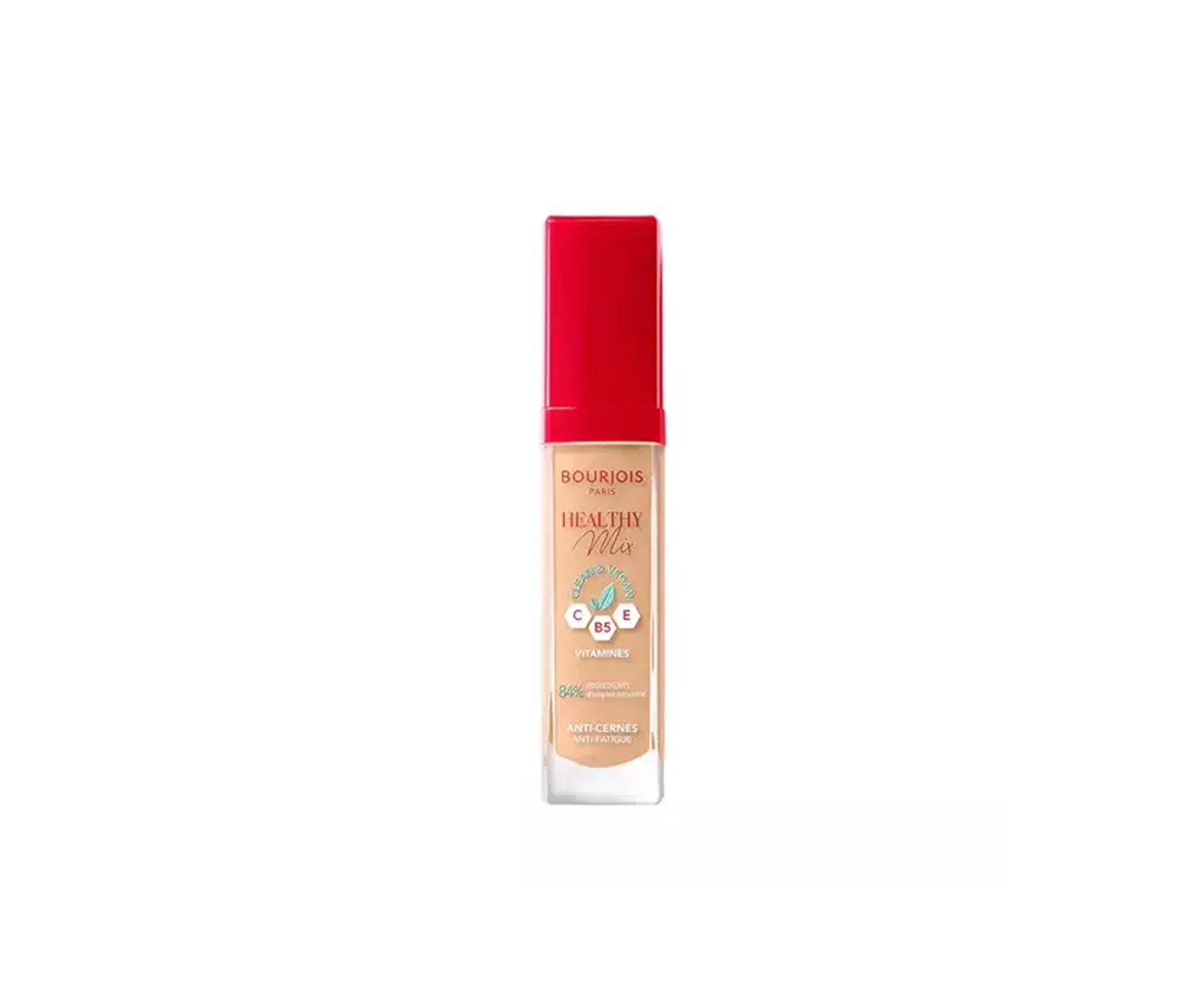
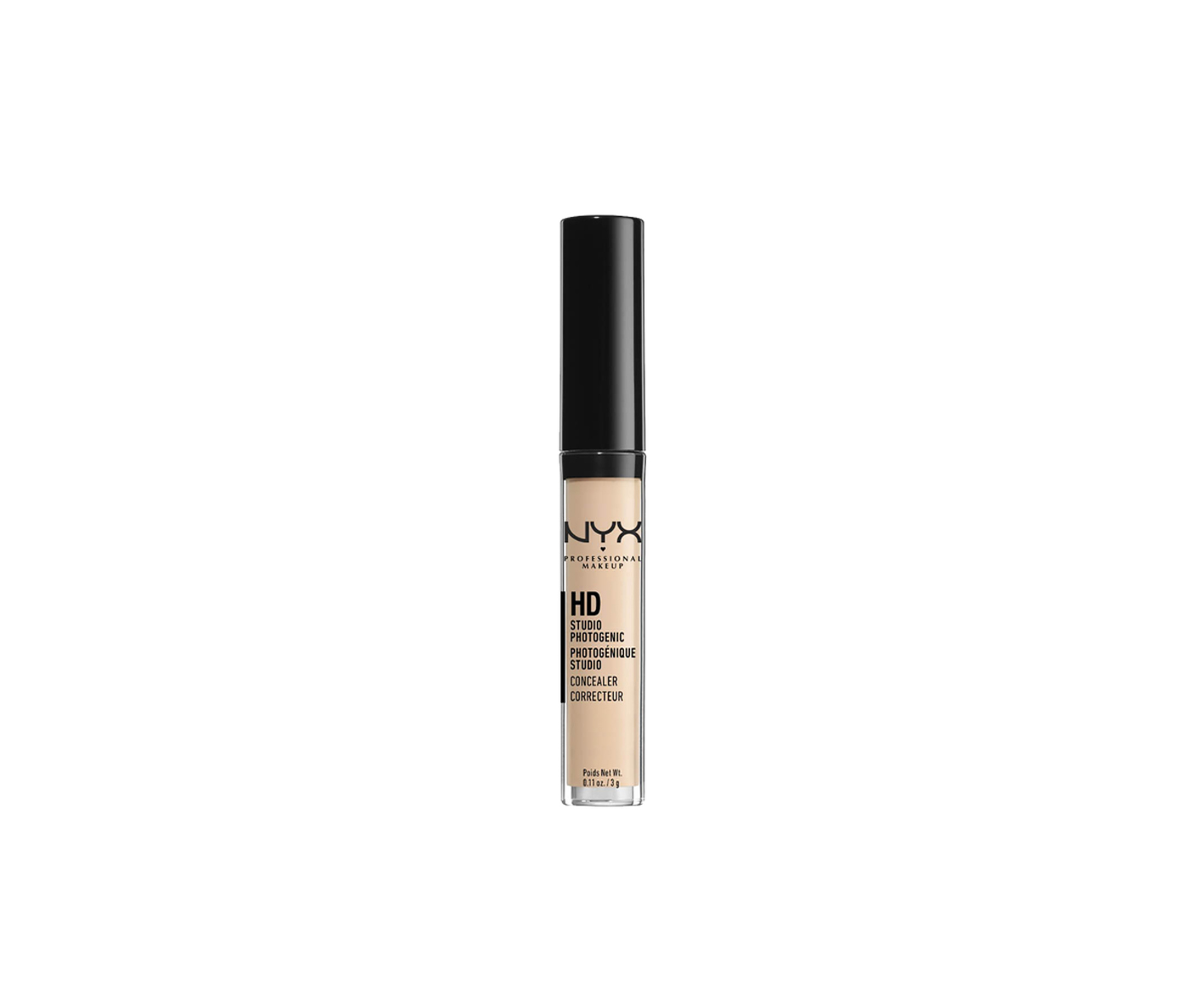
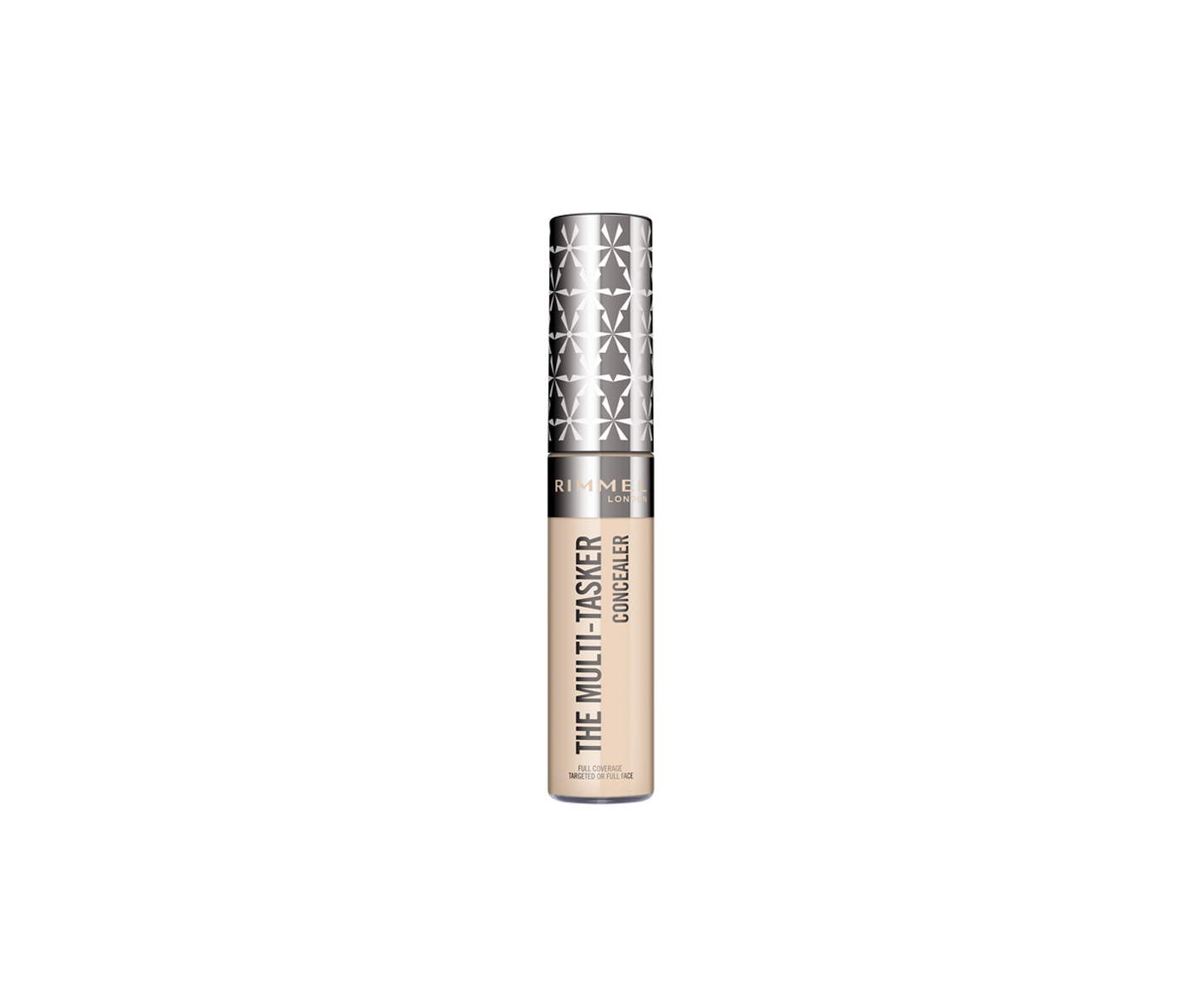
Discover 5 suggestions for under-eye concealers and gain confidence!
A look that is illuminated, rested and free of imperfections can affect our sense of confidence. Feeling good about our appearance makes it easier for us to interact socially and take on life's challenges. Other people's positive reactions to our appearance can further boost our confidence. Nevertheless, it is worth remembering that true self-esteem should be based on inner strength, self-acceptance and life skills, not just an attractive outer appearance. However, it is no secret that skilful make-up work helps you feel good in your own skin. Due to its specific structure, the skin under the eyes often causes problems and requires special care. A good quality under-eye concealer helps to hide its deficiencies, such as dark circles, bags or bruising. These changes can be caused by various factors, such as lack of sleep, stress, genetics, allergies or skin ageing. Under-eye concealer helps to even out the skin tone and make it look more uniform. In the following article, we'll give you a little insight into the problems faced by the skin in the eye area, as well as advice on which concealer to choose to help enhance the beauty of your eyes and make them look more defined.
Under-eye skin
The condition of the skin under the eyes can affect our sense of self-confidence. When this delicate area of skin looks good - bright, smooth and free of puffiness or dark circles - we often feel more comfortable in our own bodies. Conversely, when imperfections such as bags, dark circles or bruising appear there, it can introduce feelings of discomfort. Our eyes are often seen as the focal point of our face, so their appearance can have a big impact on the overall impression we make on others.
A well-groomed under-eye area can make our outlook more radiant and vibrant. This, in turn, can affect our mood and self-confidence, as we feel more attractive and confident when interacting with other people. This is why many people use various skincare methods and cosmetics to keep the skin in the eye area in the best possible condition. Of course, it is worth remembering that true beauty comes from self-acceptance, regardless of how we look from the outside.
Structure of the skin under the eyes
The skin under the eyes has a particular structure that affects its appearance and sensitivity. The skin under the eyes is one of the thinnest on the entire body. It is about 0.5 mm thick, which makes it extremely delicate and sensitive. Unlike other areas of skin, such as the face or scalp, the skin under the eyes does not contain sebaceous glands. The absence of these glands means that the skin is less protected against moisture loss and can dry out more easily. There is little fatty tissue under the skin under the eyes, making the area more prone to the appearance of dark circles and bags. The skin under the eyes has a rich network of blood vessels, which can lead to the appearance of dark circles, especially when the blood vessels are dilated.
Due to the lack of fatty tissue and thin skin, the area under the eyes can lose elasticity and firmness more easily, which can lead to the appearance of wrinkles and lines. Because of these structural features, the skin under the eyes requires special attention and care. Regular moisturisation, use of anti-wrinkle creams and avoidance of factors that can irritate this delicate skin can help to maintain its healthy appearance. If you are uncomfortable with the appearance of your under-eye area, a good quality under-eye concealer that does not weigh down the skin but hides flaws and evens out skin tone can help.
Skin problems under the eyes
The skin under the eyes is one of the most sensitive areas on the face and is often prone to various problems. Below, we will give you a little insight into the most common skin problems under the eyes.
Dark circles under the eyes. Dark circles under the eyes can be caused by various factors such as heredity, fatigue, stress, poor diet, excess salt in the diet, allergies, chronic sinusitis, smoking or ageing. They can be caused by dilated blood vessels or melanin accumulation in the area.
Under-eye bags. Bags under the eyes are usually the result of fluid and tissue accumulation under the skin around the eyes. They can be caused by fatigue, poor diet, allergies, excess salt in the diet, drinking alcohol, smoking, hormonal changes, skin ageing or genetics.
Under-eye puffiness. Puffiness under the eyes can result from a build-up of fluid in the subcutaneous tissue around the eyes. This can be caused by fatigue, stress, poor diet, allergies, drinking alcohol, smoking, hormonal changes, allergic reactions, overexposure to the sun, or crying.
Wrinkles and lines. Due to the thin and delicate nature of the skin under the eyes, this area is prone to developing wrinkles and lines. These can be the result of ageing skin, loss of elasticity, excessive muscle tone, facial expression, dry skin or exposure to environmental factors.
Dryness and irritation. The skin under the eyes can also be prone to dryness and irritation, especially with improper care, such as using overly irritating skin care products or rubbing this delicate skin too often.
Treating skin problems under the eyes may require a variety of approaches, including lifestyle changes, the use of appropriate skincare products, medical treatment or cosmetic procedures. For serious skin problems, it is recommended to consult a dermatologist.
Skin care under the eyes
Skin care under the eyes is important to maintain a healthy appearance and prevent various problems such as dark circles, bags or wrinkles. The skin under the eyes is very sensitive, so it is important to use gentle products and avoid excessively rubbing or stretching the area. It is better to use a gentle circular motion with your fingers when applying products or removing make-up.
It is crucial to moisturise regularly to prevent dryness and dehydration, which can contribute to wrinkles. Choose moisturisers specifically designed for the delicate skin under the eyes.
The skin under the eyes is susceptible to UV damage. Therefore, it is important to use under-eye creams that contain SPF to protect the skin from the sun's harmful rays. If you tend to get wrinkles under your eyes, it is a good idea to use anti-wrinkle creams or serums that contain moisturising and nourishing ingredients such as hyaluronic acid, vitamin C or retinol.
If you have problems with bags under the eyes, cooling compresses such as cold spoons or special eye masks can be used to reduce puffiness and the feeling of swelling. Getting enough sleep and a healthy, balanced diet can also help to improve the appearance of the skin under your eyes. Try to get enough sleep and avoid excess salt and highly processed foods, which can lead to water retention and worsen skin problems.
Remember that everyone's skin is different, so you may need to experiment with different products and methods to find the best care for your under-eye skin. If your skin is prone to blemishes, bags or puffiness, it's worth helping by using an under-eye concealer. Make sure it's of good quality and doesn't weigh down the delicate skin around your eyes.
Under-eye concealer
Under-eye concealer is a cosmetic product used to cover skin imperfections under the eyes, such as dark circles, bags or bruising. Concealer is usually in liquid or cream form and has a lighter consistency than foundation, allowing for gentle application to the delicate skin under the eyes. Under-eye concealer helps even out the colour of the skin under the eyes, eliminating the appearance of dark circles, which can be caused by fatigue, genetics, allergies or other factors. Eye concealer can also help reduce the appearance of bags under the eyes by brightening and smoothing this area of skin. It improves the appearance of the skin under the eyes by giving it a more uniform colour and texture, making the look appear more radiant and fresh.
Under-eye concealer is available in a variety of shades to match your skin tone and provide a natural look. Some concealers also contain moisturising and anti-ageing ingredients, which can further improve the condition of the skin under the eyes.
It is worth remembering that an under-eye concealer is a cosmetic that is only intended to temporarily hide skin imperfections, not treat them. However, the use of concealer can significantly improve the look and feel of your skin, providing a more rested and radiant look.
How concealer works under the eyes
Under-eye concealer works mainly through various cosmetic properties that help to hide skin imperfections under the eyes and improve the appearance of the skin. Under-eye concealer contains pigments that have the ability to conceal, or cover, skin imperfections such as dark circles, bags or bruising. These pigments are usually chosen in the right shades to match the skin tone and provide a natural look.
Many eye concealers contain illuminating ingredients to help brighten the under-eye area and diminish the appearance of dark circles These ingredients often reflect light, making the skin appear more radiant and fresh. Some eye concealers contain moisturising and smoothing ingredients to help soften and plump the skin under the eyes. This can help reduce the appearance of fine lines and wrinkles
Concealer tends to have a lighter texture than foundation, allowing for gentle application to the delicate skin under the eyes without the product looking heavy or clumping. The light texture allows the concealer to be easily blended and blended with the rest of the make-up. Most concealers are formulated to last for hours, meaning they can stay on the skin all day without the need for frequent touch-ups.
The effect of an under-eye concealer can be enhanced when used in combination with other skincare and make-up products, such as moisturisers, foundations or powders.
Who is eye concealer for
Under-eye concealer is for anyone who wants to improve the appearance of the skin under the eyes and hide imperfections such as dark circles, bags or bruising. Regardless of gender, age or skin type, concealer can be used by different people with different skin problems under the eyes. Under-eye concealer can help cover dark circles under the eyes, which can be caused by fatigue, genetics, allergies or other factors. For those who struggle with dark circles, concealer can significantly improve the appearance of the skin and make the look more radiant.
Under-eye concealer can also be an effective solution for those who have problems with bags under the eyes. A concealer can help reduce the appearance of puffiness and the feeling of swelling, making the skin appear firmer and more rested.
Concealer can also be helpful for those who have bruising under the eyes, which can be caused by dilated blood vessels or other factors. A concealer with the right colour can help to diminish the appearance of bruising and make the skin look more even.
Even if you don't have specific skin problems under the eyes, an under-eye concealer can be used as part of your make-up routine to improve the overall appearance of your skin and give you a more rested and radiant look.
In summary, under-eye concealer can be used by anyone who wants to improve the appearance of the skin under the eyes and hide skin imperfections, regardless of the cause of these problems or skin type.
Under-eye concealer - effects of use
Using an under-eye concealer can have a number of benefits and positive effects on the appearance of the skin around the eyes. Under-eye concealer helps to cover dark circles, bags or bruising under the eyes, making the skin look more rested, fresh and radiant. This helps to make the look brighter and clearer. The brightening ingredients in the concealer can help to lighten the area under the eyes, reducing the appearance of dark circles and giving the skin a more uniform colour. This effect makes the look more radiant and younger. An under-eye concealer may contain moisturising and anti-ageing ingredients to help soften and smooth the skin under the eyes. This makes lines and fine lines less visible and makes the skin look firmer and more supple. Some eye concealers contain SPF to help protect the delicate skin under the eyes from the sun's harmful rays. UV protection can prevent premature skin ageing and reduce the risk of wrinkles.
By hiding skin imperfections under the eyes, brightening the look and smoothing the skin more effectively, concealer can help to improve overall appearance and well-being. Those who use concealer often feel more confident and satisfied with their appearance.
Eye concealer - key ingredients
Key ingredients in eye concealers can vary from brand to brand and from product formula to product, but here are some ingredients that are often found in eye concealers and can benefit the skin around the eyes:
- Moisturising ingredients - such as hyaluronic acid, glycerine or panthenol. These help to soften and hydrate the skin under the eyes, preventing dryness and reducing the appearance of fine lines and wrinkles.
- Brightening ingredients - such as vitamin C, coenzyme Q10 or plant extracts. These help to reduce dark circles under the eyes and give the skin a more radiant appearance.
- Anti-inflammatory and soothing ingredients - e.g. aloe vera, bisabolol or chamomile extract. These can help to reduce irritation and swelling, as well as soothe sensitive skin under the eyes.
- Light-reflecting ingredients - such as micropigments or pearls. These help to brighten the under-eye area and reduce the appearance of dark circles and wrinkles.
- Anti-ageing ingredients - e.g. retinol, peptides or plant extracts. These can help to improve the elasticity and firmness of the skin under the eyes, as well as reducing wrinkles and lines.
- SPF filter - some eye concealers contain an SPF filter to protect the delicate skin under the eyes from the sun's harmful rays and prevent premature ageing.
Remember that ingredients can vary between brands and product formulations, so it's always worth checking the ingredient label to find out what substances your concealer contains. If you have sensitive skin or allergies, it is always advisable to test on a small area of skin before using the product regularly.
Benefits
There are many benefits to using an under-eye concealer to help improve the appearance of the skin around your eyes and your overall appearance. Here are some of the main benefits of using an under-eye concealer:
- Hiding dark circles, bags and bruising
- Improve appearance
- Brightening the look
- Masking signs of fatigue
- Improving mood
- Protect skin from external factors
- Smoothes lines and wrinkles
- Brightening the skin
Disadvantages
Despite its many benefits, the use of an under-eye concealer can be associated with some undesirable effects, especially when the product is used incorrectly or when the skin reacts to specific ingredients. Here are some potential adverse effects of using an under-eye concealer:
- Skin irritation
- Dryness of the skin
- Clogging of pores
- Allergic reactions
- Deterioration of the skin
- Accentuation of fine lines and wrinkles
To avoid the undesirable effects of using an under-eye concealer, it's a good idea to choose products that suit your skin type, avoid products that contain ingredients you are allergic to, and use concealer in moderation, applying it gently and evenly. If you experience an allergic reaction or other adverse effects, discontinue use.
How often to apply concealer under the eyes
How often you apply eye concealer can depend on your personal preference, your skin's needs and your lifestyle. If you tend to have dark circles, bags or bruising under the eyes, regular use of concealer may be necessary. Then it's a good idea to incorporate it into your daily make-up routine, applying it in the morning before applying foundation and the rest of your make-up. Under-eye concealer can also be used for special occasions such as social gatherings, celebrations or important events to improve the appearance of the skin around the eyes and give a more rested and fresh look.
If you are feeling tired or a sleepless night has left marks under your eyes, concealer can be helpful in improving your appearance. You can then apply it as needed, depending on how tired the skin under your eyes is. If you plan to apply more intense make-up, especially for evening outings or photo shoots, concealer under the eyes can be an important element to even out skin tone and hide imperfections.
Each person has different skin needs and make-up preferences, so the frequency of concealer application can vary depending on individual needs and expectations. Some may prefer to apply it daily, while others may choose to use it only occasionally.
How to apply concealer under the eyes
Applying concealer under the eyes can be easy and effective if you use the right technique. Here are the steps to consider when applying concealer under the eyes:
- Prepare your skin. Make sure your skin is clean and moisturised before applying concealer under the eyes. You can use your favourite moisturiser that absorbs well into the skin.
- Choose a concealer with the right shade that best suits your natural skin tone. You can also choose a concealer with extra moisturising or brightening ingredients, depending on your skin's needs and preferences.
- Apply a small amount of concealer under the eyes, usually in the shape of a triangle, starting from the inner corner of the eye and leading towards the outer corner of the eye. You can use your fingertip, a concealer brush or a make-up sponge to do this.
- Gently pat or blend your eye concealer to evenly distribute the product over the skin. Try to avoid rubbing too hard so as not to irritate the delicate skin around your eyes.
- If your concealer is too light or too dark, you can gently blend it into your foundation or use a transparent powder to set your make-up to match the shade to your natural skin tone.
- If you want your under-eye make-up to last longer, you can lightly powder the area under your eyes with transparent powder. This will help hold concealer in place and minimise the appearance of shine.
- Remember to remove your under-eye make-up thoroughly at the end of the day to avoid clogged pores and skin irritation. You can use a gentle micellar lotion or make-up remover to gently remove concealer and the rest of your make-up.
Applying concealer under the eyes can help to cover imperfections and give a fresher, more rested look to the eyes. Remember, the key to using concealer effectively is moderation and gentle application.
Eye concealer - what to look for when choosing one
When choosing an under-eye concealer, there are a few key factors to consider to find the right product for your needs and preferences. Here are some factors to consider:
Colour: It is important to match the colour of your concealer to the natural tone of the skin under your eyes. A good concealer should be one or two shades lighter than your natural skin tone to brighten the area under your eyes and cover dark circles. If you also have bruising, you can choose a concealer in a peach or pink shade to neutralise it.
Consistency: the consistency of your concealer can be important, especially if you have specific preferences for comfort and end result. Lighter textures, such as liquid or cream concealers, may be more suitable for dry and mature skin, while cream concealers may be better for oily and combination skin.
Extra ingredients: some concealers contain extra ingredients, such as hyaluronic acid, vitamins or plant extracts, which can provide extra care for the skin under the eyes. If you have special skin needs, you may want to look out for moisturising, anti-ageing or brightening ingredients.
Finishes: Concealers can come in a variety of finishes, such as matte, satin or illuminating. Choose the product that suits your preference for the end result. For example, if you want a more natural effect, you can choose a concealer with a matte finish, while if you like a more radiant look, you can opt for a concealer with an illuminating effect.
DURABILITY: It's worth paying attention to how long your concealer lasts, especially if you plan to wear it for a long period of time, such as a full day at work. Choose a product that lasts well on the skin for a long time and does not require frequent touch-ups.
Testing before you buy: Before you decide to buy a concealer, it is a good idea to test it on your skin to see how well it blends with your natural skin tone, how it spreads and how long it lasts on the skin.
Reviews and feedback from other users: By analysing the variety of reviews, you can gain a better understanding of the different aspects of the product, such as its texture, finish, longevity and end result. This will give you a more comprehensive approach to evaluating the product.
By taking these factors into consideration, you will be able to choose an eye concealer that best meets your needs and expectations, while providing a natural and beautiful result.
Discover the top 5 best under-eye concealers in 2026
When creating our product reviews, we consider the ingredients and research their safety. We analyse the opinions of industry experts and the experiences of product users. We obtain recommendations from authorised retailers, and use available sources of knowledge about active ingredients and how they work. We personally verify the action, texture, scent and feel of the products, and assess value for money.
Below are detailed reviews by our editors with a description of each product indicated.