A smile is often one of the first things we notice in other people. Beautiful teeth and a healthy smile can help create a positive first impression and make us look more attractive. Smiling can also affect our confidence and the way we are perceived by others. When we feel comfortable with our smile, we are more likely to be open to social interaction and positive communication with other people. We connect with other people more easily. Smiling can also affect our emotional wellbeing, improving our mood and creating feelings of happiness. Smiling is an important part of both verbal and non-verbal communication. It can serve as a form of positive emotional expression, expressing joy, kindness and openness.
What are teeth?
Teeth are hard structures that are found in the mouth of most mammals, including humans. Their main function is to crush food and allow it to be broken down before swallowing.
The tooth is made up of several main parts. The root of the tooth is located under the gum and is embedded in the jawbone. The root is surrounded by a tissue called cementum. The visible part of the tooth, which extends above the gum, is called the crown. The crown of the tooth is covered by the hardest substance in the body - enamel.
There are different types of teeth in humans, performing different functions. We have four basic types of teeth: incisors, canines, premolars and molars. Incisors are used to cut and crush food. The canines are sharp and are used to tear food. The premolars and molars have flatter surfaces that help to grind and crush food.
Tooth structure
Teeth are made up of different tissues, each with its own function. Here are the main components of tooth structure:
- Enamel is the outermost and hardest substance in the human body. It consists mainly of minerals such as hydroxyapatite. Enamel protects the more sensitive tooth structures and is responsible for the strength of the tooth.
- Dentin is the layer beneath the enamel. It consists of microscopic tubules called dentinal tubules, which contain protrusions of cells called odontoblasts. Dentin is less hard than enamel, but still forms a significant part of the tooth structure.
- The pulp is the soft tissue located in the central part of the tooth. It contains nerves, blood vessels and connective tissue cells. The pulp provides nutrition and sensation to the tooth.
- Cementum is the tissue that covers the roots of teeth and holds them in the jawbone. It consists of a substance similar to bone and allows the root to attach to the surrounding tissue.
- Gingiva is the soft tissue that surrounds the teeth and covers the bone of the jaw or mandible. It has a protective function for the roots of the teeth and helps to hold them in place.
Dental problems
There are many different dental health problems. Here are some common problems to look out for:
Dentalcaries is one of the most common dental problems. It occurs when bacteria in the mouth form acid, which destroys the enamel and causes cavities in the teeth. If decay is left untreated, it can lead to pain, infection and tooth loss.
Gum diseases, such as gingivitis and periodontitis, are caused by inflammation of the gums. They can cause redness, swelling, bleeding of the gums and loss of gum tissue and bone, leading to loose teeth.
Tooth loss can result from tooth decay, gum disease, trauma, loss of baby teeth in children or other factors. Missing teeth can affect chewing, pronunciation and appearance, and lead to other dental problems.
Malocclusion refers to misalignment of teeth and improper bite. They can lead to chewing problems, oral hygiene difficulties, head and neck pain and other dental problems.
Toothdiscolouration can be caused by a variety of factors, such as the consumption of staining drinks, smoking, poor oral hygiene, ageing and certain medications. Discolouration can affect the aesthetics of your smile. Fortunately, tooth whitening is possible.
Regular visits to the dentist and proper oral hygiene are key to preventing many dental problems. If you have any concerns about your teeth, you should consult your dentist.
How to manage dental problems
Taking care of your teeth plays a key role in maintaining a healthy mouth.
To keep them clean and beautifully coloured, brush your teeth at least twice a day, morning and evening, for about 2-3 minutes. Use a soft toothbrush and fluoride toothpaste. Remember to clean all tooth surfaces thoroughly, including the back teeth and gum lines.
Use dental floss or other tools to clean your interdental spaces once a day. This will help remove food debris and plaque that can build up in these areas and lead to tooth decay and gum disease.
Try to avoid harmful habits such as smoking and excessive consumption of sweetened drinks, which can lead to tooth decay and other dental problems.
Try to maintain a balanced diet rich in vegetables, fruit, whole grains, healthy proteins and limit the amount of sugar you consume. Avoid excessive consumption of sweets and fizzy drinks, which can be harmful to your teeth.
Schedule regular dental check-ups every six months or as recommended by your dentist. A professional dental cleaning and oral examination will detect and implement early treatment for any problems.
If you participate in contact sports or activities that increase the risk of injury to your teeth, use a mouth guard to prevent damage to your teeth.
Discoloured teeth
Discoloured teeth are a common problem that can have a variety of causes. Here are some factors that can contribute to discoloured teeth:
Consumption of staining substances: Consuming beverages such as coffee, tea, red wine, fizzy drinks and drinks containing dyes, as well as foods such as red berries, can cause discolouration. The dyes in these foods can deposit on the surface of the teeth and cause discolouration.
Smoking: Smoking is one of the main contributors to tooth discolouration. The chemicals present in tobacco smoke can cause discolouration and yellowing of teeth.
Inadequate oral hygiene: Poor oral hygiene, irregular brushing and flossing, and neglecting regular visits to the dentist can lead to plaque build-up and discolouration of the teeth.
Ageing: As we age, teeth naturally age and the enamel can become thinner, exposing more yellowish tooth tissue, resulting in discoloured teeth.
Medications: Some medications, such as tetracycline antibiotics, can cause tooth discolouration in children if used during the development of deciduous teeth or permanent teeth.
Teeth whitening
You may wish to consult your dentist, who can use professional teeth whitening procedures such as in-office whitening or making customised whitening trays.
There are also teeth whitening products available in pharmacies and drugstores, such as whitening tray kits, whitening strips, teeth whitening powders, whitening pastes, etc. However, it is important to use them according to the instructions before starting such treatment.
In some cases, where discolouration is severe and does not respond to standard whitening methods, cosmetic solutions such as porcelain trays or veneers, which cover the front surface of the teeth for an aesthetically pleasing result, may be considered.
How teeth whitening products work
Teeth whitening products work in different ways, depending on the type of product.
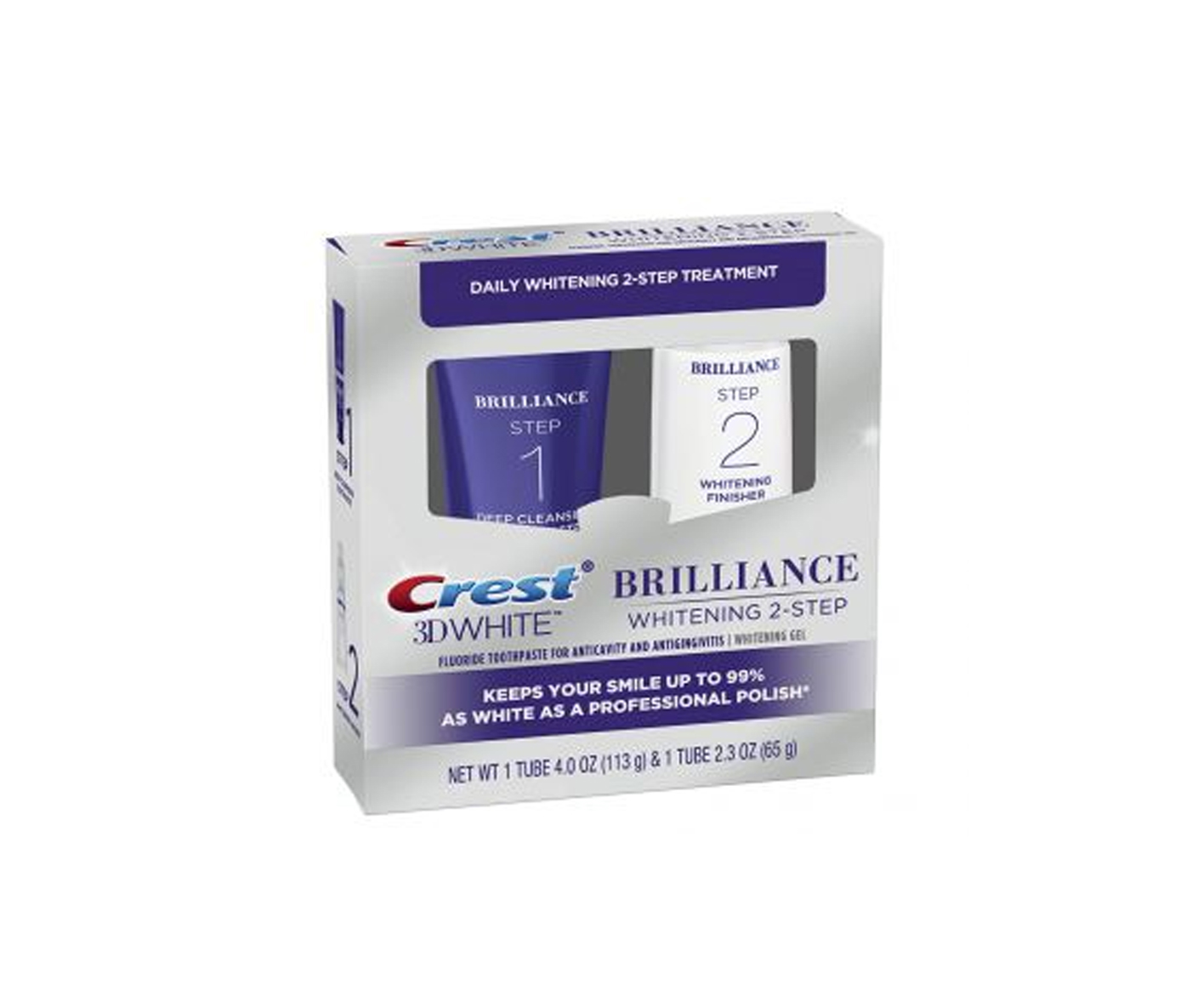
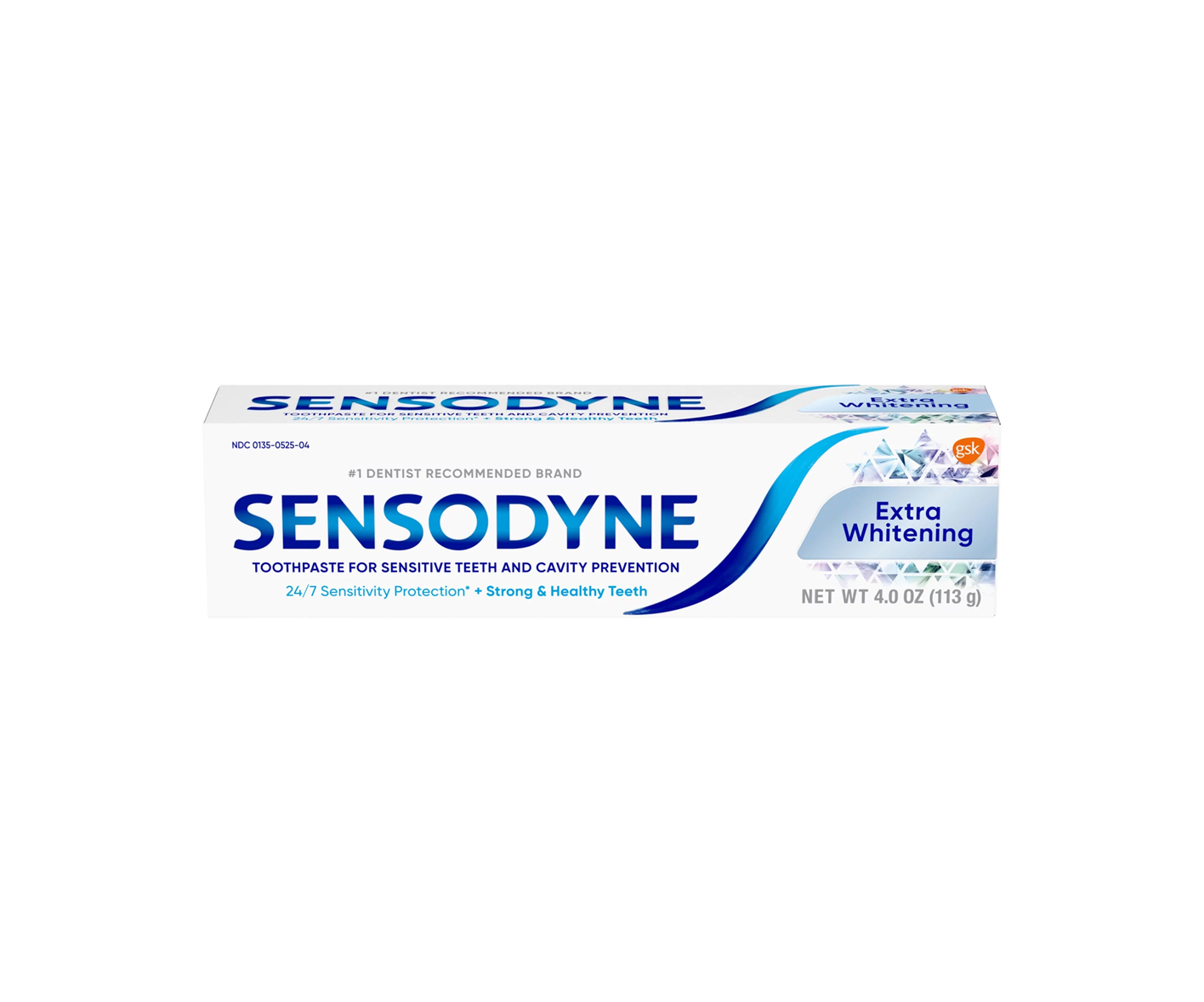
Whitening toothpastes contain additional ingredients such as hydrogen peroxide or sodium carbonate to help remove surface stains from the teeth. When you brush your teeth daily with a whitening toothpaste, these ingredients interact with deposits and stains to help restore the natural whiteness of your teeth. However, the effects of whitening toothpastes are usually limited and may require regular use over a period of time to achieve visible results.
Whiteningstrips are flexible strips coated with a whitening gel that are applied directly to the teeth. The active ingredients in the whitening gel, such as hydrogen peroxide or carbamide, penetrate the enamel and help remove stains. The strips are usually applied for a set period of time, for example a few minutes or hours a day, for several weeks. They mainly work on superficial discolouration and can provide visible results.
Whitening tra ys are plastic or elastomeric pieces that fit the shape of the teeth. They are applied with a whitening gel containing active ingredients such as hydrogen peroxide or carbamide. The overlays are usually worn for several hours a day or overnight for several weeks. The active ingredients in the gel penetrate the enamel and help to remove stains.
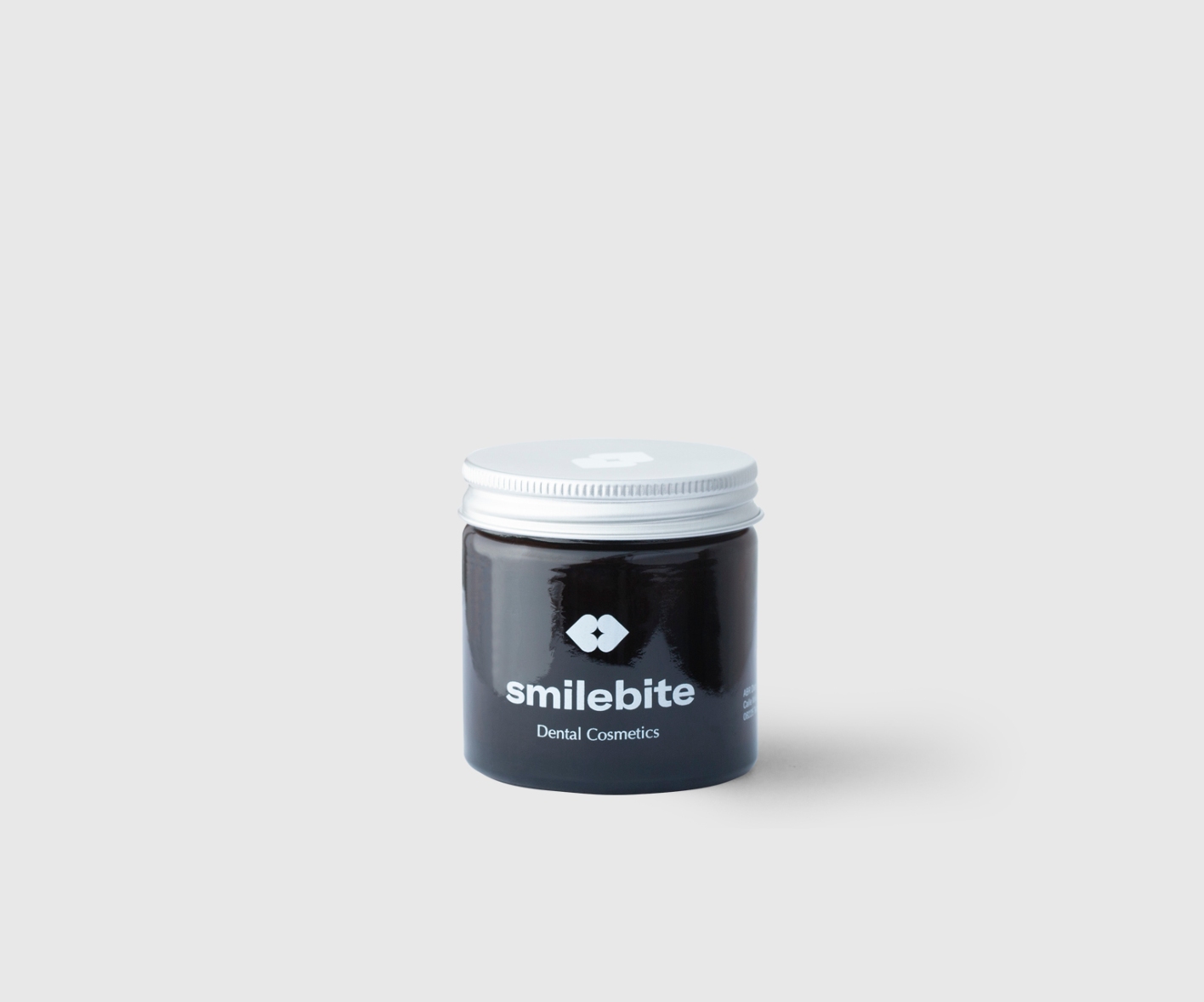
Tooth whitening powders are another type of product available on the market. They work by removing surface stains and discolouration from the teeth. Tooth whitening powders usually contain active ingredients such as activated charcoal, silicon dioxide, sea salt, baking soda, enzymes or other ingredients that help remove stains.
For whom teeth whitening products
Teeth whitening products are generally available for people who want to improve the colour of their teeth. Cosmetics that are designed to whiten teeth are often effective in removing surface stains caused by the consumption of coffee, tea, red wine, cigarettes or associated with the natural ageing process of teeth. They are therefore ideal for people with surface stains.
Some people have teeth that are inherently more yellow or have surface discolouration.For these people, teeth whitening products can help them achieve a brighter and more aesthetically pleasing smile.
After certain dental procedures, such as root canal treatment or removal of fluorosis stains, teeth can appear darker. Teeth whitening products can be useful in restoring the natural colour after such procedures.
What are the key ingredients in teeth whitening products?
The key ingredients used in teeth whitening products can vary depending on the type of product and manufacturer. However, here are some commonly used ingredients:
- Hydrogen peroxide - acts as an oxidiser to remove stains and discolouration on the surface of the teeth
- Calcium carbonate - helps remove deposits and stains while strengthening tooth enamel
- Hydrogen peroxide - an oxidant that removes stains and discolouration
- Silica - helps remove surface stains and deposits, but should be used with care so as not to damage enamel
- Fluoride - helps to strengthen tooth enamel and prevent tooth decay
What effects teeth whitening provides
Teeth whitening can provide a variety of effects, which can vary depending on the whitening method, the initial condition of the teeth and the individual characteristics of each person. Teeth whitening can help reduce surface stains and discolouration caused by the consumption of coffee, tea, red wine, cigarettes or other substances. This effect can improve the overall appearance of teeth and make them brighter.
Teeth whitening can have a positive effect on self-confidence and self-esteem, as bright, white teeth are often associated with attractiveness and health.
As we age, teeth can gradually darken, affecting the appearance of the entire smile. Teeth whitening can help restore a youthful appearance and brighten teeth. Many teeth whitening products contain ingredients that support overall oral hygiene, such as fluoride, which strengthens enamel and protects against tooth decay.
When deciding on teeth whitening, it is worth bearing in mind that the effects of teeth whitening can vary from person to person, and some teeth may be more susceptible to whitening than others. In addition, teeth whitening is not permanent and the effect can fade over time, especially if you do not maintain good oral hygiene and avoid factors that can cause discolouration. It is also important to follow the manufacturer's instructions and recommendations before proceeding with teeth whitening.
Benefits of teeth whitening
- Improved appearance
- Increased self-confidence
- Younger looking
- Speed and convenience
Undesirable effects of tooth whitening
Teeth whitening can also be associated with some unwanted effects. Here are some potential side effects:
- Tooth sensitivity
- Irritation of the gums
- Loss of natural tooth colour
- Uneven whitening
- Weakening of the enamel
- Allergic reactions
How often can teeth be whitened?
The frequency of teeth whitening depends on several factors, such as the whitening method, the condition of the teeth and personal preference. Here are some general guidelines for the frequency of teeth whitening:
In-office whitening: If you choose to have your teeth professionally whitened in a dental office, it is recommended that you follow your dentist's recommendations. Depending on the whitening method, they may recommend repeating the treatment every 6-12 months or less frequently.
Home whitening: If you use a home teeth whitening kit, follow the manufacturer's instructions. In general, home teeth whitening can be carried out every few months, but too frequent use is not recommended to avoid overly sensitive teeth.
Whiteningtoothpastes: wh itening toothpastes can be used daily as part of your daily oral hygiene routine. However, some of these toothpastes can be more abrasive, so it is important to use them in moderation and take care of your enamel health.
Whichever teeth whitening method you choose, remember that whitening your teeth too often can lead to tooth sensitivity or damage to your enamel.
How to whiten your teeth with teeth whitening powder
One of the safer methods for whitening your teeth that you can use at home is to use teeth whitening powder. Here are some tips for using teeth whitening powder:
- Read and follow the instructions: Each teeth whitening powder may have its own instructions for use. Read them carefully and follow the manufacturer's instructions.
- Wet your toothbrush: Wet your toothbrush under running water. Tooth whitening powder is best used on damp toothbrush bristles.
- Apply a small amount of powder to your toothbrush: Apply a small amount of tooth whitening powder to the bristles of your toothbrush. Do not use too much as this may cause excessive powder in the mouth.
- Gently brush your teeth: Gently brush your teeth for about 2-3 minutes, trying to reach all areas of your mouth. Avoid applying too much pressure so as not to damage the enamel.
- Rinse your mouth: After brushing, rinse your mouth thoroughly with water to remove any remaining teeth whitening powder.
- Use regularly, but do not overuse: Teeth whitening powder can be used several times a week, but should not be overused. Too frequent use can lead to tooth sensitivity or damage to the enamel.
Remember that teeth whitening powder can help to brighten your teeth, but regular and thorough oral hygiene, including brushing, flossing and regular visits to the dentist, are just as important to maintaining healthy and beautiful teeth.
What to consider when choosing a tooth whitening product
- Check the composition: Read the label and check the composition of your teeth whitening product. It is important to avoid products that contain aggressive ingredients such as peroxanes, which can damage enamel. Choose products that are safe for your teeth and mouth.
- Whitening method: There are many different methods of whitening your teeth, such as gels, strips, pastes, powders, as well as in-office treatments. Choose the method that suits you best and is in line with your preferences. Some methods are more effective than others, so it is advisable to consult a specialist.
- Opinions and reviews: Before buying a teeth whitening product, it is a good idea to read reviews from other users. You can check online reviews, discussion forums or ask friends about their experiences with specific products. Relevant reviews can help you make a decision.
- Tooth sensitivity: If you have sensitive teeth, look out for products that are specifically designed for people with tooth sensitivity. Some whitening products contain soothing ingredients and help reduce discomfort.
- Safety and certifications: Make sure your teeth whitening product is certified and safe to use. For example, you can check that it is certified by the ADA (American Dental Association) or other recognised dental organisations.
Remember that every body reacts differently, so some products may be more effective for one person and less effective for another. If in doubt, you may want to consult your dentist before starting any teeth whitening method.
Discover the top 5 teeth whitening products in 2026
When creating our product reviews, we consider the ingredients and research their safety. We analyse the opinions of industry experts and the experiences of product users. We obtain recommendations from authorised retailers and use available sources of knowledge on active ingredients and their effects. We personally verify the action, texture, scent and feel of the products, and assess value for money.
Below are detailed reviews by our editors with a description of each product indicated.