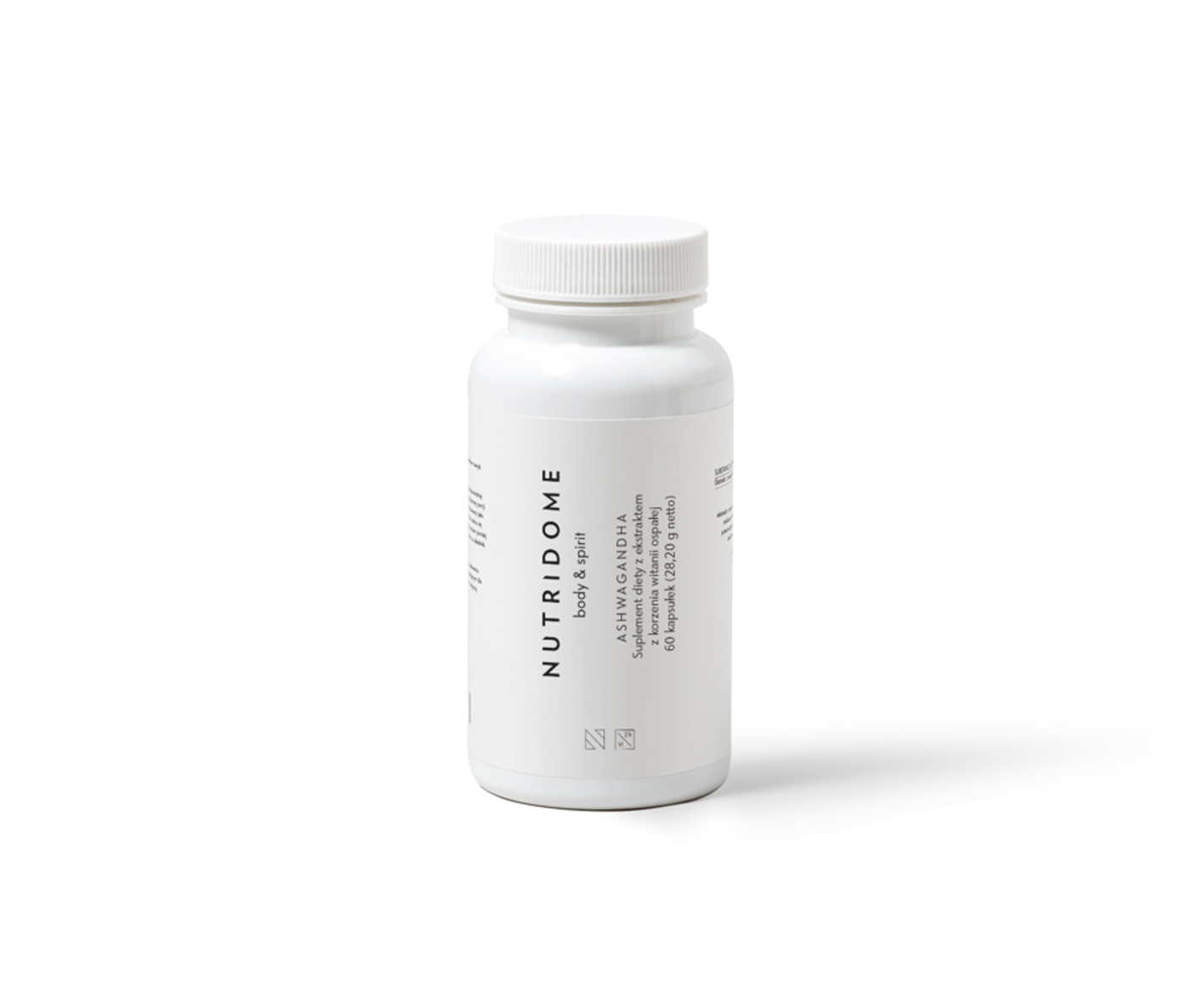
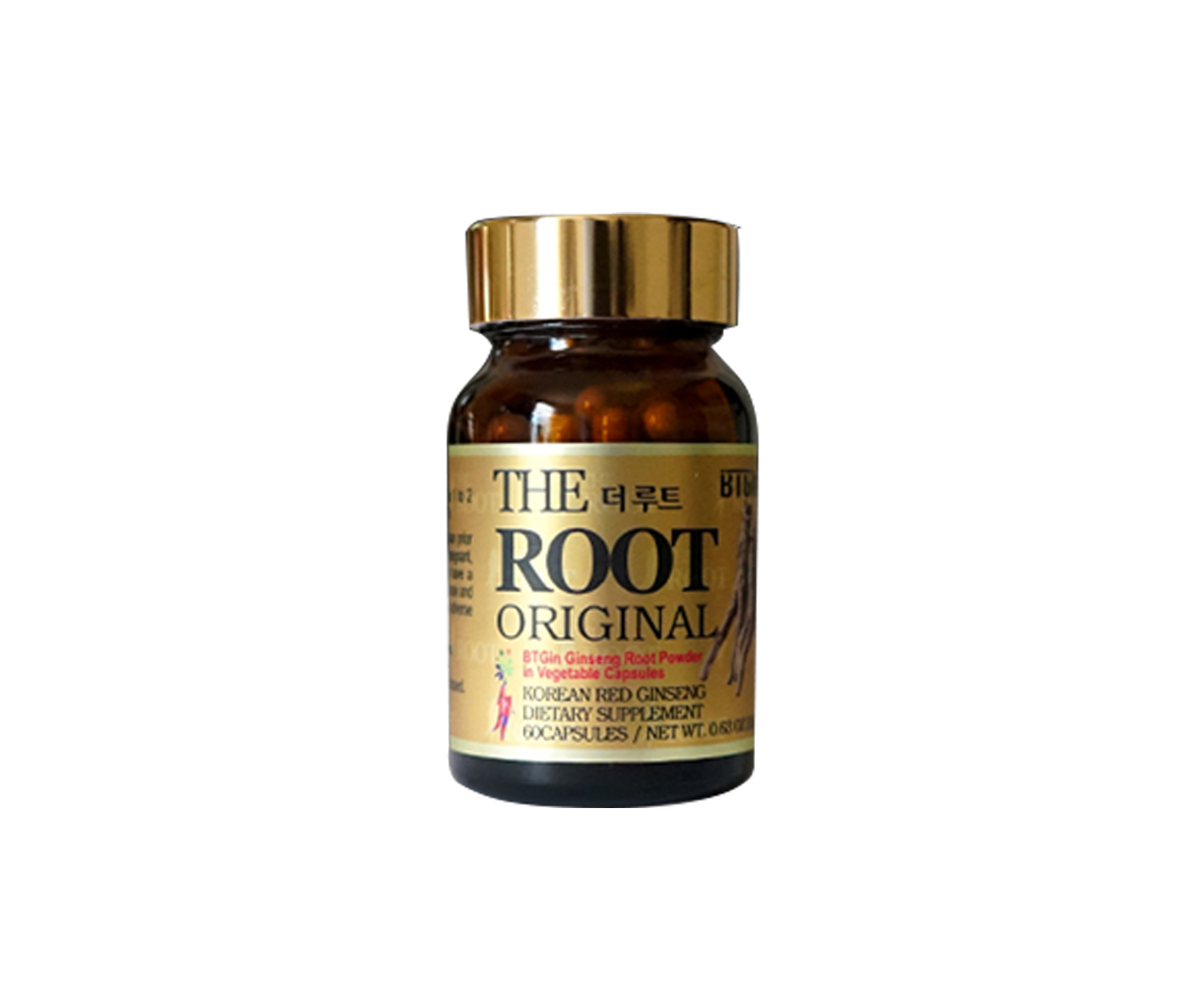
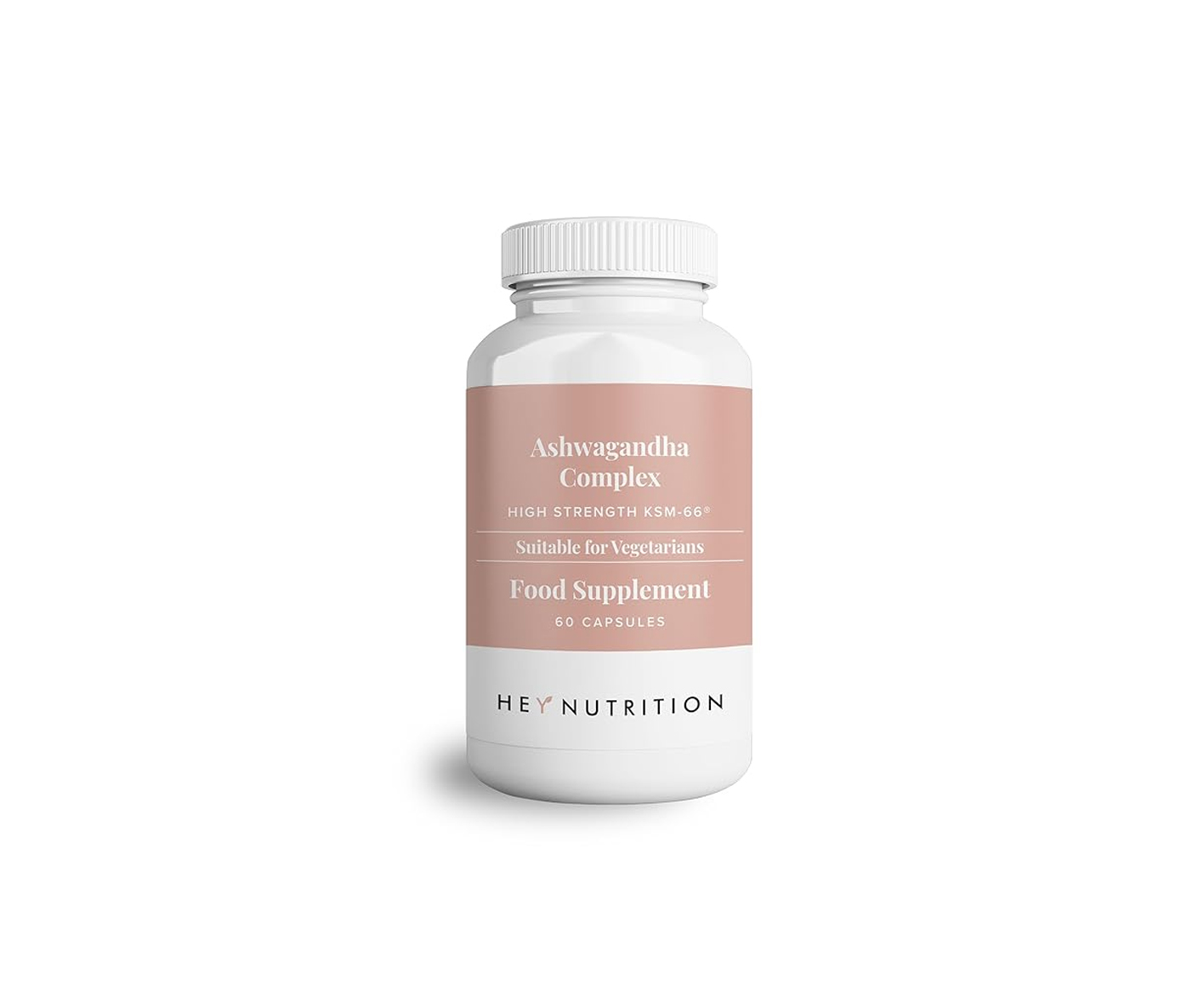
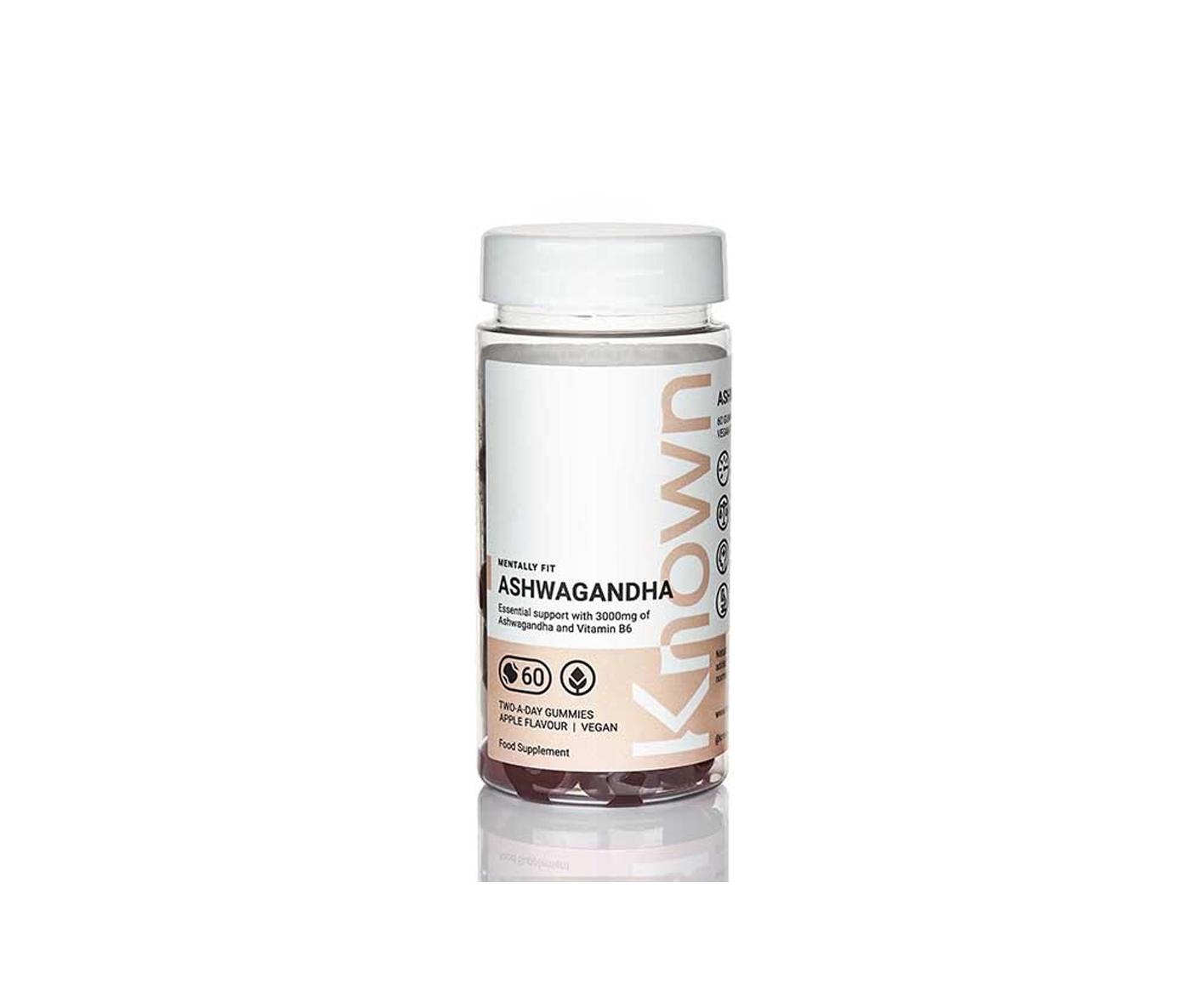
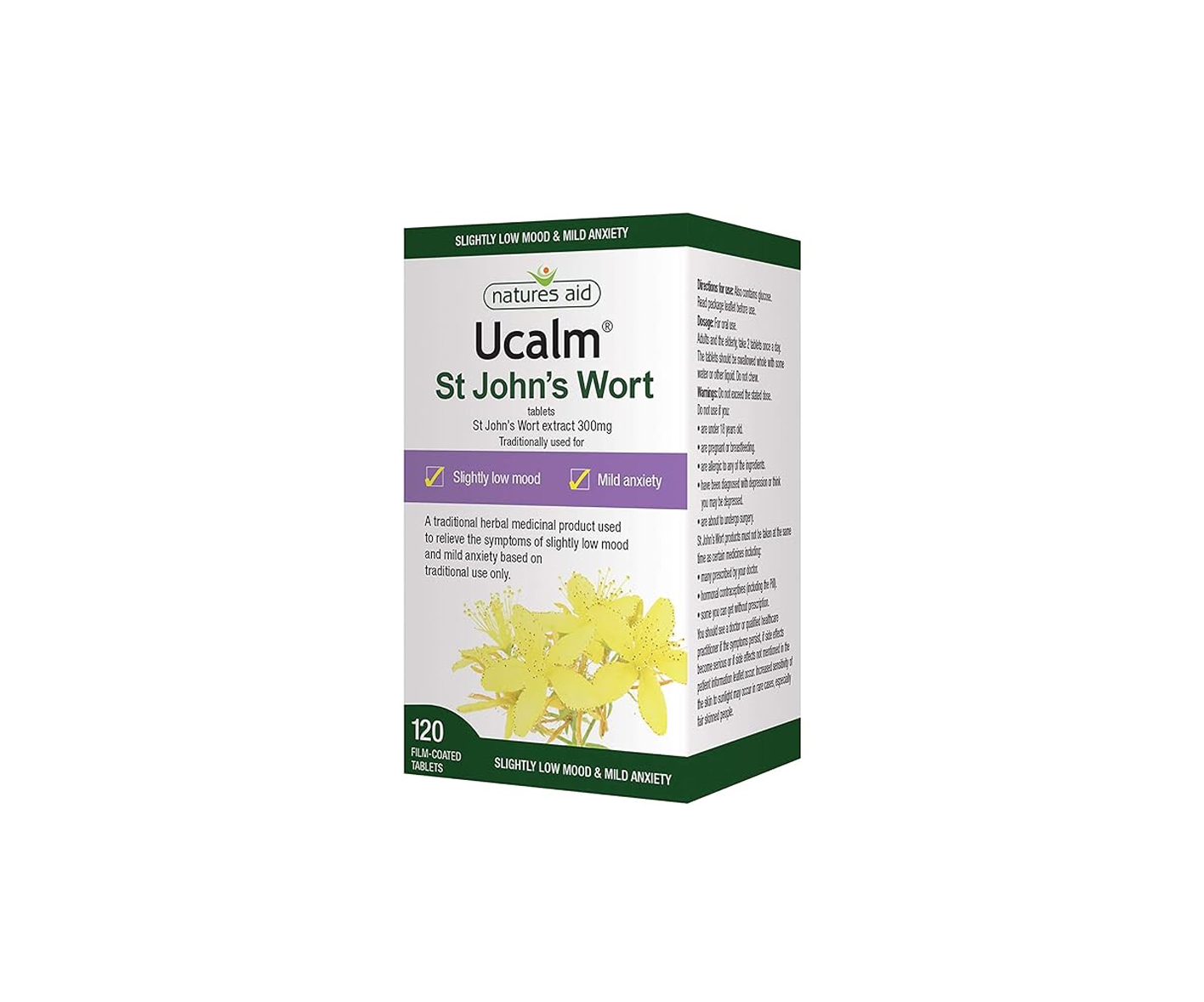
Explore 5 suggestions for stress-reducing supplements and enjoy peace of mind
Stress is the body's natural response to situations that require adaptation, both physically and emotionally. It is a response to external or internal stimuli that are perceived as threats, challenges or situations that require adaptation. Reducing stress is crucial to maintaining good physical, emotional and mental health. Long-term stress can negatively affect the body, increasing the risk of heart disease, high blood pressure, digestive disorders, a weakened immune system and other health problems. Reducing stress helps to improve emotional wellbeing, helps to cope with daily challenges and increases mental resilience to life's difficulties.
People who are able to manage stress effectively often have a better quality of life. They are more relaxed, have a better ability to focus and can enjoy life better. People who are able to manage their stress are more effective in carrying out daily tasks. They can concentrate better, make decisions and be more productive. You already know that stress can be controlled and can be effectively reduced. Find out what stress is, what types of stress exist and how to deal with it in the following article. You will also learn about suggestions for dietary supplements that can effectively reduce stress and allow you to enjoy life more.
What is stress?
Stress is the body's reaction to various challenges, pressures or situations that require adaptation. It is a natural defence mechanism that helps the body respond to threats or situations that require mobilisation for action.
When the body experiences stress, various physiological, hormonal and psychological processes are triggered. The nervous system, especially the sympathetic nervous system, reacts to a stressful situation. This triggers the release of hormones, such as cortisol and adrenaline, which affect various bodily functions, including accelerated heart rate, increased blood pressure, accelerated breathing and increased blood glucose levels.
Stress can have a variety of sources, such as life situations, work pressures, health problems, interpersonal conflicts, uncertainty or life changes.
Cortisol
Cortisol is a steroid hormone from the glucocorticoid group that is produced by the adrenal glands, specifically their adrenal cortex layer. This hormone has many important functions in the body and is crucial for the regulation of various physiological processes.
The process of cortisol production occurs in the adrenal glands as a result of a complex series of biochemical reactions, which are controlled by an endocrine system made up of the pituitary gland and the hypothalamus. As a result, cortisol is released in response to stress and as part of a natural diurnal cycle, known as the diurnal cortisol rhythm.
Cortisol influences metabolism, increasing blood glucose levels (gluconeogenesis) and regulating fat and protein metabolism. It is known as the stress hormone because it is released in response to stressful situations. It helps the body cope with stress by increasing energy levels and reducing inflammatory responses.
Cortisol influences the body's immune response by reducing inflammation and modulating the immune system response. It influences electrolyte balance and blood pressure by acting on the cardiovascular system. Cortisol has a natural diurnal cycle, with levels typically higher in the morning and lower in the evening, affecting day and night functioning.
Excessive or deficient cortisol secretion can lead to a variety of health problems. Excess cortisol can be associated with Cushing's syndrome, while cortisol deficiency can lead to Addison's syndrome, both of which have their own characteristic symptoms and require specialised medical care.
Stress - types
Based on its source, duration or effects, stress can be divided into several types. Here are some of the main types of stress:
Positive stress (eustress). This is the type of stress that mobilises and motivates action. It is a short-term tension that helps to achieve goals and improve performance. An example of eustress would be nervousness before an important event, such as an exam, which mobilises you to study.
Traumatic stress. Results from experiencing traumatic events such as accidents, disasters, experiences of violence or loss of a loved one. This type of stress can lead to psychological difficulties such as post-traumatic stress disorder (PTSD).
Chronic stress. This is prolonged tension that lasts for a long time, often resulting from chronic health problems, work tensions, family conflicts or other life situations. It can lead to negative health effects such as hypertension, depression or heart disease.
Everyday stress (hassle). This is a type of smaller, everyday frustrations and irritations, such as communication problems, delays, financial troubles or small interpersonal conflicts. Although individual events may seem insignificant, the accumulation of such situations can lead to an increase in the level of overall tension.
Physical stress. Results from physical factors such as illness, injury or exhaustion. It can be both stress caused by physical exertion and the body's reaction to a medical condition.
Mental/emotional stress. It arises as a result of psychological factors such as excessive pressure, time pressure, worry or anxiety.
Occupational stress. This is work-related stress that results from job demands, excessive workloads, team conflicts or lack of work-life balance.
Understanding the different types of stress is important because different coping techniques can be effective in different situations. It is also important to recognise the symptoms of stress and take action to help manage it to minimise the negative effects on physical and mental health.
Stress - how do you manage it?
Coping with stress is important for maintaining physical and mental health. There are many techniques for dealing with stress such as:
Relaxation and meditation. Relaxation exercises, deep breathing and meditation can help reduce physical and emotional tension.
Regular physical activity. Exercise can help release accumulated tension and stress.
Healthy diet and sleep. Regular meals, a healthy diet, enough sleep and avoiding irritants such as alcohol and nicotine can help manage stress.
Social support. Talking to loved ones, attending support groups or therapy can be effective ways to cope with stress.
Time management. Planning and organising your time can help minimise feelings of overwhelm and task-related stress.
It is also important to notice when stress becomes chronic or leads to serious health problems. In such cases, it is advisable to consult a mental health professional or doctor.
Stress-reducing supplements
Stress-reducing supplements are specially formulated preparations made up of various ingredients that aim to reduce the body's response to stress and support its ability to cope with it. These supplements typically contain combinations of active ingredients that can help to alleviate stress-related symptoms and improve overall mental wellbeing. Stress-reducing supplements are designed to offer support to the body in coping with stress, but they are not a substitute for a healthy lifestyle or professional help if stress becomes chronic or causes serious health problems.
Who stress-reducing supplements are for
Stress-reducing supplements can be useful for people experiencing different levels of stress, but can be particularly beneficial for people with high levels of stress. People experiencing chronic stress related to work life, personal life or other causes can benefit from stress-reducing supplements. The ingredients present in these supplements can help to alleviate stress-related symptoms and improve overall mental wellbeing.
Some people may find it difficult to cope effectively with stress and need additional support. Supplements can be one tool to support these individuals in the process of coping with stress.
For people who prefer natural methods of coping with stress, stress-reducing supplements can provide an alternative to other methods, such as pharmaceutical drugs.
Stress can have a negative impact on sleep. Supplements containing ingredients that promote relaxation and stress reduction can help to improve sleep quality.
Even if someone is not experiencing severe stress, stress-reducing supplements can be useful for those wishing to improve their overall mental wellbeing, increase resilience to stress or find support for mental health.
However, it is important to take an individual approach to supplementation and to carefully read the leaflet of the stress-reducing supplement in question. Some ingredients may cause interactions with other medications or may not be suitable for people with certain health conditions. If you are taking ongoing medication, it is advisable to obtain professional advice before deciding on supplementation.
Effects of stress-reducing supplements
The effects of stress-reducing supplements can vary and depend on the individual's body, the ingredients used and the degree of stress the person is dealing with. Some ingredients in supplements, such as adaptogens (e.g. ashwagandha, ginseng), can help reduce stress-related symptoms such as tension, anxiety or overreaction to stressful situations. Stress-reducing supplements can support the body's ability to adapt and cope with stress, which can result in greater resilience to stress factors.
Some ingredients, such as L-theanine, may exhibit relaxation properties, which can help to improve overall mental wellbeing and reduce tension. Ingredients in supplements may help to regulate levels of cortisol and other stress hormones, which may help to reduce the negative effects of long-term stress.
However, it is worth bearing in mind that the effectiveness of supplements can vary from person to person. Not all supplements will have the same effect on everyone, as the individual body's response may vary. In addition, supplements are not a substitute for a healthy lifestyle, a proper diet, regular physical activity or healthy stress management habits.
Key ingredients in stress-reducing supplements
The ingredients present in supplements for stress can be varied, but often include combinations of ingredients that are known for their stress-relieving properties and support the body's ability to cope. Here are some common ingredients found in such supplements:
- Ashwagandha - this plant is a known adaptogen that can help regulate the body's response to stress, reduce cortisol (stress hormone) levels and improve overall stress resistance.
- L-theanine - an amino acid present in green tea that is known for its relaxation properties. It helps reduce tension, improves concentration and may support resistance to stress.
- Rhodiola rosea - an adaptogenic plant that is used in stress supplements. It has potential in reducing symptoms of stress and fatigue.
- B vitamins - especially vitamin B5 (pantothenic acid) and vitamins B6, B9 (folic acid) and B12 are important for the nervous system and may help reduce stress-related symptoms.
- Magnesium - plays a key role in many physiological processes and may help to reduce stress and support nervous system function.
- Alpha-lipoic acid - an antioxidant that may have a role in regulating oxidative stress in the body and supporting brain function.
- Omega-3 fatty acids - DHA and EPA, present in omega-3 fatty acids, may influence brain and nervous system health, which may help manage stress.
- Probiotics - gut health is linked to mental health, so probiotic supplementation may support the balance of gut microflora, which may influence stress reduction.
- Melatonin - although usually associated with sleep regulation, melatonin may also have a role in relieving tension and improving overall wellbeing.
These ingredients are often used in various combinations in stress supplements to provide comprehensive support for the body in dealing with difficult situations. However, it is always worth remembering that the effectiveness of supplements can vary depending on the individual body's needs.
Benefits
Stress-reducing supplements have a positive impact on various aspects of the lives of people affected by stress. Here are some of the main benefits:
- Helping to cope with stress
- Reduction of symptoms associated with stress
- Support for mental health
- Improving the quality of sleep
- Regulation of stress hormone levels
- Improving general well-being
- Dietary supplementation
Disadvantages
Stress-reducing supplements are usually considered relatively safe, but undesirable side effects can occur if overconsumption, individual sensitivity to ingredients or interactions with other medications or supplements occur. Here are some possible adverse effects of stress-reducing supplementation:
- Gastrointestinal problems
- Drowsiness or fatigue
- Interactions with other drugs or supplements
- Allergic reactions
- Hormonal irregularities
How often to take stress-reducing supplements
The frequency of consumption of stress-reducing supplements can vary depending on the specific supplement, its ingredients and the manufacturer's recommendations. It is always a good idea to pay attention to the recommendations on the packaging or the information provided by the manufacturer regarding the dosage and intake of a particular supplement. In addition, recommendations for frequency of consumption may also depend on individual health needs, lifestyle and the body's response to the supplement in question.
In general, the recommended dosage and frequency of intake may vary depending on the type of supplement. Some supplements can be taken once a day, while others may need to be divided into several servings throughout the day. It is important to follow dosage recommendations, as excessive supplement intake can lead to adverse health effects.
Stress reduction supplements - how to dose
The dosage method for stress-reducing supplements may vary depending on the specific supplement and the manufacturer's recommendations. Below are general dosage guidelines, but always pay attention to the information on the packaging of a particular supplement and consult your doctor or nutritionist if in doubt:
- Valuable dosage and intake information can usually be found on the supplement's label. The manufacturer will usually state how many servings should be consumed per day, the amount to be taken and whether the supplement should be taken with a meal or on an empty stomach.
- For a new supplement or ingredient, it is advisable to start with a low dose, especially if the body has not been previously familiar with the supplement. Gradually increasing the dose may allow you to monitor any reactions your body may have.
- Stress-reducing supplements can achieve the best results when taken regularly, as recommended by the manufacturer. Regularity of intake may be key to achieving the intended benefits.
- Some supplements may be better absorbed in conjunction with a meal, while others may need to be taken on an empty stomach. Recommendations on how to consume are usually included on the supplement label.
- It is advisable to consult your doctor or nutritionist before starting supplements, especially if you have an existing health condition, are taking other medications or have special dietary needs.
Remember that each body may react differently to supplements, so it is important to monitor your own wellbeing and any reactions once you have started supplementation. If you have any adverse effects or doubts about your dosage, consult your doctor.
What to look for when choosing stress-regulating supplements
When choosing stress-regulating supplements, there are several factors to guide you to make the right choice:
Active ingredients: Check the composition of the supplement and pay attention to the active ingredients. Adaptogens such as ashwagandha, ginseng, rhodiola or L-theanine are commonly used in stress-reducing supplements and have proven properties to alleviate stress symptoms.
Dosage and use recommendations: Read the information on the label regarding dosage, intake and manufacturer's recommendations. Knowing the recommendations for use will help you take the supplement appropriately.
Product quality: Choose supplements from reputable manufacturers who adhere to quality standards and certification. Check that the product is laboratory tested for purity and efficacy.
Opinions and reviews: Pay attention to other users' reviews of a particular supplement. Reviews can provide information on efficacy, quality and possible side effects.
No interactions with other drugs or supplements: Make sure that the supplement you choose will not interfere with other medicines or supplements you are already taking. Some ingredients may have the potential to interact with other substances.
Long-term effects and safety: Choose supplements that are safe for long-term use and do not have negative side effects if consumed regularly.
Remember that stress-reducing supplements are not a substitute for a healthy lifestyle, a healthy diet, regular physical activity or effective stress management techniques. They are one tool that can help the body cope with stress, but their use should complement a healthy lifestyle.
Discover the top 5 stress-reducing supplements in 2026
When creating our product reviews, we consider the ingredients and research their safety. We analyse the opinions of industry experts and the experiences of product users. We obtain recommendations from authorised retailers and use available sources of knowledge about active ingredients and their effects. We personally verify the action, texture, scent and feel of the products, and assess value for money.
Below are detailed reviews by our editors with a description of each product indicated.