Nobody needs to be reminded that UV protection is important and necessary. However, why it is important to follow the rules for the healthy use of the sun's rays and what they actually consist of is no longer so obvious. In the following article, you will find out how to use the sun properly and what you will gain from your prudence.
Overexposure to UVB radiation can lead to sunburn, which is painful and can cause damage to the skin. Protecting your skin from this radiation helps prevent sunburn. The second type of sun radiation, called UVA radiation, can lead to premature skin ageing, causing wrinkles, discolouration and loss of skin elasticity. Regular use of UV protection can help to keep skin looking younger and reduce the appearance of signs of ageing.
UV radiation
UV radiation (ultraviolet) is a type of electromagnetic radiation with a shorter wavelength than visible light. It is invisible to the human eye because the wavelength is shorter than the human visible range, which is approximately 400-700 nm. UV radiation can be divided into three main categories: UV-A, UV-B and UV-C, depending on the wavelength.
UV radiation is generated by the sun and can reach the Earth's surface. It affects our lives in many ways, but can be both beneficial and harmful to living organisms, depending on dosage and exposure time.
It is essential for the synthesis of vitamin D in human skin. It plays an important role in bone health and the immune system. UV radiation is also used in light therapies to treat certain skin conditions, such as psoriasis.
Overexposure to UV radiation can lead to sunburn, photodermatoses, premature skin ageing and increased risk of skin cancer. It is also harmful to the eyes, and can contribute to the development of cataracts and other damage to the sense of sight.
It is extremely important to use sun protection measures such as UV-filter creams, sunglasses and adequate body cover (clothing, headgear) to reduce the risk of harmful UV exposure.
UV-A radiation
Its wavelength is approximately 315-400 nanometres (nm). It is the longest wavelength of UV radiation and accounts for about 95% of the total UV radiation reaching the Earth's surface. UV-A is the least harmful to humans and is used in some light therapies such as phototherapy to treat certain skin conditions. It also forms the main part of the radiation from tanning beds.
UV-B radiation
Its wavelength is about 280-315 nm and accounts for a smaller proportion of UV radiation reaching the Earth's surface. It is more harmful to humans than UV-A because it can cause sunburn, DNA damage and increases the risk of skin cancer. Most UV-B radiation is absorbed by the Earth's atmosphere, but still reaches our skin during sun exposure.
UV-C radiation
Its wavelength is around 100-280 nm and is the most energetic and damaging UV radiation. It is mostly absorbed by the Earth's atmosphere, especially the ozone layer, so it does not reach the Earth's surface in significant amounts. UV-C radiation is widely used for disinfection of air, water and surfaces because of its micro-organism-killing properties.
What is photo-aging
Photo-ageing is a cycle in which the skin gradually loses its elasticity and ability to regenerate as a result of prolonged exposure to UV radiation. UV radiation, especially UV-A and UV-B, is the main factor accelerating this process.
Photo-ageing of the skin is the result of long-term exposure to UV radiation and involves a number of structural and molecular changes.
UV radiation, especially UV-A and UV-B, leads to the degradation of collagen and elastin, which are key to maintaining skin firmness and elasticity. Collagen is the structural protein that forms the mesh that supports the skin, while elastin gives the skin its elasticity. UV radiation damages these proteins, causing them to lose their quality and quantity, leading to sagging and wrinkled skin.
UV radiation can generate an excess of free radicals in the skin Free radicals are unstable particles that cause damage at the cellular level, including to cell membranes, DNA and proteins. This damage contributes to the skin's ageing process, including wrinkles, discolouration and loss of firmness.
UV radiation stimulates an increase in melanin production in the skin, which can lead to hyperpigmentation such as age spots (lentigo) and freckles.
How to slow down the photo-ageing process
Skin ageing caused by exposure to the sun and other environmental factors, can be slowed down by taking the right precautions and using regular skin care.
Above all, avoid overexposure to the sun. UV radiation is a major factor in accelerating the skin ageing process. Use sunscreens with a high protection factor (SPF), wear protective headgear and sunglasses and avoid sun exposure during the hottest hours of the day.
Apply sunscreen daily. Even on cloudy days, UV radiation can penetrate through clouds and affect the skin. Use a broad spectrum sunscreen (protecting against both UVA and UVB rays) every day, whatever the weather.
Ensure that your skin is properly hydrated. Moisturising the skin helps to maintain its elasticity and reduce the appearance of wrinkles. Use moisturising face and body creams regularly, especially after sun exposure.
Limit, or preferably give up the use of tanning beds altogether. Lamps emit harmful UV radiation that accelerates the skin ageing process. It is much better to take natural sunbaths, remembering, of course, all safety precautions.
Eat healthily. Living a healthy lifestyle and eating a well-balanced diet rich in fruits, vegetables, whole grains, healthy fats and protein can contribute to maintaining healthy skin.
Avoid smoking cigarettes and other tobacco products. Smoking damages the skin and accelerates the photo-ageing process.
Avoid overexposure to cold and wind: Extreme weather conditions such as cold and wind can lead to dry and irritated skin. Try to protect your skin with appropriate clothing and use moisturising protective creams.
Antioxidants help neutralise free radicals that contribute to skin damage. Include products containing antioxidants such as vitamin C, vitamin E, coenzyme Q10 etc. in your skincare routine.
Avoid excessive stress. It can accelerate the skin ageing process. Try to manage stress with relaxation techniques such as proper breathing, meditation, walking outdoors, etc.
Remember that skin ageing is a natural occurrence, but by taking proper care and precautions, you can slow down the process and maintain healthy skin for longer.
How SPF creams work
SPF (Sun Protection Factor) creams are used to protect the skin from the sun's harmful rays, especially ultraviolet (UV) radiation. Most SPF creams containchemical filters that absorb UV radiation. These chemicals penetrate deep into the skin and absorb UV radiation, transforming it into harmless heat. Some SPF creams contain physical filters, such as zinc oxide and titanium dioxide. These filters work by forming a layer on the surface of the skin that reflects UV radiation.
SPF filters are designed to protect the skin from two types of UV radiation: UVA andUVB UVA radiation is responsible for skin ageing, while UVB radiation causes sunburn. The right SPF should protect against both types of radiation.
The SPF value tells you the level of sun protection a cream offers. A higher SPF value means stronger protection. For example, an SPF 30 cream blocks about 97% of UVB radiation, while an SPF50 cream blocks about 98% of UVB radiation However, it is worth remembering that no SPF sunscreen can provide 100% protection.
SPF creams have a certain shelf life, after which they need to be reapplied to maintain protection. It is usually recommended to reapply the cream every 2 hours or after swimming, sweating or towel drying the skin.
It is important to apply SPF sunscreen regularly, especially during sun exposure. This will help reduce the risk of sunburn, premature skin ageing and skin cancer caused by UV radiation.
For whom SPF creams
SPF (Sun Protection Factor) creams are for anyone who wants to protect their skin from the sun's harmful rays.
All adults should use SPF creams as their primary protection from the sun. Regardless of skin type and colour, UV radiation can have a harmful effect on the skin.
Children's skin is particularly sensitive to the sun, so it is important to use SPF sunscreen inchildren over 6 months of age Children should avoid direct sun exposure during the hottest hours and wear appropriate protective clothing.
Those with fair skin are more susceptible to UV damage. The use of creams with a high SPF (e.g. SPF 30 or higher) is particularly important for these people. Although darker-skinned people naturally have more UV protection, they are still vulnerable to sun damage. It is therefore recommended to use a lower SPF sunscreen (e.g. SPF 15 or higher) for optimal protection.
Remember that SPF creams should be applied regardless of the weather conditions. Even on cloudy and rainy days, UV radiation can penetrate through clouds and cause skin damage.
What are the key ingredients in SPF 50 creams?
The key ingredients in SPF (Sun Protection Factor) creams vary depending on the brand and type of cream. Here are some common ingredients found in this type of product:
UV filters - absorb, scatter or reflect UV radiation to protect the skin from the sun's harmful rays. The most commonly used UV filters are titanium dioxide (titanium dioxide) and zinc oxide (zinc oxide). They can act both as physical filters, reflecting radiation, and as chemical filters, absorbing UV radiation.
Emollients - moisturise and soften the skin, forming a protective barrier. Different types of emollients can be used in SPF creams, such as vegetable oils, shea butters, glycerine or silicones.
Antioxidants - help protect the skin from free radical damage caused by UV radiation. Examples of antioxidants used in SPF creams are vitamin C, vitamin E, coenzyme Q10 or plant extracts.
Soothing substances - help to soothe skin irritation and redness. These may include ingredients such as aloe vera, hyaluronic acid, panthenol or allantoin.
Stabilising ingredients - maintain the stability of the cream and also protect the filters from degradation caused by UV light. An example of such an ingredient would be tocopherol (vitamin E).
It is important to always check the product label, as the composition of SPF creams can vary from manufacturer to manufacturer.
What effects does an SPF 50 cream have?
Using an SPF 50 cream has many benefits and protective effects on the skin. High SPF creams, such as SPF 50, provide strong protection against UVB radiation. UVB radiation is a major contributor to sunburn and contributes to skin cancer. Using a high SPF 50 cream helps to minimise the risk of sunburn.
SPF 50 creams also protect the skin from UVA radiation. UVA radiation penetrates deeper into the skin and can contribute to premature skin ageing, the formation of wrinkles and increase the risk of skin cancer. Filtering UVA radiation with an SPF 50 cream helps to keep skin healthy and younger.
UV radiation can lead to skin discolouration, such as age spots and hyperpigmentation, and using an SPF 50 cream helps to reduce the occurrence of this discolouration by protecting the skin from the sun's harmful rays.
Regular use of SPF 50 cream protects the skin from UV damage,reducing the risk of developing skin cancer Adequate protection from the sun is crucial in the prevention of skin cancer.
Using an SPF 50 cream helps maintain a healthy skin tone By protecting the skin from harmful UV radiation, SPF 50 cream prevents excessive dryness, pigmentation changes and loss of elasticity.
It is worth remembering that creams with SPF 50 do not provide total protection from the sun's radiation. It is important to apply the cream regularly and correctly, and to avoid excessive sun exposure, especially during peak hours.
Benefits of using an SPF 50 cream
There are many benefits and advantages to using SPF 50 cream. Here are some of the main benefits of using such a cream regularly:
- Strong protection against UVB radiation
- Effective protection against UVA radiation
- Prevention of skin damage
- Reduction of the risk of skin cancer
- Support for a healthy skin tone
Undesirable effects of using SPF 50 creams
Using SPF 50 creams can be beneficial in protecting the skin from the sun's harmful rays. However, some people may experience adverse effects associated with such use. Here are some potential adverse effects of using SPF 50 creams:
- Clogging of pores
- Skin irritation
- Burdened skin
- White mask effect
- Allergic reactions
It is worth noting that the majority of people using SPF 50 creams do not encounter unpleasant side effects. However, if you do experience any of the above problems, you should consider whether the possible side effects are less problematic than the negative effects of the sun's rays on the skin. This should be approached individually here and a dermatologist should be consulted if necessary or in doubt.
How often to apply SPF 50 cream
To achieve UV protection, it is recommended to apply SPF 50 cream daily throughout the year, regardless of the season.
If you are outdoors for long periods of time and the sun exposure is high, it is advisable to apply an SPF cream every two hours or so. This is important because the active ingredients in the cream can break down when exposed to sunlight.
If you are physically active and your skin is exposed to perspiration or contact with water (e.g. when swimming), it is necessary to reapply the SPF 50 cream immediately after these activities. If you wipe yourself with a towel after bathing or after sweating heavily, it is necessary to apply a fresh SPF 50 cream, as the towel may remove some of the product from the skin's surface.
The frequency of application of SPF 50 cream depends on your individual situation. If you are more exposed to the sun (e.g. on a beach holiday), you may need to reapply more frequently throughout the day. Also read the instructions on the packaging of your specific cream, as manufacturers may have recommendations on frequency of application for their products.
How to apply SPF 50 cream
To apply SPF 50 cream correctly, follow the instructions below:
- Before applying the SPF 50 cream, make sure your skin is clean and dry. You can use a mild soap or cleansing gel to cleanse your face and neck.
- Apply the cream to your skin: Take a small amount of SPF 50 cream and gently spread it on your face, neck and other exposed areas such as shoulders and décolleté. Make sure you cover the entire area evenly.
- Gently massage the cream into the skin using circular motions. Make sure the cream is well absorbed.
- Try not to apply the cream directly to the eye area, as this can cause irritation. If you want to use a cream around the eyes, choose a product specifically designed for this area.
- To maintain effective protection, it is important to apply SPF 50 cream regularly. Depending on your needs and weather conditions, it is usually recommended to reapply every 2-3 hours or after contact with water (e.g. after swimming).
Despite using an SPF 50 sunscreen, it is recommended to avoid overexposure to the sun during particularly intense hours (usually between 10am and 4pm). Remember, these are just general guidelines for using SPF 50 sunscreen. If you have special requirements or sensitive skin, it is worth consulting a cosmetologist or dermatologist for more personalised advice.
What to consider when choosing an SPF 50 cream
There are several factors to consider when choosing an SPF 50 cream. Here are some tips that can help you make the right choice.
- SPF 50: When you choose an SPF 50 cream, you get a very high level of protection against UVB radiation. SPF (Sun Protection Factor) indicates how long a cream can protect your skin from sunburn compared to unprotected skin. However, it is worth remembering that SPF does not refer to UVA protection, so it is worth making sure that the cream also offers protection against this type of radiation.
- Spectrum of protection: When choosing an SPF 50 cream, look out for the 'Broad Spectrum' or 'Full Spectrum' designation. This means that the cream protects against both UVB radiation, which is responsible for sunburn, and UVA radiation, which is associated with premature skin ageing. It is important to protect against both types of radiation.
- Active ingredients: Take a look at the ingredients in an SPF 50 cream. It is worth looking for creams containing UVA protection, such as zinc oxide, titanium dioxide, avobenzone, ecamsule (Mexoryl SX) or bemotrisine (Tinosorb). These ingredients can provide effective protection against harmful radiation.
- Skin type: The choice of SPF cream should also depend on your skin type. If you have oily or acne-prone skin, you may want to look for a cream with a light texture that will not clog pores. For dry or sensitive skin, you might consider creams that have moisturising and soothing properties.
- Additional benefits: Some SPF 50 creams may also offer additional skin benefits, such as anti-ageing, smoothing skin texture or moisturising. If you have specific skin problems, such as hyperpigmentation or age spots, it is worth looking for creams that offer the right actions.
- Reviews and feedback: Before buying, it is worth reading reviews and opinions from other users or consulting a specialist such as a dermatologist. They can help you find an SPF 50 cream that meets your needs and is suitable for your skin.
- Remember that an SPF 50 cream should be applied regularly and in sufficient quantity to provide effective UV protection.
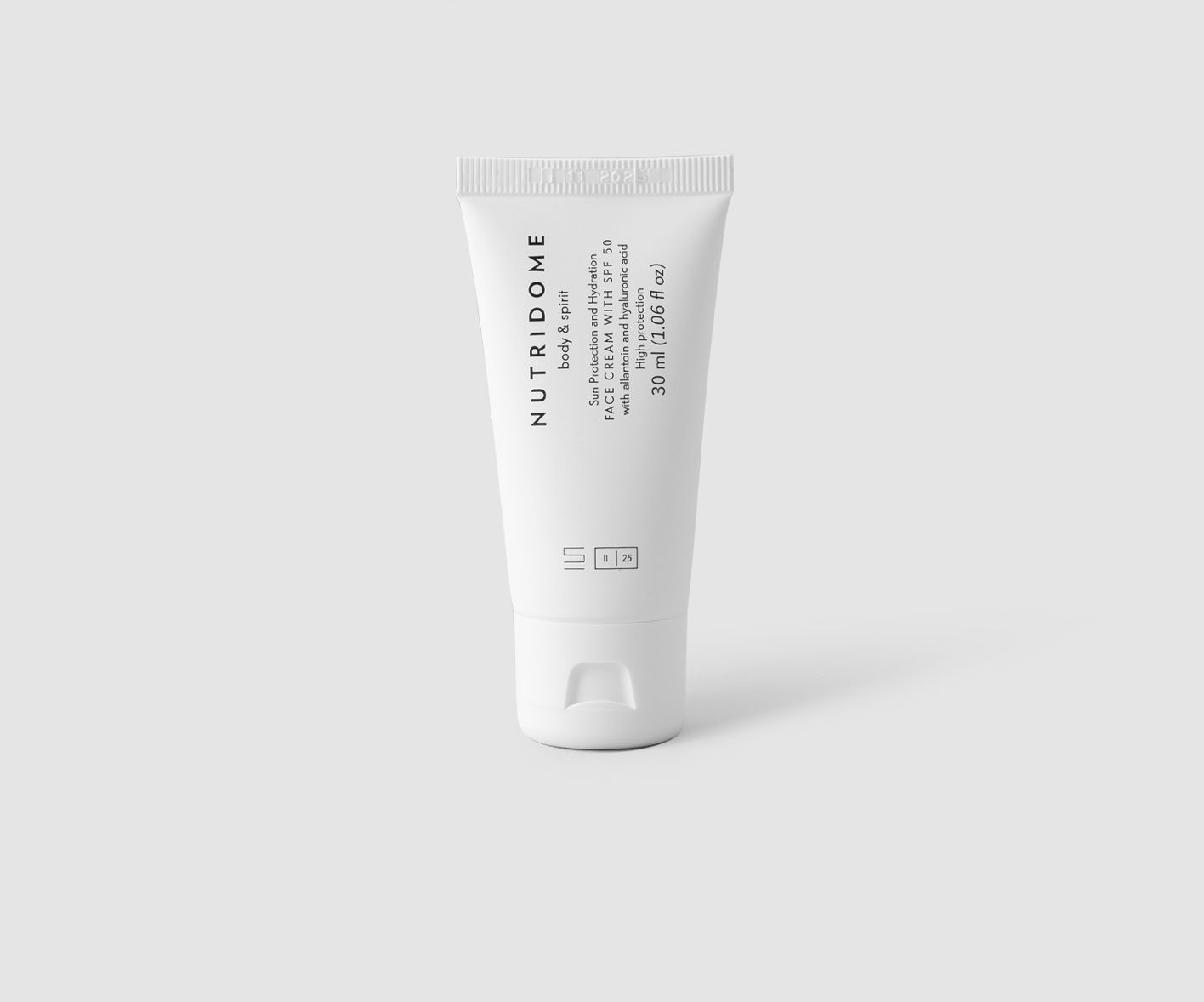
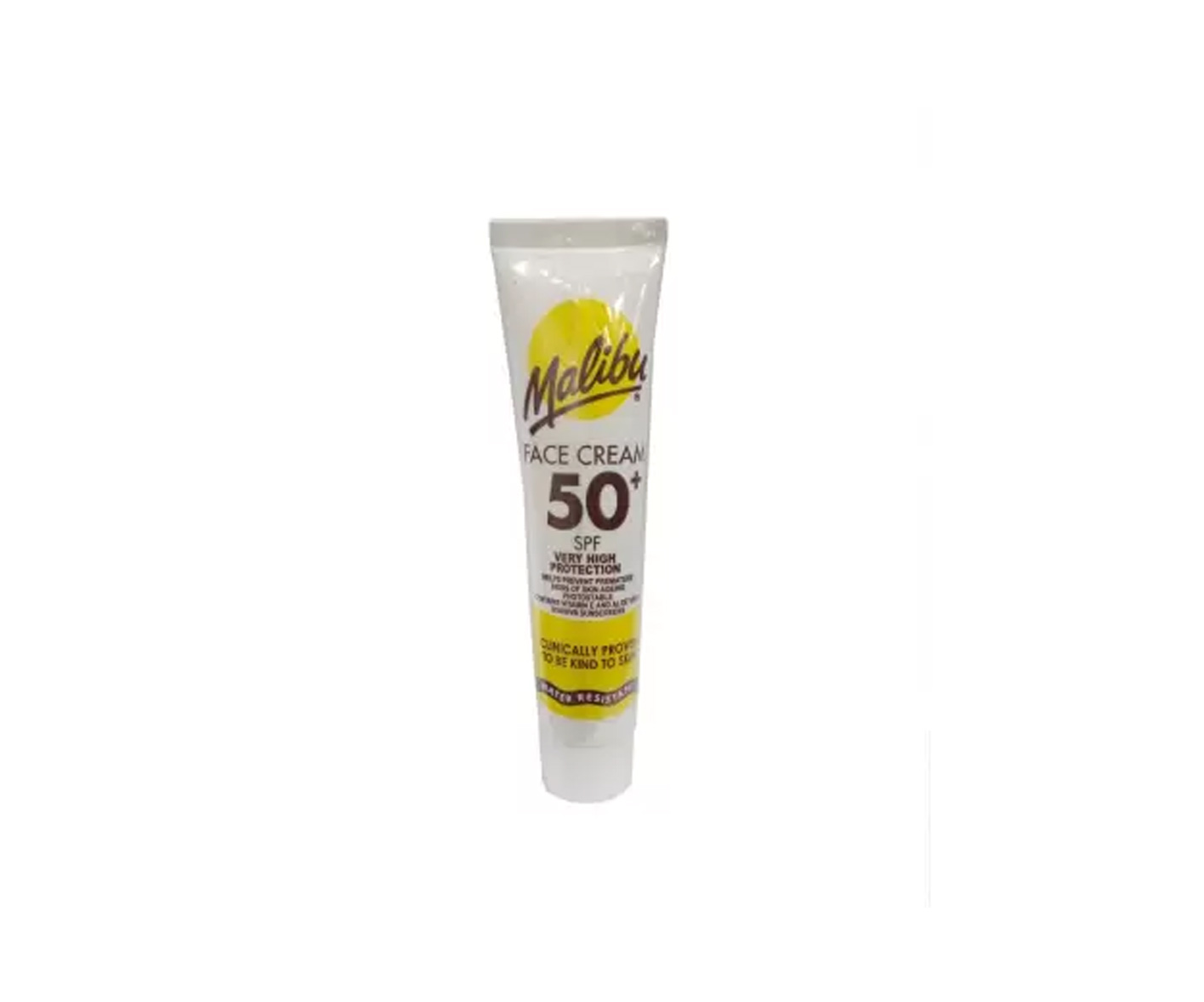
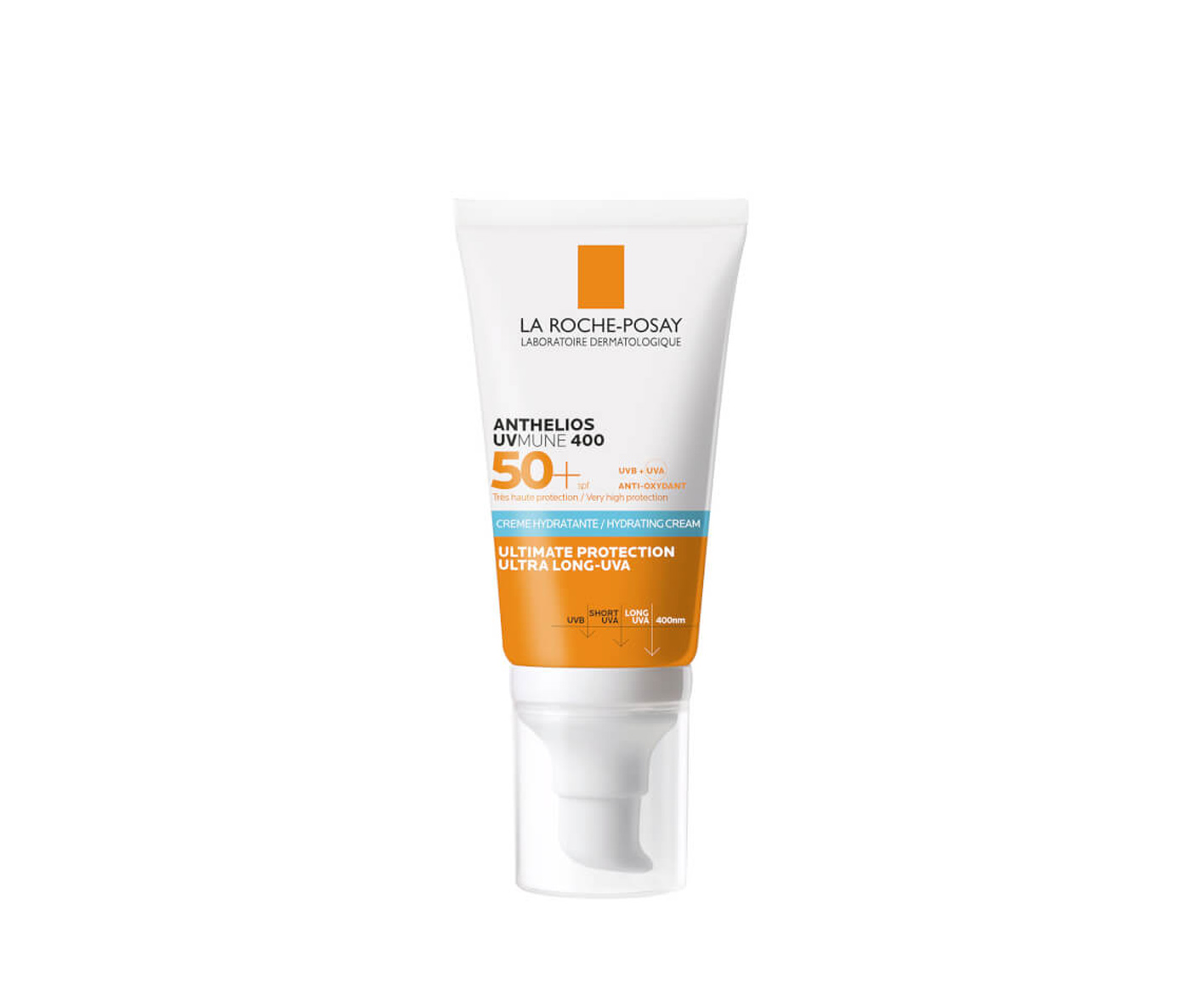
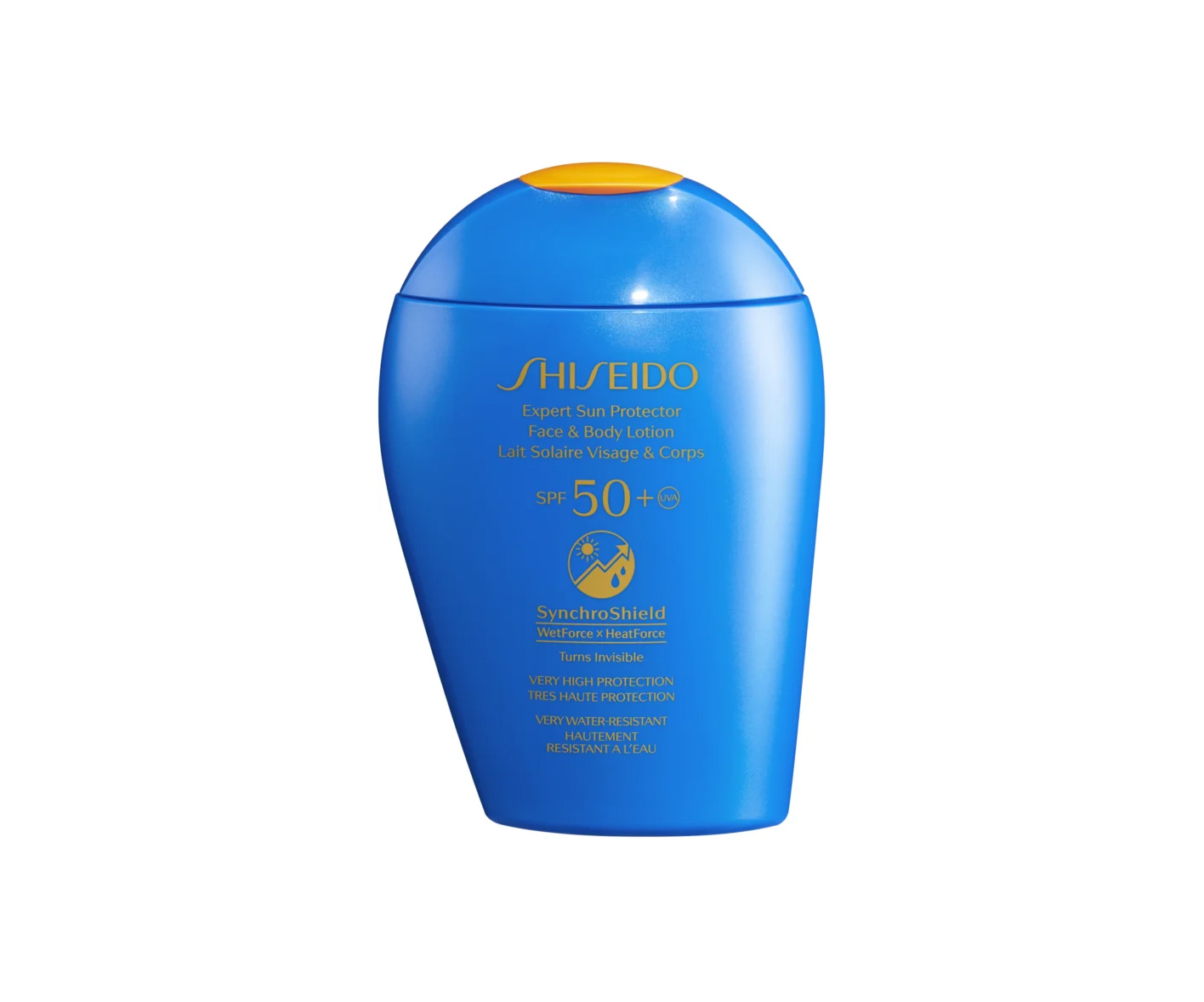
Discover the top 5 best SPF 50 creams in 2026
When creating our product reviews, we consider the ingredients and research their safety. We analyse the opinions of industry experts and the experiences of product users. We obtain recommendations from authorised retailers and use available sources of knowledge on active ingredients and their effects. We personally verify the action, texture, scent and feel of the products, and assess value for money.
Below are detailed reviews by our editors with a description of each product indicated.