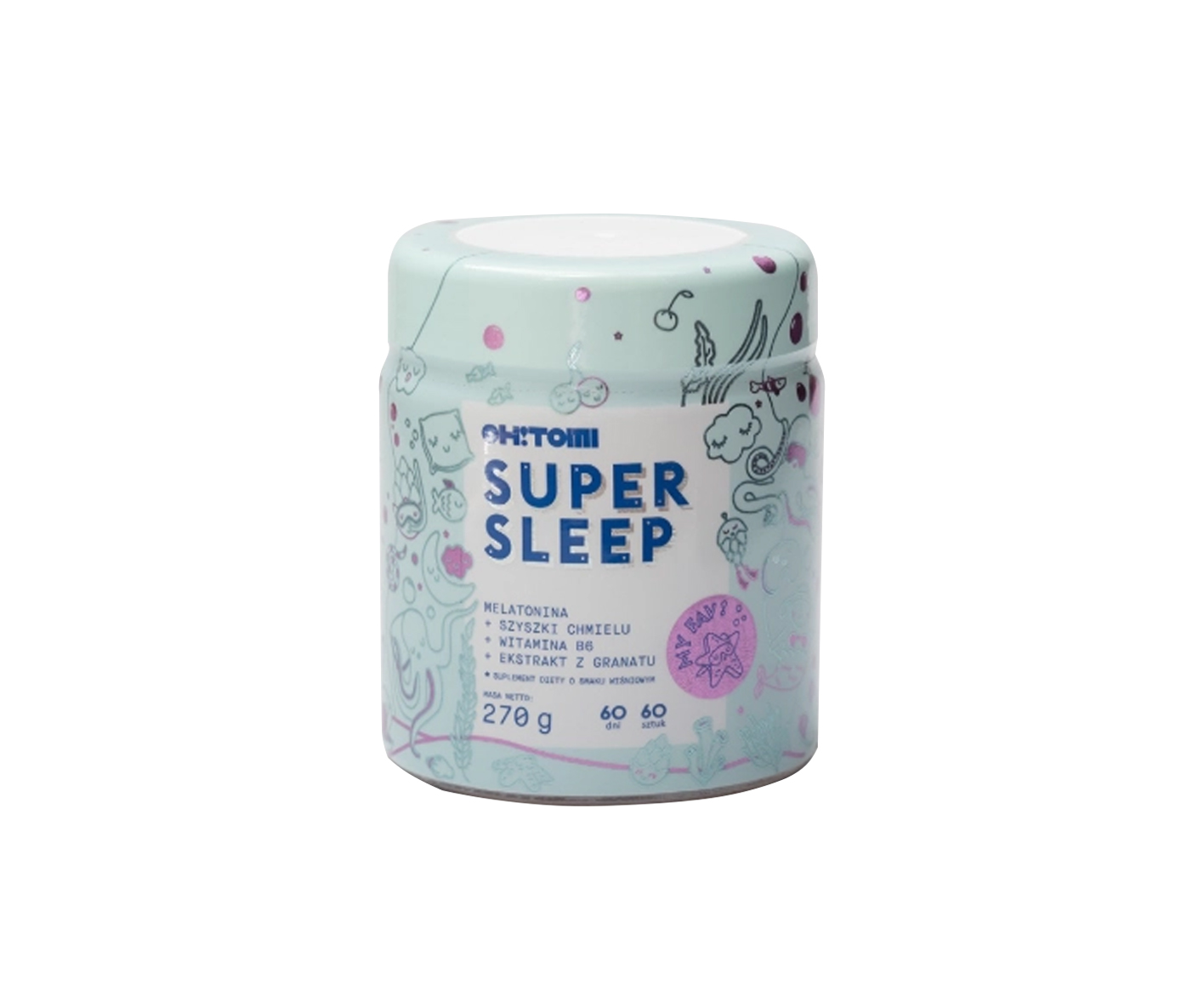
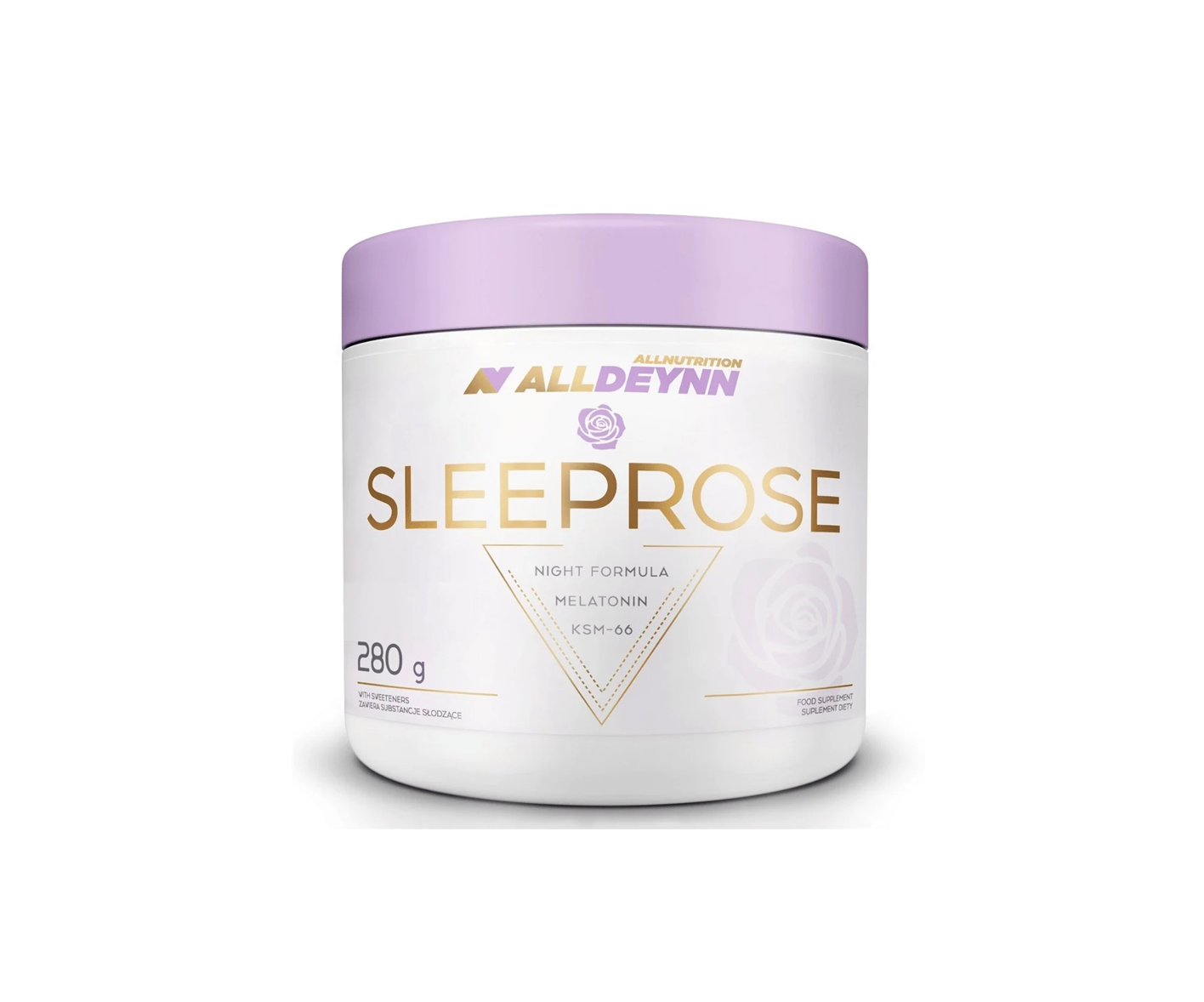
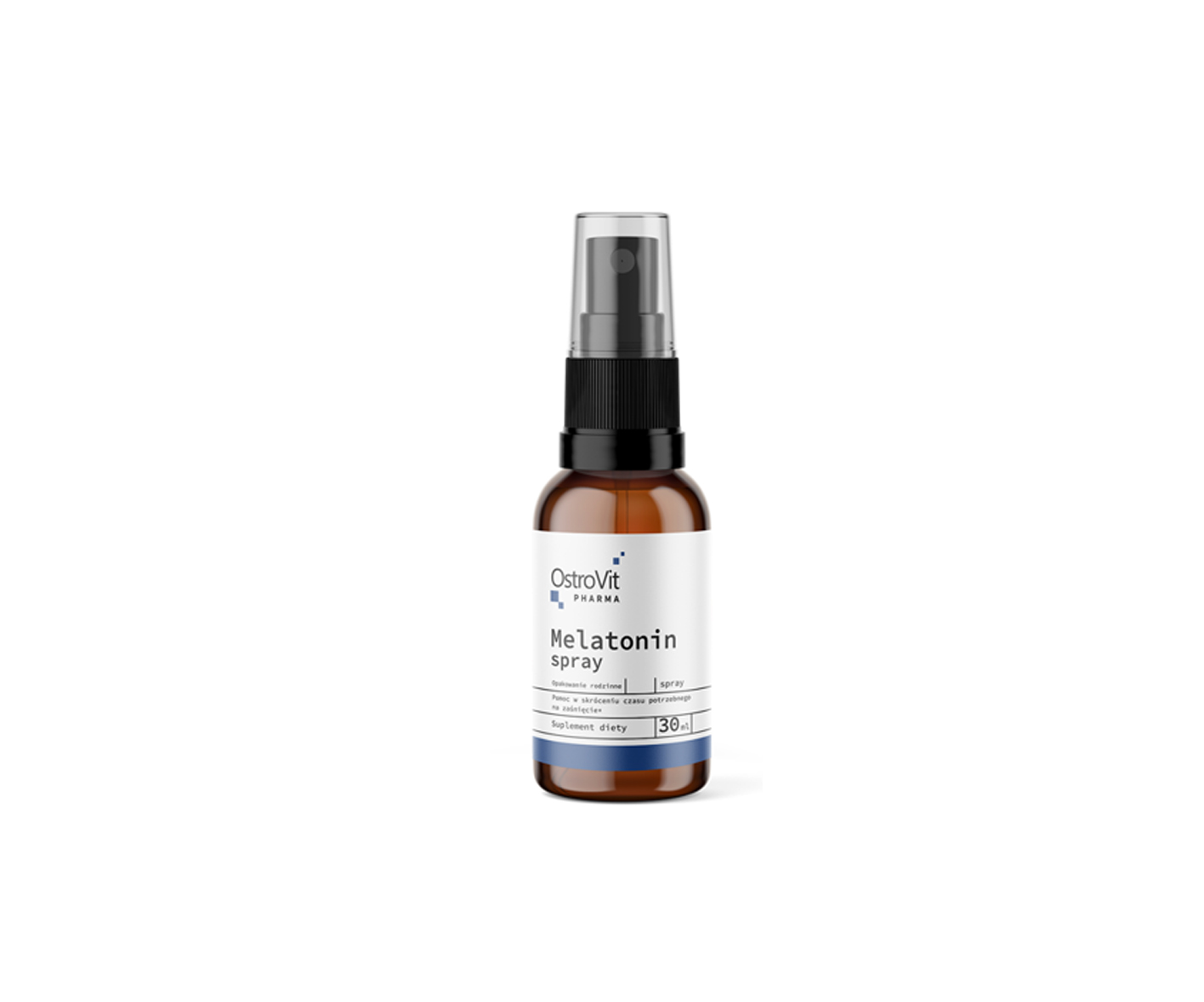
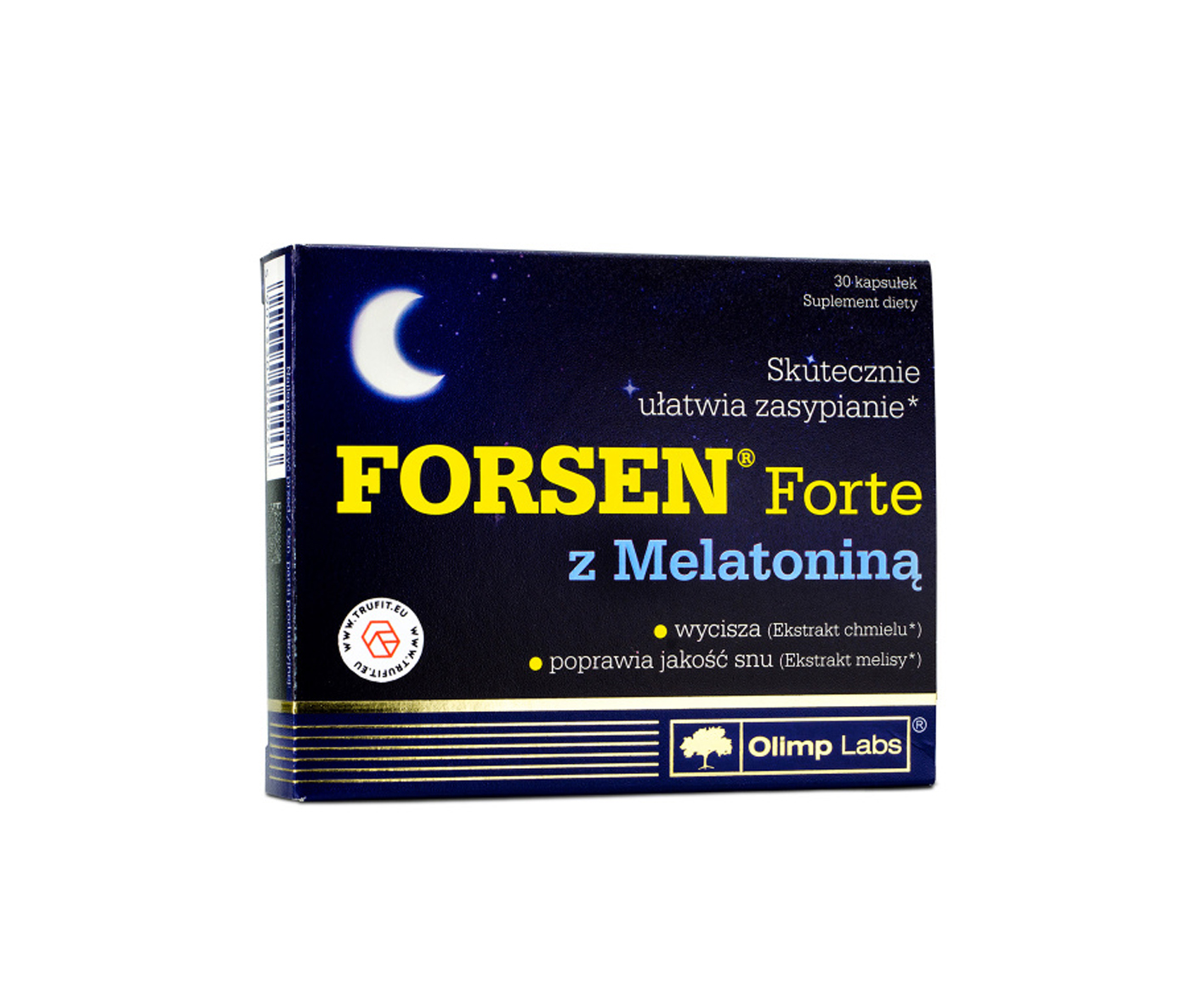
Discover 5 suggestions for proven sleep supplements to ensure comfortable sleep and proper recovery!
Sleep disorders and difficulty falling asleep is an extremely bothersome and tiring problem. It affects many people regardless of gender, age or job. Frequent night wakings translate into a lack of energy and lowered mood upon waking up. Poor sleep quality does not provide the body with the regeneration and rest it needs. What can be done to support the body in such an important activity as healthy and sound sleep? In this article, you will learn which hormone is responsible for regulating the biological clock, how its concentration in the body can be improved and what supplements can be used to ensure that sleepless nights remain just a bad dream.
Melatonin - the sleep hormone
Melatonin is a hormone naturally produced in the pineal gland and is produced almost exclusively in the dark, as light has an inhibitory effect on it. It is responsible for regulating sleep and wakefulness rhythms, aids falling asleep and influences the quality of sleep. Melatonin is a derivative of tryptophan, an amino acid involved in protein synthesis and responsible for mood, mood and appetite.
The process of melatonin production takes place not only with the involvement of the brain's pineal cells (pinealocytes), but also through the action of the visual neurons, which receive light stimuli and then regulate the pineal gland. When a large amount of light rays fall on the organ of vision, melatonin synthesis and secretion decreases, whereas in darkness the pineal gland produces larger amounts of melatonin, thereby increasing its concentration in the blood. However, it is important to remember that the photoreceptors of the retina do not only receive natural light stimuli, but also those from artificial sources such as light bulbs, computer monitors and mobile phones. Therefore, the use of these devices, especially before bedtime, significantly disrupts melatonin production.
The concentration of melatonin during the day does not change and remains constant. Only the amount of melatonin produced during the night decreases, which unfortunately decreases with age. This is why older people are much more likely to experience sleep problems and have a lower need for sleep than, for example, children and adolescents.
Melatonin deficiency in the body
The most common symptoms of melatonin deficiencies include:
- ● disturbances of sleep-wake rhythm,
- ● sleep disturbances,
- ● fatigue and daytime sleepiness,
- ● distraction,
- ● impaired concentration,
- ● headache,
- ● irritability,
- ● feeling unwell.
These unpleasant discomforts can be alleviated by taking sleep supplements containing melatonin. Their main task is then to restore the balance between the internal biological clock and the activity imposed by artificial lighting or other disturbances in melatonin production.
How can melatonin deficiencies be remedied naturally?
- ● Try to go to bed at the same time every day and get about 8 hours of sleep (this is how much your body needs to regenerate).
- ● Do not eat foods that are hard to digest before bedtime. It is better to replace them with fruit, dark bread, yoghurt or cottage cheese (these foods contain tryptophan, an amino acid that increases serotonin and melatonin levels).
- ● Limit the use of screens that emit blue light before bedtime, as it adversely affects melatonin production.
- ● Melatonin sleep supplements are available over-the-counter. However, it is best to consult your doctor before taking them. All supplements should be used as recommended by your healthcare professional and as indicated on the leaflet.
Sleep supplements - effects
Sleep supplements are usually herbal preparations, which, thanks to their carefully developed formulas, support falling asleep, improve the quality of sleep and prevent the most common problems such as frequent night waking, insufficient regeneration of the organism or inability to fall into a deep sleep phase. In addition, sleep preparations have a calming, tranquillising and stress-reducing effect. They mainly contain melatonin and plant extracts such as melissa, valerian and hops - ingredients with proven effectiveness in supporting the sleep process and improving sleep quality.
Sleep supplements are available in the form of capsules, tablets, powder to dissolve in water, drops applied under the tongue or fruit gels. The different forms of the supplements make it possible to choose the form that best suits individual preferences.
Taking natural supplements for sleep does not cause many side effects, but it is important to remember that they may interact with other medicines and that not all herbal preparations have been scientifically tested. Therefore, when choosing a sleep supplement, always check the manufacturer's composition and reliability.
Sleep supplements - for whom?
Sleep supplements are primarily for adults who experience difficulties falling asleep, maintaining sleep or suffer from any sleep disorder.
People who frequently change time zones and those who work in shift work or with irregular working hours may also benefit from sleep supplements.
Also, people living under a lot of stress can help with sleep supplements. These supplements often contain ingredients that promote a calming and relaxed state, making it much easier to fall asleep.
Older people with low melatonin levels in their blood will also benefit from the beneficial effects of sleep supplements containing this ingredient.
However, the use of sleep supplements is not recommended for:
- ● pregnant and breastfeeding women,
- ● children,
- ● patients with liver disorders,
- ● people who are allergic to melatonin or other components of a sleep supplement.
Before taking sleep supplements, it is important to read the leaflet accompanying each preparation carefully. It is also worth remembering that you should not drive after taking a sleep supplement.
What are the effects of taking sleep supplements?
The use of sleep supplements can have different effects, depending on the individual's needs, condition and response. The most common results of taking these supplements include:
A reduction in the time it takes to fall asleep: Melatonin and other ingredients in sleep supplements can help reduce the amount of time it takes the body to go from waking to falling asleep.
Improving sleep quality: Sleep supplements can affect the depth and quality of sleep, resulting in better recovery and more energy when you wake up.
Regulation of sleep and wakefulness rhythms: Melatonin helps regulate the natural sleep and wakefulness cycle, which is particularly helpful for people with sleep disorders.
Reduction of insomnia: The calming and sedative plant extracts found in sleep supplements can help to reduce stress and tension, which in turn helps to prevent insomnia.
However, it is worth bearing in mind that the effectiveness of sleep supplements may vary depending on the individual body's predisposition. Some people may experience an immediate improvement in sleep quality, while others may need more time to feel the effects of the supplement.
Key ingredients in sleep supplements
Sleep supplements most commonly contain the following ingredients:
- Melatonin - its main function is to regulate the diurnal rhythm. Melatonin is produced in the pineal gland located in the brain. It facilitates falling asleep and improves the quality of sleep.
- Ashwagandha - reduces stress levels and improves sleep quality.
- Vitamin B6 - stimulates melatonin production.
- Plant extracts - plant extracts such as lemon balm, hops and lavender have been shown to have calming, tranquilising and sleep-inducing effects.
- L-tryptophan - an amino acid that stimulates the production of serotonin and melatonin.
- Magnesium - supports muscle relaxation and contributes to a good night's sleep
Benefits
Taking sleep supplements has a beneficial effect on sleep difficulties and reduces problems related to sleep quality. Other benefits of taking these supplements include:
- Reducing the time it takes to fall asleep.
- Regulation of sleep and wakefulness rhythms.
- Prevention of insomnia.
- Stress reduction.
- Calming and reassuring.
- Ease of use.
- Large selection of preparations.
Disadvantages
The use of sleep supplements is not without disadvantages. Here are examples of adverse effects of taking these preparations:
- Potential for side effects.
- Incorrect dosage.
- Interactions with medications.
- Lack of expected effects.
It is important to remember that sleep supplements should be used in moderation and their use should be consulted with a doctor, especially if you have health problems and are taking medication.
How to use sleep supplements?
Sleep supplements are taken orally in the form of capsules, tablets, powder to dissolve in water or fruit gels. The frequency of their use depends on the manufacturer's recommendations on the packaging or the doctor's guidelines. Sleep supplements are most often taken up to one hour before the scheduled bedtime.
When taking sleep supplements, it is very important to observe your body and how it reacts to the product. If you experience any worrying symptoms, stop taking the supplement and consult your doctor. You should also see a specialist if you are taking medication or other supplements to eliminate the risk of harmful interactions.
What to look for when choosing supplements for sleep?
When choosing the right supplement for sleep, there are several factors to consider:
Composition: Check the composition of a particular supplement and pay attention to the content of the main ingredients, such as melatonin or magnesium, as well as additional ingredients, such as vitamins or herbs, which also improve sleep quality. Make sure all ingredients are suitable and safe for you.
Dosage: Follow the recommended daily dosage and how to take the product.
Product quality: Choose products from reputable manufacturers, and read reviews from other users to assess the actual performance of the supplement.
Safety of use: If you are taking any medication or other supplements, consult your doctor before taking sleep supplements.
Form of supplement: Sleep supplements are available in a variety of forms. Choose the form of the supplement that is most convenient for you to take.
Certification and testing: Check whether the supplement has been clinically tested and has quality certifications. This indicates its effectiveness and safety of use.
Discover the 5 best supplements for sleep in 2026
When creating our product reviews, we consider the ingredients and research their safety. We analyse the opinions of industry experts and the experiences of product users. We obtain recommendations from authorised retailers and use available sources of knowledge about active ingredients and their effects. We personally verify the action, texture, scent and feel of the products, and assess value for money.
Below are detailed reviews by our editors with a description of each product indicated.