
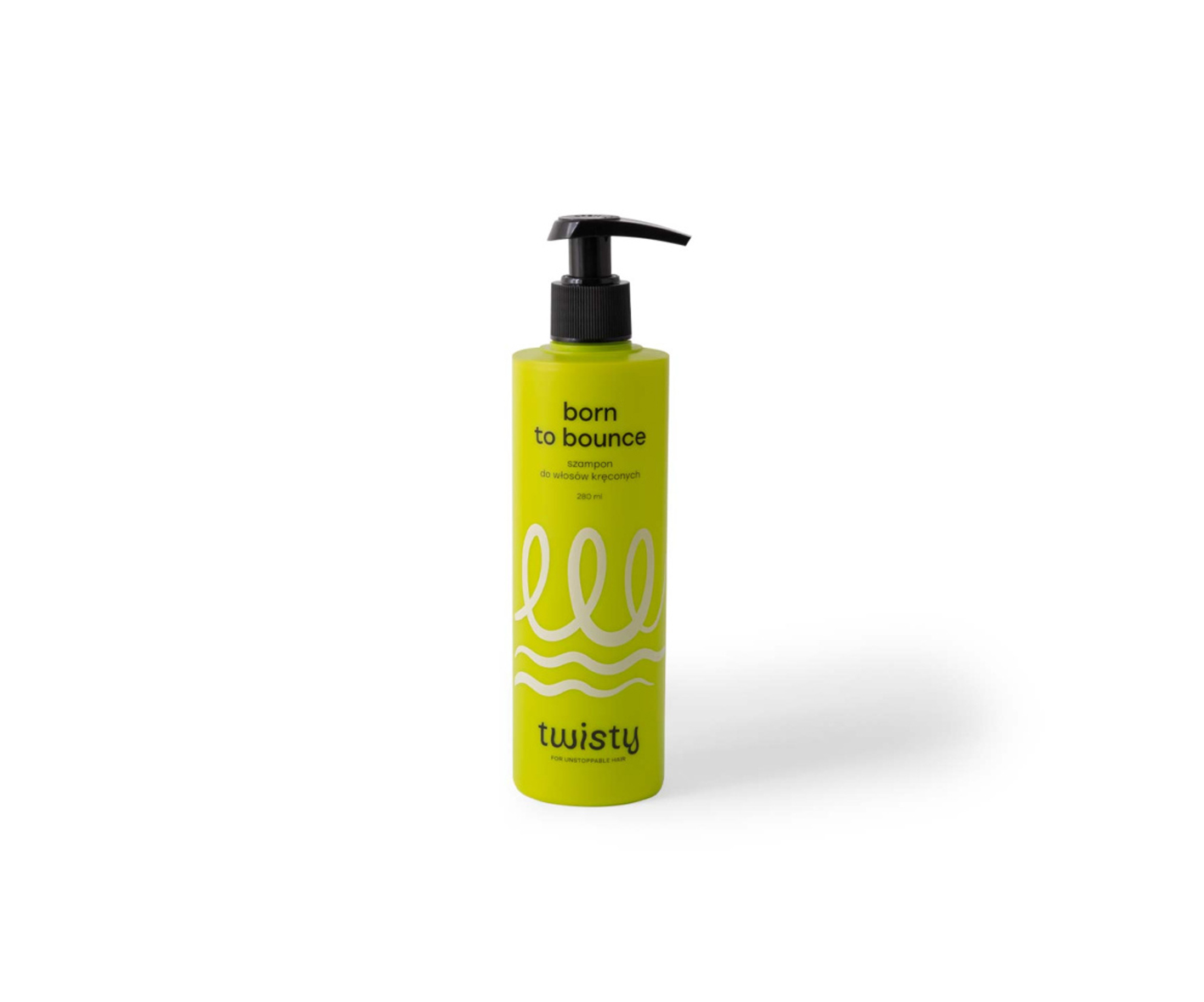
Twisty, Born To Bounce, shampoo for curly and frizzy hair
Shampoo by Twisty Born To Bounce contains the power of natural ingredients. It is free of chemical substances like SLS and SLES, replacing them with gentle cleansing and foaming components based on a complex of cocoglucoside and glycerol oleate. Twisty Shampoo provides intense moisture and smoothness to the hair and elasticity to the curls. Natural guar gum derivatives prevent frizz and static hair and make it easier to comb. The addition of urea, lactic acid, fructose and glycine softens, regenerates and prevents dryness of the hair and scalp. The Born To Bounce shampoo from Twisty has undergone rigorous testing, which confirmed that the active ingredients in the formula moisturise the hair and promote hair health and effectively prevent frizz.The best shampoos for frizzy hair by recommended brands in 2026!
Discover 5 suggestions for proven shampoos for frizzy hair to keep your hair moisturised and smooth!
Hair plays a number of important functions in our body. Among the most important is the protection of the skin and especially the scalp. Hair is a natural barrier against harmful external influences such as UV radiation, dust and microbes. They also protect the organs of hearing and sight. The eyelashes and eyebrows are a shield against dust and pollutants. The hairs in the ear, on the other hand, are a filter that traps dust and other particles and prevents them from getting deeper into the ear, which could contribute to irritation or infection. This article will tell you how hair is made up, why it frizzes and how to look after it properly, as well as which products to use to give it the best care.
How is hair structured?
An adult human being has around 100,000-150,000 hairs on their head. A single hair consists of a stalk and a root The shaft is the dead part of the hair, which extends above the surface of the skin. The root, on the other hand, is the invisible part, embedded in the hair follicle and largely responsible for the appearance and condition of the hair.
The hair shaft consists of three layers:
- The hair core - the innermost part of the hair shaft;
- Hair cortex - the part surrounding the core. It accounts for around 80% of the weight of the entire hair. This part contains the pigments that affect hair colour;
- Sheath - the outer part of the hair shaft, making up around 13% of the weight of the hair, otherwise known as the cuticle. It is most vulnerable to thermal, chemical or external damage.
The root of the hair is located in the hollow of the cuticle - the hair follicle. The fol licle is also known as the sheath or cuticle. Its function is to protect the root. It is surrounded by a network of blood vessels and nerves. The rounded shape of the lower part of the root is the pad or otherwise known as the bulb The bulb contains the very active cells of the hair matrix, from which the hair is formed by division.
The papilla is located underneath the root, is heavily supplied with blood and has many nerve endings to properly nourish the hair and stimulate its growth. The papilla provides the root with the necessary nutrients. Its destruction results in permanent hair loss.
Between the cuticle and the papilla are numerous melanocytes that give the hair its colour.
Hair problems - frizzy hair
Frizzy hair is characterised by a wide opening of the scales and very quickly loses its proper moisture content and dries out. It is therefore very often dry, dull and lacking in shine. It is not uncommon for them to have a tendency to become static. Frizzy hair can be weakened, characterised by split ends and can even fall out excessively. Frizzy hair often accompanies highly porous and curly hair, although this is not the rule. This type of hair is extremely difficult to style, as frizzy strands lack a smooth texture and are rough.
Frizzy hair does not like high humidity. In this situation it becomes unruly and "lives its own life". This type of hair also results from other factors:
● Negative temperatures - cause small cracks in the hair structure, which facilitate frizz.
● The sun - severely dries out the scalp and hair.
● Chlorinated or salt water - strips hair of its natural protection.
Invasive styling - hair can become frizzy due to heat styling or frequent colouring, which weakens the hair structure.
How do I look after frizzy hair?
- First of all, frizzy hair needs intensive moisturising and smoothing. Therefore, cosmetics should be chosen to restore the natural PEH balance between proteins, emollients and humectants. Frizzy strands need to be strengthened and also protected with emollients so that they do not lose their natural moisture.
- Hair oiling is an extremely effective treatment that provides a long-lasting protective layer, reduces moisture loss and at the same time smooths hair so that frizzy strands can be styled more easily.
- It is best to use natural bristle brushes on frizzy hair. This makes it smoother and more manageable. Brushes made of plastic not only do not help with styling but may also contribute to frizz.
- Frizzy hair does not like styling with hot air. Straighteners and curling irons therefore only increase the frizz. In addition, such styling treatments severely weaken the hair structure and may lead to permanent damage.
Shampoos for frizzy hair
It is important for frizzy hair to be properly moisturised and smooth. It is therefore best to use special shampoos to soften and tame frizzy hair and to nourish it.
Shampoos for frizzy hair should contain the right amount of emollients and humectants. Emollients provide a protective barrier to prevent water loss from the hair structure. In addition, they effectively eliminate frizz, static and split ends and make it easier to comb and style every day. Shampoos for frizzy hair should contain emollients such as vegetable oils, shea butter or natural waxes.
Humectants, on the other hand, are meant to moisturise the hair and scalp well. The most popular humectants include: urea, hyaluronic acid, aloe vera, glycerine, and panthenol.
When choosing a shampoo for frizzy hair, avoid foaming detergents such as SLS and SLES in the formulation, as they can further dehydrate the hair and cause skin irritation. Formulations with gentle foaming ingredients responsible for cleansing the scalp and hair are available on the market.
Who are shampoos for frizzy hair?
Shampoos for frizzy hair are designed for people who suffer from excessive frizz and static. This problem often affects people with curly, wavy or dry hair. These shampoos mainly contain moisturising and smoothing ingredients, which help to reduce frizz and make hair supple, smooth and well cared for. These products can also be used by people with highly porous hair, which is also very prone to frizz and dryness.
What are the effects of shampoos for frizzy hair?
The use of shampoos for frizzy hair can bring many benefits to the hair and scalp. The most common effects are:
Reduction of frizz: Shampoos for frizzy hair contain ingredients that help to eliminate frizz, making hair smoother, more flexible and tamer.
Smoothing hair: Ingredients such as keratin and argan oil can help to smooth the texture of the hair, making it soft and supple.
Moisturising: Good shampoos for frizzy hair contain moisturising ingredients to help maintain the right level of moisture in the hair, which is also important in preventing frizz.
Hair strengthening: Keratin, fructose and other strengthening ingredients can help rebuild hair structure, resulting in increased elasticity and strength.
Reduction of hair static: Thanks to anti-static ingredients, shampoos for frizzy hair can reduce hair's tendency to become static.
Hair softening: Ingredients such as vegetable oils and moisturisers can make hair softer and more manageable.
Key ingredients in shampoos for frizzy hair
Shampoos for frizzy hair obviously vary in composition, but there are a few ingredients to look for in these products:
- Moisturising ingredients: Moisturising ingredients such as hyaluronic acid, glycerine or aloe vera ensure that the hair is properly moisturised and smooth and retains moisture in the hair for a long time.
- Vegetable oils: Oils such as flaxseed, sunflower, grape seed, jojoba, argan and coconut oils are rich in fatty acids, which help to moisturise and smooth hair. Ideally, they should be natural and unrefined.
- Keratin: Keratin is a protein that is the building block of hair. It strengthens strands, giving them smoothness and elasticity.
- Panthenol: Has a soothing effect on the scalp. Gives shine and softness to the hair and retains moisture in the hair.
- Plant extracts: Plant extracts such as field horsetail, chamomile and fenugreek strengthen the hair and care for it accordingly.
- Urea: Reduces dryness of the scalp and gives hair shine and smoothness.
- Fructose: Has a similar effect to keratin - it moisturises, prevents dryness and prevents split ends.
- Lactic acid: This ingredient stimulates hair roots, making hair grow faster, stronger and more flexible.
Benefits
There are undoubtedly many advantages to using shampoos on frizzy hair. The most important are:
- Prevention of frizz.
- Intensive moisturising of the hair.
- Retention of moisture in the hair.
- Softening and smoothing hair.
- Protection against damage and external factors.
- Reconstructing and regenerating hair.
- Gives your hair shine
- Making it easier to style and detangle hair.
- Preventing split ends.
- Ease of application.
- Availability of many products.
Disadvantages
Although there are many benefits to using shampoos for frizzy hair, there are also disadvantages to using them. Here are examples:
- The possibility of overloading the hair.
- The possibility of irritation and allergic reactions
- The need to use additional products on the hair, such as conditioners and masks.
- Lack of expected results.
How do I use shampoo for frizzy hair?
The use of shampoo for frizzy hair is very simple and no different from using any other hair shampoo. However, it is worth remembering a few steps:
- Wet your hair: Start by thoroughly wetting your hair with warm water. This will help open up the hair's scales and make it easier for the shampoo's active ingredients to work.
- Use a small amount of shampoo: Put a small amount of shampoo in your hands and distribute it evenly through wet hair.
- Gently massage: Gently massage the shampoo into your scalp with your fingers in a circular motion. Avoid rubbing too hard so as not to irritate the scalp.
- Distribute throughout the length of the hair: Evenly distribute the shampoo throughout the length, focusing especially on the ends.
- Leave on for a while: Leave the shampoo on your hair for a while so that the active ingredients have time to take effect. The amount of time you leave the shampoo in is usually indicated on the packaging.
- Rinse thoroughly: After the required time has elapsed, rinse your hair thoroughly with warm water.
- Apply conditioner or mask: For extra care after shampooing, apply a conditioner or mask designed for frizzy hair.
The frequency of use of shampoos for frizzy hair depends on individual preference and the specific needs of the hair. You can use shampoo daily or every few days. It is also a good idea to take a break from using a specialised shampoo for frizzy hair once in a while and use a gentler moisturising or clarifying shampoo.
What to look for when choosing a shampoo for frizzy hair?
When choosing a shampoo for frizzy hair, it's worth paying attention to a few important factors to make sure the product meets all your needs and expectations.
Ingredients: Look for shampoos that contain moisturising ingredients to help reduce frizz.
No sulphates, parabens or sulfates: Sulfate- and sulfate-free shampoos are often recommended for those with frizzy hair because they do not remove natural oils from the hair, which can contribute to dryness. On the other hand, the absence of parabens in the formulation will prevent skin irritation, which is particularly important if you have a sensitive scalp and hair.
Fragrance and texture: Make sure the cosmetic has a fragrance that is pleasant to you and the texture is what you expect. Some people prefer lighter textures, while others prefer thicker textures.
Reviews and feedback: Read reviews of a particular product to find out what other people's experiences of using it are. This can provide valuable information about the actual effectiveness of a particular shampoo.
Hair type: Make sure the shampoo you choose is suitable for your hair type. For example, if you have curly hair, look for a shampoo designed specifically for this hair type.
Meet the 5 best shampoos for frizzy hair in 2026
When creating our product reviews, we consider the ingredients and research their safety. We analyse the opinions of industry experts and the experiences of product users. We obtain recommendations from authorised retailers and use available sources of knowledge on active ingredients and their effects. We personally verify the action, texture, scent and feel of the products, and assess value for money.
Below are detailed reviews by our editors with a description of each product indicated.
Advantages
- Good composition
- No irritant substances
- With oils and shea butter
- Prevents frizz
- Moisturises and smoothens hair
- Regenerates hair
- Prevents split ends
Disadvantages
- Impractical dispenser
- Limited availability
- High price
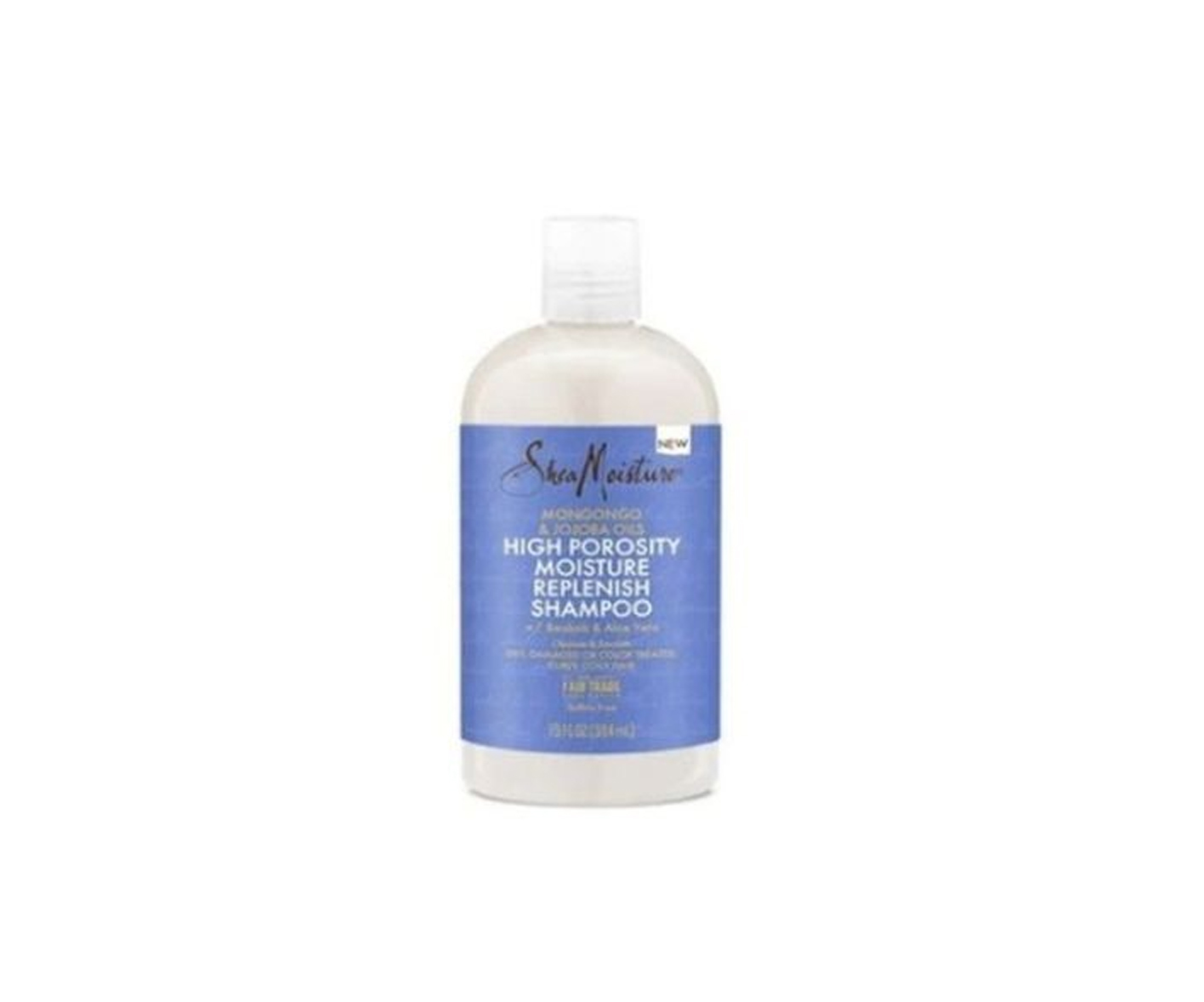
Shea Moisture, shampoo for highly porous and frizzy hair
Shea Moisture Shampoo is particularly suitable for highly porous and frizzy hair that is difficult to tame. Thanks to its special formula, it intensively moisturises the hair and scalp and ensures strong regeneration of even very damaged hair. The ingredients include mongongo and jojoba oil to prevent dryness, soften and smooth hair, baobab and aloe vera extracts and organic shea butter to help restore dry, damaged strands and reduce the problem of split ends. Shea Moisture Shampoo is free of sulphates, parabens and other irritants.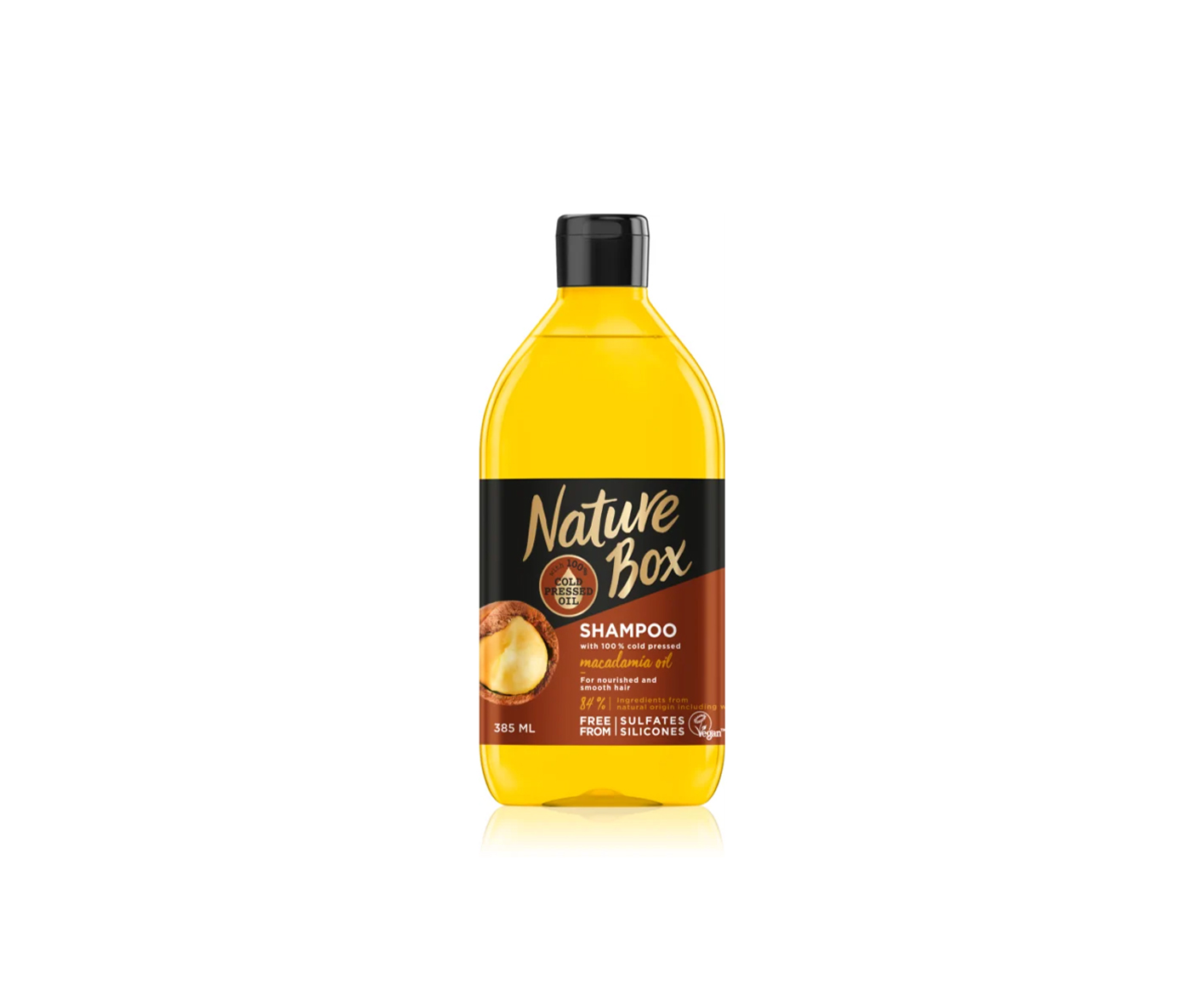
Advantages
- Good composition
- With natural macadamia oil
- Prevents frizz and static hair
- Moisturises and smooths hair
- Environmentally friendly packaging
Disadvantages
- Can cause hair to frizz
- Slightly tangles hair
- Requires the use of a conditioner
- Low availability
Nature Box, shampoo for frizzy hair
Nature Box shampoo contains cold-pressed 100% natural macadamia nut oil, which provides intense hydration and smoothness to the hair without overloading or tangling. In addition, the shampoo formula is made up of 84% naturally derived components. Nature Box shampoo prevents frizz and static, restores a healthy shine to the hair and makes it easier to comb and style. The shampoo packaging is made from environmentally friendly materials.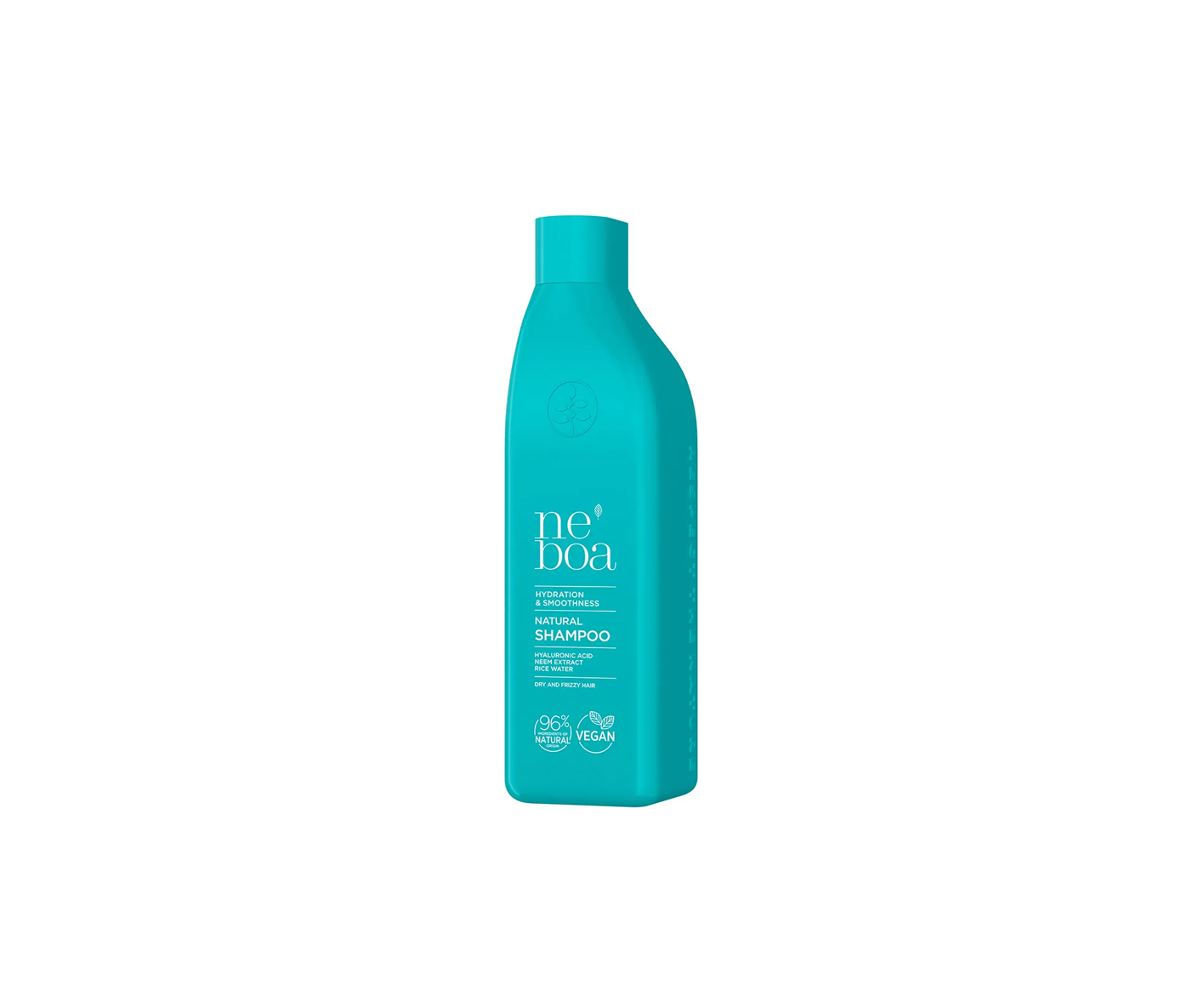
Advantages
- Natural composition
- Moisturises and smoothens hair
- Effectively cleanses the scalp
- Does not irritate
- Vegan
Disadvantages
- May cause greasy hair
- Medium anti-frizz effect
- Too intense herbal aroma
- The manufacturer recommends keeping the shampoo on the head for 2-3 minutes
Neboa, Hydration&Smoothness, anti-frizz shampoo
Neboa's Hydration&Smoothness Shampoo is a vegan cosmetic with ingredients that are 96% naturally derived. The ingredients include hyaluronic acid to retain moisture in the scalp, Indian honey extract to prevent frizz and tangles and rice water to nourish and restore hair. Hydration&Smoothness Shampoo effectively cleanses the hair and scalp without irritating or drying the hair.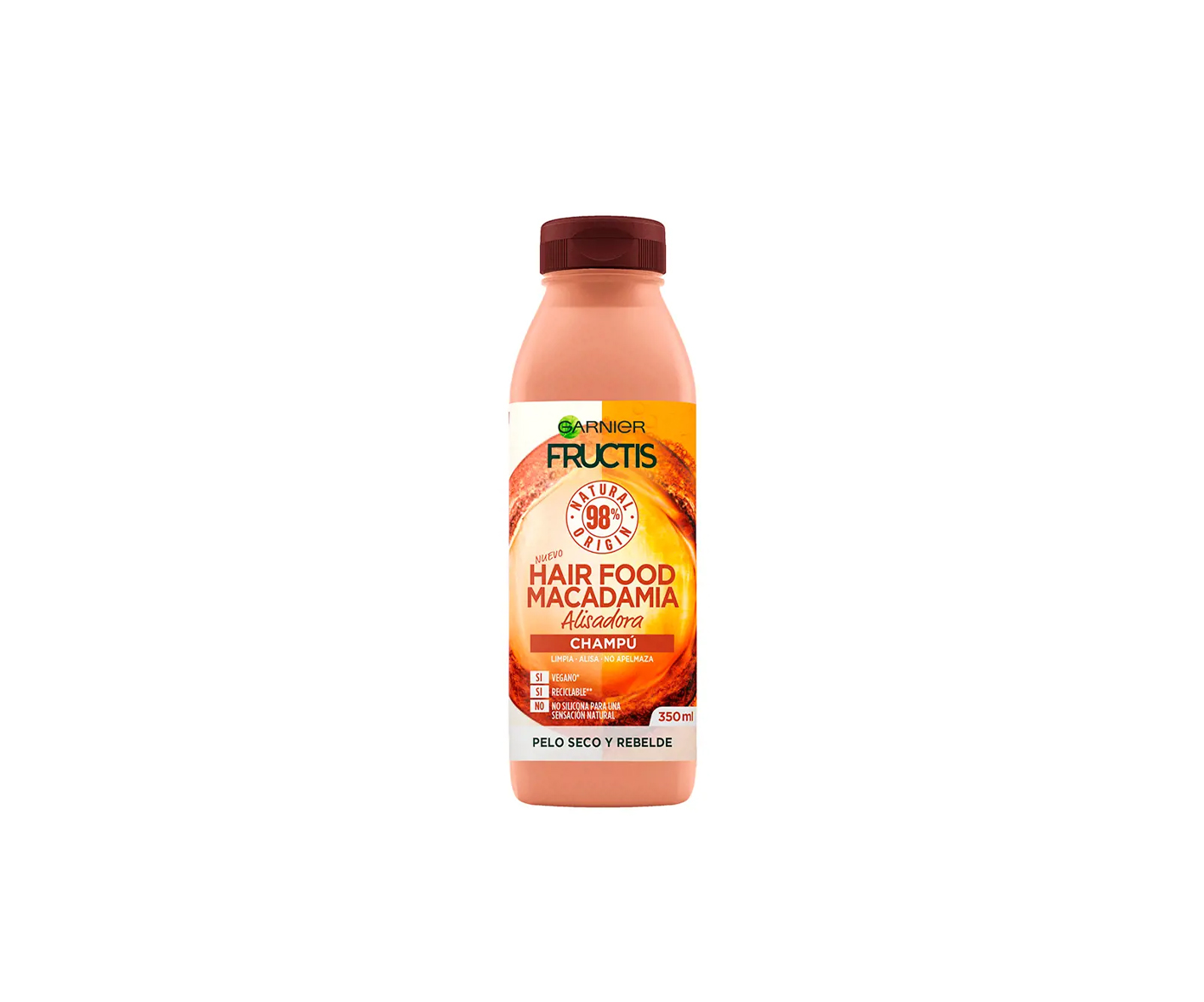
Advantages
- Ingredients of 98% natural origin
- With macadamia nut oil
- Facilitates styling
- Pleasant fragrance
Disadvantages
- Detergents responsible for shampoo foaming (SLS) are present in the formulation
- Medium smoothing and moisturising effect
- Hair becomes greasy faster after use
Garnier, Fructis, Hair Food Macadamia, smoothing shampoo for frizzy hair
Hair Food shampoo by Garnier bases its action on the properties of macadamia nut oil. Its main purpose is to moisturise and smooth frizz-prone and difficult-to-manage hair. Ingredients of 98% natural origin, such as coconut oil and glycerine, cleanse the scalp and retain moisture, giving strands elasticity and a healthy shine. Garnier Hair Food Macadamia Shampoo leaves a very pleasant fragrance on the hair.
When choosing any products, factors such as budget, ingredient preferences, and potential allergies or sensitivities should be considered. It is always advisable to consult a healthcare professional before trying a new product, especially if you have had adverse reactions to other cosmetic products in the past.