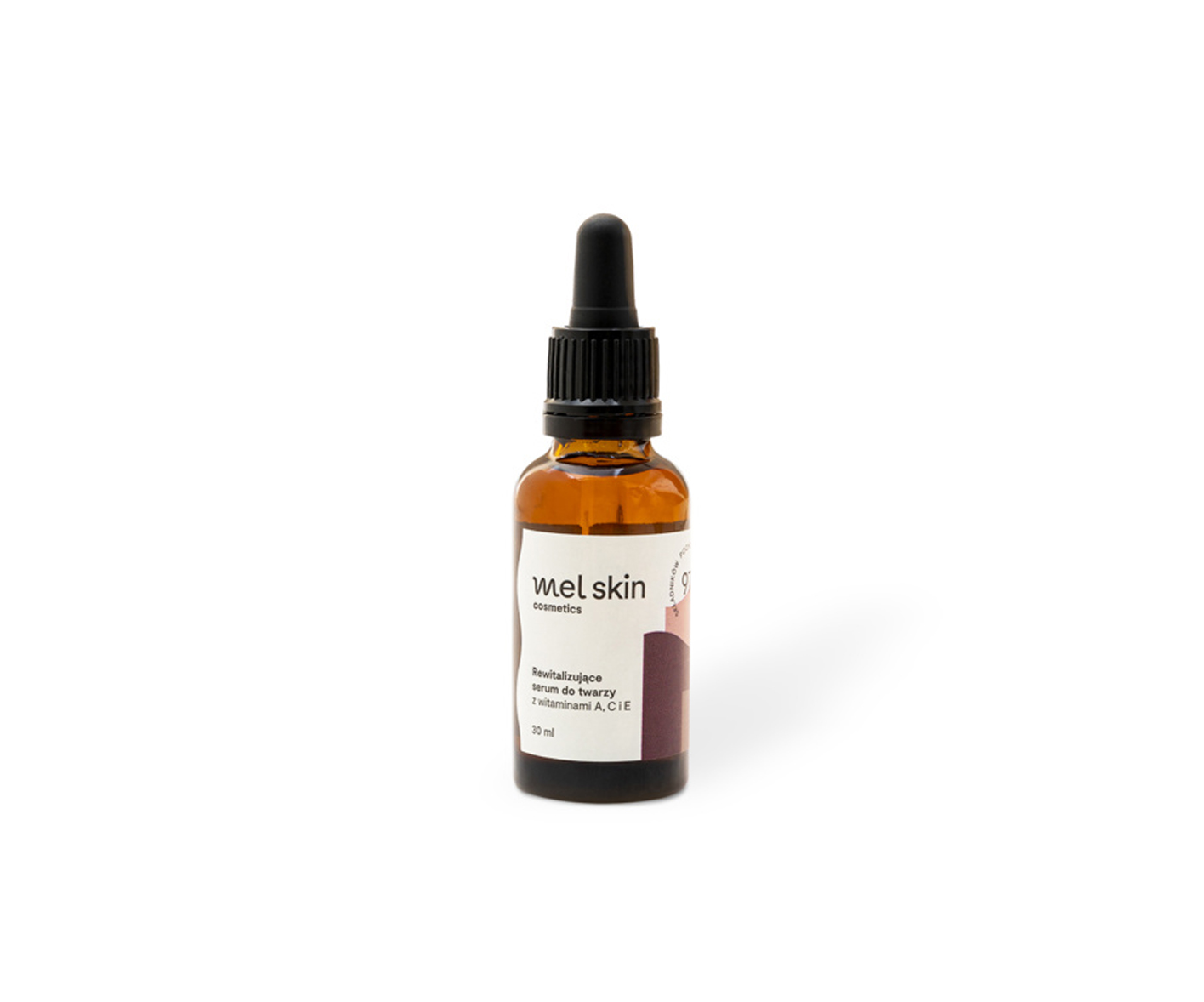
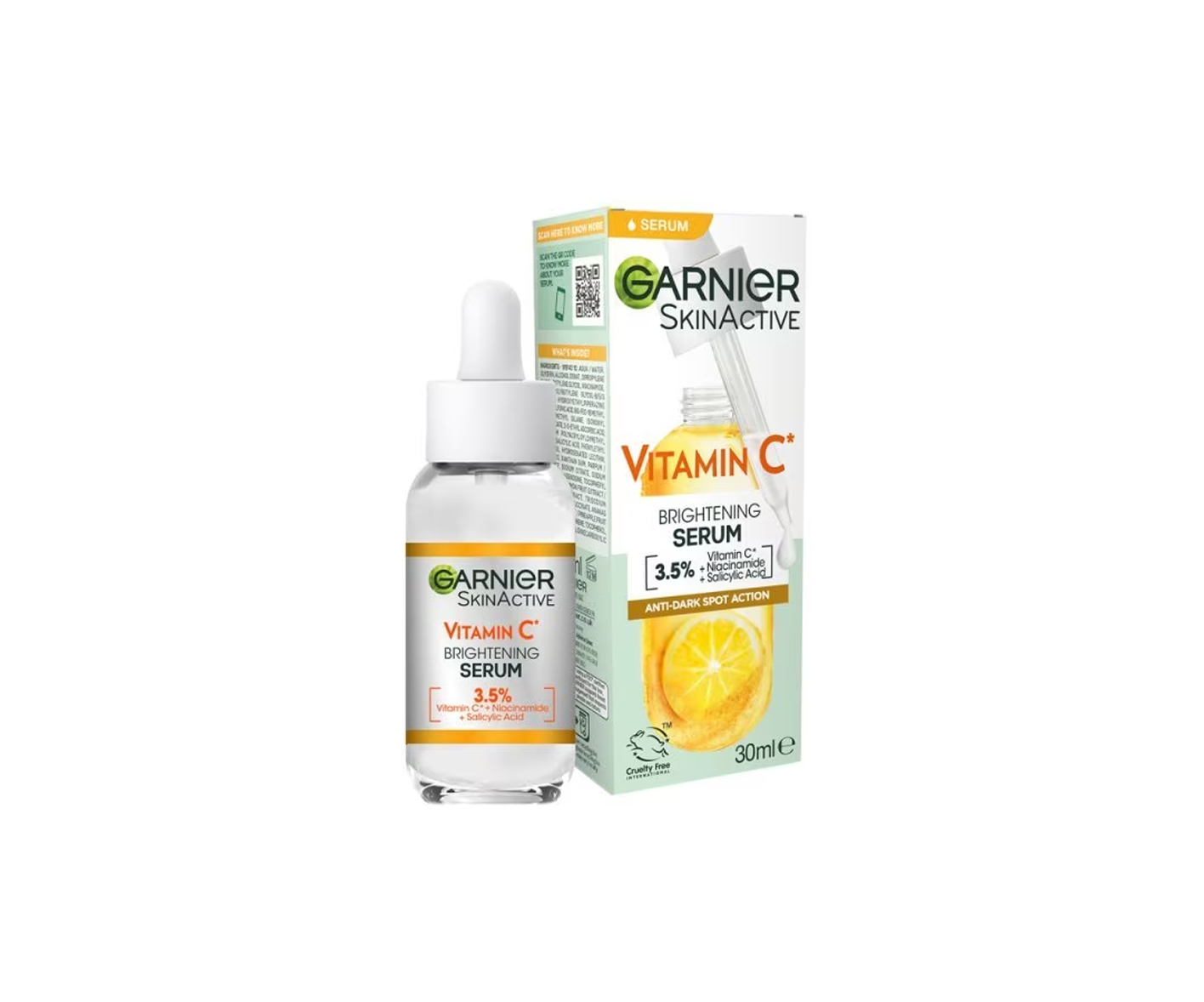
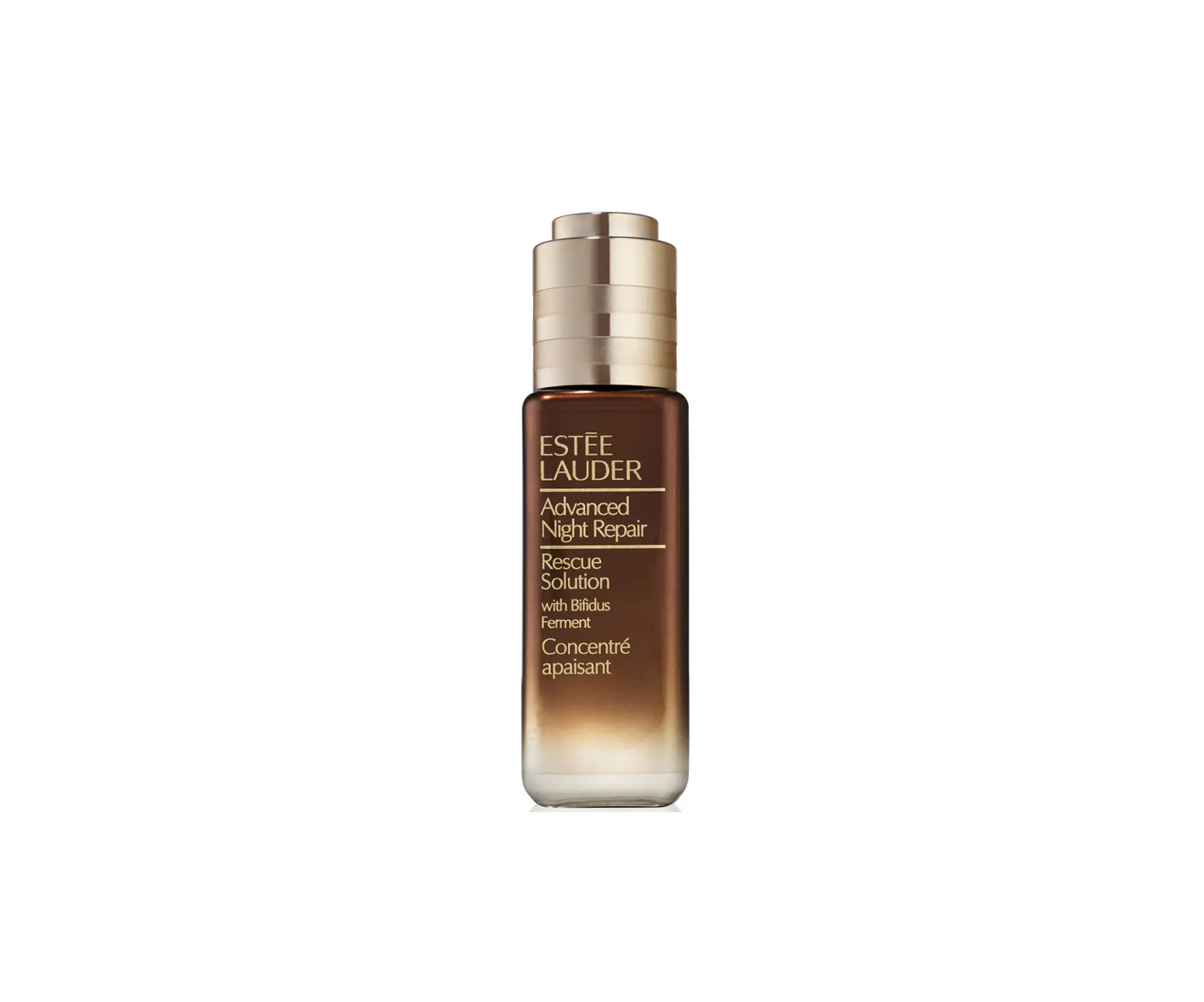
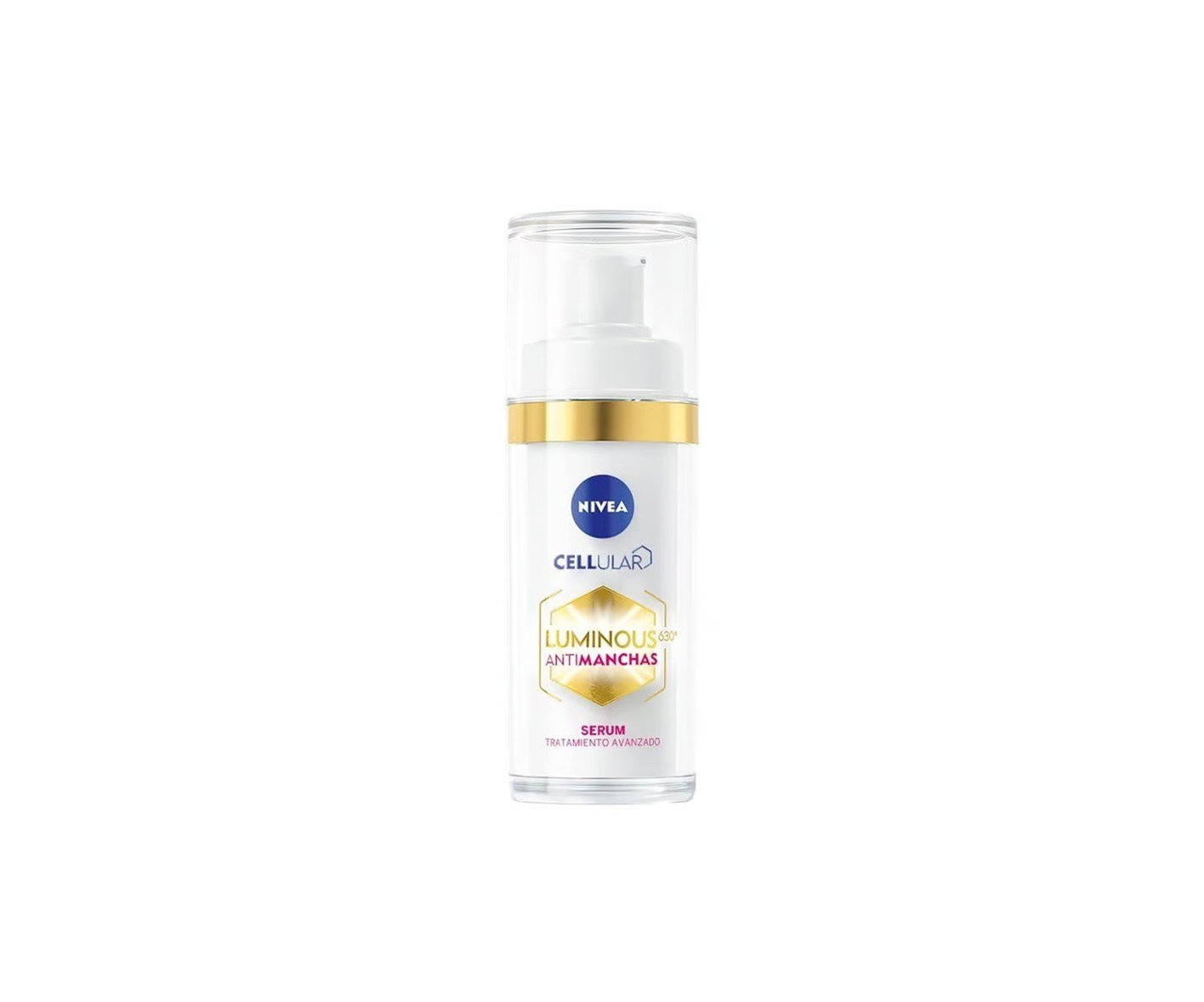
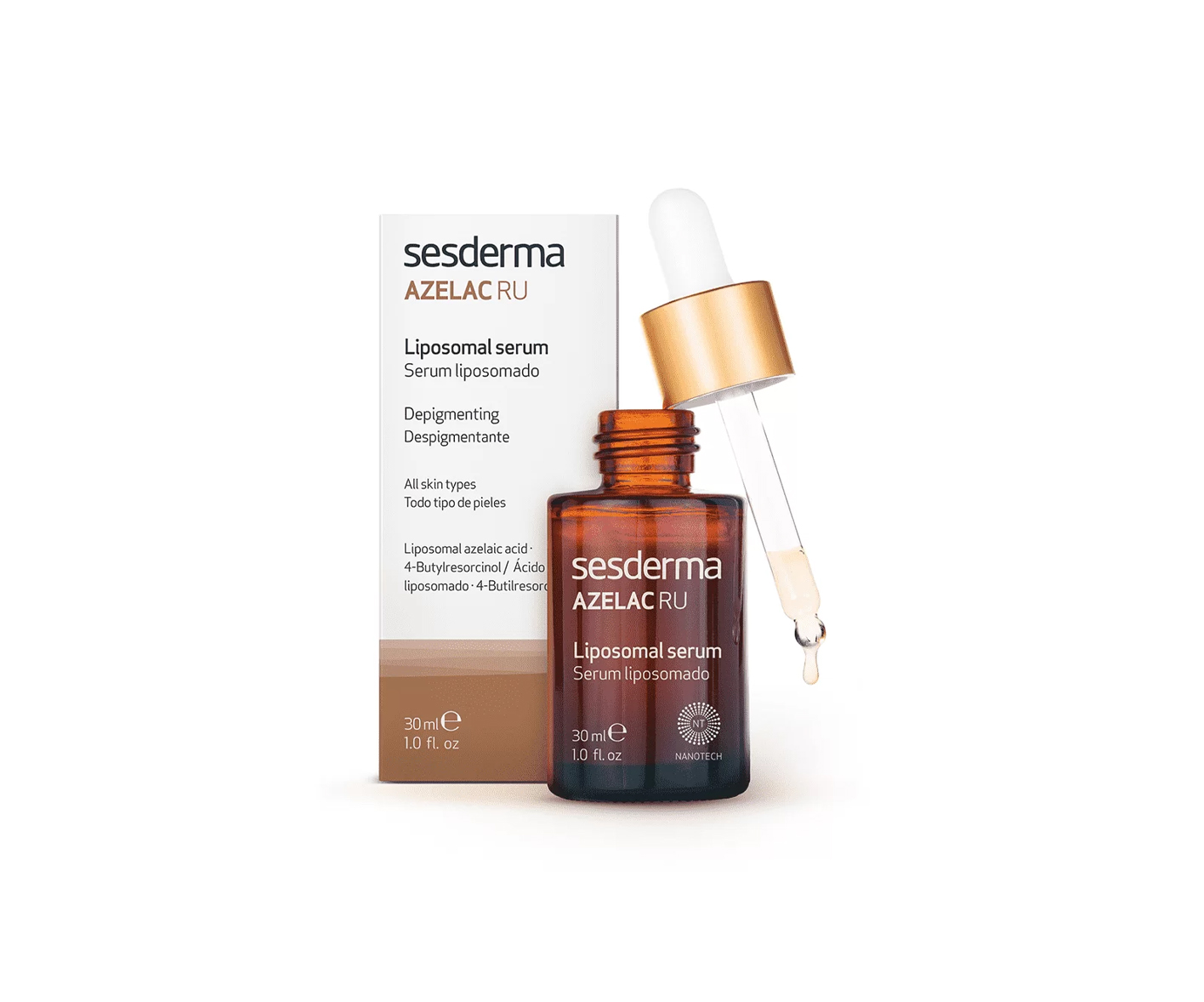
Discover 5 suggestions of proven serums for facial hyperpigmentation and forget about imperfections!
Facial hyperpigmentation is a change in skin colour that can be caused by a variety of factors, such as UV radiation, skin ageing or hormonal changes. Proper skincare is very important and can help to reduce the risk of hyperpigmentation and improve your appearance. Sometimes, however, despite taking good care of your skin, external factors negatively affect the condition of your skin, resulting in the appearance of facial discolouration or other imperfections. In the following article, you will find out where facial hyperpigmentation comes from, how to prevent it and what to do to keep your skin in a good mood.
Facial skin
The facial skin is a prominent part of our body that is very important for our outward appearance and overall well-being. It is subtle, delicate and thinner than the skin on other parts of the body, yet is exposed to many external factors.
Facial skin is made up of different layers, the most important of which are the epidermis, dermis and subcutaneous layer.
The epidermis is the outer layer that plays a protective role, protecting us from harmful environmental influences. At the same time, it is responsible for receiving sensory stimuli such as touch and temperature.
The dermis is located below the epidermis and contains structural elements such as collagen and elastin, which give the skin its elasticity and strength. It is here that skin regeneration processes take place.
The subcutaneous tissue is the layer beneath the dermis and contains fatty tissue. It is responsible for thermal insulation and provides energy reserves.
By definition, healthy facial skin should be smooth, elastic and uniform in colour. Its condition is influenced by many factors, such as genetics, lifestyle, diet, skincare habits and exposure to external factors. Therefore, it is worth taking care of proper care and a healthy lifestyle in order to keep your facial skin looking young and beautiful.
What are melanocytes
Melanocytes are skin cells responsible for the production of the pigment melanin. They are mainly found in the epidermis, but can also be found in small concentrations in the other layers of the skin. Melanin is the natural pigment that gives colour to skin, hair and eyes in humans. Also in other organisms, e.g. animals, melanocytes play a similar role in shaping the colour of skin and hair.
The main function of melanocytes is melanin production. Melanocytes produce melanin, which gives the skin its colour. In response to UV radiation or other stimuli, these cells increase melanin production to protect the skin from harmful radiation. Melanocytes distribute melanin in a specific way, giving the skin a uniform colour. Differences in the amount and distribution of melanin between people affect differences in skin colour.
Melanin acts as a natural UV filter, helping to protect the skin from the sun's harmful rays. More melanin in the skin can reduce the risk of sunburn and UV damage.
Understanding the role of melanocytes is important in the context of skin pigmentation problems such as hyperpigmentation, sun spots, freckles and skin diseases. Melanocytes are therefore a key element in shaping skin colour and protection.
Where are melanocytes located?
Melanocytes are found in the skin of the human body. They are distributed in different layers of the skin.
Melanocytes are mainly found in the epidermis, the outer layer of the skin. This is where the production of melanin, which gives the skin its colour, takes place. Melanocytes are distributed in the lower layer of the epidermis. Although the main tasks of melanocytes are related to the epidermis, some of these cells are also found in the dermis, below the epidermis. However, their main function focuses on melanin production in the epidermis.
Melanocytes are also found in other areas of the body, such as mucous membranes, which affects the colour of the eyes, hair and other tissues. They are also present in the retina, where they shape the colour of the iris.
Melanocytes are found in hair follicles, where they produce melanin, which gives colour to hair. The distribution of melanin around the roots of the hair shapes the shade of the hair.
It is worth noting that the distribution of melanocytes and the amount of melanin in the skin varies between individuals, which influences differences in skin, eye and hair colour. Sun exposure and genetic factors can affect the activity and amount of melanocytes in a given organism.
Facial hyperpigmentation
Hyperpigmentation is a change in the colour of the skin, which consists of areas of different colour from the surrounding skin. They can be caused by a variety of factors and take different forms. Hyperpigmentation is common and can appear on various areas of the body, including the face, hands, arms and legs. Here are some types of hyperpigmentation:
Age spots (lentigo senilis). These are darker patches on the skin that appear as the skin ages. They are associated with prolonged exposure to the sun.
Sun spots (Latin: lentigo solares). These are hyperpigmentation caused by overexposure to UV radiation and usually appear on sun-exposed skin such as the face, décolleté and hands.
Melasma. These are hormonal hyperpigmentations that often occur in pregnant women or as a result of hormonal changes associated with contraception. Melasma spots are usually darker and appear on the skin of the face.
Freckles. These are small brown or red spots on the skin that are hereditary and often appear on the facial skin as a result of sun exposure.
Acne spots. They appear after acne has passed and are associated with difficulties in wound healing and inflammation.
Age spots (actinic keratoses). These are small, rough patches that result from overexposure to UV radiation.
Hyperpigmentation can have various causes, including sun exposure, hormonal changes, skin ageing, heredity, acne or allergic reactions. There are various treatments and skin care methods that can help reduce hyperpigmentation, depending on the type and cause. It is worth consulting a dermatologist for an accurate diagnosis and appropriate recommendations.
Serums for facial hyperpigmentation
A serum for facial hyperpigmentation is a cosmetic that contains active ingredients designed to reduce and lighten skin discolouration. There are a variety of serums available on the market that can help in the fight against hyperpigmentation. A serum is a cosmetic that is highly concentrated. This means that it contains a higher amount of active ingredients that have a direct effect on the skin. With a higher concentration of ingredients, serums can be more effective to address specific skin problems such as hyperpigmentation, wrinkles or acne. The active ingredients are selected to target these specific issues, increasing their effectiveness. Serums tend to have a light, non-greasy texture, which means they can be more easily absorbed by the skin. This allows the active ingredients to reach the layers of skin where they are needed more quickly and effectively, speeding up the visibility of results.
For whom a serum for facial hyperpigmentation is for
Serums for facial hyperpigmentation are for people who struggle with different types of skin discolouration and want to improve the appearance and texture of their skin. Serums for hyperpigmentation can be particularly beneficial for those with sun and acne blemishes. If you have discolouration left over from acne or inflammatory skin lesions, serums can help to lighten these spots and improve the overall appearance of your skin. Facial hyperpigmentation also affects people with age spots or sun spots. Serums can help reduce dark spots, which often appear as a result of ageing skin or sun exposure.
Serums for facial hyperpigmentation will also be appreciated by those with melasma. Melasma is a type of hormonal hyperpigmentation, often occurring in pregnant women or as a result of hormonal changes associated with contraception. Serums can help to lighten these spots. If you have uneven skin colour or areas of different colour, serums can help even out your skin tone.
It is worth noting that the effectiveness of serums for hyperpigmentation may vary depending on the type of hyperpigmentation and your skin type. Before using a serum for hyperpigmentation, it is advisable to consult a dermatologist who can tailor the right products to your individual needs and skin. In addition, serums for hyperpigmentation usually work best in combination with regular sun protection, as UV radiation is a common cause of hyperpigmentation.
Effects of using a serum for facial hyperpigmentation
The effects of serums for facial hyperpigmentation can vary, but usually include an improvement in the overall appearance of the skin and a reduction in hyperpigmentation.
Serums for hyperpigmentation contain active ingredients such as hyaluronic acid, vitamin C or glycolic acid, which can help to lighten dark spots on the skin. Discolouration becomes less visible or disappears completely.
Serums help to even out skin tone, eliminating unevenness and areas of different shades. If you have acne blemishes, serums can help reduce their appearance and improve skin texture.
Certain ingredients in serums, such as hyaluronic acid, can improve the elasticity and texture of the skin, making it smoother and more uniform.
Serums for facial hyperpigmentation may contain ingredients that help protect the skin from future hyperpigmentation, such as SPF filters or antioxidants.
If you have hyperpigmentation associated with rosacea or other inflammatory conditions, serums can help to relieve erythema and inflammation of the skin.
Serums can help to improve skin hydration, which will contribute to the overall healthy appearance of your skin. With regular use of serums for facial blemishes, skin can appear more radiant and younger looking.
It is worth remembering that the effects of a serum for hyperpigmentation may vary depending on the type of hyperpigmentation, the individual skin and the product being used.
Active ingredients in a serum for facial hyperpigmentation
The composition of a serum for facial hyperpigmentation can vary depending on the quality of the specific cosmetic, as well as the manufacturer. Here are some key ingredients that are often present in serums for facial hyperpigmentation:
- Hyaluronic acid - helps to hydrate the skin, which can improve its appearance and texture.
- Vitamin C - has skin brightening properties and can help reduce hyperpigmentation. It is also a powerful antioxidant that protects the skin from free radical damage.
- Glycolic acid - this type of fruit acid can help exfoliate dead skin and improve skin texture.
- Salicylic acid - can help reduce acne blemishes and prevent the appearance of new ones.
- Niacinamide (vitamin B3) - has brightening properties and helps to regulate melanin production, which is important in the fight against hyperpigmentation.
- Plant extracts - such as kojic acid, liquorice extract or rosehip extract. These ingredients are known for their skin-brightening properties.
- SPF filter - helps to protect the skin from further aggravation of discolouration caused by UV radiation.
Sub Advantages of
There are many benefits to using a serum on facial hyperpigmentation, here are a few:
- Lightening of hyperpigmentation
- Improvement in the appearance of the skin
- Reduction of acne spots
- Protection against future discolouration
- Even brightening of skin tone
- Reduction of erythema
- Improving skin elasticity and texture
- Increased hydration levels
- Faster results compared to some creams
- Light texture
Disadvantages
The use of serums for facial hyperpigmentation has positive results, but in some cases there may be unwanted side effects. The most common ones are:
- Irritation and redness
- Flaking of the skin
- Dryness of the skin
- Allergic reactions
- Transient acne or worsening of the skin condition
- Increased sensitivity to the sun
To minimise the risk of adverse effects, it is recommended to follow the manufacturer's instructions for use of the serum and to start use with a low frequency and gradually increase if the skin tolerates the product. If severe irritation or allergic reactions occur, it is advisable to discontinue use of the serum and consult a dermatologist.
How often to use a serum for facial hyperpigmentation
The frequency of application of serums for facial hyperpigmentation depends on the type of product, your skin type and the manufacturer's recommendations. In general, it is recommended to apply a serum for hyperpigmentation once or twice a day, usually in the morning and evening. If the serum is for daily use, it is usually applied in the morning and evening. In the morning it helps to protect the skin from UV radiation and other external factors, and in the evening it helps the skin's regeneration processes at night. Regularity of application is key. This means that the serum should be applied daily or as recommended by the manufacturer. Interrupting the treatment or using the serum sporadically can reduce its effectiveness.
If you are starting to use a serum for hyperpigmentation, it is a good idea to start by applying it once every few days or every other day, and then gradually increase the frequency if your skin tolerates the product. This will help to avoid irritation. If you have sensitive skin, application of the serum can be less frequent, such as every other day or once every three days. It depends on your reaction to the product.
If you use a serum for hyperpigmentation in the morning, it is important to always apply an SPF sunscreen with an appropriate UV protection factor. Serums can make your skin more sensitive to the sun. The frequency of application of serums can vary depending on your skin type and hyperpigmentation problem. Therefore, it is worth consulting a dermatologist who can tailor recommendations to your individual needs.
How to use a serum for facial hyperpigmentation
Applying a serum for facial hyperpigmentation is a process that requires certain steps and attention. Here are the steps that will help you to effectively apply a serum for hyperpigmentation:
- Start by cleansing your face thoroughly. Use a mild cleanser or cleansing foam to remove impurities and make-up. Carefully rinse your face with warm water and gently pat dry.
- If you use a toner, you can now apply it to your skin. A toner helps to restore the skin's natural pH and prepare it to accept serums. Choose a toner without alcohol.
- Apply the serum to blemishes according to the manufacturer's recommendations. Usually a small amount, about 1-2 drops, is enough to cover the entire face. Avoid applying the serum to the eye area. You can spread the serum gently with your fingertips or gently pat it into the skin.
- Allow the serum to absorb into the skin for a few minutes. Waiting allows the active ingredients to penetrate deep into the skin.
- If you have other products in your skincare routine, such as a moisturiser or sunscreen, you can now apply them to your skin. Usually sunscreens are applied in the morning and moisturisers are applied both morning and evening.
- If you apply serums in the morning, always protect your skin from UV radiation by applying a sunscreen with an SPF of the appropriate protection factor.
- Use serums as recommended by the manufacturer and according to your skin's needs. Regularity is key to achieving the best results.
What to consider when choosing a serum for facial hyperpigmentation
When choosing a serum for facial hyperpigmentation, there are some important factors to consider to find the right product for your needs. Here's what to consider when choosing a serum for hyperpigmentation:
Type of hyperpigmentation: There are many types of hyperpigmentation, such as acne blemishes, age spots, melasma or sun spots. Choose a serum that is designed for the specific type of hyperpigmentation that concerns you. Some products are more focused on brightening, while others can work on multiple types of hyperpigmentation.
Active ingredients: check the composition of the serum. Ingredients that are often effective against hyperpigmentation include hyaluronic acid, vitamin C, glycolic acid, salicylic acid, retinoids or plant extracts such as liquorice extract. Choose serums that contain ingredients that are known for their brightening and whitening properties on hyperpigmentation.
Skin type: Make sure the serum is suitable for your skin type. Some products are designed for sensitive skin, while others are more suitable for oily or combination skin. Choose a serum that suits your skin to avoid irritation.
Concentration of ingredients: The concentration of active ingredients in a serum can affect its effectiveness. Products with higher concentrations of ingredients are often more effective at fighting hyperpigmentation, but can also be more irritating to the skin. Pay attention to the formulation and concentration, and if you have sensitive skin, start with products with lower concentrations.
Additional properties: Some serums for hyperpigmentation may have additional properties, such as moisturising, sun protection or anti-ageing. Choose a product that meets your skin's additional needs.
Reviews and feedback: Read reviews from other users who have used a serum for hyperpigmentation to find out what results they got. Other people's reviews can provide valuable information on the effectiveness of the product.
Skin tests: Before applying a serum to your whole face, always do a test on a small area of skin to make sure it will not cause allergies or irritation.
Remember that the effectiveness of a serum on hyperpigmentation may vary depending on your individual needs and skin type. It's worth being patient, as results are not always immediate and visible improvement may require several weeks or months of regular use.
Meet the 5 best serums for facial hyperpigmentation in 2026
When creating our product reviews, we consider the ingredients and research their safety. We analyse the opinions of industry experts and the experiences of product users. We obtain recommendations from authorised retailers and use available sources of knowledge on active ingredients and their effects. We personally verify the action, texture, scent and feel of the products, and assess value for money.
Below are detailed reviews by our editors with a description of each product indicated.