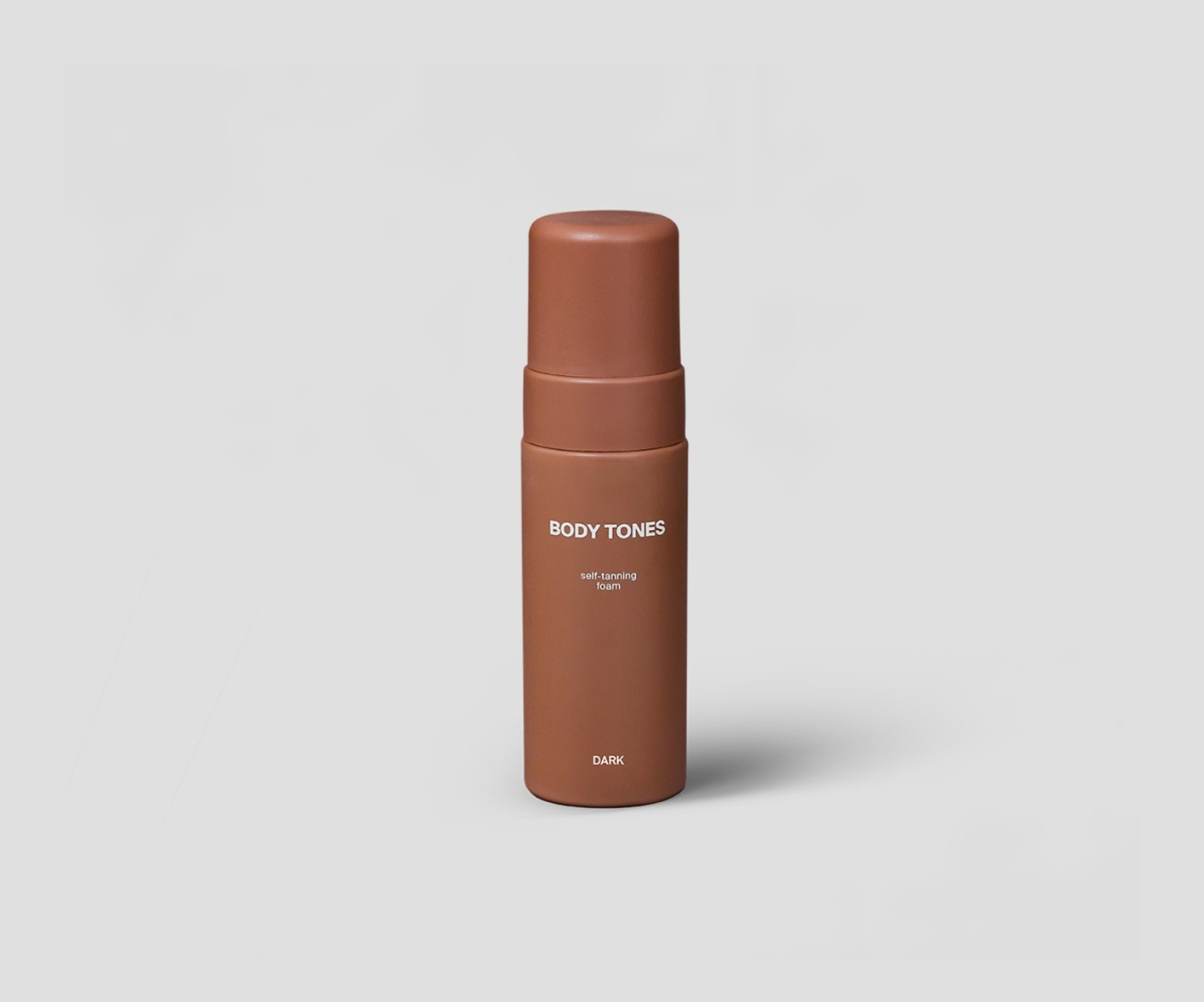
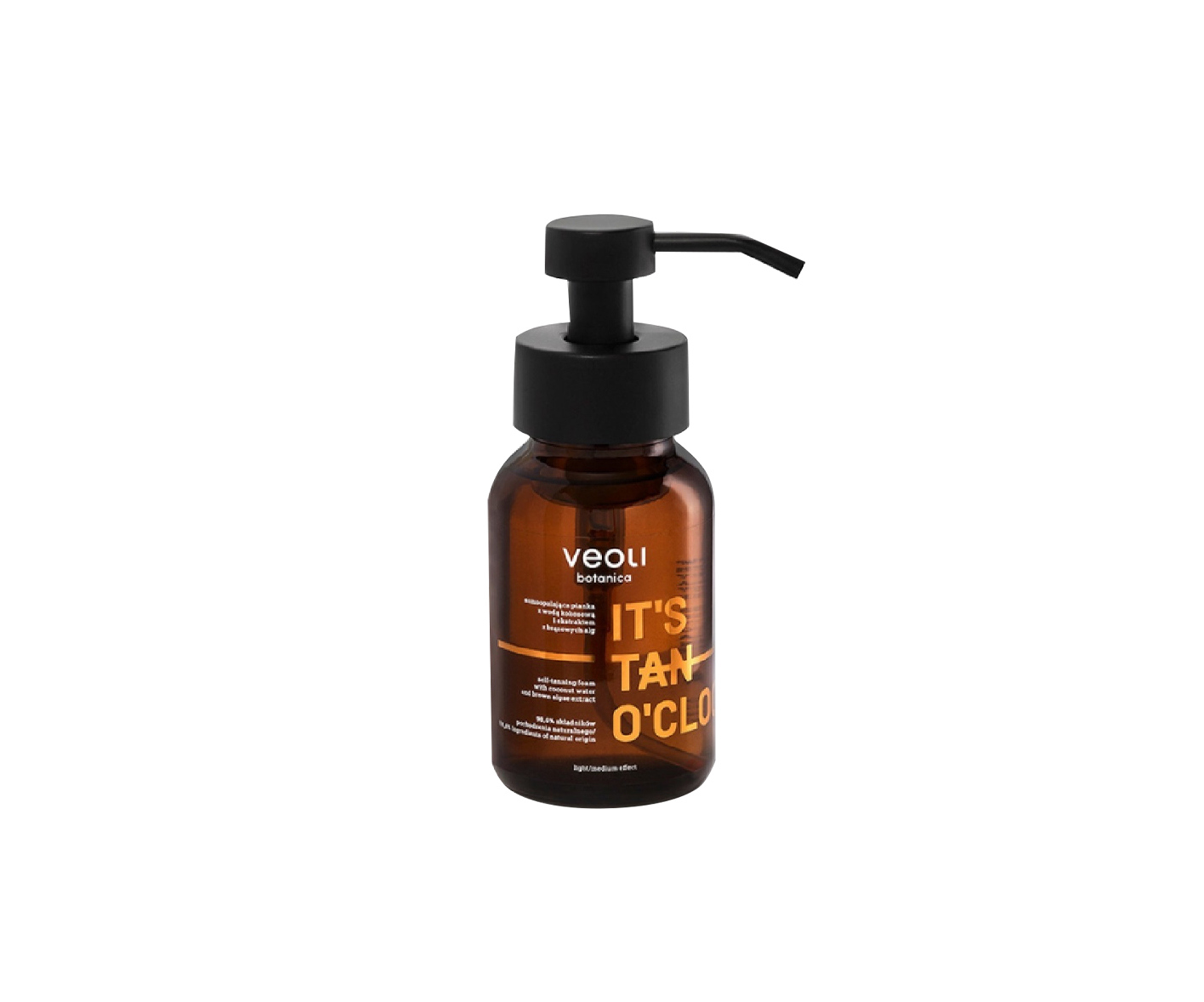
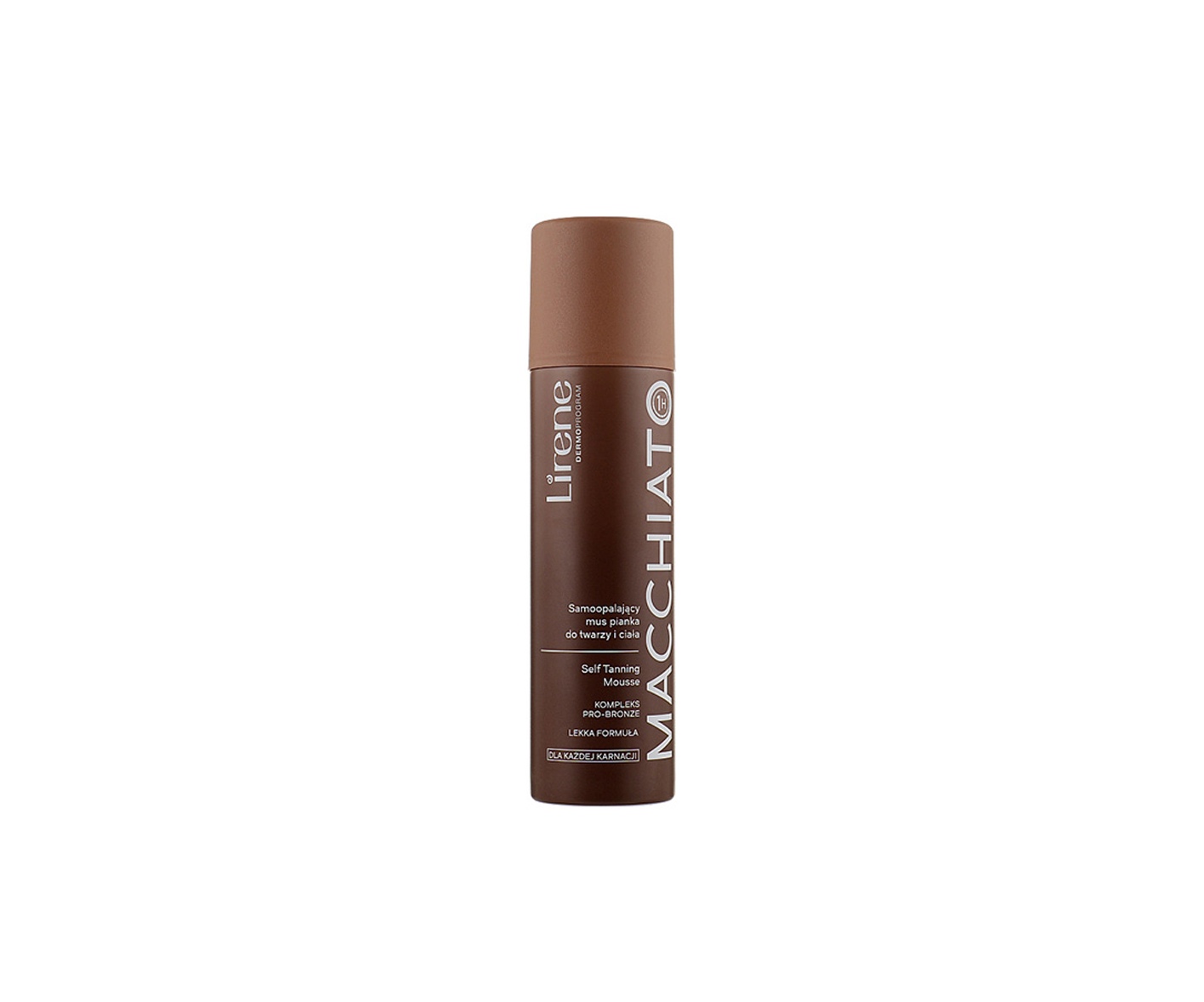
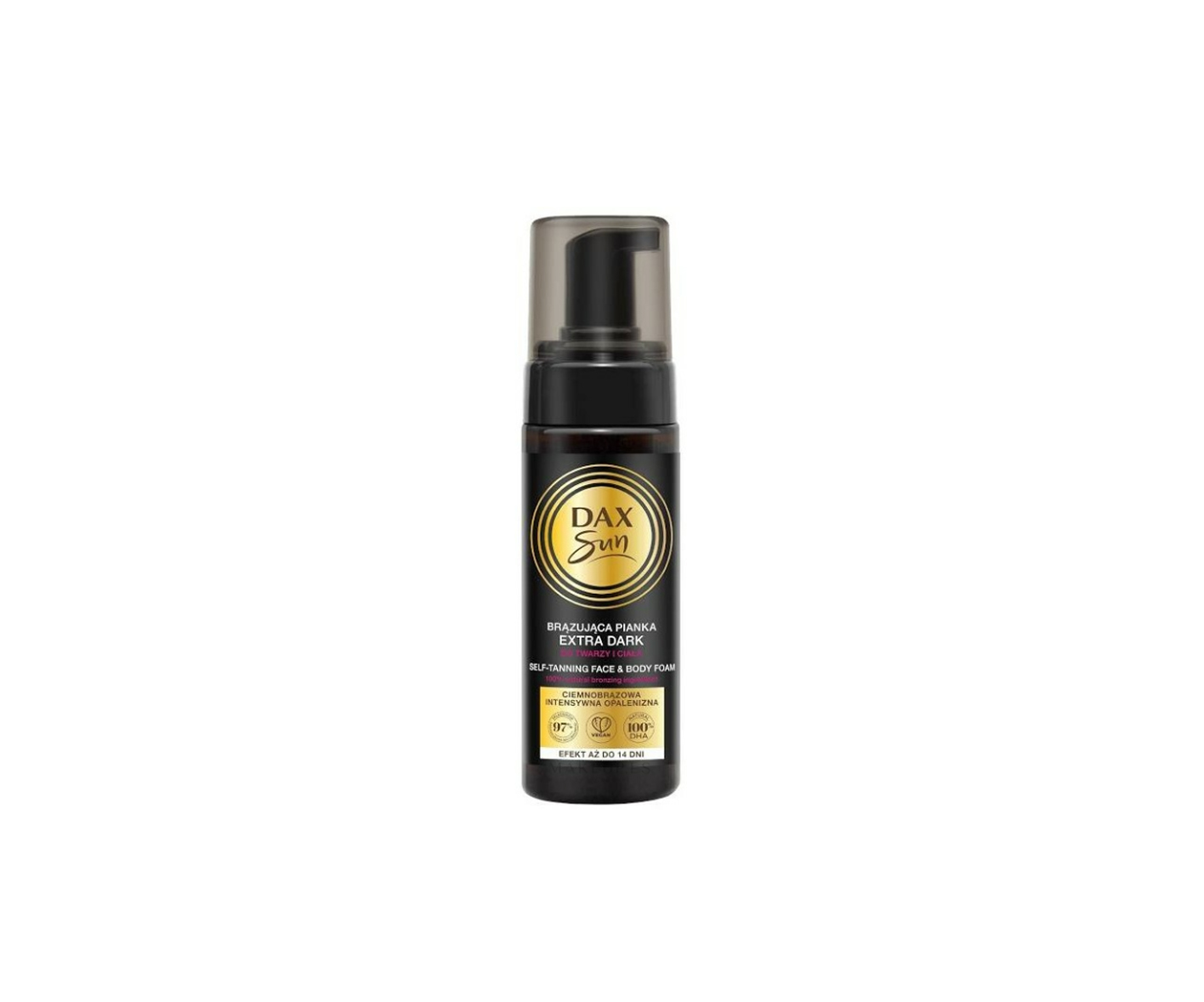
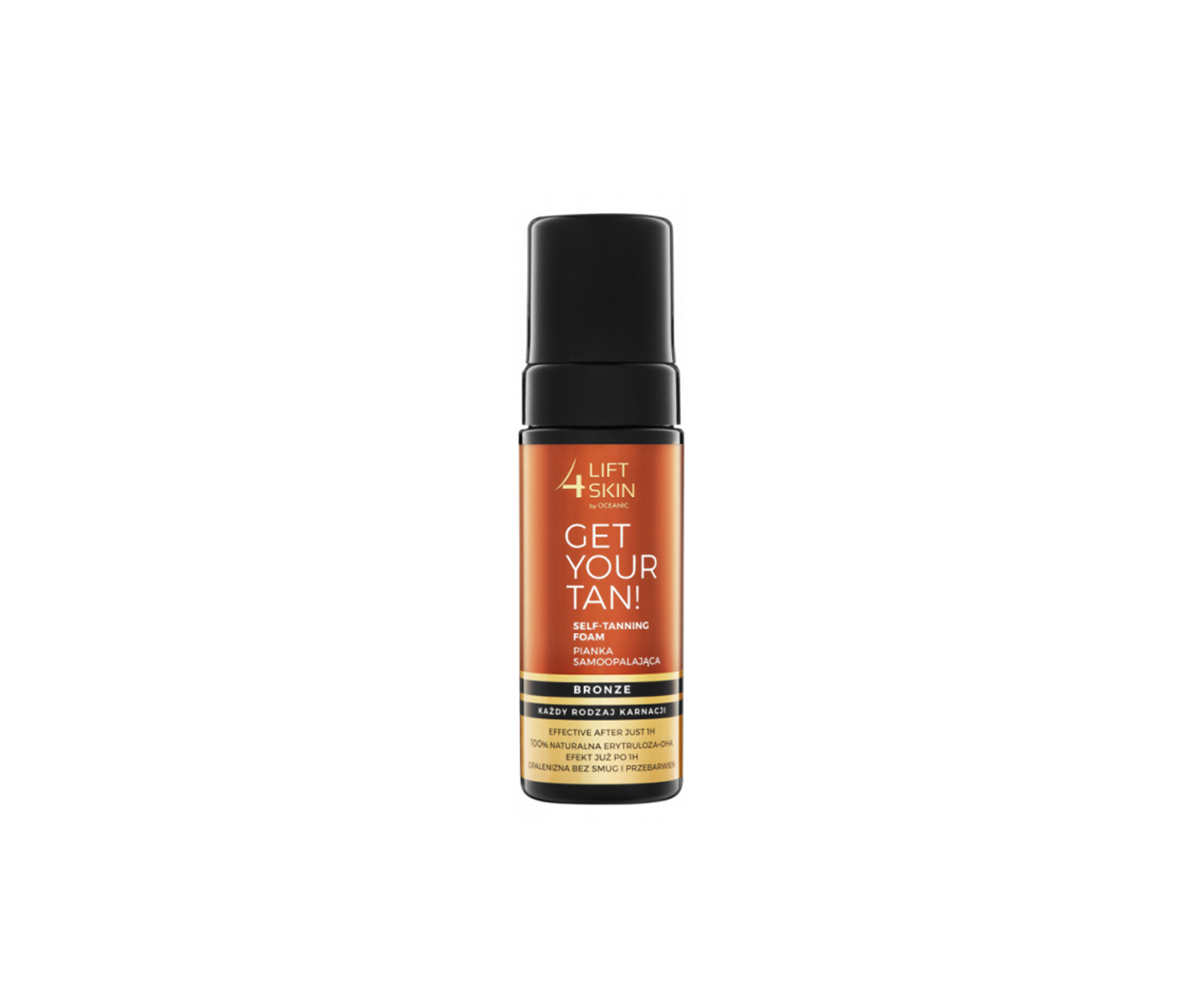
Check out our top 5 tried-and-tested self-tanning mousse suggestions for a phenomenal and safe tan!
Summer and sun are not only associated with holidays and long, warm days, but also with a golden tan that glows and shines. Unfortunately, overexposure to the sun is not good for the health of the skin or the rest of the body. It can contribute to many problems and ailments, the consequences of which can be tragic. In the following article, you will learn how to keep your skin and health safe while tanning, as well as which cosmetics to use to achieve a tanned skin effect without unnecessary risks.
Human skin
The human skin is the largest organ with a complex system, protecting the body from the outside world. In the interests of health and well-being, it is important to keep the skin in the best possible condition so that it performs its functions properly and, of course, looks beautiful.
The skin is affected by many factors such as stress, poor diet, contact with toxic substances and UV radiation. If the skin is not properly cared for, it can lose its ability to protect the body from many harmful elements. Its natural protective layer - the water-lipid mantle - will weaken. And when it becomes thinner, the skin will become more sensitive, prone to infection, age faster and even become seriously ill.
The strength of the skin makes it excellent at protecting internal tissues and organs. With the help of a well-developed system of receptors, it provides the brain with information about the environment and ensures that the body adapts to the conditions outside.
Skin structure
It is assumed that the skin of an adult human is up to 2 m² in size and between 0.5 mm and 5 mm thick. Interestingly, people who work in harsh conditions may have skin on their hands that is thicker - up to 10 mm. The skin is made up of the epidermis and the dermis, which is connected to the underlying tissues by subcutaneous tissue.
The epidermis (epidermis): This is the outermost layer of the skin, consisting of several layers of cells. The main cell type in the epidermis are keratinocytes, which produce keratin, a protein that gives the skin its strength. The epidermis has no blood vessels, so it keratinises, i.e. dies, and peels off systematically. And the keratinised cells are replaced by new ones. Melanocytes are present in this layer, producing melanin, the pigment on which the complexion depends. The epidermis is divided into 5 layers: horny, luminous, granular, squamous, basal.
Dermis: This is the layer just below the epidermis. The dermis contains many important structures such as blood vessels, collagen and elastin fibres, as well as sweat and sebaceous glands. Collagen gives the skin elasticity for strength, while elastin allows the skin to stretch and contract. The dermis is also home to nerve endings and sensory receptors, enabling the perception of sensory stimuli such as touch, pain and temperature. The dermis consists of layers:
- papillary - this is the upper layer of the dermis, located directly below the epidermis. It is a layer rich in blood vessels that supply the skin with oxygen and nutrients. This layer is connected to the epidermis by small protrusions (papillae). The papillae are arranged in so-called skin laths that are very visible on the fingers of the hand as fingerprints.
- reticular layer - the deeper layer of the dermis, located below the papillary layer. This is where the collagen and elastin fibres are located. This layer also contains glands, blood and lymphatic vessels and sensory receptors.
Subcutaneous tissue (hypodermis): The hypodermis tissue contains collagen and elastic fibres. It is vascularised and innervated and can move from place to place due to its loose structure. The free spaces contain fat cells.
How does tanning affect the skin and health?
During tanning, the skin is affected by two types of solar radiation: UVA and UVB.
UVA radiation affects the skin all year round. It penetrates through the glazing and reaches the layers of the dermis, damaging collagen fibres and accelerating the skin ageing process. The face, décolleté and hands are particularly exposed to it.
UVB radiation is partly absorbed by clouds and acts on the superficial layers of the skin. In summer, the intensity of UVB is higher, although in winter, in the mountains, UVB rays reflected off the snow also have a very strong effect. It is responsible for the colour of the tan, but unfortunately it is also responsible for the formation of sunburn and irreversible changes in the structure of the skin, which can be the cause of cancerous outbreaks. The strongest effect of this radiation is between 10am and 3pm.
Sunlight can cause a number of bothersome skin complaints as a result of an allergic reaction. These include:
- summer scabies, characterised by lesions on the skin, inflammation and itching,
- light eruptions in the form of pinkish-red spots, vesicles and erythema,
- spring acne resulting from hypersensitivity of hair follicles to sunlight.
When exposed to sunlight, certain ingredients in cosmetics and medicines can cause skin reactions similar to atopic dermatitis. Antibiotics or antifungal drugs can very often have this effect. For this reason, it is always advisable to read the leaflets of medicines and the information on cosmetics packaging.
Exposure to the sun for too long can lead to dangerous overheating and sunstroke. This manifests itself as headaches and dizziness, nausea, fever, a drop in blood pressure and even fainting. This is why it is important to stay in the shade as much as possible on hot days, drink plenty of mineral water and wear headgear.
The effect of UV rays also triggers positive reactions in the body, such as the synthesis of vitamin D3 which, together with calcium, is responsible for the correct development of bones. People who avoid the sun are more likely to suffer from osteoporosis, muscle pains and cancers of the internal organs. In addition, the sun increases the secretion of the 'happy hormone' serotonin, which significantly improves mood. And tanned skin looks beautiful and attractive.
How do I tan safely?
To ensure that tanning does not pose a risk to your skin condition and health, a few safety rules should be followed.
- Avoid the hottest hours: It's best to avoid prolonged exposure to the sun, especially between 10 a.m. and 4 p.m., when UVB radiation is most intense.
- Using sunscreen: Always apply sunscreen with the correct SPF (sun protection factor) - at least SPF 30. It is best to apply the cream before going out in the sun and then every 2 hours and after swimming.
- Wearing sun protection: It is a good idea to wear light, airy clothing that shields your skin from the sun, headgear and sunglasses with UV protection.
- Drinking plenty of water: Hydrating the body is extremely important as large amounts of water are drained from the body with sweat on hot days, which can lead to dangerous dehydration.
-
Monitoring the skin: Checking the skin for changes such as moles, birthmarks or spots can protect against the risk of skin cancer. If any worrying changes are detected, consult your doctor.
An alternative to a sun tan is self-tanners, which are cosmetics applied externally to produce an effect similar to a sun tan. The chemical compounds responsible for producing the colouring are dihydroxyacetone DHA, lactaldehyde, erythrulose, but also natural pigments: from green walnut shells, henna extract, cocoa butter.
Self-tanning preparations can be applied alone at home or undergo an airbrush treatment in a beauty salon, i.e. the application of a 10% DHA solution to the skin using a special pressurised device. As a result of the treatment, the tan appears after about 5h and lasts up to 2 weeks.
Self-tanning mousse - effects
Self-tanning foams are cosmetics allowing for obtaining a natural tan in a very short time after application. The form of a delicate foam is an excellent alternative for those who do not like using creams or lotions with the same effect due to their greasy and heavy consistency.
Mousse self-tanners are becoming more and more popular, as achieving the effect of a tanned skin does not require exposure to harmful UV radiation (sun and tanning beds). The main active ingredient in these cosmetics is DHA (dihydroxyacetone), a chemical compound of sugar origin that reacts with amino acids present in the stratum corneum. This causes the skin to acquire a brown or golden shade. However, this process does not involve changes in the deeper layers of the skin, as happens with tanning.
Who are foam self-tanners for?
Foam self-tanners are for anyone who, for various reasons, does not want or cannot expose their skin to the sun, but wants to enjoy a beautiful tan.
Foam self-tanners are a very good solution for people with very fair skin who are prone to sunburn and find it difficult to get a natural tan. People with sensitive skin prone to allergies and other skin reactions caused by sun exposure can successfully reach for these products. Also, people who want to keep their skin healthy and young for as long as possible should choose self-tanning foams, because unlike UV rays, they do not accelerate skin ageing.
Self-tanning mousse is also ideal for events, such as photo shoots, parties and nights out, as it provides an almost instant golden tanned effect. And when it's cold and grey outside, self-tanning mousse cosmetics can maintain your holiday tan and give you a blast of summer whatever the weather.
Key ingredients in foam self-tanners
The composition of self-tanners in foam can vary depending on the brand and the specific product. However, there are a few key ingredients that are often found in these products. These include:
- DHA (dihydroxyacetone). This is the most commonly used ingredient in tanning foams. It reacts with amino acids in the epidermis, resulting in a change in skin colour. The tanning effect usually appears a few hours after application and lasts for several days until the epidermal cells have peeled off. The intensity of the skin colour depends on the amount of DHA in the product.
-
Erythrulose. This is a plant-derived sugar that acts similarly to DHA. It is often used in combination with DHA to achieve a more even and longer-lasting tan.
- Moisturising ingredients. Glycerine, hyaluronic acid and vegetable oils are examples of skin moisturisers and softeners often found in self-tanning foams.
- Fragrance-suppressing ingredients. Due to the characteristic and rather unpleasant smell of DHA, some self-tanning foams may contain fragrances or plant extracts to reduce the smell as much as possible.
Advantages of using self-tanning foams
The main advantages of using self-tanning foams include:
- Safety of use.
- Immediate results.
- Control of the intensity of the tan.
- Temporary effect.
- Ease of application.
- Large selection of products.
- Suitable for all complexions.
Disadvantages of using self-tanners in foam
The most common disadvantages and undesirable effects of using self-tanners in foam include:
- Incorrect application.
- Uneven coverage.
- Odour.
- Uneven wear of the cosmetic.
- Limited durability of the tan.
- Frequent application.
- Soiling of clothing.
- Too light/dark effect.
- Allergic reactions.
In order to eliminate as many undesirable effects as possible, always follow the manufacturer's recommendations available on the product packaging and perform a skin test before using the self-tanner foam. If any allergic reactions or other skin complaints occur, use must be discontinued and a doctor consulted.
Effects of foam self-tanners
The effects of self-tanning foams can vary depending on skin type and natural skin tone, on the accuracy of application, and on the type of product used. Nevertheless, the most common and desirable effects include achieving an instant tan and excluding the risk of UV damage to the skin.
In addition, by using self-tanning mousse, the intensity of the tan can be controlled by the amount of product applied. The effect obtained is temporary, which is extremely important for those who have only applied it because of a specific circumstance.
Please note that for best results, it is always advisable to carefully follow the manufacturer's application instructions and to carry out a sensitisation test on a piece of skin to eliminate possible allergic reactions.
How often should I use self-tanners in foam?
The frequency of use of self-tanning foams depends on several factors, such as the desired effect, the type of product and the individual needs of the skin. For an intense tan, self-tanning mousse should be applied every few days/ once a week. For a gentle bronzing effect, an application once every fortnight or even less frequently is sufficient.
Over time, the tan fades due to the peeling of the epidermis. For this reason, it is advisable to reapply the self-tanning mousse every 2-4 days. This will ensure a uniform, natural effect.
In situations when a tanned skin is desired only for a specific occasion, self-tanning mousse can be used the day before the planned event. This will give you a beautiful and fresh tan.
The frequency of use of the self-tanning mousse is mainly determined by how long you want to have tanned skin and with what intensity of colour. It is always advisable to read all the instructions on the product's packaging and to prepare the skin carefully before applying self-tanning mousse each time.
How do I apply self-tanning mousse?
Self-tanning mousse application requires thoroughness and skin preparation to achieve an even and natural result. The correct application of the foam is as follows:
Skin preparation:
- Before applying the self-tanning mousse, cleanse the skin thoroughly with a toner or miceral lotion, then use a gentle exfoliating cosmetic to exfoliate the skin. This will help to achieve an even coverage.
- Moisturise your skin especially on dry areas such as elbows and knees. This will help avoid excessive darkening on these areas.
Application:
- Wear protective gloves to avoid staining your hands.
- Apply a pump of the foam to the skin, starting with one area at a time. Avoid applying too much product to prevent spots and bumps.
- Spread the foam gently, avoiding rubbing or stretching the skin.
- Spread the foam evenly over the entire body, paying particular attention to hard-to-reach areas.
- Carefully apply the product around the feet, ankles and elbows, where the skin is thicker and can absorb more product.
- Use gentle circular motions. Avoid long strokes, which can cause streaking.
Protect your hands and clothes
- Wash your hands thoroughly after application to avoid staining your hands.
-
After applying the self-tanning mousse, wait a few minutes for the product to be fully absorbed before putting on your clothes. This way you won't get them dirty.
After applying the self-tanning mousse, avoid contact with water and sweating for a few hours to get the most lasting and even results. Regular application of the foam helps to maintain the desired tan colour for as long as possible.
What to look out for when choosing a self-tanning foam?
Choosing the right self-tanning mousse can make a significant difference to the quality and colour of your tan and the comfort of its application. Here are some tips on the important things to look out for when buying a self-tanning foam:
Composition: Check the composition of your self-tanning foam and pay attention to the amount of active ingredients it contains, such as DHA or erythrulose. Avoid products that contain harmful substances or allergens. Choose those with natural skincare ingredients.
Colour intensity: Tanning foams are available in different shades and degrees of colour intensity. Choose a product that suits your natural skin tone and the effect you want to achieve. Avoid shades that are too dark, which can make your tan look unnatural.
Ease of application: Since the careful application of the mousse determines how the colour will look on the skin, choose the mousse with the most convenient application form for you.
Dermatologically tested: If you have sensitive skin or are prone to allergic reactions, choose a product that has been dermatologically tested and is suitable for your skin type.
Reviews and feedback: Read reviews and opinions from other users about a particular self-tanner in foam. This can help you find out how the cosmetic really works and whether others have been happy with it.
Finding the right foam self-tanner may take time and experimenting with different products, but it's worth looking for a cosmetic that will give you a beautiful tan and take care of the health of your skin.
Meet the 5 best self-tanners in foam in 2026
When creating our product reviews, we consider the ingredients and research their safety. We analyse the opinions of industry experts and the experiences of product users. We obtain recommendations from authorised retailers and use available sources of knowledge on active ingredients and their effects. We personally verify the action, texture, scent and feel of the products, and assess value for money.
Below are detailed reviews by our editors with a description of each product indicated.