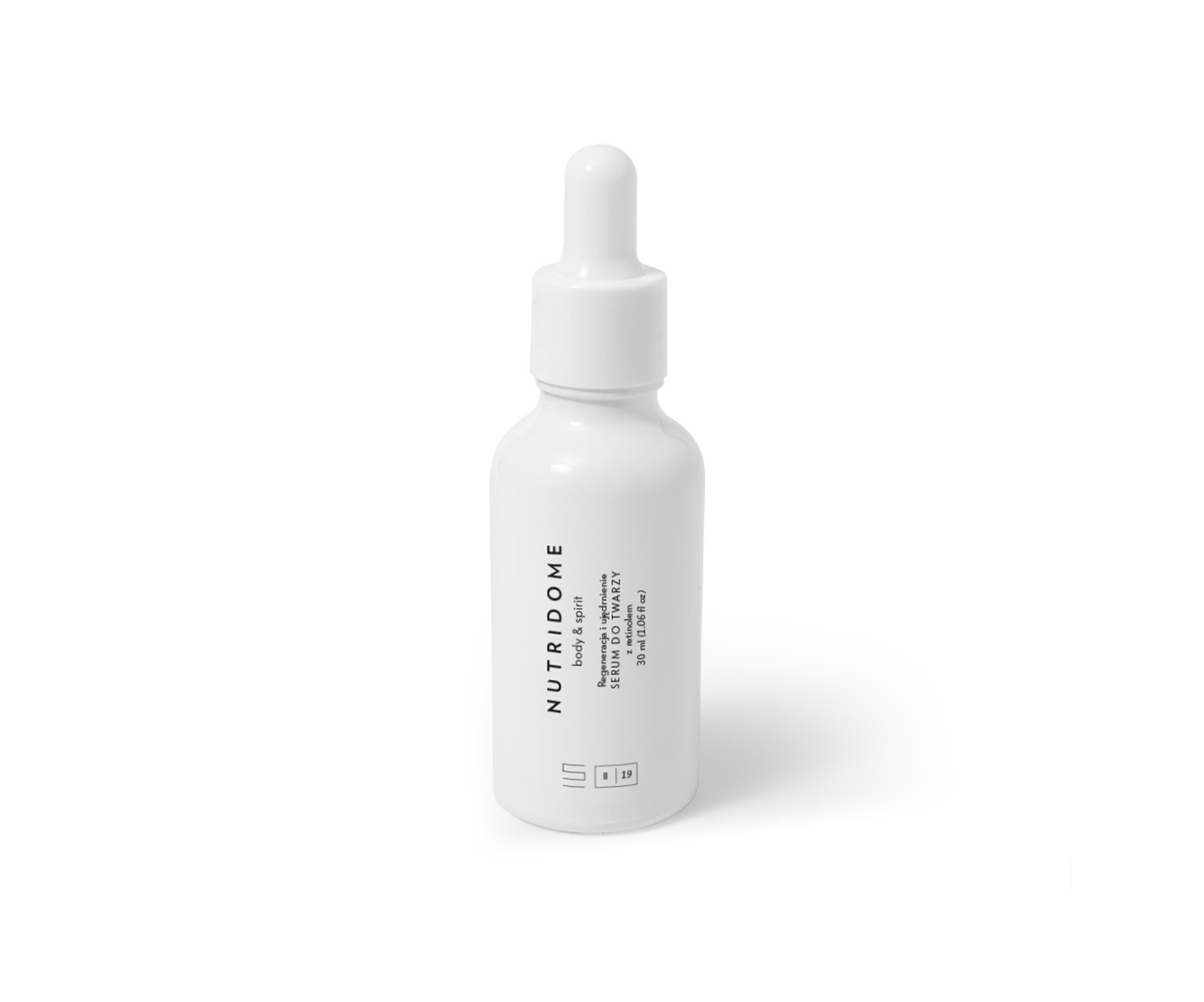
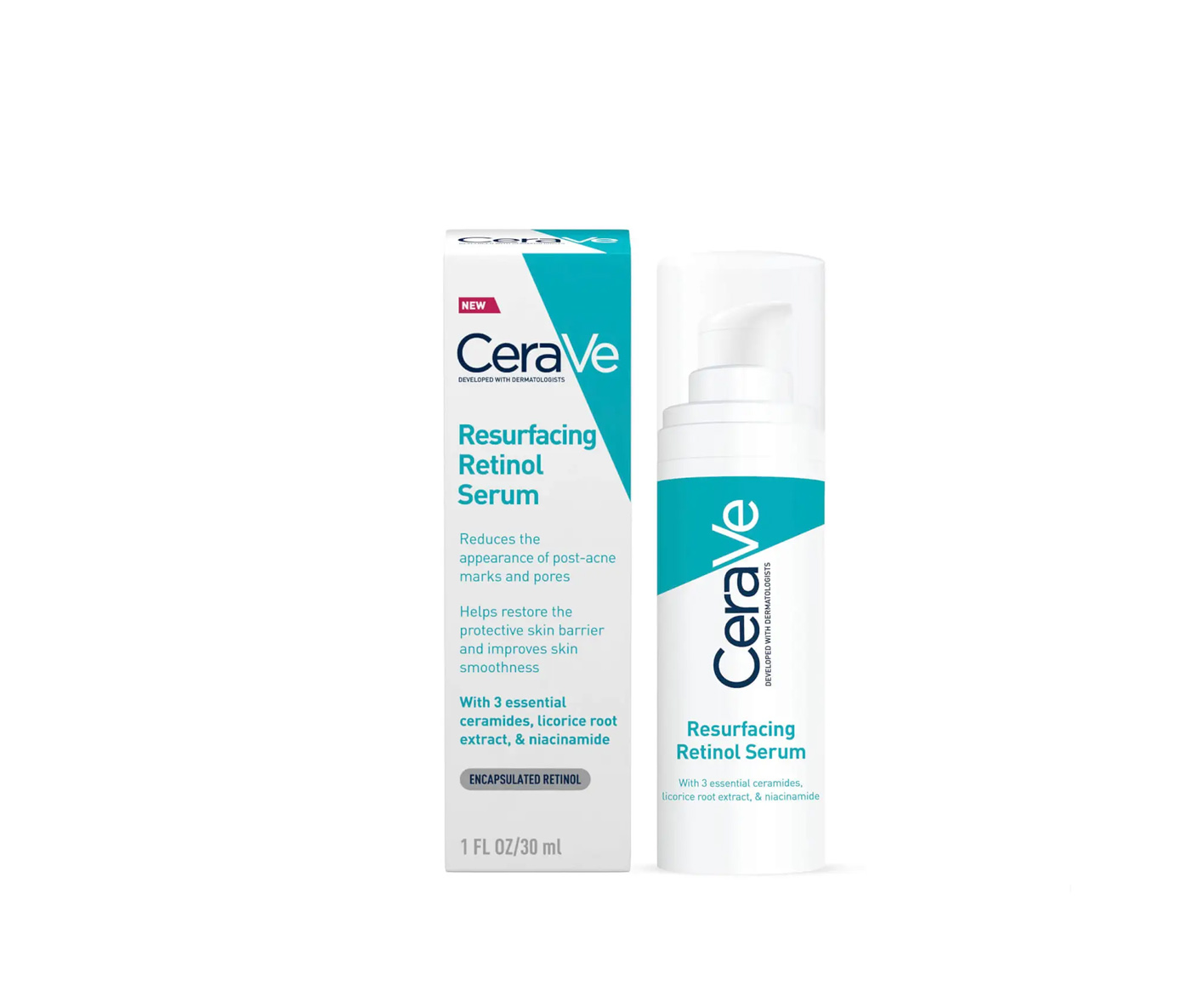
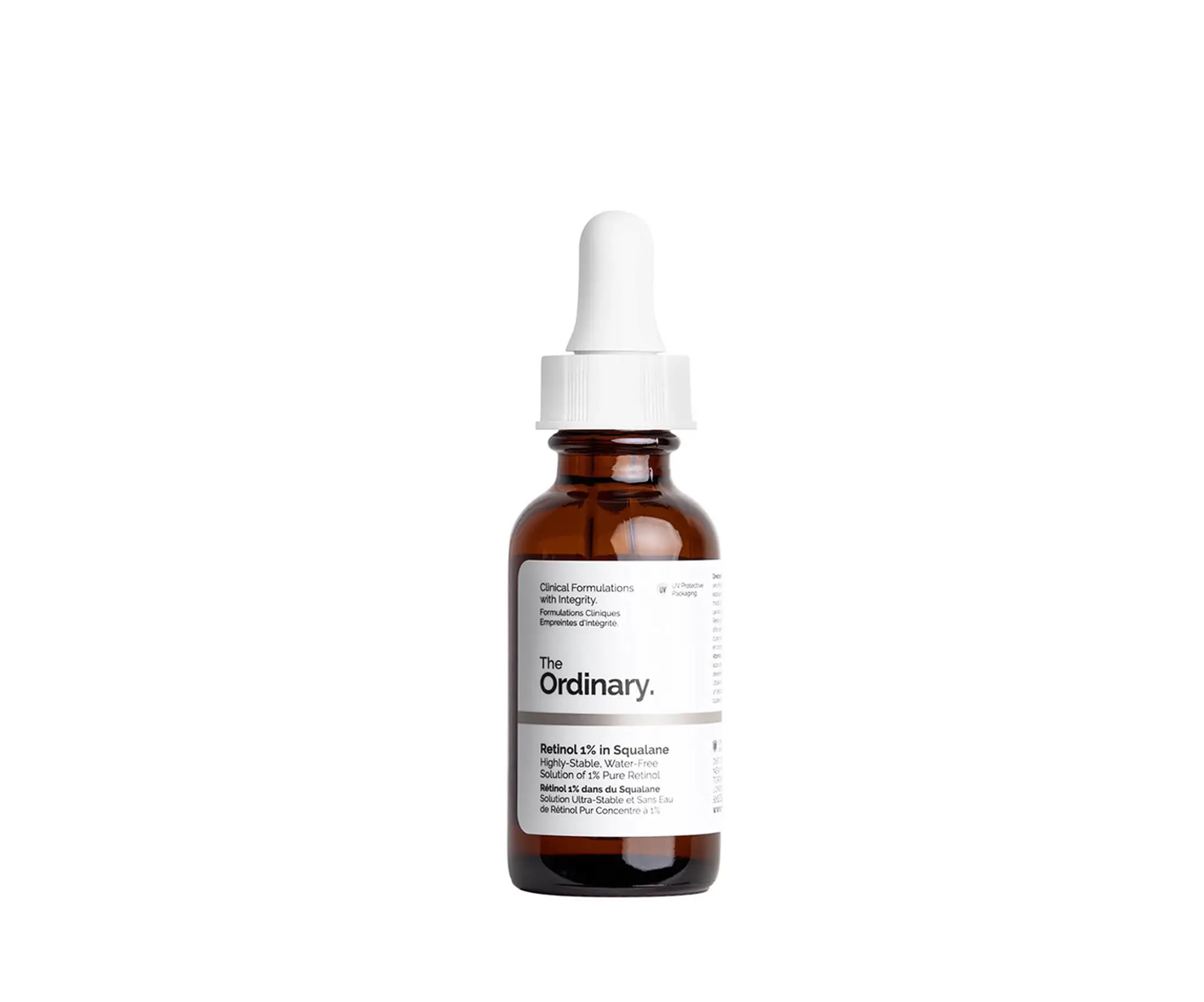
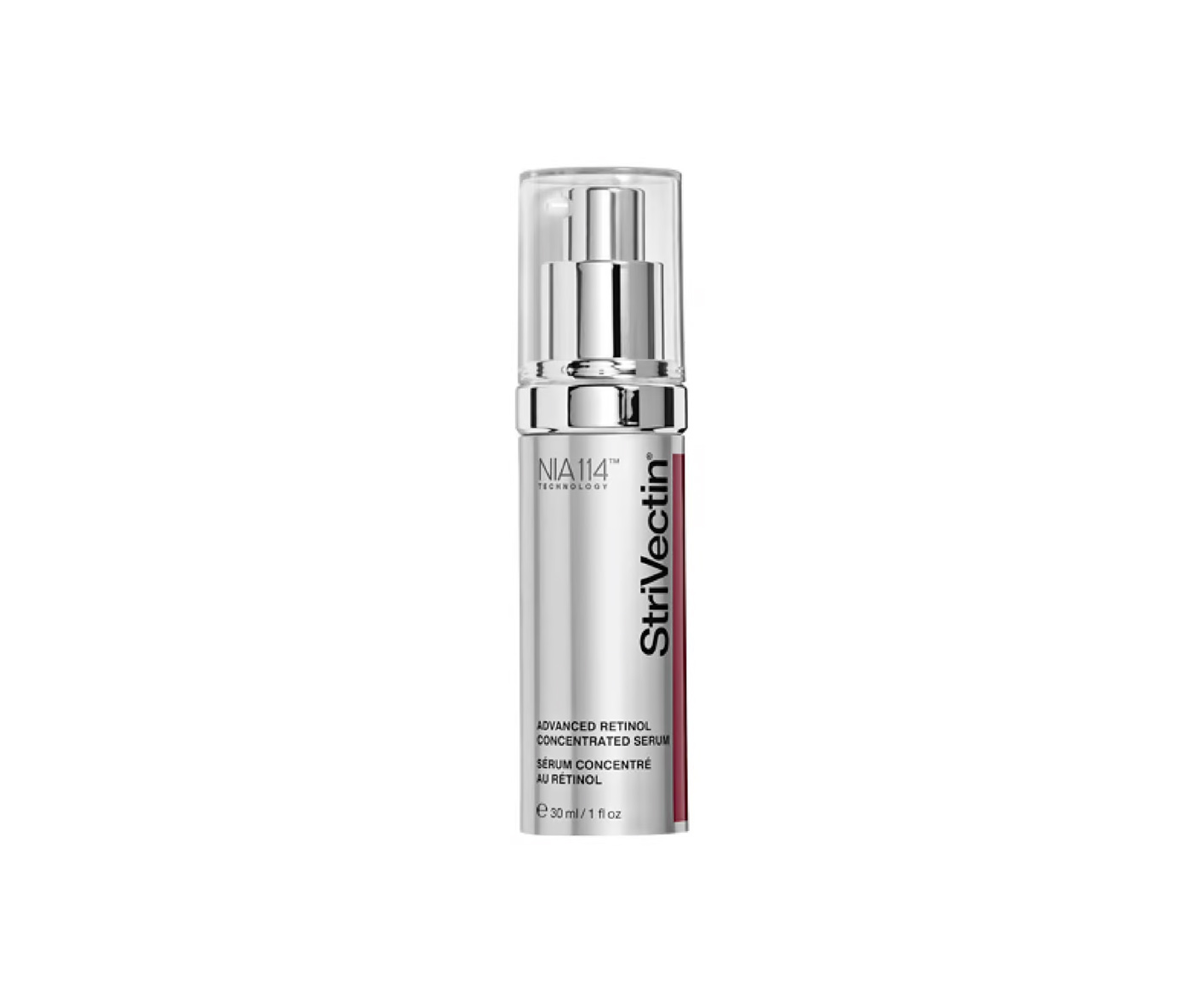
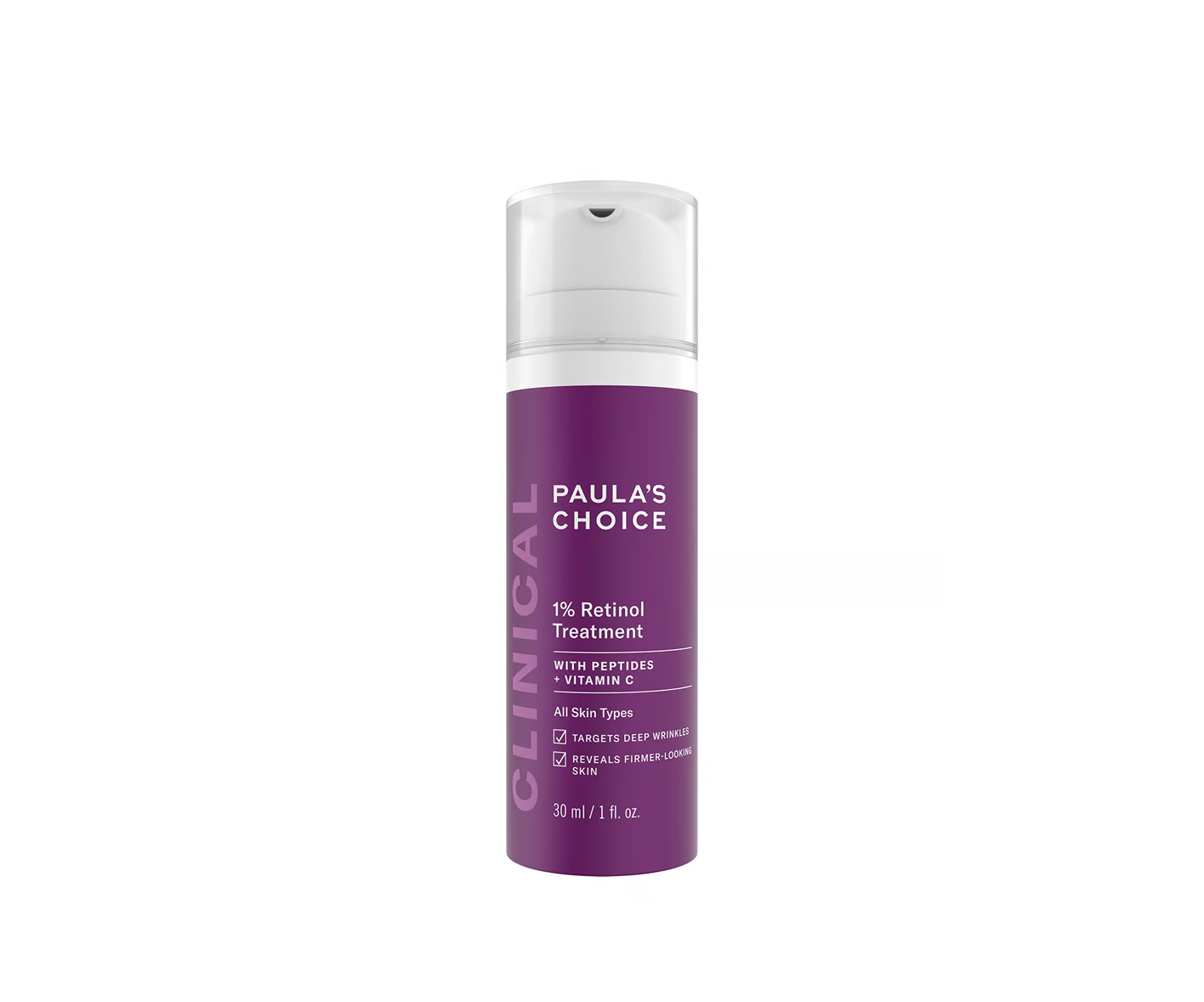
Discover 5 suggestions for proven cosmetics containing retinol and stay young for longer!
Maintaining a youthful appearance is not always easy, but proper skin care and a healthy lifestyle can help in the process. Your daily eating habits play a huge role in the appearance of your skin. Consume plenty of fruit, vegetables, nuts, fish and foods rich in antioxidants. Avoid excess sugar and processed foods, which can accelerate the ageing process. One of the main factors that accelerates skin ageing is UV radiation. Always use sunscreen with an appropriate UV filter and avoid overexposure to the sun. Choose skincare products adapted to your skin type. Regular cleansing, moisturising and the use of anti-ageing creams can help to maintain a youthful appearance. Cosmetics containing retinol can be particularly useful. They help to keep the skin in good condition and can even reduce the appearance of wrinkles and lines. If you want to look younger for longer, it's also worth avoiding stimulants and following a healthy lifestyle, such as exercise and a balanced diet.
Remember that everyone's skin is different, so it is important to tailor your skincare to your individual needs. Accepting the ageing process is natural, but maintaining a healthy lifestyle and taking good care of yourself can help you enjoy a youthful appearance for longer. In the article below, you'll learn the secrets of skincare and which retinol-containing cosmetics can help you stay looking young for years to come.
Skin
The skin is the largest organ in our body and its structure is extremely complex. It is made up of three main layers, each with its own unique tasks. The outer layer of skin, which is our first line of defence against environmental influences, is the epidermis. It consists mainly of dead epidermal cells, which are rich in keratin, which gives the skin its strength and resistance to damage. The epidermis also contains melanocytes, which produce melanin, giving the skin its colour and protecting it from UV radiation.
The dermis is the layer beneath the epidermis. It contains collagen, elastin and other proteins that give the skin elasticity, firmness and resistance to changes such as stretching. This layer contains blood vessels, hair, sebaceous glands, sweat glands and sensory receptors. Thanks to the blood vessels, this layer supplies the skin with nutrients, helps regulate body temperature, and the hair and sweat glands perform thermoregulatory and protective functions.
The deepest layer of skin is the subcutaneous tissue. It is made up of fat cells, which store energy, insulate the body thermally and act as shock absorbers. This tissue also influences body shape and protects internal organs from injury.
The skin performs many important functions, such as protection against injury, infection and UV radiation, regulation of body temperature, ability to sense external stimuli, and reflection of overall health. Therefore, it makes sense to take proper care of your skin, protect it from adverse environmental factors and keep it healthy and attractive.
The skin ageing process
Skin ageing is a natural process by which the skin loses its youthful elasticity and firmness. It is the result of external factors, such as sunlight, and internal factors, such as genetics. This process manifests itself in various ways, including the formation of wrinkles. As we age, the skin loses elasticity, which leads to the formation of wrinkles, especially in areas expressing facial expressions. Hyaluronic acid, the substance responsible for the skin's hydration and firmness, is produced in smaller amounts, which affects the overall condition of the skin. As the skin ages, it can become less uniform in colour and texture, discolouration and age spots appear. It also loses its ability to heal and regenerate quickly, meaning that wounds heal more slowly.
The skin's ageing process is influenced by genetic factors, lifestyle and sun exposure. In order to slow down the skin ageing process, it is advisable to use proper skin care, protect the skin from harmful UV radiation, eat healthily and avoid smoking. In some cases, aesthetic medicine procedures can help improve the appearance of the skin, such as injectable fillers or laser therapy. Appropriate cosmetics are of course also available to slow down the ageing process. Cosmetics containing vitamin C or retinol are very effective.
How do wrinkles develop?
Wrinkles are formed as a result of various physiological processes and the influence of external factors. The main cause of skin wrinkles is the loss of elasticity and collagen. Skin elasticity is provided by collagen and elastin fibres. As the body ages, the production of these proteins decreases, leading to a loss of skin firmness and elasticity.
Repeated facial muscle movements, such as frowning the forehead, squinting the eyes or smiling, can contribute to the formation of so-called facial wrinkles. These lines are particularly noticeable around the eyes, on the forehead and around the mouth.
UV radiation contained in sunlight leads to skin damage and accelerates the ageing process. Prolonged exposure to the sun can cause wrinkles and other signs of photo-ageing, such as age spots and loss of elasticity.
Cigarette smoking is one of the main factors accelerating the skin ageing process. The toxins in cigarette smoke affect collagen and elastin, leading to the formation of wrinkles.
The skin maintains its firmness through adequate hydration levels. If the skin becomes dehydrated, it can appear more wrinkled.
Heredity also plays a role in predisposition to wrinkles. If your parents had many wrinkles at a young age, you are more likely to develop them too.
A healthy diet, regular physical activity and avoiding stress can help maintain healthy skin and delay the ageing process.
In general, wrinkles are a natural effect of ageing, but precautions can be taken to delay or mitigate them. This includes using anti-ageing creams (e.g. retinol-containing serums, moisturisers), avoiding excessive sun exposure and smoking, and taking care of overall healthy skin care.
Serums containing retinol
A retinol serum is a skincare product containing retinol, which is a derivative of vitamin A. Retinol is one of the most well-known and effective anti-ageing ingredients. Retinol serums aim to deliver this ingredient to the skin to improve its appearance and condition. Retinol has the ability to stimulate collagen production, which helps to smooth wrinkles, improve skin elasticity and overall skin rejuvenation. Serums containing retinol help to reduce wrinkles and lines, both so-called facial wrinkles, which are caused by facial expressions, and those caused by ageing. Retinol can help to smooth and unify the texture of the skin, making it appear more uniform and more youthful.
Retinol is also used to treat acne as it can help unclog pores, reduce skin inflammation and regulate sebum production.
Retinol serums tend to be light in texture, which means they are well absorbed by the skin and have a concentrated effect on the targeted areas. It is usually applied in the evening, as retinol can make the skin more sensitive to UV radiation. It is important to apply sunscreen during the day when using cosmetics containing retinol.
The effectiveness of retinol serums depends on regular use. Results may be visible after a few weeks or months of regular use. Retinol can cause skin irritation, especially at the beginning of use. It is therefore important to use it according to the manufacturer's recommendations and, if necessary, to consult a dermatologist. There are various retinol products on the market with different concentrations of retinol, so it is important to choose one that is suitable for your skin type and skincare needs.
Who should use a retinol serum?
Retinol serums are recommended for many people, especially those who want to improve the appearance of their skin and reduce the signs of ageing. However, there are certain groups of people who may particularly benefit from its use. Retinol serums are effective in reducing wrinkles, reducing fine lines and improving the overall appearance of the skin, which is why they are often used by mature people. Retinol can help improve the elasticity of the skin, which is particularly important for those who notice sagging skin. It can also be an allyerm in brightening age spots and hyperpigmentation, so it is a good choice for those with such problems. It will also be appreciated by those managing acne. This is because retinol helps unblock skin pores, regulate sebum production and reduce inflammation.
People with uneven skin texture should also reach for serums containing retinol. Retinol smooths and unifies the skin texture, reduces lines and makes the skin feel pleasant to the touch.
Effects of serums containing retinol
The use of serums containing retinol can bring many benefits to the skin. Retinol works at a cellular level to stimulate collagen production, leading to a smoothing of wrinkles and lines on the skin. The effects are particularly noticeable on facial wrinkles. Retinol helps to smooth and unify the texture of the skin, making it smoother, softer and more uniform. Retinol can help to lighten age spots, hyperpigmentation and uneven skin colour, which is beneficial for those with such problems. Retinol is effective in treating acne as it helps unclog pores, reduces skin inflammation and regulates sebum production. Using a serum with retinol helps to increase skin elasticity, which can prevent sagging and loss of firmness.
Retinol promotes skin cell renewal, leading to a more youthful appearance. Serums containing retinol help to protect the skin from UV damage and counteract photo-ageing. Some serums with retinol contain moisturising ingredients such as hyaluronic acid, which help to keep the skin hydrated.
However, it is worth bearing in mind that retinol can cause skin irritation, especially at the beginning of use. Redness, flaking and dryness may occur. Therefore, it is important to use it according to the manufacturer's recommendations and, if necessary, start with a lower concentration of retinol and then gradually increase the dose. It is also a good idea to avoid overexposure to the sun when using a retinol serum and always apply sunscreen during the day.
What key ingredients does a retinol serum contain?
A retinol serum is a skincare product that contains retinol as its main active ingredient. However, in addition to retinol, many retinol serums may contain additional ingredients to enhance the benefits to the skin or to alleviate any irritation caused by the use of retinol. Here are some key ingredients that are often found in retinol serums:
- Retinol - is a derivative of vitamin A and works at a cellular level to stimulate collagen production, helping to smooth wrinkles and improve overall skin health.
-
Vitamin E - is a powerful antioxidant that helps to protect the skin from free radical damage. It can also help to soothe any skin irritation caused by retinol.
-
Hyaluronic acid - a substance responsible for hydrating the skin. The addition of hyaluronic acid can help to keep the skin hydrated.
-
Peptides - are protein fragments that can help stimulate collagen production and improve skin elasticity.
-
Allantoin - is an ingredient that has a soothing effect and speeds up the skin's healing process. It is often used in skincare products to soothe irritation.
-
Antioxidants - (e.g. vitamin C or resveratrol) help to protect the skin from oxidative stress damage.
-
Moisturising ingredients - (e.g. glycerine or ceramides) help to keep the skin hydrated, which is particularly important when using retinol.
It is important to read the product label to find out exactly what ingredients a retinol serum contains. Choosing the right product depends on your skin type, skincare goals and possible skin problems. Some people may be sensitive to certain ingredients, so it is always a good idea to carry out a skin test before starting regular use of a retinol serum.
Benefits of using a serum containing retinol
There are many benefits to using a serum containing retinol, especially when it comes to skincare aimed at delaying the ageing process. Here are some of the main benefits of using a serum with retinol:
- Reduction of wrinkles and fine lines
- Treatment of acne
- Lightening of hyperpigmentation
- Smoother and silkier skin
- Improving the appearance of acne-prone skin
- Anti-ageing of the skin
- Minimise pores
- Improving skin texture
Undesirable effects of serums containing retinol
The use of serums containing retinol has many benefits in skin care, but in exceptional situations it can cause unwanted side effects, especially when used incorrectly or in excess. Here are some of the potential side effects of using serums with retinol:
- Skin irritation
- Dry skin
- Increased sensitivity to the sun
- Deterioration of the skin at first
- Discolouration
- Dryness and redness around the mouth and eyes
- Pruritus and burning sensation
- Reactions to contact with other substances
To avoid side effects, it is advisable to start using retinol gradually, starting with lower concentrations and reducing the frequency of use. It is also important to use moisturisers and protective creams, and to consult a dermatologist to adapt your skincare routine to your individual skin needs.
How often to use a retinol serum
How often you should use a serum containing retinol depends on your skin type, the concentration of retinol in the product and whether you are a beginner or already experienced in using this ingredient. If you are just starting to use products containing retinol, it is recommended to start with 2-3 times a week. This will allow your skin to gradually adjust to the retinol and minimise the risk of irritation.
If you are already experienced in using retinol and your skin is more resistant to it, you can increase the frequency of application. The average frequency of application is daily or every other day. However, it is still advisable to pay attention to your skin's reaction and adjust the frequency according to your needs.
If your skin is particularly sensitive, always use retinol with caution. You may need to limit the frequency of application to once or twice a week. Make sure you use mild skincare products and avoid other irritants.
The frequency of retinol application can also be adjusted according to the concentration of this ingredient in the product. Products with lower concentrations of retinol may need to be applied more frequently, while products with higher concentrations may need to be applied less frequently.
Remember that everyone's skin is different, so it's important to listen to your skin and tailor your skincare regime to its needs. Always start with a lower frequency of application and then gradually increase if your skin responds well to retinol. If you develop any signs of irritation or discomfort, discontinue use and consult your dermatologist.
How to use a retinol serum
The use of serums containing retinol requires special attention to ensure the best possible skincare results and to minimise the risk of irritation. Here are the steps to take when using retinol:
1. start by cleansing your skin. Make sure your skin is thoroughly cleansed before applying a retinol serum.
2. retinol is usually applied in the evening as this is the time when the skin has a chance to regenerate. Avoid using retinol during the day as it can increase the skin's sensitivity to UV radiation.
3. use a small amount of retinol serum. Usually a few drops are enough to cover your face. Do not apply too much to avoid irritation.
4. after cleansing, wait until your skin is completely dry before applying the retinol serum. Wet skin can increase the absorption of retinol, which can lead to irritation.
5) Retinol serums are usually too strong for the delicate skin around the eyes and mouth; apply them to the face, avoiding these areas.
6) After applying retinol, we recommend using a moisturiser to minimise the dry feeling that can accompany the use of serums containing retinol.
7. It is essential to use a sunscreen during the day. Retinol can increase the skin's sensitivity to UV radiation, so sun protection is important.
8. retinol is an ingredient that requires patience. The effects are not always visible immediately and full benefits may require several weeks or even months of regular use.
9. monitor your skin's reaction to retinol regularly. If severe irritation, redness or other adverse effects occur, consider reducing the frequency of use or consult a dermatologist.
What to consider when choosing a retinol serum
When choosing a retinol serum, there are several key factors to consider in order to select a product that best suits your needs and will provide effective skin care. Here are some points to consider:
Skin type: Different retinol products may suit different skin types. If you have dry skin, look for a serum with retinol enriched with moisturising ingredients. If your skin is oily, look out for products with a light texture.
Retinol concentration: Retinol products come in different concentrations. It's a good idea to start with lower concentration products, especially if you are a beginner. You can gradually increase the concentration as your skin becomes more resistant to retinol.
Form of retinol: Retinol comes in various forms, such as retinol, retinoids, retinaldehyde, etc. Some of these forms may be more gentle on the skin than others, so it is worth checking which form best suits your needs.
Other ingredients: Look at the other ingredients present in the product as well. Moisturising ingredients, antioxidants, vitamins and hyaluronic acid can further enhance the skincare benefits.
Skin sensitivity: If you have sensitive skin, look out for products labelled 'gentle' or 'for sensitive skin'. These are designed to minimise irritation.
Brand reputation: Choose products from reputable brands that specialise in skincare. These brands usually carry out research and clinical tests to confirm the effectiveness of their products.
Reviews and testimonials: Read product reviews and testimonials from other users to find out their experience with a particular retinol-containing serum.
Consult a dermatologist: If you have any special skin problems or doubts about your choice of retinol serum, it is worth consulting a dermatologist. A specialist can help you choose the right product for your skin.
Remember that retinol can work differently in different people, so it's worth experimenting with different products until you find the one that best suits your needs and delivers the results you want.
Discover the top 5 retinol-containing serums in 2026
When creating our product reviews, we consider the ingredients and research their safety. We analyse the opinions of industry experts and the experiences of product users. We obtain recommendations from authorised retailers and use available sources of knowledge on active ingredients and their effects. We personally verify the action, texture, scent and feel of the products, and assess value for money.
Below are detailed reviews by our editors with a description of each product indicated.