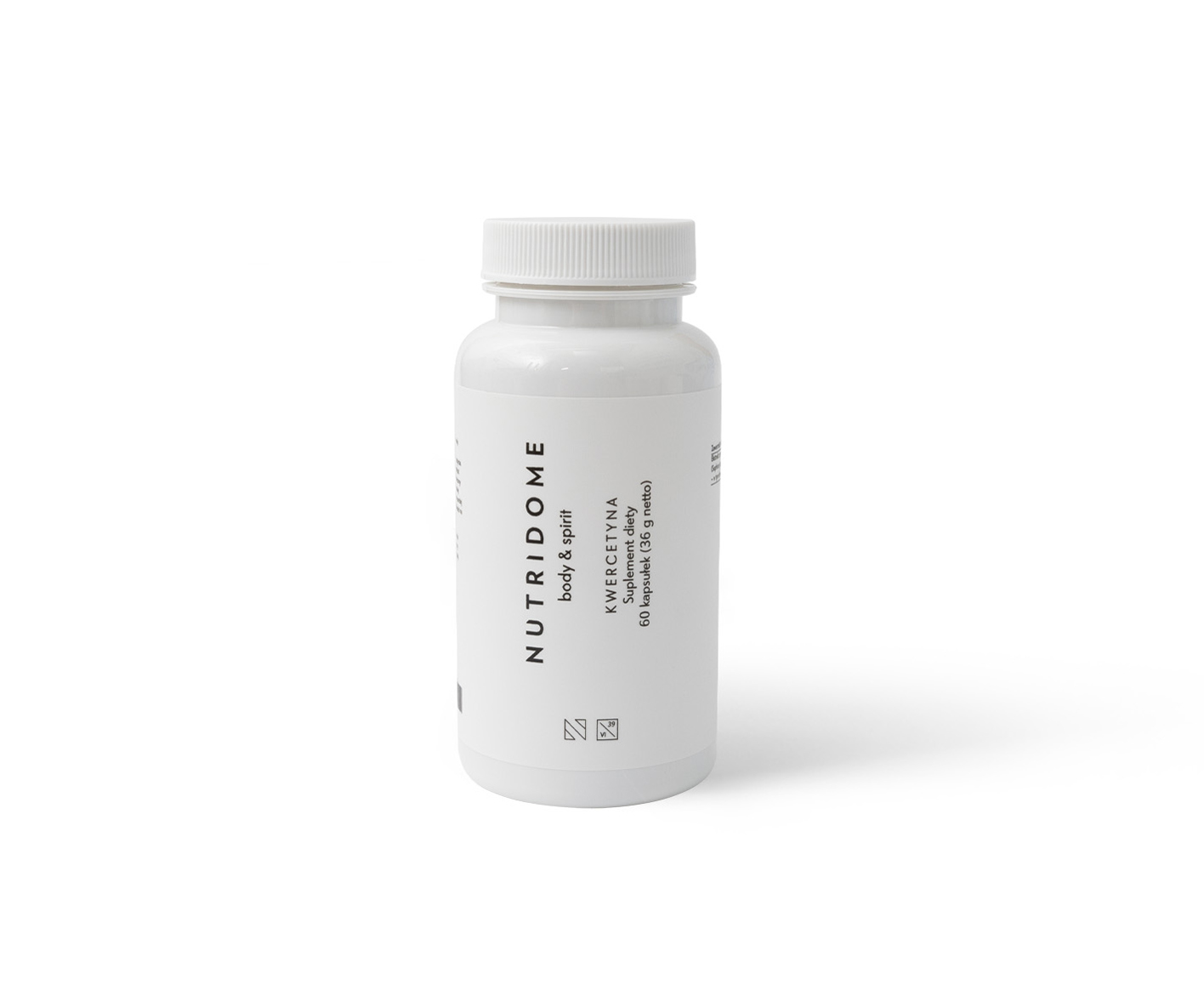
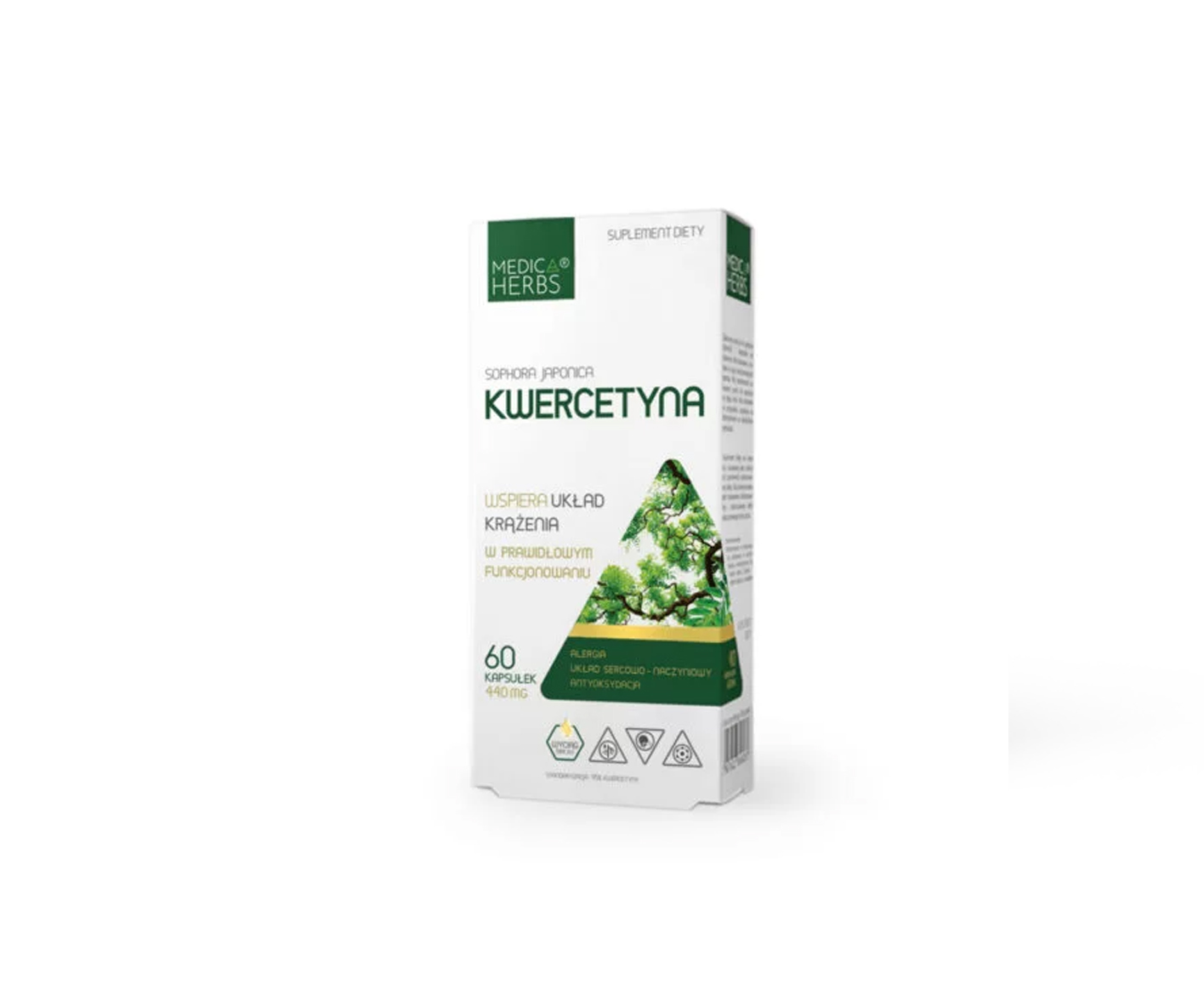
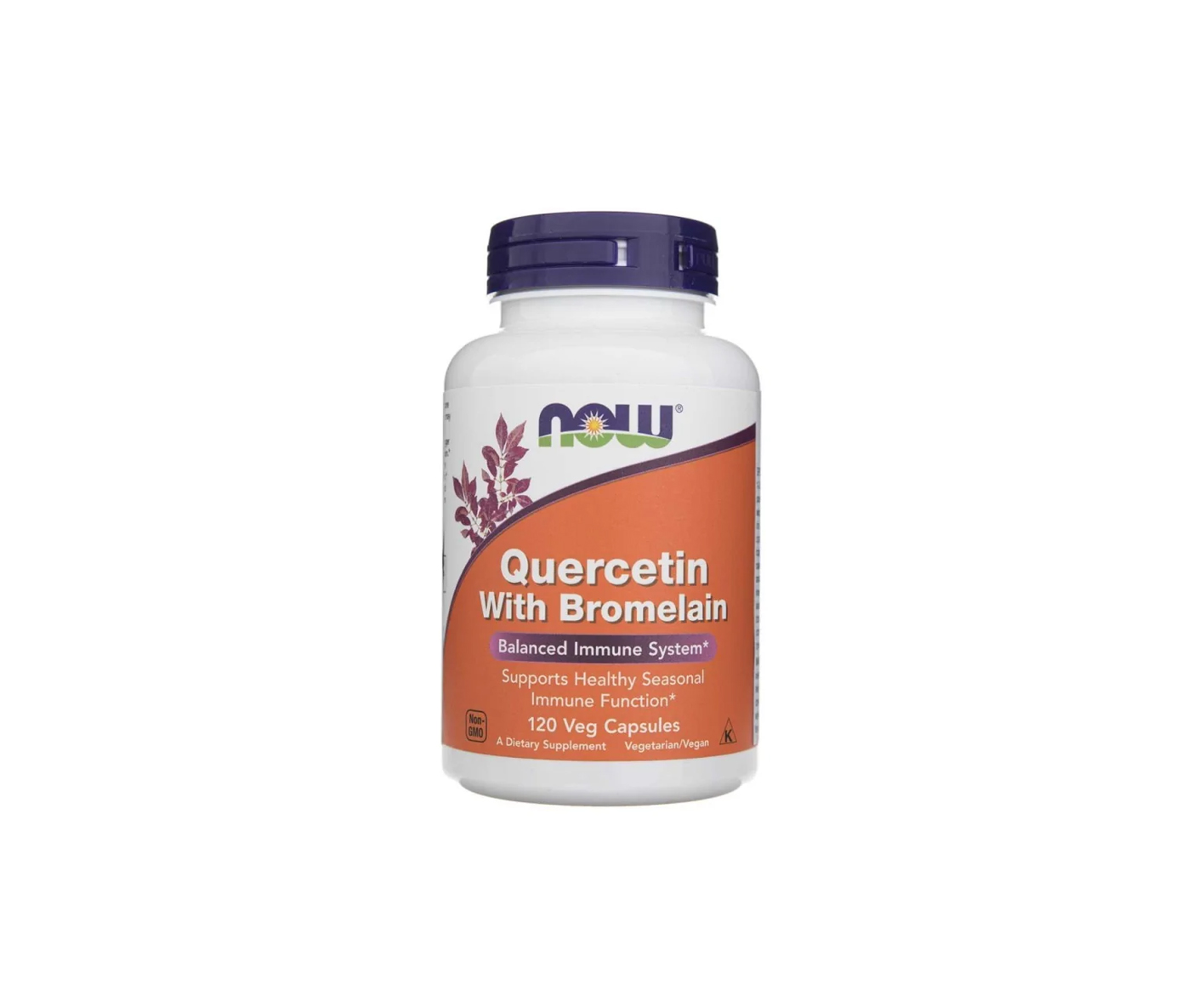
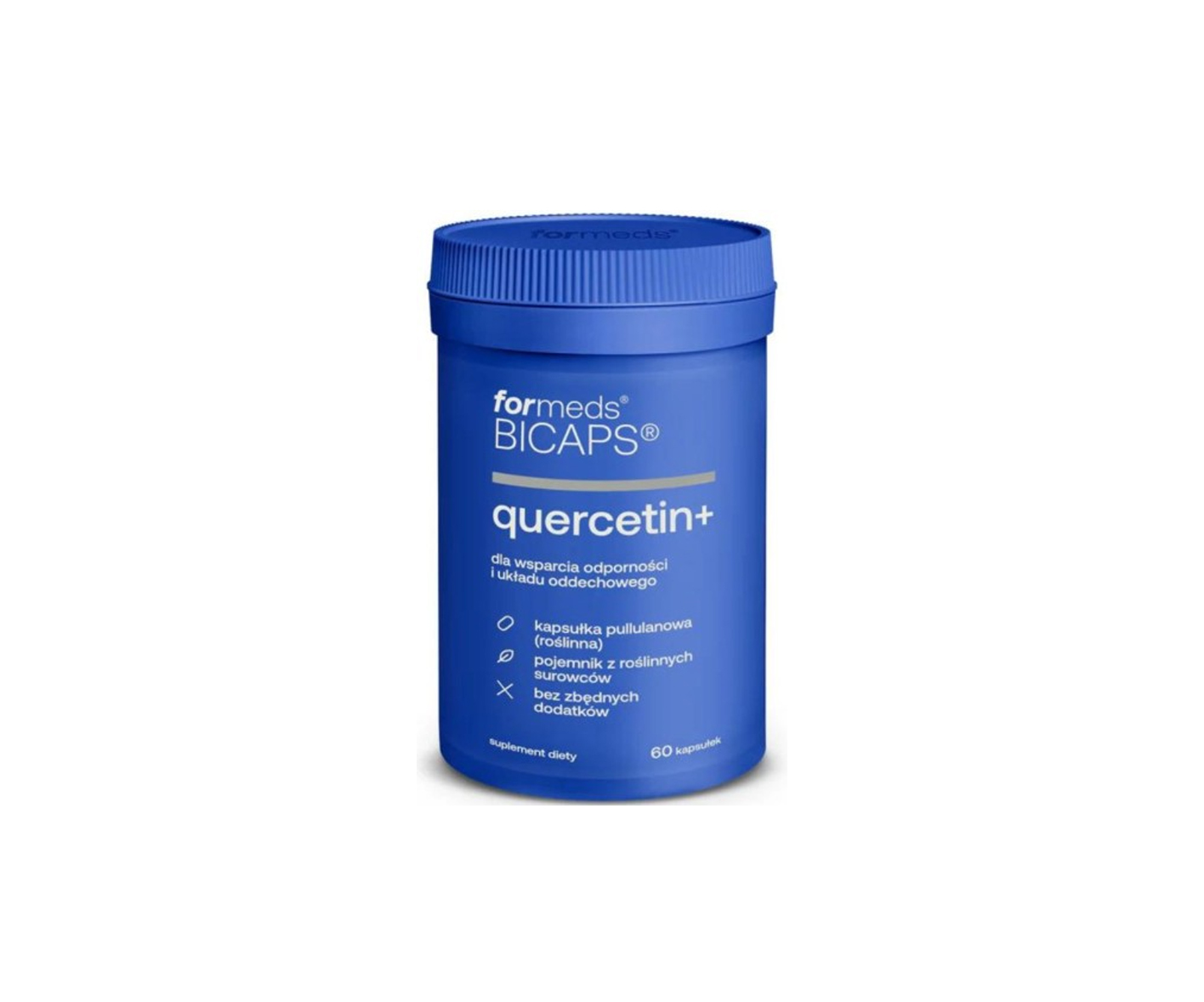
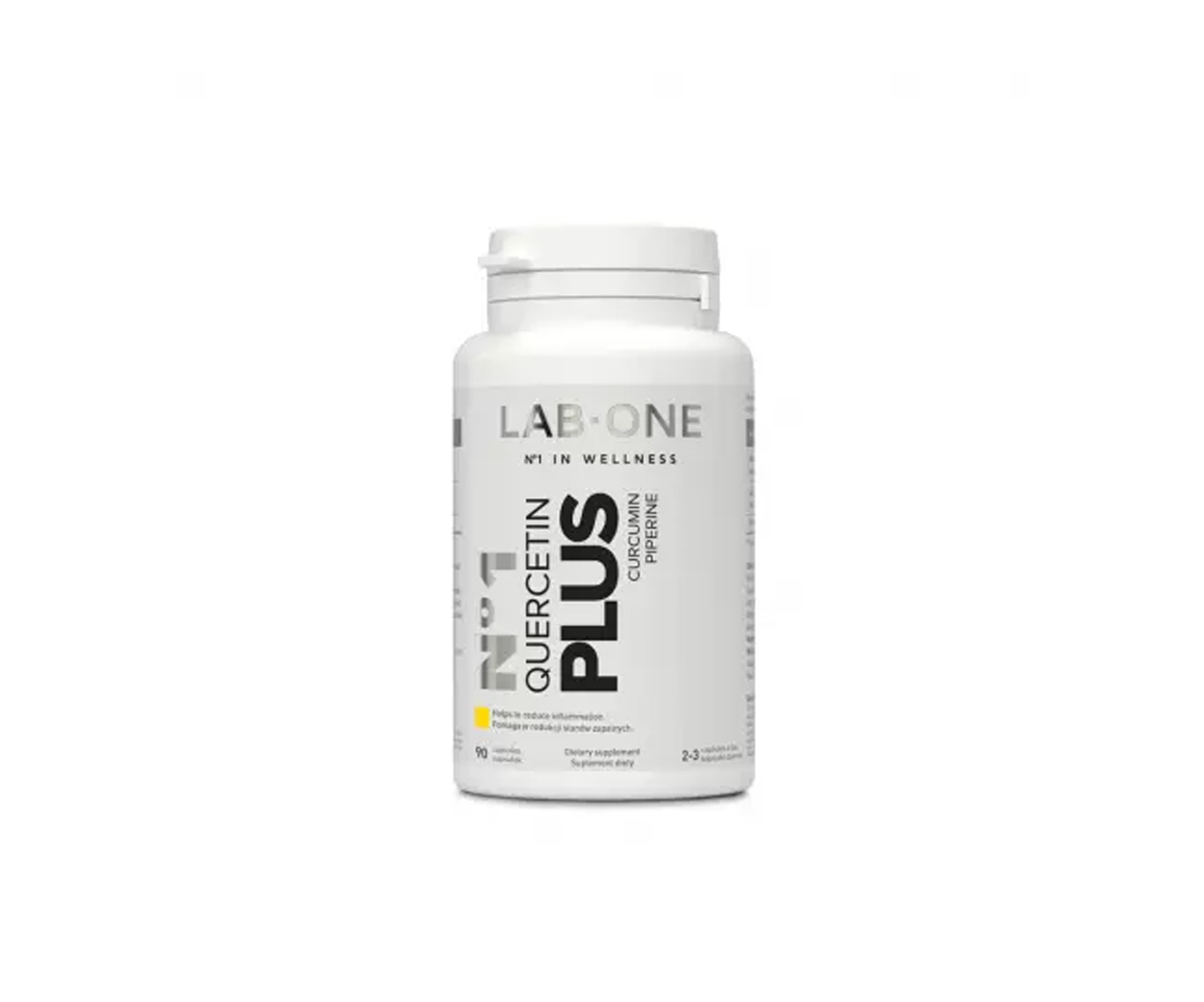
Discover 5 suggestions for proven supplements with quercetin and enjoy good health and well-being throughout your body.
Good health is not only good for your well-being, but also for your beautiful appearance. It is well known that beauty is most influenced by the good condition of the whole organism, and only in second place by proper care. The daily diet should therefore not lack essential vitamins and minerals as well as antioxidants. The latter play a very important role in the proper functioning of the body's systems and organs and ensure that the skin remains young. In our article, you will find out exactly what antioxidants are, where to find the richest sources of them, and learn about five suggestions for the best supplements with quercetin - a powerful antioxidant.
Free radicals and oxidative stress - what are they?
Free oxygen radicals (oxidants) are by-products (reactive oxygen species - RFTs) of the respiration process. They are molecules without paired electrons. Therefore, they "seek out" cells and other molecules in the body with which they can bond, such as lipids, proteins or sugars.
When our body is healthy, when we provide it with the necessary nutrients and lead a hygienic lifestyle (no stress, adequate sleep, regular physical activity), the balance between free radicals and antioxidants is maintained. Free radicals cannot be completely eliminated from the body, as they are needed, among other things, for the activation of certain genes.
On the other hand, when there are too many free radicals and the body is unable to neutralise them with antioxidants, oxidative stress occurs. Oxidative stress leads to damage to cells, DNA and impairs the functioning of all organs and systems in the body. This results, for example, in lowered immunity, increased susceptibility to the occurrence of many diseases and inflammatory conditions, and accelerated ageing processes.
The following factors are responsible for increasing the amount of free radicals in the body:
- ● smoking cigarettes,
- ● drinking alcohol
- ● unhealthy diet,
- ● nutritional deficiencies,
-
● taking certain medications,
-
● high stress levels,
-
● a sedentary lifestyle,
-
● polluted air,
-
● UV radiation,
- ● excess heavy metals.
Oxidative stress in itself does not produce visible symptoms. However, excess free radicals contribute to an increased risk of many diseases, such as.
- ● cardiovascular diseases,
-
● diabetes,
- ● joint diseases (e.g. rheumatoid arthritis - RA),
- ● respiratory diseases (e.g. asthma),
- ● skin problems (e.g. eczema),
-
● diseases of the digestive system,
- ● faster ageing of the skin,
-
● neurodegenerative diseases (e.g. Alzheimer's disease,
- ● Parkinson's disease),
- ● cancer.
Antioxidants - properties and their role in the body
Antioxidants, or antioxidants, are chemical compounds that provide effective protection against the excessive accumulation and damaging effects of free radicals. Their action is versatile and, in addition, the properties of different antioxidants vary.
Numerous studies have shown that antioxidants not only neutralise free radicals, but also reduce the formation of new ones and repair the damage caused by them by replacing fragments of damaged cells.
Natural antioxidants can be divided into:
● endogenous antioxidants - produced by the body (e.g. melatonin, glutathione, uric acid),
● exogenous antioxidants - supplied to the body from outside (certain vitamins and minerals, carotenoids and polyphenols - including flavonoids).
The richest sources of antioxidants to include in your daily diet are:
Vitamins:
● vitamin A - butter, eggs, dairy, liver, fatty fish,
● vitamin E - vegetable oils (e.g. sunflower, rapeseed), nuts, seeds and seeds legumes,
● vitamin C - parsley, peppers, citrus fruits.
Minerals:
● selenium - Brazil nuts, fish, mushrooms,
● zinc - oysters, cream cheese, whole grain products, meat,
Carotenoids:
● lycopene - red vegetables and fruits (especially tomatoes),
● zeaxanthin and lutein - corn, green vegetables (broccoli, Brussels sprouts, spinach, peas), peppers, kiwi, grapes.
Polyphenols:
● curcumin - turmeric,
● resveratrol - fruit (e.g. grapes, berries, blueberries), cocoa,
● quercetin - green tea, dark fruits, apples, broccoli, onions.
Large amounts of the antioxidant are also found in herbs and spices such as basil, oregano, rosemary, marjoram, thyme, turmeric, cinnamon, nigella and cloves.
Quercetin - what is it?
Quercetin is a natural colouring agent belonging to a group of plant compounds - the flavonoids. Quercetin is a powerful antioxidant that fights excessive free radicals in the body.
Quercetin occurs naturally in capers, apples, grapes and passion fruit, as well as nuts. The highest concentration of quercetin is found in the outer discs of red onions and the part closest to the root. Quercetin can also be found in plants such as:
● ginkgo biloba,
● ginkgo biloba,
● St. John's wort,
● elderberry.
The most important properties of quercetin include its effects as:
● anti-inflammatory,
● blood pressure regulating,
● anticancer,
● immune-supporting,
● anti-allergic,
● improving physical performance.
Quercetin is increasingly becoming an ingredient in dietary supplements designed to support the body's health and fight free radicals. The effects of quercetin can be increased by combining it with other flavonoid supplements, such as resveratrol, curcumin and green tea.
Who should supplement quercetin?
Quercetin is an ingredient that is extremely beneficial for the health and general wellbeing of the body. Its supplementation is particularly recommended for:
● seniors,
● people with elevated cholesterol,
● people with allergies
● diabetics
● people at risk of cancer,
● people at risk of oxidative stress,
● people at risk of cardiovascular disease,
● people with a weakened immune system
● athletes.
● Paragraph
Quercetin is considered a safe ingredient for supplementation. However, like any dietary supplement, quercetin preparations can also cause side effects. Excessive amounts of quercetin can cause, among other things: impairment of the effect of antibiotics, cardiac arrhythmia, reduced drug absorption, reduced blood clotting. Quercetin should not be used by pregnant or breastfeeding women, or by people with blood clotting disorders and planned surgery. It is best to consult a doctor before starting quercetin supplements.
What are the effects of quercetin supplements?
The most common and research-backed benefits of taking quercetin include:
Anti-inflammatory and anti-allergic effects: Quercetin has strong anti-inflammatory and anti-allergic properties. It blocks the secretion of histamine responsible for, among other things, itchy skin, sneezing, runny nose and watery eyes. By reducing histamine secretion, quercetin helps to alleviate these symptoms and provides relief from allergies and inflammatory diseases.
Antioxidant effects: Quercetin is a powerful antioxidant that neutralises free radicals. It thus protects cells from oxidative stress, which reduces the risk of many diseases and prevents premature ageing of the skin.
Immune system support: Quercetin can support the immune system, increasing its ability to fight infections.
Improve heart health: Quercetin benefits heart health. It reduces the risk of atherosclerosis by lowering LDL cholesterol (so-called bad cholesterol) and increasing HDL cholesterol (so-called good cholesterol). It also has an effect on lowering blood pressure.
Effects on metabolism: quercetin may have a beneficial effect on metabolism, helping to regulate blood sugar levels and supporting weight loss processes. It may also increase insulin sensitivity, supporting the treatment of type 2 diabetes.v
Nervous system support: Some studies indicate that quercetin may protect nerve cells from oxidative stress and inflammation, which may help to reduce the risk of neurodegenerative diseases such as Alzheimer's disease.
Benefits of
Key benefits of quercetin supplementation include:
- Fighting infections.
- Immune support.
- Alleviating symptoms of allergies.
- Antioxidant effect.
- Improving the condition and appearance of the skin.
- Supporting heart health.
- Improving metabolism.
- Support in the management of diabetes.
- Improving physical performance.
- Ease of use.
- Large selection of formulations.
Disadvantages
The use of quercetin supplements can also have disadvantages. Here are some of them:
- Possibility of allergic reactions.
- Low absorption of quercetin.
- Incorrect dosage.
- Long time to wait for effects.
How to use quercetin supplements?
The daily requirement for quercetin is not strictly defined. In dietary supplements, doses of this ingredient range from 500 to 1000 mg. When using a supplement, do not exceed the daily dose indicated by the manufacturer or recommended by your doctor.
Dietary supplements with quercetin are usually taken orally in the form of capsules or tablets. Some quercetin supplements come in combination with bromelain (an enzyme derived from pineapple), which can increase the bioavailability of quercetin. Vitamin C also improves the absorption of quercetin, so consider supplementing with both at the same time.
During the first doses of the supplement, monitor the body's reaction for any allergic reactions or other side effects. If any worrying symptoms appear, stop taking the supplement and consult your doctor.
You should also see a specialist before starting quercetin supplements especially if you are taking medication or other supplements.
What to look out for when choosing quercetin supplements?
Quercetin content per daily dose: Choose a supplement with the right dose of quercetin/day. It is assumed that 500 -1000 mg per day produces the best results. Too low a concentration of quercetin per serving may not be sufficient for health benefits.
Composition: Choose a supplement with as simple a composition as possible. It should not contain any substances with potential harm to health. Pay attention to the standardisation of plant extracts, if present in the formula.
Method of use: Choose the form of the supplement that is most convenient for you to take. These may be capsules, tablets or liquid.
Manufacturer: Choose supplements from reputable and proven manufacturers. This is a guarantee of a high quality product.
Opinions and reviews: Read other users' reviews of a particular quercetin supplement for information on its effectiveness, quality and possible side effects.
Discover the top 5 quercetin supplements in 2026
When creating our product reviews, we consider the ingredients and research their safety. We analyse the opinions of industry experts and the experiences of product users. We obtain recommendations from authorised retailers and use available sources of knowledge on active ingredients and their effects. We personally verify the action, texture, scent and feel of the products, and assess value for money.
Below are detailed reviews by our editors with a description of each product indicated.