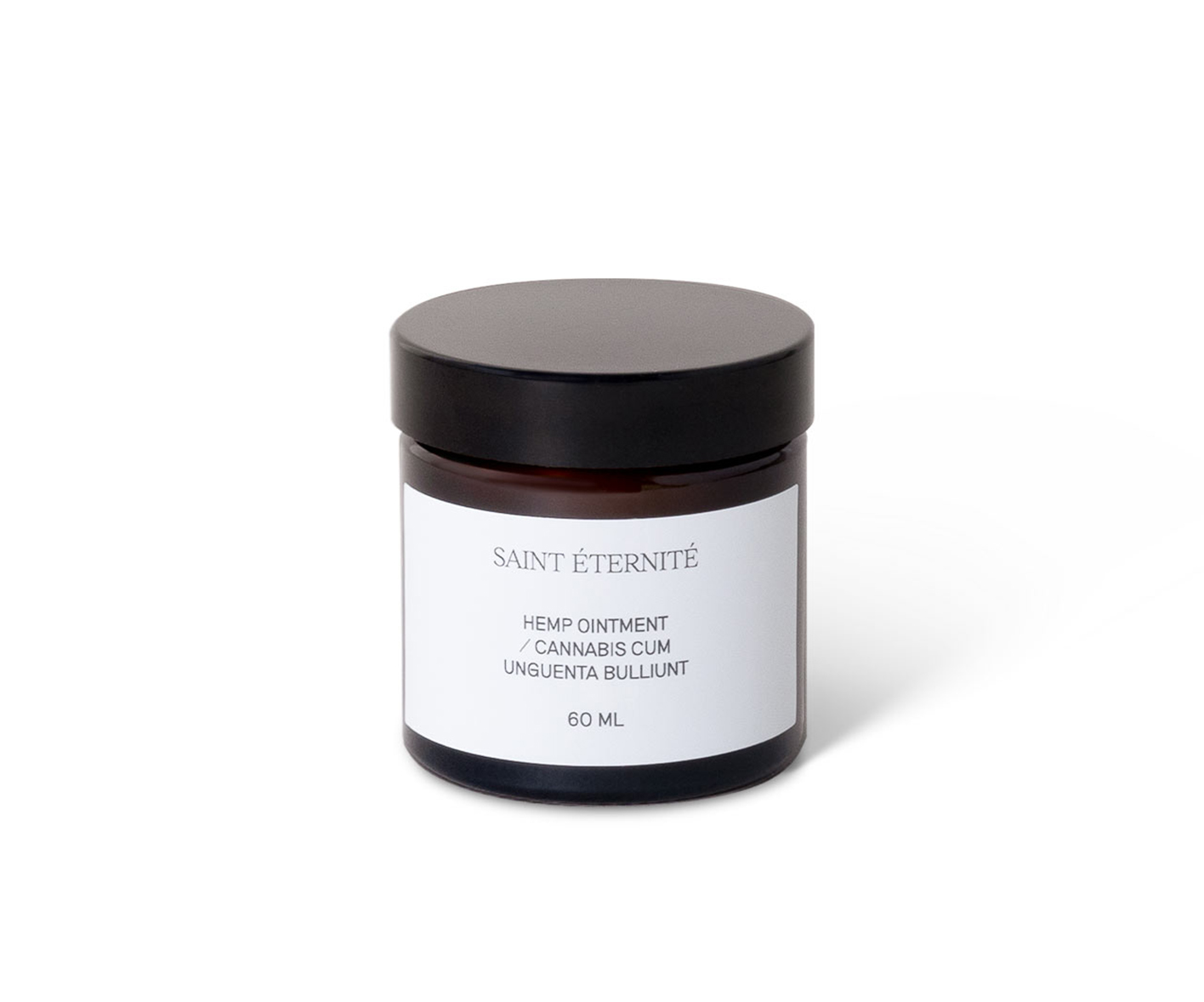
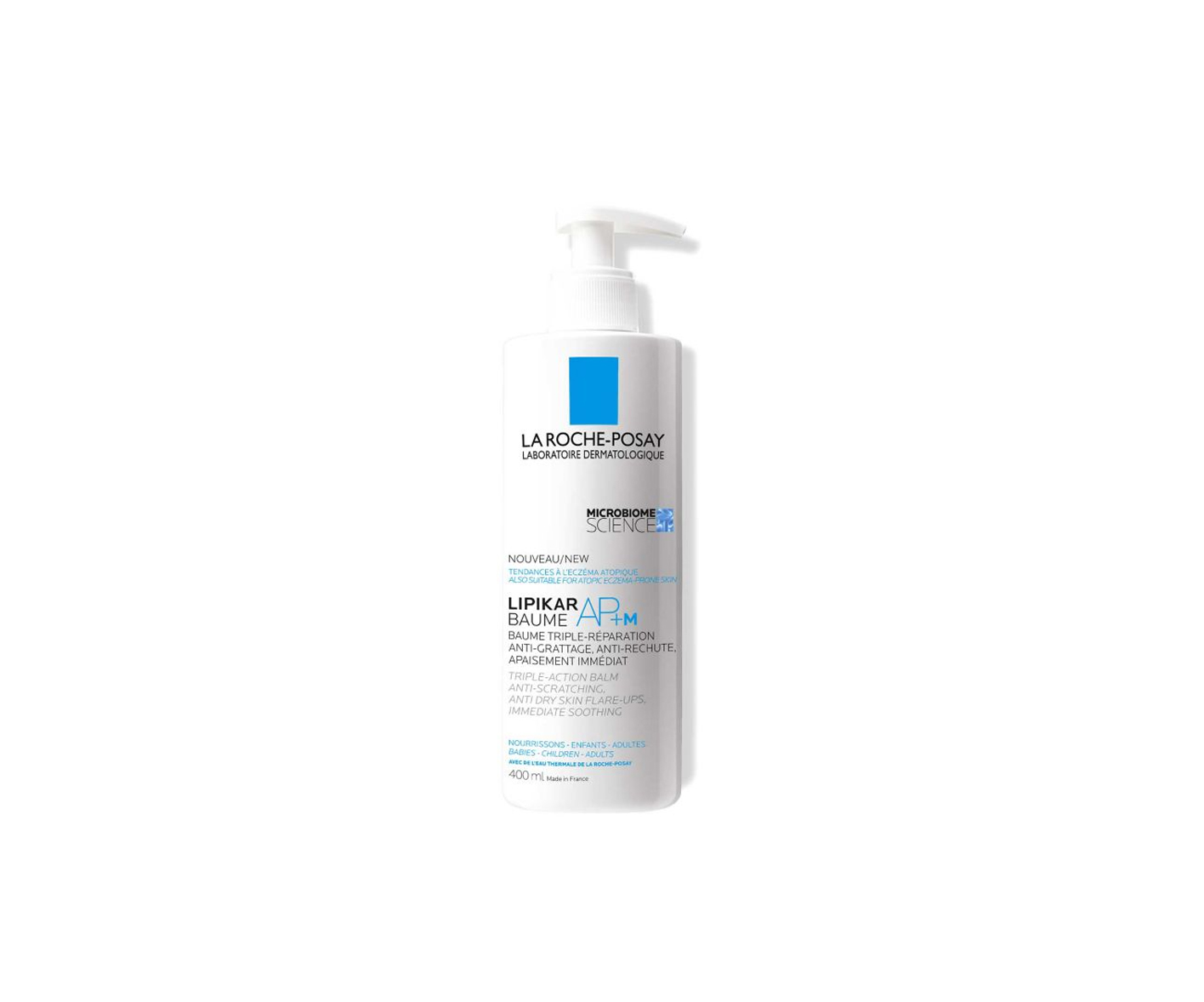
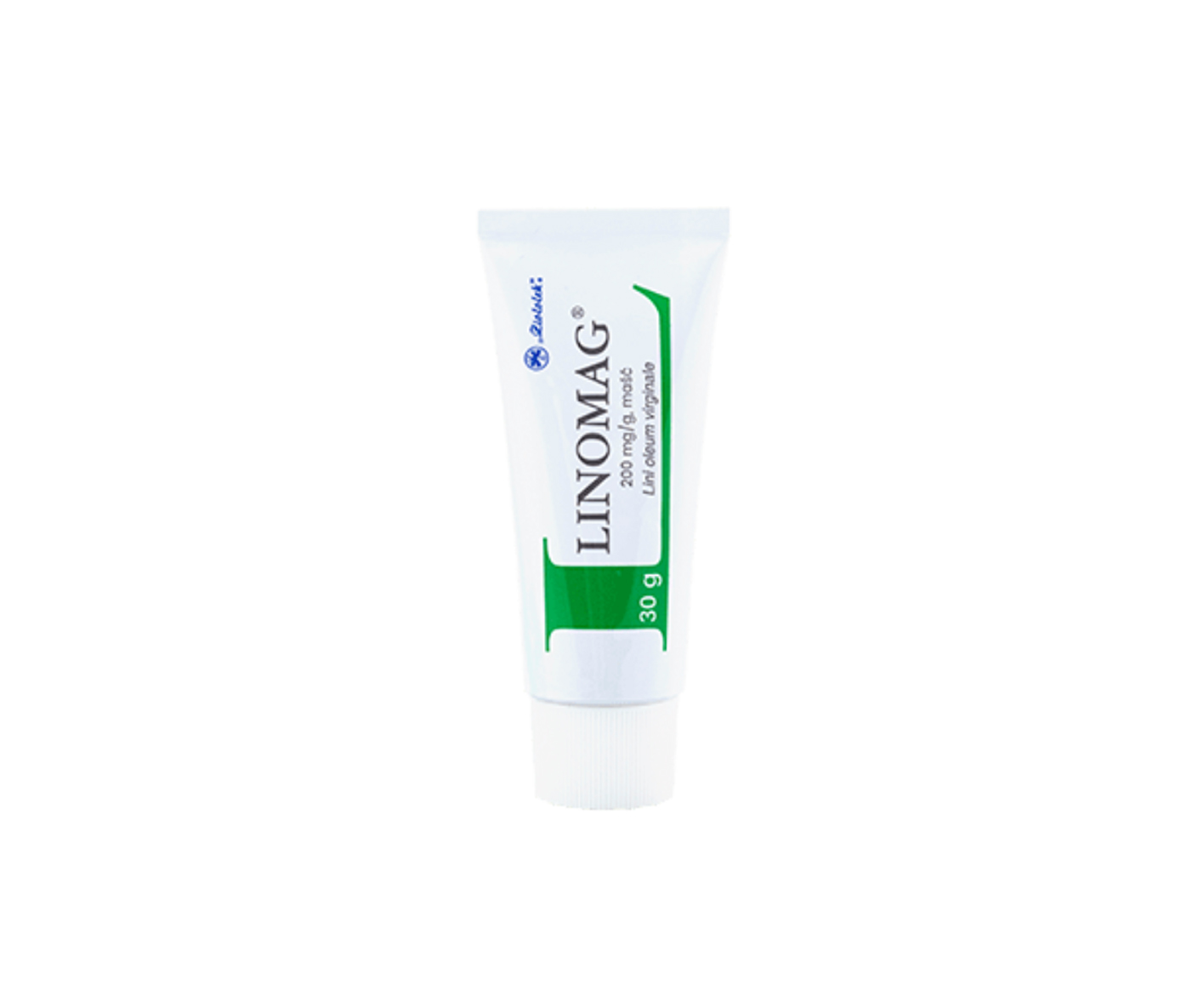
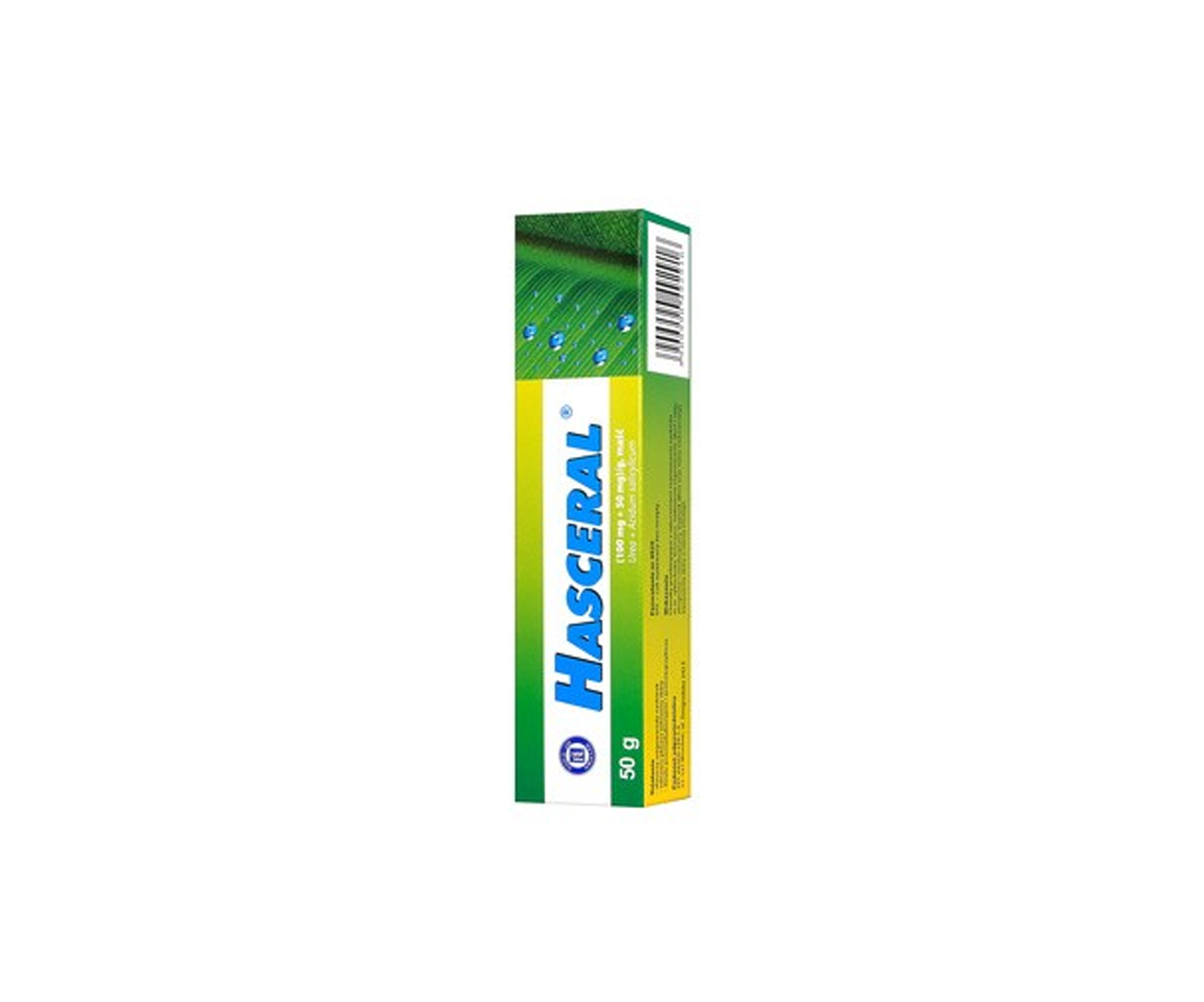
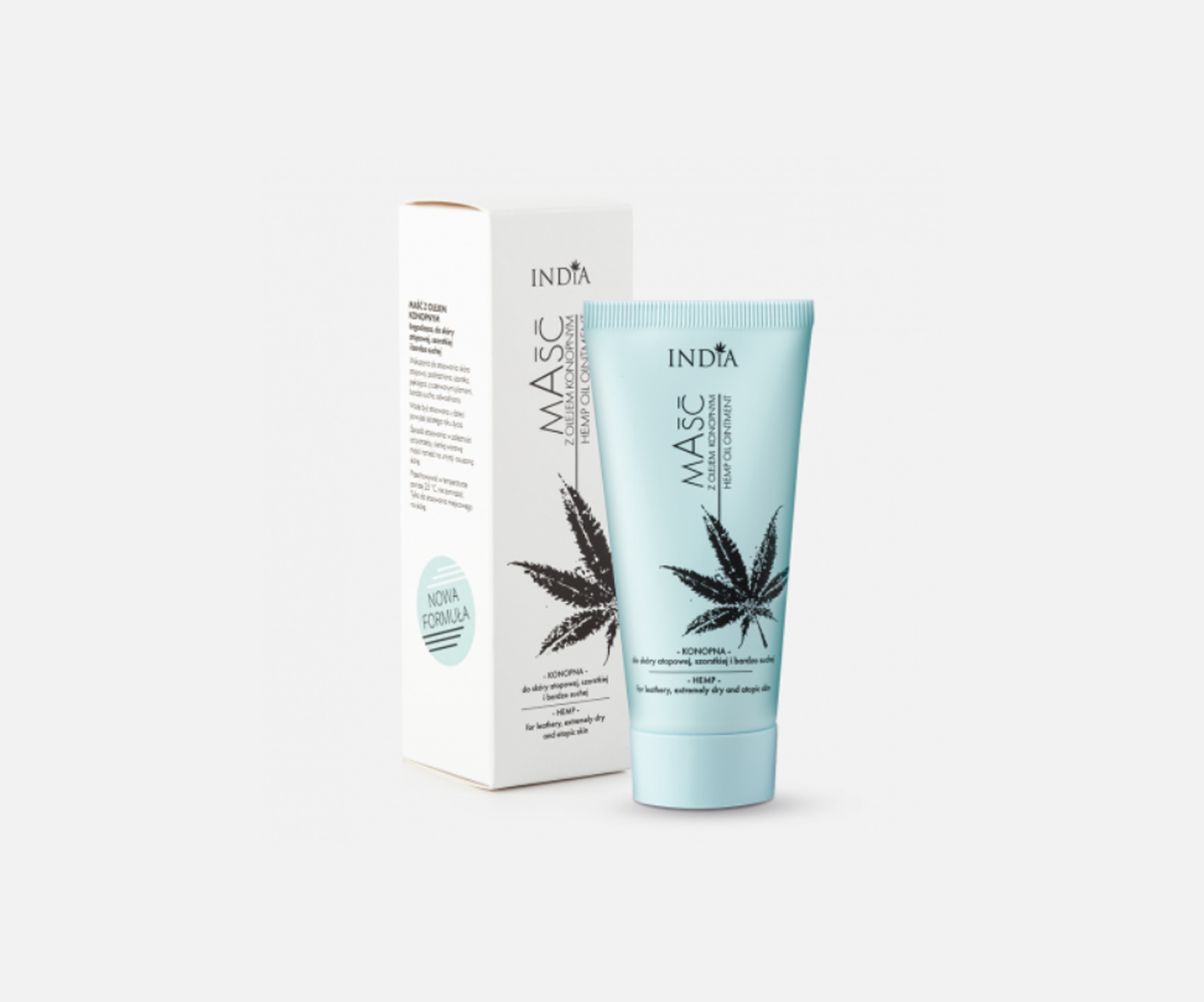
Find out about the valuable properties of over-the-counter psoriasis ointments and read our top 5 product suggestions to give your skin the best possible care and support to treat this skin condition.
Our skin protects our body from harmful external factors every day. As it is an organ exposed to the sun, pollution and/or unfavourable weather conditions, it is exposed to the occurrence of numerous diseases and ailments. And the health of the skin not only benefits the overall condition of the body, but also its well-being and mental comfort. Therefore, it is extremely important to ensure that it is properly cared for on a daily basis and that it receives the best support in case of any problems. In this article, you will learn about the most common skin problems, as well as methods and preparations that will give your skin the care it deserves.
Structure of the skin
Our skin is the largest organ, covering the entire body. It separates and protects the internal organs from the external environment, thanks to its complex structure and the functions it performs. The surface area of the skin of an adult human is up to approx. 2 m² and its thickness ranges from 0.5 mm to 4 mm. The thinnest skin is on the eyelids, while the thickest layer of skin (horny) is found on the soles of the feet. Skin thickness depends on gender and individual characteristics. Men tend to have thicker skin compared to women. The skin of an adult can weigh about 6% of the body's weight, i.e. between 4 and even 5.5 kg. The skin consists of three main layers.
The epidermis (Latin: epidermis) - is the upper layer that forms the direct boundary between the body and the external environment. The main cell type in the epidermis are keratinocytes, which produce keratin, a protein that gives the skin its strength. The epidermis has no blood vessels, so it keratinises, i.e. dies, and peels off systematically. It has a pigment, melanin, which gives hair and skin its colour and is made up of 5 layers: horny, light, granular, spinous, basal.
The d ermis (Latin dermis) - is the middle layer, containing receptors, blood vessels, nerves and sebaceous and sweat glands, as well as the roots of the hair. It is made up of connective tissue, which gives the skin its strength, elasticity and resilience. The main component of this part of the skin is collagen. The collagen fibres are connected by elastic fibres made up of elastin. In the dermis, layers are distinguished:
Papillary, which is highly undulating and contains connective tissue and provides oxygen and nutrients to the skin.
The reticular, which contains collagen and elastin fibres responsible for the skin's firmness, elasticity and strength. This layer also contains glands, blood and lymphatic vessels and sensory receptors.
Hypodermis - is the deepest layer of the skin, connecting the dermis to the muscles, bones and tendons. It contains adipose tissue, which protects the organism against heat loss.
Skin problems
Skin problems are a variety of disorders and conditions that can affect different layers of the skin and its structure. Some require specialised treatment and others require appropriate and regular care. The most common skin complaints include:
1. acne is a common ailment, most commonly occurring in young people in adolescence. It manifests as blackheads, papules and pimples. Acne can be caused by excessive sebum production, blocked skin pores, bacterial infection and hormonal disorders.
2) Psoriasis is a chronic autoimmune disease that, through excessive growth of skin cells, leads to red, scaly patches that are usually dry, itchy and also painful.
3 Eczema (atopic dermatitis) is an inflammatory skin condition that causes itching, redness, dryness and painful cracking of the skin. Eczema can be allergic or genetically determined.
4. skin ageing is a natural process. Its symptoms are most visible and fastest on the face. It manifests itself through the appearance of wrinkles, fine lines, loss of elasticity, sagging, discolouration and loss of radiance.
5. dry skin is caused by a lack of hydration and adequate moisture in the skin, which can cause itching, roughness, flaking and, in extreme cases, painful cracking of the skin.
How can skin problems be dealt with?
It is always a good idea to consult a dermatologist if you have any troublesome skin problems. A specialist diagnosis is crucial in undertaking effective treatment.
In addition to seeing a specialist, it is extremely important to take care of your skin regularly, especially to moisturise it. For this, it is best to choose preparations tailored to the specific skin type and with natural ingredients. It is very important to hydrate the body and eat healthy, wholesome meals, as well as regular physical activity.
For healthy skin, always use sun protection in the form of creams or lotions with high SPF filters. To enjoy beautiful skin for as long as possible, it is a good idea to get enough sleep, avoid stress, smoking and excessive alcohol consumption.
For some skin problems, such as acne, psoriasis or eczema, it may be necessary to take medication prescribed by a dermatologist. In such cases, it is important to follow your doctor's instructions regarding dosage and duration of treatment.
Psoriasis - what is it?
Psoriasis is an inflammatory and chronic skin disease characterised by specific changes on the skin. These changes are the result of abnormal and excessive keratinisation of the epidermis. The most common cause of the disease is genetic. Psoriasis, although chronic and relapsing, is not an infectious disease. It usually attacks specific areas:
- elbows
- knees,
- the scalp,
- larger areas of skin.
Initial skin lesions are not extensive - small papules appear, which flake off to form skin lesions about 1-2 cm in diameter. They then develop into large lesions up to several centimetres in diameter. The silvery scales covering these lesions over time form thickenings with an uneven, rough surface. Psoriasis is a very troublesome disease due to the fact that the skin lesions are accompanied by burning, itching, skin cracking and bleeding, as well as pain.
The treatment of psoriasis depends primarily on the severity of the disease. In the case of mild lesions, where the damaged epidermis covers no more than 25 per cent of the total body surface area, topical treatment is applied, usually using suitable ointments and creams. In cases where the degree of epidermal damage is greater, combined treatment methods are used, where both systemic and topical treatments are applied.
Psoriasis ointments - effects
Psoriasis ointments are primarily designed to moisturise and lubricate the epidermis, preventing it from drying out. They also inhibit the formation of new skin lesions and reduce active inflammation, reducing redness and burning sensations. A good ointment for psoriasis not only eliminates bothersome lesions, but also prolongs the remission of the disease and prevents its recurrence.
Several types of ointments are used in the treatment of psoriasis:
Steroid ointments: contain corticosteroids, which are powerful anti-inflammatory substances. They act on the skin to reduce inflammation and relieve psoriasis symptoms such as redness and itching. However, their long-term use can lead to side effects such as the appearance of stretch marks or skin atrophy.
Vitamin D-based ointments: these contain the active form of vitamin D, which helps to regulate skin cell growth processes. This type of ointment works to slow down the excessive proliferation of skin cells that is characteristic of psoriasis.
Ointments witha medicinal charcoal base: these have an anti-inflammatory effect and can help relieve psoriasis symptoms such as itching and redness.
Ointments with skin softeners: some ointments contain skin softeners such as urea or salicylic acid. They help to exfoliate dead skin cells, which improves the appearance and texture of the skin.
Who are psoriasis ointments for?
Psoriasis ointments are designed for people suffering from psoriasis, a skin condition characterised by an excessive proliferation of skin cells, leading to the formation of psoriasis patches. The purpose of the ointment depends on the type and severity of psoriasis symptoms and the person's general health condition. Psoriasis ointments are very often used by people who, for various reasons, do not want to use other methods of treatment such as oral medication.
It is worth emphasising, however, that the choice of ointment type should be consulted with a dermatologist. The doctor will assess the severity of the symptoms, the location of the skin lesions and the possible side effects of using a particular preparation. In addition, some ointments may have contraindications for use or interact with other medicines.
What effects does the use of psoriasis ointment provide?
The use of ointments for psoriasis can provide a number of benefits in supporting the treatment of the disease. However, the effects can vary depending on the type of ointment, active ingredients and individual predisposition. The most common effects of psoriasis ointments include:
Relief of psoriasis symptoms: One of the main goals of using psoriasis ointments is to relieve the symptoms of this disease, such as redness, flaking skin, itching and pain.
Reduction of inflammation: Anti-inflammatory ointments, such as those containing corticosteroids, can help to reduce skin inflammation, helping to reduce swelling and redness.
Slowing the growth of skin cells: Some psoriasis ointments, such as those containing vitamin D, can help control the excessive growth of skin cells responsible for psoriasis.
Itch relief: Psoriasis ointments help to relieve the bothersome itching of the skin that often accompanies psoriasis.
Reducing the risk of infection: Cracked, dry and reddened psoriatic skin is more prone to infection. Treatment with ointments can help reduce the risk of these.
The effects of psoriasis ointments may be short-lived and the disease may recur. It is therefore important to have your skin condition monitored by a dermatologist. Some ointments can also cause side effects, so it is important to follow your doctor's advice and have regular check-ups.
Key ingredients in psoriasis ointments
Psoriasis ointments can contain a variety of active ingredients, and the choice of a particular formulation depends on the type and severity of psoriasis symptoms and the individual's needs. The key ingredients that are often used in psoriasis ointments are:
Corticosteroids: These are hormones that have an anti-inflammatory effect. Corticosteroid ointments help to reduce the redness, swelling and itching of the skin that is typical of psoriasis.
Vitamin D: Vitamin D-based ointments are often used to treat psoriasis. Vitamin D acts on the proliferation of skin cells, reducing their excessive production.
Salicylic acid: This ingredient helps to exfoliate dead skin cells, which can improve the appearance and texture of the skin.
Medicinal charcoal: Has anti-inflammatory and anti-itch properties, which can help to relieve the symptoms of psoriasis.
Urea: ointments with urea have a moisturising and softening effect on the skin, which can help to relieve psoriasis symptoms.
Plant extracts: Some psoriasis ointments contain plant extracts such as aloe vera, St. John's wort or burdock, which show anti-inflammatory effects and soothe itchy skin.
Hemp oils: they rebuild the skin's natural barrier, nourishing and moisturising it accordingly. They counteract the formation of new lesions and psoriasis remission.
Benefits of psoriasis ointment
There are many benefits to using psoriasis ointments, both in terms of relieving the symptoms of this skin condition and improving the quality of life. Here are some of the main benefits of using psoriasis ointment:
-
Relief of psoriasis symptoms.
- Improving the appearance of the skin.
- Prevention of remission of the disease.
- Ease of application.
-
Quick action.
- Safety for the skin.
- Availability without a prescription.
- Possibility of long-term use.
- Addition to another psoriasis treatment.
Disadvantages of using psoriasis ointment
There are many advantages to using psoriasis ointment, but it is also not free of disadvantages and limitations that you should be aware of. Here are some of the possible disadvantages of using psoriasis ointment:
- Side effects.
- Increased skin tolerance to the ointment.
- Less effectiveness in severe cases of psoriasis.
- The need for regular application.
- Odour and consistency.
- Interactions with other medications.
Despite the above-mentioned drawbacks, psoriasis ointments are often used as an effective treatment for this skin condition. However, it is important to use them as recommended by your dermatologist and the information on the packaging, monitor your skin during treatment and report any adverse effects to your doctor. Your doctor can also help you choose the right product and tailor the therapy to your individual needs.
How often should I use psoriasis ointments?
The frequency of use of psoriasis ointments largely depends on the type of ointment, the active ingredients in it, the severity of the disease symptoms and the recommendations of the dermatologist. It is therefore essential that you always consult your doctor to determine the frequency and dosage of your ointment.
It is generally accepted that ointments for psoriasis are applied once or twice a day to the affected area of the skin. It is important to avoid overuse of psoriasis ointments as this can lead to side effects such as irritation and damage to the skin structure.
It is common practice to take breaks in the use of ointments so that the skin does not become accustomed to their effects. Breaks in the use of psoriasis ointments also allow the skin the necessary regeneration.
It should be taken into account that every case of psoriasis is different. Therefore, it is important to adapt the frequency of ointment use to the individual and to monitor the skin during treatment. If you have any concerns or doubts about using psoriasis ointment, it is advisable to consult your doctor.
How to use psoriasis ointment?
When using psoriasis ointment, it is a good idea to read the information on the packaging first. Psoriasis ointment should be applied to clean and dried skin in the affected areas. It is extremely important to apply the products regularly and to monitor the condition of the skin.
Psoriasis is a chronic disease and can take time to heal. It is always a good idea to stay in contact with your doctor, who will assess the progress of your treatment and recommend discontinuing the treatment or using other preparations if necessary.
What should I consider when choosing a psoriasis ointment?
When choosing an ointment for psoriasis, there are several aspects to consider in order to find the best possible product to suit your individual needs. Here are the most important selection criteria:
1. type of psoriasis: There are different types of psoriasis, such as plaque psoriasis, droplet psoriasis or arthritic psoriasis. Some ointments may be more effective in treating certain types of psoriasis, so it is important to choose an ointment tailored to your specific case.
2. active ingredients: the composition of ointments may vary from one preparation to another. It is advisable to choose ointments based on natural ingredients proven to be effective in the treatment of psoriasis.
Personal preference: Some people prefer to use over-the-counter natural preparations, while others prefer prescription drugs. You should choose an ointment that suits your personal preference.
4 Doctor's recommendation: The final choice of psoriasis ointment should always be made under the supervision of a dermatologist. Your doctor will carry out an appropriate diagnosis and recommend the most suitable product, taking into account your individual needs.
Discover the 5 best ointments for psoriasis in 2026
When creating our product reviews, we consider the ingredients and research their safety. We analyse the opinions of industry experts and the experiences of product users. We obtain recommendations from authorised retailers and use available sources of knowledge about active ingredients and their effects. We personally verify the action, texture, scent and feel of the products, and assess value for money.
Below are detailed reviews by our editors with a description of each product indicated.