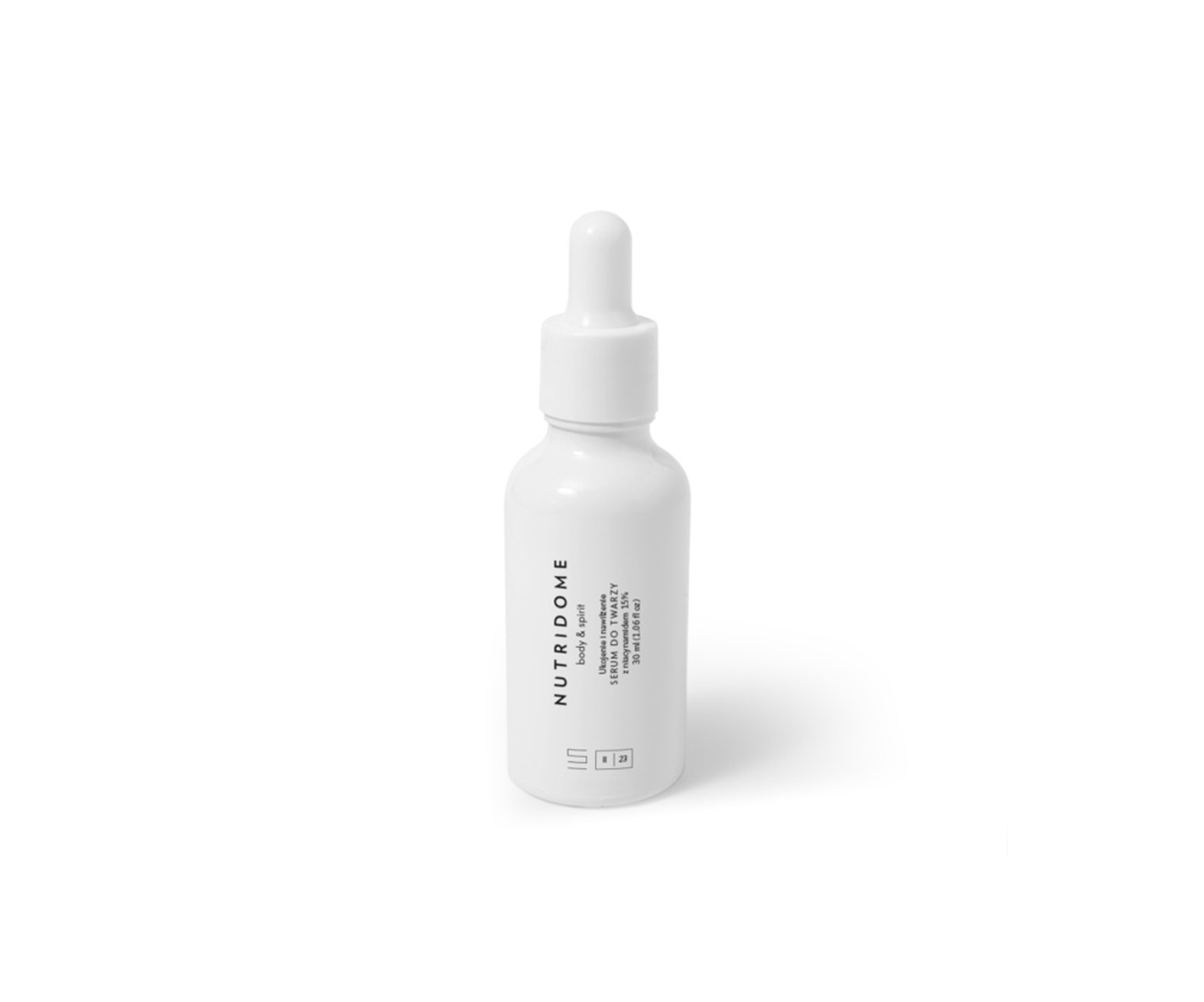
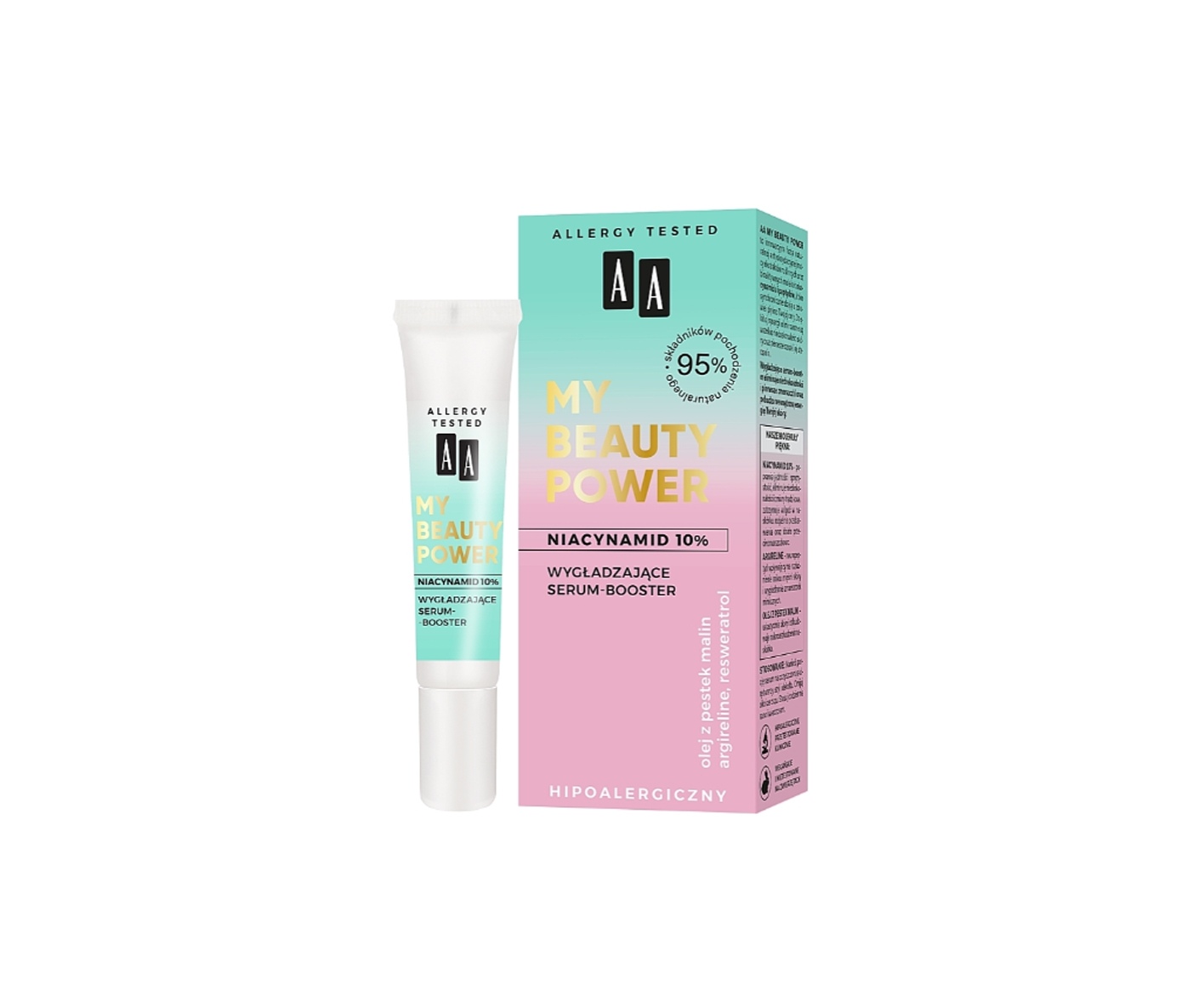
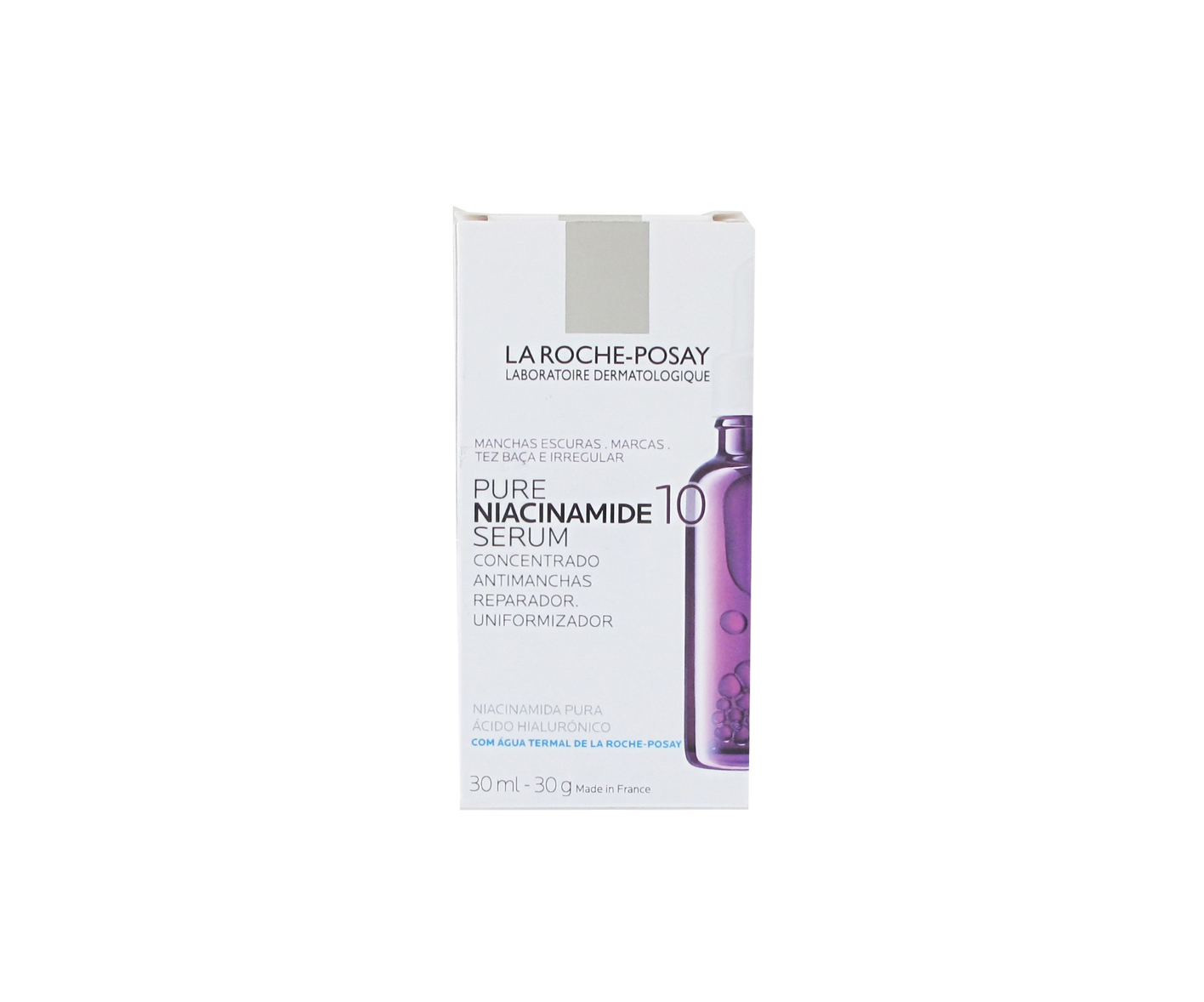
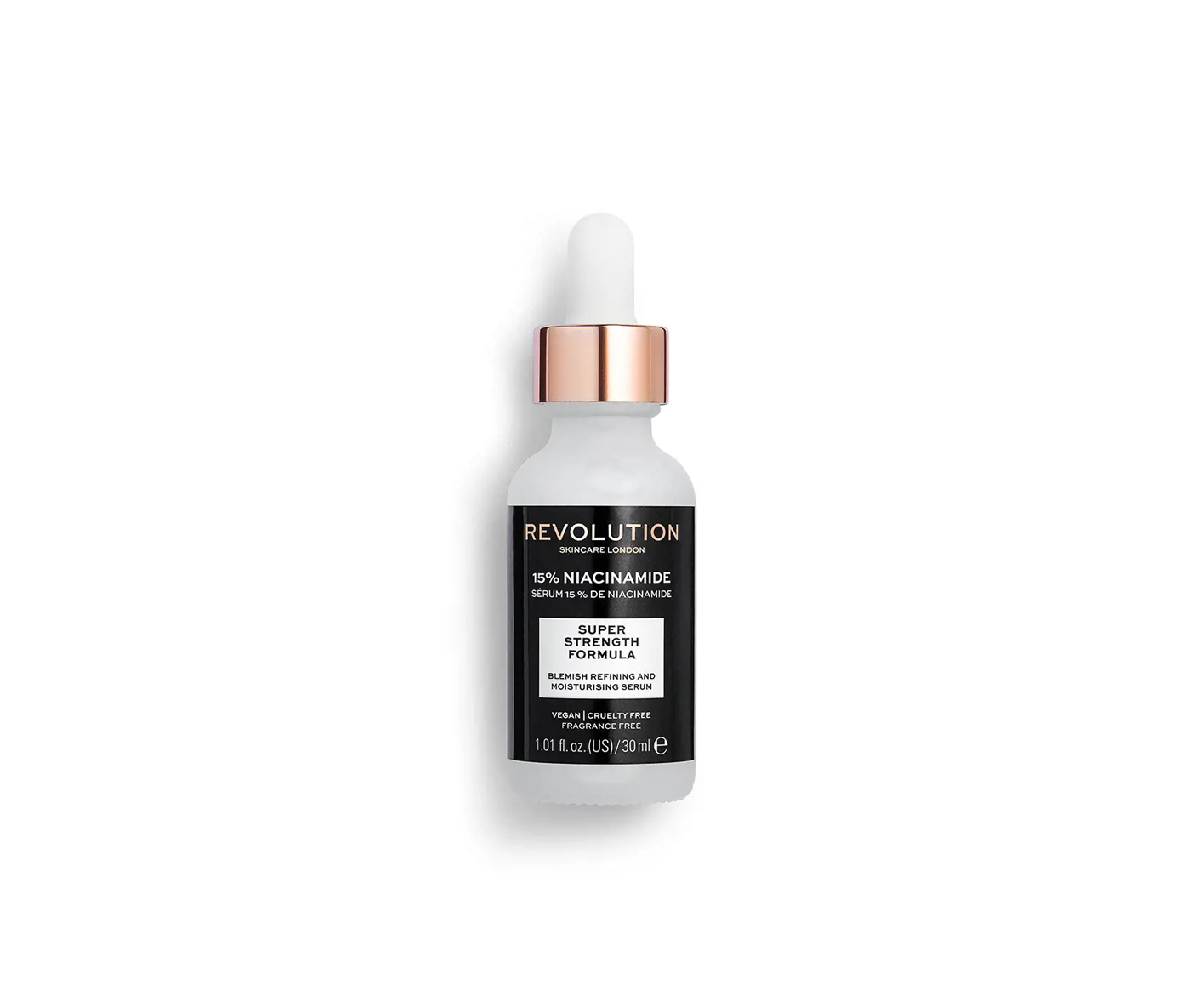
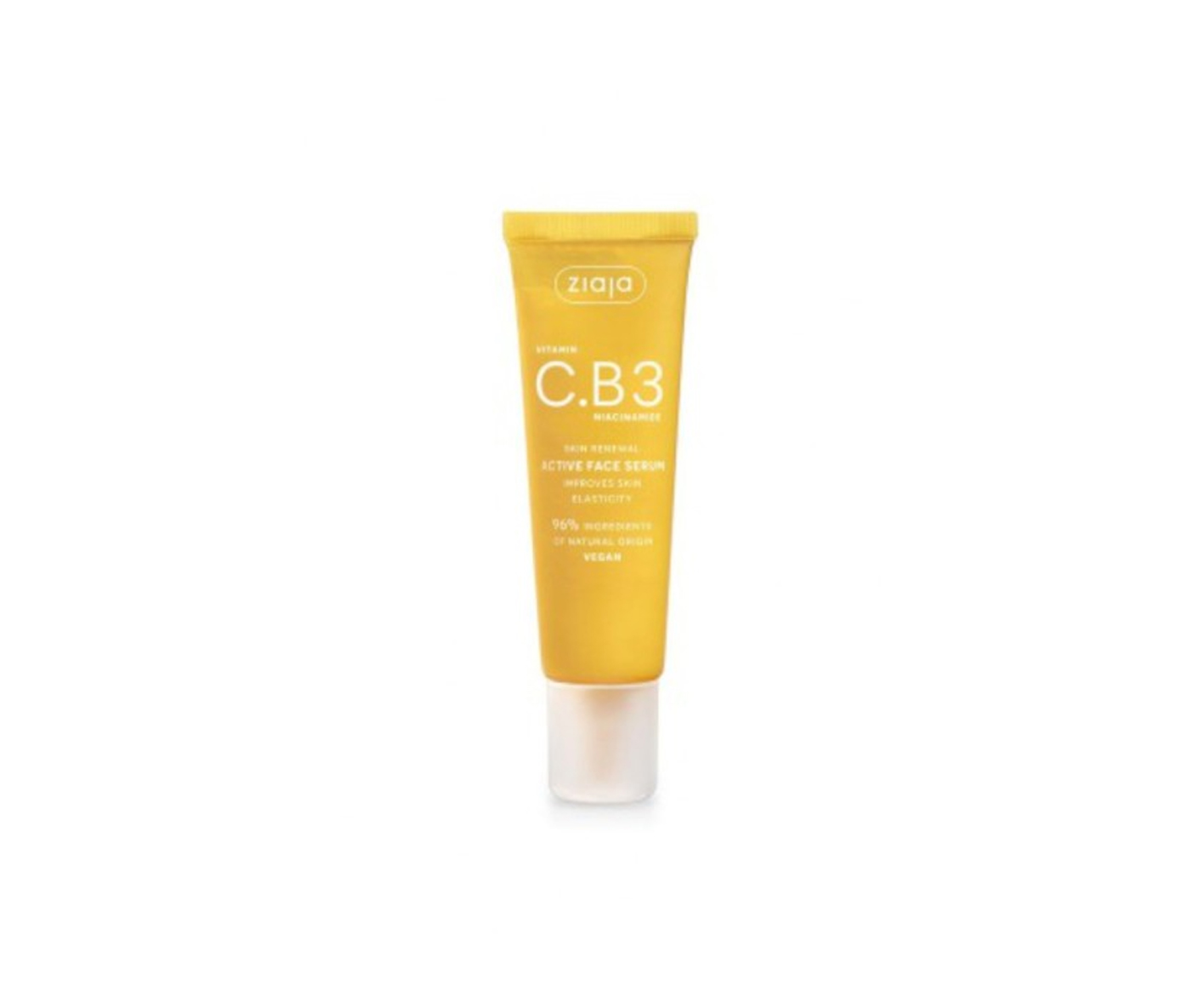
Learn about the versatile properties of serums with niacinamide and discover the 5 suggestions of these cosmetics for beautiful and healthy skin without imperfections!
Facial skin care requires special care and time. This is because this part of the skin is thinner and more delicate than other skin areas on the body. In addition, it is the most exposed part of our skin and therefore the most exposed to harmful external factors. And a beautiful and well-groomed complexion not only influences attractiveness and self-confidence, but also indicates the good condition of the whole organism. In this article, you will learn how the facial skin is structured, how to care for it properly and which cosmetics to use to keep it looking radiant and dazzling.
Facial skin structure
Knowing the structure of facial skin is of great importance in understanding how specific cosmetic ingredients interact with the different layers and functions of the skin. The facial skin contains many structures that are responsible for the condition and appearance of the complexion. These include sebaceous glands, which produce the natural fat - sebum, sweat glands, hair follicles and blood vessels that supply oxygen and nutrients to the skin. When the function of the glands and other skin components is not disturbed, our complexion looks healthy and radiant. On the other hand, when any abnormality occurs, it is immediately visible on our face.
Like the rest of the skin, the facial skin consists of three main layers:
The epidermis (Latin: epidermis) - this is the top layer of the skin, which forms the direct boundary between the body and the external environment. The main cell type in the epidermis are keratinocytes, which produce keratin - the main building block of skin, hair and nails. The epidermis has no blood vessels, so it keratinises, i.e. dies, and peels off systematically. It has a pigment, melanin, which gives hair and skin its colour, excessive production of which can result in the appearance of pigment spots. The epidermis consists of 5 layers: stratum corneum, lamina propria, stratum granulosum, stratum spinosum and stratum basale.
The d ermis (Latin dermis) - is the middle layer, containing receptors, blood vessels, nerves and sebaceous and sweat glands, as well as the roots of the hair. It is made up of connective tissue, which gives the skin its strength, elasticity and resilience. The main component of this part of the skin is collagen (up to 75% by weight). The collagen fibres are connected by elastic fibres made up of elastin. In the dermis, layers are distinguished:
- Papillary, which is highly undulating and contains connective tissue and provides oxygen and nutrients to the skin.
- The reticular, which contains collagen and elastin fibres responsible for the skin's firmness, elasticity and strength. The decline in collagen production is the main factor responsible for skin ageing. This layer also contains glands, blood and lymphatic vessels and sensory receptors.
- Hypodermis - is the deepest layer of the skin, connecting the dermis to the muscles, bones and tendons. It contains adipose tissue, which protects the body against heat loss, among other things.
The most common facial skin problems
Various dermatological problems and skin diseases are quite common and affect a large population of people. Some of them are minor nuisances and only affect the aesthetics of the face. Others, however, can cause pain and great discomfort and require the use of medications. The most common facial skin problems include:
Skin ageing. Skin ageing is most and most rapidly visible on the face. The ageing process is natural and cannot be avoided, but it can be slowed down with the right cosmetics. Skin ageing manifests itself as wrinkles, loss of elasticity, sagging, discolouration and a loss of natural radiance.
Skin dryness Skin can be prone to dryness especially in winter, in conditions of high humidity, spending time in air-conditioned areas or during sun exposure. Dry skin is rough, flaky, tight and prone to irritation. It can result from inadequate care or be genetically determined.
Skin discolouration. Discolouration of the skin, such as sun spots, acne blemishes and pigmentation spots, can be the result of excessive melanin production in the epidermis or damage to the skin.
Skin greyness. Skin greyness is a condition in which the skin appears devoid of a healthy, natural tone. It is often associated with inadequate blood circulation in the skin vessels, tissue hypoxia or other health problems.
Acne. This is one of the most common skin conditions. It manifests itself with lesions such as blackheads, papules and pimples. Acne can be caused by excessive sebum production, blocked pores, bacterial infection or hormonal changes.
How can facial skin problems be managed?
Dermatological problems and ailments can have various causes and require specialised treatment and products. Any skin problem is best addressed by consulting a dermatologist who can diagnose the problem and its causes and recommend the appropriate treatment and care.
In your daily skincare routine, hygiene is extremely important. Always wash off make-up in the evening using mild cleansers. For skin care, it is best to use cosmetics dedicated to a specific skin type and its problems. It is a good idea to choose cosmetic preparations with natural ingredients and as few irritants as possible. This is particularly important for people with sensitive skin and those who are allergic to certain cosmetic ingredients.
Include as many vegetables, fruits, whole grains and healthy fats in your diet as possible: fish, olive oil, nuts, avocados, seeds and seeds. Avoid smoking and excessive alcohol consumption. Ensure adequate sleep and take care to reduce stress.
Protect your skin from UV radiation by using creams with a high SPF. The sun's rays accelerate the skin's ageing process and cause pigmentation changes. They also damage the DNA of cells, which can increase the risk of skin cancer.
Serum with niacinamide - properties and uses
Niacinamide is an ingredient that is increasingly appearing in the formulation of home facial skin care products. Niacinamide goes under various names such as vitamin B3, nicotinamide or niacin. The properties of niacinamide are versatile and can therefore be used by people with mature skin, dry skin, oily skin, problematic skin and even sensitive skin.
The main properties of niacinamide include its anti-inflammatory and antioxidant effects. It is excellent in supporting acne treatment as it regulates the sebaceous glands, thereby reducing excessive sebum secretion. Additionally, it has a brightening effect on the complexion, so any discolouration and acne scars can become much less visible. The antioxidant action of niacinamide is excellent for mature complexions. This is because vitamin B3 slows down the skin's ageing process by stimulating collagen production.
Niacinamide also has a moisturising effect, preventing the loss of water from the skin's layers, and inhibits the synthesis of melanin, which can cause the appearance of pigment spots. As a result, skin tone becomes uniform and facial skin becomes radiant and glowing.
Cosmetics with niacinamide are available in different concentrations of this ingredient. It is advisable to start with a low concentration (3-5%). When the skin reacts well to niacinamide in this concentration, the concentration can be gradually increased. It is not recommended to use more than one cosmetic with niacinamide at a time in your daily skincare routine.
Cosmetics with niacinamide should not be combined with other preparations containing AHA and BHA acids or with those containing vitamin C (ascorbic acid), as this can cause severe skin irritation.
Niacinamide is most often found in the form of a serum to be applied morning and evening.
For whom are niacinamide serums intended?
Niacinamide serum is a cosmetic for people with different skin types. Its versatile action means that it can be used by all those who want to improve the condition and appearance of their facial skin.
Those with mature and problematic skin will undoubtedly appreciate the benefits of a serum with niacinamide. Vitamin B3 can be used effectively in the treatment of acne, as it has an antibacterial and anti-inflammatory effect. In addition, the serum will effectively deal with the reduction of acne scars, smooth and brighten the complexion. Serum with niacinamide improves skin tone, firms the skin and reduces wrinkles. Therefore, those using anti-aging cosmetics should use niacinamide serum in their daily facial skin care.
People with oily skin, prone to enlarged pores will also appreciate the effects of niacinamide serums. This ingredient regulates the sebaceous glands, thus preventing excessive shine and oiliness of the skin.
Those with vascular and sensitive skin will also benefit from the beneficial properties of niacinamide serum. Applied according to individual skin needs and the directions on the packaging, niacinamide serum is a safe cosmetic for everyone. However, it is worth bearing in mind that high concentrations of niacinamide may cause short-term reddening of the skin due to vasodilatation.
As with other cosmetic ingredients, there are some contraindications to the use of niacinamide. People with hypersensitivity to this ingredient should avoid its use. If any adverse skin reactions occur after using niacinamide, its use should be discontinued and a dermatologist should be consulted.
What are the effects of using niacinamide?
Regular use of cosmetics with niacinamide brings numerous benefits to the facial skin. Niacinamide has a soothing and anti-inflammatory effect, helps even out skin tone and reduces discolouration In addition, it has an antibacterial effect, making it an effective agent in supporting acne treatment In addition, niacinamide reduces wrinkles, regulates sebum secretion, accelerates skin regeneration and reduces the appearance of pores, resulting in a softer, smoother and more supple complexion. Its antioxidant properties contribute to delaying the ageing process by stimulating lipid and collagen production in the body.
Key ingredients in cheeses with niacinamide
The composition of niacinamide cheeses can vary slightly from manufacturer to manufacturer. However, there are a few ingredients that are often found in this type of cosmetic:
Hyaluronic acid: the combination of niacinamide and hyaluronic acid further moisturises the skin and helps maintain its elasticity and firmness.
Plant extracts: such as aloe vera, green tea and chamomileextracts can further soothe irritation and bring even greater benefits to the health and appearance of the skin.
Ceramides: strengthen the epidermal barrier and help hydrate the skin.
Peptides: may help to improve skin elasticity and reduce wrinkles.
The use of serums with niacinamide is recommended with retinol treatment. Retinol can improve skin quickly, but can dry and irritate the skin. Niacinamide neutralises these effects by strengthening the hydrolipid barrier and soothing any irritation. When using both ingredients, it is best to apply retinol in the evening (due to its sensitivity to sunlight) and niacinamide both in the morning and evening. Such treatments can significantly brighten and smooth the complexion and reduce wrinkles.
Benefits of using niacinamide
Using a serum with niacinamide can bring many benefits to the health and appearance of facial skin. The biggest benefits of this cosmetic include:
- Regulation of sebum production.
- Reduction of acne.
- Reduction of hyperpigmentation.
- Brightening of the complexion.
- Antioxidant action.
-
Soothing irritation.
- Hydration of the skin.
- Reduction of wrinkles.
- Safety of use.
- Choice of niacinamide concentration.
- Ease of application.
Disadvantages of using niacinamide
Niacinamide serum is a safe cosmetic and has many benefits for the skin, but using it also has its drawbacks, which include:
- Allergic reactions.
- Temporary skin irritation.
-
Regularity of application.
- Inadequate concentration of niacinamide.
- Lack of immediate effects.
-
Interaction with other products.
If any adverse skin reactions occur, niacinamide serums should be discontinued and a dermatologist should be consulted. It is important to adjust the concentration of niacinamide according to individual skin needs and experience of use.
How often should I use niacinamide?
When starting to use a niacinamide serum, it is recommended to use it only once a day. When the skin responds well to this ingredient, you can increase the frequency of serum use to twice a day (morning and evening). It is very important to choose the right concentration of niacinamide. Some cosmetics contain as much as 10 - 15% concentration of vitamin B3. When starting to use preparations with niacinamide, it is advisable to choose those with a concentration of 3-5%. In the case of sensitive skin, it is best to start with niacinamide preparations, where its concentration does not exceed 2-3%. Even this low concentration has a positive effect on the condition and appearance of the facial skin. In summary, the frequency of use of niacinamide serums should depend on the individual needs of the skin and its response to this ingredient. Before using a cosmetic containing niacinamide for the first time, a skin test should be carried out on a small area of skin to ensure that no allergic reactions occur.
How do I use serum with niacinamide?
The application of niacinamide serum is not complicated. However, to ensure it is as effective as possible, it is worth following a few tips:
1. niacinamide serum should be applied to cleansed and dried facial skin.
2) Apply a small amount of product: about one or two drops.
3) You can spread the serum all over the face or apply it spot-on to areas that need special attention, such as blemishes or wrinkles.
4) It is best to gently pat the serum in with your fingers to avoid stretching the skin.
5) You can massage the skin in circular motions to help the cosmetic absorb.
6. once the serum is absorbed, apply your favourite cream to your face.
7. niacinamide serum should be used regularly for best results.
What should I consider when choosing a niacinamide serum?
The choice of niacinamide serums is large. Finding a good cosmetic may require trying several products. In order to make the best choice, it is useful to be guided by several criteria:
Skin type - choose a product that is suitable for your skin type. Some sera contain ingredients for oily skin, for example, while others may be more suitable for dry or normal skin.
Concentration of niacinamide - sera have different concentrations of niacinamide. Depending on your individual skin needs, you may want to start with a product with a lower concentration and gradually increase it if necessary.
Other ingredients - read the product label to see what additional ingredients it contains and whether they are suitable for your skin.
Reviews and feedback - read reviews of the cosmetic in question and feedback from other users who have used it. This will allow you to find out how realistically it works and the results of its use.
Meet the top 5 best niacinamide cheeses in 2026
When creating our product reviews, we consider the ingredients and research their safety. We analyse the opinions of industry experts and the experiences of product users. We obtain recommendations from authorised retailers and use available sources of knowledge about active ingredients and their effects. We personally verify the action, texture, scent and feel of the products, and assess value for money.
Below are detailed reviews by our editors with a description of each product indicated.