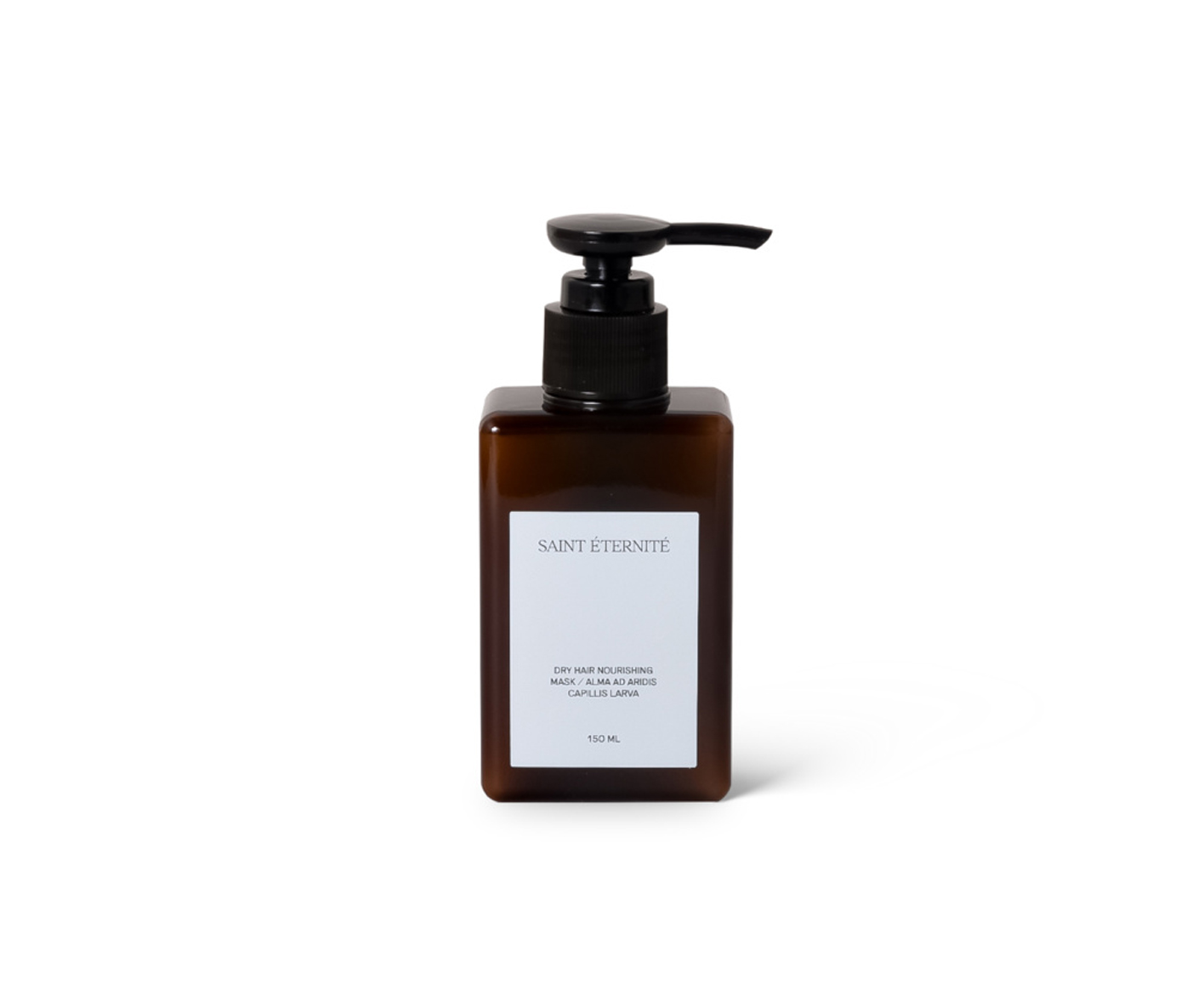
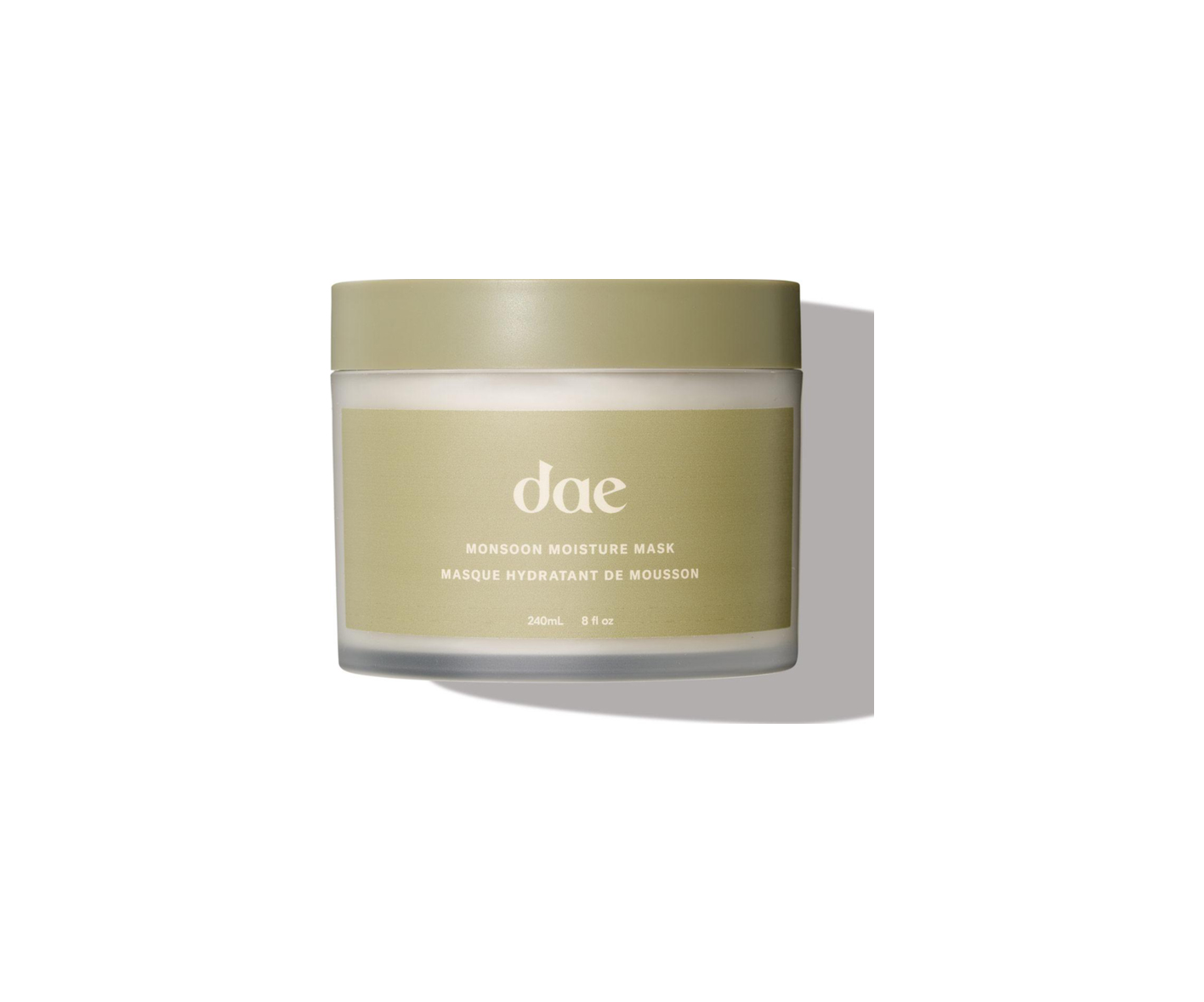
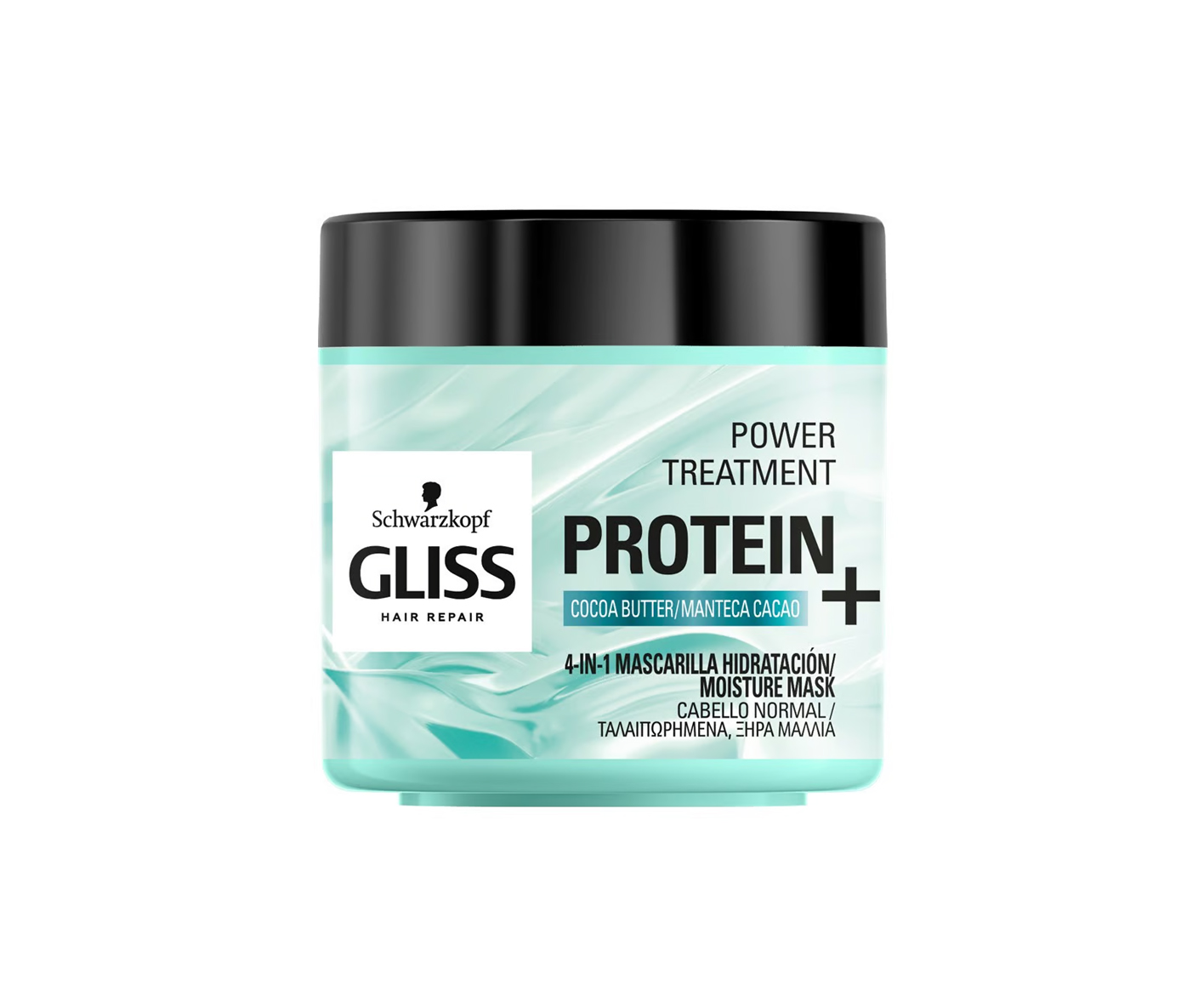
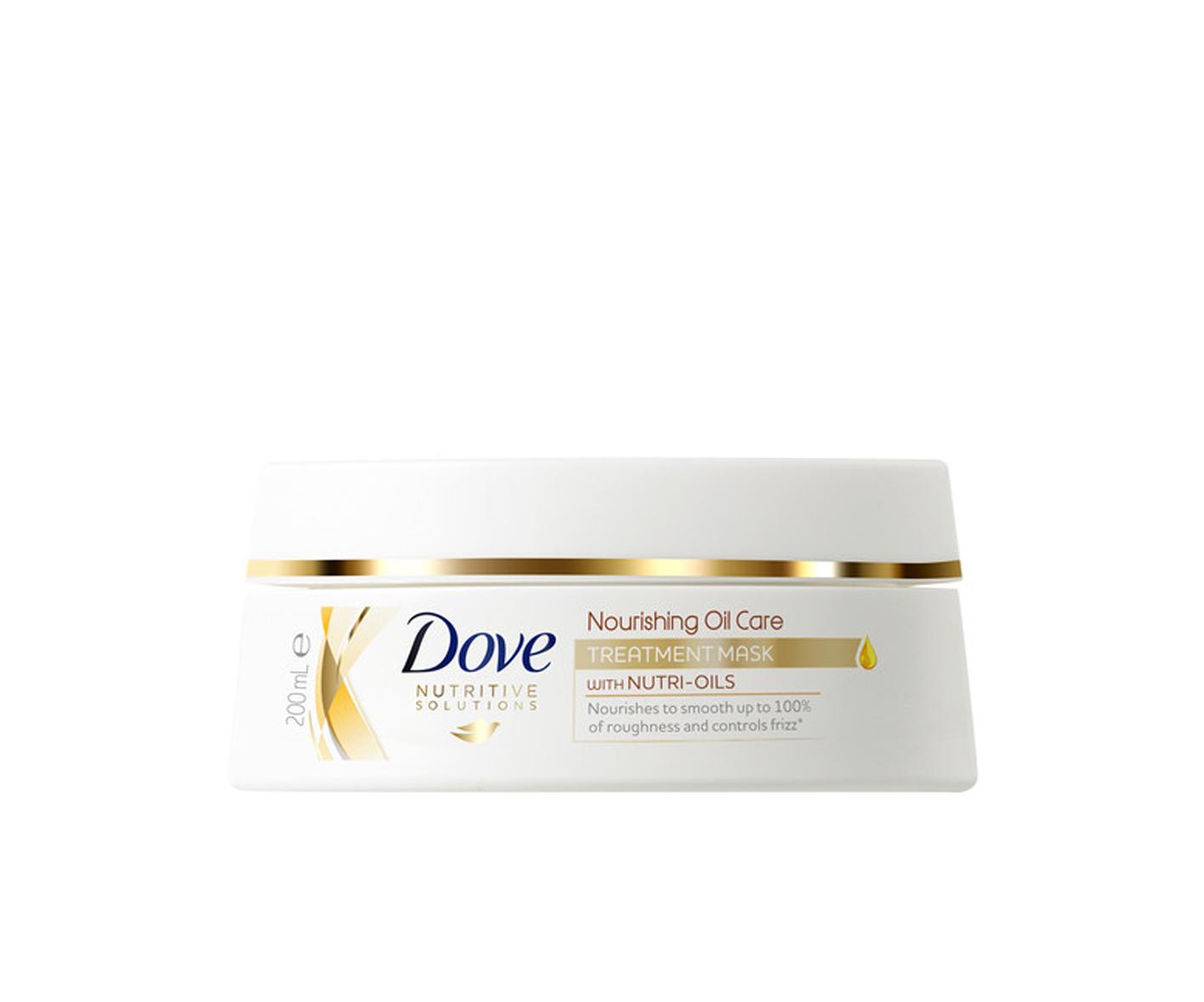
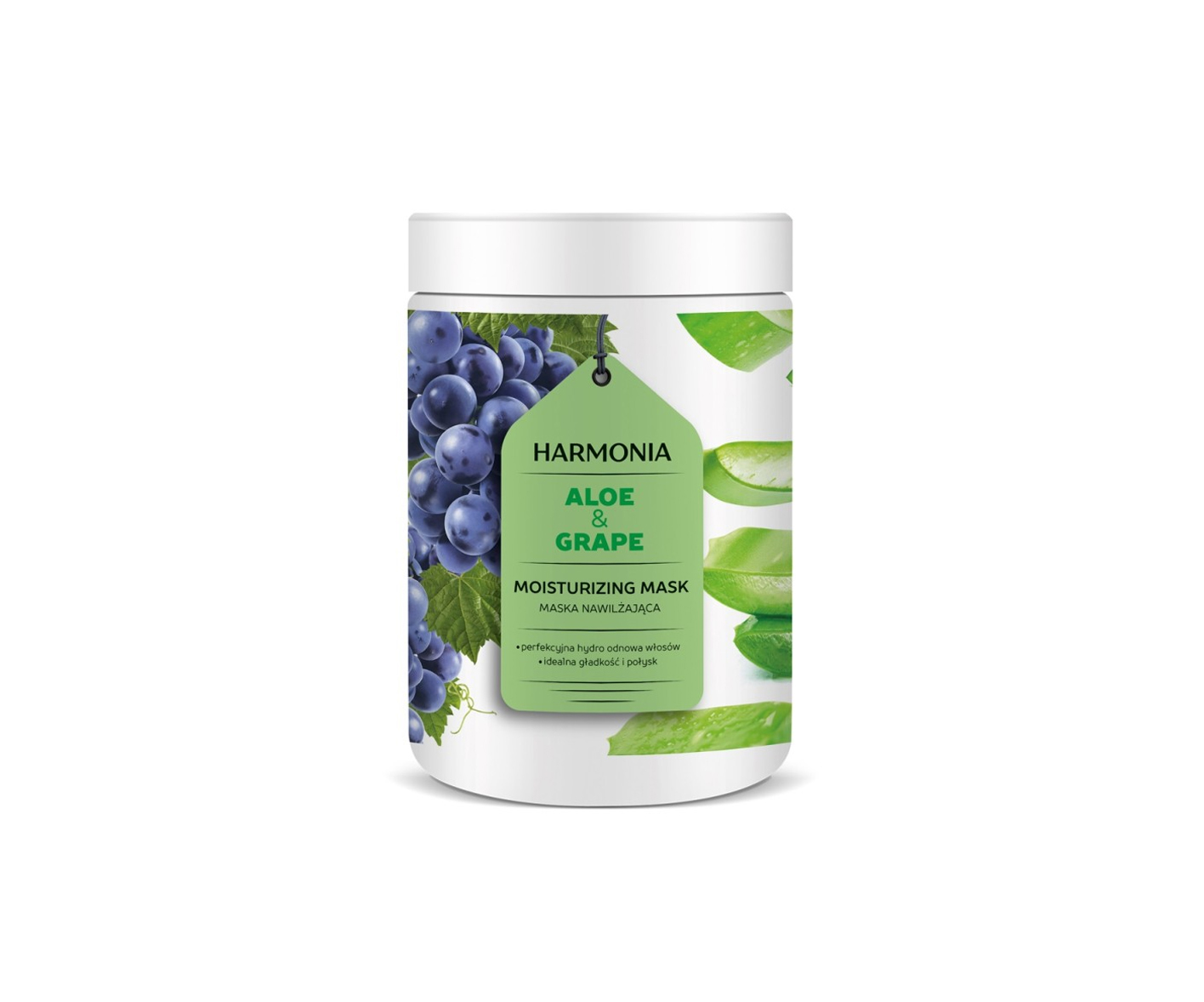
Check outthese 5 suggestions of tried-and-tested moisturising hair masks for healthy and beautiful hair!
The main function of hair is to protect it from sweat and external factors. An equally important function that hair performs is, of course, its aesthetic qualities. Thick and shiny hair is a sign of health and enhances beauty. Many people therefore go to great lengths to ensure that their hair is properly moisturised, nourished and looks beautiful. This article will show you how to care for dry and damaged hair and which products to use to keep your hair looking and feeling its best.
How is hair structured?
Hair is a thread-like and keratinised epidermal product that can be found on a large area of the human skin - primarily on the head, but also around the eyes, under the arms, in the groin, intimate areas, on the lower legs, and in men also on the chin, chest, arms and back.
A single hair consists mainly of a stalk and a root. The stem is the dead part of the hair, protruding above the surface of the skin. It consists of:
- the pith - this is the innermost part of the stem;
- the hair cortex - this is the part surrounding the core. It accounts for around 80% of the weight of the whole hair. It is in this part that the pigments responsible for the colour of the hair are found;
- cuticle - this is the outer part of the shaft, making up around 13% of the hair mass. It is also called the cuticle. It is most vulnerable to thermal, chemical and external damage.
The root is the invisible part of the hair. The root is embedded in the hair follicle and very much influences the appearance and condition of the hair.
The hair root is located in the hollow of the epidermis - the hair follicle. The follicle, also known as the sheath or sheath, protects the root and is surrounded by a strong network of blood and nerve vessels. The rounded shape of the lower part of the root is the pad or otherwise known as the bulb. The bulb contains the very active cells of the hair matrix, from which the hair is formed by division.
The papilla is located underneath the root, is heavily supplied with blood and has many nerve fibre endings to properly nourish the hair and stimulate its growth. The papilla provides the root with the necessary nutrients. Its destruction results in permanent hair loss.
The most common hair problems
The most common hair problems include:
Androgenetic alopecia - this is a common male ailment related to the male sex hormones - androgens. Its causes are genetically determined.
Hair loss: Excessive hair loss can be a symptom of health problems or improper care. Nutritional deficiencies, hormonal changes, excessive tension and stress or scalp diseases can also be causes of this condition.
Oily hair: Excessive sebum secretion by the sebaceous glands of the scalp can lead to unsightly greasy hair. Fatty hair looks stale, thin and lacks volume.
Dry and damaged hair: More often than not, hair becomes dry and dull as a result of frequent use of aggressive styling products, hot air drying, excessive sun exposure, inadequate care or regular use of chlorinated water pools.
Split ends: This condition can be the result of the hair structure being significantly weakened by various external factors and/or improper care.
Hair growth disorder - can lead to uneven distribution of hair on the skin. In the event of this condition, a doctor should be consulted to select appropriate treatments and therapies.
How can hair problems be managed?
Very often, hair deterioration occurs when the body lacks valuable nutrients. For this reason, it is worthwhile to introduce meat and fish into your diet, which are sources of amino acids needed for healthy hair. In addition, you should eat plenty of fruit, vegetables, whole-grain cereals, nuts and seeds, and avoid smoking.
Extremely important in improving the condition of hair is to provide comprehensive care with preparations dedicated to a specific problem. For example, brittle hair needs to be strengthened and dry hair needs to be intensively moisturised. If hair lacks shine, it needs vitamins and minerals to restore its healthy appearance. Each hair type requires an individual approach. Equally important is the condition of the scalp, as this is where the hair roots are located and on which the quality and health of the growing hair depends.
In the case of serious and persistent or recurring hair problems, it is advisable to consult a dermatologist or trichologist to diagnose the cause of the ailment and implement the appropriate treatment.
Moisturising hair masks - what makes them special?
Moisturising hair masks have a much higher concentration of nourishing, moisturising and regenerating ingredients than conditioners or balms. The active ingredients they contain penetrate deep into the hair structure, providing the necessary care and nourishment.
Moisturising masks can be divided into those containing humectants, i.e. substances that strongly moisturise, and emollient masks - which retain water in the hair.
Humectant masks are recommended for very dry and brittle hair. The most popular humectants include hyaluronic acid, glycerine and lecithin.
Emollient hair masks, on the other hand, work well for dry, frizzy and problematic hair. Such masks should contain, for example, argan oil, jojoba oil, olive oil or shea butter.
It is very common to find moisturising masks that combine emollient and humectant properties. Which type of moisturising mask is more beneficial for an individual is determined by hair type and personal preference for active ingredients.
After regular use of a moisturising mask, one can clearly see a difference in the appearance and condition of the hair. They are soft, smooth and shiny. In addition, hair masks with a moisturising effect counteract frizz.
Moisturising hair masks - who are they for?
Moisturising masks are especially for anyone with dry and dehydrated hair. Dry hair is the most susceptible to damage. In order to prevent breakage and split ends, it is important to regularly moisturise your hair with suitable cosmetic products.
Moisturising masks are ideal for people with highly porous hair that tends to frizz. This type of hair is rough and dull. The ingredients in moisturising masks are effective in taming these strands, making them easier to style and care for.
Curly hair is also more prone to dryness than straight or slightly wavy hair. Using a moisturising mask will increase the elasticity and bounce of your curls, nourish and moisturise them. A moisturising mask is also a good product for people with oil-prone hair. Contrary to popular belief, masks are also suitable for oily hair, especially long hair, which may have dry ends despite the sebum-covered scalp. It is therefore advisable to apply a mask before shampooing to avoid overloading.
What are the effects of moisturising hair masks?
Regular use of hair moisturising masks can have the following effects:
Moisturising the hair: A moisturising mask helps to provide the necessary moisture to the hair, which is extremely important for dry and damaged strands.
Softening the hair: Ingredients such as vegetable oils or moisturisers can make hair softer and more manageable.
Reconstruction: Moisturising masks often contain ingredients to help regenerate hair, especially if it has been damaged by chemical or heat treatments.
Improving elasticity: Thanks to nutrients, moisturising masks can increase hair elasticity, which in turn prevents hair breakage.
Hair shine: Moisturised and healthy hair tends to be shinier.
Making detangling easier: Softening ingredients can make the process of detangling hair easier, which is important especially for those with curly or long hair.
Preventing dryness: Regular use of moisturising masks can help prevent hair from becoming dry, especially if it is exposed to harmful external factors.
What are the key ingredients in moisturising hair masks?
The choice of moisturising masks is vast. You can find different ingredients and substances in them. However, a good moisturising mask should contain components such as:
- Glycerine: This is an ingredient that attracts and retains moisture inside the hair.
- Vegetable oils: Vegetable oils such as argan oil, coconut oil or jojoba oil provide fats and nutrients to the hair, helping to moisturise and soften.
- Omega-3 and omega-6 fatty acids: These fatty acids are beneficial to the condition of the hair, helping to maintain elasticity and shine.
- Shea butter: This ingredient has a moisturising, regenerating and strengthening effect on the hair. It also protects the hair from invasive styling treatments.
- Panthenol: Has moisturising properties and helps to improve hair elasticity.
- Plant extracts: Aloe vera, urea, calendula or chamomile, have moisturising and smoothing properties for the hair.
Advantages of using hair moisturising masks
The use of moisturising hair masks has many benefits, which include:
- Intensive hydration of the hair.
- Protection against damage.
- Improving the condition of the hair.
- Increasing the shine of the hair.
- Facilitating styling.
- Prevention of split ends.
- Prevention of dulling hair.
- Ease of application.
- Availability of many products.
Disadvantages of using hair moisturising masks
Although there are many benefits to using hair moisturising masks, there are also disadvantages to using them. Here are examples:
- Excessive use.
- The possibility of allergic reactions.
- Improper selection of ingredients.
- Overloading the hair.
How to use a hair moisturising mask correctly?
Applying moisturising hair masks is fairly straightforward, but it is worth following a few tips to get the best results.
1. Before applying a moisturising mask, wash your hair with your favourite shampoo. Make sure your hair is well cleansed so the mask can better penetrate the hair structure.
2. After washing your hair, gently drain excess water. Hair should be damp, but not wet, to allow the product to distribute evenly.
3 Apply the moisturising mask evenly throughout the hair, focusing especially on the ends and areas that are drier. Avoid applying the product directly to the scalp.
4) If the mask contains active ingredients, gently massage your hair for better absorption.
5. you can use a special hair care cap or wrap your head in a towel. The heat helps to open the hair's scales, making it easier for the nutrients to be absorbed.
6. Leave the mask on your hair for the time recommended by the manufacturer. This is usually 15-30 minutes. Some masks can be left on overnight, if they are designed to do so, of course.
After the specified time, rinse the mask thoroughly with warm water.
Keep in mind that the frequency of moisturising masks depends on the condition of the hair. People with dry or damaged hair may use masks more often than those with healthier hair.
It is always a good idea to check the manufacturer's instructions on the packaging of a particular mask, as different products may have different recommendations for frequency of use.
It is accepted that for very dry hair, a moisturising mask can be used even after every hair wash.
What to look for when choosing a moisturising hair mask?
When choosing a moisturising hair mask, it is worth paying attention to a few important factors to ensure that the product meets all your needs and expectations.
Ingredients: Check the composition of the moisturising mask. Look for ingredients such as glycerine, vegetable oils (e.g. argan oil, coconut oil) or panthenol. Avoid products containing potentially harmful substances such as silicones, parabens or sulphates.
Duration: Some masks should be left on your hair for a few minutes, while others can be left on for longer or even overnight. Choose the product that best suits your preferences.
Fragrance and texture: Make sure the product has a fragrance that is pleasant for you and the texture is what you want. Some people prefer lighter textures, while others prefer thicker textures.
Reviews and feedback: Read product reviews to find out what other people's experiences are. This can provide valuable information about the actual effectiveness of a particular moisturising mask.
Skin test: If you are prone to allergies or sensitivities, it is a good idea to test the product on a small area of skin first to make sure it will not cause an allergic reaction.
Meet the 5 best moisturising hair masks in 2026
When creating our product reviews, we consider the ingredients and research their safety. We analyse the opinions of industry experts and the experiences of product users. We obtain recommendations from authorised retailers and use available sources of knowledge on active ingredients and their effects. We personally verify the action, texture, scent and feel of the products, and assess value for money.
Below are detailed reviews by our editors with a description of each product indicated.