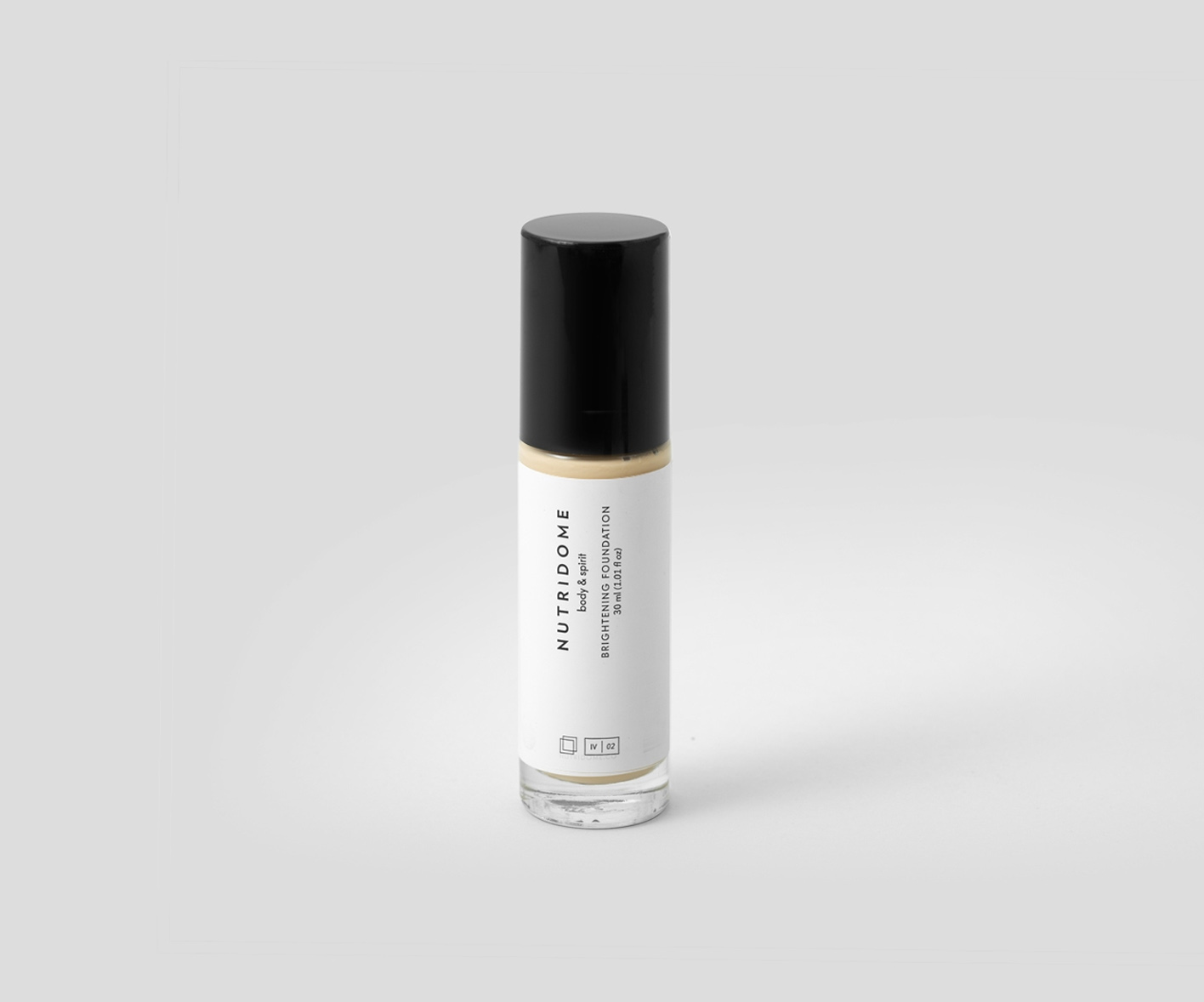
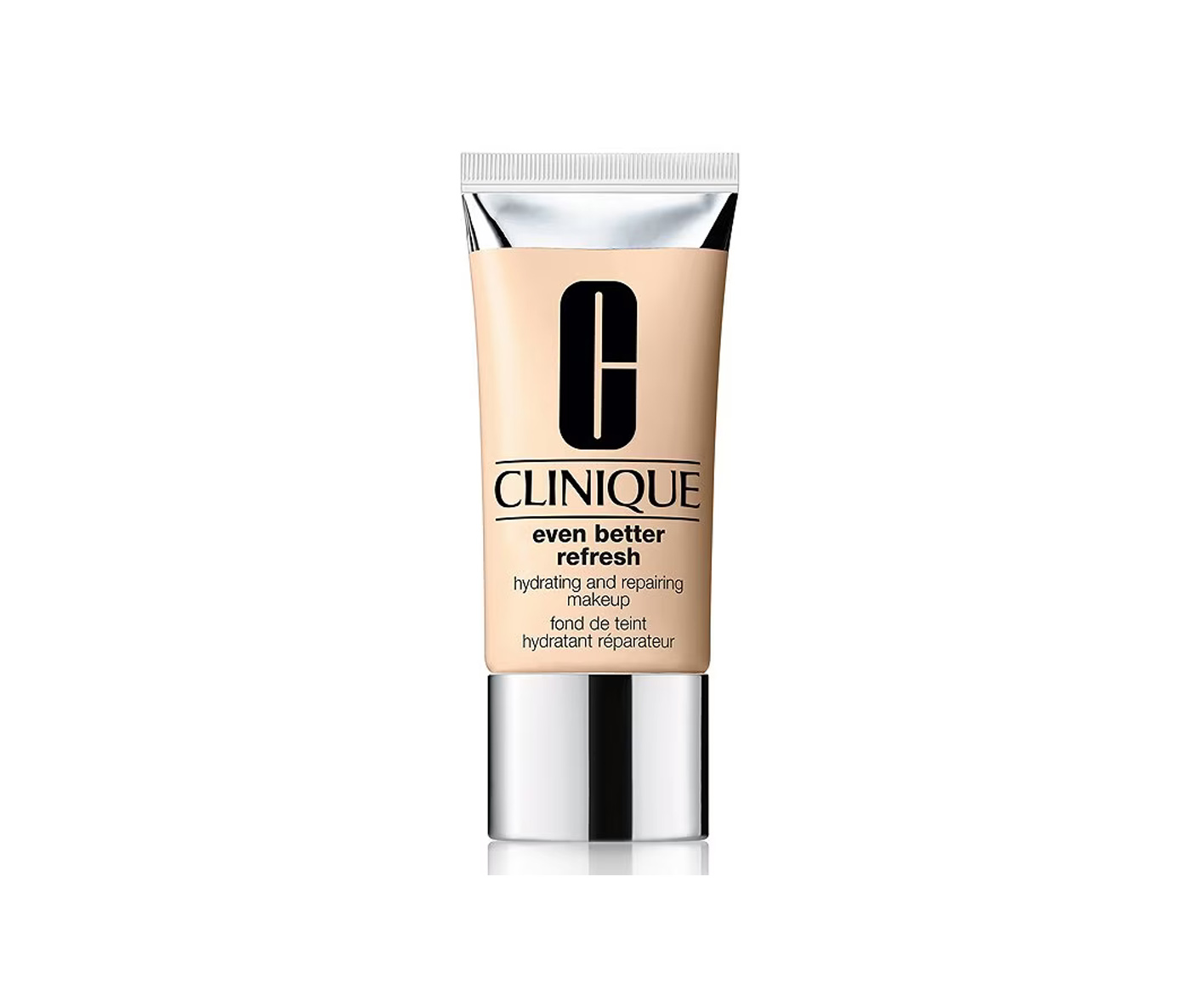
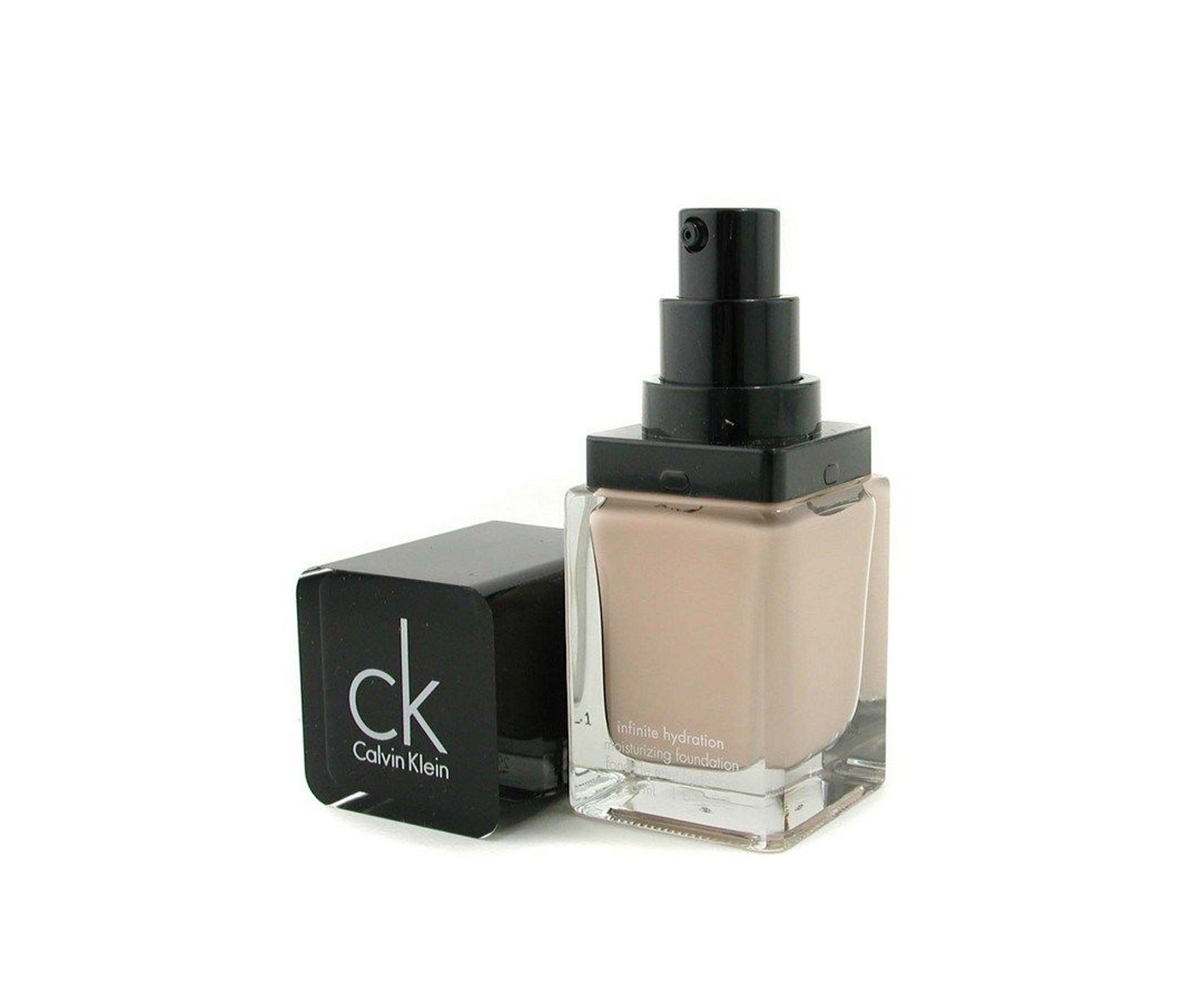
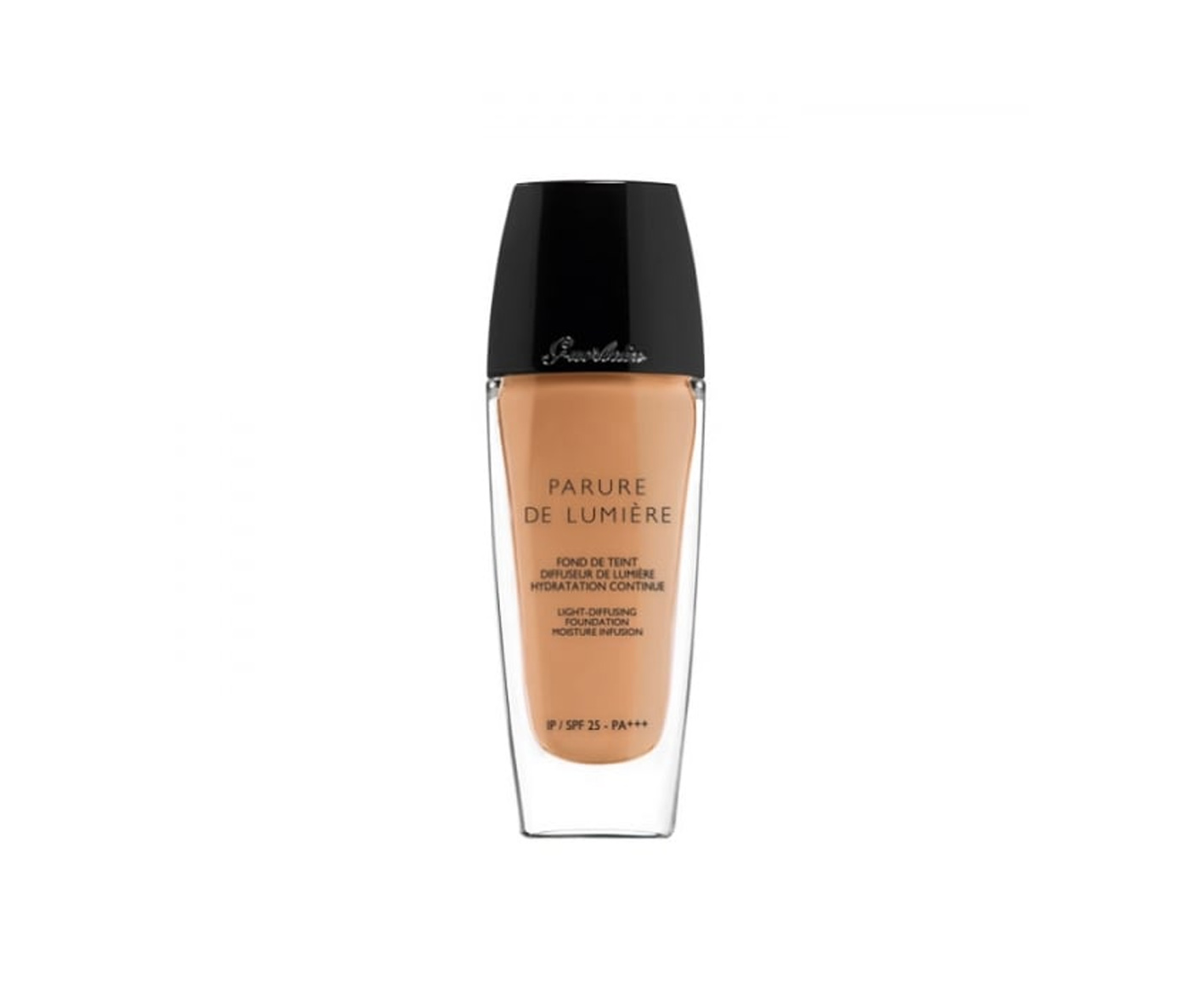
Discover 5 suggestions of tried-and-tested moisturisers for skincare and glamorous make-up.
Facial skin is a mirror of the body's health and condition. Lack of sleep, insufficient hydration, stress and poor diet quickly make the complexion grey, dull and dry and therefore prone to irritation. Therefore, maintaining a hygienic lifestyle and taking the time to care for the skin are extremely important issues to ensure a radiant appearance.
Skin care for the face, is also related to make-up. You should always choose cosmetics that match your skin type. Especially foundation, which stays on the skin all day, should be compatible with the skin type and its needs. Before going to bed, however, make-up should be removed, the skin should be cleansed and a suitable cream should be applied. In this article, you will learn about the characteristics of facial skin, how to care for it properly and which foundations to use to keep it healthy and looking phenomenal.
Facial skin structure
The facial skin, like other parts of the skin, is a rather complex structure with a number of important functions for the proper functioning of the body. Not only does it protect it from harmful external factors such as unfavourable atmospheric conditions, air pollutants or UV radiation, but also processes take place in its individual layers that are very much responsible for the condition and appearance of the skin. The facial skin is made up of three main layers:
The dermis (Latin dermis) is the middle and also the thickest layer of the skin. It is very resilient and tough. It is between 1 and 3 millimetres thick. It is made up of connective tissue and contains blood vessels, sebaceous and sweat glands, numerous dermal papillae, adductor muscle, hair follicles and nerve endings. The main component of this part of the skin is collagen. The dermis consists of layers:
- papillary, which contains the dermal papillae and provides the skin with oxygen and nutrients
- reticular, which contains the collagen and elastin fibres responsible for the skin's firmness and strength, as well as glands, blood and lymphatic vessels and sensory receptors.
The epidermis (Latin epidermis) forms the direct boundary between the body and the external environment. It protects the dermis from harmful substances. The epidermis is mainly made up of keratinocytes, which produce keratin, a protein that gives the skin its strength, and melanin, the pigment that gives hair and skin its colour, which is produced by melanocytes. As we age, the production of this pigment is disrupted and unevenly distributed in the skin, resulting in spots and discolouration, as well as greying. The epidermis consists of 5 layers: horny, light, granular, spinous, basal.
The hypodermis (Latin hypodermis) is located beneath the dermis. It consists mainly of adipose and connective tissue. Functions of this layer include thermal insulation and protection of internal organs.
The facial skin is highly innervated, allowing it to perceive many sensory stimuli such as pain, touch or cold.
Due to the fact that the facial skin is thinner than other parts of the skin, and that it is most exposed to harmful external factors, it often struggles with various ailments and problems. Among the most common are:
Acne It manifests as blackheads, papules and pimples. It can be the result of excessive sebum production, blocked pores, bacterial infection and/or hormonal disorders.
Skin ageing Skin ageing is most and most rapidly visible on the face. The ageing process is natural and manifests as wrinkles, loss of elasticity, sagging, greyness, discolouration and loss of natural radiance.
Skin dryness Skin can be prone to dryness especially during winter or in conditions with limited humidity. Dry skin is rough, flaky, tight and prone to irritation. It can be the result of a lack of adequate and systematic care or be genetically determined.Skin discolouration.
Discolouration of theskin, such as sun spots, acne blemishes and hyperpigmentation, can be the result of excessive melanin production or skin damage.
Dark circles under the eyes Most often caused by an unhygienic lifestyle, smoking, alcohol abuse or excessive sunbathing, but can also be a symptom of health problems.
Dilated pores This facial skin ailment is most often associated with excessive sebum production and abnormalities in the exfoliation of dead skin cells. Skin with dilated pores requires deep cleansing with special cosmetics.
The biggest mistake in facial skin care is using cosmetics that are not adapted to the skin type and its needs. It is important to remember that every skin is different and requires the use of dedicated preparations. Then you can avoid many unwanted and bothersome facial skin problems and ailments.
The most common facial skin problems
Facial skin problems can often be dealt with by using the right cosmetics. The cosmetics industry is offering ever better solutions and ingredients to effectively combat a number of skin ailments. It is also important to remember a few rules to follow in your daily skincare routine. Here are a few of them:
Make-up removal - It is advisable to do this very thoroughly and preferably as soon as you get home. Makeup residue left on the skin clogs pores, making it difficult for the skin to breathe. Imperfections such as blackheads and pimples can then get worse.
The right choice of cosmetics can significantly improve the condition and appearance of the skin. For example, those with dry skin should use oils, while those with oily and acne-prone skin are better off avoiding them.
Sun protection is recommended for use all year round. Even in winter, it is advisable to choose cosmetics that provide UV protection. It is important to remember that skin exposed to the sun dries out faster, ages faster and develops unsightly discolourations.
Regular moisturising of the skin is an activity that is always worth remembering. Moisturising your skin doesn't just make you look more youthful, it also keeps your skin healthy, as dry skin is more prone to irritation or flaking. It is a good idea to moisturise your skin always after bathing and cleansing your face.
Of course, various types of lesions can occur on the skin, such as severe acne outbreaks. It is best to consult your doctor about any changes and recurring skin problems. This is because treatment may often require the use of pharmacological preparations.
Moisturising foundation - how it works
A moisturising primer is undoubtedly a lifesaver for dry, dehydrated skin. This make-up item usually provides full to medium coverage, as well as a favourable illumination of the facial skin.
Thanks to its high content of active ingredients and skincare substances, a moisturising foundation nourishes and smooths the skin and helps it store water. The best moisturising foundations should contain natural oils, vitamins E and C, hyaluronic acid and collagen. Such a cosmetic formula brings an immediate radiant skin effect, but also has a long-term moisturising, firming and camouflaging effect on imperfections.
Using a moisturising foundation can benefit the skin in many ways. However, for best results, it is worth supporting its effects with a daily skincare routine. It is particularly important to apply a moisturiser each time before applying foundation. The use of oils is not recommended as they can break down the foundation and cause it to oxidise.
Moisturising foundations are most often available in the form of a lightweight fluid that spreads easily over the skin and conceals any imperfections. The creamy texture of moisturisers also causes the foundation to melt into the skin, evening out skin tone and creating a natural effect.
Moisturising foundations, like most make-up products of this kind, are available in several shades, allowing you to easily choose the right colour to suit your individual complexion for best results.
Who are moisturisers for?
Moisturising foundations can be used by people with different skin types. However, those with dry and dehydrated skin will appreciate them the most, as they help to retain moisture in the skin's layers, thereby improving hydration and elasticity. Those with sensitive skin can also use moisturising foundations, as they are very gentle and can bring much-needed relief to the skin.
Moisturising foundations are very often used by people with mature skin that requires special and intensive care. By moisturising and smoothing the skin, wrinkles and discolourations can be effectively camouflaged and facial skin can be given a healthy and youthful appearance.
Moisturising foundations should not be used by those with oily skin so as not to cause extra shine on the skin. The best choice for oily skin is mattifying foundations with sebum-regulating ingredients such as silica and salicylic acid.
Those who like natural and light make-up will also appreciate the benefits of moisturising foundations. Due to their light texture, they are often a better choice than heavy and full-coverage foundations.
What are the key ingredients in moisturising foundations?
The following components are most commonly found in moisturising foundations:
- Moisturising ingredients: These are the base ingredients in moisturising foundations, ensuring that the moisture levels in the skin are maintained. These ingredients include glycerine, hyaluronic acid, urea, allantoin, plant oils (e.g. jojoba oil, argan oil), coconut water, among others.
- Pigments and dyes: These are essential to give your moisturiser the right colour to match your complexion and help even out skin tone and hide imperfections.
- UV filters: Some moisturisers contain SPF filters, effectively protecting the skin from UV rays.
-
Anti-aging ingredients: Some moisturisers contain ingredients that stop the skin from ageing. These include, for example, peptides, antioxidants (e.g. vitamin C, vitamin E), collagen, hyaluronic acid, retinol.
- Illuminating pigments: Some moisturising foundations may be enriched with microscopic particles that reflect light, giving the skin a glow.
- Other skincare ingredients: Moisturising foundations may contain various skincare ingredients, such as plant extracts, vitamins or minerals, which further help to maintain the skin's condition.
It is important to bear in mind that moisturising foundations owe their effectiveness to properly selected ingredients. Therefore, you should always read the information on the product packaging carefully to familiarise yourself with its composition and to match the product to your specific skin type.
What results can be achieved with moisturising foundations?
The results of moisturising foundations can vary depending on the brand, formulation and individual skin needs. Therefore, it is worth trying different products to find the one that best meets all expectations. The right moisturising foundation will bring benefits to the skin such as:
Moisturising the skin - this is the most expected result of moisturising foundations. Maintaining the right level of moisture is extremely important to keep the skin healthy and well cared for.
Smoothing and unifying colour - with pigments that give the skin a uniform colour and mask imperfections such as blemishes, redness or fine lines, the skin becomes smoother and more radiant.
A natural look - moisturising foundations give a more natural look to the skin than full coverage foundations due to their light texture. The skin looks fresh and healthy and the make-up is more subtle.
UV protection - moisturising foundations may contain SPF to provide protection from harmful UV rays that contribute to faster skin ageing and damage.
Skin comfort and protection - the light texture of moisturising foundations does not weigh down the skin, which can be a huge advantage for those with sensitive skin.
Advantages of using moisturising foundations
Moisturising foundations are cosmetics that combine glamorous make-up with skin care. Their use has many benefits for the health and appearance of the skin. Here are the main benefits of moisturising foundations:
- Hydration of the skin.
- Natural-looking make-up.
- Skin care.
- Smoothing of the skin.
- Protection against UV radiation.
- Comfort for sensitive skin.
- Availability of many shades.
- Lightness of make-up.
- Ease of application.
Disadvantages of using moisturising foundations
Despite their many advantages, moisturising foundations can also have disadvantages that are good to know about before applying them. Here are examples:
- Light coverage.
- Short make-up wear time.
- Not recommended for oily skin.
- Poor shade selection.
- Allergic reactions.
How often do I apply moisturising foundations?
A moisturising foundation can be used daily without any problems. This is very good news for anyone who cares about wearing a nice make-up every day. In these situations, using a moisturising foundation is a very good choice, as the lightweight formula and light coverage provide a natural and subtle effect. A moisturising foundation also works very well during the hot summer months. Because it is not as heavy as heavily opaque foundations, it will not run off and shine unsightly when combined with sweat. Also in winter or in dry climatic conditions, a moisturising foundation can significantly help to keep the skin hydrated and prevent dryness.
How do you apply moisturising foundation?
Start by thoroughly cleansing your facial skin. Use a mild cleanser or toner, then apply a moisturiser that is designed for your skin type.
Optionally, you can apply a make-up base, which will make your moisturiser easier to spread and your make-up more stable.
You can apply moisturiser with your fingers, a sponge or a foundation brush. The choice of tool depends on your personal preference and the effect you want to achieve. Applying foundation with your fingers is the most comfortable and efficient way. A make-up sponge can give a more natural effect, while a brush provides a more precise and even distribution of the product.
If using your fingers:
Gently work the foundation into the skin of your face, starting from the centre and working outwards. Avoid rubbing the skin excessively.
If using a make-up sponge or brush:
Apply a small amount of foundation to the sponge or brush. Gently apply the product to the skin, using the stamping method, starting from the centre of the face and spreading outwards. Lightly press the foundation onto the skin to melt and set.
Make sure the foundation is evenly distributed over the entire face, including the areas around the eyes, nose and mouth, and try not to apply too much product to keep the effect as natural as possible.
When you have finished applying, wash and dry your sponge and brush thoroughly. An unwashed and damp one is the perfect environment for bacteria to breed, which can be very bad for your skin.
What should I consider when choosing a moisturising foundation?
Skin type: When choosing a moisturising foundation, tailor it to your skin's needs and type.
Composition: Choose moisturising foundations that contain ingredients such as glycerine, hyaluronic acid or natural plant oils. If you are additionally concerned about specific skin care, look for a moisturising foundation with additional ingredients such as SPF filters, antioxidants or anti-ageing ingredients. Avoid products containing parabens, artificial colourings and fillers or other potentially harmful substances, especially if you have sensitive or allergy-prone skin.
Foundation shade: Choose a moisturising foundation shade that matches your complexion. Avoid shades that are too dark or too light for the most natural make-up effect.
Durability: Choose moisturising foundations that are long-lasting and do not require makeup touch-ups.
Reviews and testimonials: Read user reviews of a particular moisturiser to get information about its actual performance and properties. This will allow you to make the best possible decision.
Discover the 5 best moisturisers in 2026
When creating our product reviews, we consider the ingredients and research their safety. We analyse the opinions of industry experts and the experiences of product users. We obtain recommendations from authorised retailers, and use available sources of knowledge about active ingredients and how they work. We personally verify the action, texture, scent and feel of the products, and assess value for money.
Below are detailed reviews by our editors with a description of each product indicated.