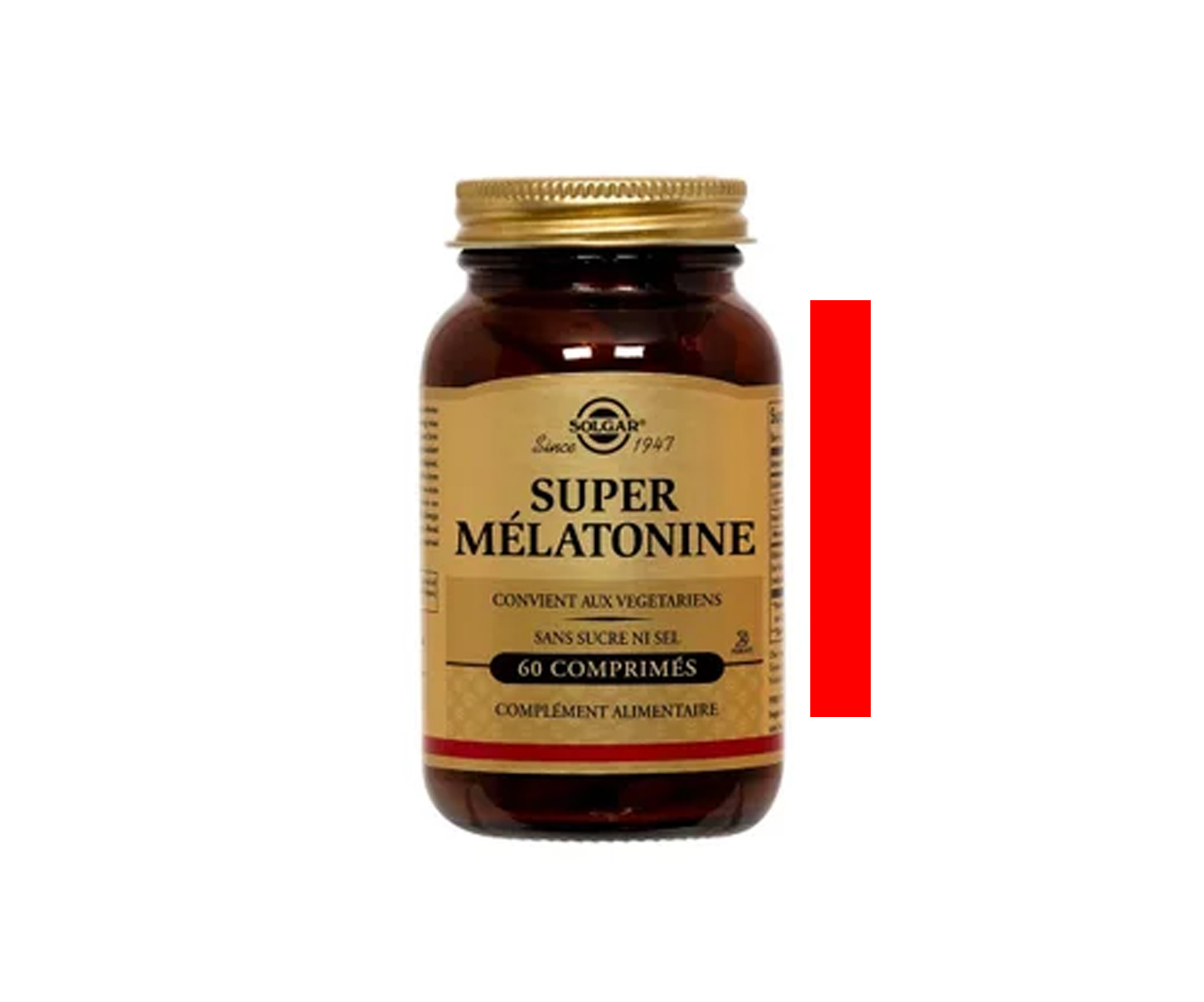
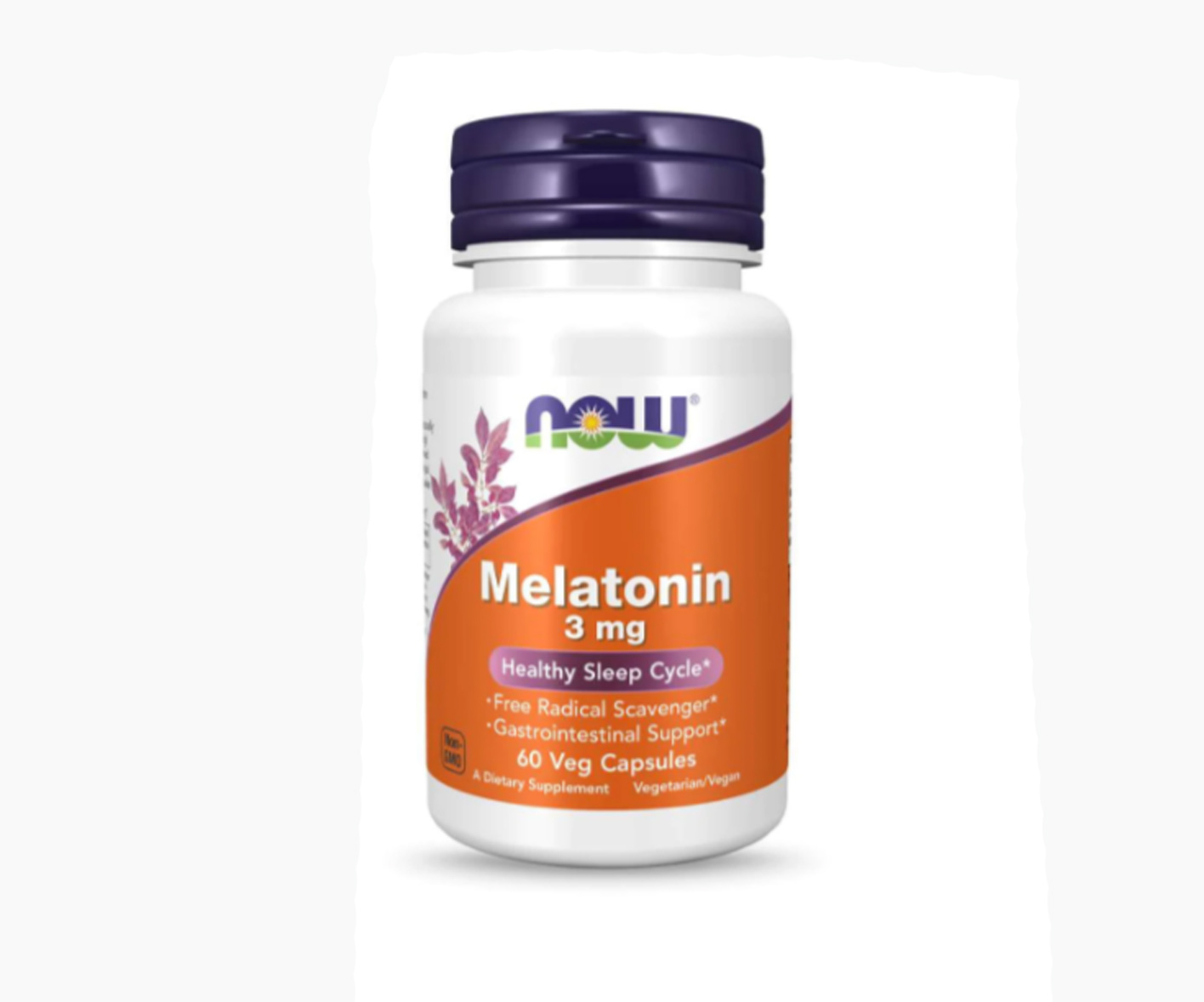
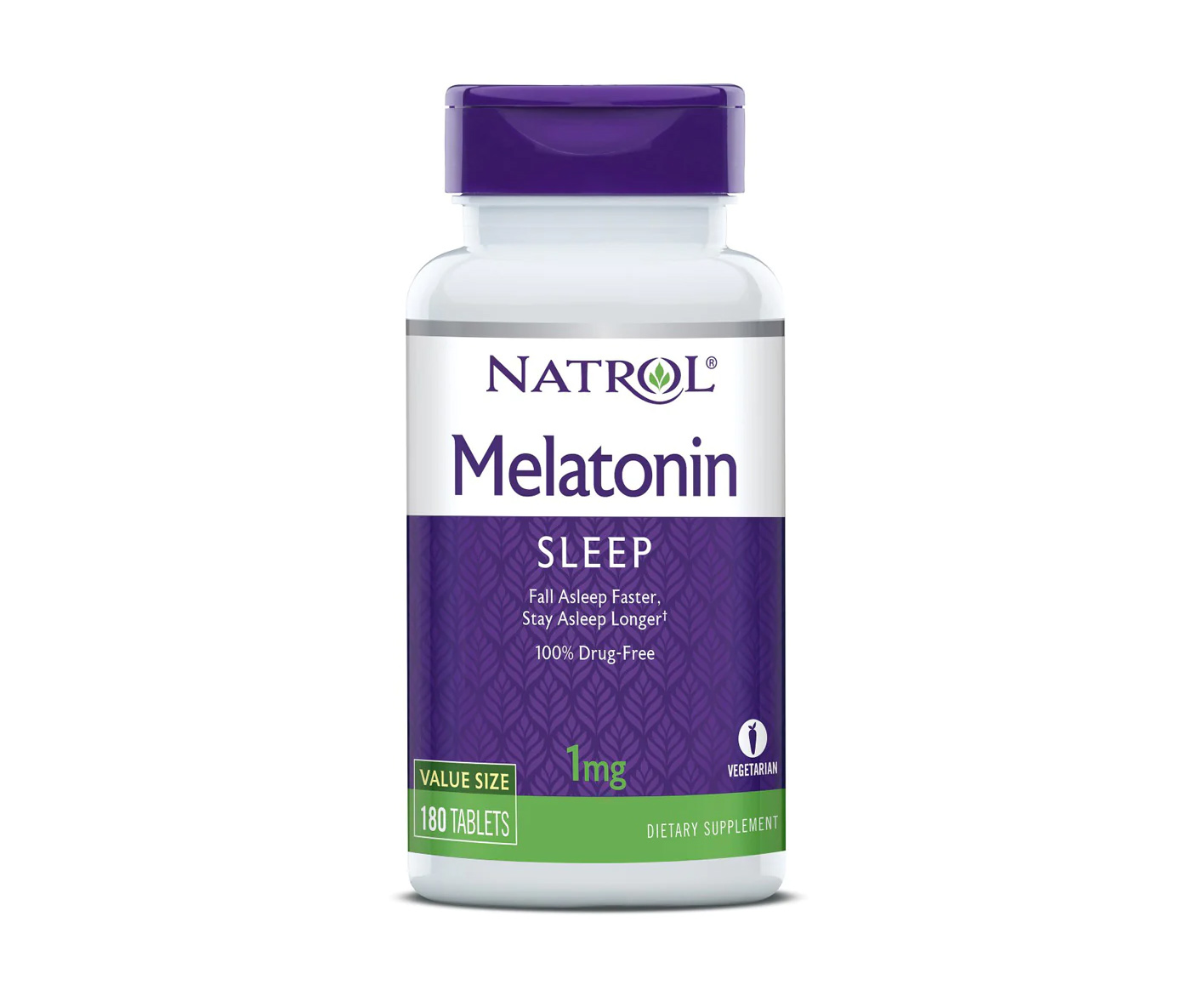
Explore 5 suggestions for melatonin supplements and sleep soundly
Sleep has a significant impact on the human body and plays a key role in maintaining physical and mental health. Sleep has a significant impact on the human body and plays a key role in maintaining physical and mental health. It enables the body to rest and regenerate. During sleep, repair processes take place at the cellular level, allowing damaged tissues and organs to regenerate. This helps to keep the body in good shape. Sleep affects the regulation of many metabolic processes, including energy metabolism and blood sugar levels. Sleep plays a role in regulating emotions and mental stability. Lack of sleep can lead to mood disorders such as depression and anxiety, and increases susceptibility to stress. Lack of adequate sleep can lead to a range of health problems such as fatigue, mental health problems and even serious conditions such as cardiovascular disease and obesity. Sleep is therefore essential for our overall health and wellbeing, and maintaining a healthy sleep rhythm is key.
In the following article, you will learn about the importance of sleep for your body, what melatonin is and why we need it so much.
Sleep
Sleep is a natural state of reduced consciousness and physical activity that occurs regularly in humans and other animals. It is a period during which the body rests and recovers, and the brain goes through various phases of activity and rest. Sleep is extremely important for the health and overall functioning of the body. During sleep, consciousness is reduced compared to the waking state. A sleeping person has limited or no awareness of their surroundings. During sleep, the muscles become more relaxed and there is often a decrease in muscle tension. Therefore, sleep is also a period of rest for the muscles.
Sleep consists of the REM (Rapid Eye Movement) and NREM (Non-Rapid Eye Movement) sleep cycles, which alternate throughout the night. The REM phase is characterised by rapid eye movements and intense brain activity. The NREM phases are usually a deeper sleep in which physical recovery takes place.
Sleep plays an important role in information processing and memory consolidation. During sleep, the brain processes the experiences of the day, and this process helps in remembering and processing information. During the REM phase, when the brain is extremely active, dreams can occur. Daydreams are vivid and sometimes fantastic scenarios or images that can have different meanings and effects on emotions and moods.
Sleep helps regulate our diurnal rhythm, or sleep-wake cycle. The body adapts to changing light conditions, which affects our need for sleep and wakefulness. Nocturnal rest affects the secretion of many hormones, such as melatonin (a sleep-regulating hormone), cortisol (a stress hormone) and growth hormones. Adequate sleep is important for maintaining hormonal balance.
Sleep is crucial for physical and mental health. Lack of adequate sleep can lead to health problems such as fatigue, concentration problems, mood problems and even chronic diseases. Therefore, maintaining a healthy sleep rhythm and taking care of the quality of sleep is important for overall wellbeing.
Structure of the brain
The brain is a very complex and specialised organ of the central nervous system that plays a key role in the control of body functions, thinking, behaviour, emotions and perception. For the brain to work properly, it is essential to maintain proper sleep hygiene. The brain is an organ with a complex structure.
The cerebral cortex is the outer layer of the brain. It consists of billions of nerve cells (neurons) and is responsible for advanced cognitive functions such as thinking, planning, processing sensory information, speech and decision-making. The cerebral cortex is divided into many areas, each with its own unique functions.
The great cerebellum is the largest part of the brain and is responsible for coordination of movements, sensory analysis and many other functions. It is divided into two hemispheres, the left and right, which are connected by the cerebral great cerebellum (corpus callosum).
The cerebellum is a small structure located in the posterior part of the brain. It is responsible for balance control, coordination of muscle movements and postural control.
The brain stem connects the brain to the spinal cord and is a key structure controlling vital functions such as breathing, heart rhythm, blood pressure and consciousness. It is made up of three main parts: the sternum, the midbrain and the medulla oblongata.
Thespinal cord is the structure that connects the brain to the rest of the body. The spinal cord transmits signals between the brain and the body and controls many automatic functions, such as reflexes.
The hypothalamus is an area of the brain that plays a key role in regulating body temperature, water and electrolyte balance and many other metabolic processes. It also controls the secretion of many hormones.
The hippocampus is a structure located inside the frontal part of the brain and is important for memory processes, particularly the conversion of short-term memory into long-term memory.
The amygdala is responsible for processing emotions and responses to emotion-related stimuli such as fear and anxiety.
The forebrain is the front part of the brain, which contains structures responsible for planning, motor control, social behaviour and many other functions.
The limbic system is a group of brain structures, including the hippocampus, amygdala and forebrain, which is involved in emotion regulation, memory and social behaviour.
Above, we described the basic structure of the brain. Each part of the brain has its own unique functions, and many of them work together to keep the body and mind functioning properly.
What happens in the brain when you sleep
When you sleep, various activities and processes take place in the brain that help with recovery, information processing, and maintaining mental health. Here are some of the main phenomena that occur in the brain during sleep:
REM and NREM sleep cycles Sleep consists of the REM (Rapid Eye Movement) and NREM (Non-Rapid Eye Movement) sleep cycles, which alternate throughout the night. During NREM, the brain goes through different phases of sleep, from light sleep to deep sleep. During REM, the most intense brain activity occurs and is accompanied by rapid eye movement (under closed eyelids).
Memory consolidation Sleep is crucial to the process of memory consolidation. During sleep, the brain processes information and experiences from the day, transforming them into lasting memories. This is why sleep is important for learning and remembering.
Emotion regulation During sleep, the brain processes emotions and helps to regulate mood. REM sleep is particularly associated with emotion processing and daydreaming.
Resting the brain Sleep allows the brain to rest and prepare for a new day. During sleep, certain areas of the brain, especially those associated with cognitive functions such as attention and concentration, can regenerate.
Brain cleansing During sleep, a process of brain cleansing takes place. The brain's lymphatic system, known as the 'glymphatic system', is active during sleep and helps remove toxins and unnecessary chemicals from the brain.
Information processing Sleep can help process information and solve problems. During sleep, the brain can make connections between different pieces of information, which can lead to new ideas and solutions.
Dream creation During REM sleep, the brain generates dreams. This sleep is characterised by intense brain activity, and sleepers in this stage can experience vivid and complex dreams.
Body temperature regulation During sleep, the body temperature decreases, which can help to conserve energy and maintain a healthy sleep rhythm.
It is worth noting that sleep is not a homogeneous state, but a complex process that involves different phases and brain activities. Each stage of sleep has its own unique role in the physiological and mental processes taking place in the body. Therefore, sleep is not only a time for rest, but also a key element in the healthy functioning of the brain and the body as a whole.
Melatonin
Melatonin is a hormone that is naturally produced by the human body, mainly in the pineal gland in the brain and in smaller amounts in some other tissues. The main function of melatonin is the regulation of the diurnal rhythm, especially the regulation of the sleep-wake cycle. This means that melatonin helps to control when we are sleepy and when we are active. Melatonin helps the body adapt to changes in ambient light. Its production increases in response to a decrease in light, especially in the evening. This signals to the body that it is time to prepare for sleep.
Melatonin is available in supplement form and is used by some people to help regulate sleep, especially in cases of sleep disorders, time zone changes (jet lag) and shift work. It can also be consumed to improve sleep quality. Melatonin also has other functions in the body. It is known for its anti-cancer, antioxidant and immune system effects. However, many of these effects are still being studied and the full range of melatonin's actions are not yet fully understood.
Melatonin is one of the key elements regulating our sleep and wakefulness, so its balance in the body is important for our health and wellbeing. If you are experiencing sleep problems or thinking about using melatonin supplements, it is worth consulting your doctor for appropriate advice and guidance on dosage and safety.
Who melatonin is for
Melatonin can be used by a variety of people to improve sleep quality or regulate the diurnal rhythm. Melatonin is often used as a supplement to improve sleep quality in people suffering from insomnia, difficulty falling asleep or awakenings during the night.
Shift workers, especially those who work nights or shifts, can use melatonin to adjust the body's diurnal rhythm to their work schedule.
Melatonin can be helpful in relieving symptoms of jet lag (fatigue after travelling between time zones) and adjusting the body to the new local time.
Some people experience seasonal depression during periods with reduced natural light, such as winter. Melatonin can help regulate mood and sleep in such cases.
Melatonin production can decrease with age, which can lead to sleep problems in older people. Melatonin can be used to alleviate these problems. Melatonin is sometimes prescribed by doctors to children with certain sleep disorders, such as Delayed Sleep Phase Disorder. However, it is worth noting that a doctor should always be consulted before starting melatonin in children, especially in supplement form. Melatonin has some contraindications and may react with other medications, so it is important to use it as recommended by a specialist.
Effects of melatonin supplements
Melatonin is a naturally occurring hormone in the human body that regulates sleep and wakefulness rhythms. Melatonin supplements are often used to improve sleep quality or alleviate symptoms associated with sleep disorders. Here are some effects of melatonin supplements:
Melatonin can help reduce the time it takes to fall asleep. It improves the overall quality of sleep, especially in people with sleep disorders such as insomnia. In addition, it helps to adjust sleep-wake rhythms, which is particularly beneficial for people who work shifts or travel across time zones. Melatonin is often used to alleviate symptoms of jet lag, the discomfort associated with a sudden time zone change when travelling. Melatonin supplements can be used as part of therapy in patients with certain types of sleep disorders, such as childhood sleep disorder.
Melatonin has antioxidant effects, meaning that it can help protect cells from oxidative damage.
Key ingredients in melatonin supplements
Melatonin supplements are popular as sleep aids and for regulating diurnal rhythms. The key ingredient in such supplements is, of course, melatonin, but they may also contain other ingredients that are designed to improve sleep quality or support the action of melatonin. Here are some of the key ingredients that may be found in melatonin supplements:
- Melatonin - is a key ingredient in melatonin supplements. Melatonin helps regulate the diurnal rhythm and control sleep-it is important to provide the body with the right amount of melatonin at the right time.
-
L-theanine-an amino acid found in tea that can help with relaxation and stress reduction. Some supplements combine melatonin with L-theanine to improve sleep quality.
-
Vitamins and minerals - (e.g. vitamin B6, magnesium or zinc) can help regulate and improve sleep quality.
-
Herbs and plant extracts - (e.g. lavender, lemon balm or hops) have a calming effect and help with sleep.
-
5-HTP (5-hydroxytryptophan) - a chemical compound that can help increase serotonin levels in the brain. Serotonin is a neurotransmitter associated with mood and sleep regulation, which is why some melatonin supplements contain 5-HTP.
-
Adaptogenic plant extracts - plants such as ashwagandha and ginseng are considered adaptogens, which help the body cope with stress and can support sleep.
-
Other calming ingredients - supplements may contain additional calming ingredients such as GABA (gamma-aminobutyric acid) or gamma-aminobutyric acid. GABA is a neurotransmitter that can help with relaxation and improve sleep.
It is important to note that the ingredients in melatonin supplements can vary from brand to brand and product to product. It is always a good idea to check the product label and consult your doctor if in doubt, especially if you are taking other medications for sleep disorders.
Benefits of melatonin supplementation
- Melatonin provides your body with many benefits. Here are some of the benefits of supplementation with melanin products:
- Improved sleep quality
- Regulation of sleep and wakefulness rhythms
- Mitigating the effect of jet lag
-
Helping to treat certain sleep disorders
- Safe alternative to sleep medication
- Antioxidant effect
- Can be used in the treatment of some neurological disorders
Undesirable effects of melatonin supplementation
Melatonin supplementation is usually considered relatively safe, but can lead to some adverse effects, especially when used in excessive amounts or inappropriately. Below are some potential adverse effects of melatonin supplementation:
- Daytime sleepiness
- Headaches
- Dizziness
- Stomach problems
- Digestive disorders
- Changes in mood
- Nightmares or strange dreams
- Habituation and tolerance
It is worth noting that most side effects are relatively mild and transient. However, if you experience any adverse effects after melatonin supplementation or have concerns about its use, you may wish to consult with your doctor, who can help you determine the appropriate dose and use of melatonin and assess whether it is appropriate for your condition and needs.
How often to take melatonin supplements
The frequency of use of melatonin supplements can depend on a number of factors, such as your individual sleep needs, the type of sleep problem and the recommendation of your doctor or the supplement manufacturer. Melatonin can be used occasionally when you have difficulty sleeping or need to adjust your sleep and wakefulness rhythms, such as when you are travelling through different time zones. In this case, you can only take melatonin when necessary.
For short-term sleep problems or discomforts, melatonin can be taken for a few days or weeks until your sleep improves or you adjust to a new sleep rhythm. If you have chronic sleep problems or other sleep disorders, melatonin supplementation can be used long-term.
Some people use melatonin seasonally, for example during the winter when the days are shorter and it can be harder to fall asleep, or at times when there is a lot of stress.
It is always a good idea to follow the directions on your melatonin supplement packet or your doctor's recommendations if you have been given such instructions. Dosage and frequency may vary depending on the brand and type of melatonin.
Melatonin - how to dose
Consuming melatonin according to the correct directions can help you achieve the desired effects of improving sleep or regulating sleep and wakefulness rhythms. Here are some general recommendations on how to consume melatonin:
1. choosing the right dose Choose a dose of melatonin appropriate to your needs. Dosage may vary by brand and product. For many people, the dose is between 0.5 mg and 5 mg before bedtime.
2 Taking melatonin before bed Melatonin is usually taken 30 minutes to 1 hour before bedtime. This is the amount of time it takes to achieve the right concentration of melatonin in the blood when you want to fall asleep.
3 Avoid exceeding the recommended dose Do not exceed the recommended dose of melatonin as this may increase the risk of side effects such as daytime sleepiness or other symptoms.
4 Take melatonin without food Melatonin is best taken on an empty stomach or at least 2 hours after your last meal. Food can affect the absorption of melatonin, so avoid taking it after heavy meals.
5 Regularity of use If you are using melatonin long-term, try to keep your intake regular, even on your days off or at weekends.
6. Avoid alcohol and psychoactive substances Avoid alcohol and other psychoactive substances that can affect sleep and the effects of melatonin.
7. Monitor effects and side effects Keep track of your experience with melatonin, paying attention to the quality of your sleep, possible side effects and effects. If you have any concerns, consult your doctor.
8 Dose adjustment If melatonin is not having the desired effect or you are experiencing side effects, consult your doctor to adjust the dose or method of use.
Remember that melatonin is a supplement and its effectiveness and effects may vary from person to person. Therefore, it is important to adapt its use to your individual needs and avoid the risk of side effects.
Which melatonin will be best?
When choosing melatonin as a supplement, there are several factors to consider in order to make the right choice. Here are some considerations that may help you decide:
Purpose of supplementation: Consider why you want to use melatonin. Is it to help you fall asleep, regulate your sleep-wake rhythm, or perhaps to alleviate jet lag symptoms? Your goal will help determine the appropriate dose and type of melatonin.
Dosage: Melatonin can be found in a variety of doses, usually from 0.5 mg to 10 mg or more. Choose a dose that suits your needs and always start with a lower dose, especially if you have no experience with melatonin.
Form: Melatonin comes in various forms such as tablets, capsules, chewing gum and even sublingual sprays. Choose the form that is most convenient and effective for you.
Product purity and quality: make sure you choose a melatonin product from a reputable manufacturer that adheres to quality and safety standards. Check the product label to make sure it contains the exact dose of melatonin. It is a good idea to read reviews about the product before you buy it.
Safety and side effects: read the label and product information leaflet to understand potential side effects and interactions with other medicines or supplements. If you have any concerns, consult your doctor before starting supplementation.
Length of use: Consider whether you plan to use melatonin short-term or long-term. For short-term use, choose supplements that can be used on occasion, while for long-term use it is advisable to consult your doctor.
Price: Compare the prices of different products and make sure you choose a product that fits within your budget.
Remember that melatonin is a supplement and its effectiveness can vary from person to person. Therefore, it is important to choose products carefully and tailor the dosage to your individual needs.
Discover the top 5 melatonin supplements in 2026
When creating our product reviews, we consider the ingredients and research their safety. We analyse the opinions of industry experts and the experiences of product users. We obtain recommendations from authorised retailers and use available sources of knowledge on active ingredients and their effects. We personally verify the action, texture, scent and feel of the products, and assess value for money.
Below are detailed reviews by our editors with a description of each product indicated.