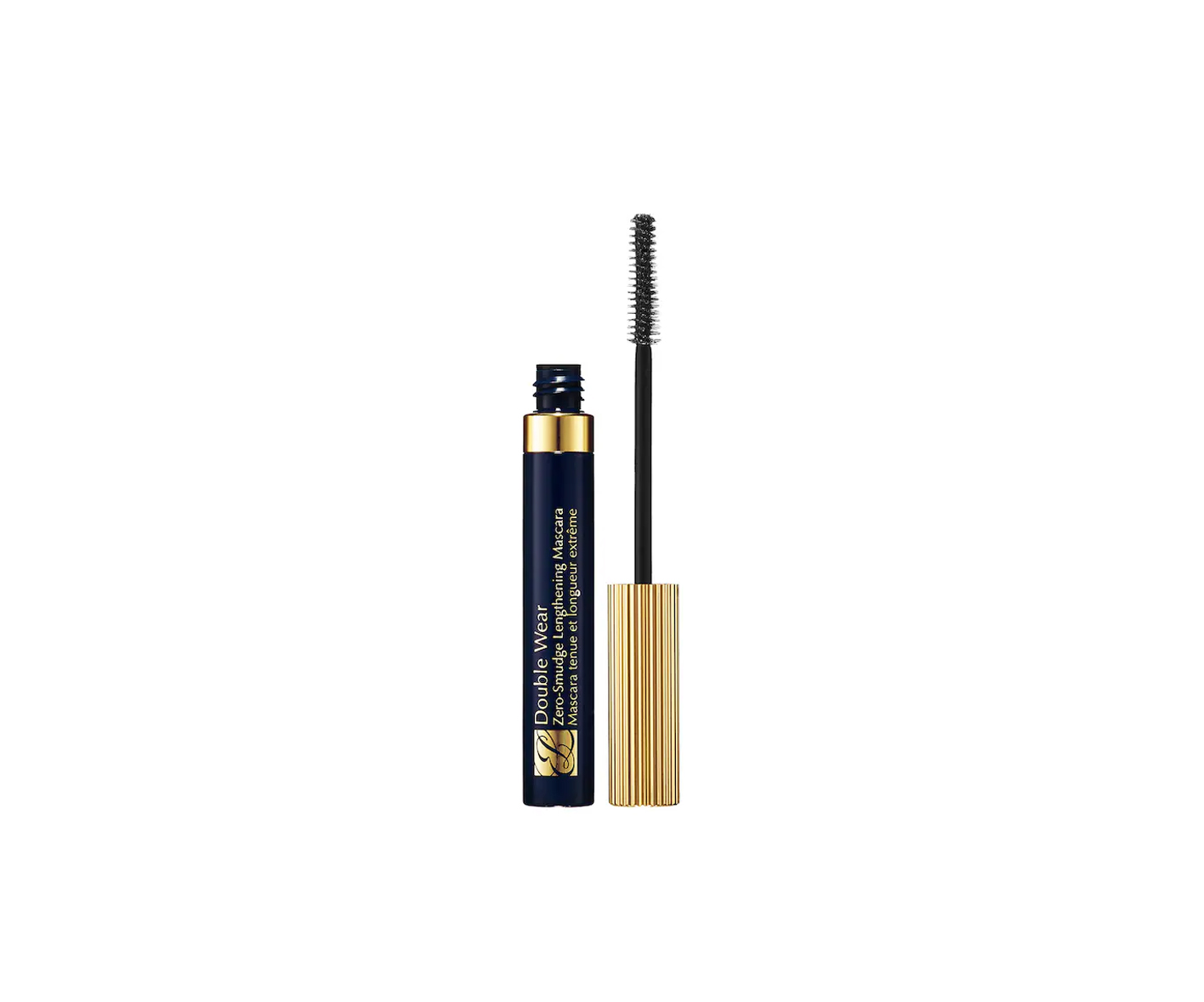
Discover 5 mascara suggestions for stunningly beautiful and sensual eyes!
Eyelashes are the fine hairs that grow from the upper and lower eyelids of the eye. More are found on the upper eyelid (around 120-250 pieces). They are also longer than those on the lower eyelid (around 50-150 hairs). Eyelashes fall out and grow back every 100-150 days or so.
Eyelashes are also an eye decoration for many people, so cosmetic companies develop conditioners and mascaras to strengthen the hairs, change their colour, optically thicken or lengthen them. In this article you will learn about the stages of eyelash growth and the types and suggestions of mascaras, which will make it easier to choose this almost indispensable cosmetic product.
What is the function of eyelashes?
The primary function of eyelashes is to reduce airflow into the eye. Eyelashes are a natural protection against the penetration of pollutants into the eyes - dust, dust mites, insects, sweat and water (e.g. when bathing). The hairs on the upper and lower eyelids protect the eyeball from excessive penetration of UV rays into the eye. Unfortunately, this protection is only partial, so it is advisable to wear sunglasses with a UV filter.
Eyelash growth cycle
Eyelashes on the upper eyelid reach an average length of 8-12mm. It is a natural process for eyelashes to fall out and new ones to appear in their place. It is assumed that a single eyelash lives for about 3 months, with about 2-3 eyelashes falling out from one eyelid each day.
An eyelash goes through 3 growth phases throughout its life: anagen, catagen and telogen. The life cycle of a hair can last from 2 to 4 months. In each phase, the eyelashes are divided evenly, i.e. approximately 33% of the eyelashes each.
Anagen phase (active growth)
In the first phase, the eyelashes actively grow for approximately 30-45 days. Each lash grows to a certain length and then stops.
Catagen phase (resting phase)
In the second phase of the cycle, the eyelash reaches its maximum length and stops growing and the hair follicle becomes smaller. This phase lasts approximately 2-3 weeks. When an eyelash falls out during this phase, unfortunately it will not start to grow back until this phase is over.
Telogen phase (fading phase)
The last phase of eyelash growth lasts 3-4 months. During this time, new hair begins to grow from the follicle, eventually pushing out the old hair. This means that the falling out eyelashes make room for new ones. It usually takes 4-8 weeks for the eyelashes to be fully replaced.
In order to keep your eyelashes in the best possible condition, a few essential practices are recommended:
- Remove make-up thoroughly every day.
- It is a good idea to avoid waterproof mascaras, as they are a little more difficult to wash off than regular ones.
- It is a good idea to use an eyelash serum in your daily beauty routine.
- It is important to choose mascaras that contain ingredients that nourish and condition the lashes.
Mascara
Mascara is one of the most popular eye make-up products. It is used even by people who are not fond of strong and complete make-up. The right mascara gives depth and definition to the eyes in just a few minutes.
On the market you can find an overwhelming choice of mascaras with different characteristics and properties. In terms of the effect you want to achieve, a distinction is made between mascaras:
lengthening - ideal for those with short lashes,
thickening - give volume to lashes,
curlers - lift lashes.
The brush used in mascara is also not insignificant in achieving the desired effect. Brushes come in a variety of shapes and sizes. Slightly curved ones help to curl lashes better, tapered ones are great for lengthening even the shortest hairs, and large hourglass brushes will give maximum lash volume. Silicone brushes ensure precise separation of lashes, while traditional fibre brushes tend to add volume to lashes.
Mascaras also come in waterproof versions. They are often used by physically active people. Their moisture-resistant formula allows the mascara to stay on the lashes in pristine condition even when swimming in the pool or visiting the sauna. The most common mascara colour is classic black, but the beauty industry offers mascaras in a variety of shades to suit individual preferences or circumstances.
Who are mascaras designed for?
Mascara is for anyone who wants to add definition and definition to their eyes. They are suitable for everyday wear and special occasions.
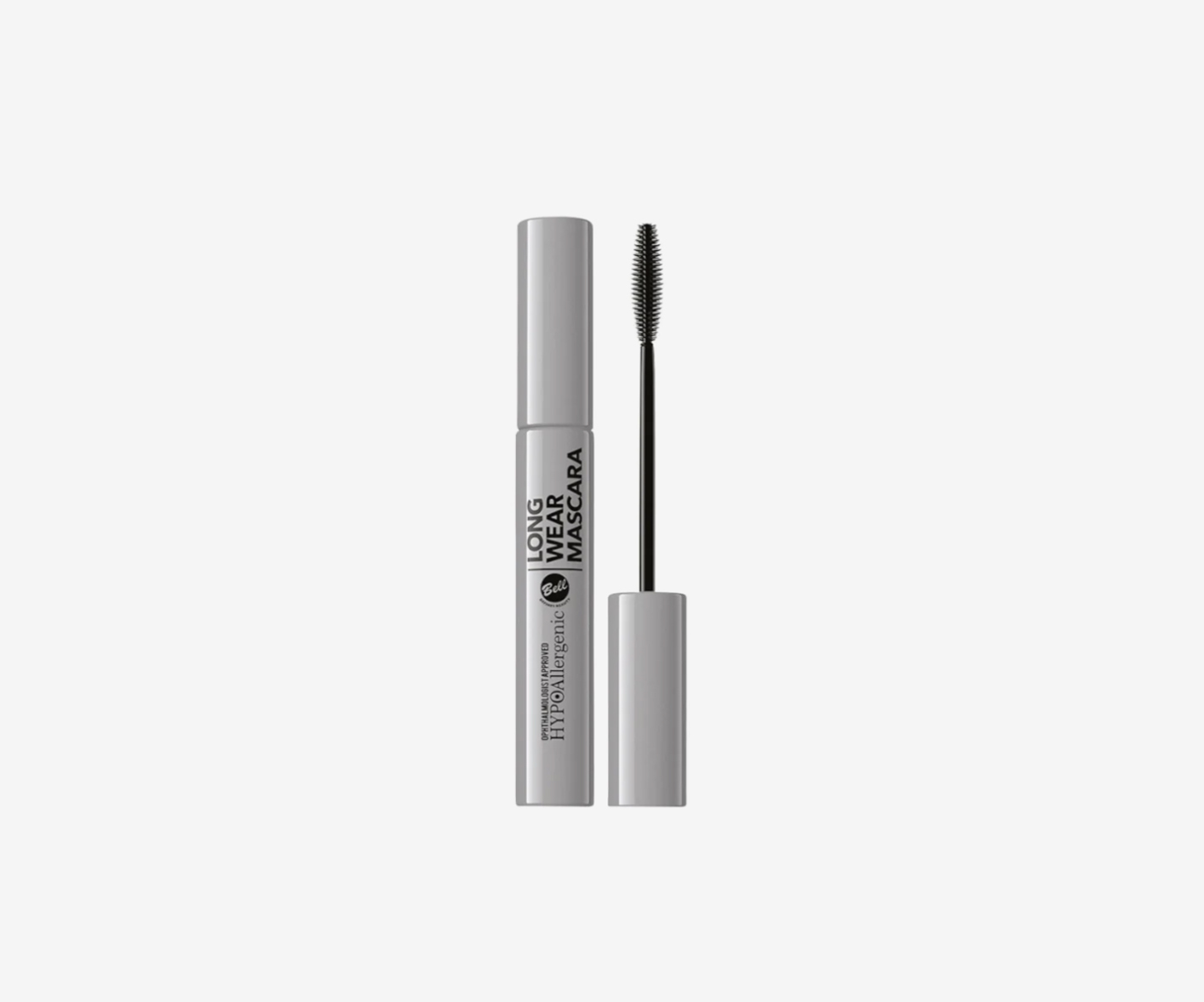
Mascara can be used by all, irrespective of hair colour or length, and for those with sensitive eyes there are special mascaras with hypoallergenic formulas to prevent irritation and eye tearing.
The huge selection of these cosmetics means that everyone can find their favourite mascara, although sometimes this may involve testing multiple products.
What are the key ingredients in mascara?
The composition of mascara can vary depending on the manufacturer and the specific product. However, there are a few key ingredients that are often found in this type of cosmetic. Here are some examples:
Waxes: Waxes, such as beeswax or carnauba wax, are often used in mascara. They help keep the formula on the lashes, adding volume and highlighting the hair.
Pigments: Pigments are used to add colour to the mascara. These can be different shades of black, brown or other colours.
Nutrients: Some mascaras contain nutrients such as vitamins, proteins or plant extracts. They provide care for the lashes and keep them looking healthy.
Fattyacids: Fatty acids, such as oleic acid or linoleic acid, can be used to soften lashes and prevent them from drying out.
Preservatives: To prolong the life of mascara and prevent bacterial growth, preservatives are often used.
Some mascaras may contain ingredients dedicated to specific needs, such as mascaras for sensitive eyes or nutritional mascaras. It is always a good idea to check the composition of a product before purchasing, especially if you are allergic to any ingredient used in cosmetics.
What effects can be achieved with mascara?
The most common effects of mascara include:
Lengthening lashes: Mascaras often contain ingredients that help to lengthen lashes, adding definition and sensuality to the look.
Thickening lashes: Mascara can significantly thicken lashes, which is great for those with sparse lashes. When mascara is applied with thickening mascara, lashes gain volume and the intensity of the effect depends on the number of coats applied.
Curl: Mascara brushes with the right shape can lift lashes, giving them the effect of using an eyelash curler.
Eyelashseparation: Some brushes, particularly silicone brushes, help to separate lashes, preventing unsightly clumps from sticking together.
Colour saturation: Thanks to the pigments in mascara, you can give your lashes intense colour, which is especially important for those with light lashes.
Nourishmentand care: Some mascaras contain nutrients that help to care for the lashes, giving them a beautiful and healthy look.
Benefits of using mascara
There are many advantages to using mascara. Among the most common are:
- Highlighting the eyes.
- Lengthening the lashes.
- Thickening of the eyelashes.
- Lifting the lashes.
- Colour choice.
- Make-up durability.
- Easy application.
- Eyelash care.
- Large selection of products.
Disadvantages of using mascara
Although there are many advantages to using mascara, there are also some disadvantages associated with its use. Here are some of them:
- The possibility of eye irritation.
-
Drying out of the mascara.
- Difficulty in washing it off.
- Clumping of lashes.
-
Crumbling of mascara.
- Problems with application.
Many of these disadvantages can be avoided by applying mascara in moderation, respecting the expiry date and selecting mascara according to personal preferences and needs.
How do I apply mascara correctly?
Mascara is a cosmetic product that can be used every day, even as the only part of your make-up. However, it is worth knowing the essential tips on how to apply it correctly so that you can always keep your lashes looking beautiful.
Prepare your lashes: Make sure your lashes are clean and dry before applying mascara. You can use a special brush to comb through your lashes to prevent clumping. If you want to curl your lashes to the maximum, you can use an eyelash curler before applying mascara.
2 Mascara application: To properly apply mascara, place the brush against the base of your lashes and gently wiggle the brush from side to side while running it upwards to the tips of your lashes. This will ensure that the mascara covers every hair thoroughly. You can apply several coats of mascara, but each coat needs to dry to avoid clumping.
3. Extend the life of mascara: If you want to extend the life of your mascara, it's worth following a few rules. Firstly, avoid rubbing your eyes. Secondly, use mascara with the right formula, such as waterproof, if you are prone to watery eyes or plan to be in humid conditions (swimming pool, sauna, gym). Thirdly, take care of your mascara - seal it tightly after use, this will prevent it from drying out. It's also a good idea to replace your ink regularly, as recommended by the manufacturer, to maintain its quality and longevity.
4 - Washing off mascara: To effectively wash off mascara, use a special eye makeup remover that gently dissolves the mascara and allows you to remove it easily. Also wash your face with a gentle cleanser to remove any remaining mascara and make-up. Remember to always wash off mascara before bed to avoid irritating your eyes and weakening your lashes.
What should I consider when choosing mascara?
Choosing the right mascara is key to achieving the desired effect. To help you decide, it is worth considering the following factors:
1. the effect you want to achieve: Choose a mascara that has the features and characteristics to achieve the desired result.
2. Brush type: Mascaras have different types of brushes that affect the final effect. Thick ones can add volume, while those with long bristles can lengthen lashes.
3 Mascara formula: There are waterproof mascaras, nourishing and regenerating mascaras and even hypoallergenic mascaras. Choose the formula that suits your needs and preferences.
4 Nutrient content: If you're concerned about looking after your lashes, look out for mascaras that contain nutrients such as vitamins, keratin or plant extracts.
5) Colour: Choose a mascara colour that suits your complexion, eyes and make-up style.
6. Reviews and feedback: Read reviews from other people who have used a particular mascara. Their experiences can give you valuable information about how the cosmetic actually works.
7. Expiry date: Check the expiry date of your mascara to avoid using an expired product, which can lead to eye irritation.
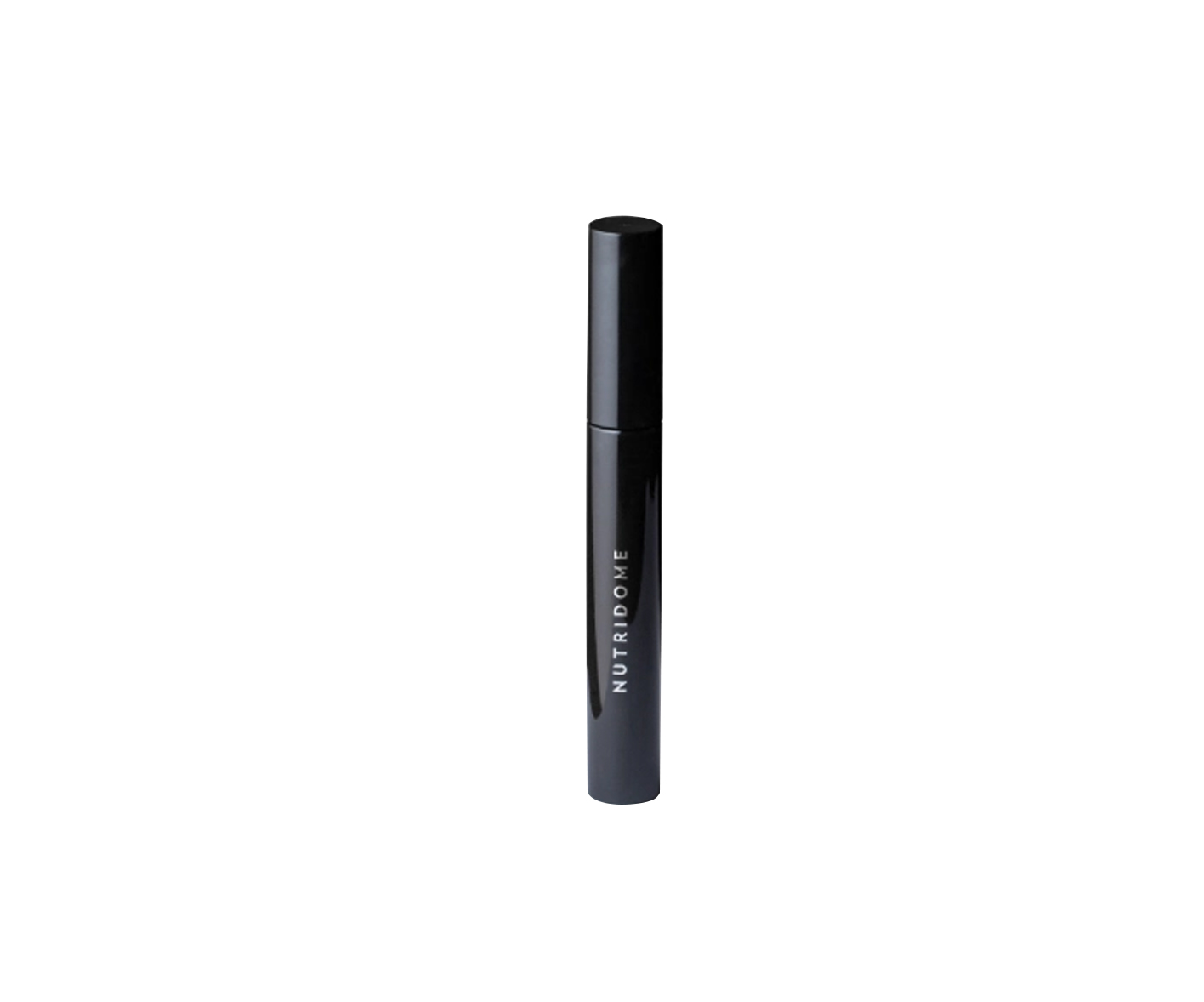
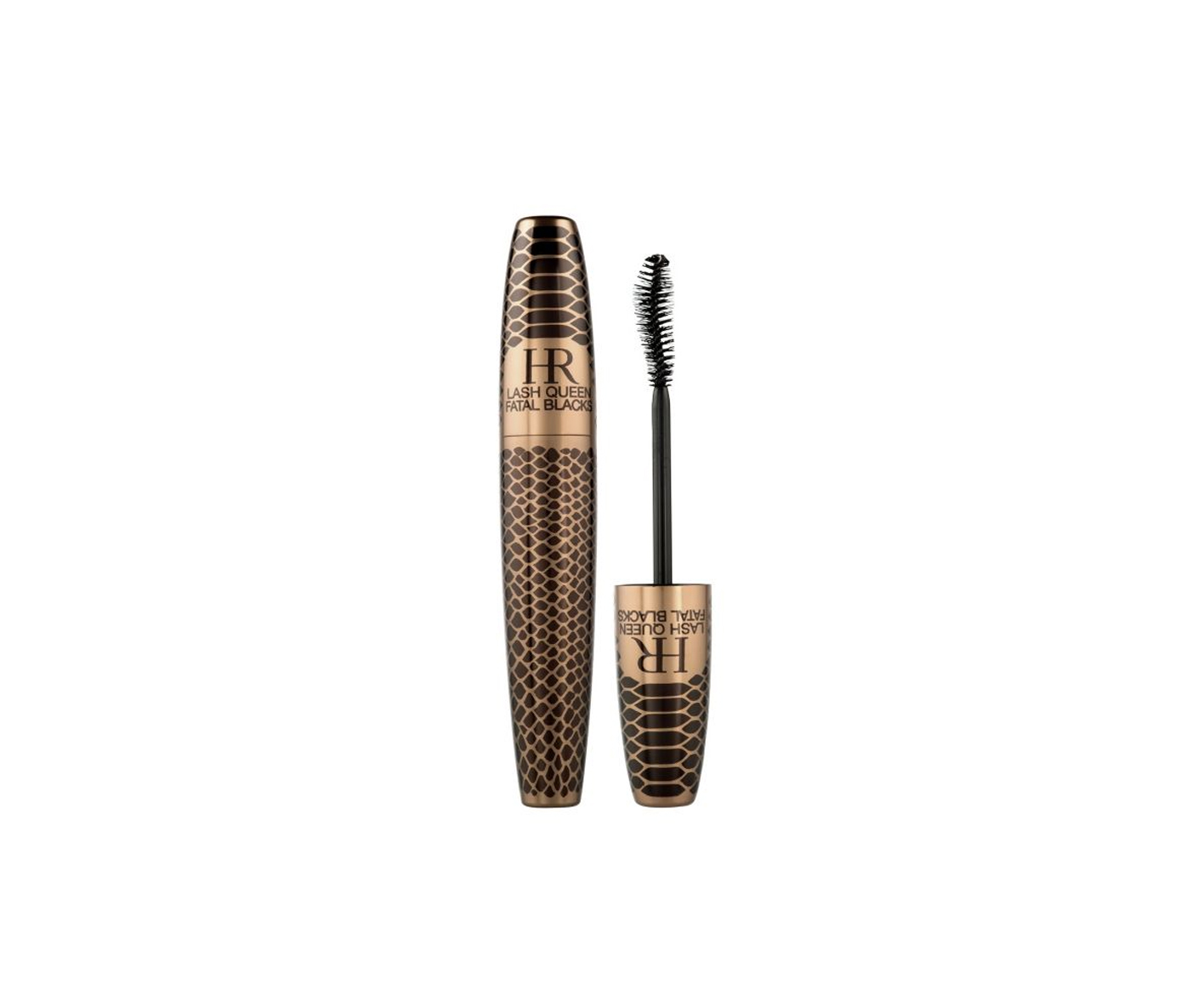
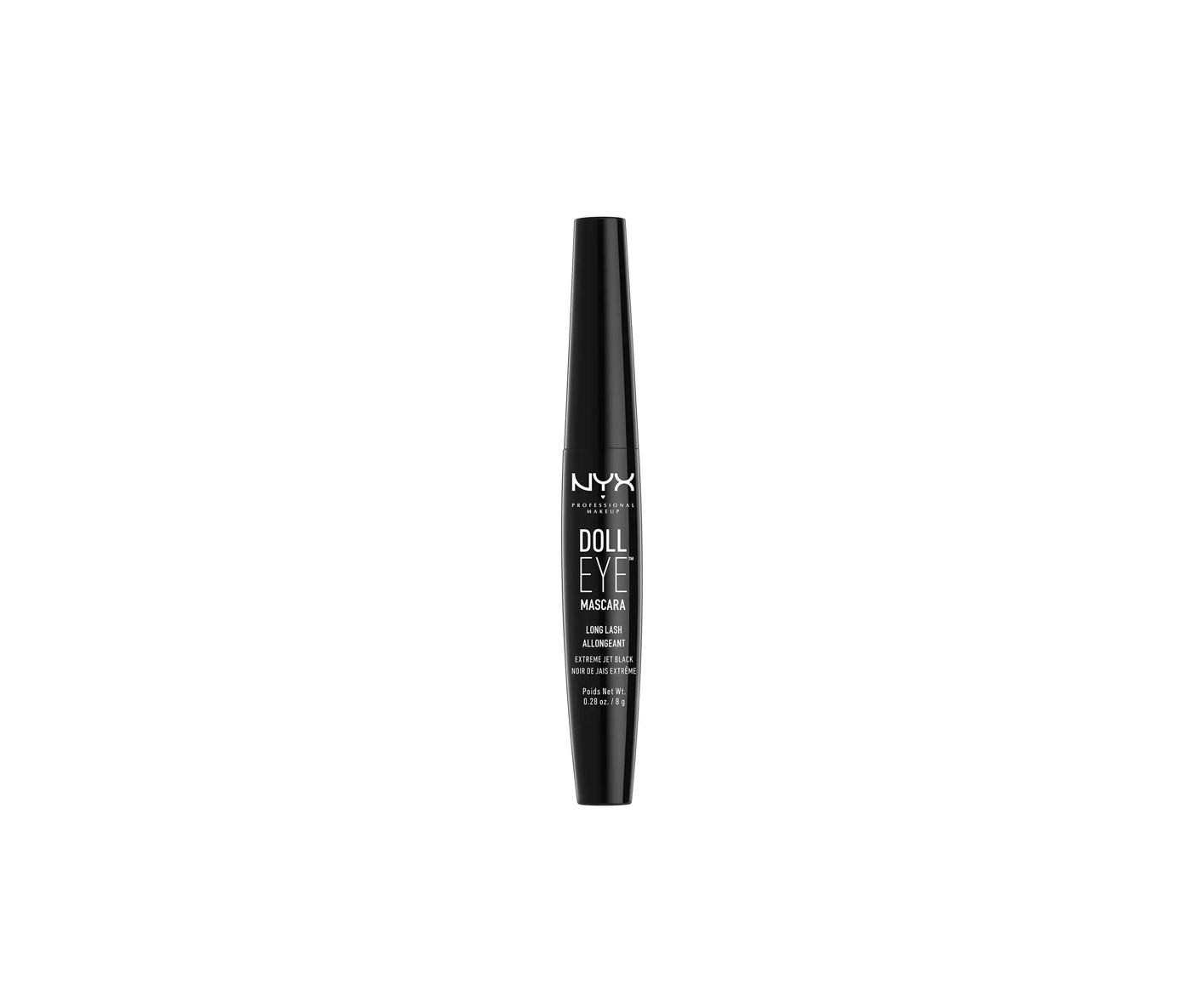
Meet the 5 best mascaras in 2026
When creating our product reviews, we consider the ingredients and research their safety. We analyse the opinions of industry experts and the experiences of product users. We obtain recommendations from authorised retailers and use available sources of knowledge on active ingredients and their effects. We personally verify the action, texture, scent and feel of the products, and assess value for money.