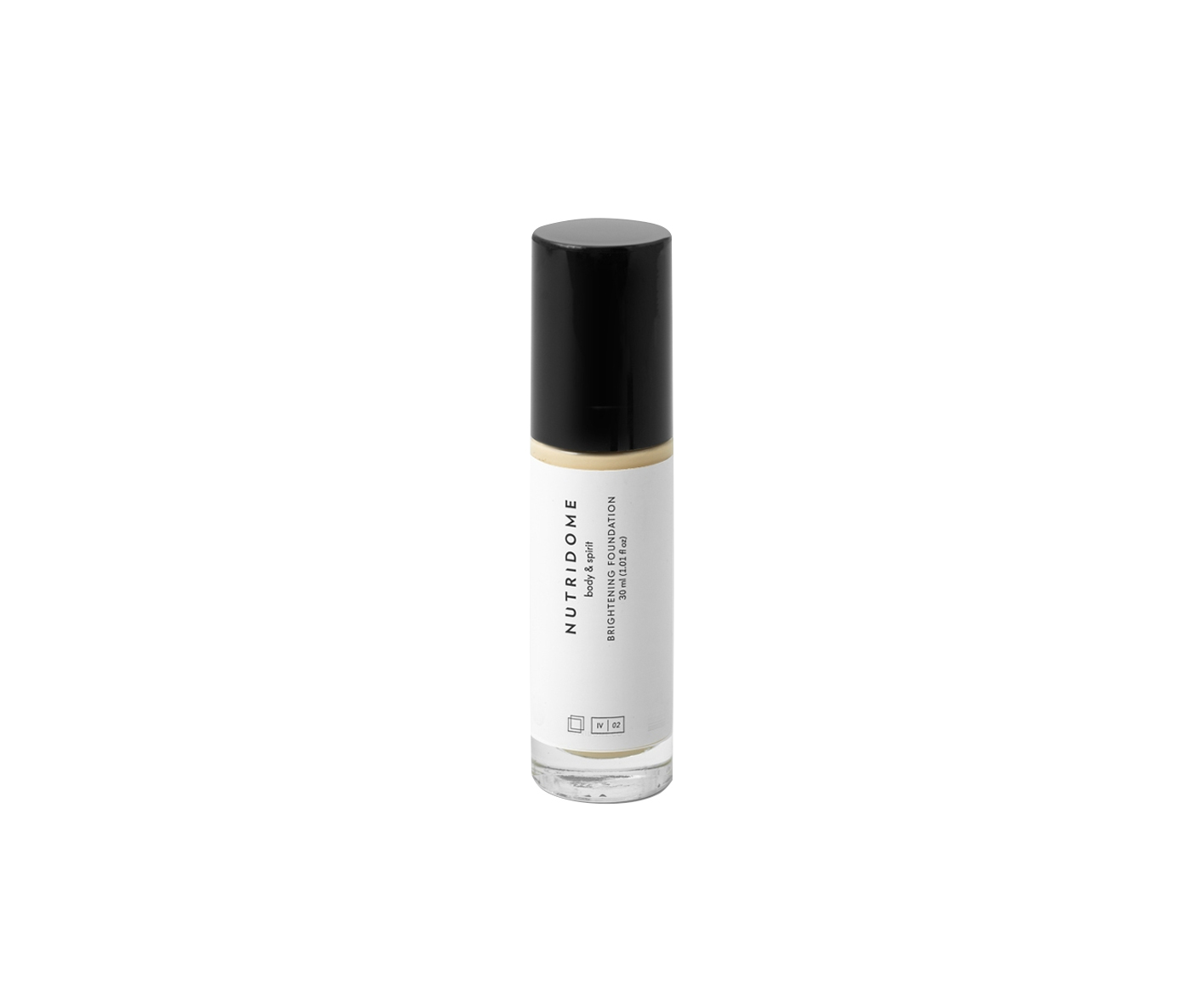
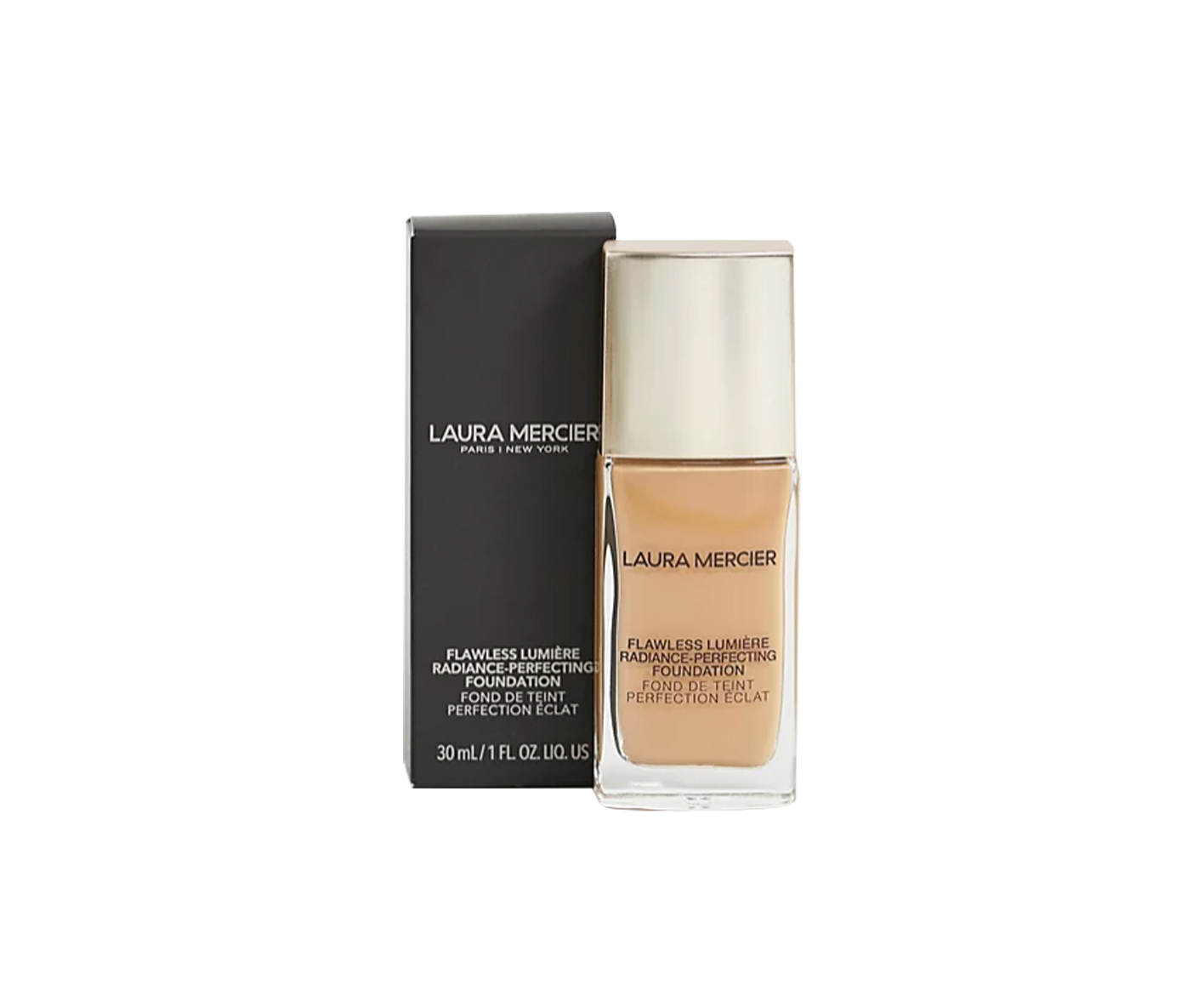
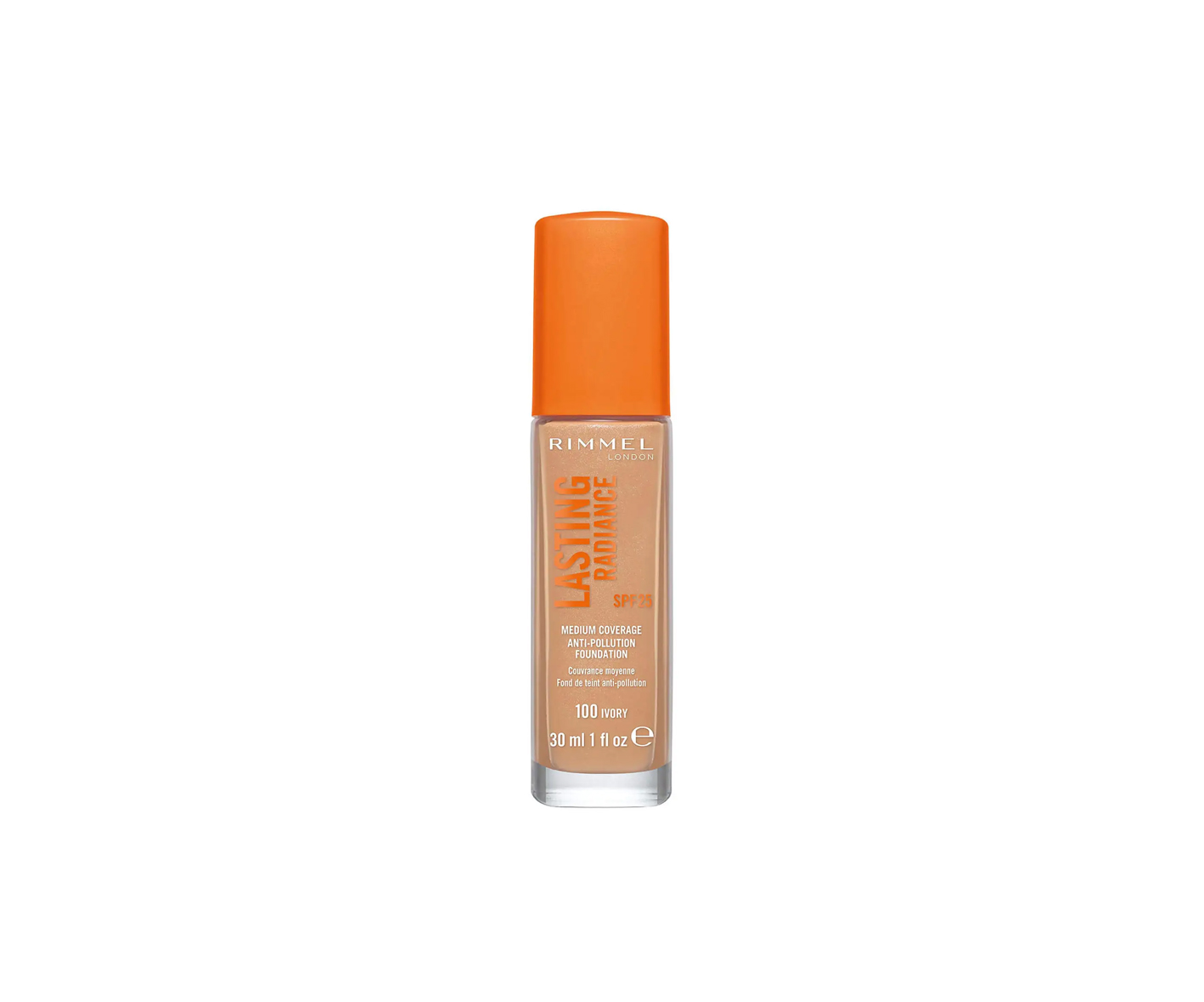
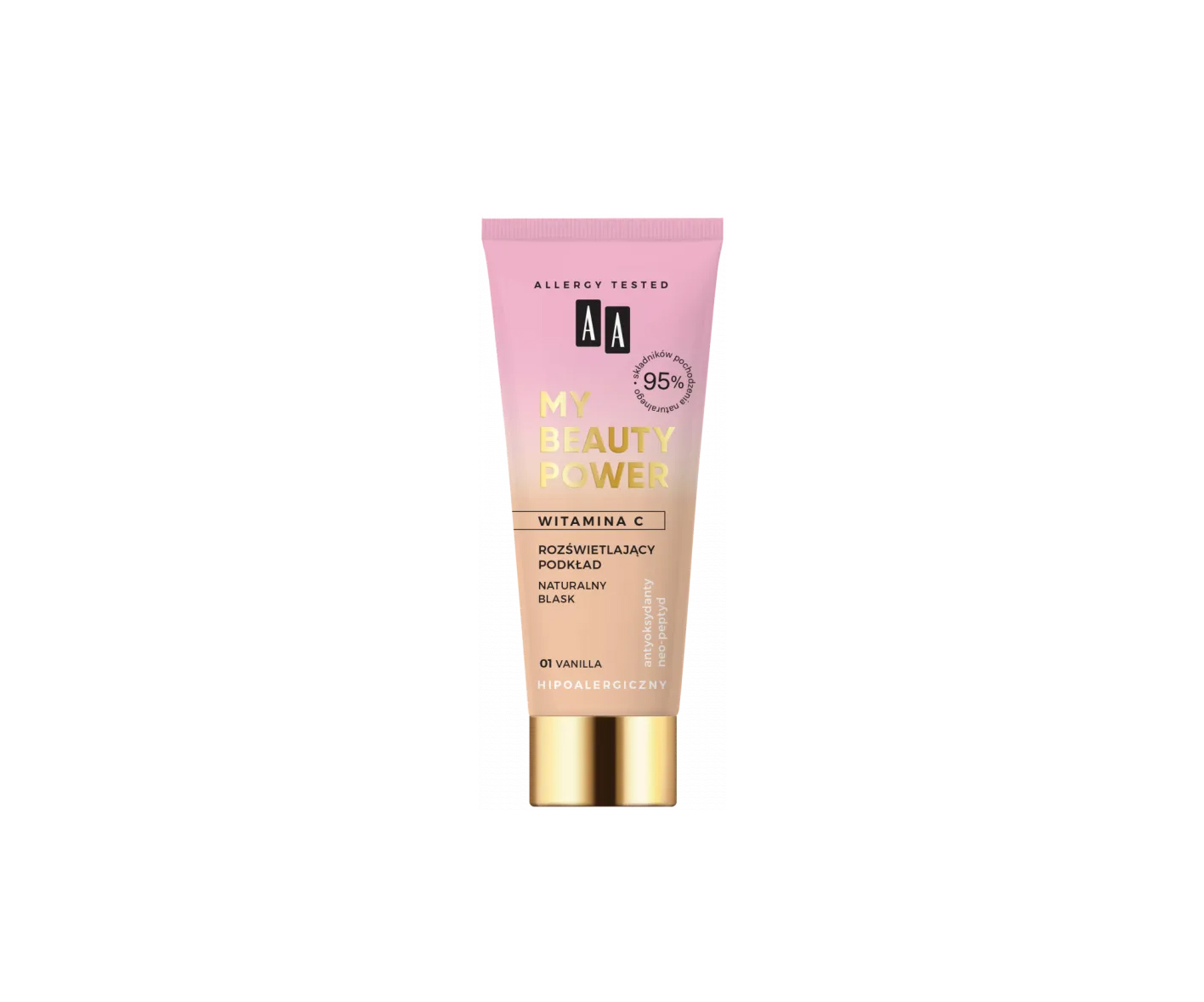
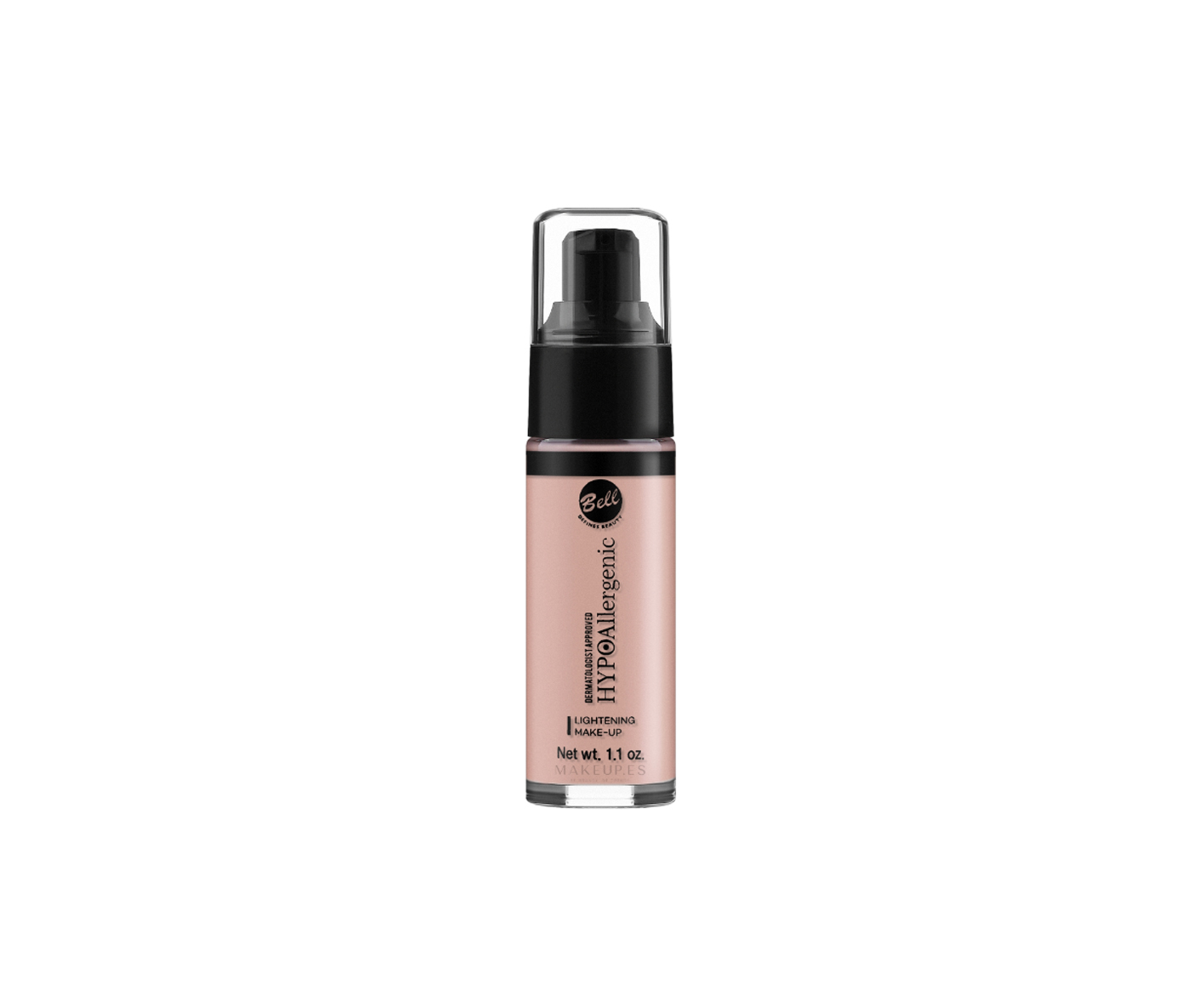
Discover 5 suggestions of proven illuminating foundations to enjoy smooth and fresh skin full of dazzling radiance.
The facial skin is a unique part of the skin both for its texture and aesthetic qualities. Above all, facial skin is thinner and more delicate than other areas of skin on the body. This makes it more susceptible to damage, to temperature changes, to cosmetic products or to external factors. It is also the most exposed part of the body, and its flawless appearance requires regular care and the accentuation of its attributes using a wide variety of make-up products.
It is on the face skin that the signs of ageing such as wrinkles, fine lines, discolouration, dark circles and puffiness under the eyes, grey complexion, loss of skin firmness and volume are most visible. For this reason, very many people devote the most time, care and maintenance to this part of the body. In the following article, you will learn how facial skin is structured, how to care for it properly and which make-up products to use to give it a phenomenal glow.
Facial skin structure
Familiarising yourself with the structure of facial skin is essential for proper skincare, as the different layers of skin have different functions and need to be cared for properly to keep the skin looking healthy and beautiful.
The facial skin contains structures such as sebaceous glands, which produce the natural oil - sebum, sweat glands, hair follicles and blood vessels that supply the skin with oxygen and nutrients. In addition, the facial skin is highly innervated to receive a range of sensory stimuli.
The skin is made up of three main layers:
The dermis is the thickest layer of skin. It is very resilient and tough. It is between 1 and 3 millimetres thick. It contains blood vessels, sebaceous and sweat glands, numerous dermal papillae, the adductor muscle, the hair follicle and nerve endings. The dermis consists of layers:
- papillary with a wavy structure and containing dermal papillae
- reticular, where the collagen and elastin fibres responsible for the skin's firmness and strength are located.
The epidermis is the direct boundary between the body and the external environment. It protects against harmful substances and also holds the pigment, melanin, which gives hair and skin its colour. It is located above the dermis.
The subcutaneous tissue is located under the dermis. It consists mainly of adipose and connective tissue. Functions of this layer include thermal insulation, energy reserve and protection of internal organs.
Facial skin problems
Given that the facial skin is the part of the skin most exposed to direct exposure to the sun and adverse weather conditions, it often struggles with various problems and ailments. Here are some of them:
Skin ageing. Skin ageing is most visible and fastest on the face. The skin's ageing process is natural and manifests itself in wrinkles, loss of elasticity, sagging, discolouration and loss of natural radiance.
Skin dryness Skin can be prone to dryness especially during winter. Dry skin is rough, flaky, tight and prone to irritation. It can be the result of inadequate care or be genetically determined.
Skin discolouration. Skin discolouration such as sun spots, acne blemishes and hyperpigmentation can result from excessive melanin production or skin damage.
Dark circles under the eyes. Dark circles can give the appearance of fatigue, distort the appearance of the face and affect the overall condition of the skin. They are most often caused by an unhygienic lifestyle, excessive sunbathing or are a symptom of health problems.
Grey skin. Grey skin is a condition in which the skin appears to lack a healthy, natural tone. It is often associated with inadequate blood circulation in the skin vessels, tissue hypoxia or other health problems.
Acne. This is a very common skin condition. It is manifested by blackheads, papules and pimples. Acne can be caused by excessive sebum production, blocked skin pores, bacterial infection and hormonal changes.
How can facial skin problems be managed?
It is best to consult a dermatologist for all skin problems, who will pinpoint the cause and recommend appropriate treatment and/or skincare with specific products. However, there are also several ways to deal with facial skin problems on your own. These include:
- Proper hygiene and regular care with products dedicated to your skin type. It is always a good idea to choose cosmetics with as natural a composition as possible and from reputable manufacturers.
- Moisturising the skin is extremely important, especially after bathing or showering, as many cleansers dry out the skin.
- Ensuring adequate sleep and reducing stress.
- Eating a healthy diet and ensuring regular physical activity.
- Avoiding skin exposure to the sun and using products with a high SPF.
- Using make-up products in moderation and matching them to your skin type, and making sure the ingredients do not adversely affect the condition and appearance of your skin.
Illuminating foundations - how they work
Illuminating foundations are make-up products that work very well for both daytime and evening make-up. They give the face a radiant, fresh and youthful appearance and make the skin feel smoother and more velvety. The illuminating effect is due to the light-reflecting particles. Those with mature skin using these foundations can expect a reduction in the appearance of fine lines and wrinkles. Brightening foundations often contain vitamin C to stimulate micro-circulation, which in turn prevents a grey, sallow skin tone.
Illuminating foundations are most often available as a lightweight fluid that gives the face a rested look and allows any imperfections to be masked precisely and quickly. The creamy texture also makes the foundation melt into the skin, evening out skin tone.
Highlighting foundations are very often skin-conditioning and in particular deeply moisturising, which helps to create a soft and nourishing effect on the skin and is also an excellent solution for women with dry skin.
The cosmetics industry also offers loose illuminating foundations with a mineral composition. The mica contained in them absorbs sebum well. This makes it ideal for those with combination skin.
Who should use illuminating foundations?
Illuminating foundations are ideal for women with dry, dull, tired and lacklustre skin. Thanks to the light-intensifying particles, the skin of the face regains a healthy tone and becomes radiant.
Illuminating foundations are also a good option for mature skin, as they provide a rejuvenating effect by masking visible wrinkles, discolouration and fine lines.
However, they are not recommended for people with acne-prone or vascular skin. The shimmering particles can accentuate all facial skin imperfections. This type of product should also be avoided by people with oily skin. A glowing face can make the problem of excessive skin shine even more apparent. In this case, an opaque foundation that reduces sebum production is much better.
What are the key ingredients in highlighting foundations?
The effect of lightening foundations is the result of carefully formulated ingredients. The ingredients of these cosmetics may vary depending on the brand and the specific product. However, there are a few key ingredients that are often used in illuminating foundations.
- Illuminating pigments: These are microscopic particles that reflect light to give the skin a glow. They are usually slightly shimmery and can come in a variety of shades such as pearlescent, gold, pink or bronze.
- Luminous substances: to achieve a glowing effect, foundations can contain ingredients that not only reflect light but also have a beneficial effect on the face. These include mica, iron oxides, zinc oxide and titanium oxide.
- Silicones: Often used in cosmetics, especially foundations, to provide smoothness to the skin and make application easier. Silicones can also create a light-reflective layer, which further enhances the glowing effect.
- Moisturising ingredients: Illuminating foundations often include moisturisers such as glycerine, hyaluronic acid or panthenol. These ingredients help to keep the skin moisturised.
- Vitamins and antioxidants: Some illuminating foundations may contain antioxidant vitamins such as vitamin C or vitamin E, which help protect the skin from environmental and UV damage.
- Botanical extracts: Plant-based ingredients such as aloe vera, chamomile, green tea or rose extracts can further nurture the skin and provide a healthy glow.
- Brocades: Glitters can be found in some illuminating foundations to add a subtle shimmering effect to the skin.
It's always a good idea to carefully check the information on the product packaging to see the composition of your illuminating foundation. The choice should be tailored to your skin type and individual preferences.
What results can I achieve with a lightening foundation?
Illuminating foundations can have many different effects on your make-up. They can be used in a variety of ways and, thanks to the ingredients they contain, can significantly improve the appearance of the skin and even reduce the appearance of signs of ageing. Among the most desirable effects of lightening foundations is, of course, that they make the skin glow, making it appear healthier, fresher and more radiant. Many illuminating foundations contain moisturising ingredients such as glycerine or hyaluronic acid to help keep the skin hydrated This is particularly beneficial for those with dry or dehydrated skin.
In addition, illuminating foundations can help even out facial tone and cover unevenness and imperfections in the skin, creating a visually smoothing effect. Illuminating foundations can also be used to accentuate specific areas of the face, such as the cheekbones, brow arch, centre of the nose or cupid's bow (above the upper lip).
The illuminating effect can make the skin look firmer and rejuvenated, as the illuminating pigments diffuse light and thus mask fine lines or dark circles under the eyes.
When combined with contouring products (darker and lighter tones), illuminating foundations can help to enhance the contouring effect
Illuminating primers can also be used on the eyelids as eye shadow bases, which can help to increase the intensity and longevity of eye make-up
Illuminating primers are often combined with other types of foundation, make-up bases or BB/CC creams. This allows for a variety of make-up effects depending on individual preferences.
Advantages of using lightening foundations
Using illuminating foundations has many benefits that contribute to attractive make-up and beautiful-looking facial skin. Here are some of the main advantages of using these cosmetics:
- Illuminated and radiant skin effect.
- Moisturising and conditioning.
- Smoothing and even skin texture
- Optical reduction of wrinkles and dark circles under the eyes
- Accentuation of selected areas.
- Correction of uneven
- skin
- tone
- Versatility and ease of application
Disadvantages of using illuminating foundations
Despite their many advantages, illuminating foundations can also have adverse effects that you should be aware of before applying them. Here are some examples of such undesirable effects:
- Accentuation of skin imperfections.
- Excessive shine.
- Impermanence.
- Unfavourable appearance in flash photos.
- Unsuitable for oily skin.
- Wrong choice of foundation colour.
It is worth remembering to skilfully adjust the amount and method of application to avoid excessive shine on the skin. This can look unsightly and unnatural and can further weigh down the skin.
How often should I apply highlighting foundations?
The frequency of application of highlighting foundations depends on personal preference, skin type, occasion and the effect you want to achieve. There is nothing stopping you from using these foundations daily when applying your daytime make-up. It is then a good idea to apply it in small amounts, only to selected areas of the face. This will create a subtle illuminating effect. People with mature skin can use illuminating foundations regularly, as they improve the look and condition of the skin by moisturising and making it glow.
Illuminating foundations are ideal for special occasions such as going out to the club, evening gatherings or various celebrations. In such circumstances, you can experiment with the amount of product to achieve a more intense glowing effect.
Illuminating foundations should be applied to selected areas of the face and very moderately by those with oily skin to avoid excessive skin shine.
How do I apply highlighting foundations?
Step 1: Cleanse your face - cleanse your face with a micellar lotion or toner. This will leave it smooth and easier to absorb the cosmetic.
Step 2: make-up base - you can apply a make-up base to your foundation so that it spreads more easily and makes your overall make-up last longer.
Step 3: applying your highlighting foundation - if your foundation is in liquid form, you can use your fingers or a sponge to apply it. Applying foundation with your fingers is the most convenient and efficient way. Pick up a dab of foundation and spot apply it to your forehead, nose, chin and cheeks, then blend gently with your fingers from the centre to the sides. If you choose to use a sponge, wet it at first and squeeze off the water. This will prevent the foundation from absorbing too much. You can either lightly blot your foundation or apply it by stamping - this will give you a more even coverage of the skin. Powder highlighting foundations are best applied with a brush (flat brushes are best for foundation). When using a brush, lightly press the foundation onto the skin so that it melts and sets.
Remember to wash and dry the sponge and brush thoroughly immediately after application. An unwashed and damp one creates the perfect environment for bacteria to multiply, which can exacerbate skin imperfections.
What should I consider when choosing an illuminating foundation?
Skin type: When choosing an illuminating primer, make sure it will work well with your skin type. An illuminating moisturising foundation will have slightly different properties than an illuminating foundation for combination skin with a mattifying and opaque effect.
Illuminating effect: Determine what illuminating effect you want to achieve. A subtle, natural glow or a more intense effect. This will help you choose the right cosmetic.
Type of illuminating foundation: Primers are available in light fluid, loose and compact form. Choose the type of foundation that is easiest for you to use.
Foundation shade: Choose a shade of foundation that matches your complexion. Avoid shades that are too dark or too light so that the effect is not unnatural.
Composition: Choose illuminating foundations that contain ingredients that may be beneficial to the health and appearance of your skin.
Durability: Choose highlighting foundations that last for hours and do not require make-up touch-ups.
Opinions and reviews: Read user reviews and product testimonials to get the most accurate information on a particular illuminating foundation.
Discover the top 5 best illuminating primers in 2026
When creating our product reviews, we consider ingredients and research their safety. We analyse the opinions of industry experts and the experiences of product users. We obtain recommendations from authorised retailers, and use available sources of knowledge about active ingredients and how they work. We personally verify the action, texture, scent and feel of the products, and assess value for money.
Below are detailed reviews by our editors with a description of each product indicated.