Find out about the beneficial properties of field horsetail and discover 5 suggestions for proven supplements with this ingredient to enjoy healthy looking skin, hair and nails!
Beauty is a very individual matter. Standards of beauty change quite frequently, as can be particularly observed in the paintings of great artists over the centuries. However, true beauty is not determined by body shape, hairstyle or facial features, but by healthy and beautiful hair and nails and a fresh and radiant complexion. Well-groomed and nourished hair is an indicator of attractiveness and neither fashion nor time can change this.
In this article, you will learn how our skin, hair and nails are built, what problems most commonly affect them and what dietary supplements can be used to prevent most of these ailments and improve the appearance of skin, hair and nails.
Structure of skin, hair and nails
Skin structure
The structure of the skin consists of three main layers: the epidermis, the dermis and the subcutaneous tissue.
The epidermis, or epidermis in Latin, is the outermost layer of the skin, which prevents harmful substances from entering the body. The epidermis is divided into 5 layers: stratum corneum, lamina propria, stratum granulosum, stratum spinosum and stratum basale. Above its surface grows a hair shaft and a dermal pore. Among other things, the epidermis is made up of melanocytes, which produce melanin, the pigment that gives skin and hair its colour. In addition, melanin absorbs and scatters UV rays, neutralises free radicals and maintains homeostasis in the epidermis.
The d ermis (Latin dermis) - is located just below the epidermal layer. It is 1 to 3 millimetres thick. It contains blood vessels, sebaceous and sweat glands, numerous dermal papillae, adductor muscle, hair follicles and nerve endings. The dermis is characterised by its elasticity, flexibility and strength. It is made up of fibrous connective tissue and is divided into layers:
- reticular - this is about 80% of the total thickness of the skin. It mainly contains collagen and elastin fibres. The quality of the collagen fibres largely determines the appearance of the skin. When the production of collagen and elastin is reduced, the skin loses its firmness and elasticity.
- papillary - contains connective tissue and its structure is undulated due to the presence of numerous dermal papillae. It is connected to the epidermis.
Subcutaneous tissue (Latin hypodermis) - its main function is to regulate body temperature. It is made up of adipose tissue and contains blood and lymphatic vessels, nerve endings, the lower sections of the hair roots and the excretory parts of the sweat glands.
The most common skin problems
Skin problems are a variety of disorders and conditions that can affect different layers of the skin. Some require specialised treatment and others require appropriate and regular care. The most common dermatological complaints include:
Acne is a common ailment, most commonly affecting young people in adolescence. It is manifested by blackheads, papules and pimples. Acne can be caused by excessive sebum production, blocked skin pores, bacterial infection and hormonal disorders.
Psoriasis is a chronic autoimmune disease that, through excessive skin cell growth, leads to red, scaly patches that are usually dry, itchy and also painful.
Seborrhoea is characterised by excessive sebum secretion by the sebaceous glands. It is a type of skin condition abnormality that can lead to various dermatological problems.
Skin ageing is a natural process that is most and fastest visible on the face. It manifests itself in the appearance of wrinkles, fine lines, loss of elasticity, sagging, discolouration and loss of radiance of the complexion.
Dandruff is the most common scalp condition characterised by excessive exfoliation of dead skin cells in the form of white scales. It is a chronic and benign condition that can have various causes such as excessive sebum production, inadequate skin care or hormonal changes.
Structure of the hair
A single hair is mainly composed of a stem and a root. The shaft is the dead part of the hair, protruding above the skin surface. The root is the invisible part, is embedded in the hair follicle and is largely responsible for the appearance and condition of the hair.
The root of the hair is located in the hollow of the epidermis - the hair follicle. The follicle, also known as the sheath or sheath, protects the hair root and is surrounded by a strong network of blood vessels and nerves. The rounded shape of the lower part of the root is the bulb The hair bulb contains very active hair matrix cells from which the hair is formed by division.
The hair papilla is located under the root, has a strong blood supply and many nerve endings to properly nourish the hair and stimulate its growth. The papilla provides the root with the necessary nutrients. Its destruction results in permanent hair loss.
The most common hair problems
The most common hair problems include:
Hair loss: Excessive hair loss can be a symptom of health problems or improper care. Nutritional deficiencies, hormonal changes, excessive tension and stress or scalp diseases can also be causes of this condition.
Oily hair: Excessive sebum secretion by the sebaceous glands of the scalp can lead to unsightly greasy hair. Fatty hair looks stale, thin and lacks volume.
Dry and damaged hair: More often than not, hair becomes dry and dull as a result of frequent use of aggressive styling products, hot air drying, excessive sun exposure or use of chlorinated water pools.
Split ends: This condition can be the result of the hair structure being severely weakened by various external factors and/or improper care.
Nail structure
It might seem that, due to its small size, the structure of the nail is not complicated. However, our single nail is made up of as many as 7 elements, each with a different function. The nail is made up of the following parts:
The nailplate is the hard coating that forms the largest part of the nail. It is mainly made up of keratin and consists of three layers:
- dorsal,
- intermediate,
- inner.
The colour of the nail plate depends on the vascularisation of the skin beneath the plate.
The nail bed is located directly under thenail plate and connects it to the epidermis. It is responsible for the conduction of nutrients.
Thenail matrix is often also referred to as the root. New cells are formed in the matrix to form the plate. Damage to the matrix can be seen, for example, in deformed nail growth.
The nail tip is the characteristic milky crescent. It is located at the top of the nail and connects the plate to the matrix. It is most prominent on the thumbs. Its complete absence on the other nails may indicate a health problem.
The nailshaft protects the nail from damage. The cuticle, or simply the epidermis. It protects the nail matrix from infection.
The free edge of the nail is the end of thenail that is not directly adjacent to the cuticle. This part should be trimmed regularly.
The most common nail problems
The condition of the nails is very often a reflection of the condition of the body. Many ailments and diseases can manifest themselves on the nails. Here are some of the most common problems affecting them.
Brittleness: Nails can become brittle and/or split due to nutrient deficiencies, overuse of nail cosmetics, or use of detergents without adequate hand protection.
Colour changes: Nails can turn different colours, such as yellowish, brown or even green. Colour changes can be caused by fungal infections, excessive smoking, or can be a sign of other health problems.
Nailthickening: Nails can become very thick, which can be caused by a fungal infection, psoriasis, or mechanical trauma.
Fungalinfections: Fungi can infect the nails, leading to a change in colour, thickening, or splitting of the nails.
Occurrence of white spots: White spots on the nails can be caused by fungal infections, allergies, or be a sign of nutrient deficiency.
If you experience any changes in the structure of your nails, in the condition of your hair or if you have problems with the appearance of your skin, you should always consult an appropriate specialist. He or she may prescribe medications, special skin care treatments or advise on helpful supplementation.
Horsetail - properties and uses
Horsetail is one of the oldest plants in the world, also commonly found in Poland. Horsetail is a very popular variety of this plant. It can be found not only in Europe, but also in North America, the northern part of Africa, and in some areas of Asia.
Field horsetail owes its health-promoting properties primarily to its content of beneficial ingredients. Of all the medicinal plants, field horsetail contains the most easily digestible silica. In addition, field horsetail contains iron, manganese, cobalt and salts of potassium, calcium and phosphorus, as well as vitamin C, organic acids - silicic, malic, ascorbic and oxalic, and flavonoids, saponins, tannins and plant sterols.
Field horsetail is widely used in herbal medicine and cosmetology, as it has a positive effect on the overall condition of the body and also helps to take care of beauty.
Dietary supplements with field horsetail, enriched with vitamins and minerals, which take care of the comprehensive support of the condition of hair, skin and nails and support their healthy appearance, are very popular. Amongst other things, horsetail is helpful in combating hair loss, greasy hair, dandruff or brittleness and split ends.
Horsetail is not only a proven way to improve the condition of hair, skin and nails, but also supports the treatment of many diseases and helps to improve the functioning of various organs.
For whom are horsetail supplements intended?
In addition to a healthy, balanced diet, a hygienic lifestyle and regular care, field horsetail supplements are an excellent means of supporting the fight against the most common skin, hair and nail problems. Therefore, people with dandruff, hair loss, hair breakage and those wishing to improve their hair's overall condition and make it look beautiful should reach for preparations containing this plant.
Due to the richness of silica in field horsetail, those wishing to strengthen nails and improve their condition will also appreciate the properties of this plant. In addition, field horsetail supplementation is suitable for those struggling with inflammatory skin conditions such as seborrhoea and acne.
Not only can field horsetail supplements strengthen hair, nails and keep skin in good condition, but they can also be helpful in reducing menstrual pain through their diastolic action. Women struggling with heavy menstrual bleeding thanks to horsetail's anti-spasmodic properties can also supplement it.
People who experience excessive sweating can deal with this unpleasant condition by regularly taking horsetail. Horsetail has the ability to carry sweat away with the urine, rather than through the skin.
Despite the many benefits of field horsetail supplementation, its intake is not recommended for people with heart and kidney disorders. Pregnant and breastfeeding women should exercise caution when taking horsetail supplements. In addition, long-term use of horsetail supplements may cause vitamin B1 deficiency. For this reason, horsetail supplements should be supplemented with this vitamin or field horsetail should be discontinued every few months.
Always consult your doctor before taking field horsetail supplements, especially if you have any existing medical conditions, are pregnant or breastfeeding, taking medication or consuming other dietary supplements.
What are the effects of taking dietary supplements with field horsetail?
The effects of regular intake of dietary supplements with field horsetail can vary and depend on many factors, such as the body's individual predisposition, state of health, quality of the diet and the type of preparation used. However, the most common effects include:
Improved hair condition: Due to its silica content, field horsetail can support the production of collagen, which has a beneficial effect on hair elasticity and strength. Horsetail supplementation also helps to combat excessive hair loss, hair breakage, dandruff, greasiness and split ends.
Nail strengthening: Silica is also important for nail health, so supplementation with field horsetail can help strengthen and improve the appearance of nails. Prevent their brittleness and accelerate their healthy growth.
Improve skin health: Silica supports elastin and collagen production, which is important in improving skin elasticity and may prevent premature ageing. In addition, horsetail supplements may prove helpful in combating inflammatory skin conditions such as acne, psoriasis and seborrhoea.
Relief of menstrual pain: Thanks to its diastolic properties, field horsetail can reduce the sensation of pain associated with menstruation.
It is important to remember that even the best supplements cannot replace a balanced diet and a healthy lifestyle. The effects of their use are not guaranteed and depend on the individual predisposition of the body.
Key ingredients in field horsetail supplements
Horsetail supplements may contain various components, but the key ingredient is silica (silicon dioxide). This is the main ingredient in field horsetail, which supports collagen production, maintains skin elasticity and improves the condition of hair, nails, bones and joints. What else field horsetail preparations may contain:
- Flavonoids: field horsetail contains flavonoids, which have antioxidant properties that help protect cells from free radical damage.
- Organic acids: present in field horsetail, support metabolic processes and improve the overall condition of the body.
- Minerals and vitamins: Supplements may also contain additional minerals such as potassium, magnesium, iron, and vitamins to support health.
- Nettle extract: Nettle is often added to horsetail supplements as it supports skin and hair health.
- Biotin (vitamin B7): Its presence in horsetail supplements enhances their effects. Biotin contains sulphur molecules that are essential for the correct synthesis of keratin, one of the main building blocks of hair and nails.
The composition of horsetail supplements varies from manufacturer to manufacturer. It is always worth checking the product label to find out what ingredients it contains.
Advantages of using dietary supplements with field horsetail
The biggest advantages of using dietary supplements with field horsetail include:
- Improving the condition of the hair.
- Strengthening of nails.
- Improved skin condition.
- Support for the bone and joint system.
-
Relief of menstrual pain.
- Antioxidant protection.
- Ease of application.
- Wide range of preparations.
Disadvantages of using dietary supplements with field horsetail
Field horsetail supplementation may also be associated with various adverse effects such as:
- Interactions with medications.
- Excessive supplementation.
- Possibility of allergies.
- No guarantee of efficacy.
- Lack of standardisation of plant extracts.
- Vitamin B1 deficiencies.
Most of these disadvantages can be avoided by carefully reading the information on the supplement's packaging and following the manufacturer's dosage recommendations. If you have any doubts about taking a particular preparation, it is worth consulting your doctor.
How often should I take food supplements with horsetail?
Dietary supplements with field horsetail are taken orally in the form of tablets, liquids, powder, drops or capsules. The frequency of their use depends on the manufacturer's recommendations or the doctor's guidelines. Tablets and capsules are the most common form of supplement. Mostly 1-2 tablets/capsules are taken daily.
In some cases, especially when it comes to improving the condition of the skin, hair and nails, the use of field horsetail supplements can be carried out in cycles. For example, a few months of supplementation and then taking a break for about a month.
Always observe how your body reacts when taking the supplement. If any abnormalities occur, you need to stop taking the supplement and consult your doctor. This is because incorrect doses or over-supplementation can lead to health problems.
Taking too much field horsetail can cause palpitations. If you experience heart palpitations after taking field horsetail herb in any form, see your doctor immediately. Other side effects may include kidney pain, lower back pain, pain during urination, nausea or vomiting, which may indicate kidney damage and require consultation with a doctor. Mild side effects of taking field horsetail include upset stomach, diarrhoea and increased urination.
It is always important to read the labels, which contain the necessary information on the use of a particular preparation, and strictly adhere to them.
What should I consider when choosing dietary supplements with horsetail?
When choosing dietary supplements with field horsetail, there are a number of things to consider in order to be sure of the effectiveness and safety of a particular preparation. Here are the most important selection criteria:
Composition: Read the supplement label to find out how much silica and other active ingredients the supplement contains and whether the ingredient amounts are appropriate.
Standardisation of ingredients: Make sure that the plant extracts contained in the supplement are standardised. This is a guarantee of the quality of the preparation you receive and ensures that each packet has the same composition and concentration of ingredients.
Manufacturer: choose supplements from reputable manufacturers. Always check that the brand is certified for quality and adheres to safety standards for the production of supplements.
Form of supplement: Choose the form of the supplement that is most convenient for you to use.
Reviews and feedback: Read reviews and opinions from other users about the product in question. This will help you find out how the supplement you want to choose works in practice.
Recommendations from your doctor or nutritionist: If you have health problems, nutrient deficiencies consult your doctor or nutritionist for appropriate supplementation recommendations.
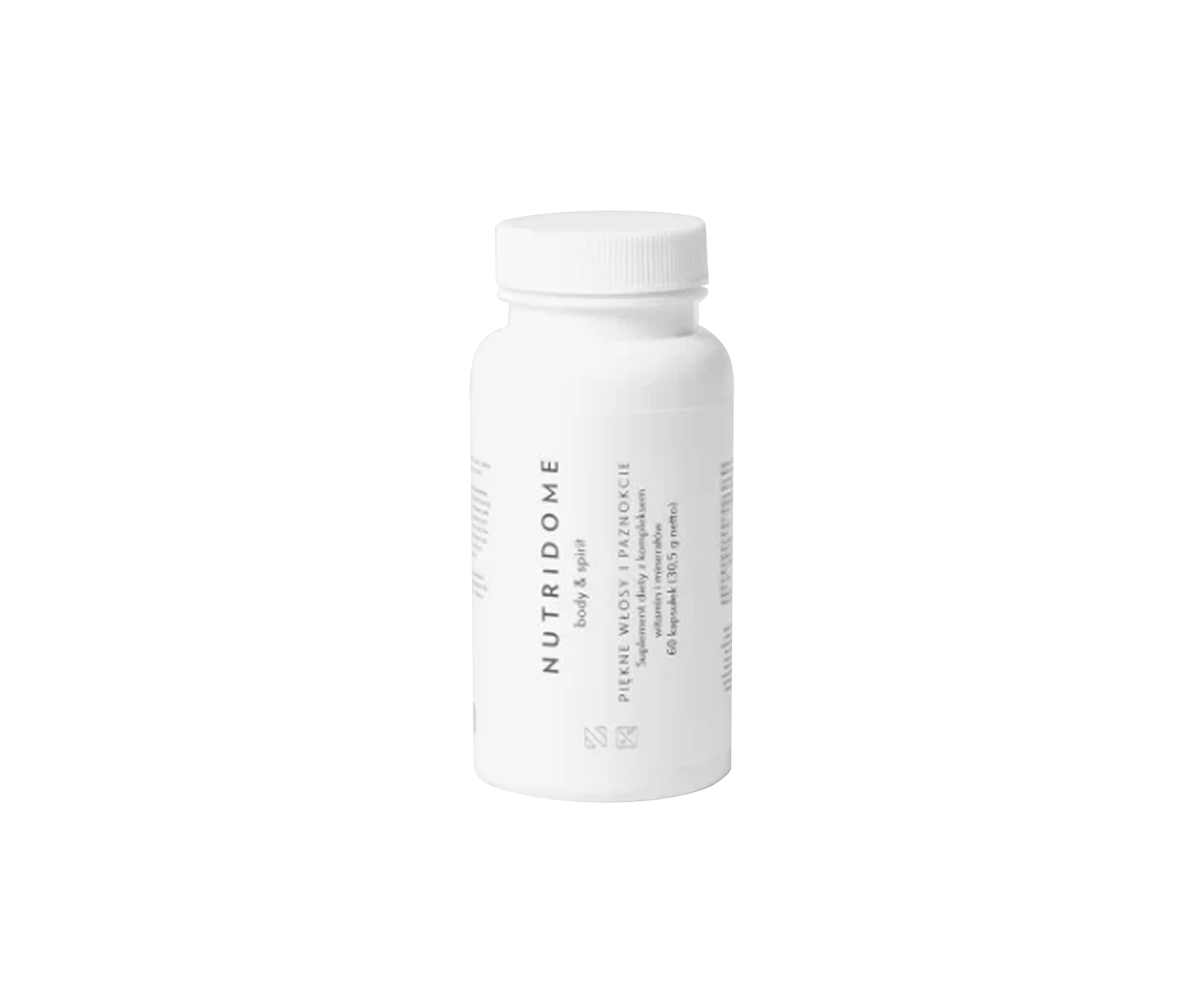
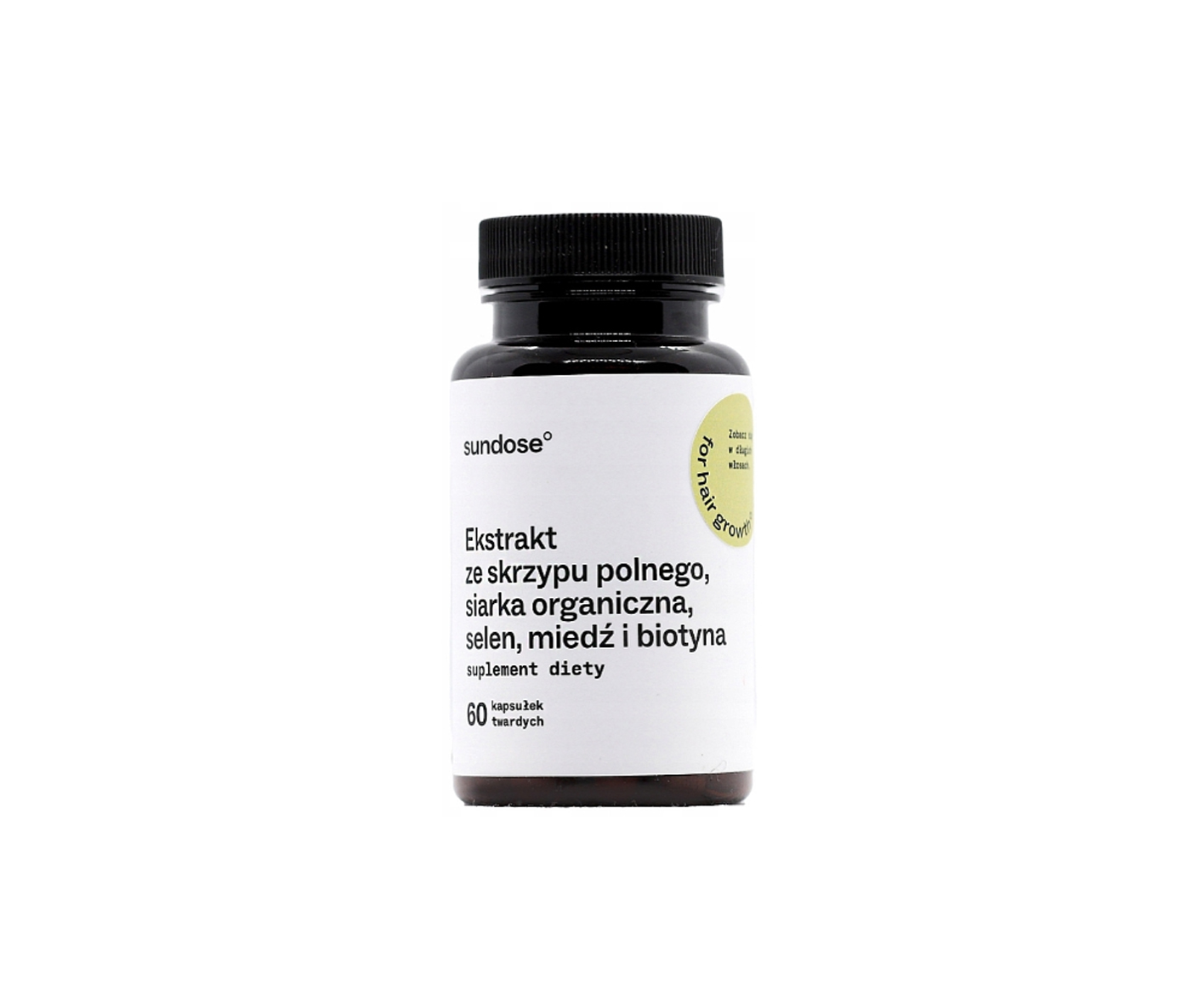
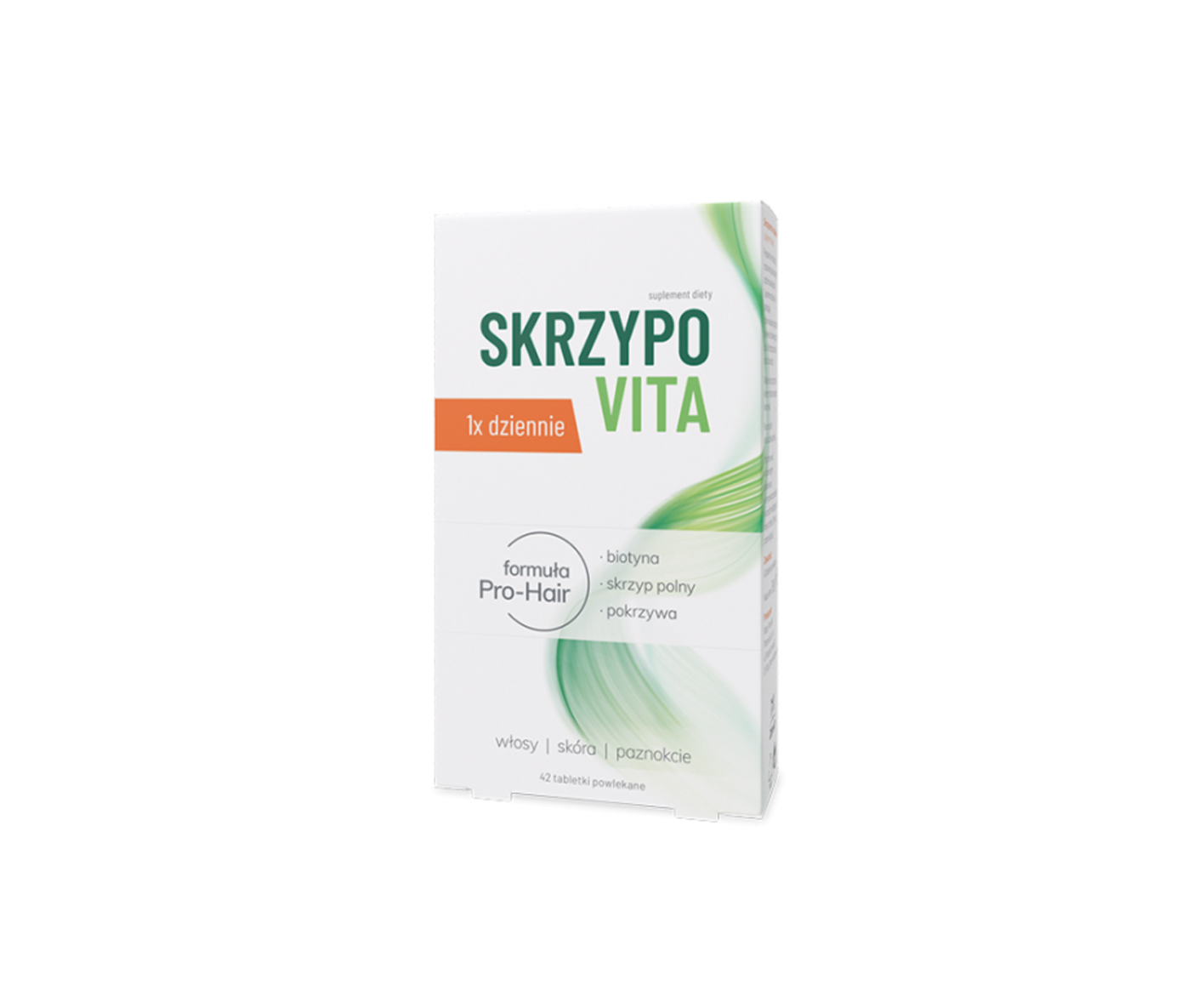
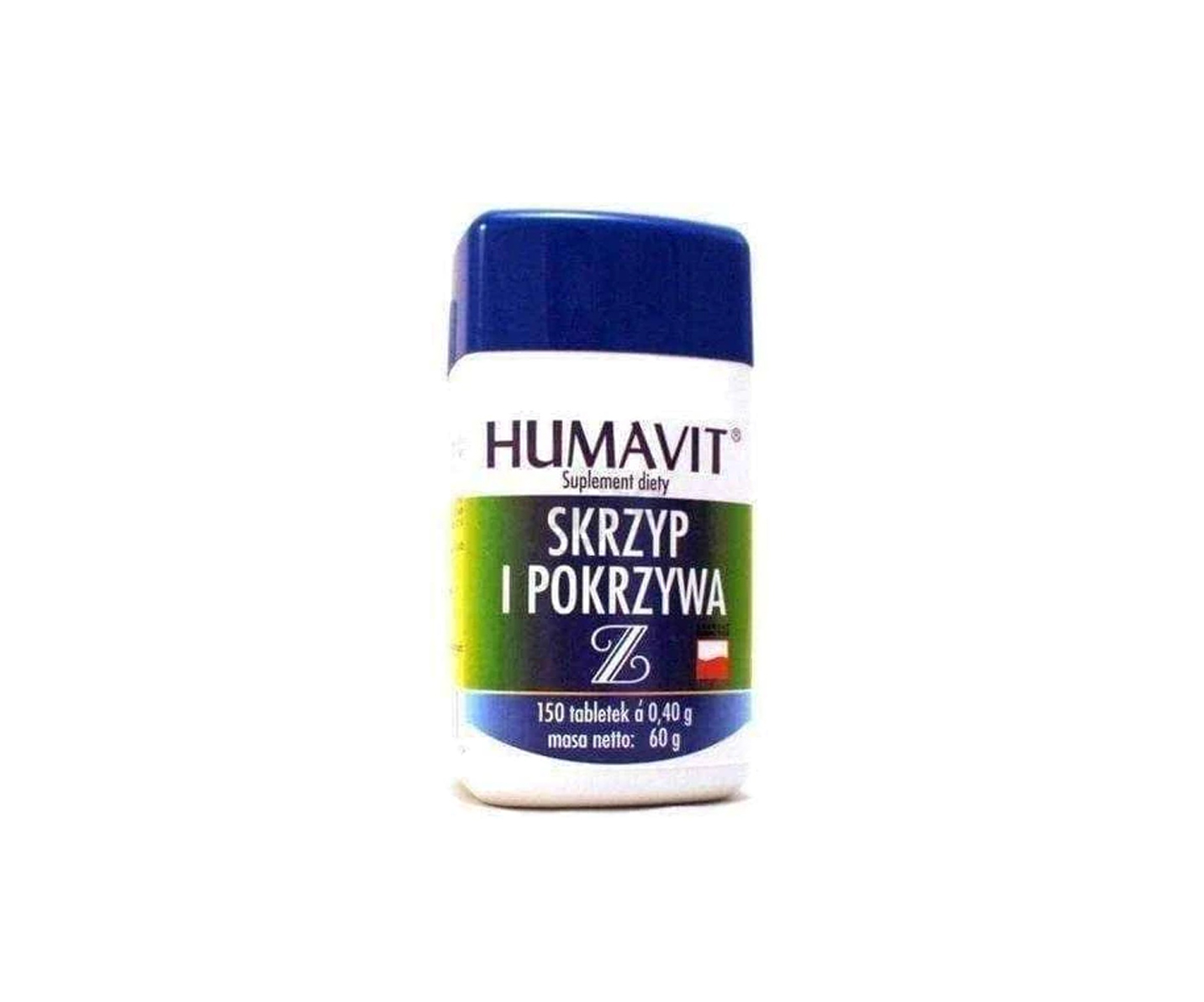
Discover the top 5 supplements with field horsetail in 2026
When creating our product reviews, we consider the ingredients and research their safety. We analyse the opinions of industry experts and the experiences of product users. We obtain recommendations from authorised retailers and use available sources of knowledge on active ingredients and their effects. We personally verify the action, texture, scent and feel of the products, and assess value for money.
Below are detailed reviews by our editors with a description of each product indicated.