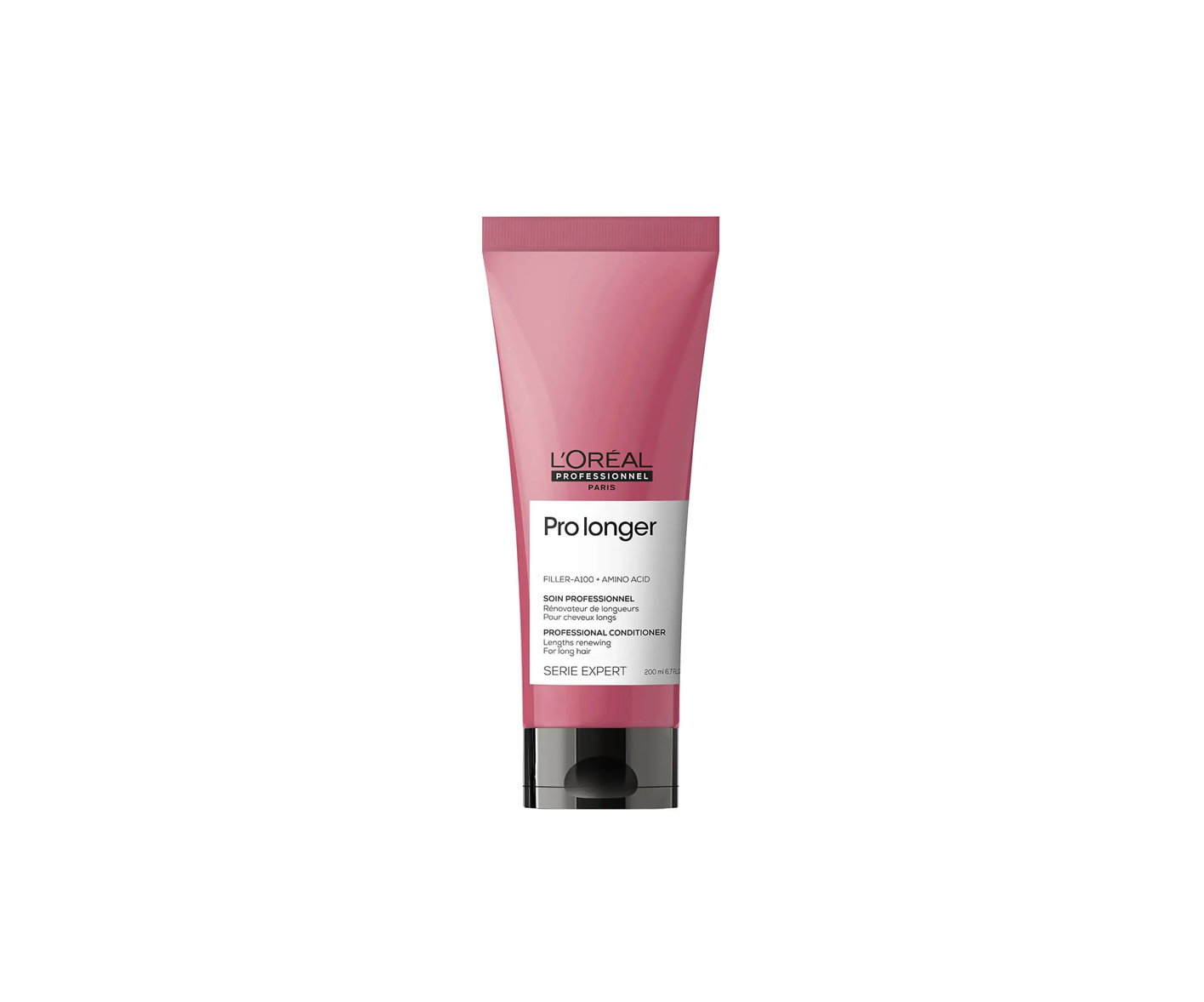
Discover 5 suggestions for proven hair conditioners and enjoy natural beauty!
Hair beauty can have a positive impact on our mood and self-esteem. Healthy, well-groomed hair is often considered attractive and adds to our charm. It can be an important part of our overall image and style. Although morally questionable, many people judge other people based on their appearance, including the state of their hair. Beautiful hair can help create a good first impression and a positive perception by others.
Taking care of your hair can be a form of relaxation and self-care. For many people, hair care is a way to calm down and relax, which can benefit mental health. Carefully selected cosmetics, such as hair conditioner, can make you feel like you are in your own bathroom in your favourite spa salon. Good hair care habits and a healthy diet that support beautiful hair often also have a beneficial effect on overall health. This means that taking care of your hair can be part of an overall approach to a healthy lifestyle. If you're interested in what the right hair care is, which hair conditioner will best suit your strands' needs and what a hair conditioner actually is, you're in the right place. We hope the following article will help you clear up any doubts.
Hair
Hair is a thin thread or fibre that grows from the follicle (hair root) located in the scalp and other areas of the body. Hair is mainly made up of protein especially keratin, which gives it its strength and elasticity.
Hair on the scalp plays a protective role, helping to regulate body temperature and protecting the skin from harmful UV radiation and other external factors. On some areas of the body, such as the arms, legs and face, hair is associated with nerve receptors that help to perceive sensory stimuli, such as touch. Hair on the head and other parts of the body is often seen as an aesthetic feature and is part of our appearance and identity.
Phases of hair growth
Hair grows from the hair follicle, which contains stem cells that are responsible for producing new hair cells. Hair growth is cyclical and involves three main phases:
Growth phase (anagen) - during this phase, the hair grows. The duration of the anagen phase varies according to location on the body and genetics, but on the scalp it can last from a few years to several years.
Transitional phase (catagen) - hair in this phase stops growing and is detached from the follicle. The catagen phase is short and lasts only a few weeks.
Resting phase (telogen) - hair in this phase rests and remains in the follicle but does not grow. Telogen can last for several months.
After the resting phase, the hair falls out naturally and new hair begins to grow in the place of the hair that has been lost. The pattern of hair growth and the rate of growth are controlled by genes, and many factors, such as diet, lifestyle and grooming, can affect the overall condition of the hair.
Hair is made up of several layers and structures that give it its strength, elasticity and appearance.
The hair shaft is the visible part of the hair that extends above the surface of the skin. The hair shaft consists of three layers:
1. cuticle: This is the outermost layer of the hair, consisting of thin flakes called scales. The cuticle protects the hair from damage and gives it shine.
2. cortex : This is the layer underneath the cuticle. It consists mainly of keratin, a protein that gives hair its strength. The cortex also contains pigments that give the hair its colour.
3. médulla: This is the inner layer of the hair, although it is not present in all hair. The médulla contains air cells and plays a minor role in the function of the hair.
The hair bulb is the part of the hair that is rooted in the scalp. The hair bulb contains stem cells, which are responsible for the production of new hair cells. Hair growth occurs during the anagen phase, when the stem cells divide and transform into hair cells. The hair follicle is a structure located in the scalp in which the hair bulb is immersed. The hair follicle has its own blood vessels and sebaceous glands, which provide the hair with nutrients and natural oil to protect the hair and scalp. Surrounding each hair follicle is an adductor muscle that can contract and lift the hair in response to stimuli such as cold or fear. This phenomenon is known as 'goosebumps'.
The sebaceous glands produce sebum, a natural oil that moisturises the hair and scalp and protects it from drying out. Excess sebum can lead to hair problems such as greasiness.
In summary, hair is made up of three main layers in the hair shaft: the cuticle, cortex and médulla, with the hair root rooted in the scalp. It is a complex structure that is mainly made up of keratin, the protein that gives hair its characteristic features.
Hair condition
The condition of the hair reflects its overall health and appearance. It is worth taking care of your hair to keep it strong, shiny and well maintained. A diet rich in nutrients such as protein, vitamins (especially A, C, E and biotin), minerals (e.g. zinc, iron) and healthy fats is crucial for healthy hair. Deficiencies in these components can lead to weakened hair and condition problems. Drinking enough water is important to keep both the scalp and hair hydrated. Lack of hydration can make hair dry and brittle.
Regular hair care is very important. Use the right products, such as a shampoo and conditioner for your hair that is tailored to your hair type. Excessive detergents or the use of unsuitable products can dry out your hair. Moisturising your hair is extremely important.
Frequent use of hot styling tools such as flat irons, hair dryers and curling irons can weaken hair, leading to breakage and damage. It is a good idea to limit the use of these tools and protect your hair from heat.
Frequent colouring, perming and other chemical treatments can damage hair. It is worth limiting the use of chemical treatments and aiming for natural hair care.
Stress, lack of sleep and an unhealthy lifestyle can affect the overall condition of hair. Following a healthy lifestyle, including avoiding excessive stress and regular physical activity, can help maintain healthy hair. In some cases, where the diet does not provide enough essential nutrients, supplementation, such as biotin or other hair support supplements, may be considered.
What is and how does hair conditioner work
A hair conditioner is a product used in hair care to improve the condition of the hair, moisturise it, make it easier to comb, and make it shiny and soft. Hair conditioners are usually used after shampooing, although there are also leave-in conditioners that are left on the hair. Conditioner can also be used to wash the lengths of the hair (e.g. the OMO method).
Hair conditioner provides extra moisture to the hair, which is particularly important for dry, damaged or dull hair. Moisturised hair looks healthy and is less prone to breakage. A hair conditioner reduces friction between the hair, which makes it easier to comb and protects the hair from friction damage.
Some conditioners have a heat-protective effect. They then protect the hair from damage caused by hot drying, styling and other external factors.
Many conditioners contain ingredients that give hair a healthy shine and make it look more attractive. Conditioners can improve hair elasticity, which is important for brittle and fragile hair.
Conditioners can make hair softer and more pleasant to touch. There are many different types of hair conditioner to suit different needs and hair types. Some contain ingredients that help strengthen the hair, while others focus on intense hydration. Choosing the right conditioner depends on your hair type and specific needs. Remember that using a hair conditioner can be an important part of your daily hair care routine to keep your hair healthy and looking attractive.
Types of hair conditioners
There are many types of hair conditioners to suit different needs and hair types.
Moisturising conditioners contain ingredients that help keep hair moisturised. They are ideal for those with dry, dull or damaged hair. Strengthening conditioners contain ingredients that aim to strengthen the hair structure, making it more resistant to damage and breakage. Smoothing conditioners help to smooth the surface of the hair, eliminating frizz and providing smoothness and shine. Specially formulated conditioners for hair dyers help maintain colour intensity and protect hair from fading. Conditioners for fine hair are designed to add volume to fine and thin hair, giving it a fuller appearance. Specially tailored conditioners for curly hair help to manage and define curl and give hair bounce. Deep conditioning conditioners contain intensive ingredients that penetrate deep into the hair structure to provide deep hydration and nourishment.
Another type is leave-in conditioners. Spray or cream conditioners that do not need to be rinsed out can be used to care for hair between washes.
Some conditioners focus on scalp care, helping to moisturise the scalp and soothe irritation.
Hair conditioner - who is it for?
Hair conditioner is a product that can be used by many different people with different hair types and needs.
People who struggle with dry, dull or damaged hair may benefit from a moisturising or strengthening conditioner to restore healthy-looking and supple hair. Conditioners that add volume and make hair look fuller are suitable for those with fine hair. People who colour their hair can use conditioners for coloured hair to maintain the intensity of the colour and protect their hair from fading. Children and adults whose hair tends to curl will certainly find a curly hair conditioner helps to bring out and define waves or curls.
Those with oily hair should look for lightweight conditioners that do not weigh down the hair or increase the scalp's sebum production.
There are also conditioners for men's hair, tailored to the needs of men's hair, which may differ from women's hair in terms of texture and length. For children, there are hair conditioners made specifically for children, which are gentle and safe for children's scalps.
Overall, a hair conditioner is a product that can be used by people with different hair types if it meets their specific hair care needs. When choosing a conditioner, it is important to tailor it to your hair type and individual needs. It is also a good idea to read the product label before purchasing a conditioner to check that it is suitable for your needs and will not cause allergies or irritation.
What key ingredients does a hair conditioner contain
Hair conditioners contain a variety of ingredients that are designed to improve the condition of your hair. The key ingredients in a conditioner can vary depending on the type of product and its purpose. Here are some of the key ingredients that are often found in hair conditioners:
- Keratin - a protein that is the main component of hair. Conditioners containing keratin help to strengthen the hair structure and prevent damage.
- Vitamins - especially vitamins A, C, E and biotin (vitamin H) are important for hair health. Vitamin A contributes to the hydration of the scalp, vitamin C supports collagen production, vitamin E acts as an antioxidant and biotin is known for its effects on hair, skin and nail health.
- Minerals - e.g. zinc, iron and selenium are important for hair health. Zinc helps to maintain the normal structure of the hair, iron influences the supply of oxygen to the hair roots and selenium has an antioxidant effect.
- Proteins - mainly collagen, soy proteins or silk proteins, can help to restore and strengthen hair.
- Vegetable oils - such as argan oil, jojoba oil, coconut oil or avocado oil, are often used in hair conditioners. These oils can provide deep moisturisation, prevent dryness and give hair shine.
- Plant extracts - such as aloe vera, chamomile, lavender, nettle or aloe vera, can have a variety of hair health benefits, including soothing scalp irritation and improving hair condition.
- Hyaluronic acid - helps to keep hair moisturised, making it softer and more supple.
- Silicones - form a protective layer on the surface of the hair, providing smoothness and shine. Unfortunately, they can weigh hair down.
- Seaweed extracts - are rich in nutrients and minerals that can help improve hair texture.
- Salicylic acid - helps to remove dead scalp cells, which can contribute to healthy hair growth.
Before buying a conditioner, it is worth reading the product label and looking out for ingredients that are important for your hair type and hair care needs. Some people may be sensitive to certain ingredients, so it's a good idea to choose products that are suitable for your skin and hair and carry out a skin and hair test to avoid allergic reactions.
Hair conditioner - what are the benefits of using it?
- There are many benefits to using a hair conditioner and it can have both short and long-term benefits. Here are some of the main benefits of using a hair conditioner:
- Moisturising and nourishing
- Making it easier to comb
- Improving elasticity and appearance
- Protecting against heat damage
- Prevention of split ends
- Additional protection against harmful external factors
- Facilitating styling
- Improving the overall condition of hair
The undesirable effects of using hair conditioners
The use of hair conditioner is generally safe and has many benefits, but in some circumstances there may be some unwanted effects. Here are some potential negative effects of using hair conditioner:
- Excessive amounts of product
- Overloading the hair
- Allergic reactions
- Problems related to intolerance of ingredients
- Reduced volume
- Contamination
To avoid these undesirable effects, it is advisable to use the conditioner according to the instructions on the packaging and to adapt the product to your hair type. If you have a sensitive scalp or concerns about allergic reactions, it is always a good idea to try the product on a small patch of skin before regular use. If you experience any adverse symptoms, discontinue use of the product.
Hair conditioner - how often should I use it?
How often you use a hair conditioner can depend on a number of factors, including your hair type, the condition of your hair and the product you are using. In general, it is recommended to use conditioner regularly, but not necessarily daily. For most people, using conditioner once or twice a week is sufficient. If you have dry, damaged or very curly hair, you may want to consider more frequent use, for example every third day.
If you use a leave-in conditioner (i.e. a conditioner that doesn't need to be rinsed out), you can use it more often, even daily, to provide your hair with extra moisture and protection. When choosing how often to use conditioner, it is always worth considering the individual needs of your hair. If you have brittle, fine or oily hair, you may need to limit how often you use conditioner.
Hair conditioner - how do I use it?
Using a hair conditioner can help improve the condition of your hair, moisturise it, soften it and make it easier to comb. It can be applied in different ways, depending on the type of conditioner. Here are the traditional steps you can take to use a hair conditioner effectively:
1. choose a conditioner that is suitable for your hair type, so for example a conditioner for dry hair, oily hair, fine hair, coloured hair, etc.
2. place the conditioner on your hair after shampooing (or during, if you are using a conditioner to wash your hair using the OMO method, for example). It is best to apply conditioner after draining your hair while it is still damp. Drain excess water from your hair gently with a towel or cotton t-shirt so that the conditioner does not run off with the dripping water.
(3) Apply an appropriate amount of conditioner to the palm of your hand (usually the size of a walnut or slightly more, depending on the length and density of your hair).
4. distribute the conditioner evenly throughout the length of your hair.
5) Use a wide-toothed comb or detangling brush to distribute conditioner evenly through the hair.
Start combing from the ends and gently move up towards the roots to avoid breaking hair.
7. leave the conditioner on your hair. Usually conditioner manufacturers will state the length of time the product is left on the hair on the label. This can be from a few seconds to a few minutes. Follow the manufacturer's recommendations.
8. carefully rinse the conditioner out of your hair, using warm water. Make sure there is no excess product left that could make your hair look greasy.
9. After rinsing out the conditioner, continue with your hair care routine. You can blow-dry your hair, style it or leave it to dry naturally.
10) Hair conditioners are best used regularly, depending on your hair's needs. You can use it every wash or once a week, depending on the condition of your hair.
11. remember to avoid conditioner coming into contact with your eyes as it can irritate them.
Remember that the effectiveness of hair conditioner can vary depending on the brand and type of product. It's also important to take care of your overall hair care, including washing regularly, avoiding excessive use of hot styling tools and maintaining a healthy diet and hydration, as all of these things have an impact on the condition of your hair.
Hair conditioner - what to look for when choosing one
When choosing the right conditioner for your hair, you should be guided by a few key factors that will take into account the individual needs of your hair. Here are the main aspects to consider:
Hair type: The most important thing is to know your hair type, i.e. whether it is dry, oily, normal, fine, thick, curly, straight, coloured, etc. When choosing a conditioner, always make sure it is designed for your specific hair type.
Hair needs: If your hair is dry and dull, look for a conditioner that provides intensive moisturising care. If you have fine hair and need volume, look out for volumising conditioners. If you colour your hair, choose a conditioner designed specifically for coloured hair to help maintain colour and prevent fading.
Active ingredients: read the conditioner label and pay attention to the active ingredients. Look for ingredients that are beneficial to your hair, such as proteins, plant oils, vitamins, keratin, panthenol, collagen, etc.
Purpose of use: Think about what the purpose of the conditioner is. Do you want to improve hydration, prevent breakage, increase volume, control frizz or another hair problem? Choose products that will bring you closer to your dream goal.
Scalp sensitivity: If you have a sensitive scalp, look out for products with gentle and hypoallergenic ingredients that won't irritate your skin.
Fragrance and texture: Make sure the product has an acceptable scent and texture for you. Some people prefer lightweight conditioners, while others prefer those with a richer texture.
Price: The price of hair conditioners can vary greatly. Find a product that fits within your budget, but remember that a more expensive product is not always better. At the same time, quality ingredients are usually not among the cheapest.
Reviews and feedback: Read other users' reviews to find out what their experience with a particular nutrient is. If a product has helped someone who had a similar problem to yours, there is a high probability that it will also meet your hair's needs.
Testing: If in doubt, you can try a sample of a product or consult your hairdresser or dermatologist for advice on the right choice of conditioner.
Remember that everyone's hair needs are different, so take the time to experiment and tailor your hair care to your individual needs.
Meet the top 5 hair conditioners of 2026
When creating our product reviews, we consider ingredients and research their safety. We analyse the opinions of industry experts and the experiences of product users. We obtain recommendations from authorised retailers and use available sources of knowledge on active ingredients and their effects. We personally verify the action, texture, scent and feel of the products, and assess value for money.
Below are detailed reviews by our editors with a description of each product indicated.