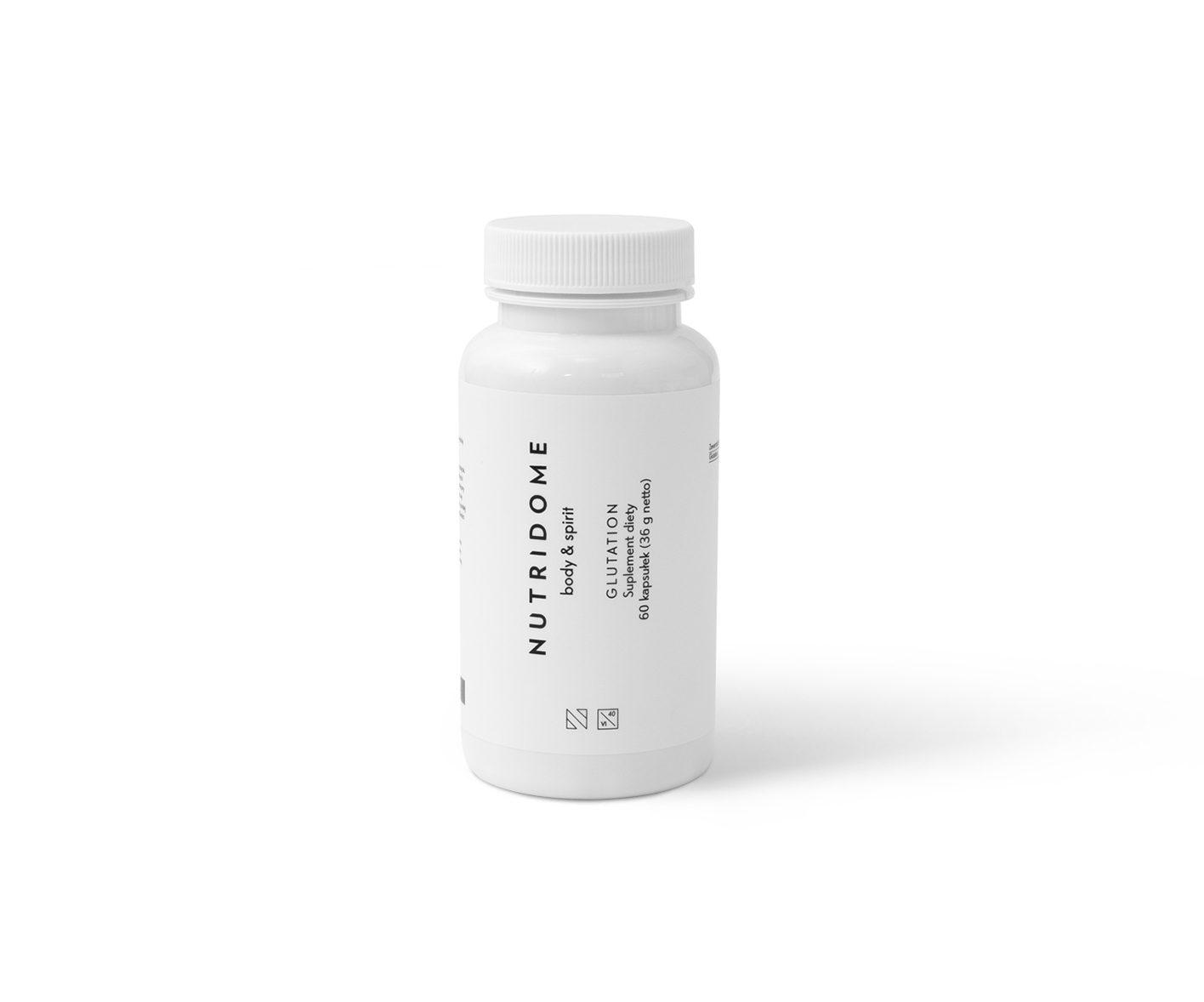
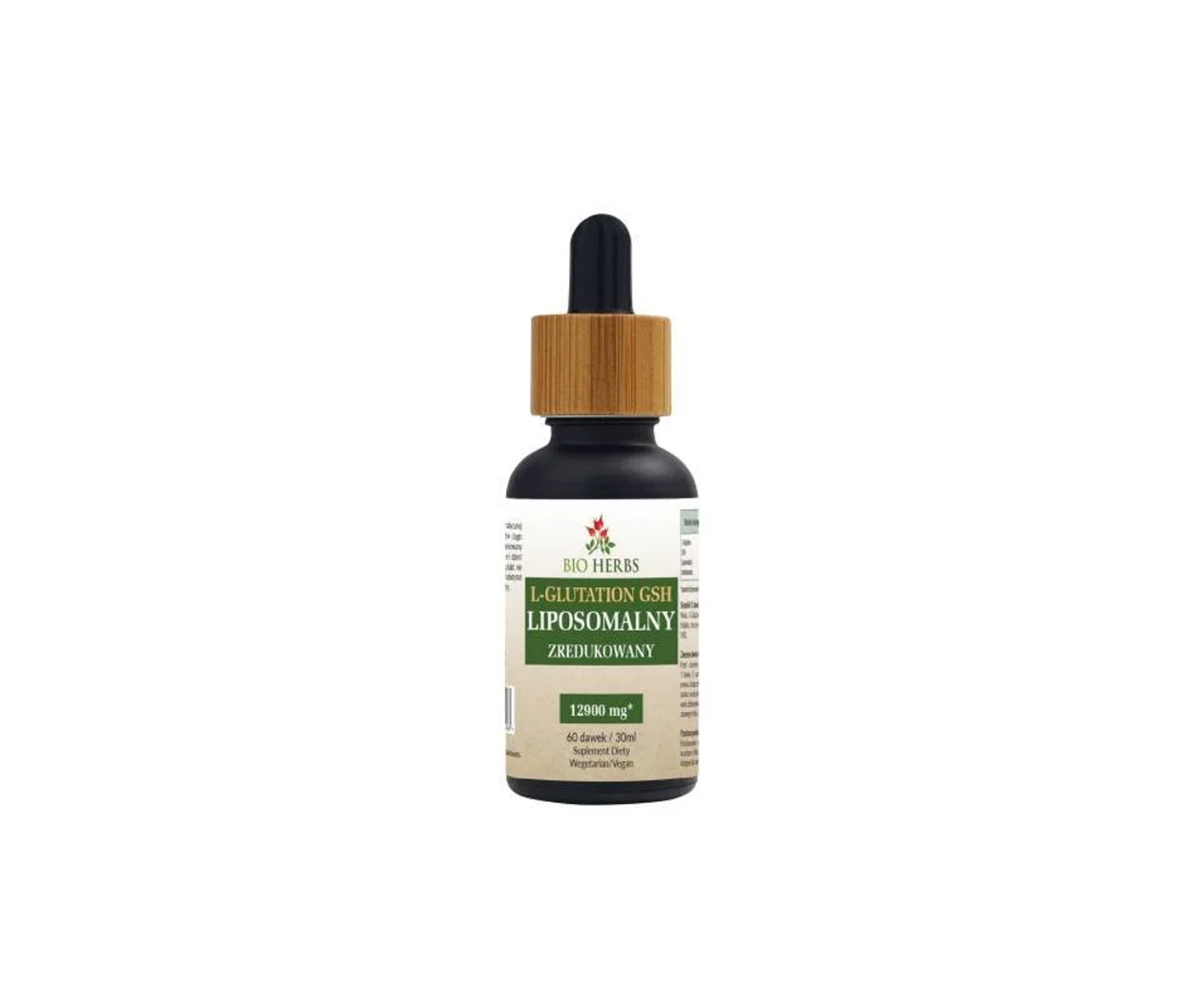
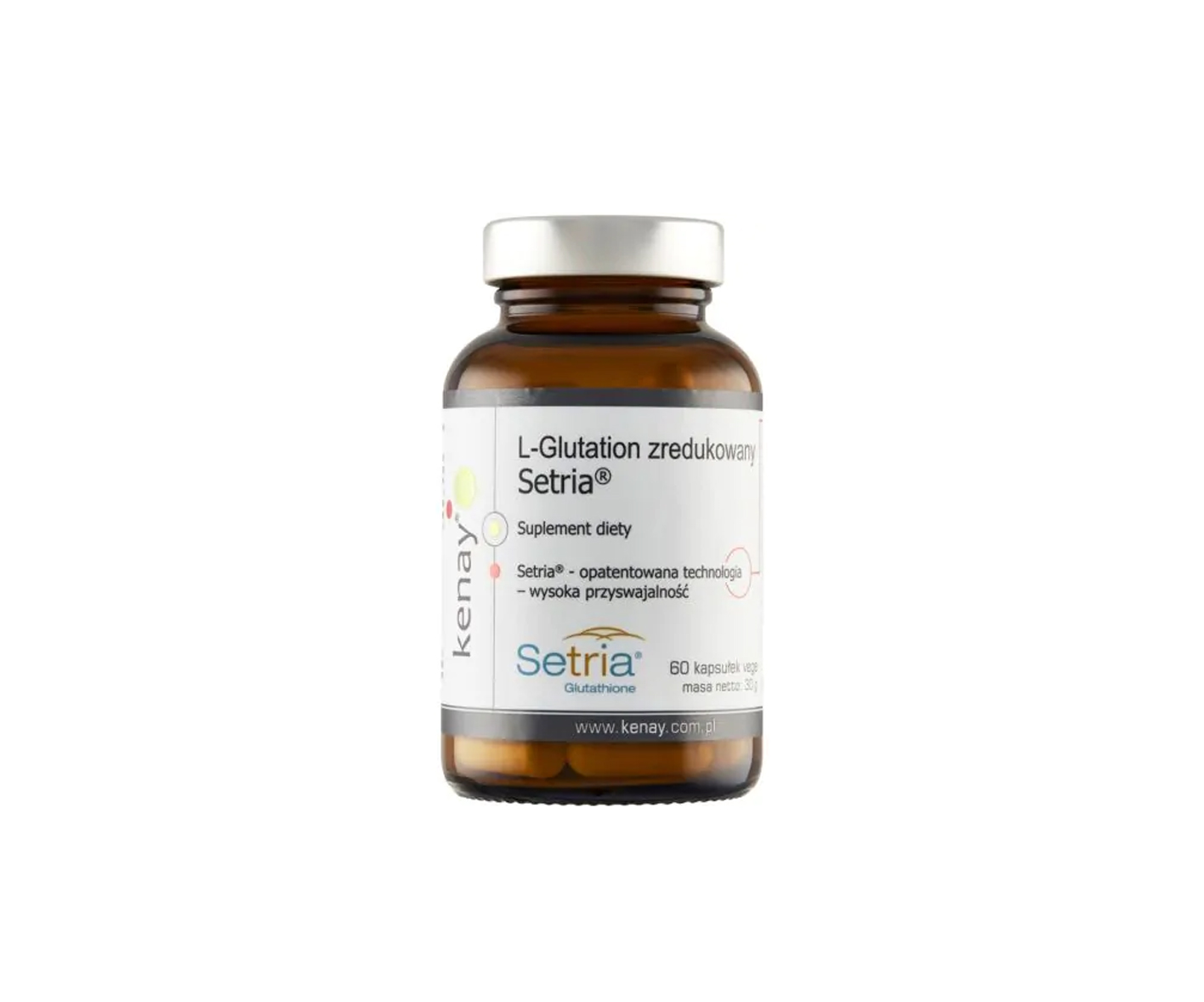
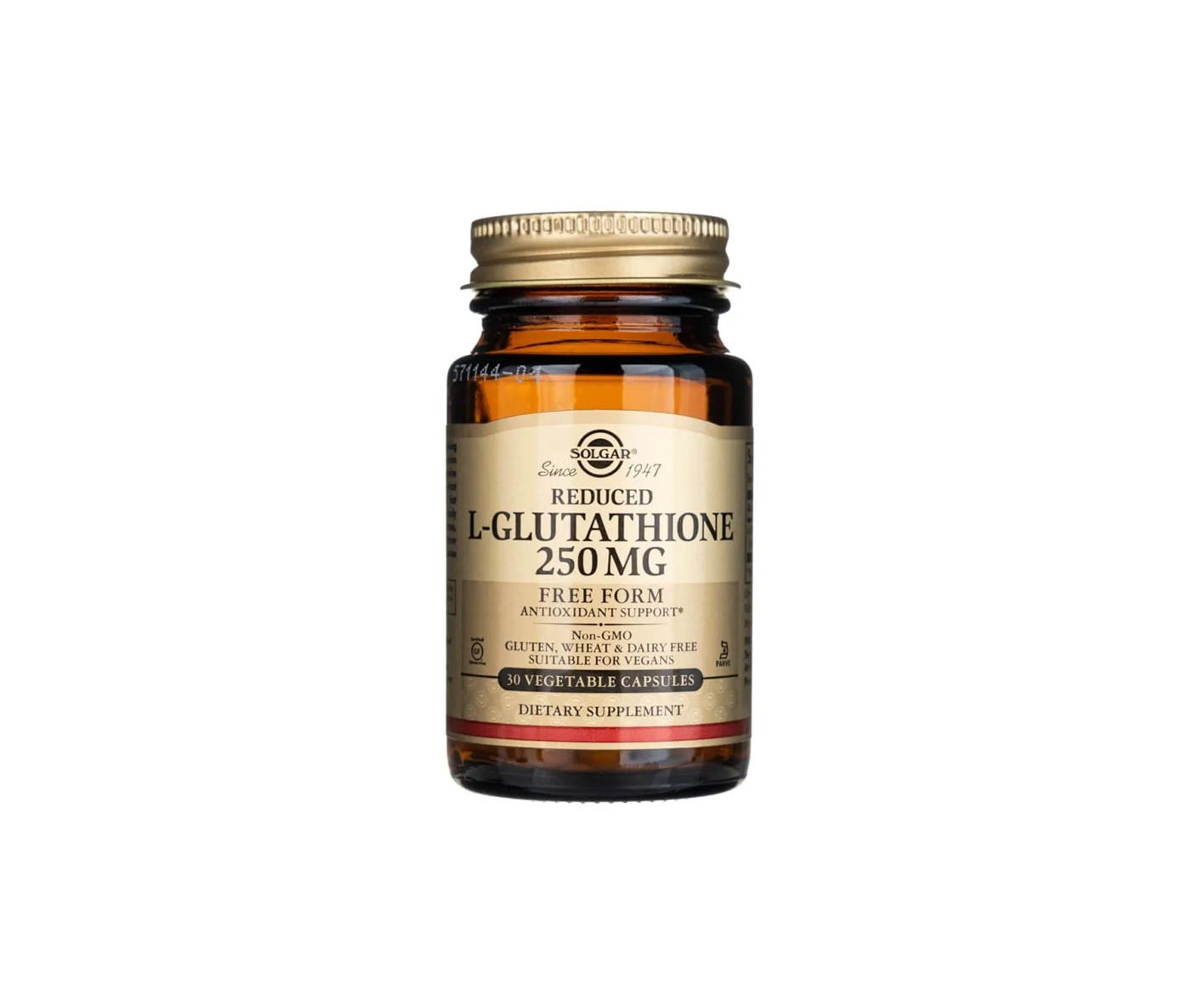
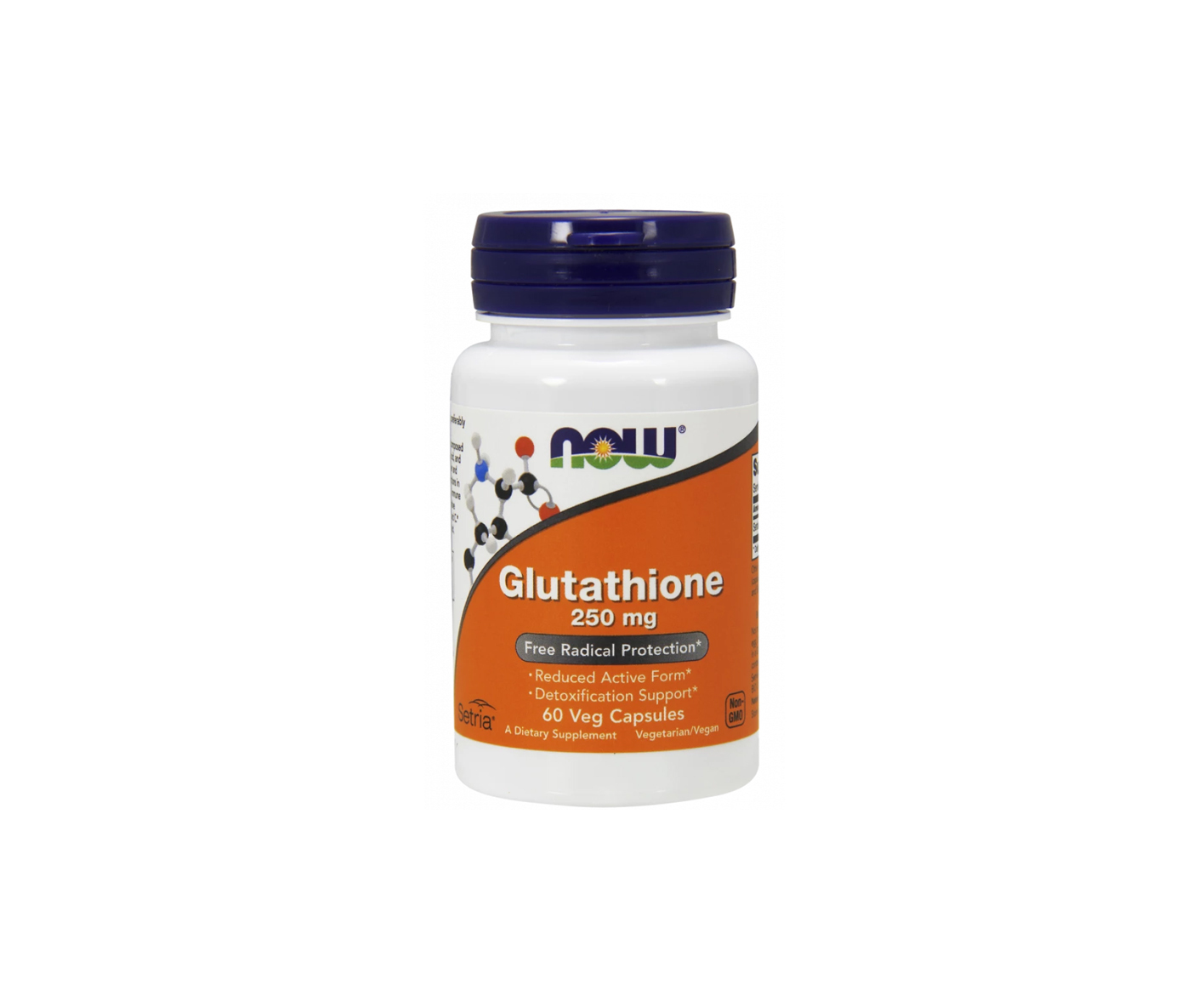
Discover 5 suggestions for proven glutathione supplements and keep your body healthy!
There is no doubt that in order to enjoy good health and a beautiful appearance, it is necessary to supply the body with many valuable vitamins and elements. However, antioxidants are equally important components that influence the proper functioning of the cells and organs in our body and ensure flawless beauty. And among these, glutathione is considered to be the most potent. In the following article, you will learn what antioxidants are responsible for, what exactly glutathione is, where it can be found and the best preparations containing this invaluable ingredient.
Antioxidants - what are they?
Antioxidants, or antioxidants, are compounds whose function is to protect cells and tissues from the damaging effects of free oxygen radicals (oxidants) and to "repair" damage already caused by them. Free radicals are reactive oxygen species that are a by-product of many reactions occurring in the body. Their formation is inherent in respiration. An excess of free radicals, on the other hand, leads to oxidative stress, which can contribute to many diseases. It is therefore extremely important to maintain a balance between antioxidants and oxidants.
The most common causes of increased free radicals in the body include:
- - cigarette smoking,
- - excessive alcohol consumption,
- - consumption of highly processed foods,
- - taking certain medications,
- - high stress levels,
- - insufficient sleep,
- - environmental pollution,
- - prolonged exposure to the sun.
Free radicals adversely affect the condition and appearance of the skin, accelerating its ageing process. In addition, they damage DNA, proteins, carbohydrates and lipids. They are often the main cause of atherosclerosis. They damage blood vessels and cause fat deposits on the walls of the arteries. They can also contribute to weakened immunity, diabetes, kidney failure and even cancer.
Natural sources of antioxidants
Where can you find antioxidants? In vegetables and fruits, of course. Such as, for example: garlic, onions, carrots, pumpkin, peach, tomatoes, strawberries, raspberries, peppers, watermelon, red cabbage, aubergine, blueberries, grapes, blueberries, blackberries, chokeberries, currants.
Herbs and spices such as basil, oregano, rosemary, marjoram, thyme, turmeric, cinnamon, cumin and cloves are equally valuable sources of antioxidants.
Nuts and pulses are other sources of antioxidants. In addition, they are found in vegetable oils, cocoa, dark chocolate, as well as coffee and green tea.
Very powerful antioxidants include vitamin C, vitamin E, vitamin A, selenium, zinc and glutathione.
Glutathione - what is it?
Glutathione is a tripeptide, a substance made up of three amino acids: glutamic acid, glycine and L-cysteine. The liver is responsible for the production of glutathione, as well as the cells of the nervous system.
Glutathione is the most powerful antioxidant. It is produced by our body and its highest concentrations are found in the liver, kidneys, lens of the eye, pancreas and spleen. Glutathione is responsible for neutralising free radicals, thereby protecting cells from damage. The most important properties of glutathione include supporting the body's immune system, improving insulin sensitivity, preventing many diseases (including cancerous changes) and inhibiting the body's ageing process. In addition, glutathione supports detoxification, i.e. the removal of toxins and unfavourable substances from the body that can adversely affect health.
Low glutathione levels are the result of poor diet, stress, stimulants, environmental pollution, UV radiation and are also age-related. With ageing, glutathione levels decrease.
The main symptoms of glutathione deficiency include:
- - digestive problems,
- - low immunity,
- - disturbances in the normal functioning of internal organs.
Glutathione levels can be checked by taking a blood test. If the body's cells are healthy, the reduced glutathione should be 0.99. If its level is slightly lower and varies between 0.95 and 0.81, this is information about the risk of oxidative stress. A glutathione level below 0.63, on the other hand, indicates oxidative stress.
Natural sources of glutathione
Glutathione is found naturally in broccoli, cauliflower, Brussels sprouts, onions, garlic, eggs, nuts, legumes, spinach, avocados, meat and fish, among others. However, when it is not possible to provide glutathione through food, dietary supplements containing this valuable ingredient should be taken.
In dietary supplements, glutathione is most often found in its reduced (GSH), or active, form. It is assumed that an effective and safe dose of GSH is 500 mg/day.
Glutathione supplements - for whom?
Glutathione supplements are offered to various patient groups, with priority being given to those suffering from chronic diseases in which the immune system requires significant support (type 2 diabetes, HIV, liver disease).
Glutathione supplements are also beneficial for people exposed to stress, living in polluted areas, as well as athletes and physically active people. Glutathione can help the body recover faster and prevent muscle injury.
Elderly people will also benefit from glutathione supplementation, as taking this ingredient will increase levels in the body and can support health.
Contraindications to the use of glutathione include allergic reactions or intolerance to the ingredient. Its consumption is not recommended during pregnancy and lactation due to the lack of sufficient studies on the safety of use in these groups.
Please note that a doctor should be consulted before starting glutathione supplementation. Particularly if you have an existing medical condition or are taking other medications or supplements.
What are the effects of using glutathione supplements?
The main benefits of using glutathione supplements include:
Protection against oxidative stress: As a powerful antioxidant, glutathione reduces the risk of oxidative stress. It also supports the proper functioning of other antioxidant enzymes and plays an important role in the regeneration of vitamins C and E.
Support for the immune system: Glutathione has a significant impact on immune system function, helping the body fight infection and inflammation.
Liver health support: Glutathione plays a key role in liver function, helping to regenerate liver cells and support the treatment of liver disease.
Detoxification: Glutathione is extremely important in the body's detoxification process. It helps to remove toxins, heavy metals and other harmful substances.
Muscle support: Glutathione supplementation can support muscle recovery after intense exercise and improve endurance.
Improve skin health and appearance: Due to its antioxidant properties, glutathione can support skin health by reducing inflammation and irritation, and can improve the appearance of the skin by delaying the ageing process.
Benefits
Key benefits of glutathione supplementation include:
- lAntioxidant activity.
- Detoxification of the body.
- Immune support.
- Improving skin health and appearance.
- Support for muscle function.
- Reduction of inflammation.
- Improving liver function.
- Supporting the management of chronic diseases.
- Improving cognitive function.
Disadvantages
The use of glutathione may also be associated with some disadvantages. Examples include:
- Incorrect dosage.
- Lack of expected effects.
- Possibility of interaction with drugs.
- Possibility of allergic reactions to glutathione.
How to use glutathione supplements?
Glutathione supplements are taken orally. They can be in the form of capsules, tablets, or liquid. Glutathione supplements should be taken regularly according to your doctor's instructions or the information provided by the manufacturer. The recommended daily dosage of the supplement can be found on the packaging of each supplement. These should be strictly adhered to and not exceed the indicated amounts to be taken per day.
When taking glutathione supplements, monitor your body's reaction for any allergic reactions or other side effects. If any worrying symptoms appear, stop taking the supplement and consult your doctor.
What should I look for when choosing glutathione supplements?
When choosing glutathione supplements, there are a few key things to look out for to ensure that the product is as safe and effective as possible. Here are some tips:
Glutathione content: Pay attention to the daily dose of glutathione. Adjust it according to your body's needs.
Purity and quality of the supplement: Check the composition of the supplement and make sure it does not contain unnecessary additives, preservatives, fillers, colours or chemicals. Look for supplements with a clean and simple formulation.
Form of use: Choose the form of glutathione supplement that is easiest for you to take. Supplements are available in capsules, tablets, liquid or powder to dissolve in water.
Manufacturer reputation: Choose supplements from reputable and recognised manufacturers who adhere to good manufacturing practices backed by certifications.
Opinions and reviews: Read other users' reviews of a particular glutathione supplement for information on its effectiveness, quality and possible side effects.
Discover the top 5 glutathione supplements in 2026
When creating our product reviews, we consider the ingredients and research their safety. We analyse the opinions of industry experts and the experiences of product users. We obtain recommendations from authorised retailers and use available sources of knowledge on active ingredients and their effects. We personally verify the action, texture, scent and feel of the products, and assess value for money.
Below are detailed reviews by our editors with a description of each product indicated.