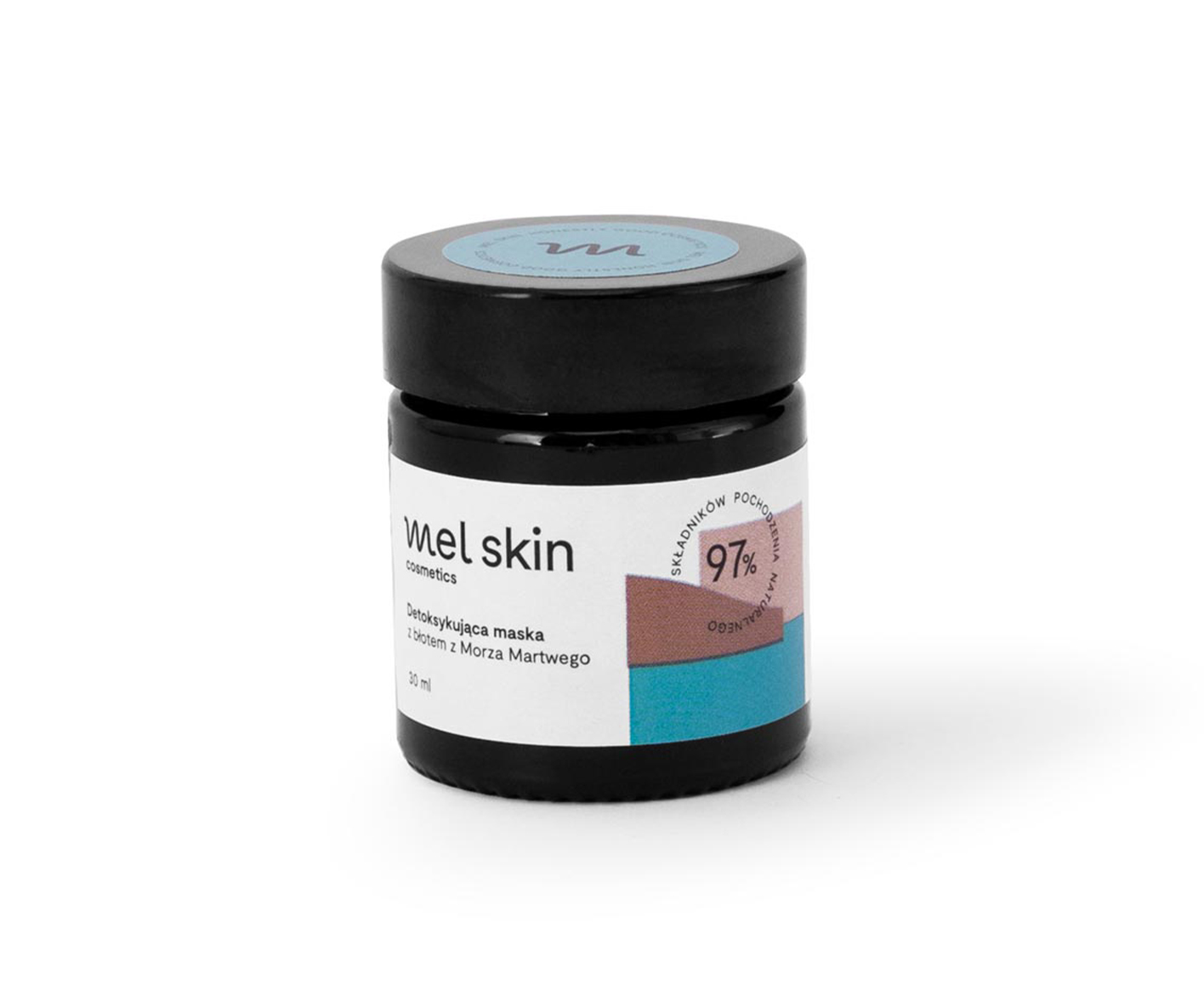
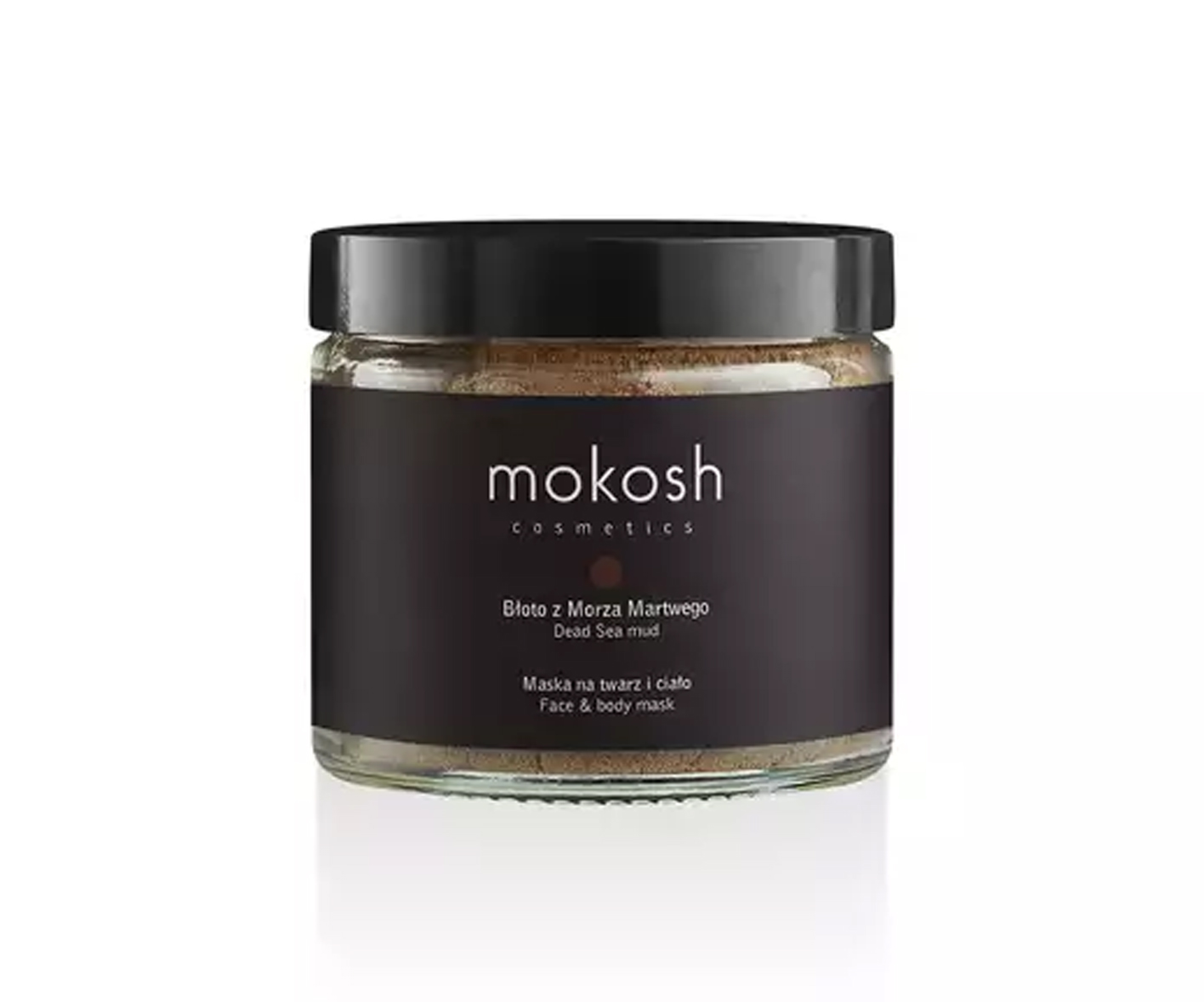
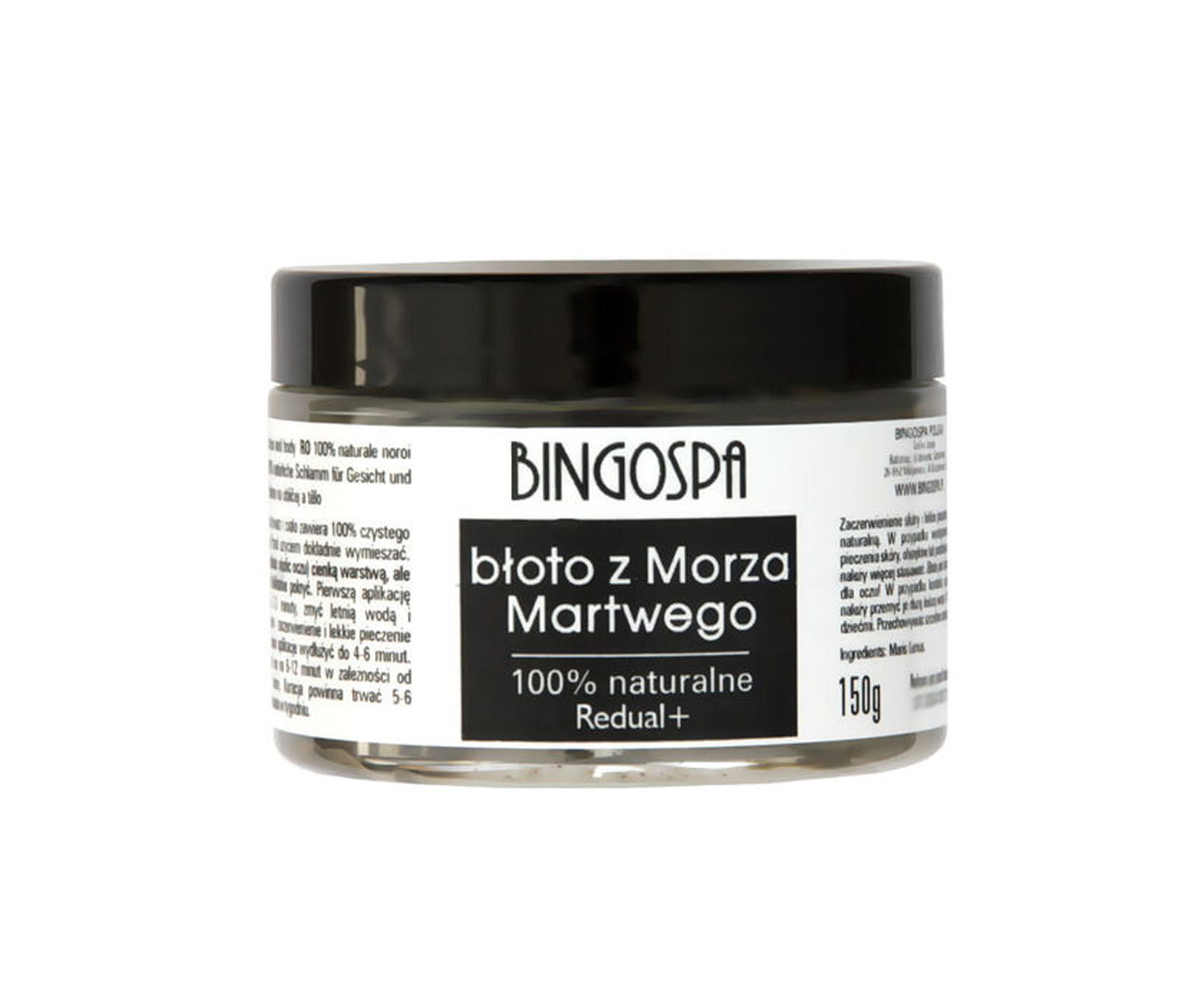
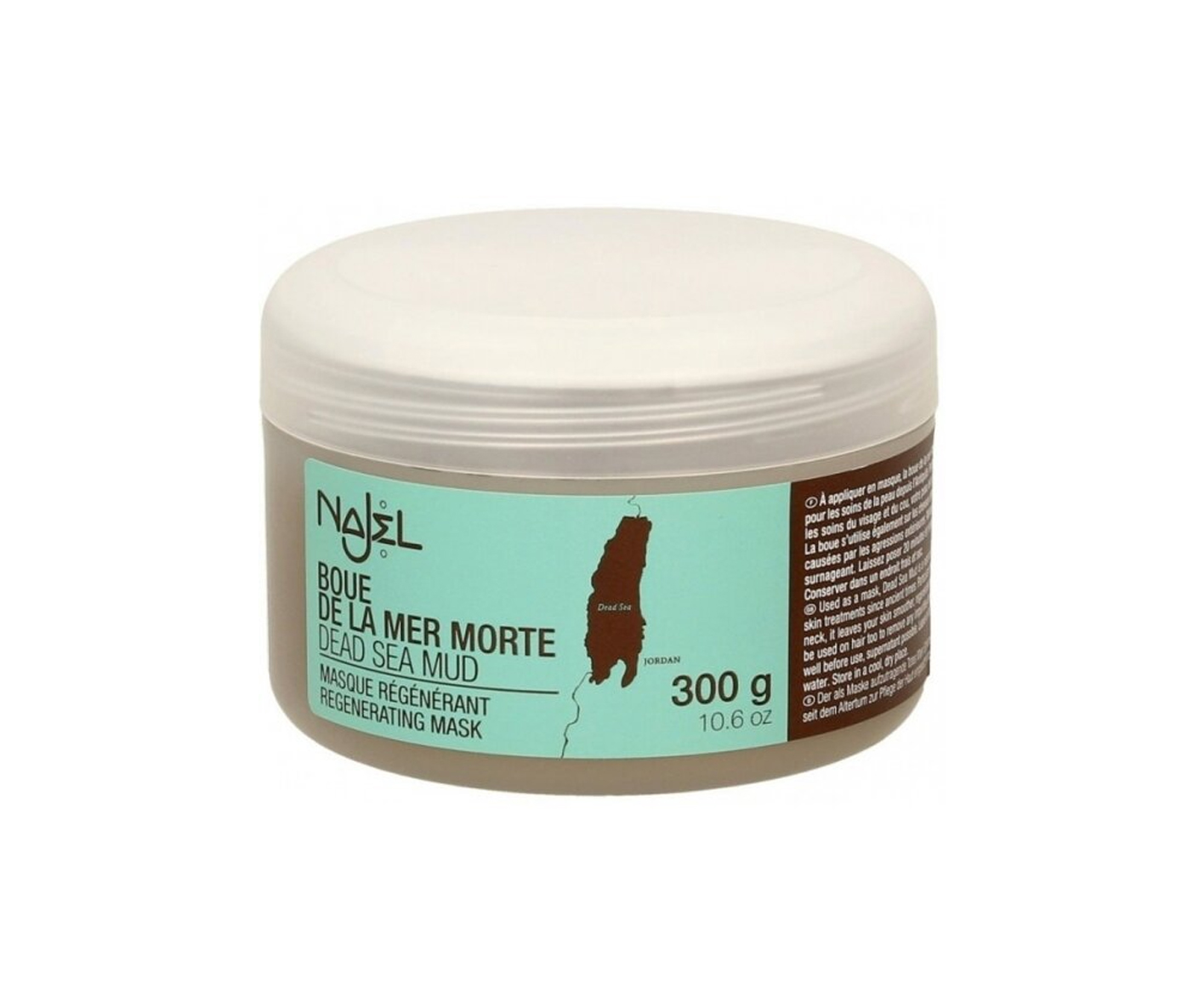
Discover 5 suggestions for face masks and turn your home into a spa salon
The love of beauty is undoubtedly inherent in human nature. So it's no surprise that we go to great lengths to look attractive. Healthy and well cared for skin looks radiant and fresh. Proper care can help reduce wrinkles, discolouration, puffiness and other skin imperfections, which contributes to an improved overall appearance and increased self-confidence. Taking care of your complexion has a positive impact on your mood and mental health. A regular skincare routine can be a way to relax and take a moment for yourself during the day, helping to reduce stress and improve your mood. Proper skincare involves a series of regular steps to maintain the health of the skin, such as cleansing, moisturising, protecting against harmful external factors and improving the overall appearance of the skin. For each of the elements of skincare, cosmetics such as a face mask are extremely helpful. Face masks can be available in the form of pads, creams, gels, as well as sheets soaked in essence. Their regular use can bring many benefits to the skin and improve its appearance and condition. Another interesting form of face mask is the use of natural substances that have supported skin care for thousands of years. It is amazing what treasures the Dead Sea, volcanoes, the seabed and even the home garden hold. Many cosmetic manufacturers are tapping into these gifts of nature, composing formulations and creating formulas that work perfectly as a face mask. You will read about what a face mask is, why you should use it and which masks are worth looking out for in the article below. You will also find out why the Dead Sea is a phenomenon that is so often used in cosmetics.
What is the Dead Sea
The Dead Sea, which is geographically a lake, is a unique body of water located on the border between Israel and Jordan, in a deep tectonic depression. It is the lowest body of water on Earth, reaching more than 400 metres below sea level. The Dead Sea contains a very high concentration of salts, mainly sodium chloride, magnesium, calcium, potassium and bromine. The salinity is so high that there is almost no life in it.
Due to the abundance of minerals and the high concentration of salts, the waters of the Dead Sea have healing properties. Baths in the Dead Sea and the use of cosmetics based on its ingredients are commonly used for health and cosmetic purposes. The Dead Sea has no permanent river tributaries, which means that its water level is constantly decreasing. The main source of water is the Jordan River, but most of the water of this river system is used for irrigation and industrial purposes before reaching the Dead Sea.
The Dead Sea is one of the saltiest bodies of water in the world, but it is also one of the least mineralised. This is due to the lack of drainage, meaning that water is stored but there are no natural pathways to drain it. The water is mainly removed by evaporation, leading to a constant increase in salt concentration.
The Dead Sea attracts tourists from all over the world who want to benefit from its healing properties. In addition, the Dead Sea's salt and mineral resources are used in the cosmetic industry for the production of various types of cosmetics, such as a face mask, moisturising cream or bath salt.
The Dead Sea is therefore an extremely fascinating place that attracts both tourists and researchers from all over the world due to its unique features.
The Dead Sea - uses in cosmetics
The Dead Sea is popular in the cosmetic world for its unique mineral properties, which are beneficial for the skin. Cosmetics with Dead Sea ingredients (usually Dead Sea mud is used) contain a variety of minerals such as magnesium, potassium, calcium, bromine and sulphur, which have positive effects on the health and appearance of the skin. Here are some popular types of Dead Sea cosmetics:
Face mask. Dead Sea mud face masks are known for their cleansing, moisturising and nourishing properties. They contain minerals that help remove impurities from the deep layers of the skin, moisturise the skin and improve its elasticity.
Moisturising cream. Dead Sea mud creams contain minerals that help to keep the skin hydrated. They help to retain moisture in the skin and protect it from drying out.
Bath salts and lotions. Dead Sea bath salts and lotions are popular products used for relaxing baths. They contain minerals that help to relieve muscle tension, exfoliate dead skin cells and moisturise the skin.
Body scrub. The Dead Sea is a source of precious salt. Scrubs contain grains of Dead Sea salt, which help to gently exfoliate dead skin cells, unify skin texture and improve blood circulation.
Hair care. The Dead Sea is an innumerable source of minerals. Shampoos and conditioners with Dead Sea ingredients contain minerals that help moisturise and nourish hair, giving it a healthy look and shine.
Body lotions. Body lotions with Dead Sea ingredients contain minerals that help to moisturise, nourish and regenerate the skin, leaving it soft and smooth.
Cosmetics with ingredients extracted from the Dead Sea are widely available in many beauty shops. The Dead Sea encapsulated in the form of a face mask is an extremely effective and comprehensive form of care.
Face mask
A face mask is a cosmetic product that is applied to the face to care for, moisturise, cleanse or improve the skin. There are different types of face masks.
A moisturising face mask is designed to hydrate and nourish the skin. It usually contains ingredients such as hyaluronic acid, vitamins, marine algae, etc.
A purifying face mask is designed to cleanse pores and remove impurities from the skin's surface. It may contain activated charcoal, clays or salicylic acid.
An anti-ageing face mask contains ingredients to reduce wrinkles, improve skin elasticity and generally revitalise the skin.
A whitening mask is designed to reduce discolouration and brighten the skin. It often contains ingredients such as kojic acid or vitamin C.
A lifting face mask is designed to tighten and firm the skin, reduce the appearance of fine lines and improve the facial oval.
A face mask is available in the form of pads, creams, gels and even essence-soaked sheets. Its regular use can bring many benefits to the skin and improve its appearance and condition.
Dead Sea - face mask
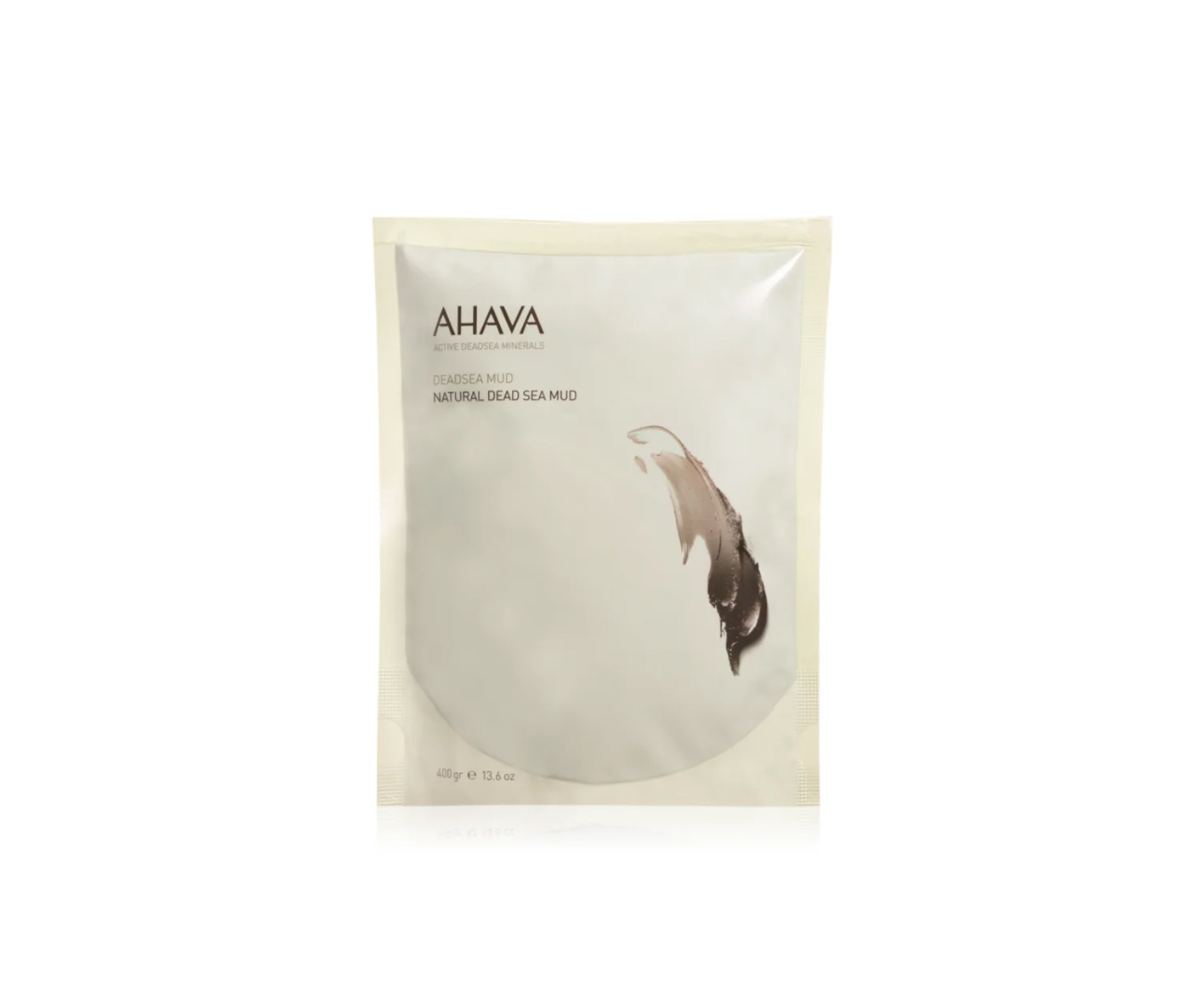
A Dead Sea rich face mask is a cosmetic product that contains ingredients from the Dead Sea, such as mineral salts, mud or sediments from the area. These ingredients are known for their cleansing, nourishing and regenerating properties, which can have a beneficial effect on the skin.
By containing Dead Sea mud or sediments, a face mask helps to cleanse the skin of impurities, excess sebum and dead skin cells, which can help to reduce pimples and blackheads. Dead Sea minerals can help hydrate the skin, retaining water in the layers of the skin and preventing dryness. The mineral salts and other ingredients that the Dead Sea combines provide the skin with the nutrients it needs to help regenerate and improve elasticity.
The Dead Sea Mud Face Mask contains ingredients that have anti-inflammatory and antibacterial properties, which can help treat acne and reduce inflammation on the skin.
Some of the ingredients that the Dead Sea hides, such as magnesium and potassium, can help to improve skin elasticity and reduce the appearance of wrinkles.
Face masks encapsulating the wealth that is the Dead Sea are readily available in beauty shops and online.
How the Dead Sea works as a face mask
The Dead Sea as a face mask ingredient works mainly due to the mineral salts, mud and other ingredients from this unique body of water. Ingredients such as Dead Sea mud contain minerals that absorb excess sebum and remove impurities from the skin pores. As a result, the mask can help to cleanse the skin by removing impurities and dead skin cells, which can help to reduce acne and blackheads. The minerals that the Dead Sea hides, such as magnesium, potassium and calcium, can help to retain water in the layers of the skin, leading to adequate hydration. Thus, a face mask can soften and moisturise the skin, especially if it is dry and rough. Dead Sea ingredients contain substances that support skin regeneration processes, such as accelerating cell renewal and improving skin elasticity. This can help to reduce fine lines and wrinkles and improve the overall appearance and texture of the skin. Some Dead Sea ingredients, such as sulphur and bromine, have anti-inflammatory and antibacterial properties. As a result, the mask can help reduce inflammation on the skin, soothing irritation and redness.
Applying the mask to the face with elements of massage, stimulates blood circulation in the skin, which contributes to better absorption of nutrients into the skin cells and improves the overall appearance of the skin.
Dead Sea - who the face mask is for
A Dead Sea face mask may be suitable for many people, especially those looking for a product with cleansing, moisturising, regenerating and soothing properties. A Dead Sea face mask will be an effective solution for those with skin problems such as acne, psoriasis, atopic dermatitis or eczema. Dead Sea minerals, such as mud and mineral salts, can help to cleanse the skin, reduce inflammation and soothe irritation. The moisturising and soothing ingredients in Dead Sea masks can be beneficial for those with dry, sensitive or irritated skin. They can help to retain water in the skin, preventing it from drying out, and soothe irritation and redness. Regenerative and elasticity-enhancing ingredients from the Dead Sea can be beneficial for those with mature skin who are looking for anti-ageing products. A Dead Sea mask can help to reduce wrinkles, improve skin elasticity and generally improve the appearance and texture of the skin.
The ingredients that the Dead Sea hides are natural and often considered safe for the skin. For those who prefer cosmetic products based on natural ingredients, a Dead Sea face mask can be an attractive choice. The minerals in Dead Sea masks can help restore the mineral balance in the skin, which is important for its health and appearance. Those with mineral imbalances in their skin will certainly benefit from using such products.
Before using a Dead Sea face mask, however, it is always a good idea to read the manufacturer's instructions and perform an allergy test to ensure that the product is suitable for your skin.
Dead Sea mud face mask - application effects
Using a face mask with Dead Sea mud can have a number of benefits for the skin. Dead Sea mud has purifying properties that help remove impurities, excess sebum and toxins from the pores of the skin. Using a mud mask can help to deep cleanse the skin, helping to reduce pimples, blackheads and other skin imperfections. The mud that the Dead Sea holds contains a variety of minerals and nutrients that hydrate and nourish the skin. Using a mud mask can help to retain moisture in the skin, improving elasticity and texture. The ingredients in Dead Sea Mud support the skin's regenerative processes, speeding up cell renewal and improving the overall health of the skin. Regular use of the mask can help to reduce fine lines and wrinkles and improve skin elasticity. Dead Sea mud has anti-inflammatory properties that can help reduce inflammation on the skin, such as acne and dermatitis. Using a mud mask can help to soothe irritation, redness and inflammation on the skin. Using a face mask with Dead Sea mud can also be relaxing and indulgent for the skin and senses, creating a pleasant skincare moment in your daily routine. It is worth remembering that the effects of a Dead Sea mud mask can vary depending on individual needs and skin type. Regular use, well-adapted care and a healthy lifestyle can further enhance the benefits of this type of mask.
Face mask (Dead Sea) - key ingredients
A face mask with the ingredients behind the Dead Sea can contain a variety of ingredients from this unique body of water. Here are some key ingredients that are often found in this type of mask:
- Dead Sea Mud - this is one of the most important ingredients in Dead Sea face masks. The mud contains a variety of minerals such as magnesium, potassium, sulphur, calcium and bromine, which have cleansing, soothing and nourishing properties for the skin. The mud helps to remove toxins, impurities and excess sebum, while moisturising and nourishing the skin.
- Mineral salts - The Dead Sea is known for its high salinity, which means it contains a high amount of various mineral salts such as sodium chloride, potassium, magnesium, bromine and calcium. These mineral salts have moisturising, nourishing and regenerating properties for the skin, helping to maintain its mineral balance and healthy appearance.
- Minerals - in addition to mud and mineral salts, the Dead Sea contains a variety of minerals. These minerals, such as magnesium, potassium, calcium and bromine, are important for skin health, helping to regenerate, hydrate and nourish the skin.
- Plant extracts - some Dead Sea face masks may also contain plant extracts with skincare properties, such as aloe vera, chamomile, aloe vera or green tea extract. These ingredients can further enhance the effects of the mask by moisturising, soothing and regenerating the skin.
- Alpha hydroxy acids (AHAs) - some Dead Sea face masks may also contain AHAs, such as glycolic acid or lactic acid. These acids can help exfoliate dead skin cells, improving skin texture and brightness.
These ingredients form the basis of a Dead Sea face mask and are responsible for its beneficial properties for the skin. It is important to choose products that contain natural ingredients of the highest quality for the best skincare results.
Advantages
Using a face mask with Dead Sea mud has many advantages for the health and appearance of the skin. Here are the main advantages of using such a mask:
- Cleansing the skin
- Moisturising and nourishing
- Skin regeneration
- Reduction of inflammation
- Improved blood circulation
- Relaxation and relief
Disadvantages
Although the use of a Dead Sea mud face mask can provide many benefits for the skin, there is also the potential for adverse effects, especially for those with sensitive skin or prone to allergic reactions. Some of the potential adverse effects may include:
- Irritation and sensitisation
- Dryness of the skin
- Deterioration of the skin
- Sensitivity to the sun
- Deterioration of acne
It is important to perform a test on a small area of skin before starting to use the Dead Sea Mud Mask to check for any adverse allergic reactions or irritation.
Dead Sea as a face mask - how often to apply
The frequency of use of a Dead Sea mud face mask may depend on the individual needs of the skin and its condition. In general, it is recommended to use such a mask once or twice a week. If your skin is normal or oily, you can use a Dead Sea mud mask twice a week to control excess oil, cleanse your pores and keep your skin healthy. If you have dry or sensitive skin, it is recommended to limit the frequency of the mask to once a week or even once every fortnight. Too frequent use can lead to overly dry or irritated skin. If you have skin problems such as acne, psoriasis or eczema, consult a dermatologist to determine the optimal frequency of mask application.
The key is to use the Dead Sea Mud Mask regularly as recommended. Regularity is important to achieve and maintain the skin benefits, so try to stick to a set schedule. In any case, it is also important to monitor your skin's reaction and adjust the frequency of the mask according to your skin's needs. If you notice any adverse effects or skin irritation, discontinue use and consult your dermatologist.
How to use Dead Sea as a face mask
Applying Dead Sea mud as a face mask is a simple process, but it is worth following a few steps to get the best results. Here are the steps to follow:
- Before applying the Dead Sea face mask, it is important to cleanse your skin thoroughly to remove impurities, excess oil and make-up. You can use a mild facial cleansing gel or a cleansing micellar liquid.
- If you have the option, you can apply a warm compress or gently heat your face with steam to open the pores of the skin. This will help the ingredients in the mask to be better absorbed.
- Apply a layer of the mask to your cleansed face, avoiding the areas around the eyes and mouth. You can use a special spatula or your fingers to spread the mask evenly. Make sure the mask layer is thick enough to cover your entire face, but not too thick that it is uncomfortable.
- After applying the mask, allow yourself to relax for about 10-15 minutes. You can lie down and close your eyes while listening to your favourite music or meditating to achieve complete relaxation.
- After the time is up, wash the mask off your face with warm water. You can use a gentle massaging motion to further cleanse your skin. Make sure you wash the mask off completely.
- After washing off the mask, apply a moisturising face cream to keep your skin hydrated and protected. This will help maintain the moisturising and nourishing effects of the mask.
- Repeat this process once or twice a week to keep your skin hydrated and enjoy the benefits of the Dead Sea face mask.
Remember, it's always a good idea to test on a small area of skin before using a new product for the first time to check for any adverse allergic reactions or irritation.
Face mask - what to look for when choosing one
When choosing a face mask, there are several factors to guide you in order to choose the right product for your needs and skin type. Here are some criteria to look out for:
Skin type: Choose a mask that is suitable for your skin type. If you have oily skin, look for products with cleansing and sebum-regulating properties. For dry or sensitive skin, choose a mask that contains moisturising and soothing ingredients.
Skin problems: If you have specific skin problems such as acne, hyperpigmentation or the first signs of ageing, choose a mask that contains ingredients that effectively deal with these problems. For example, for acne-prone skin you could choose a mask containing salicylic acid or tea tree extract.
Active ingredients: Check the active ingredients in the mask and their benefits for the skin. Some popular active ingredients are hyaluronic acid (hydration), vitamin C (brightening), retinol (regeneration) or collagen (firming).
Skin sensitivity: If you have sensitive skin, choose a mask with a gentle formula, free from irritating ingredients such as artificial colourings or fragrances. Look out for products labelled "hypoallergenic" or "for sensitive skin".
Texture: Choose the consistency of mask that best suits your preferences and needs. This could be a mud, clay, gel, cream or flakes. Make sure the consistency of the mask is comfortable to use and easy to apply.
User reviews: Read opinions and reviews from other users about the mask you are considering. Reviews can give you a better idea of the product's effectiveness and performance.
Price: You should also consider the price of the product and fit it into your budget. The most expensive products are not always the best, so pay attention to value for money.
Remember that everyone's skin is different, so you may need to test several different products before you find the perfect one for you. It's also important to use the mask regularly so you can see long-term results on your skin.
Explore the top 5 best face masks containing the riches that the Dead Sea hides in 2026
When creating our product reviews, we consider the ingredients and research their safety. We analyse the opinions of industry experts and the experiences of product users. We obtain recommendations from authorised retailers and use available sources of knowledge on active ingredients and their effects. We personally verify the action, texture, scent and feel of the products, and assess value for money.
Below are detailed reviews by our editors with a description of each product indicated.