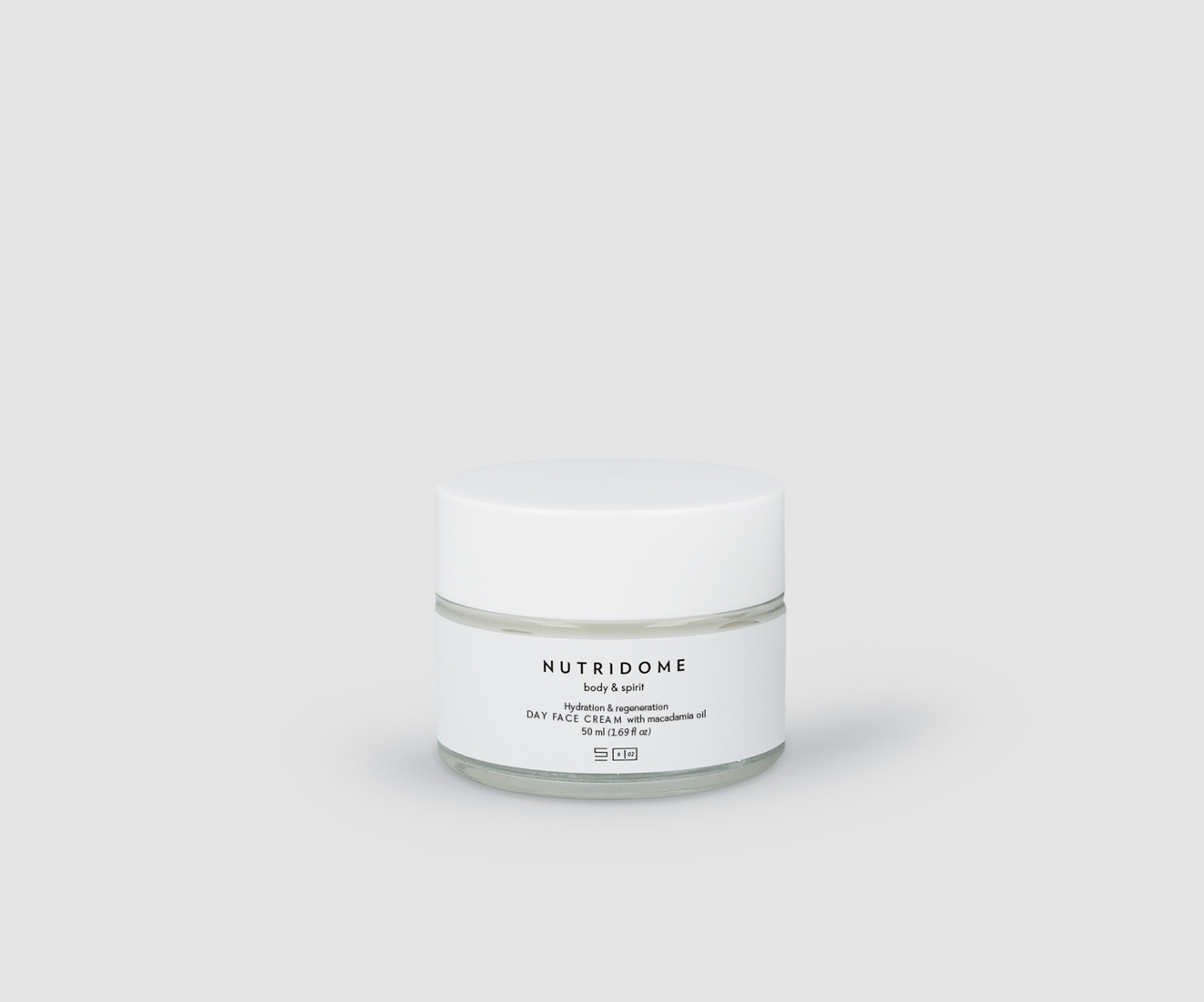
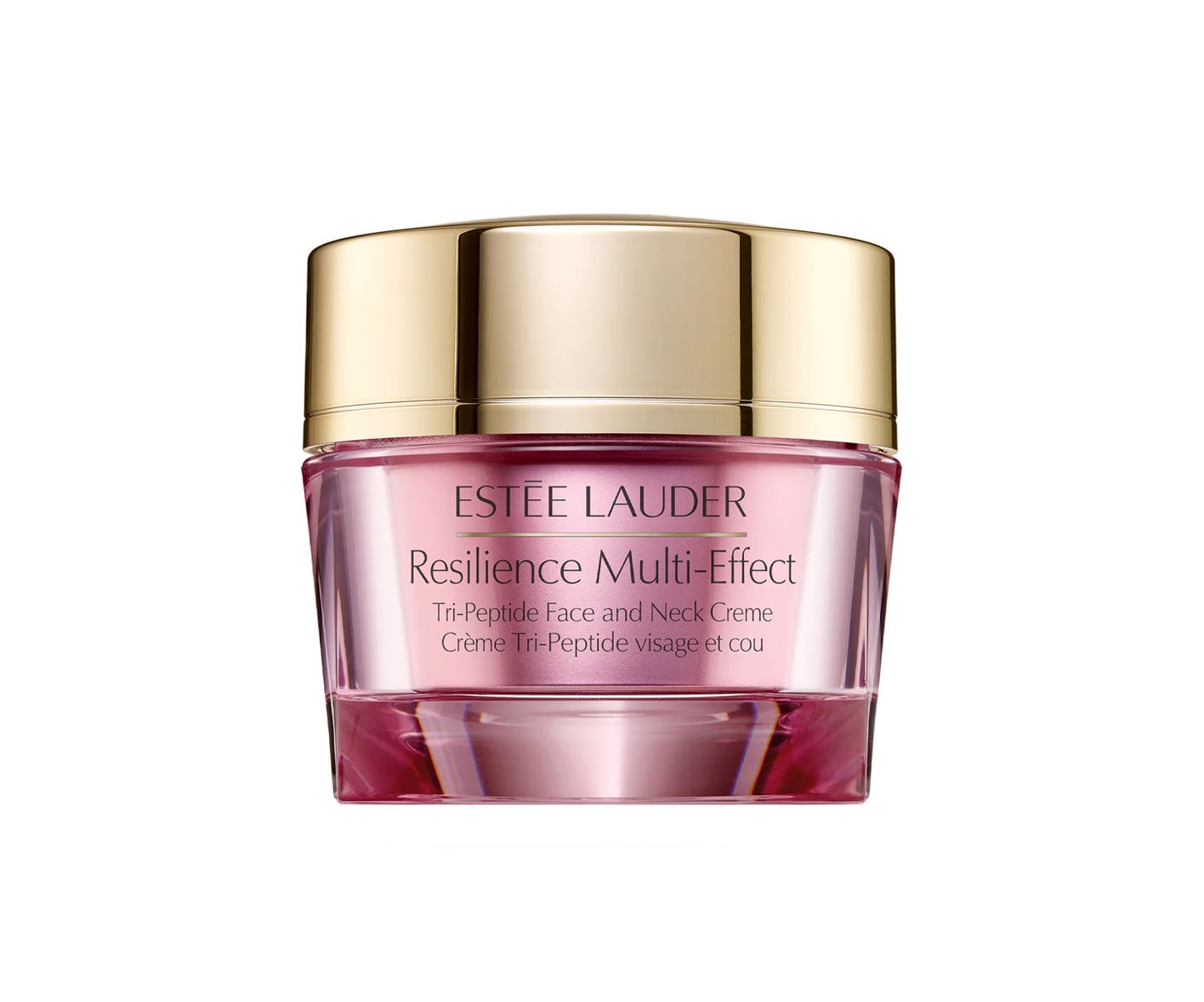
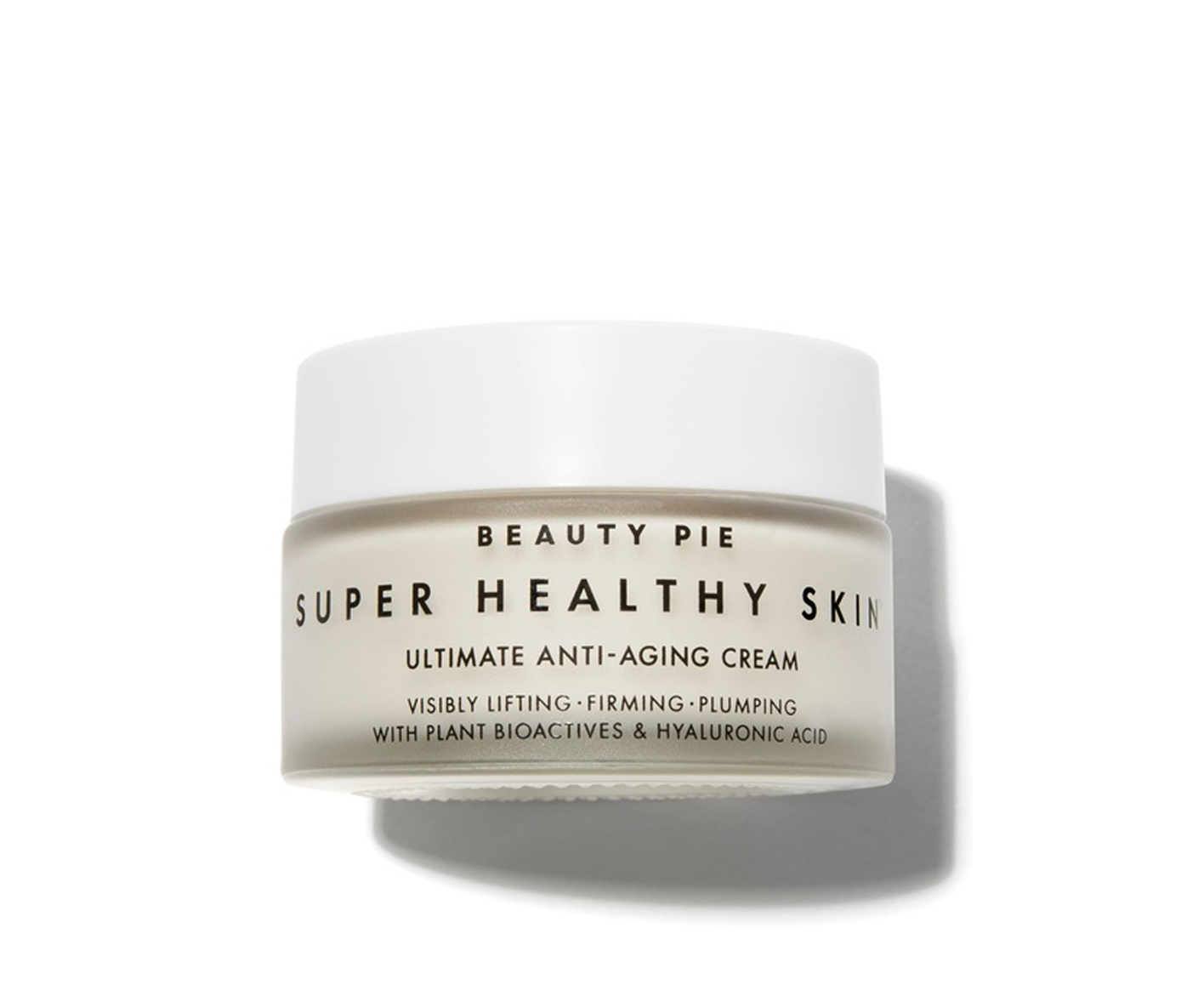
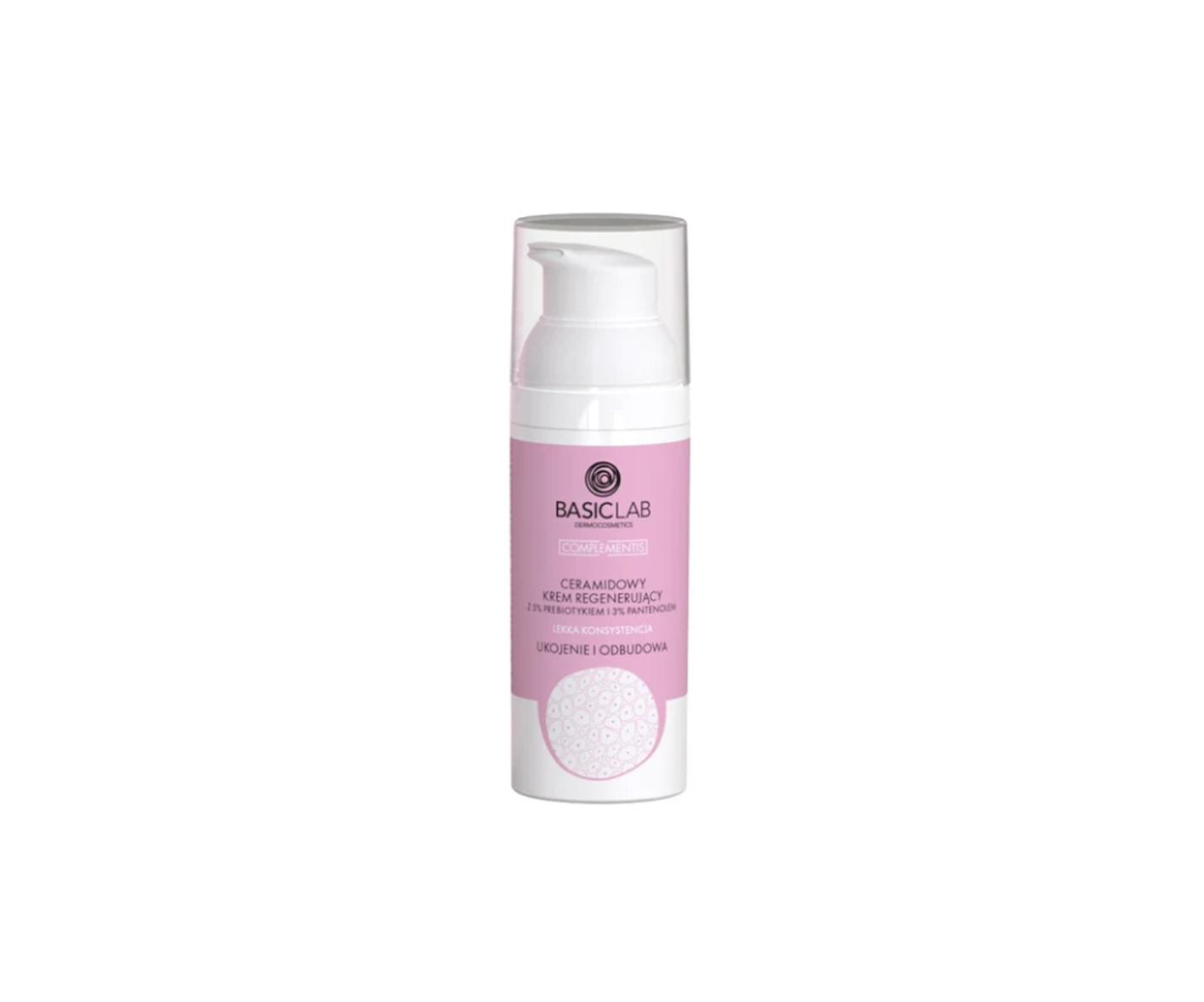
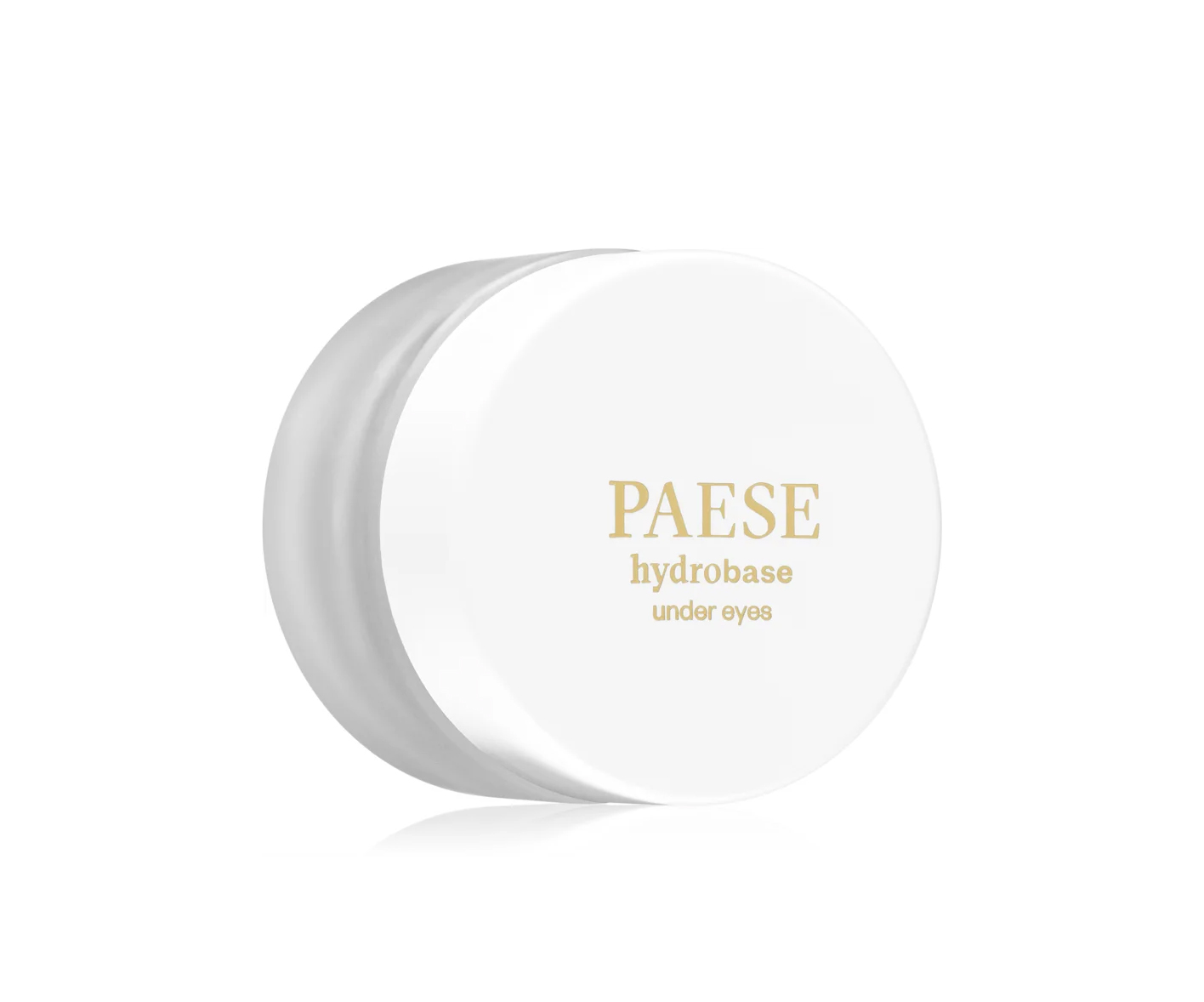
Facial skin is a particularly important part of the skin, as it is the most visible and exposed part of the body. Proper care of facial skin has many benefits for its health and appearance, and it is clear that the condition of facial skin affects our outward appearance and is important for our self-confidence. Healthy and well-maintained facial skin looks radiant, has an even tone, smoothness and firmness, which affects the overall appearance and perception of attractiveness. Proper care helps prevent imperfections and skin problems. In this article, you will learn what proper facial skin care is, why it is so important and what cosmetics to use to keep your skin's natural beauty and youthful appearance for as long as possible.
Facial skin
Facial skin is the most visible and exposed part of our body, so its condition is important for our outward appearance and overall well-being.
Facial skin is more delicate and thinner than skin on other parts of the body. It is made up of several layers, including the epidermis, dermis and subcutaneous tissue. The epidermis is the outer, protective layer of skin that protects us from external factors such as UV radiation, pollution and microorganisms. The dermis contains collagen fibres, elastin fibres and other components that give the skin its elasticity, resilience and strength.
Structure of the skin
The skin is a complex organ that consists of several layers and different structures. The outermost layer of the skin is called the epidermis (epidermis). The epidermis has a protective function, preventing microorganisms and chemicals from penetrating the skin. It consists of five basic layers: stratum corneum, translucent layer, granular layer, squamous layer and basal layer.
Just below the epidermis is the dermis (dermis). It contains collagen, elastin and reticulin fibres, which give the skin its strength and elasticity. It also contains blood vessels, sensory receptors, sebaceous glands, sweat glands, hair follicles and connective tissue.
The dermis is also divided into layers:
- the papillary layer, which contains the dermal papillae that form characteristic hills and valleys on the skin's surface;
- the reticular layer, consisting of a dense system of collagen and elastin fibres that provide structure and elasticity to the skin.
Deepest, all the way below the dermis, is the subcutaneous tissue (hypodermis). It consists mainly of adipose tissue, which acts as a thermal insulator and energy store. It also contains larger blood vessels and nerves.
In addition, the skin contains various structures such as sebaceous glands that produce sebum (the skin's natural oil), sweat glands that produce sweat, hair, nails, blood vessels that supply blood to the skin, and sensory receptors that respond to stimuli such as touch, pain, heat and cold.
It is important to care for the skin properly, ensuring it is moisturised, protected by sunscreen and cleansed regularly to maintain its health and protective function.
Facial skin problems
The problems faced by the skin can have various causes. They are often caused by leading an unhealthy lifestyle, failing to follow a healthy diet, and dry skin.
Acne is an inflammatory skin condition that often occurs on the face, neck and décolleté. It can be caused by excessive sebum production, blocked pores, bacteria or hormones. It can be treated with anti-acne products, regular skin cleansing and avoiding irritants.
Skin hyperpigmentation, such as spots, freckles or acne blemishes, can occur on the face, neck and décolleté. Common causes include the sun, skin ageing, acne scars or reactions to certain medications. Bleaching creams, chemical peels or laser treatments can be used to reduce hyperpigmentation.
Dry skin can cause flakiness, roughness and irritation on the face, neck and décolleté. Factors such as low humidity, excessive washing, use of irritating products or inadequate skin care can contribute to this problem. It is recommended to use moisturising creams, avoid aggressive detergents and regularly hydrate the skin.
Skin ageing can lead to the appearance of wrinkles and loss of firmness on the face, neck and décolleté. This is a natural process, but factors such as sun exposure, smoking, stress and an unhealthy lifestyle can accelerate this process. Skin should be cared for with anti-ageing creams, sunscreen products and a healthy lifestyle.
How to deal with facial skin problems
Facial skin problems can be frustrating, but there are many ways to deal with them. It is important to takeregular care of your facial skin. It should be cleansed with a gentle cleanser suitable for your skin type, ideally twice a day. Aggressive detergents, which can irritate the skin, should be avoided. Using face creams with moisturising properties is also key.
Make sure you use products designed for your skin type. If you have acne, look for products that contain anti-inflammatory ingredients such as salicylic acid or benzyl benzoate. If your skin is dry, look for moisturisers with ingredients such as hyaluronic acid or glycerine.
You should avoid touching your facial skin unnecessarily. Regular touching of the face can contribute to increased skin problems. Try to avoid touching your face with your hands to minimise the transfer of bacteria from your hands to your skin.
Maintaining a healthy lifestyle can have a positive impact on facial skin conditions. Try to eat healthy meals rich in vitamins and minerals, drink plenty of water and limit your intake of sugar and unhealthy fats. Regular physical activity and adequate sleep can also help maintain healthy skin.
External factors such as pollution, cigarette smoke and sunlight can make skin problems worse. Try to avoid cigarette smoke, use sunscreen with the right SPF and protect yourself from the sun's harmful rays.
If your skin problems persist or are particularly severe, it is worth consulting a dermatologist. A specialist can assess the condition of your skin and recommend appropriate treatments or therapies, such as creams, ointments, treatments or prescription drugs. Remember that everyone's skin is different, so some methods may work better for you than others. It's worth being patient and providing your body with nutrients with a variety of effects and observing how they affect your complexion.
Face creams
Face creams are cosmetics used in facial skin care. Their main purpose is to provide the skin with the necessary hydration, nourishment, protection and support to maintain a healthy appearance. There are many different types of face creams that are designed for different purposes and skin types. Here are some common types of face creams
- Moisturising cream: This type of cream provides intense hydration to the skin, helps retain moisture and protects against water loss. It is ideal for those with dry or dehydrated skin.
- Anti-ageing cream: Anti-ageing creams contain ingredients such as retinol, peptides and antioxidants to help reduce wrinkles, improve skin elasticity and fight the signs of ageing.
- Sunscreen cream: This type of face cream protects the skin from harmful UV rays. It is important to use sunscreen regularly to prevent sun damage.
- Mattifying cream: Mattifying creams help control excessive sebum production and shiny skin. They are ideal for those with oily or combination skin.
- Brightening cream: This type of cream helps to reduce hyperpigmentation, spots and uneven skin tone. It often contains ingredients such as kojic acid, vitamin C or azelaic acid.
- Creams for sensitive skin: For those with sensitive skin, it is a good idea to choose creams with mild ingredients that do not irritate the skin. Look for products labelled "for sensitive skin" or "hypoallergenic".
Who face creams are for
Face creams are for everyone, regardless of gender or age. Facial skin care is important for maintaining healthy and beautiful skin, which is why face creams are popular with both men and women.
The types of face creams are varied and differ in composition, action and purpose, so you can find the right cream for different skin needs.
It is also important to choose the right face cream for your age. There are creams dedicated to young people that focus on moisturising and protecting the skin, and there are anti-ageing creams that help to reduce wrinkles and keep the skin looking healthy in older age.
It is important to remember that everyone's skin is different, so it is important to find the cream that best suits your individual needs and preferences.
What key ingredients do face creams have?
The key ingredients in face creams can vary depending on the type of cream and its purpose. Here are some common ingredients that are often found in face creams:
- Moisturisers (e.g. hyaluronic acid, glycerine, urea, sorbitol) - help hydrate the skin by retaining water and preventing moisture loss.
- Emollients (e.g. vegetable oils, shea butter, lanolin) - form a protective layer on the skin, providing softness and smoothness. .
- Antioxidants (e.g. vitamin C, vitamin E, coenzyme Q10, resveratrol) - protect the skin from the damaging effects of free radicals, which can accelerate the skin ageing process.
- Peptides - these proteins influence the production of collagen, elastin and other skin components, helping to improve skin elasticity and firmness.
- Retinoic acid (a form of vitamin A) - can help reduce fine lines, stimulate collagen production and improve skin texture.
- Salicylic acid - exfoliates the skin and has antibacterial and anti-inflammatory properties. It is mainly used in creams for acne-prone skin.
It is worth remembering that different face creams have different formulations and their composition may vary. Choosing the right cream should be tailored to individual skin needs and preferences.
Effects of using face creams
Using face creams can have many benefits for the skin. The effects you achieve by using a particular cosmetic are directly dependent on the ingredients in it. Face creams that contain moisturisers such as hyaluronic acid, glycerine or urea can help to keep skin hydrated. Moisturised skin looks healthy and radiant, and can be less prone to irritation and cracking.
Some face creams contain ingredients, such as retinol or peptides, which can help reduce the appearance of fine lines and wrinkles. These ingredients can stimulate the production of collagen and elastin, which are important for skin firmness and elasticity.
Facial creams with fruit acids, such as glycolic acid or lactic acid, can have an exfoliating effect, helping to remove dead skin cells and improve skin texture. Regular use of such products can make skin smoother and more radiant.
Cosmetics containing ingredients such as vitamin C or kojic acid, which can help to lighten skin discolouration, pigmentation spots and imperfections.
Select facial creams contain antioxidants, such as vitamin E or coenzyme Q10, which help protect the skin from free radical damage that can accelerate skin ageing. As a result, creams can help to preserve the youthful appearance of the skin.
It is worth noting that the effects of face creams can vary depending on individual skin characteristics, the type of cream and regularity of use. It is also important to cleanse the skin regularly and correctly and to use other appropriate skincare products as part of a comprehensive skincare routine.
Benefits of using face creams
- There are many benefits to using face creams, including:
- Moisturising the skin
- Reduction of wrinkles and fine lines
- Improving skin texture
- Reduction of discolouration and pigmentation spots
- Protection against external factors
Undesirable effects of using face creams
The use of facial creams can bring many benefits to the skin. However, some people may experience adverse effects from using face creams, which can be caused by a variety of factors. Here are some potential adverse effects:
- Skin irritation
- Dryness of the skin
- Clogging of pores
- Allergic reactions
- Exacerbation of existing skin problems
How often to use face creams
The use of face creams depends on your skin, its needs and preferences. The appropriate frequency of cream application can vary depending on your skin type, time of day and the products you use.
If you have sensitive skin, it's important to listen to your skin and adjust the frequency of creams according to how it reacts. Sensitive skin often tolerates softer creams applied less frequently better. It is important to read the instructions on the cream's packaging, as some products may have their own recommendations for frequency of application.
How do I apply face creams?
Using face creams is an important part of daily skincare. For most facial cosmetics, it is recommended that they are also applied to the skin on the neck and décolleté. Here are some general tips on how to apply face creams:
- Cleanse your skin: Before applying a face cream, make sure your skin is clean. Gently wash your face with a suitable facial gel or soap, then pat dry with gentle towel movements.
- Tonify your skin (optional): If you use a facial toner, you can apply it after washing your skin and before applying your cream. The toner helps to restore the skin's pH and prepares it to absorb the cream.
- Apply creams to damp skin: When the skin is slightly damp, it absorbs the active ingredients from the cream more easily. So you can spray your face gently with thermal water or apply the cream to still slightly damp skin after washing.
- Use the right amount of cream: Do not apply too much cream, as this can lead to overloading the skin. It is best to spread a small amount of cream on the tip of your finger and spread it evenly over your face. If you are using cream for the eye area, pat it in gently with your fingertips.
- Massage the cream into the skin: use a circular motion to gently massage the cream into the face. You can start from the centre of the face and slowly spread the cream to the outer areas, avoiding the areas around the eyes if the cream is not specifically designed for this area.
- Apply creams according to the manufacturer's instructions: Each cream may have specific application instructions that are worth reading and following. Some creams may be best for use in the morning, others in the evening, and some may have recommendations for frequency of application.
- Continue skincare: Face creams should be part of a comprehensive skincare regimen. In addition, it is a good idea to use sunscreen, moisturising serums and other products that suit your skin needs appropriately.
What to consider when choosing face creams
When choosing a face cream, there are several factors to consider in order to select the right product for your needs. Here are some tips to guide you:
- Skin type: the most important thing is to choose a cream that is suitable for your skin type. If you have dry skin, moisturising and nourishing creams are recommended. If you have oily or acne-prone skin, it's worth looking for products with a light texture that won't clog pores. If you have sensitive skin, look out for hypoallergenic and fragrance-free creams.
- Aim: Determine what effects you would like to achieve with your face cream. Do you want to increase skin hydration, reduce wrinkles, even out skin tone, reduce the appearance of pores, etc.? Choose a cream that has properties to suit your needs.
- Ingredients: Read the labels and pay attention to the ingredients in the cream. Look for ingredients that are beneficial to your skin, such as hyaluronic acid (moisturising), vitamin C (brightening), retinol (reducing wrinkles) or plant extracts (nourishing). If you are allergic to any ingredients, make sure they are not in the product.
- SPF: If you are going to use a day cream, it is a good idea to choose a product with a sun protection factor (SPF) to protect your skin from harmful UV rays.
- Reviews and recommendations: Read other people's opinions on the specific creams you are interested in. You can also consult a dermatologist or cosmetologist who can suggest products that are suitable for your skin.
Remember that everyone's skin is different, so you may need to test several creams before you find the perfect one. It's also important to take regular care of your skin and use the cream as recommended by the manufacturer.
Discover the top 5 best face creams in 2026
When creating our product reviews, we consider the ingredients and research their safety. We analyse the opinions of industry experts and the experiences of product users. We obtain recommendations from authorised retailers and use available sources of knowledge about active ingredients and their effects. We personally verify the action, texture, scent and feel of the products, and assess value for money.
Below are detailed reviews by our editors with a description of each product indicated.