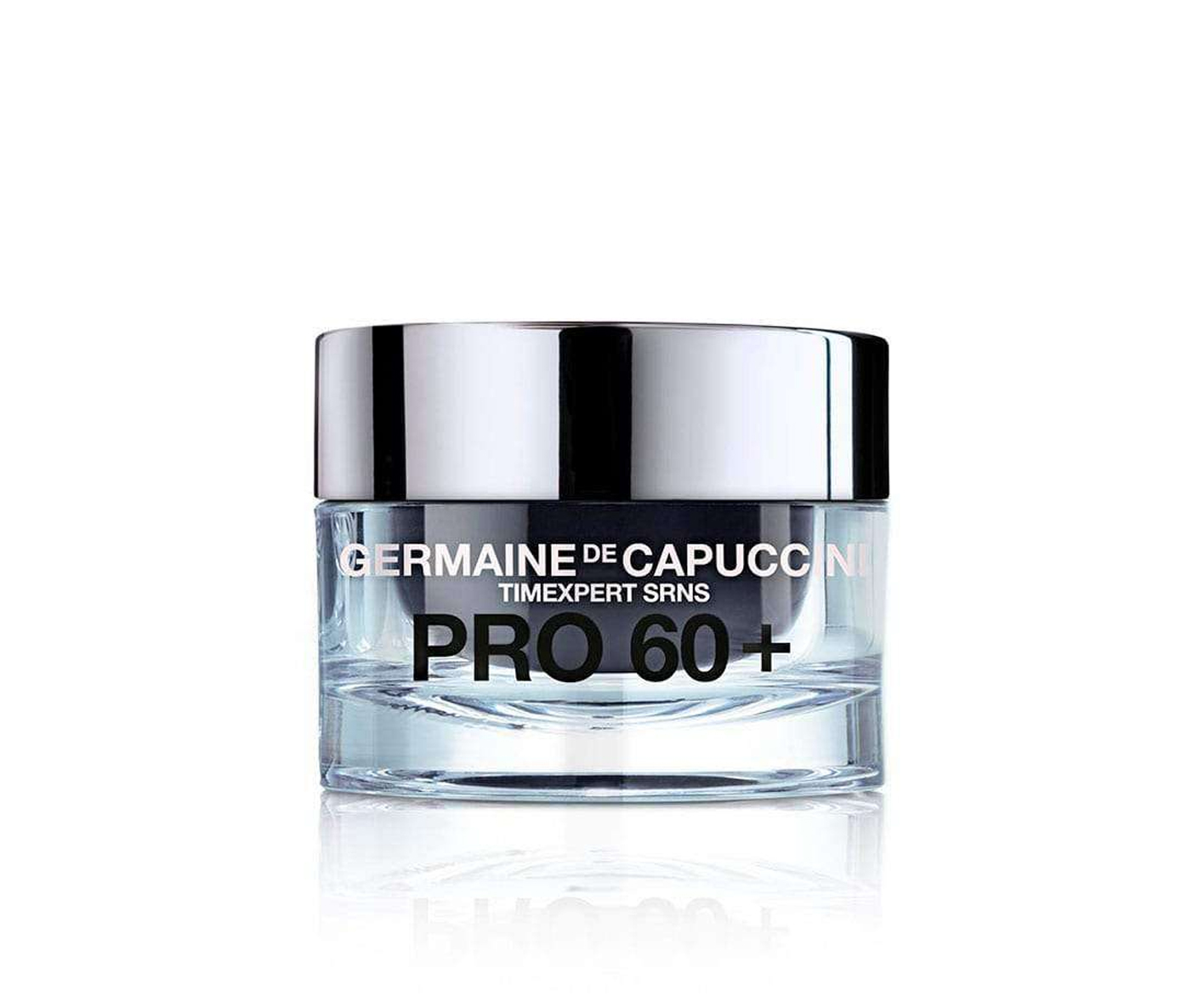
Discover 5 suggestions for proven 60 plus face creams and stay young for longer!
Every face is beautiful. The changes that occur over time are natural and we should accept them. However, acceptance does not have to mean passively waiting and watching the skin lose its former appearance. Over the years, wrinkles appear on the skin and other signs of ageing appear. The desire to maintain a youthful appearance stems from the desire to counteract these processes. The youthfulness of the skin is not only related to its age, but also to the condition of the whole organism. Taking good care of the skin is not only important in terms of aesthetics, but also in terms of preserving the function of the skin for longer, as it is an important organ of the body. The skin on the face is particularly important. It is the most exposed part of the body to external factors and has the important task of protecting the face from their negative effects. The facial skin is delicate, but its functions are very important. It protects the face from harmful UV radiation, pollution and microorganisms. By adhering to the principles of correct care, it is possible to preserve not only the functionality of the skin, but also its youthful appearance for longer, which translates into increased self-confidence and thus has a real impact on the quality and comfort of life.
In the following article you will learn how to care for your skin and keep it young for longer.
Structure of the skin
The skin is the largest organ of the human body and has a number of important functions. It is made up of three main layers, each of which performs its own unique tasks. The outer layer of the skin is called the epidermis. It consists mainly of dead cells called keratinocytes. These cells are rich in keratin, a protein responsible for resistance to the external environment and giving the epidermis its resistance and barrier function. The epidermis also contains melanocytes, which produce melanin, a pigment that gives the skin its colour and protects it from harmful UV radiation.
Beneath the epidermis is the dermis. It is mainly made up of collagen, elastin and other proteins that give the skin its firmness, elasticity and strength. It is also the layer that houses blood vessels, hair, sebaceous glands, sweat glands and sensory receptors that allow the skin to feel various external stimuli.
The innermost layer of the skin is the subcutaneous tissue. It is mainly made up of fat cells, called adipocytes, which act as energy storage and thermal insulation. This layer of skin also helps absorb shocks and protect internal organs from injury.
The structure of the skin is complex and intricate, but its various layers and components work together to maintain the body's homeostasis, protect against mechanical damage, regulate body temperature, respond to external stimuli and perform many other important functions. Caring for the skin and keeping it healthy are key to maintaining its functionality and appearance.
Skin ageing process
Skin is subject to ageing processes that affect its appearance, texture and function. Young skin is supple and firm due to the presence of collagen and elastin, which maintain its elasticity. As we age, the production of these proteins decreases, leading to a loss of skin elasticity and firmness, causing wrinkles and sagging to appear. As we age, the skin can become dysfunctional in melanin production, leading to pigmentation spots, freckles and hyperpigmentation.
Young skin is thicker, whereas with age it becomes thinner, and this is also accompanied by a loss of subcutaneous fat, making the skin more susceptible to injury and scarring. Young skin is well hydrated due to its ability to retain water. Ageing causes the skin to lose this ability, leading to dry skin and the formation of wrinkles. As we age, wrinkles appear on the skin, especially around the eyes, on the forehead and around the mouth. Young skin can regenerate better after damage such as cuts or burns. Older skin has limited regenerative capacity, so wounds can take longer to heal.
As we age, the skin's production of natural sebum decreases, which affects the skin's ability to retain moisture and prevent water loss. Young skin is better able to cope with external factors such as UV radiation, environmental pollutants and toxins. Ageing skin becomes more susceptible to damage from these factors.
It is worth noting that the skin ageing process is a natural and inevitable phenomenon, but proper skin care, avoiding overexposure to the sun, a healthy diet, regular moisturisation and the use of UV sunscreens can help to keep skin healthy and beautiful for longer.
How to keep your skin young for longer
If you want to keep your skin young for years to come, there are a few tips to follow. These are related to skin protection and care and a healthy lifestyle.
Avoid prolonged sun exposure and use sunscreen with the right SPF to protect your skin from UV radiation, which can lead to premature skin ageing.
Cleanse your skin regularly and use moisturising 60 plus face creams and lotions to keep your skin hydrated Well-hydrated skin is more supple and looks younger.
Avoid stimulants Smoking and exposure to tobacco smoke leads to skin damage and premature ageing. Avoid smoking and avoid areas where tobacco smoke is present. Also, excessive alcohol consumption can have a negative effect on the condition of the skin.
Take care to eat a balanced diet rich in vitamins, minerals, antioxidants and healthy fats. Such nutrients help to protect the skin from harmful environmental factors.
Take care of your sleep hygiene Getting enough sleep allows the skin to regenerate and renew itself, which can contribute to maintaining a youthful appearance.
Regular physical activity is also important. Exercise regularly as physical activity promotes better blood circulation, which benefits the skin.
Try to minimise stress, which can contribute to premature skin ageing. Find ways to relax and unwind.
Depending on your individual skin's needs, it's a good idea to use 60 plus face creams or serums that contain anti-ageing ingredients such as retinol, vitamin C or peptides. Remember that everyone's skin is different, so you may need to adapt your skincare routine to suit your individual skin's needs.
Face creams for 60 plus
60 plus face creams are skincare products designed to delay the visible signs of ageing, such as wrinkles, fine lines, loss of skin firmness and elasticity.
The composition of anti-ageing creams can vary, but they usually contain active ingredients that help to strengthen and revitalise the skin.
Who 60 plus face creams are for
By definition, 60 plus face creams are designed for people who are over 60, but they can also be used earlier if the skin requires it. Anti-ageing creams are designed for people who want to delay or minimise the visible signs of skin ageing.
The moisturising and nourishing ingredients in 60 plus face creams can help restore radiance and elasticity to dry or tired skin. Anti-ageing creams with antioxidants can help protect the skin from harmful external factors. Some people want to prevent early signs of skin ageing and use anti-ageing creams as a preventative measure.
However, it is worth noting that the use of anti-ageing creams is not limited to people of a certain age. Some people may start using such products earlier if they have specific skin needs or are exposed to high environmental stress.
Remember that everyone's skin is different, so your choice of 60 plus face cream should be tailored to your individual needs and skin type.
What key ingredients do 60 plus face creams have?
Here are some key ingredients to look out for when choosing creams for mature skin:
- Hyaluronic acid - hydrates the skin and improves elasticity, making wrinkles and lines less visible.
- Peptides - promote the production of collagen, which is key to maintaining skin elasticity.
- Antioxidants - (e.g. vitamin C, vitamin E, resveratrol), protect the skin from the damaging effects of free radicals, which accelerate the ageing process.
- Retinol - is a form of vitamin A that can help reduce wrinkles and improve skin texture.
- Niacinamide (vitamin B3) - helps to strengthen the skin barrier and smooth the surface of the skin.
- Plant butters and oils - (e.g. shea butter, argan oil, jojoba oil) provide deep hydration and nourishment.
- Plant extracts - depending on the skin's needs, e.g. green tea, aloe vera, chamomile, soothe and reduce irritation.
- Sunscreens - protect against the harmful effects of UV rays.
When choosing creams for mature skin, it is worth paying attention to the individual needs of the skin, its type and any problems that need to be addressed.
Effects of using face creams 60 plus
The use of face creams 60 plus can produce a variety of effects, the results can vary depending on the skin type, individual needs, the product used and the regularity of use. 60 plus face creams contain active ingredients such as retinol, peptides and antioxidants that can help reduce the appearance of fine lines and wrinkles. Ingredients such as collagen and hyaluronic acid have the ability to increase hydration and improve skin elasticity, which can help reduce the appearance of firmness loss. Face creams for 60 plus with fruit acids or retinol can help to exfoliate dead skin cells and smooth skin texture. Some ingredients in anti-ageing creams, such as vitamin C and antioxidants, can help to brighten the skin and reduce hyperpigmentation. Anti-ageing creams with antioxidants can help protect the skin from free radical damage that comes from external factors such as UV radiation and pollution. 60 plus face creams often contain moisturising ingredients to help keep the skin hydrated.
It is worth noting that the effects are not always immediate and may require regular use of the cream over a period of time to see visible results. Also remember that in addition to using anti-ageing creams, it is important to maintain a healthy lifestyle, including proper hydration, a balanced diet, regular physical activity and protecting the skin from excessive sun exposure to keep the skin looking younger and healthier for longer.
Benefits of using 60+ face creams
There are many benefits to using 60 plus face creams, including:
- Reducing wrinkles and fine lines
- Improving skin firmness and elasticity
- Protecting against environmental damage
- Hydrating
- the
- skin
- Brightening hyperpigmentation
- Improving skin texture
- Supporting regenerative processes
Undesirable effects of face creams 60+
The use of 60 plus face creams can bring many benefits to the skin. However, some people may experience unwanted effects from using face creams, which can be caused by a variety of factors. Here are some potential adverse effects:
- Skin irritation
- Dryness of the skin
- Allergic reactions
- Hypersensitivity to the sun
- Discolouration of the skin
How often to use face creams 60 plus
Face creams 60 plus should be applied according to the manufacturer's recommendations. The effectiveness of anti-wrinkle creams usually depends on regularity of application. Many manufacturers recommend applying the cream in the morning and evening.
Before using an anti-wrinkle cream for the first time, do a test on a small area of skin to check that it does not cause allergies or irritation. Choose creams suited to your skin type. Avoid using anti-wrinkle creams on damaged skin. Use sun protection when using anti-wrinkle creams, which can increase sun sensitivity. Following the above tips will avoid unwanted effects and bring you closer to achieving your desired results.
How to use 60 plus face creams
The use of face creams is an important part of daily skin care, especially for mature skin. For most facial cosmetics, it is recommended that they are also applied to the neck and décolleté. Here are some general tips on how to apply face creams:
- Choose the right cream. Before buying an anti-wrinkle cream, pay attention to its composition and adapt it to your skin type. If you have sensitive skin, look for products specifically designed for this skin type. Those with oily or combination skin may benefit from light, gel-based creams, while those with dry skin should opt for more moisturising creams.
- Cleanse your skin. Make sure your skin is well cleansed before applying an anti-wrinkle cream. Remove all traces of make-up, impurities and excess sebum with a suitable gel or face wash.
- Gently pat your skin dry. After cleansing, gently pat your skin dry but leave it slightly damp. Damp skin absorbs the active ingredients from the cream better.
- Apply the cream. Take a small amount of anti-wrinkle cream on clean fingers and gently massage it into the face and neck. Avoid direct contact with the eyes unless the manufacturer indicates otherwise on the packaging.
- If the cream does not contain a UV filter, combine it with sun protection. Anti-wrinkle creams often contain ingredients that can increase the skin's sensitivity to UV radiation. Therefore, especially during the day, it is a good idea to apply an anti-wrinkle cream and additionally use a sunscreen to protect your skin from the harmful effects of the sun.
What to consider when choosing 60 plus face creams
When choosing a 60 plus face cream, there are a number of factors to consider in order to select the right product for your needs. Here are some tips to guide you:
Skin type: First of all, pay attention to your skin type, whether it is dry, oily, combination or normal. A good match to your skin type will help to better address specific problems and counteract skin ageing.
Active ingredients: check what active ingredients the anti-ageing cream contains. Look for ingredients such as retinol (vitamin A), hyaluronic acid, peptides, vitamin C, coenzyme Q10, plant extracts and antioxidants, as these can help reduce the appearance of wrinkles and improve skin elasticity.
SPF: When choosing a cream, pay attention to whether it has an SPF filter (often labelled as SPF 15, SPF 30, etc.). UV protection is key to preventing premature skin ageing.
Not tested on animals: It is worth looking for creams that have not been tested on animals to support the ethical practices of cosmetic manufacturers.
Reviews and feedback: Read reviews from other people who have used your chosen cream. This can help you get an idea of how the product works on different skin types and what results can be achieved.
Manufacturer certifications and reputation: Choose creams from reputable manufacturers that are certified and have a positive reputation in the market.
Price: It's worth setting a budget and looking for a cream that is within your budget. Remember that a higher price does not always mean better quality, but it is worth avoiding overly cheap products that may have less effective ingredients.
Purpose of use: Make sure you choose an anti-wrinkle cream tailored to your specific needs, whether it's for the eye area, face, neck or décolletage.
Meet the top 5 best 60 plus face creams in 2026
When creating our product reviews, we consider the ingredients and research their safety. We analyse the opinions of industry experts and the experiences of product users. We obtain recommendations from authorised retailers, and use available sources of knowledge about active ingredients and how they work. We personally verify the action, texture, scent and feel of the products, and assess value for money.
Below are detailed reviews by our editors with a description of each product indicated.