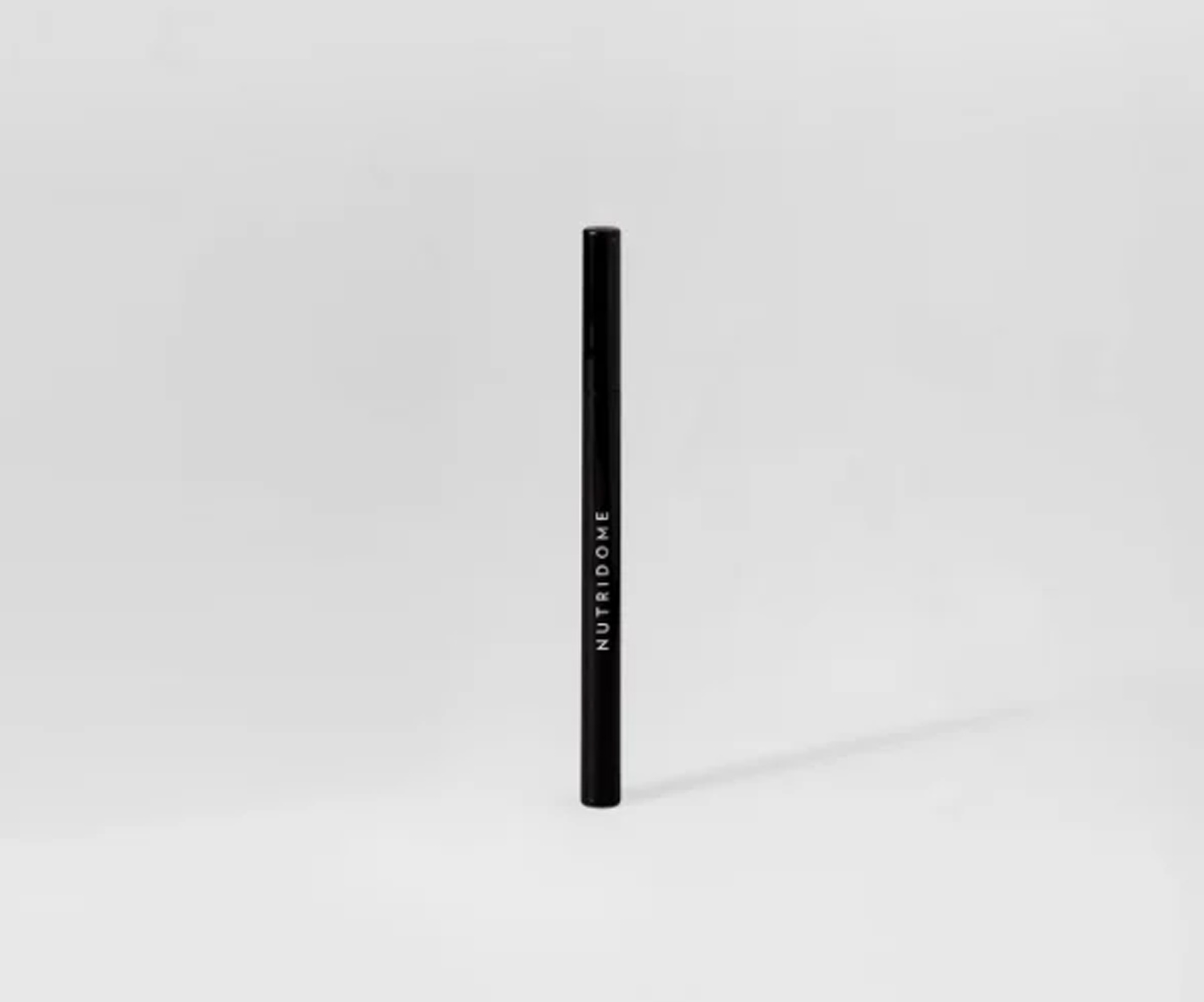
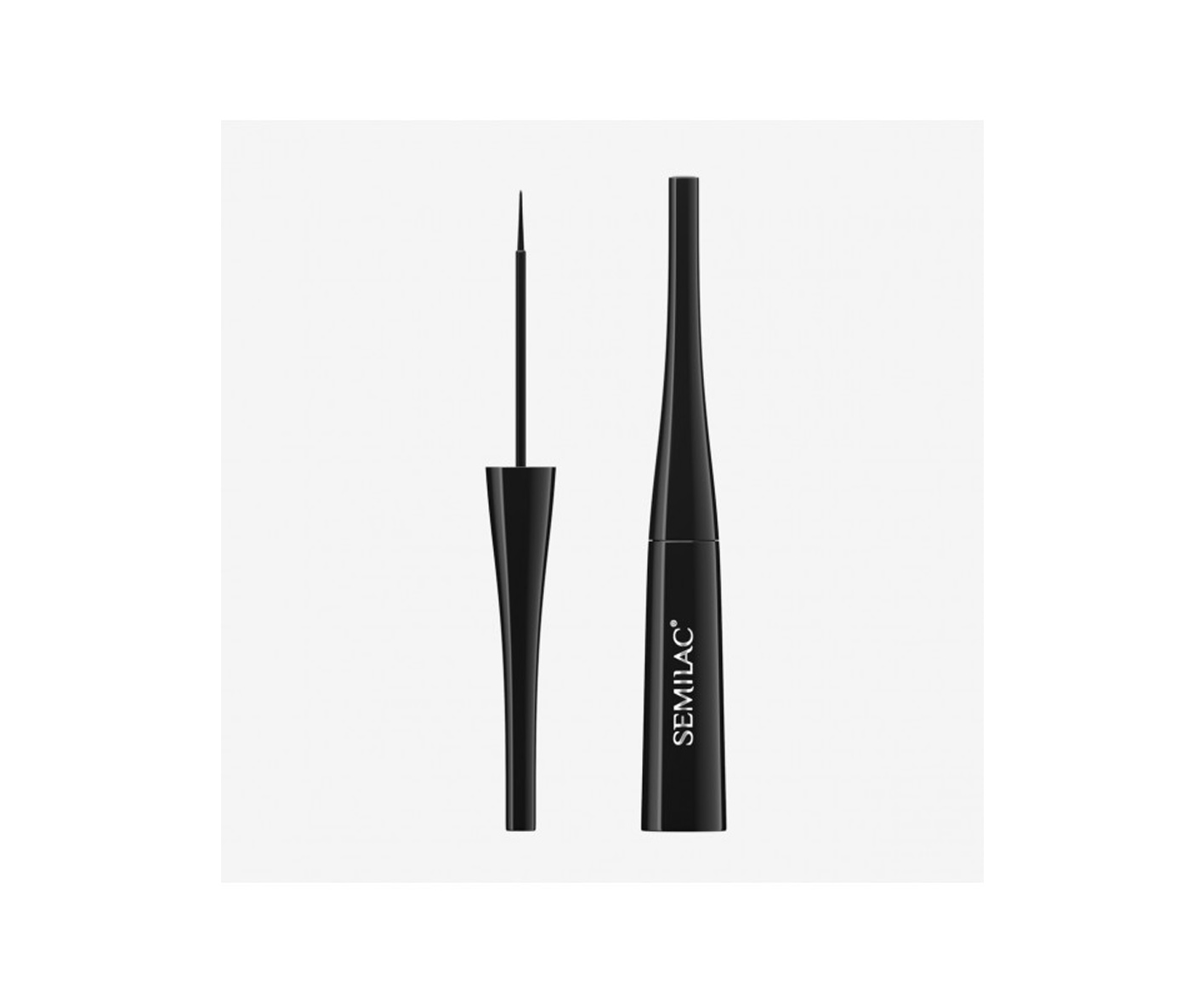
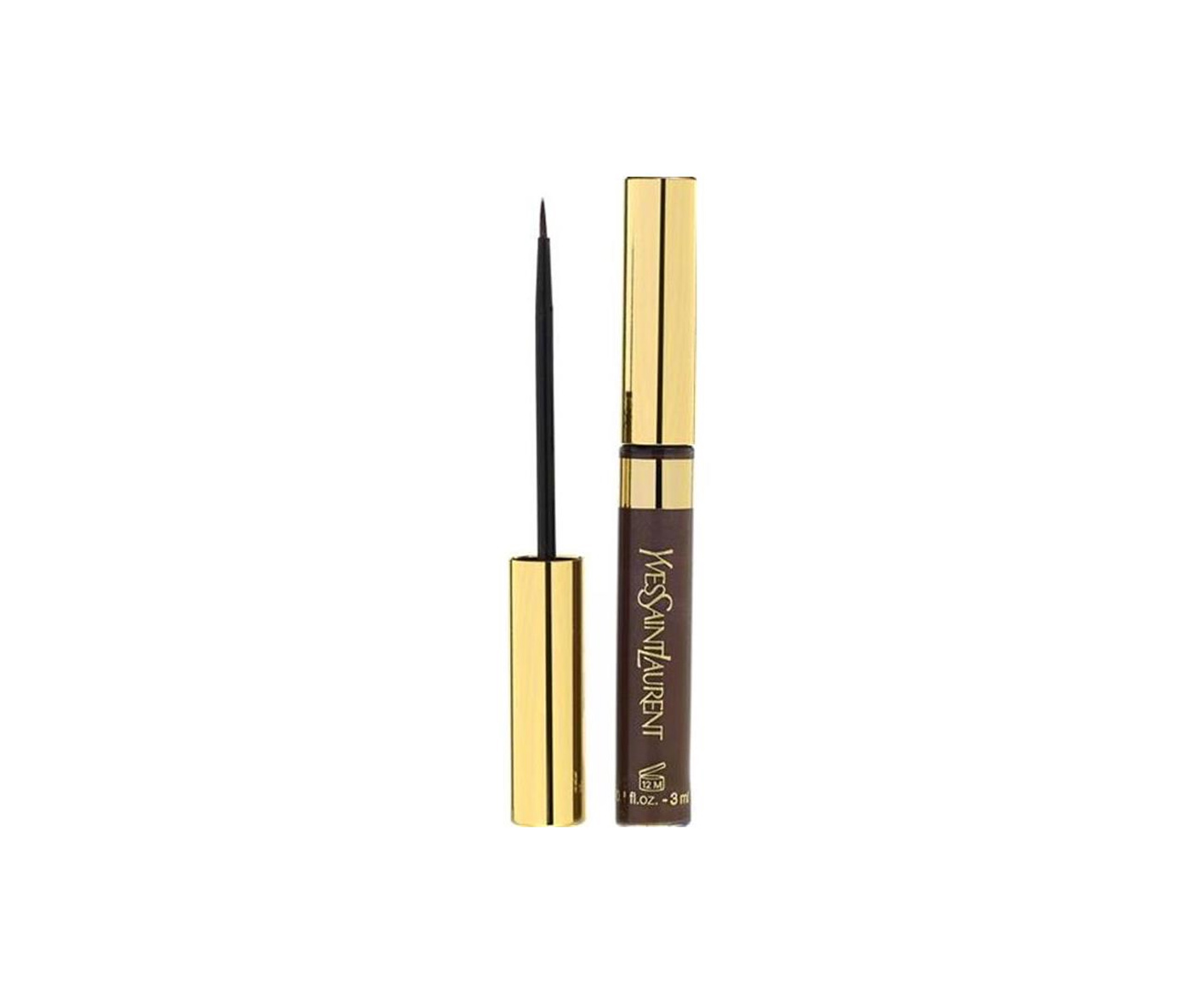
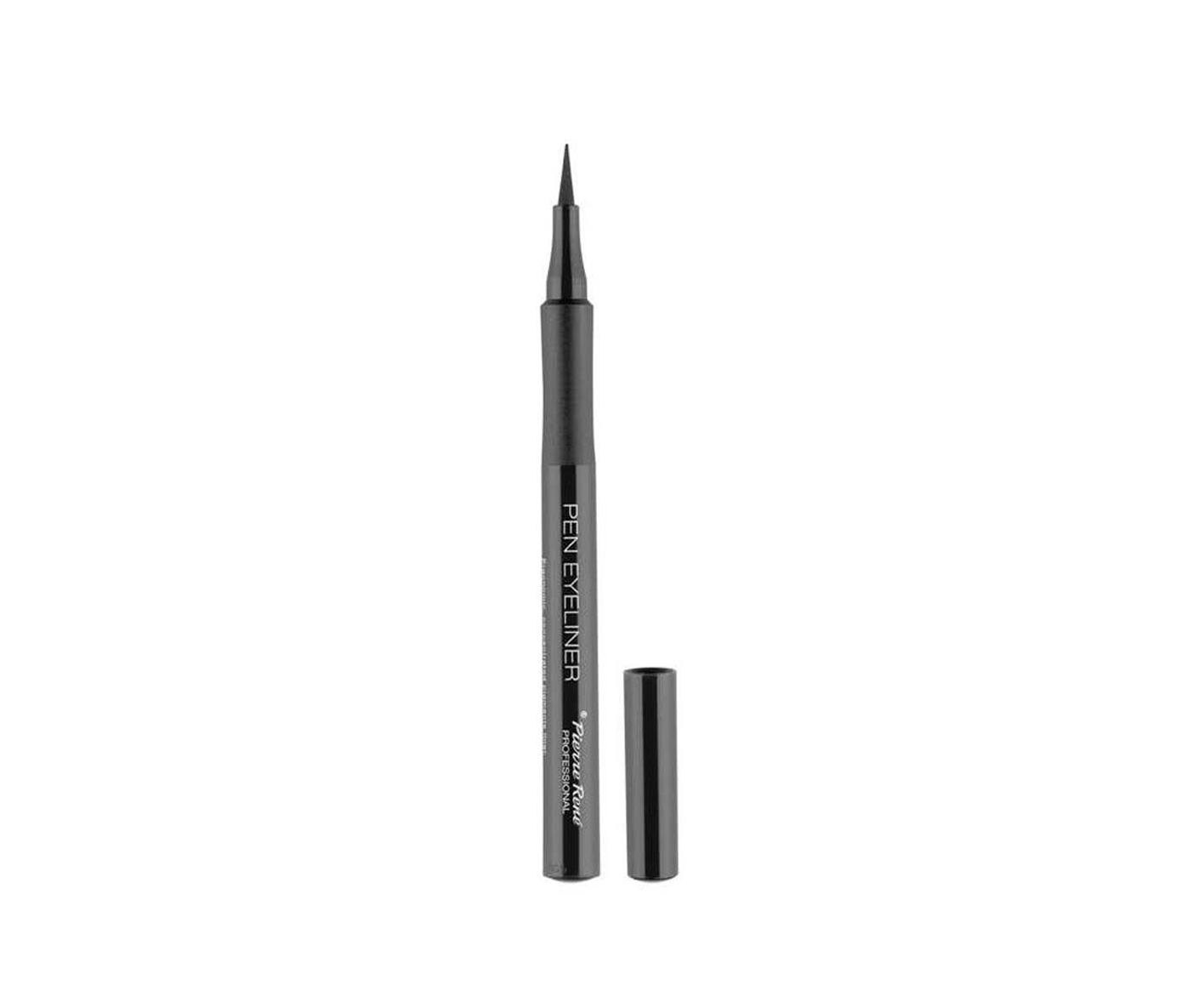
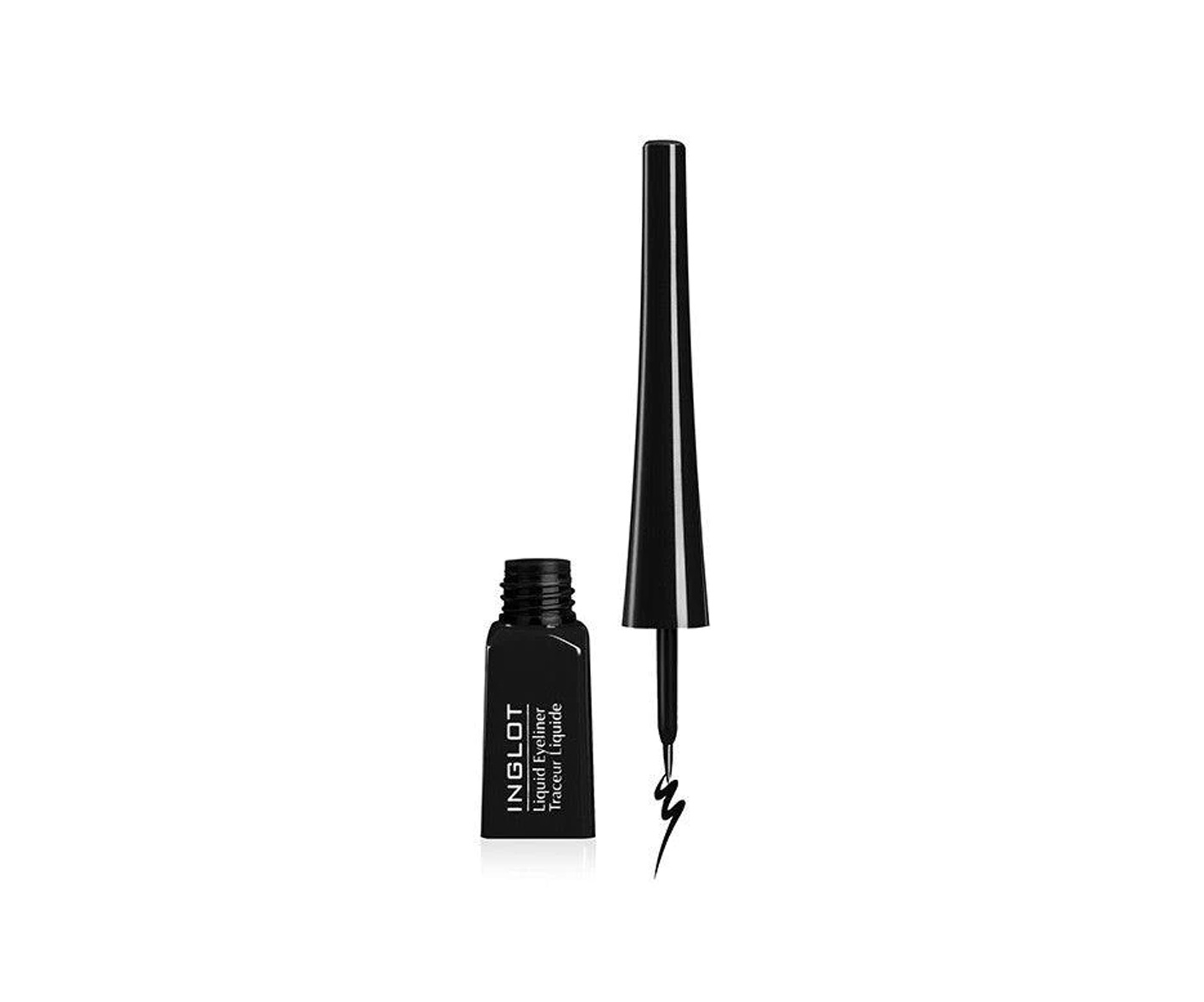
Discover 5 eyeliner suggestions to enjoy long-lasting and striking eye make-up.
The skin under the eyes and on the eyelids is very delicate and requires special but slightly different care than the skin on the rest of the face or body. Inadequate care of the skin around the eyes can cause wrinkles, greyness and sagging to appear more quickly. Unsightly dark circles, puffiness and redness also form under the eyes, which fortunately can be eliminated with proper care of this area of the face and a hygienic lifestyle. In this article you will learn about the structure of the skin around the eyes, the most common eye area problems, and make-up suggestions to add definition and enhance the beauty and health of the eye area.
Skin structure of the eyelids
The skin under the eyes is more thin and delicate than the skin on the cheeks, chin and forehead. It has far fewer sebaceous glands, making it extremely susceptible to dryness. Eyelid skin is the thinnest part of all skin. It is about 0.5 mm thick. The epidermis in this part of the face is extremely thin, the dermis has little collagen and elastin, which contributes to the flaccidity of this part of the skin. The sebaceous glands are sparse and the subcutaneous tissue is quite loose, devoid of fatty tissue and much thinner than in other areas of the skin.
The delicate skin around the eyes is easily irritated and subject to allergic reactions. Superficial vascularisation and loose subcutaneous tissue promote extravasation and swelling. On the other hand, constant blinking and squinting puts strain on the eye's circular muscle, resulting in the formation of facial wrinkles.
The eyelids are made up of 3 layers:
The front (outer) layer is made up of a thin layer of skin and the circular muscle of the eye.
Middle layer - from the orbital septum, orbital fat and the superior disc.
Posterior layer (inner) - from the conjunctiva, upper eyelid levator and muscles.
Between these layers there is connective tissue.
In addition to this division, in the upper eyelid there are:
2 fat pads: a smaller one on the medial side and a larger one centrally located, and in the lower eyelid 3 fat pads.
The hairs growing on the eyelids - the eyelashes - have a protective function, helping to trap pollutants from the air and protecting the eyes from harmful substances.
The most common eyelid skin problems
The skin of the eyelids, due to its unique structure and delicacy, is susceptible to the occurrence of various problems and ailments. Among the most common are:
1. inflammation of the eyelid margins (blepharitis): This is an inflammatory condition that causes redness, itching, flaking of the skin and the formation of scales on the eyelashes. To prevent the occurrence of this condition, it is important to wash your face regularly and carefully, including the edges of the eyelids, and not to touch the area with dirty hands.
2) Eyelid acne: Like acne on other areas of the body, eyelid acne can manifest as pimples, redness and swelling.
3. eyelid skin dryness: The thin skin of the eyelids can easily become dry, especially in the absence of proper care. This can lead to itchy, burning and flaky skin.
4. dark circles under the eyes: Dark circles around the eyes can be caused by fatigue, allergic reactions, be genetic or be the result of poor skin care and leading an unhealthy lifestyle.
5) Skin allergies: The skin on the eyelids is particularly sensitive to allergens, which can lead to irritation, itching and redness.
6. contact dermatitis: Allergic reaction to substances with which the eyelid skin has come into contact, for example ingredients contained in make-up cosmetics.
7. eye infections: Bacterial or viral infections, such as conjunctivitis, can affect the skin of the eyelids, causing redness and swelling.
In case of any eyelid skin problems, it is advisable to consult a dermatologist or ophthalmologist to obtain a proper diagnosis and apply the recommended treatment. Besides, regular and proper eyelid skin care can help prevent many of these problems.
How can eyelid skin problems be managed?
In addition to consulting a specialist when eyelid skin ailments arise, you can help the skin of the eyelids to be in the right condition by following a few principles:
Proper daily care of the delicate skin around the eyes is extremely important. Always wash off make-up in the evening with a suitable product and apply a cream/serum adapted to your skin type. Eye make-up must not contain any ingredients that can irritate the eye area or cause allergic reactions. It is therefore always advisable to carefully check their composition.
The choice of care product depends on the individual needs of the skin. However, it is advisable to choose cosmetics that moisturise, nourish and improve the elasticity of the skin. Eye creams should contain vitamins C, E and A, hyaluronic acid and vegetable oils. If you are prone to puffiness, you can use products that improve micro-circulation, such as echinacea, caffeine or algae.
It is also a good idea to gently massage the skin of the lower eyelid to stimulate circulation. You should also remember to get enough sleep and avoid smoky rooms. Computer work, TV watching and tablet/phone use should be limited and with frequent breaks to allow the eyes to rest. It is important to protect against UV radiation, wearing sunglasses with filters.
Daily protection and proper care of the delicate skin around the eyes will strengthen it, lighten discolouration, reduce puffiness and dark circles, and prevent premature signs of ageing.
Eyeliner
Eyeliner is a cosmetic product used for eye make-up. It is used to highlight both the upper and lower eyelids. It differs from eyeliner in that it has a more fluid consistency. Eyeliner makes it possible to draw very thin lines along the lash line, as well as thicker, more expressive lines. Eyeliner eyeliner never goes out of fashion, it gives depth and sensuality to the look and goes with any style. Using eyeliner as the only eye make-up product is ideal for delicate daytime make-up, while combining it with eye shadow is a suggestion for evening out or formal events.
Eyeliner - types
There are several types of eyeliner available on the market, which you can adapt to your preferences and comfort of use. The most common include:
Liquid eyeliner - usually comes in the form of a marker pen and ensures drawing very precise lines. However, you need to be skilled in its use.
In pen/marker form - this type of eyeliner is similar to the liquid form, but has a hard tip, making it a great option for beginners in drawing lines. Thanks to the marker form, you can achieve different thicknesses and line shapes with it.
In crayon form - this type is a combination of crayon and eyeliner. It is very practical and easy to use.
With a thin brush - this model allows you to create the thinnest lines, but due to its very fluid consistency, it is recommended for people who already have experience in making lines.
Eyeliner in a jar - is the most professional type of eyeliner. It has a firm consistency, is long-lasting and usually waterproof. In order to draw lines with this eyeliner, a set of special brushes made usually of horsehair is necessary.
For whom are eyeliners intended?
Eyeliners are intended for all those who like to give their eyes a charming and expressive look, as well as for those who appreciate striking eye make-up.
Eyeliners are a good option for people with small eyes, for example, because using this cosmetic enlarges them optically. Eyeliners can also be used to slightly change the shape of the eye, for example creating a cat eye effect.
The advantage of eyeliners is that many visual effects can be created. For this reason, people who like to experiment with their make-up can reach for eyeliner, because the make-up created with it can be truly diverse and spectacular.
What effects can be achieved with eyeliner?
Eyeliner can be used to create a variety of eye make-up effects. How you apply it is also important. It is therefore worth trying out different products to find the one that meets all expectations. In general, the use of eyeliner can produce results such as:
Emphasising the shape of the eyes: Eyeliner can greatly emphasise the natural shape of the eyes, making the look more defined and deep.
Eye Enlargement: When used correctly, eyeliner can optically enlarge the eyes, especially when the line is drawn on the lower eyelid.
Elegant look: A classic black eyeliner on the upper eyelid makes the make-up look elegant and stylish. It then fits perfectly for formal occasions or evening outfits.
A colourful accent: Eyeliners are available in a variety of colours, allowing you to experiment with multi-coloured make-up.
Subtle look: A thin, delicate line can accentuate the eyes while maintaining a natural look.
Variety of style: Depending on the type of eyeliner chosen (liquid, crayon, in a jar), different effects can be achieved, from matte to shiny, and from delicate to intense.
What are the key ingredients in eyeliners?
The ingredients of eyeliners can vary depending on the specific product, but there are a few ingredients often present in these cosmetics. These include:
Pigments: They are responsible for the colour of the eyeliner. They can be of natural or synthetic origin.
Water: Water is often used as a solvent, especially in liquid eyeliners.
Thickening substances: May include substances such as xanthan gum or cellulose, which help to maintain the consistency of the product.
Emollients: these are moisturisers and emollients such as vegetable oils or waxes that help to make the eyeliner easier to spread.
Pearl pigments or mica: These add shine and sparkle and are present in metallic or glitter eyeliners.
Film-forming ingredients: These ensure that the eyeliner stays on the skin and make the make-up last longer.
Benefits of using eyeliners
Eyeliner is a make-up cosmetic that can be used to achieve a variety of effects, as well as adapting the method of application to different styles and circumstances. The biggest advantages of using eyeliners include:
- Emphasising the shape of the eyes.
- Optically correcting the shape of the eyes.
- Giving depth and definition to the gaze.
- Long-lasting effect.
- Variety of make-up styles.
- Wide choice of eyeliner types.
The disadvantages of using eyeliners
The use of eyeliners also has a few disadvantages that you should be aware of. Here are the most common ones:
- Difficulty in application.
- Interrupting the smoothness of application.
- Smudging.
- Allergic reactions.
Most of these problems can be solved by choosing the right type of eyeliner for your individual needs, practice and care during application.
How do I apply eyeliner?
Eyeliner is a cosmetic that can be used for everyday make-up. However, those new to eyeliner should familiarise themselves with a few rules of application so that the painted line is flawless, long-lasting and meets the desired effect. Below are a few tips on how to apply eyeliner.
Preparation for application.
It is recommended that you apply your favourite foundation to your eyelid before using eyeliner, followed by a mattifying powder. The eyeliner line will then last longer and last longer.
Eyeliner application.
To draw the eyeliner, start by outlining the inner corner of the eye. This is where the line should be thinnest and its thickest point should be at the outer corner. It's best to line the eyelid in one firm stroke. When drawing the line, do not press the eyeliner too hard on the eyelid to prevent excessive, unsightly application and smudging.
Depending on the effect you want to achieve, you can draw a very thin line along the lash line or a thicker line going beyond the outer corner of the eye. It can then be curved upwards or pointed.
If the line is unevenly filled in, you can cover up the gaps by correcting them with eyeliner or eyeliner in the same colour.
If the eyeliner line is not even and precise at first, do not be discouraged. As with almost any activity, only practice makes perfect.
What should I consider when choosing an eyeliner?
Choosing an eyeliner may not be the easiest thing to do, because of the many types available. To make your decision easier, consider the following factors:
1. type of eyeliner: Choose the type of eyeliner that you are most comfortable using. For beginners, pen eyeliners work best, while liquid eyeliners with a brush, for example, may be suitable for more advanced users.
2 Durability: It is always a good idea to choose eyeliners that last as long as possible. It is a good idea to choose a waterproof eyeliner.
3. colour: Of course, black is the most classic and universal colour. However, there is nothing stopping you from including eyeliners in other colours in your make-up bag.
4. composition: It is best to choose eyeliners with a hypoallergenic formula. This is especially important for people who are prone to allergies to various cosmetic ingredients. It is worth looking for eyeliners without chemical and harmful substances, with natural pigments.
5 Reviews and opinions: Read other people's opinions on the use of a particular eyeliner. Their experience is an invaluable criterion for selection.
Discover the 5 best eyeliners in 2026
When creating our product reviews, we consider the ingredients and research their safety. We analyse the opinions of industry experts and the experiences of product users. We obtain recommendations from authorised retailers, and use available sources of knowledge about active ingredients and how they work. We personally verify the action, texture, scent and feel of the products, and assess value for money.