Beautiful skin is of great aesthetic importance to us. Its condition is also an important indicator of the body's health and well-being. How we look affects many areas of life. Healthy, radiant skin can have a positive effect on our mood and self-confidence, and consequently on our interpersonal relationships. Our skin gives us signals about whether we are providing our body with everything it needs to function properly, whether we are sleeping long enough, and whether we are eating properly. When the skin is healthy and well maintained, the effectiveness of skincare products is greater. This allows us to achieve better results with cosmetics. Proper facial skin care is extremely important. It should be thoroughly cleansed, scrubbed, moisturised and nourished. In the following article, you will learn about the importance of scrubs for your skin, how to perform them correctly and what exfoliation actually is.
Facial skin
Facial skin is the outer layer of skin that covers the human face. It is the most visible and exposed part of the human body. The facial skin is the first line of defence against harmful external factors such as UV radiation, pollution, bacteria and viruses. It also regulates body temperature through the expansion or contraction of blood vessels and the production of sweat in response to changes in ambient temperature. The face contains many sensory receptors that allow us to feel stimuli such as touch, pain or temperature. The skin produces sebum, a natural oil that moisturises the skin and protects it from moisture loss. Damage to the skin on the face, such as scrapes or small cuts, can heal spontaneously over time because the skin has the ability to regenerate. Just below the skin are muscles that allow for the expression of emotions and non-verbal communication.
Regular facial skin care is important for its health and appearance. This includes proper cleansing, moisturising, using UV sunscreen to protect against sunlight and avoiding smoking and overexposure to harmful external factors.
Facial skin structure
The facial skin, like the skin on other parts of the body, consists of three main layers: the epidermis, the dermis (dermis) and the subcutaneous tissue (hypodermis). Each of these layers has important functions and contains different types of tissue.
The outermost layer of the skin, which provides a protective barrier against external agents, is the epidermis This is a thin layer, consisting of several layers of cells. As new epidermal cells form at the bottom of this layer, older cells move towards the surface, where they are gradually shed in a process called keratinisation.
The dermis is the middle layer of the skin that contains many important structures, including collagen fibres, elastin fibres, blood vessels, sebaceous glands, hair follicles, nerves and sensory receptors. It is the thickest layer of the skin and is responsible for its strength, elasticity and ability to retain adequate moisture. Collagen and elastin are responsible for maintaining the skin's firmness and elasticity.
The deepest layer of skin is called subcutaneous tissue It contains fatty tissue, blood vessels and larger nerves. It provides support and insulation for the skin and the body as a whole. The thickness of subcutaneous tissue varies from person to person and can affect the shape and appearance of the face.
In addition, the facial skin contains various muscles that allow the expression of emotions and facial movements. These include the facial muscles, which are responsible for expressing joy, anger, sadness, etc.
In addition, the facial skin is richly vascularised to ensure adequate blood supply and cell nutrition. It is also populated by various glands, such as the sebaceous glands, which produce sebum (a natural oil), and the sweat glands, which regulate body temperature through the secretion of sweat.
Structure of the epidermis
The epidermis (epidermis) is the outermost layer of the skin, which has a protective function and ensures the integrity of the body by protecting it from external agents, as well as maintaining the body's water-lipid balance. It consists of several layers of cells, each with its own unique characteristics. The following description shows the structure of the epidermis, starting with the innermost layer.
Basal layer (stratum basale). This is the layer of the epidermis closest to the dermis and is in contact with the basement membrane. It contains stem cells that are constantly dividing and renewing themselves. New skin cells are formed in this layer and then gradually migrate towards the epidermal surface.
The squamous layer (stratum spinosum). This is the layer where cells from the basal layer move and begin to develop structures called keratinocytes. Keratinocytes are cells rich in keratin filaments that give the skin its strength and elasticity.
Granular layer (stratum granulosum). In this layer, keratinocytes begin to lose their nuclei and cell nuclei. The cells begin to synthesise lipids and keratin, which play a key role in the keratinisation (keratinisation) process.
Transparent layer (stratum lucidum). This layer is mainly present on areas of the skin that are thicker, such as the hands and feet. It consists of cells that are transformed into a thin layer of colourless, called eleidin.
Cornified layer (stratum corneum). This is the outermost layer of the epidermis and consists of dead, flattened keratinocytes. These cells are tightly bound together and form a protective barrier that prevents water loss and protects the skin from external agents. The stratum corneum is constantly being removed through a natural exfoliation process and is replaced by new cells from the basal layer.
This process of cell renewal in the epidermis is called epidermal turn-over and usually lasts between 28 and 30 days. The epidermal layer plays a key role in keeping the skin healthy, smooth and supple, and its proper functioning is essential for maintaining proper barrier function of the skin and protecting the body.
What the epidermal keratinisation process is about
The epidermal keratinisation process is a natural process in which the cells of the epidermis gradually move from the basal layer to the surface of the skin, becoming increasingly flattened and hard. This is an important mechanism that plays a vital role in maintaining healthy skin and its protective functions.
At the lower level of the skin is the basal layer, which contains stem cells. These cells divide and transform into epidermal cells. The cells formed in the basal layer move to the squamous layer. Here, these cells begin to synthesise keratin, a protein that gives the skin its strength and elasticity. Cells in the spinous layer move to the granular layer, where they begin to differentiate, forming keratin granules and increasing the production of lipids that help protect the skin and keep it hydrated. Then, in the light layer, the cells fill up with keratin granules and lipids, and their nuclei gradually degrade.
At the final stage, in the stratum corneum, the epidermal cells are already dead and consist mainly of keratin and lipids. The cells are flattened and released from the skin, forming a protective barrier on its surface.
The keratinisation process usually lasts between 2 and 4 weeks, but can vary depending on individual skin characteristics and environmental conditions. A regular keratinisation process is key to maintaining healthy skin, as it helps to remove dead skin cells and maintain optimal skin barrier function. Disturbances in this process can lead to various skin problems such as psoriasis and atopic dermatitis. This is why regular exfoliation is so important.
What is exfoliation
Exfoliation, or peeling, is the process of removing dead skin from the skin to unify its texture, improve its appearance and unclog pores. Human skin naturally renews itself, but sometimes this process can be disrupted by various factors such as ageing, hormonal changes, exposure to harmful environmental factors or skin-related problems such as acne. As a result, dead skin cells can accumulate on the surface, causing an appearance of roughness, dullness, or contributing to skin imperfections.
There are many methods of exfoliation, including:
Mechanical peeling This involves the physical removal of dead skin using, for example, a scrub containing particles of the appropriate size that gently abrade the epidermal layer.
Chemical peeling: Useschemical substances such as acids (e.g. salicylic acid, glycolic acid) or enzymes to dissolve dead skin and accelerate exfoliation.
Enzyme peeling: This is based on the use of enzymes that break down dead skin cells.
Microdermabrasion exfoliation: Uses special equipment to mechanically abrade the dead skin.
Enzyme peeling
Enzyme peeling is the process of exfoliating dead skin using enzymes instead of traditional mechanical abrasives. This type of peeling is popular in cosmetology and is used to cleanse, refresh and smooth the skin. Enzyme peeling is less invasive than traditional mechanical peels, making them more suitable for people with sensitive skin, and are ideal for facial skin care. Enzymes work on a chemical level to gently dissolve dead skin cells. Enzyme scrubs help to smooth the skin by removing dead skin and impurities, resulting in softer, firmer skin. It can help reduce blemishes, scars and hyperpigmentation by effectively cleansing the skin.
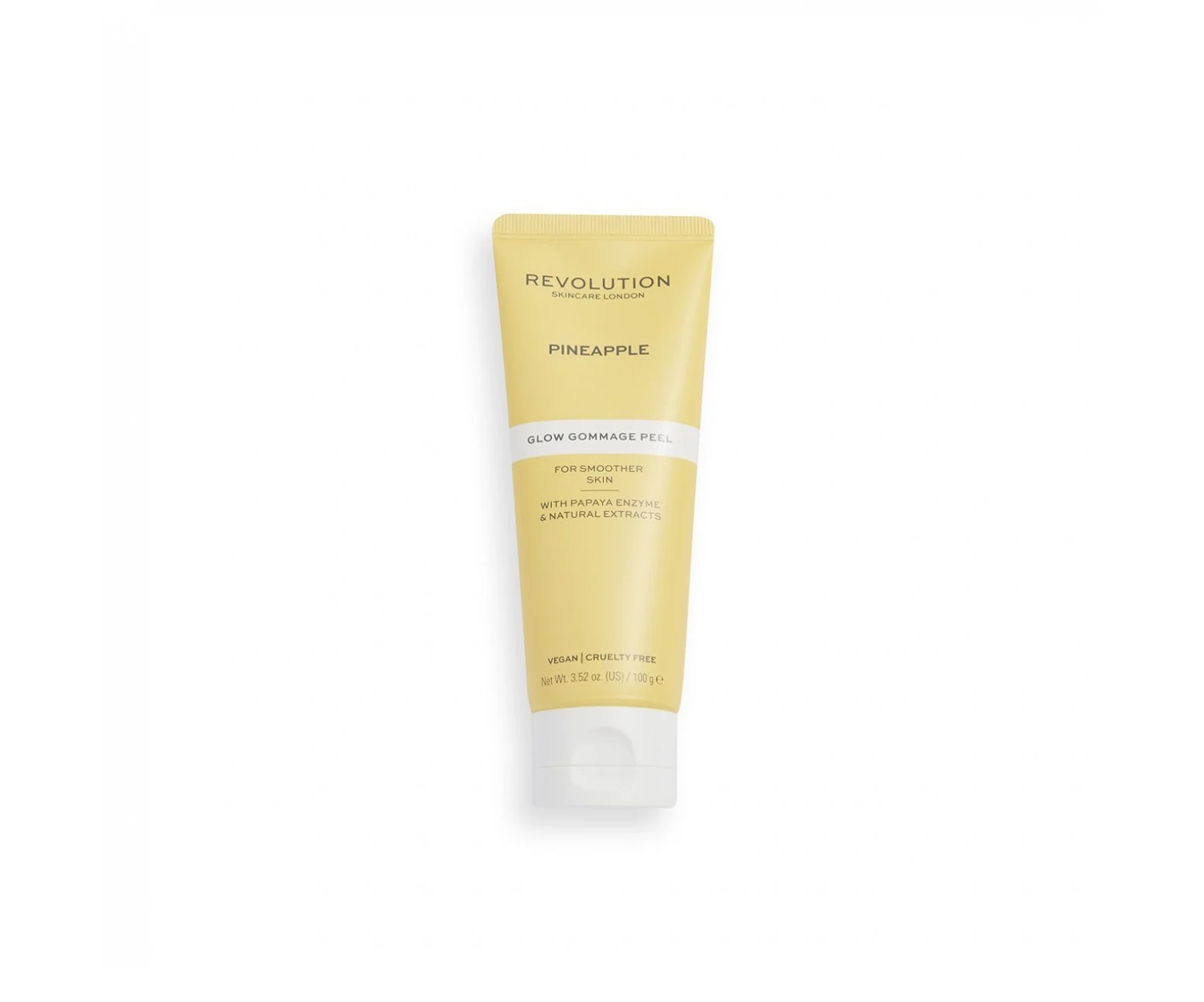
Unlike mechanical scrubs, which use grains, microdermabrasion or brushes to remove the epidermis, an enzyme scrub works by using enzymes without causing micro-trauma to the skin. There are many types of enzyme scrubs to suit different skin types and needs. You can find scrubs on the market that contain enzymes from pineapple (bromelain), papaya (papain) or turmeric (curcumin), among others.
Enzyme peels are not usually followed by a long recovery period, as can be the case with more aggressive chemical or laser treatments.
For whom an enzyme peel
Enzyme peeling is usually suitable for many skin types. Enzyme peeling is gentler than traditional mechanical peels, making it more suitable for people with sensitive skin who may be more prone to irritation. Enzyme peeling can help to exfoliate dead skin, cleanse pores and reduce impurities, making it sure to be appreciated by those struggling with acne
An enzyme peel can help to brighten and even out skin tone, reducing discolouration and pigmentation spots, so will also be suitable for those looking to even out skin tone
Those with dull skin: an enzyme peel can help restore radiance and healthy-looking skin by removing dead cells and impurities.
People with signs of ageing skin: Enzyme peeling can help to reduce fine lines, improve skin elasticity and generally rejuvenate the appearance.
Peeling should not be used when there are open wounds on the skin. If the epidermis is damaged, it is better to postpone the treatment for a few days.
What key ingredients does an enzyme peel have?
The key ingredients of an enzyme peel can vary from manufacturer to manufacturer. Here are some common ingredients that are often found in enzyme scrubs:
- Enzymes - the most commonly used are proteases, which break down proteins found on the surface of the skin. Bromelain (derived from pineapple) and papain (derived from papaya) are popular enzymes used for this purpose.
- Fruit - sometimes natural fruit, such as pineapple or papaya, which contain the aforementioned proteases, are included in scrubs. In addition, they may also contain, for example, pomegranate extracts, which also contain natural enzymes.
- Fruit acids - help to exfoliate the skin, but usually work more gently than in chemical peels.
- Vitamin C - can help even out skin tone.
- Aloe vera - helps to soothe the irritation and redness that can occur after a peel.
- Plant extracts - may have antioxidant, moisturising or anti-inflammatory effects.
What does an enzyme scrub give us?
The use of enzyme scrubs has many benefits, including:
- Exfoliating dead
- skin Brightening and even skin tone
- Reducing
- fine lines and wrinkles
- Purifying pores
- Reducing inflammation
- Hydrating and soothing the
- skin Nourishing and refreshing
- the
- skin
Undesirable effects of enzyme peeling
An enzyme peel is a mild type of chemical peel that uses enzymes to exfoliate dead skin. However, even such a mild peel can cause some adverse effects, although these are rare and usually mild:
- Exfoliation of dead skin
- Brightening and evening out the skin tone
- Reduction of fine lines and wrinkles
- Cleansing of pores
- Reducing inflammation
- Moisturise and soothe the skin
- Nourishing and refreshing the skin
How often to use an enzyme peel
How often an enzyme peel should be used depends on your skin type, individual needs and the manufacturer's recommendations for the product. Generally speaking, an enzyme peel is a gentle treatment that can be used more often than more intense chemical peels. However, there are still some guidelines to take into account:
Normal and dry skin: People with normal or dry skin types can usually use an enzyme peel once a week or every fortnight. Regular use helps to keep skin in good condition and improves texture and appearance.
Oily and acne-prone skin: People with oily or acne-prone skin types can use an enzyme scrub a little more often, such as twice a week. However, be careful and watch the skin's reaction. If any irritation or aggravation of acne develops, reduce the frequency of use.
Sensitive skin: People with sensitive skin should use the enzyme peel less frequently, for example every fortnight or less often, to avoid excessive irritation. A skin test is recommended before first use to ensure that the skin tolerates the product well. It is also important to pay attention to the composition of the enzyme scrub. Some products may be more gentle and suitable for more frequent use, while others, due to their stronger enzyme action, may be more suitable for less frequent use. Remember that each person's skin is different, so it's worth adjusting the frequency of enzyme scrub use according to your individual skin's needs and reaction. If in doubt, consult a dermatologist who can help you choose the right skincare plan for your skin.
How to use an enzyme peel?
The use of enzyme peels is relatively simple. For best results and to avoid possible irritation, follow these tips:
- Cleanse your skin. Before applying an enzyme scrub, make sure your skin is well cleansed of make-up, dirt and impurities. You can use a mild facial cleanser that suits your skin type.
- Try it on a small area. If this is the first time you have used a particular enzyme scrub, do a skin test on a small area of skin, for example behind your ear or on your forearm. This will allow you to check whether you are allergic to the ingredients in the product.
- Apply the enzyme scrub. Apply a small amount of the scrub to the damp skin of your face or other areas you wish to treat. Avoid the area around the eyes and mouth if the manufacturer does not recommend use on these areas.
- Gently massage in. Perform a gentle massage, spreading the scrub evenly over the skin. Avoid applying too much pressure so as not to irritate the skin. Focus on areas that need more intense exfoliation, such as areas with discolouration or unevenness.
- Leave on for a while. The length of time a scrub is left on the skin depends on the specific product. It usually takes a few to several minutes. Make sure you follow the manufacturer's recommendations to avoid drying or irritating your skin.
- After the appropriate time has elapsed, rinse the scrub off with warm water. Make sure that no scrub residue remains on your skin.
- After using the enzyme scrub, use a mild moisturiser to compensate for moisture loss and soften the skin.
- After treatment, avoid sun exposure for a few hours and use sunscreen as your skin may be more sensitive to UV radiation.
Remember, before using a new enzyme scrub for the first time, it is worth checking the manufacturer's recommendations for application and how long the product should be left on the skin.
How do I choose an enzyme scrub?
When choosing an enzyme scrub, there are several factors to consider in order to select the right product for your needs. Here are some tips to guide you:
Skin type: Make sure the enzyme scrub is suitable for your skin type. There are different formulas to suit different skin types such as dry, oily, sensitive, combination or mature.
Composition: Read the product label carefully or read the components if it is a professional treatment. Make sure the ingredients are suitable for your skin and will not cause allergic reactions.
Type of enzymes: Check which enzymes are used in scrubs. The most commonly used enzymes are bromelain (from pineapple), papain (from papaya) or protease (from pumpkin), but there are other enzymes such as bacterial or raspberry protease.
Effectiveness: Pay attention to other users' or professionals' reviews of a particular product or treatment to find out how effective an enzyme peel is in removing dead skin and improving skin condition.
Safety: First and foremost, make sure the enzyme peel is safe for your skin. If you have sensitive skin or any dermatological problems, consult a dermatologist before having the treatment.
Other properties: Some enzyme peels may have additional benefits for the skin, such as anti-inflammatory, moisturising or reducing hyperpigmentation. Choose a product or treatment that meets your specific needs.
Origin and quality: Choose products from trusted brands or professionals with good reviews. Avoid cheap products or dodgy sources that may contain harmful substances.
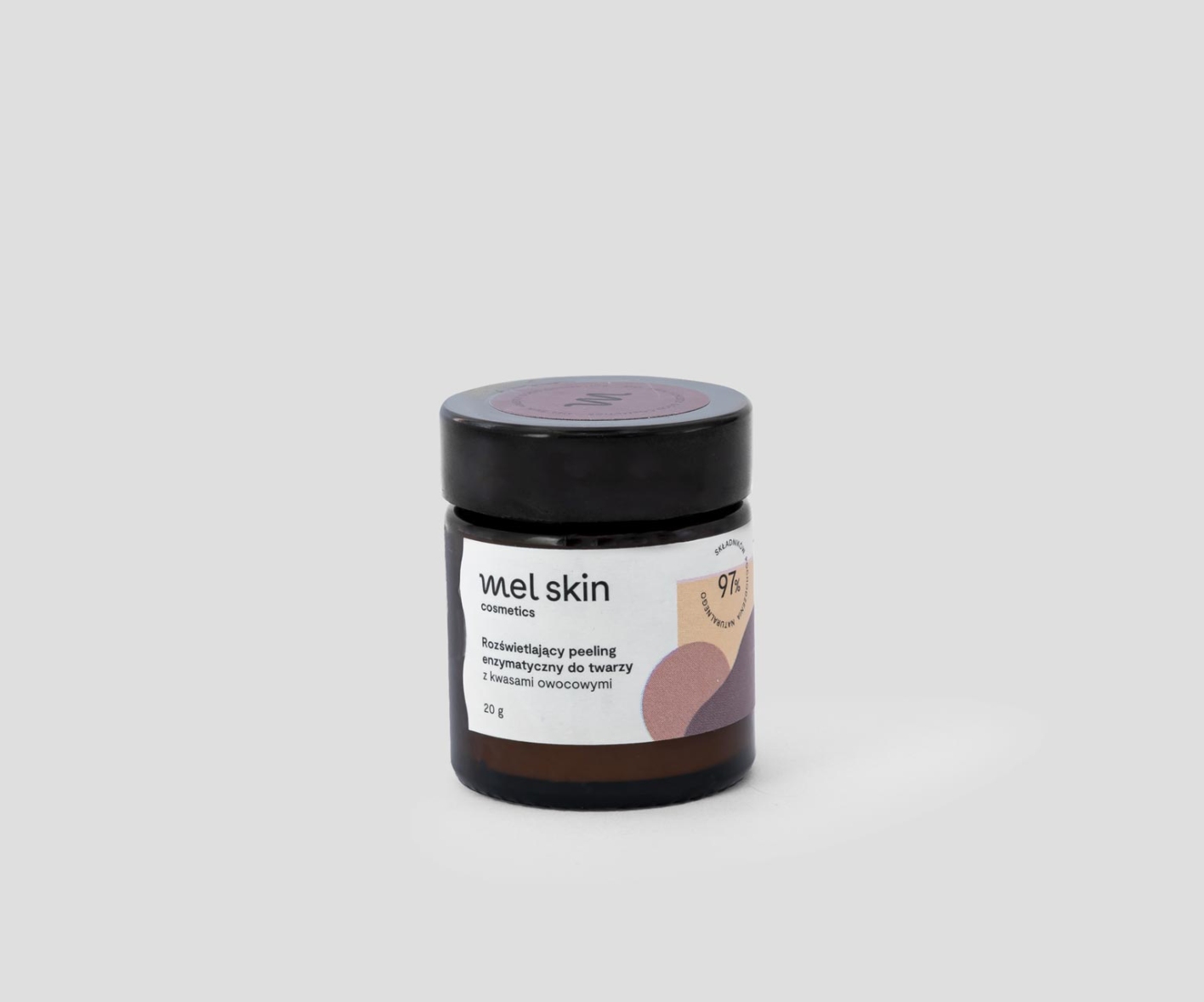
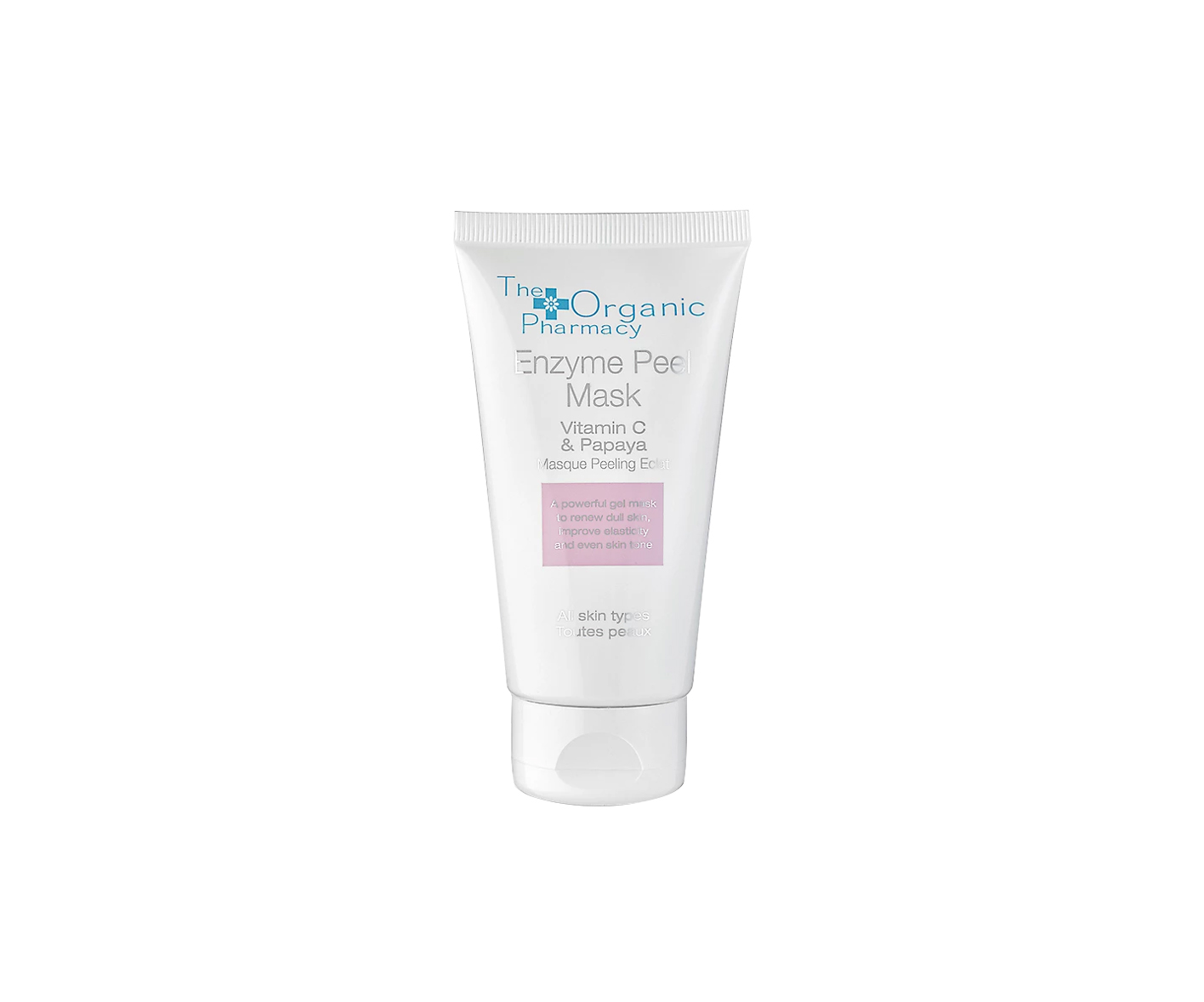
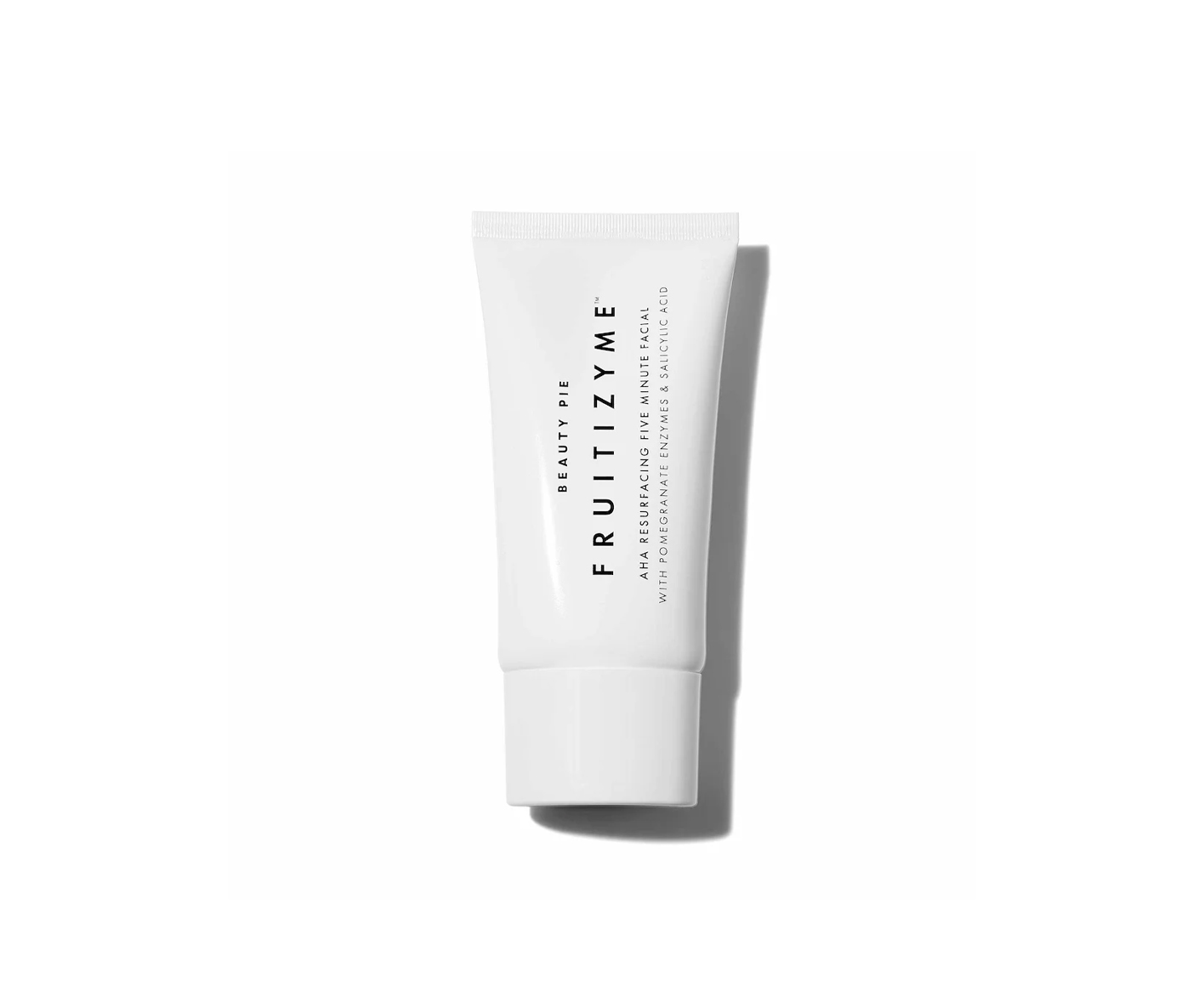
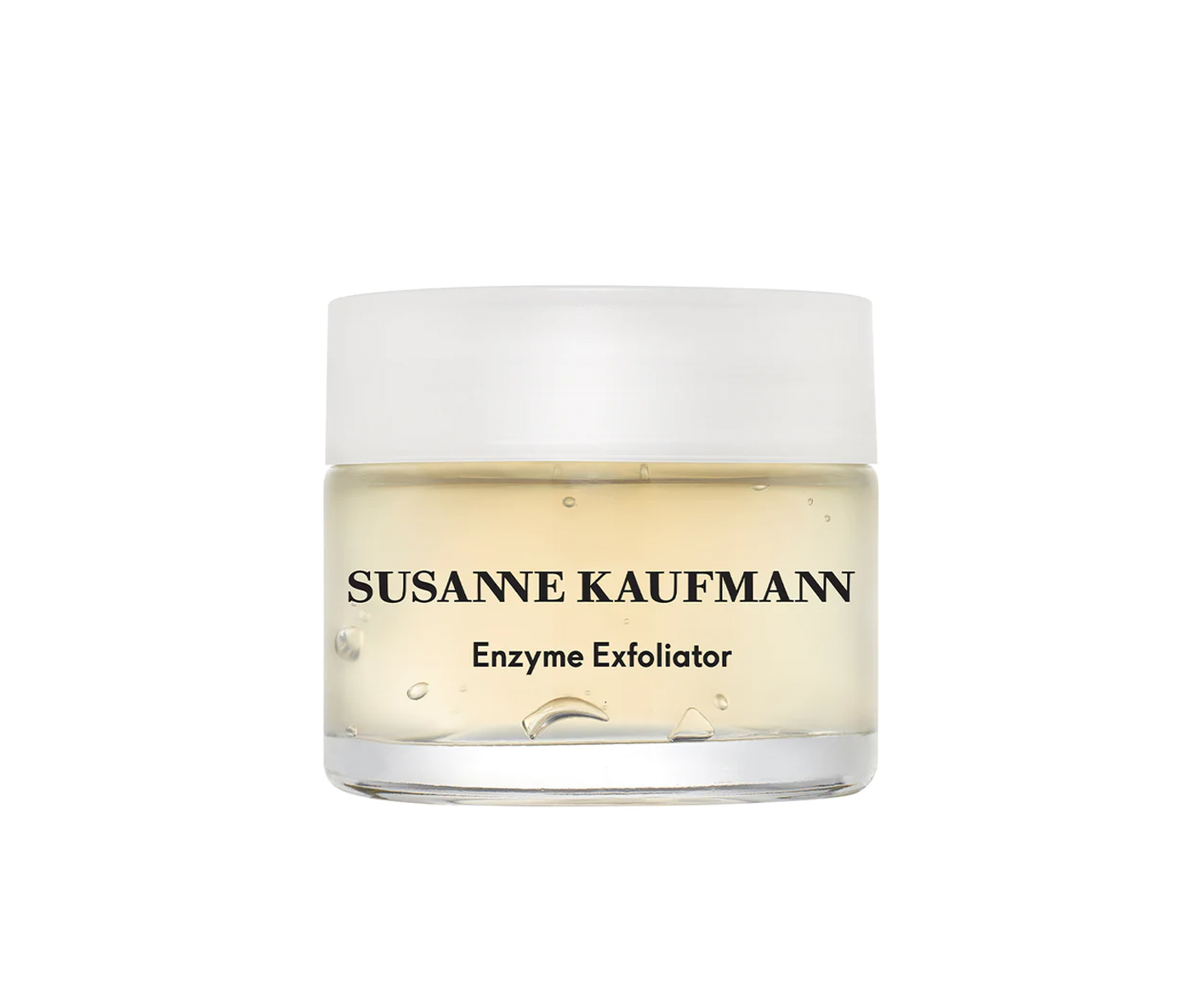
Discover the 5 best enzyme scrubs in 2026
When creating our product reviews, we consider the ingredients and research their safety. We analyse the opinions of industry experts and the experiences of product users. We obtain recommendations from authorised retailers and use available sources of knowledge about active ingredients and their action. We personally verify the action, texture, scent and feel of the products, and assess value for money. Below are detailed reviews from our editors, along with a description of each product highlighted.
Below are detailed reviews from our editors along with a description of each product indicated.