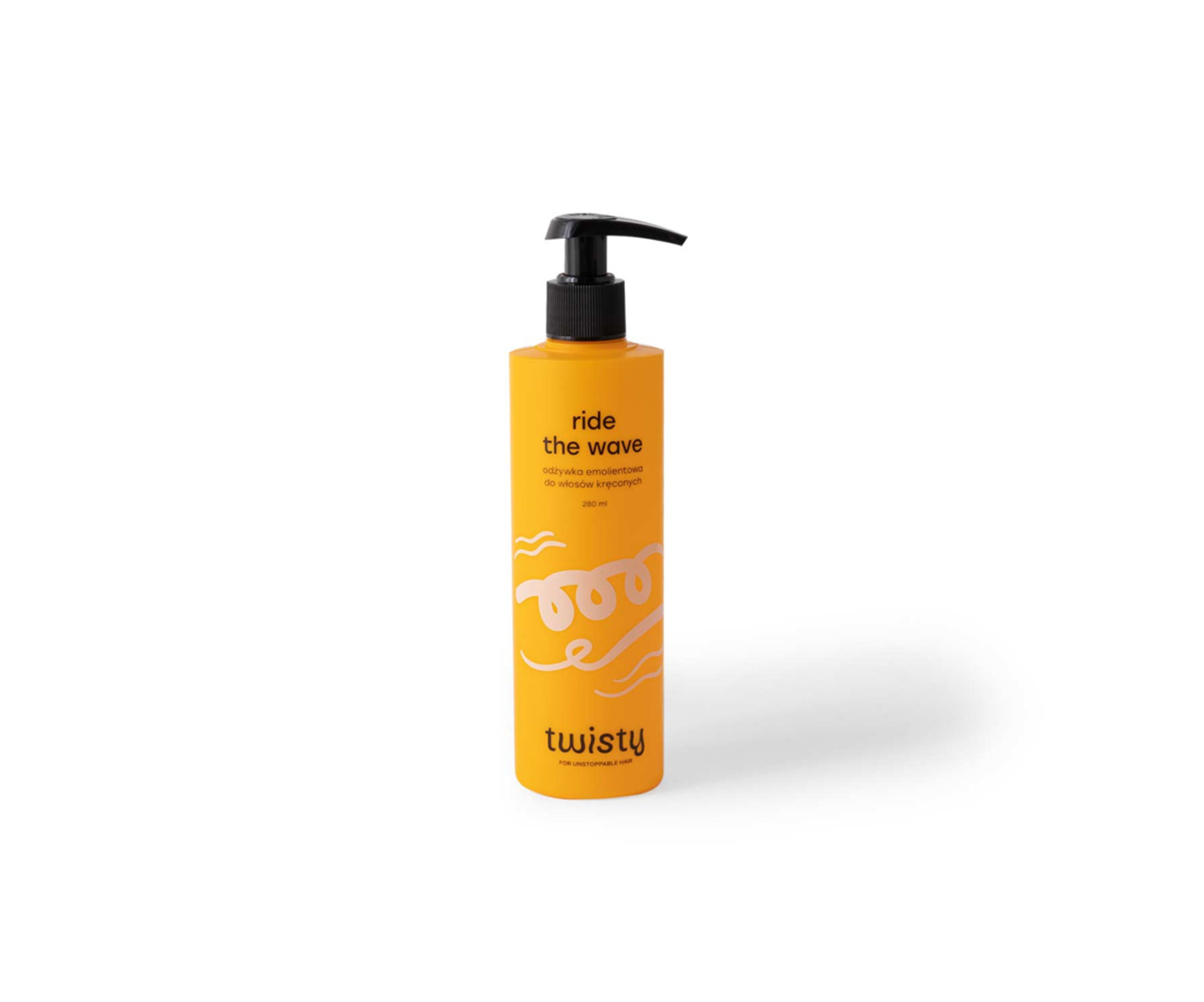
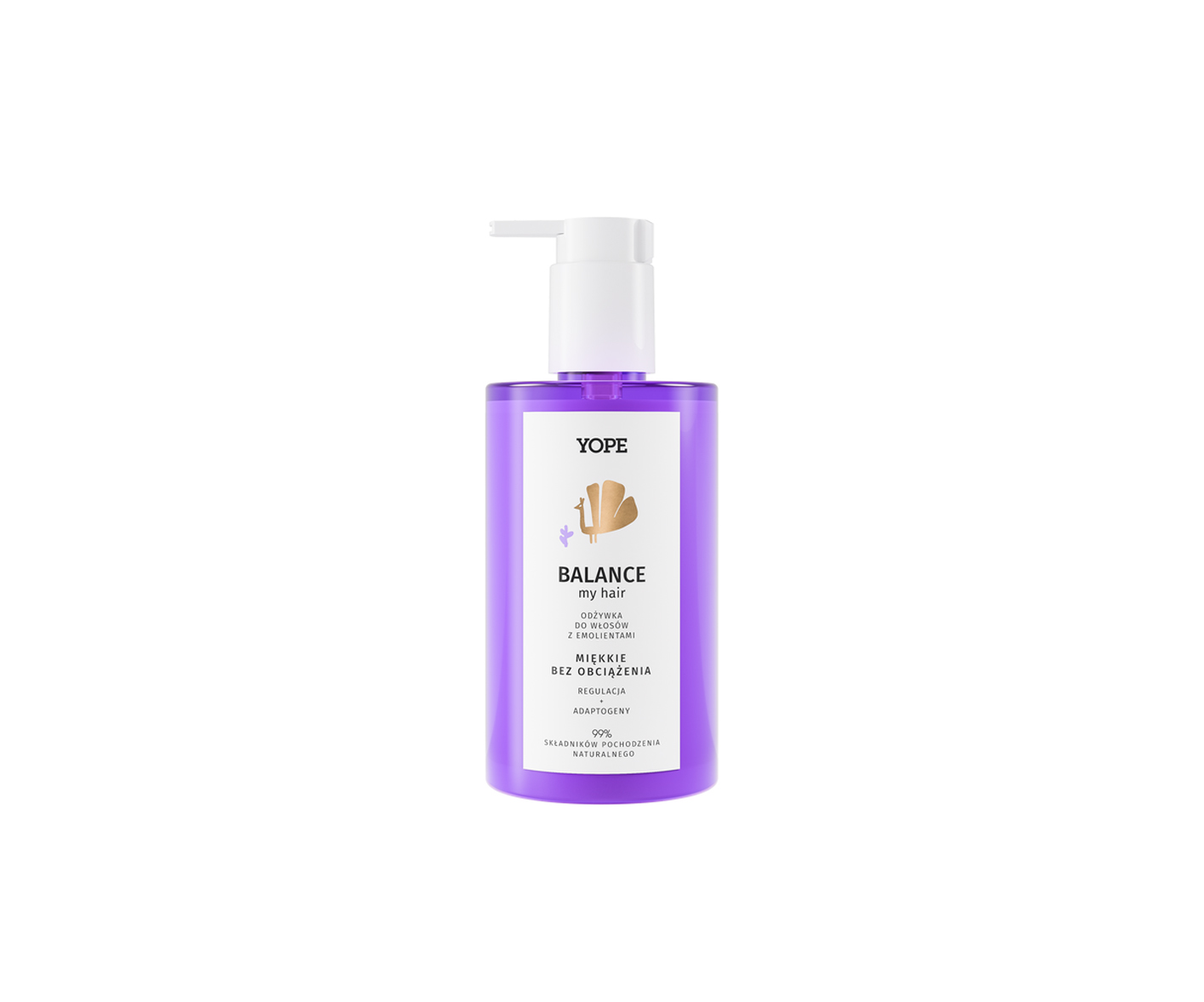
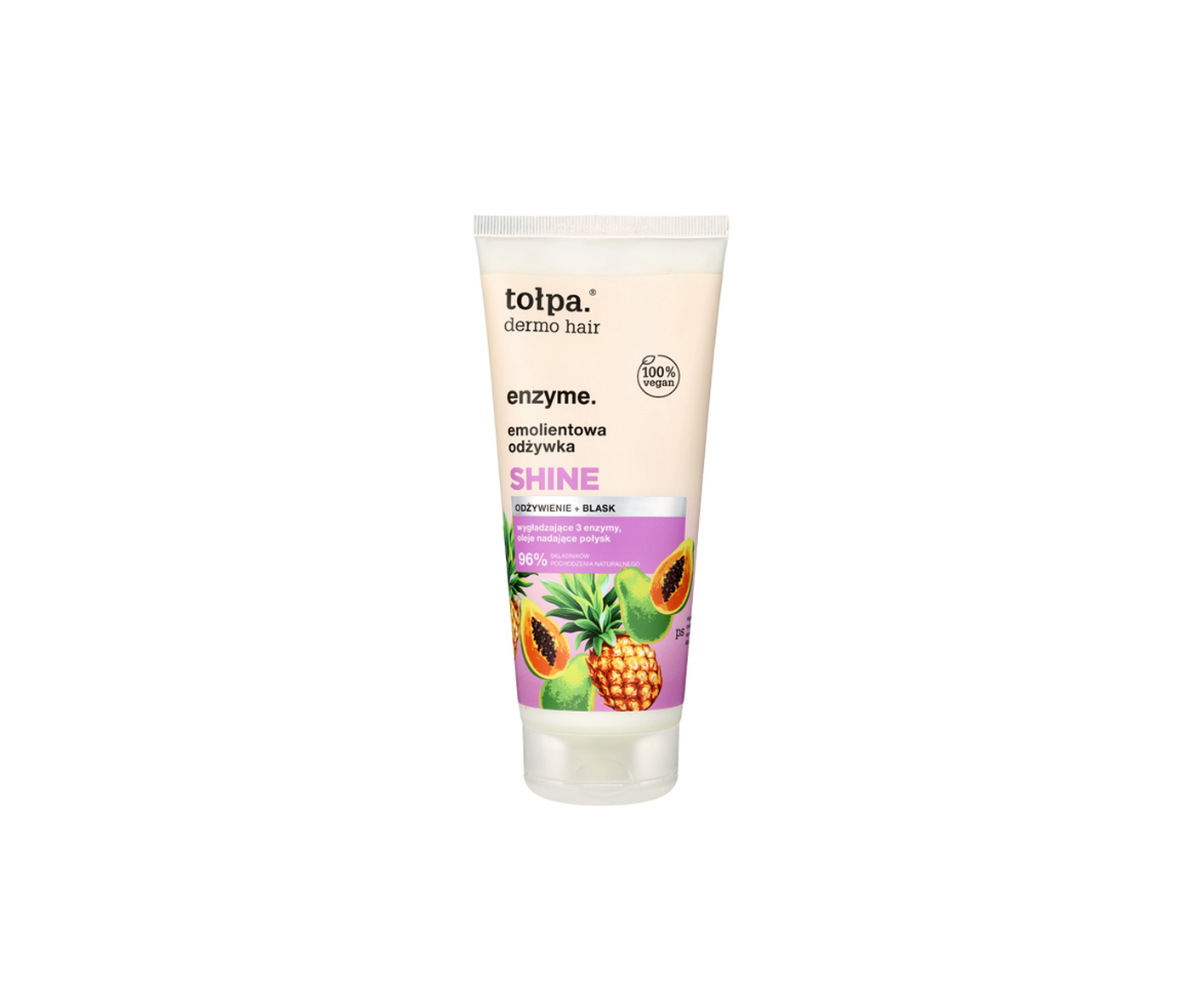
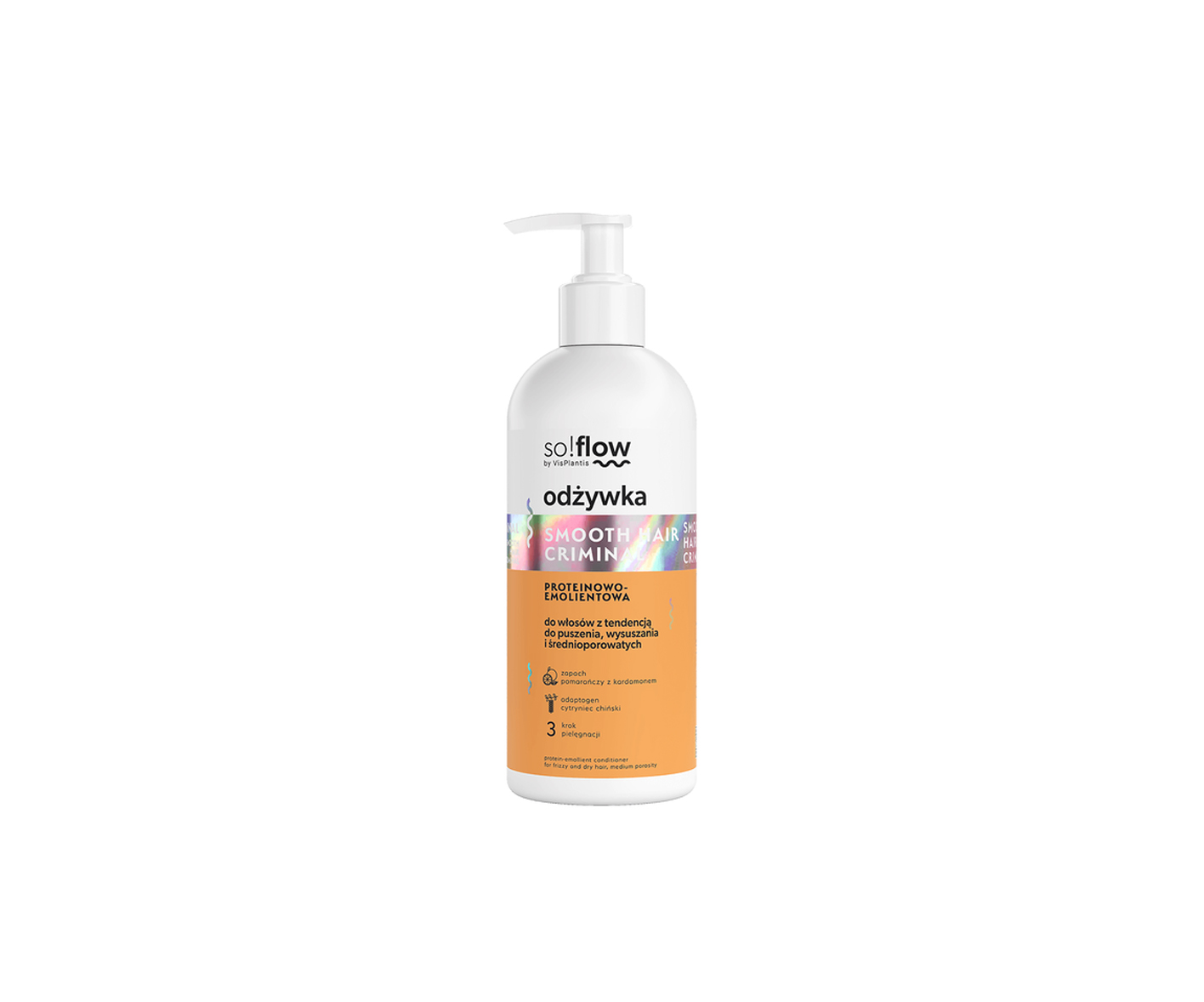
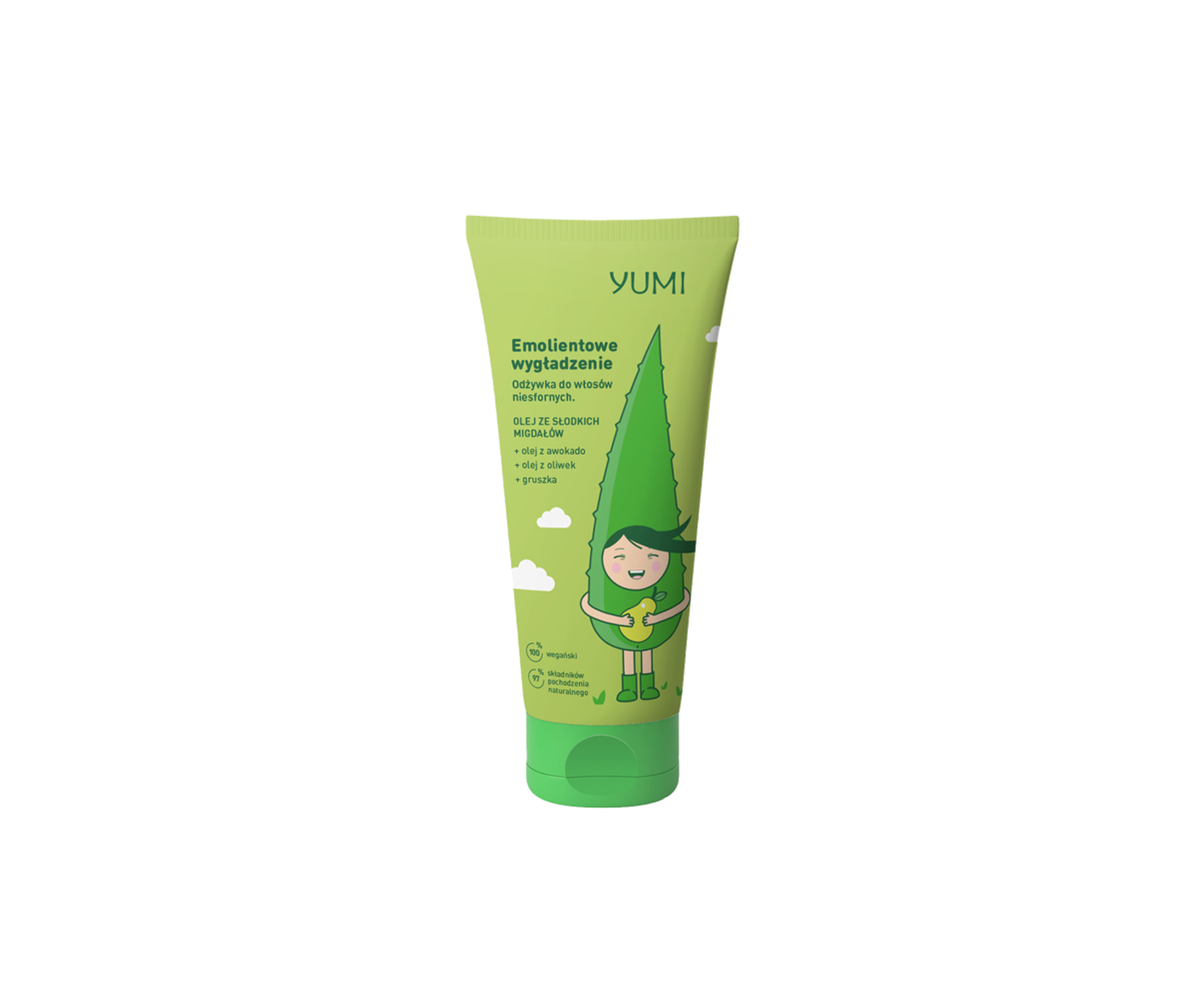
Discover 5 suggestions of proven emollient conditioners and enjoy beautiful strands!
Taking care of your hair not only keeps it looking aesthetically pleasing, but also takes care of its health and condition. Using the right products and taking care of your hair hygiene keeps it in good condition, which translates into the health of both your hair and scalp. Proper care helps to avoid problems such as split ends or excessive breakage, keeping hair in excellent condition. Well-groomed hair looks better, giving us confidence and a positive impact on our appearance. Regular moisturising and conditioning of hair makes it more flexible and less susceptible to damage. Hair care also means taking care of the scalp, which counteracts problems such as itching and dandruff. Proper care can stimulate hair growth by creating a favourable environment for healthy hair development. Well-groomed hair gives us confidence and improves our overall well-being. Hair is exposed to many harmful factors, such as UV radiation and environmental pollutants. Care helps to protect it from these factors.
Taking care of our hair is an investment not only in its appearance, but above all in its health and our well-being. With regular care, we can enjoy beautiful and healthy hair for many years. In the following article, you will learn about proper hair care, what hair actually is and the best emollient conditioners to keep your hair healthy, shiny and perfectly moisturised.
Hair
Hair is a thin, fibrous structure that grows on the skin of mammals, including human skin. Hair is mainly made up of keratin, a tough protein that is also the main component of nails. Hair grows from a follicle located in the skin and its structure consists of a shaft (i.e. the visible part of the hair) and a root, which is located in the dermis. Hair varies in structure, shape and colour depending on the species and the individual. In humans, they perform a variety of functions, from protecting the scalp from the sun and mechanical injury to regulating body temperature through thermal insulation. In addition, hairstyle is also a form of self-expression and social identification.
Structure of the hair
The hair is made up of several main components. The hair follicle is the structure under the skin from which the hair grows. The follicle contains the stem cells responsible for producing new hair and the sebaceous glands that produce sebum, a natural oil that protects the hair and scalp. The hair bulb is the rounded base of the hair follicle, which contains blood vessels and nerves that supply essential nutrients to the hair. The shaft is the visible, outer part of the hair, consisting of the shaft. The hair shaft is made up of three layers. The cuticle is the outer layer of the hair, consisting of flat, overlapping scales. The cuticle protects the hair from damage and moisture loss. The cortex is the middle layer of the hair, containing the melanins that give the hair its natural colour. The pith is the inner layer of the hair, which gives it strength and elasticity.
The hair bulb is the structure at the end of the hair, consisting of the stem cells that are responsible for hair growth. The root also contains melanocytes, which produce melanins, the pigments that give hair its colour.
Understanding the structure of the hair is key to proper care, as different products and treatments can affect different parts of the hair. For example, conditioners and masks deeply nourish the cortex, while shampoos can affect the condition of the cuticle and scalp.
Hair care
Hair care involves the regular use of various techniques and products designed to keep hair healthy, improve its appearance and prevent damage. Regularly washing the hair with the right shampoo is key to removing excess oil, impurities and residues from styling products. Shampoo should be tailored to your hair type and scalp needs. Using a conditioner or mask after shampooing helps to soften and moisturise the hair, preventing breakage and ensuring easier detangling.
Depending on your preference and needs, you can use different styling products such as mousses, gels, sprays or oils to give your hair the desired shape, volume or smoothness. Drying your hair properly is important to keep it healthy. Avoid overly hot air drying and frequent use of hot styling tools such as straighteners or curling irons, which can lead to hair damage. Regular trimming of the ends of your hair keeps it healthy and prevents splitting. A visit to the hairdresser every six to eight weeks or so is recommended.
A healthy diet rich in nutrients, especially proteins, vitamins and minerals, has an impact on hair health. It is also important to consume water regularly to ensure your hair and scalp are well hydrated. Remember that hair care should be tailored to your hair type (e.g. dry, oily, curly) and individual needs, so experiment with different products and techniques to find the best solutions for you.
PEH balance
Hair care involves a variety of products, including conditioners with different properties. It is very important to maintain PEH balance, which is the right balance between three groups of ingredients: proteins, emollients and humectants.
Humectants are absorbent substances that attract and retain moisture inside the hair, helping to keep it moisturised. Humectant conditioners contain ingredients such as glycerine, honey, panthenol or hyaluronic acid. They are particularly effective for those with dry or frizzy hair, helping to soften and increase hair elasticity. However, it is important not to use them in excess, especially in dry climates, as they can attract moisture from the outside, which can lead to excessive alternation between drying and moisturising the hair.
Emollients are substances with softening and smoothing effects that form a protective film on the surface of the hair, preventing moisture loss and making hair soft and smooth. Emollient conditioners often contain ingredients such as vegetable oils, shea, avocado or coconut butters. They are ideal for those with dry, dull and coarse hair that needs extra protection and moisture.
Protein is the building block of hair, so protein conditioners contain ingredients such as keratin, collagen, silk or soy milk to help strengthen and regenerate hair, restoring elasticity and strength. They are particularly recommended for those with brittle, weakened or damaged hair, but use in moderation, as excess protein can lead to excessive stiffness and dryness.
Choosing the right conditioner depends on the current state of the hair and individual needs and preferences. It is also important to examine your hair regularly to adapt your hair care to its changing needs. In today's article, we will focus on products such as emollient conditioners.
What are emollient conditioners
Emollient conditioners are a type of hair care product that contain ingredients with softening and smoothing effects. They are mainly designed to moisturise and soften hair, making it silky soft and preventing moisture loss. The main ingredients in emollient conditioners are often natural vegetable oils, such as argan oil, coconut oil, jojoba oil, shea butter, cocoa butter or avocado oil. These ingredients are rich in fatty acids and other nutrients that have the ability to penetrate deep into the hair, moisturise it and form a protective layer on the surface. Emollient conditioners work by smoothing the hair cuticles, making hair softer, smoother and easier to comb. In addition, by forming a protective layer on the surface of the hair, emollient conditioners can help prevent mechanical damage such as breakage and split ends.
People with dry, dull, rough or damaged hair should often use emollient conditioners to restore moisture, elasticity and smoothness to their hair.
How emollient conditioners work
Emollient conditioners mainly work by moisturising, softening and smoothing the hair. Their effectiveness is based on the ingredients they contain, such as natural vegetable oils (e.g. argan oil, coconut oil, jojoba oil), butters (e.g. shea butter, cocoa butter), and other substances with emollient properties. The vegetable oils and butters contained in emollient conditioners reach deep into the hair structure, moisturising it and preventing moisture loss. This makes hair softer, more supple and nourished.
The emollient ingredients wrap around the hair, smoothing its surface and alleviating roughness. This makes hair more elastic, smooth to the touch and easier to comb. Emollients form a protective layer on the surface of the hair, which prevents moisture loss, protects against harmful external factors, and helps to reduce mechanical damage such as breakage and split ends.
Thanks to their properties, emollient conditioners are particularly effective for those with dry, dull, rough or damaged hair that needs intensive hydration and regeneration. However, it is advisable to use them in moderation to avoid overloading the hair, especially for those with fine hair that can easily become oily.
Who are emollient conditioners for?
Emollient conditioners are particularly recommended for those with dry, dull, rough or damaged hair. People whose hair loses moisture easily and becomes dull and lacking in shine can benefit from emollient conditioners. These will help to moisturise and soften hair, restoring a healthy appearance.
Curly hair is often more prone to dryness and breakage, so emollient conditioners can be particularly beneficial for those whose hair tends to frizz. Emollient conditioners moisturise and define curl, making hair more flexible and looking healthy.
Those who regularly use thermal treatments (e.g. blow-drying, straightening, curling) or frequently colour their hair can benefit from emollient conditioners, which help to strengthen the hair structure, preventing mechanical damage and breakage.
External factors such as the sun, wind or pollution can dry and damage hair. Emollient conditioners can help protect hair from these damaging factors by keeping it moisturised and creating a protective layer. So if you are someone who is often outdoors, emollient conditioners can be very useful.
People with thick, coarse hair will also appreciate emollient conditioners: Thick hair can be prone to coarseness and difficulty in styling. Emollient conditioners help to smooth hair, making it soft, smooth and easy to comb.
In summary, emollient conditioners are ideal for those whose hair needs intensive hydration, softening and protection from mechanical damage and external factors.
Emollient conditioners - effects of use
The use of emollient conditioners can bring a variety of benefits and effects that are noticeable with regular use. The emollient ingredients in conditioners help moisturise the hair by retaining moisture in the hair structure. The result is a more moisturised, soft and supple hair texture. Thanks to emollient ingredients, emollient conditioners make hair smoother and softer to the touch. This effectively makes combing and styling easier. Hair that is moisturised and softened by emollient conditioners is less prone to frizz, making the hairstyle look more controlled and smooth. Emollient ingredients help to smooth the hair cuticles, making hair look shinier and healthier. This also helps to reduce hair roughness and dullness.
The protective layer created by emollient conditioners protects the hair from harmful external factors such as UV radiation, heat or pollution, which helps to prevent hair damage. Some emollient conditioners contain nutrients such as proteins and vitamins that help to regenerate and strengthen the hair structure, leading to an improvement in its overall condition and strength.
It is worth remembering that the effects of emollient conditioners can vary depending on the individual needs and condition of the hair. Regular use and the right choice of product for your hair type can yield the best results.
What key ingredients emollient conditioners contain
Emollient conditioners contain a variety of ingredients to soften, moisturise and smooth hair. Here are some key ingredients that are often found in this type of product:
- Natural vegetable oils - such as argan oil, coconut oil, jojoba oil, almond oil or avocado oil. These oils are rich in fatty acids and vitamins, which moisturise the hair, prevent moisture loss and give it softness and shine.
- Vegetable butters - e.g. shea butter, cocoa butter or mango butter are rich in fatty substances that perfectly moisturise and soften hair, providing silky smoothness and elasticity.
- Panthenol (provitamin B5) - is a moisturising and regenerating ingredient that penetrates deep into the hair, retaining moisture and restoring elasticity and smoothness.
- Fatty acids - e.g. oleic, linoleic and linolenic acids, which are natural lipid components that strengthen the hair's protective barrier and counteract dryness.
- Vitamins and antioxidants - e.g. vitamin E, vitamin C or vitamin A, which nourish the hair, strengthening it from within and protecting it from free radical damage.
- Hydrolysed proteins - e.g. keratin, collagen or silk, which provide hair with essential amino acids to strengthen its structure, repair damage and provide elasticity and resilience.
Advantages of
There are many advantages to using emollient conditioners, especially for those with dry, dull, rough or damaged hair. Here are some of the main benefits of using them:
- Moisturising
- Softening
- Protection
- Regeneration
- Facilitating styling
- Improving the overall appearance
- Preventing damage
Disadvantages
Although emollient conditioners have many benefits, there can also be undesirable effects of use, especially if used excessively or inappropriately. Here are some of the potential adverse effects of emollient conditioners:
- Oily hair
- Clogged pores
- Excessive stress on the hair
- Lack of effects
- Increase in dandruff
How often to use emollient conditioners
How often to use emollient conditioners depends on the individual needs of the hair and its condition. There is no definitive answer to this question, as each hair type may require a different approach. Those with dry, damaged or brittle hair may use emollient conditioners more frequently, even after every hair wash, to provide extra hydration and regeneration. Normal condition hair may need to use emollient conditioners a little less frequently, such as once every few days or once a week, to keep hair looking healthy and moisturised. Those with a tendency to oily hair may want to limit the use of emollient conditioners to once in a while to avoid overloading the hair and scalp.
Curly hair, due to its texture, may need more frequent use of emollient conditioners to keep it moisturised and soft. Those with fine hair should use emollient conditioners carefully to avoid overloading the hair, which can leave it flat and lacking volume.
The key is to observe the hair's reaction to the products used and adjust the frequency of emollient conditioners according to its needs. If hair seems overloaded or overly oily, it is a good idea to reduce the frequency of use or look for lighter product formulations. It is also important to follow the manufacturer's recommendations for product use.
How to use emollient conditioners
Using emollient conditioners is relatively simple. Here are a few steps to consider when using emollient conditioners for best results:
- Place the conditioner on damp hair. After shampooing, gently squeeze excess water out of your hair but leave it slightly damp. Then apply the emollient conditioner, starting at the ends of the hair and gently work it towards the roots. This will avoid overloading the scalp.
- Make sure the conditioner is evenly distributed throughout the hair, avoiding applying it to the scalp. You can use a wide-toothed comb to distribute the conditioner evenly through your hair.
- After applying the emollient conditioner to your hair, leave it on for a few minutes so that the active ingredients have time to work. You can use this time to do other activities while bathing, such as washing your body or brushing your teeth.
- After the recommended time, rinse the emollient conditioner thoroughly with lukewarm water. Make sure that no residual product remains on the hair, which can lead to overloading.
- Some emollient conditioners can be used as rinse-out conditioners, which should be rinsed off immediately after application, while others can be used as leave-in conditioners, which leave the product on the hair. Choose the right product for your needs and preferences.
- Remember that less is more. Don't over-apply an emollient conditioner to avoid overloading your hair, especially if you have fine or easily oily hair.
Following these simple steps when using emollient conditioners will help you get the best care for your hair.
What to look for when choosing an emollient conditioner
When choosing an emollient conditioner, there are several factors to consider in order to select the right product for your individual hair needs and preferences. Here are some points to consider:
Hair type: Consider the current state of your hair. Is it dry, dull, brittle or perhaps oily? Choose an emollient conditioner that suits your hair type and addresses your specific needs.
Ingredients: Review the composition of the emollient conditioner and look out for the content of moisturising and softening ingredients, such as natural plant oils (e.g. argan oil, coconut oil), butters (e.g. shea butter, cocoa butter), panthenol or glycerine. Make sure that these ingredients are suitable for your hair and do not cause allergic reactions in your hair.
Scalpcondition: If you are prone to seborrhoea or an oily scalp, avoid heavy emollient conditioners or products containing oils with a high comedogenic index, which can clog pores and make the problem worse.
Effect after use: If you have the opportunity, test an emollient conditioner before you buy it or read reviews to find out what effects you can expect from using the product. Look for reviews from people with a similar hair type and needs as yours.
Price and availability: When choosing an emollient conditioner, it is also worth considering your budget and the availability of the product. There are many products available in different price ranges, so you will find something suitable for your needs.
Additional benefits: Some emollient conditioners may contain additional ingredients such as proteins, vitamins or plant extracts that offer additional benefits to the hair, such as strengthening, regeneration, or protection from harmful external factors.
Reviews and opinions from other users: Reviews from other users about emollient conditioners can be very helpful when choosing the right product. By looking at other people's reviews and comments, you can find out more about the efficacy, the effects of use, as well as any problems with a particular product.
Choosing the right emollient conditioner may require experimentation, but it's worth taking the time to find the product that works best for your hair and delivers the results you want.
Meet the top 5 emollient conditioners in 2026
When creating our product reviews, we consider the ingredients and research their safety. We analyse the opinions of industry experts and the experiences of product users. We obtain recommendations from authorised retailers and use available sources of knowledge on active ingredients and their effects. We personally verify the action, texture, scent and feel of the products, and assess value for money.
Below are detailed reviews by our editors with a description of each product indicated.