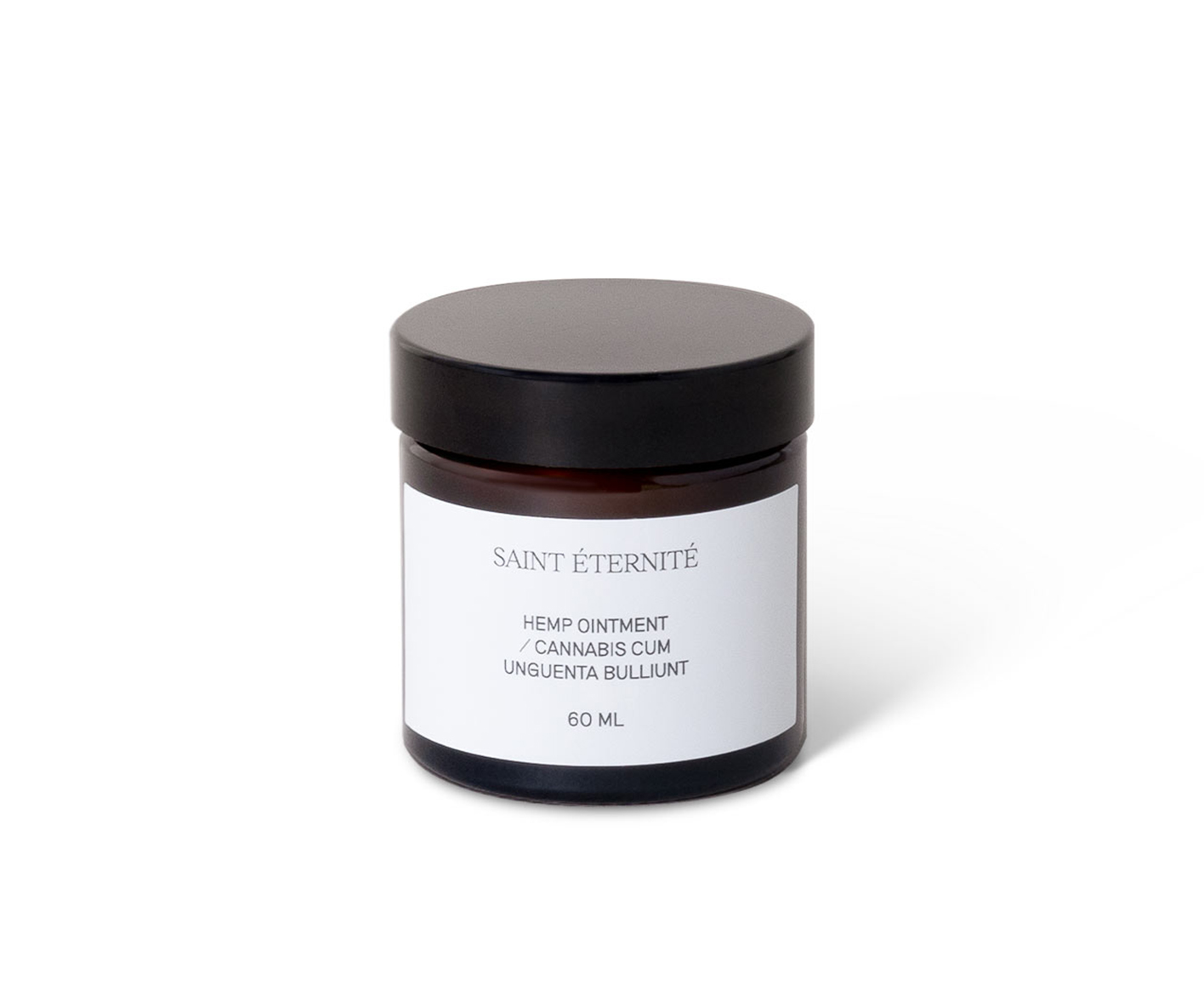
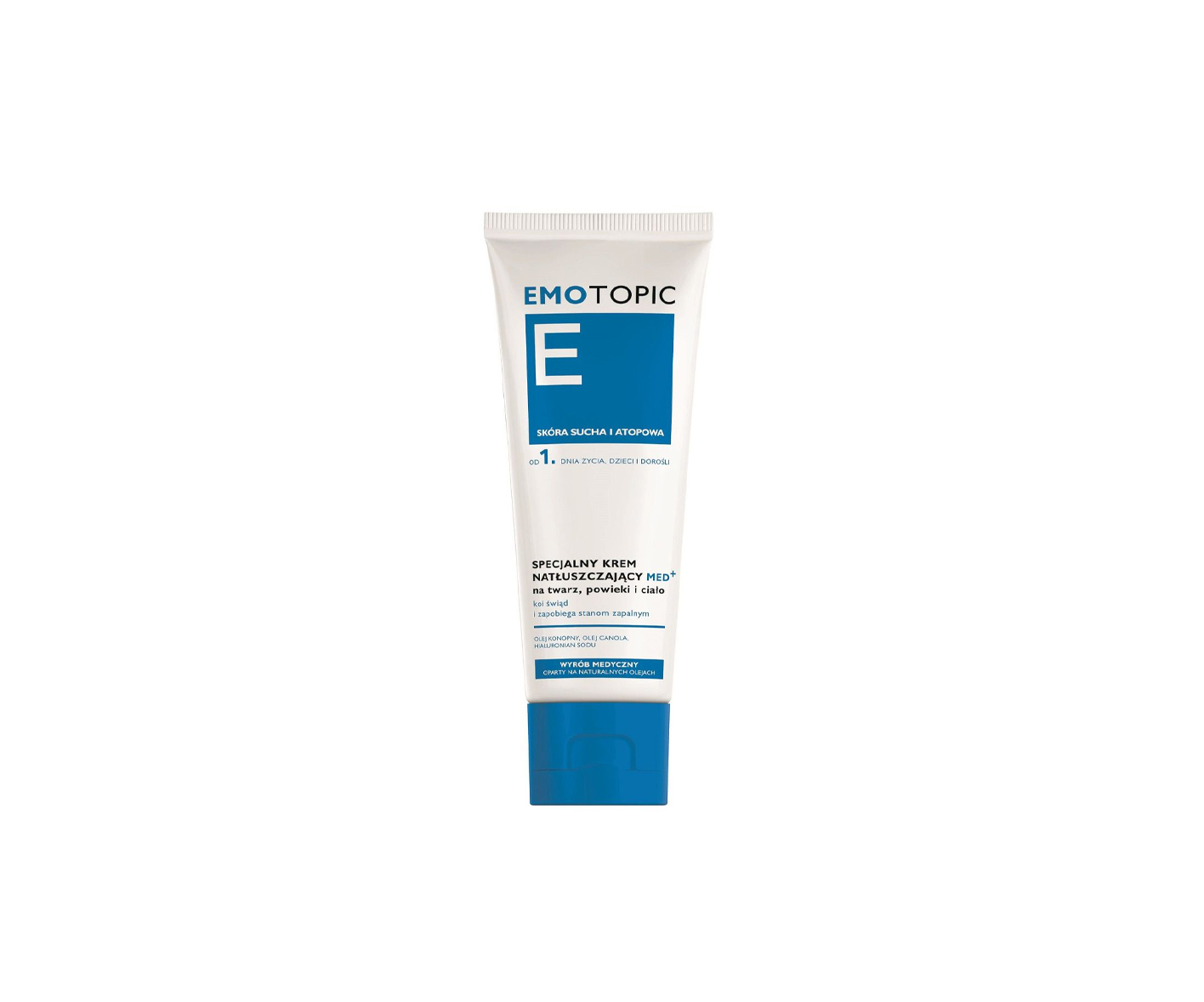
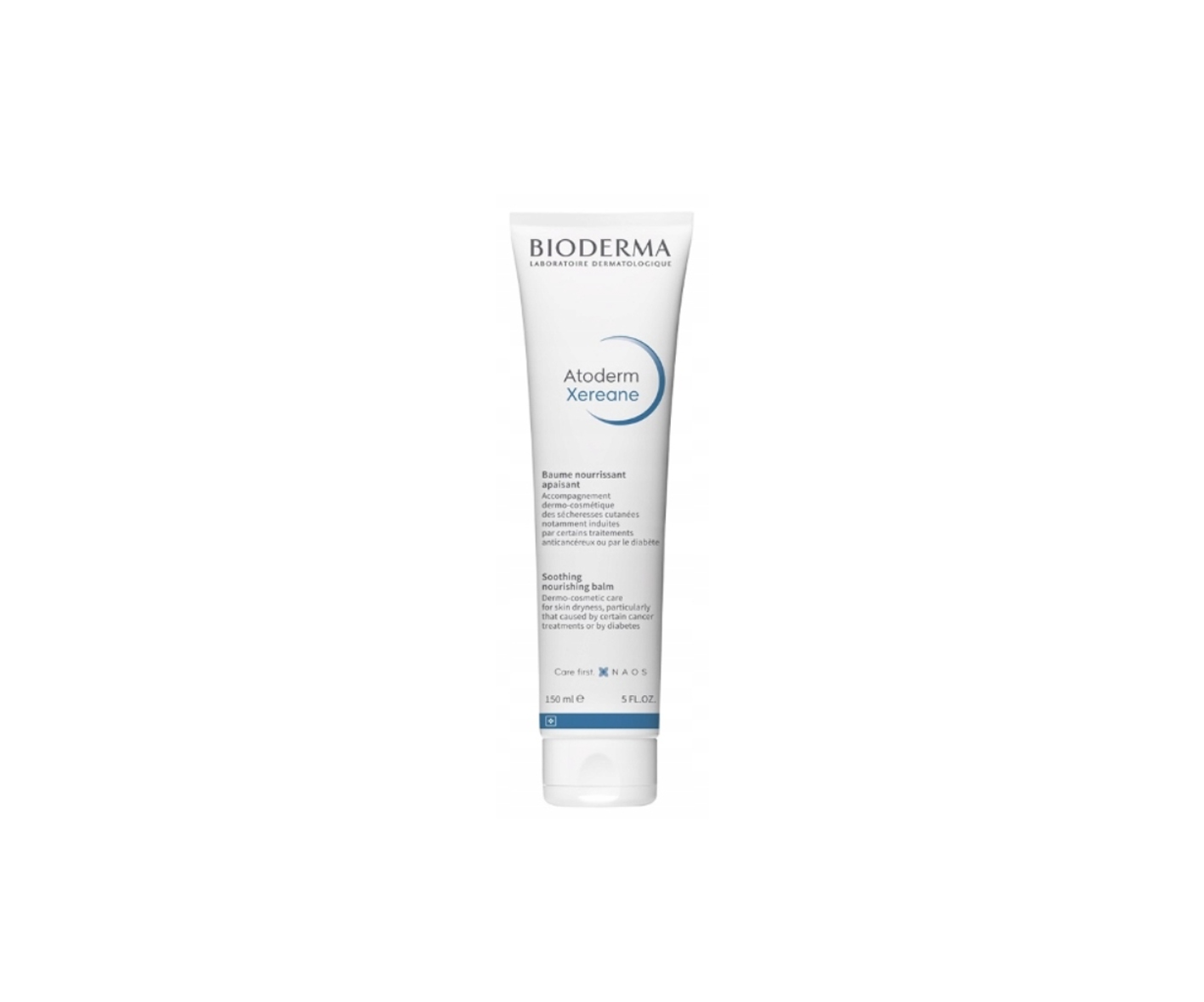
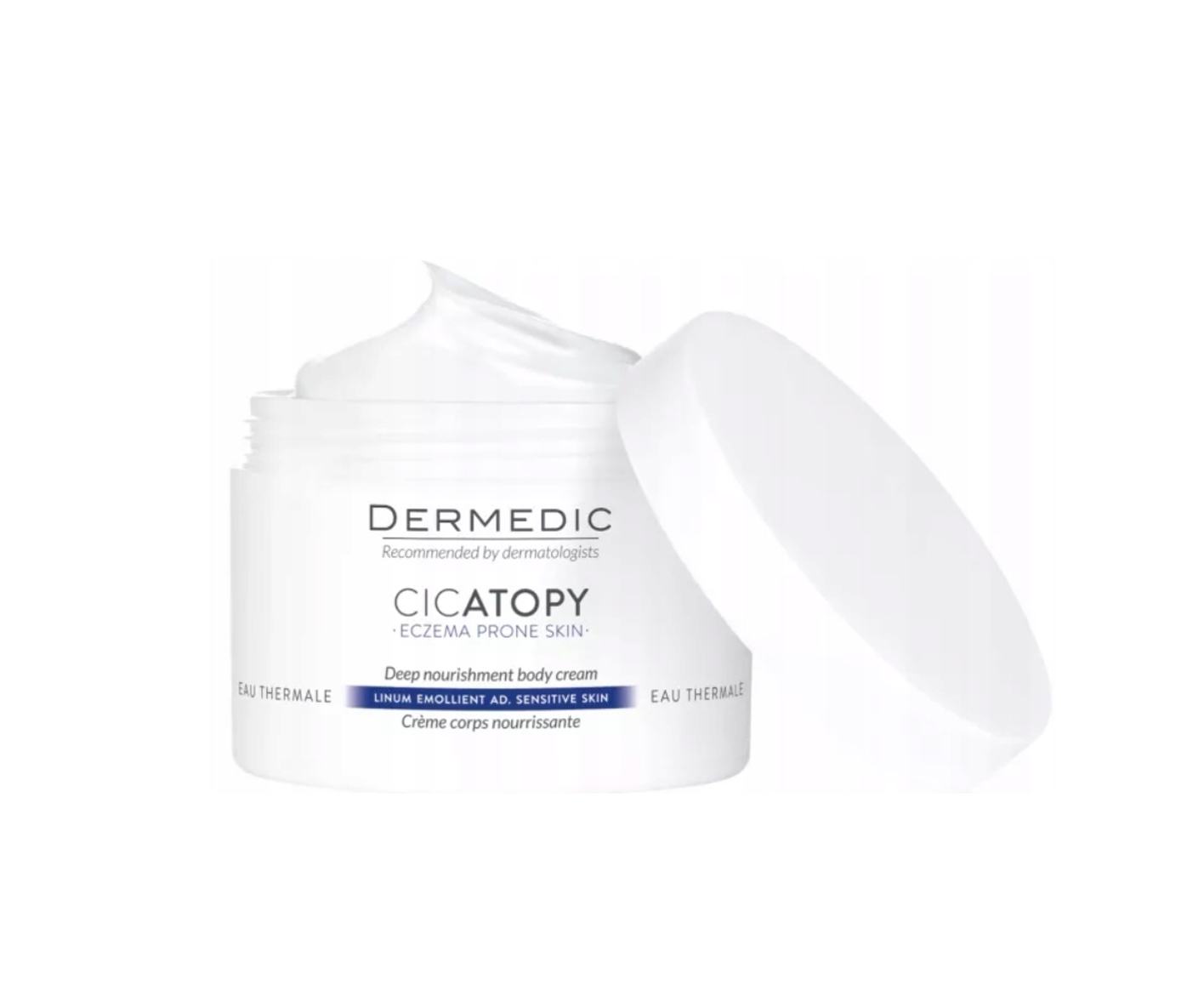
Discover 5 suggestions for eczema ointments and feel real comfort
The skin has an important aesthetic function, while at the same time being an extremely important organ of our body that performs many vital functions. It is therefore obvious that it deserves special care. Proper care usually helps to prevent skin problems, but sometimes, in spite of proper care, various conditions such as dryness or eczema can develop. Dry skin is a condition in which the skin loses its natural moisture and elasticity. It can result from a number of factors, such as weather conditions, frequent washing, use of irritating cosmetics, genetics or poor diet. Eczema, also known as atopic dermatitis, is a chronic skin condition whose symptoms include dry, itchy skin, redness, flaking, blistering and sometimes ulceration. Itching is one of the main symptoms. Eczema is often accompanied by dry skin, as this tendency can favour the onset of eczema. Dry skin can compromise the skin barrier, increasing susceptibility to irritation and infection, which contributes to the symptoms of eczema. Find out what eczema is, how to treat its symptoms and how to protect your skin from dry skin problems in the article below.
Skin
The skin is the largest organ in the human body, playing a key role as an external protective layer. It consists of three main layers: the epidermis, the dermis and the subcutaneous tissue. The epidermis is the outer layer of the skin, constantly renewing itself and being the first line of defence against external substances and damage. The dermis is located beneath the epidermis and contains connective tissue, blood vessels, sebaceous glands, sweat glands, hair and nerves. Wound healing, thermoregulation and the secretion of nutrients all take place here. The subcutaneous tissue is the layer of skin containing fatty tissue, which insulates the body, provides heat and is a reservoir of energy.
The skin has key functions such as protection from external damage, regulation of body temperature, transmission of sensory stimuli, excretion of toxic substances and production of vitamin D when exposed to sunlight.
Taking care of the skin, through proper hygiene, moisturisation and protection from harmful factors, is important to maintain its health and the body's proper functioning. The figure below shows healthy skin and skin with eczema.
What is eczema
Eczema, also known as atopic dermatitis (AD), is a chronic skin condition that causes dry, itchy skin and inflammation. It is characterised by redness, scaly patches, blisters and sometimes even ulcers on the skin. Eczema can take many forms and degrees of severity, and has a variety of causes, including genetic, environmental, allergic or immune-related reactions.
The most common form of eczema is atopic dermatitis, which often occurs in children but can also affect adults. The symptoms of eczema can be mild, but in some cases can cause significant discomfort and negatively affect quality of life.
Treatment of eczema usually involves the use of moisturising creams, topical anti-inflammatory drugs (sometimes steroids) and sometimes oral medications or light therapy. It is important to avoid factors that can aggravate eczema symptoms, such as irritants, allergens, stress or certain weather conditions.
Eczema - causes
Eczema, also known as atopic dermatitis (AD), has a complex aetiology and its exact causes are not fully understood. However, there are a number of factors that can contribute to the symptoms of this condition:
Genetic factors. There is a tendency to develop eczema in families where other allergies or asthma are present. Children whose parents have atopic skin diseases are at greater risk of developing eczema.
Immune reactions. An abnormal response of the skin's immune system can lead to inflammation, which in turn can lead to eczema symptoms.
Environmental factors. Contact with harmful chemicals, irritating detergents, house dust or cigarette smoke can provoke eczema symptoms.
Allergic factors. Eczema often accompanies food or contact allergies. Contact with animals, pollen, dust mites, and eating certain foods can trigger allergic reactions that affect eczema.
Hormonal factors. Hormonal changes, such as those occurring during puberty or in pregnant women, can affect the severity of eczema symptoms.
Stress and emotions. Stress and emotional strain can have an impact on the severity of eczema symptoms.
Weather conditions. Extreme weather conditions, such as cold, dry air or excessive humidity, can aggravate eczema symptoms.
In the case of eczema, there is often a complex combination of these factors, which can vary from person to person. Understanding and identifying triggers can help manage eczema symptoms through avoidance of these triggers and appropriate treatment under the supervision of a dermatologist.
Eczema - how to manage it
Managing eczema involves a number of steps to alleviate symptoms and keep the skin in the best possible condition. Here are some tips for managing eczema:
Keeping skin moisturised. Regular use of moisturising creams or lotions and ointments helps to keep the skin hydrated and supple, reducing dryness and flaking.
Avoiding irritants. Try to avoid contact with chemicals, detergents, cosmetics containing potentially irritating ingredients that can aggravate eczema symptoms.
Gentle skin cleansing. Use mild, skin-safe cleansing products and avoid hot water when bathing as it can dry out the skin. Short baths in warm water with emollients are recommended.
Regular use of medication prescribed by your doctor. If eczema symptoms are severe, the doctor may prescribe anti-inflammatory drugs, corticosteroids and sometimes antihistamines or immunomodulators. It is important to use these medications as prescribed by your doctor.
Avoiding triggers. Try to identify triggers that exacerbate eczema symptoms, such as food allergens, pollen, chemicals, stress or certain foods, and try to avoid them.
Wear airy clothing. Choose clothes made of natural, breathable materials such as cotton, the wearing of which can reduce skin irritation.
Stress management. Try to manage stress and tension, as these can exacerbate eczema symptoms. Relaxation exercises, meditation or regular physical activity can help reduce stress.
Remember that every case of eczema is different, so it is important to consult your dermatologist to develop a personalised treatment plan tailored to your needs and the type of eczema symptoms you are experiencing.
Eczema - ointments to relieve symptoms
Eczema is a skin condition that can cause dryness, redness, itching and other unpleasant symptoms. There are a number of eczema symptom relief ointments that can be used to relieve discomfort. Here are some types of ointments that are often recommended for eczema symptom relief:
Corticosteroid ointments. These are ointments containing anti-inflammatory substances that can help to reduce redness, swelling and itching of the skin. There are many types of corticosteroid ointments of varying strengths, starting from mild to stronger ones that require a doctor's prescription. It is important to use them as prescribed by your doctor, as prolonged use of ointments with strong corticosteroids can lead to side effects.
Moisturising ointments. Moisturising creams or ointments help to keep the skin moisturised and supple. These products may contain ingredients such as glycerine, hyaluronic acid, lanolin or natural plant oils to help keep the skin moist.
Ointments with antipruritic substances. Some ointments containing antipruritic substances, such as menthol, camphor, or menthol, can help to relieve itching and cool the skin, which temporarily reduces discomfort.
Ointments with soothing substances. Some ointments contain ingredients with a soothing effect, such as aloe vera, vitamin E, chamomile or calendula extracts. These can help to reduce irritation and soothe the skin.
For whom eczema symptom relief ointments
Eczema symptom relief ointments can be used by people who suffer from different types of eczema, such as atopic dermatitis (AD) or other forms of chronic skin inflammation. Eczema can occur in children, adults and the elderly. People with eczema may have dry, red, flaky skin, itching, blistering or ulceration. Eczema often occurs in children, especially in the form of atopic dermatitis. Ointments to relieve the symptoms of eczema can be used in children as recommended by a paediatrician or dermatologist.
Both young and older adults can suffer from eczema. Eczema can occur in older people, although it is not usually a primary skin problem in this age group. Ointments can be used in seniors, but it is necessary to take into account individual needs and possible health limitations.
Eczema - effects of eczema ointments
The use of ointments designed to alleviate the symptoms of eczema can have a variety of effects depending on the type of ointment, the individual skin response and the severity of the condition. Ointments can help to reduce the intensity of itching, which is one of the most troublesome symptoms of eczema. Antipruritic substances in ointments can provide relief by cooling or soothing skin irritation. Anti-inflammatory ingredients, such as corticosteroids, contained in some ointments can help to reduce skin inflammation, which manifests as a reduction in redness and swelling. Emollients and moisturisers in ointments help to keep the skin hydrated, which is key, especially in eczema, which is often characterised by dry skin. Regular use of appropriate ointments can help improve the overall condition of the skin, reducing dryness, flaking and improving skin elasticity. In the case of eczema, ointments containing anti-inflammatory ingredients can help to reduce skin lesions such as blisters, papules or ulcers.
It is worth remembering that the reaction to ointments can vary from person to person. Some people may experience immediate relief, while others may see gradual effects after a few days or weeks of regular use. It is also crucial that the ointment is properly adapted to the type and severity of eczema symptoms, so it is important to consult a dermatologist to select the most appropriate treatment. In addition, the application of the ointment should follow the doctor's instructions and guidance on frequency and method of application in order to avoid possible side effects and obtain the best results.
Eczema - key ingredients in eczema symptom relief ointment
Eczema symptom relief ointments can contain a variety of ingredients that aim to reduce redness, dryness, itching and other uncomfortable skin symptoms. A few key ingredients that are often found in ointments of this type are:
- Corticosteroids - a group of anti-inflammatory drugs that are often used in prescription ointments to treat eczema. They act to reduce inflammation of the skin, reducing redness, itching and swelling.
- Emollients - moisturisers that help to keep the skin moist by forming a protective layer on the skin's surface. These can include natural plant oils, glycerine, hyaluronic acid, lanolin or shea butter.
- Emollients - some ointments may contain ingredients that help soften and exfoliate dead skin cells, such as salicylic acid or leather urine.
- Aloe vera - known for its soothing and moisturising properties. It can be used in ointments to reduce skin irritation and relieve itching.
- Natural vegetable oils - oils such as coconut oil, olive oil or jojoba oil can be included in ointments as moisturising and nourishing ingredients.
- Plant extracts - ingredients such as chamomile, calendula or aloe vera extracts can help to soothe inflammation and reduce itchy skin.
It is worth noting that the effectiveness of ointments in treating eczema may depend on the type and severity of symptoms. Certain ingredients may work differently for different people, so it is important to consult a dermatologist to select the right product tailored to individual needs and skin type.
Advantages
There can be many benefits and advantages to using eczema ointment, especially in relieving the symptoms of this skin condition. Here are some of the main benefits of using eczema ointment:
- Relieving itching
- Reducing inflammation
- Moisturising the skin
- Healing skin lesions
- Protection and improvement of the skin condition
- Improved well-being and quality of life
- Support in the treatment of the entire lesion area
Disadvantages
The use of eczema ointment can provide relief and improvement in the skin condition, but sometimes it can also cause unwanted side effects. Below are the potential adverse effects of using eczema ointment:
- Thinning of the skin
- Skin erythema and irritation
- Drying of the skin: The chemical ingredients present in some ointments can cause additional drying of the skin, especially when used in excess or on skin with too little moisture.
- Development of skin infections
- Dilation of blood vessels
- Skin reactions
Eczema - how often to apply ointments
The frequency of application of eczema ointments depends on the type of ointment, the doctor's recommendations and the individual needs of the patient. In general, it is recommended to follow the instructions on the product packaging or the recommendations given by the dermatologist. In most cases, regular and systematic application of the ointment is key to achieving the desired results. Frequency of application should be followed to ensure lasting relief and improvement in skin condition. The frequency of application of ointments can vary depending on the type of formulation. For example, ointments with corticosteroids can be applied once or several times a day depending on the recommendations. If you notice any worrying skin reactions, such as flare-ups, irritation, erythema, burning or itching, you should discontinue use and contact your doctor. For corticosteroid-based preparations, your doctor may recommend gradually reducing the frequency of use as your skin condition improves to avoid recurrence and minimise side effects.
Eczema - how to apply ointments
The application of ointments for eczema plays a key role in effectively relieving symptoms and improving the skin condition. Here are some steps you can consider when applying eczema ointment:
- Make sure the skin is clean and dry before applying the ointment. Gently wash the area affected by eczema with mild soap and water, then dry the skin gently by patting lightly with a towel.
- Apply the appropriate amount of ointment according to your doctor's instructions or the instructions on the product packaging. This is usually a small amount, sufficient to cover the affected area of skin in a thin layer.
- Gently spread the ointment over the area affected by eczema. You can use clean fingers or a special applicator to apply the ointment, if included in the pack. Try to cover the skin area evenly.
- Apply the ointment gently, without excessive pressure or rubbing the skin, to avoid irritation. Light rubbing is sufficient to spread the product evenly.
- If your doctor's recommendation allows, gently massage the ointment into the skin to facilitate absorption and better action of the product.
- Ointments are usually applied according to the doctor's instructions, often several times a day or according to other instructions recommended by the product manufacturer.
- After applying the ointment, it is advisable to wash your hands to avoid accidental contact with the eyes or other parts of the body that do not require treatment.
What to consider when choosing an eczema ointment
When choosing an eczema ointment, there are several factors to consider in order to choose the right product that will be effective and safe for your skin. Here are a few points to look out for:
Type of eczema: There are many types of eczema, such as atopic dermatitis (AD), psoriatic dermatitis or contact dermatitis. It is important to choose the right ointment for your specific type of eczema. A dermatologist can help identify the type of eczema and recommend the right ointment.
Active ingredients: the ingredients in ointments can vary in their action and effectiveness in relieving eczema symptoms. For example, ointments with corticosteroids are commonly used to reduce skin inflammation. Emollients and moisturisers help to keep the skin moist. It is always worth noting the active ingredients in a product and how they work.
Severity of symptoms: Depending on the severity of eczema symptoms (e.g. mild, moderate, severe), there are different products available on the market with varying degrees of potency. Your doctor can help you choose the right product for the severity of your symptoms.
Safety and efficacy: Before purchasing a product, it is worth checking that it is intended for use on the area affected by eczema. Also, avoid products that may contain ingredients to which you are allergic.
Availability and formulation of the product: Depending on your preference and convenience, you can choose between ointments, creams, lotions or other forms of the product. It is important that the product is readily available in pharmacies or beauty shops.
Product reviews: Before buying, it is worth reading the reviews of people who are also struggling with eczema (or have already dealt with a problem such as eczema) and have found effective ways to alleviate the symptoms of the condition.
Remember that each person reacts differently to different ingredients, so it's important to try different options under the supervision of a specialist to find the best product for your skin.
Meet the top 5 best ointments for eczema in 2026
When creating our product reviews, we consider the ingredients and research their safety. We analyse the opinions of industry experts and the experiences of product users. We obtain recommendations from authorised retailers and use available sources of knowledge on active ingredients and their effects. We personally verify the action, texture, scent and feel of the products, and assess value for money.
Below are detailed reviews by our editors with a description of each product indicated.