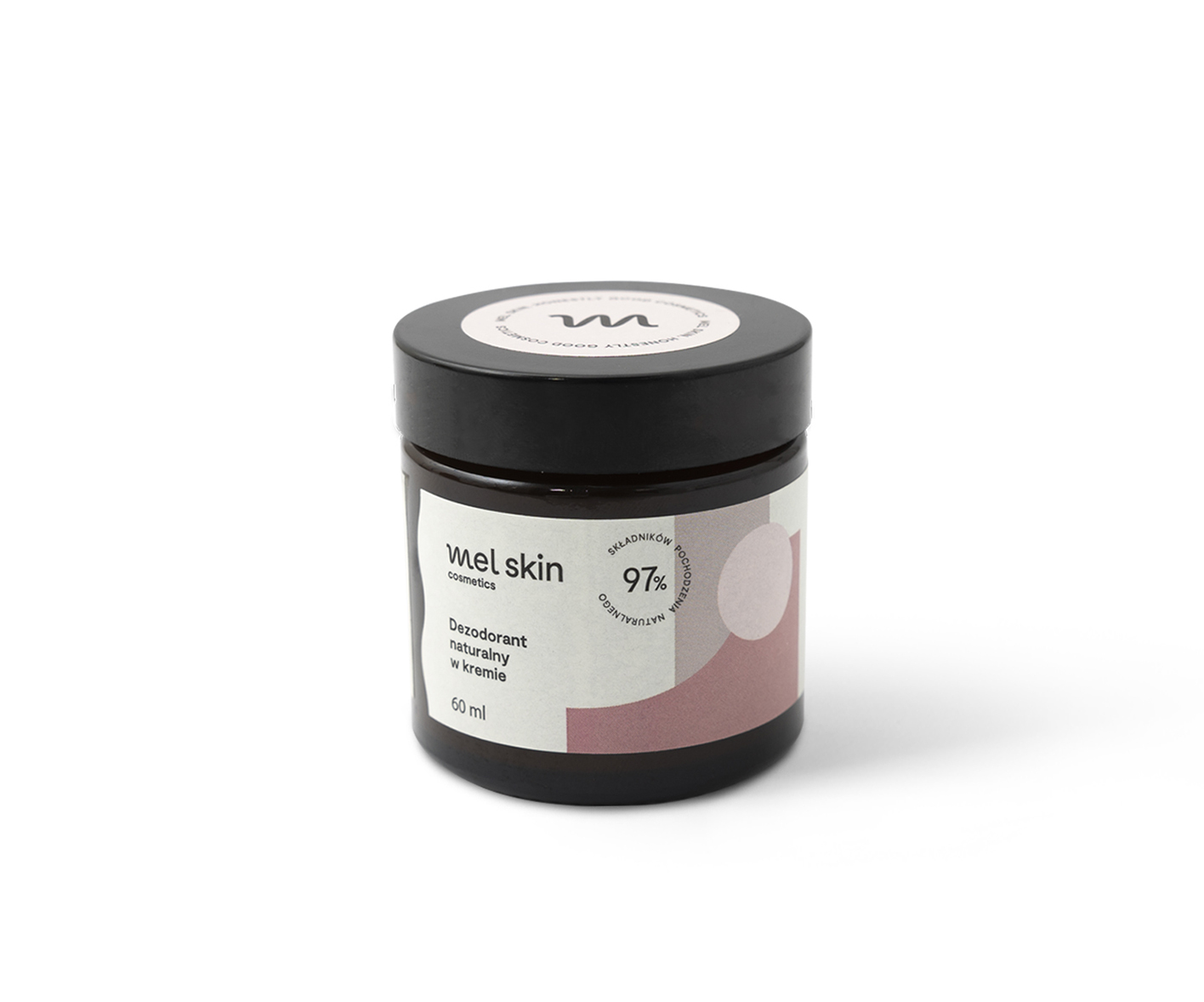
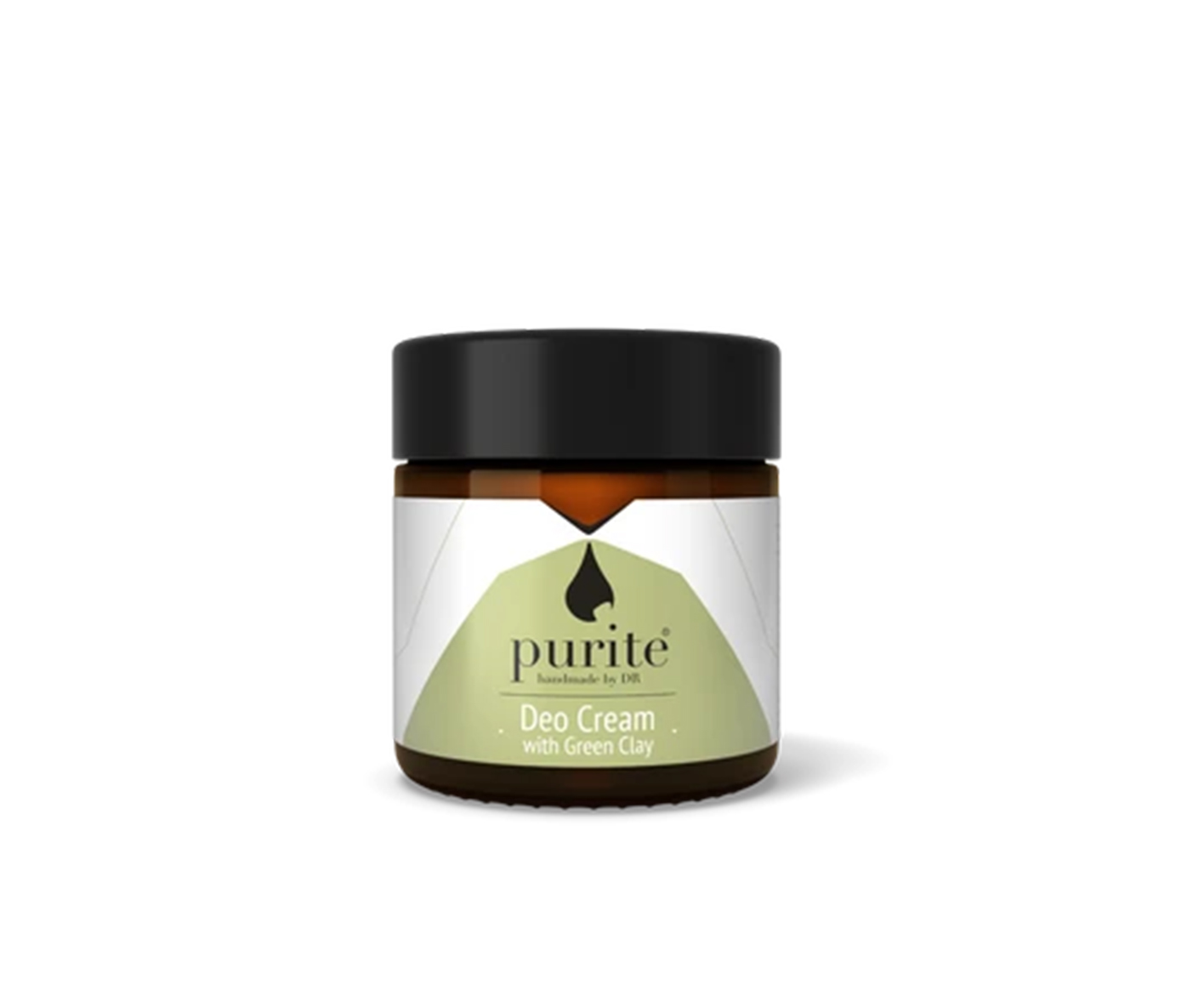
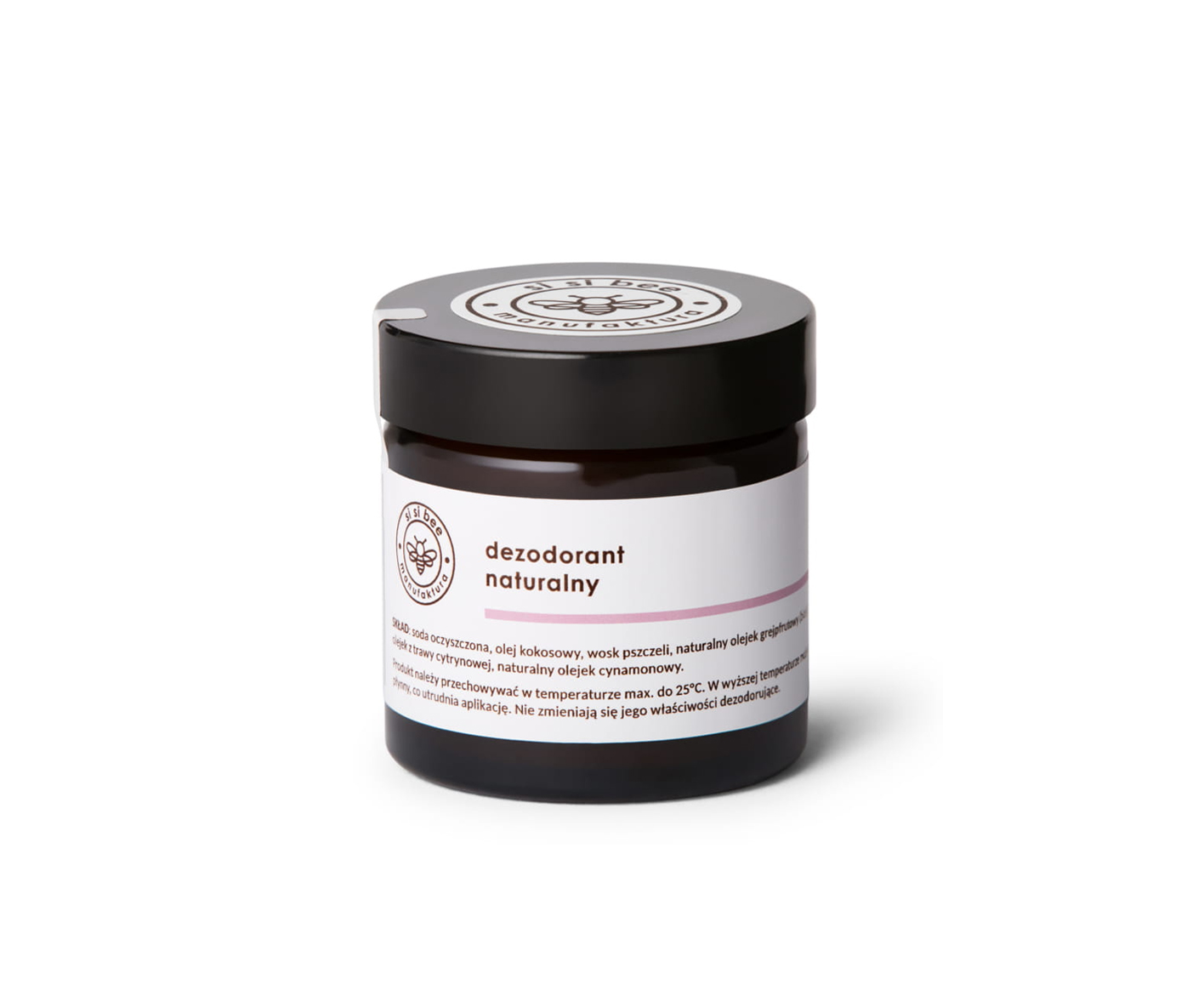
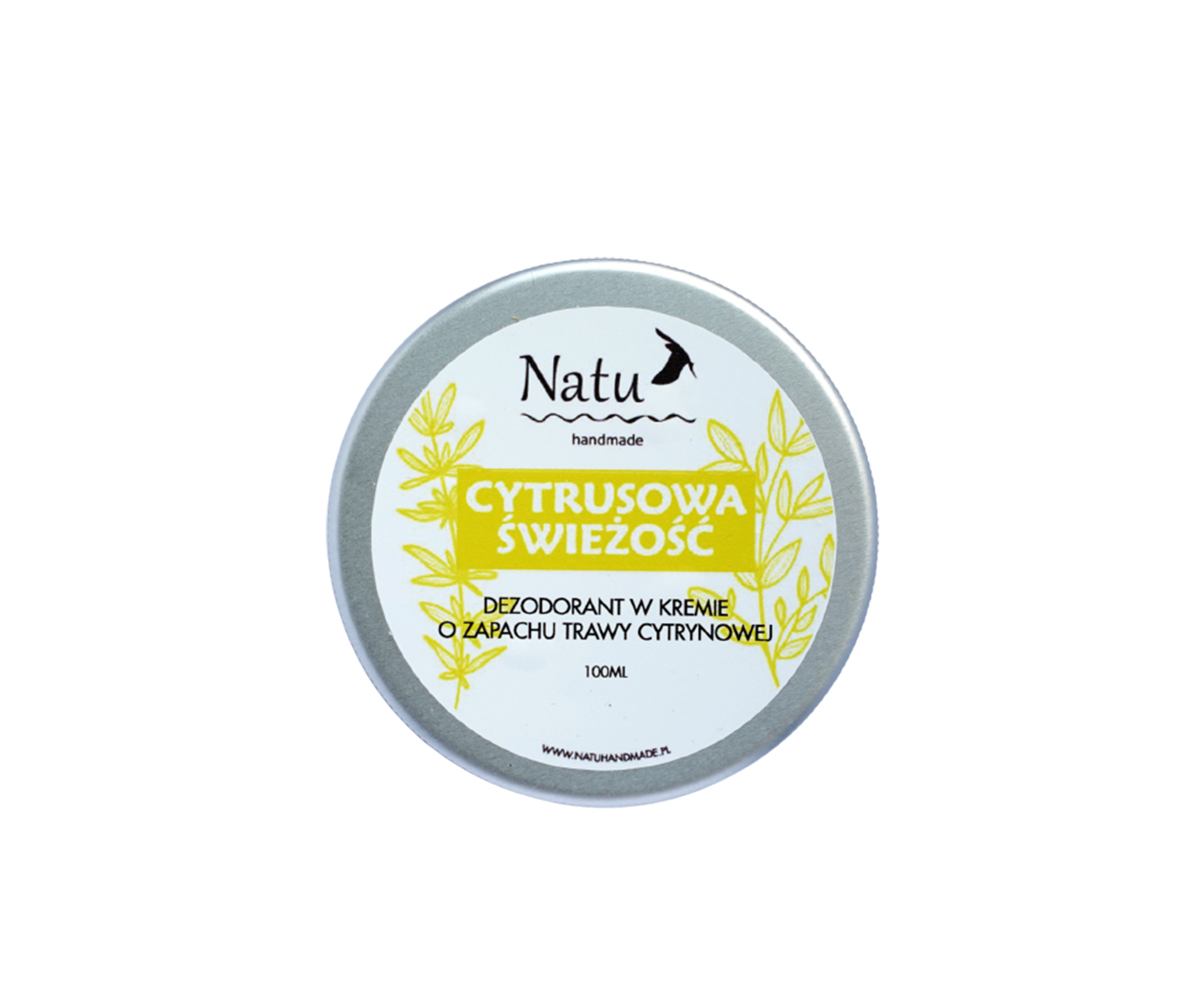
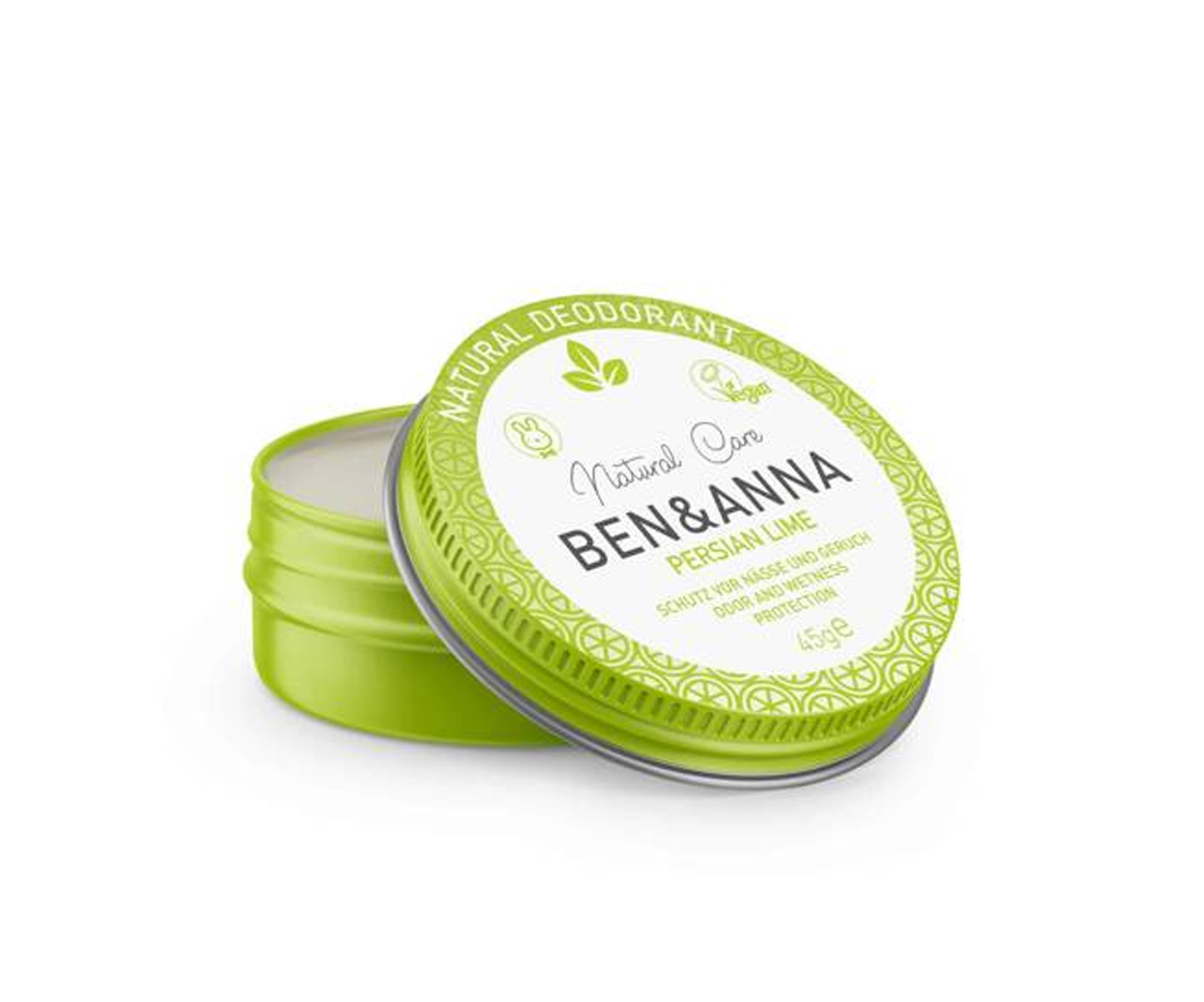
Check out these five deodorant cream suggestions for a natural and skin-safe way to get rid of unpleasant odours.
Underarm skin is usually hidden under clothes and we very rarely expose it. Despite being one of the most delicate and sensitive areas on our body, it is often overlooked in daily skincare. In addition, the skin under the arms is constantly exposed to all sorts of aggressive external factors, such as depilation, sweat, friction or chemical antiperspirant cosmetics. In this article, you will learn about the specific structure of the underarm skin, its main functions and its care needs. In addition, you will find five suggestions of natural cosmetics for the health of the skin and prevention of unpleasant aspects associated with sweating.
Underarm skin - structure
Anatomically, the skin under the arms is not fundamentally different from the skin on other parts of the body. It also consists of three main layers: the epidermis (outer layer), the dermis (middle layer) and the subcutaneous tissue (deepest layer). What makes the skin under the armpits unique is the large sweat glands within its structures, called apocrine glands. These are responsible for the production of sweat.
The sweat glands produce a thick, oily substance which, when it comes into contact with the skin and the bacteria on it, gives off an unpleasant odour. These glands are only found on the hairy parts of the body. They are most numerous on the skin under the arms, in the groin and in the intimate areas. Very often, their action is not dependent on body temperature, but on the emotions experienced. Stress or strong excitement stimulate them to activity. Sweat glands run into the hair follicle above the sebaceous glands. However, they only become active during puberty due to sex hormones.
Sweat glands and their function mean that the skin under the arms has special needs. Due to the secretion of sweat and the frequent use of antiperspirants or deodorants, the skin can become dry and irritated.
Underarm skin care
The key elements in underarm skin care are adequate hydration, protection against irritation and maintenance of the correct bacterial flora to prevent unpleasant odour. For this reason, it is very important to choose cosmetics that do not contain irritant substances, but are at the same time effective in caring for the skin and eliminating unpleasant odours.
In underarm skin care, the most important thing is:
Moisturising: Moisturising the skin under the arms is key to keeping it healthy. Ingredients such as glycerine, hyaluronic acid and shea butter help to maintain the right level of hydration in the skin, protecting it from drying out.
Soothing irritation: Underarm skin is prone to irritation, especially after depilation. The use of cosmetics containing allantoin, panthenol, aloe vera or chamomile extracts relieves redness and troublesome itching.
Skin pH regulation: Substances such as lactic acid or salicylic acid are helpful in maintaining the correct pH of the skin, protecting it from excessive growth of odour-causing bacteria.
Deodorants and antiperspirants: Choosing the right cosmetic is extremely important for the underarm skin to feel comfortable and fresh. It is advisable to choose products without alcohol, which can further dry and irritate the skin. Deodorants containing plant extracts such as sage or green tea, which have natural antibacterial and deodorising properties, are a very good choice.
Why do we sweat?
Sweating is an extremely useful process in our body and performs important functions in our body. In fact, we sweat all the time. Sweating is primarily responsible for thermoregulatory processes throughout the body. It helps the body maintain the right temperature and also the right pH of the skin. With sweat, harmful substances such as ammonia and uric acid are excreted.
Mostly increased sweating occurs during hot days. The water given off in the form of sweat effectively cools the body. Sweat, in itself, is virtually odourless. Its unpleasant smell is caused by bacteria, for which it is an ideal breeding ground. The intensity of perspiration depends on the number of sweat glands, most of which are located on the hands. It is generally believed that we sweat most profusely under our arms. This is due to the fact that sweat simply evaporates more slowly from these areas and also because the armpits are most often covered by clothing and "pressed" by the inside of the arm.
The most common causes of sweating include:
- ● high ambient temperatures;
- ● stress and strong emotions;
- ● physical exertion;
- ● eating spicy food;
- ● being overweight or obese.
Some people experience hyperhidrosis. This is a problem that is neither age- nor gender-related. Hyperhidrosis can have genetic causes or be the result of certain diseases. For example, teenagers during puberty or women during menopause sweat a lot more. This is directly related to the hormonal balance. In these cases, hyperhidrosis passes with the end of these processes. Very often, excessive sweating is also due to abnormalities in the functioning of the body. To find out the cause of excessive sweating, it is advisable to consult a doctor.
Deodorant and antiperspirant - the differences
One of the most common and effective ways of combating excessive sweating and, above all, its unsightly smell, is by using deodorants and antiperspirants. What is the difference between these two products, erroneously considered to have the same effect?
Antiperspirants are cosmetics mainly designed to reduce sweat production. In addition to fragrances and anti-bacterial agents, they contain compounds that narrow the pores of the skin under the influence of heat and moisture. As a result, the intensity of perspiration is minimised. Antiperspirant can protect against perspiration and odour even throughout the day, until it is washed off the skin.
Deodorants, on the other hand, are cosmetics that eliminate odour and absorb moisture. However, they do not reduce sweat production. They contain antibacterial ingredients and fragrances. The compounds found in deodorants help to reduce the number of bacteria on the skin responsible for unpleasant sweat odour.
Recently, cream deodorants have become increasingly popular. What are these cosmetics and are they worth using?
Deodorants in cream - properties and effects
Deodorants in cream are, above all, a natural and equally effective alternative to traditional anti-perspirants, which often contain ingredients that may adversely affect the skin condition, e.g. irritate or dry it out. Deodorants in cream are based on substances of natural origin which are safe for the skin and additionally care for the delicate skin under the arms. This makes them suitable for use by allergy sufferers and people with very sensitive and delicate skin.
Natural deodorant creams work by eliminating odour-causing bacteria and absorbing excess perspiration, while allowing the skin to breathe freely.
Most cream deodorants are based on baking soda, an ingredient with anti-bacterial and odour-preventing properties. This ingredient is often enriched with potato starch, magnesium hydroxide or coconut oil. A huge advantage of these cosmetics is the care of the delicate skin under the arms. They often contain ingredients such as shea butter to smooth and moisturise the skin, diatomaceous earth to cleanse the body of toxins and reduce odour, or white clay (kaolin clay) to absorb sweat and soothe irritation.
Natural deodorants in cream also contain essential oils and plant extracts to help fight bacteria and give the cosmetic an interesting, pleasant aroma.
Deodorants in cream - for whom?
Deodorant creams are suitable for all people regardless of gender. However, they are especially recommended for people with sensitive and delicate skin prone to irritation or occurrence of allergic reactions. The natural composition of these cosmetics greatly reduces the risk of bothersome, unpleasant and sometimes even painful redness. In addition, creamy deodorants usually contain plant oils and butters that effectively care for the delicate skin under the arms.
People who dislike strong, intense fragrances - so common in traditional deodorants and antiperspirants - can also reach for these cosmetics. The aromas of natural deodorants are usually based on plant extracts or essential oils. For those who do not like to smell at all, these cosmetics are also available in fragrance-free versions.
Deodorants in cream are also an excellent choice for those who care about the environment and are looking for eco-friendly solutions in cosmetics. These formulations are often packaged in reusable glass jars. Their labels are made from organic, recycled materials and the manufacturers are certified that no animals were harmed at any stage of production.
What effects can be achieved by using a deodorant cream?
The most important benefit of using deodorant creams is the antibacterial action to prevent odour using natural, skin-safe ingredients. In addition, these cosmetics often contain additional substances that effectively care for the delicate skin under the arms and prevent irritation. And the moisture-absorbing ingredients used in cream deodorants keep the skin fresh and dry for a long time.
Another advantage of using cream deodorants is their unscented formula or very delicate fragrance based on natural plant extracts or aromatic essential oils.
A great benefit of using deodorant creams is that they contribute to environmental protection. It is not only the composition of these cosmetics that is natural. The packaging and labels are also eco-friendly and adhere to the zero waste principle. Manufacturers of deodorant creams also care about animal rights. Many brands are certified by PETA, an international organisation that fights for the ethical treatment of animals.
Key ingredients in cream deodorants
Deodorants in cream are designed to eliminate unpleasant odours. To be effective, the cosmetic should contain the following ingredients. - A blend of antibacterial substances: Deodorants in cream contain antibacterial substances that reduce the proliferation of bacteria responsible for unpleasant sweat odour. These are often natural antiseptics such as essential oils (e.g. tea tree, lavender or peppermint oils) or substances with an antibacterial effect, e.g. baking soda or kaolin clay.
- Plant butters and oils: These ingredients are often added to cream deodorants for their moisturising and skin-soothing properties. Butters, such as shea butter or cocoa butter, and vegetable oils, such as coconut oil or jojoba oil, help keep skin smooth, soft and prevent irritation.
- Potato starch and diatomaceous earth: Some deodorant creams contain potato starch or diatomaceous earth - natural ingredients that absorb excess moisture and do not cause irritation.
- Delicate fragrances: Unlike antiperspirants and deodorant sprays or roll-ons, cream deodorants contain subtle natural fragrances, e.g. based on plant extracts or essential oils. It is also sometimes the case that these cosmetics are fragrance-free.
Please note that the composition of deodorant creams may vary slightly depending on the brand.
Advantages
The main advantages of using deodorants in cream include:
- Natural composition.
- Gentle to the skin.
- Antibacterial action.
- Prevention of unpleasant odours.
- Absorption of moisture.
- Underarm skin care.
- Natural fragrance notes.
- Ecological packaging.
- Vegan formulas.
Disadvantages
Although the natural composition of deodorant creams means that they are generally safe to use, they are not free of disadvantages. Examples of undesirable effects of their use are:
- Finger application.
- Possibility of soiling clothes.
- Less practical when travelling.
- Possibility of irritation or allergic reactions to an ingredient.
- Getting your skin used to other ingredients.
Always read ingredient labels carefully and tailor cosmetic ingredients to individual skin needs.
How do I apply deodorant creams?
Deodorant cream application is convenient and hassle-free. Simply take a small amount onto your finger and apply to the underarm area. You can even use the deodorant cream several times a day. Thanks to its natural ingredients, it is safe for your skin. It is best to adapt the frequency of use to individual preferences and skin needs.
It is possible that the deodorant may not have the desired effect for the first 2-3 weeks. This is because the sweat glands need to get used to new and different ingredients.
It is worth bearing in mind that by switching from a traditional antiperspirant to a cream deodorant, you are taking care of both your body and the environment.
What to look out for when choosing a cream deodorant?
When choosing a deodorant in cream, there are a few factors to pay attention to in order to find the best cosmetic. Here are some tips:
Ingredients: Pay attention to the ingredients in your deodorant. Make sure they are of natural origin.
Brand: Choose deodorants from manufacturers that care about the environment, are certified for organic production and care about animal rights.
Fragrance: Make sure the deodorant you choose has a scent that suits you. Some people prefer neutral or delicate aromas, while others prefer more intense scents.
Opinions and reviews: Read other people's reviews of a particular cream deodorant. This can provide information on its effectiveness, fragrance longevity and other properties.
Packaging: Choose dark glass containers. This type of container protects the natural ingredients from the elements. Additionally, pay attention to whether the packaging comes from recycled materials. The eco-friendliness of a product should relate to its entirety, not just its contents.
Meet the 5 best deodorants in cream in 2026
When creating our product reviews, we consider the ingredients and research their safety. We analyse the opinions of industry experts and the experiences of product users. We obtain recommendations from authorised retailers and use available sources of knowledge on active ingredients and their effects. We personally verify the action, texture, scent and feel of the products, and assess value for money.
Below are detailed reviews by our editors with a description of each product indicated.