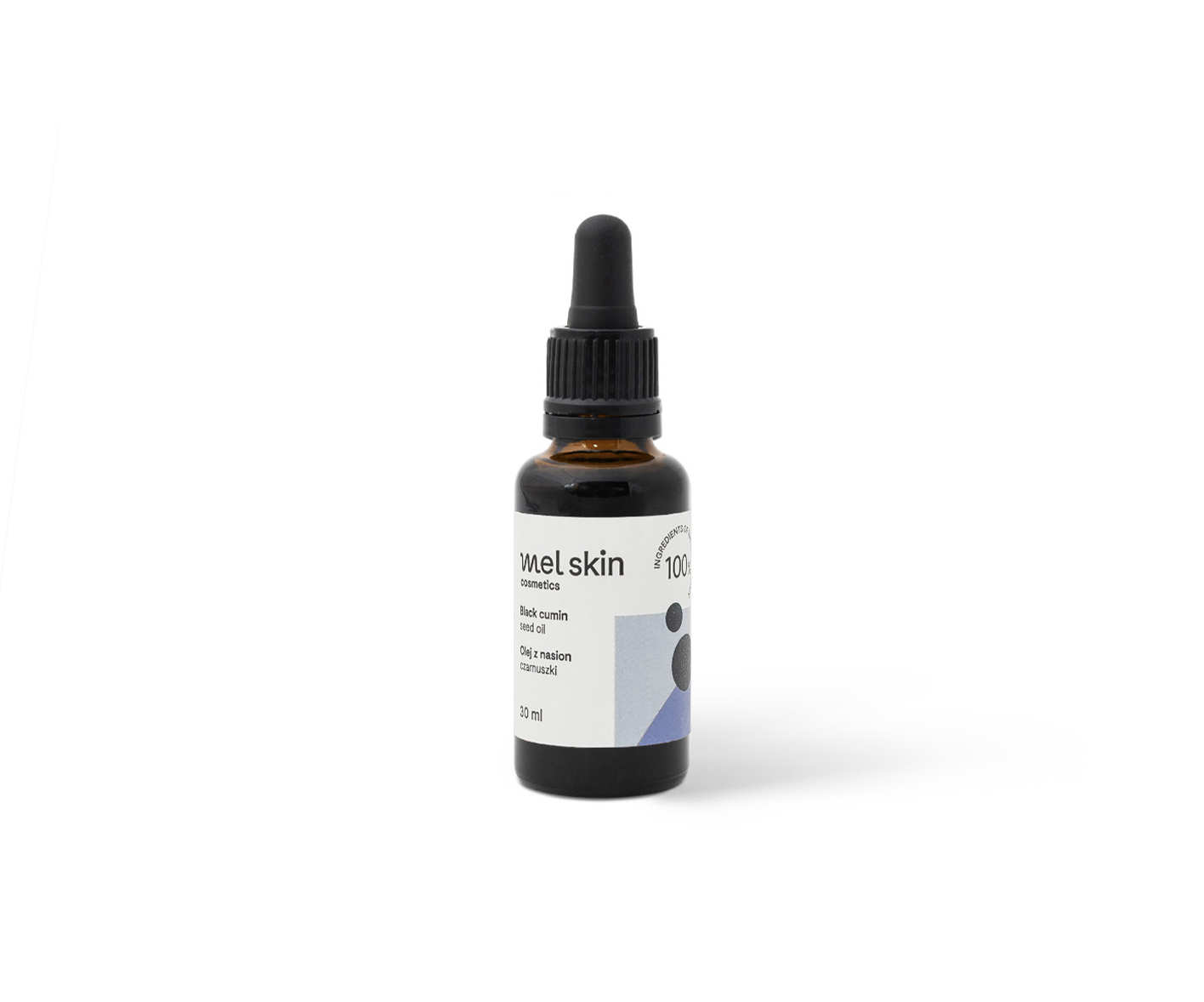
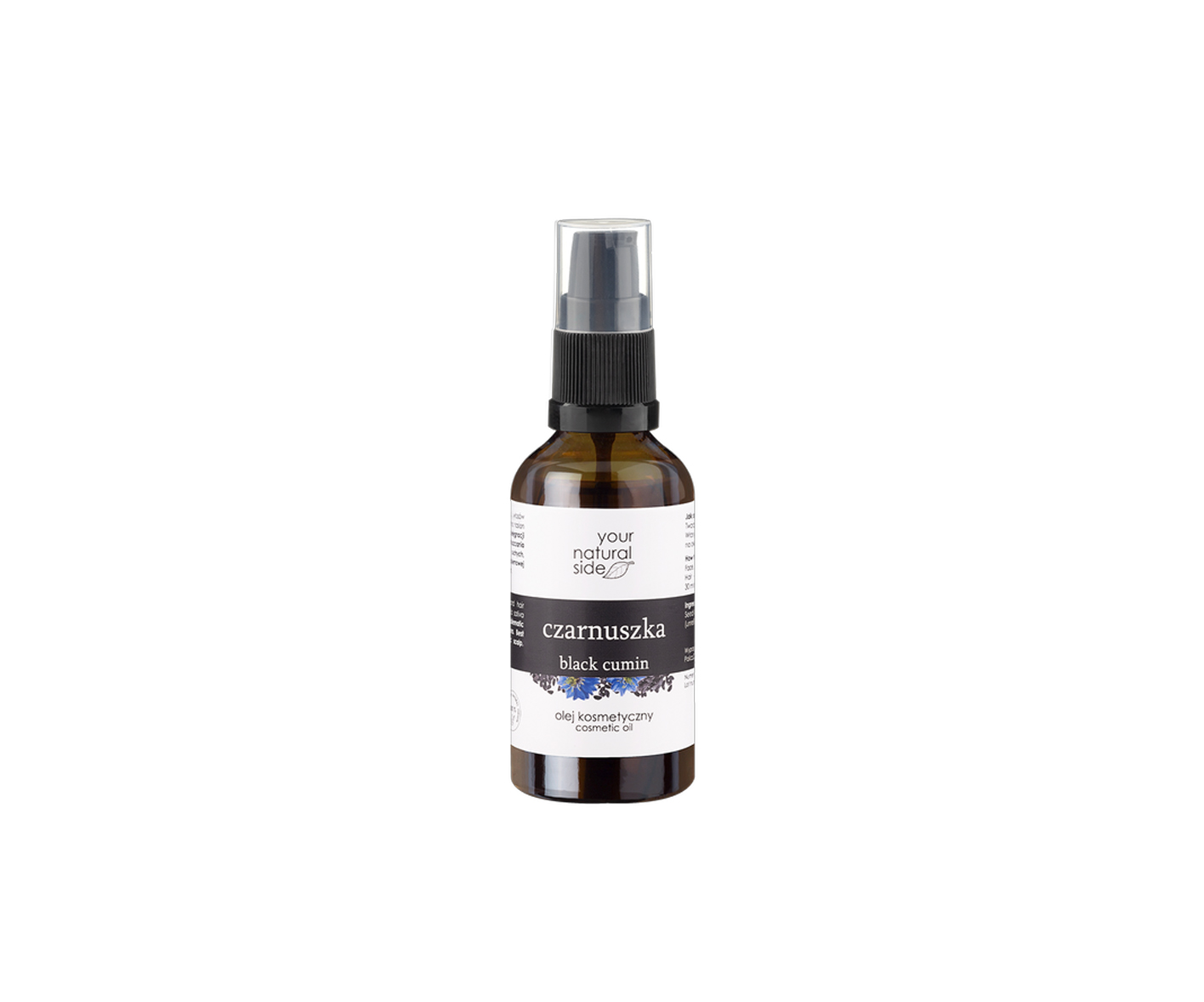
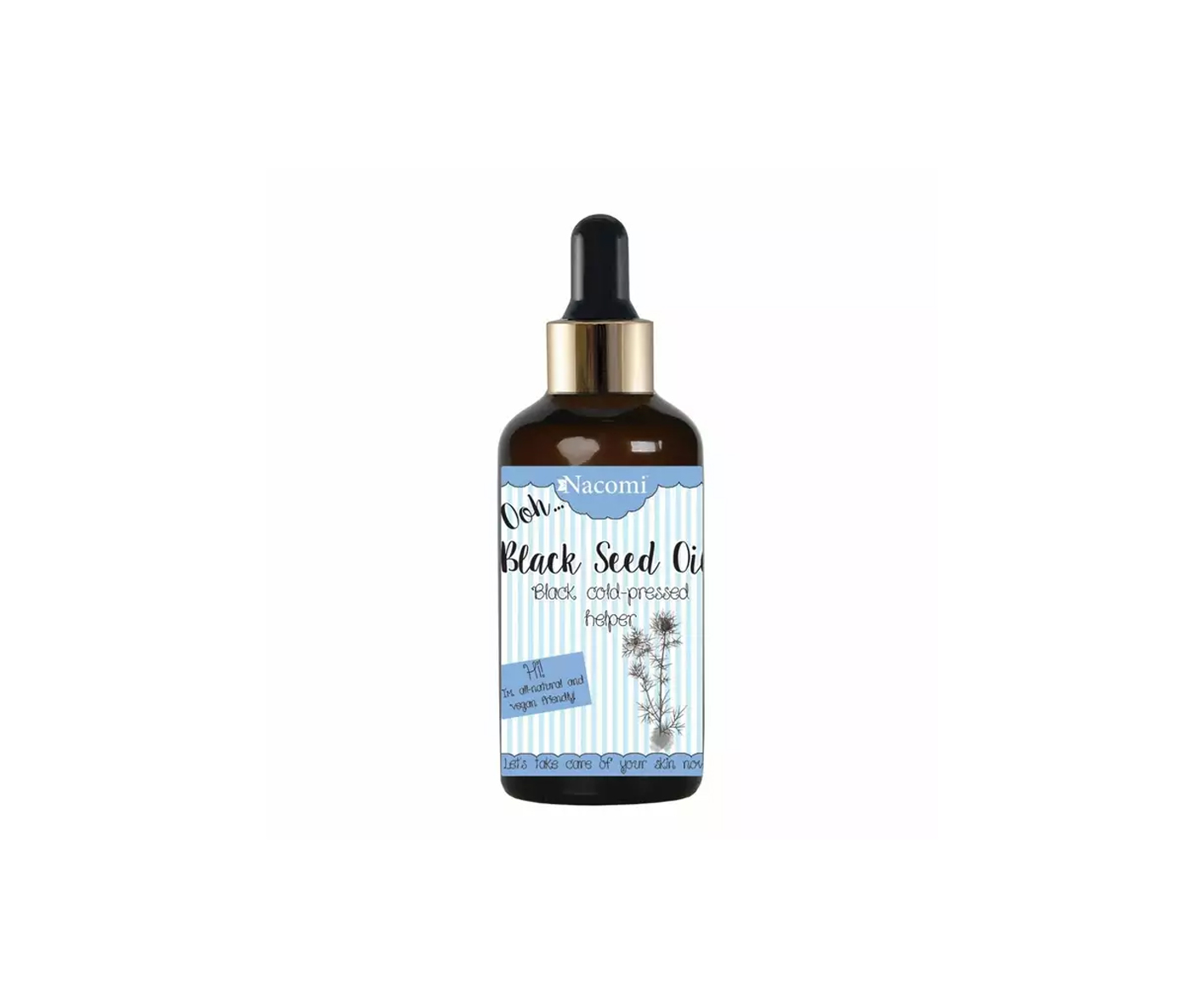
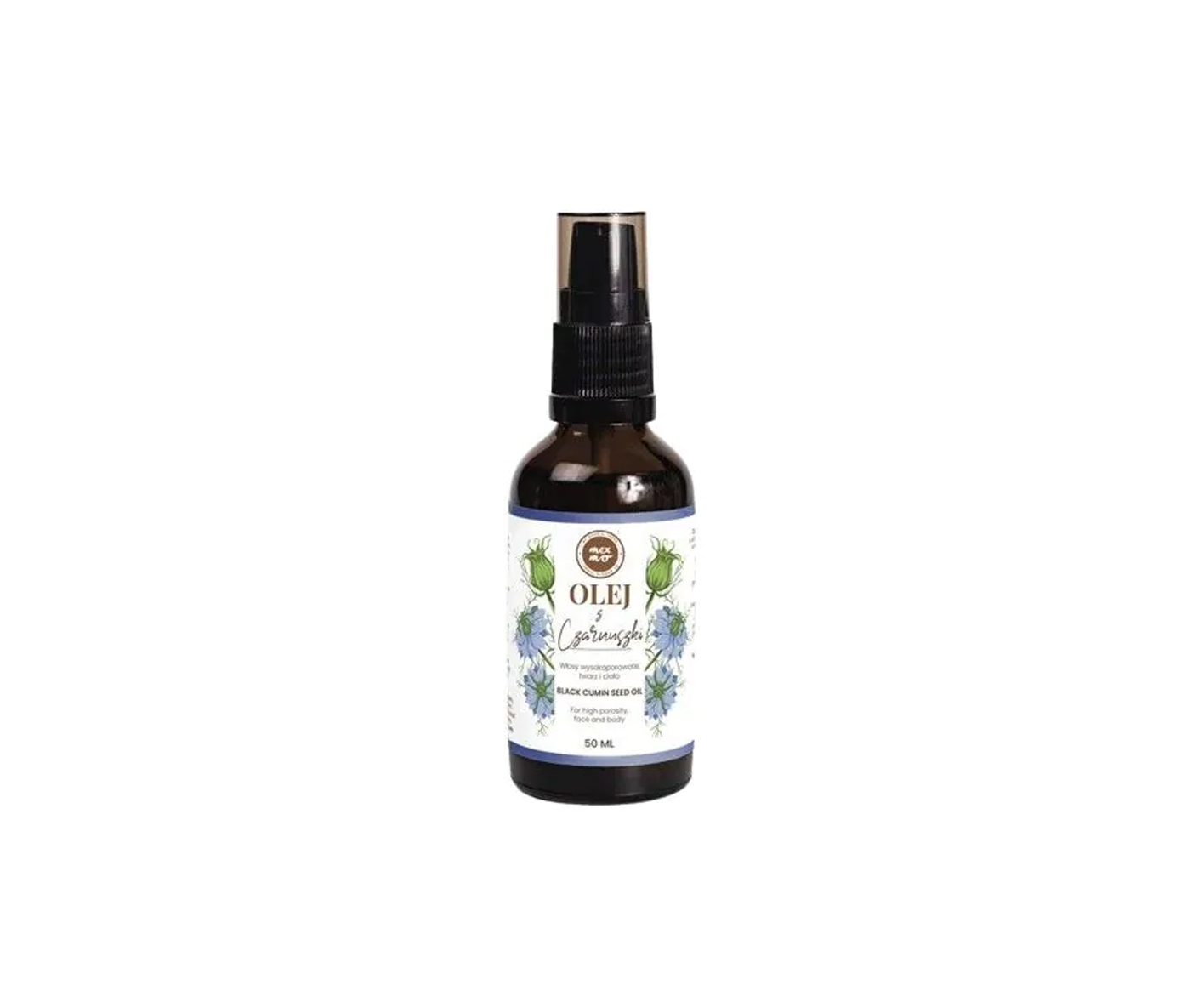
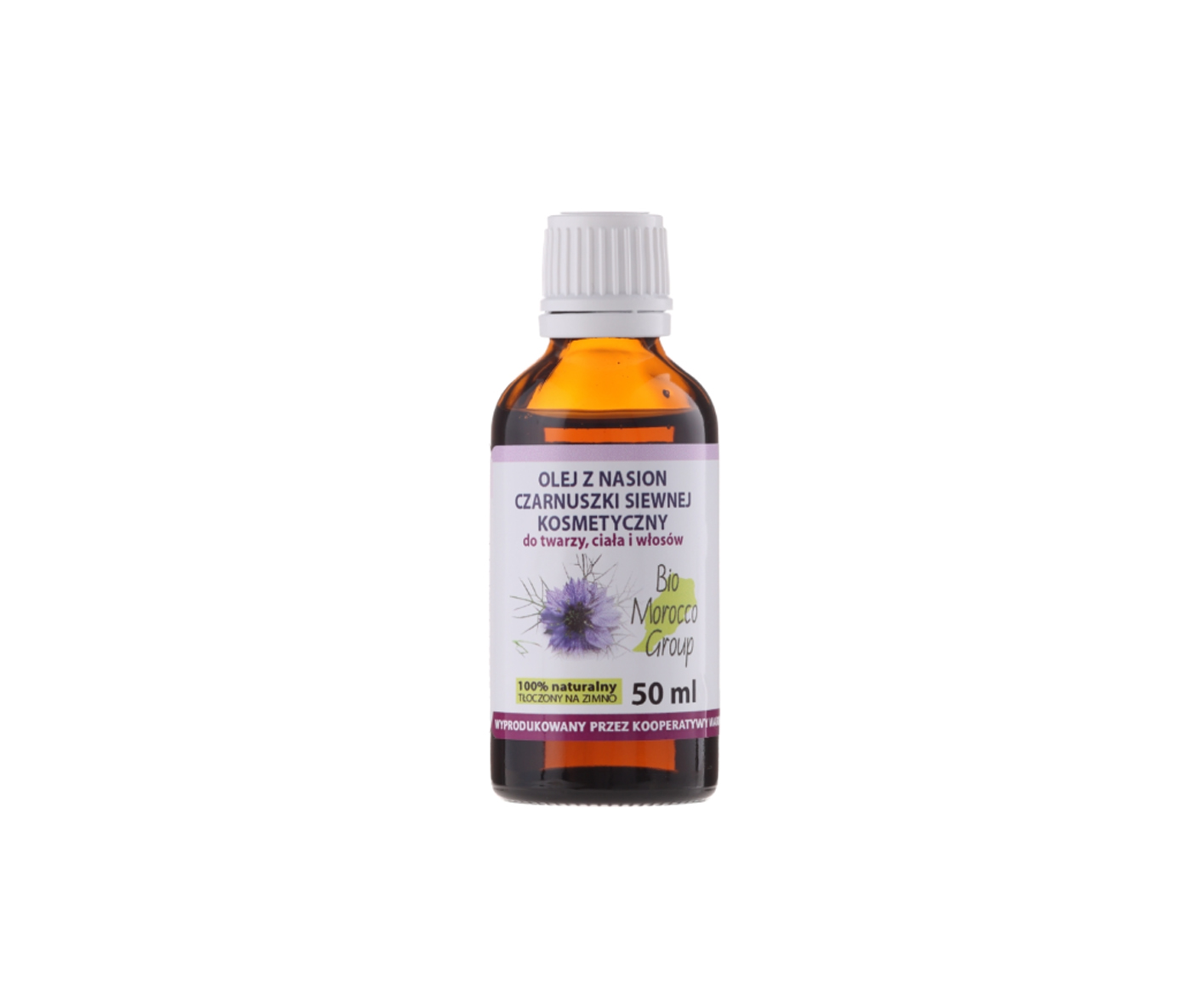
Discover 5 suggestions for nigella oils and enjoy a beautiful complexion!
The quest for a beautiful complexion has deep cultural, psychological and health roots. Good skin condition suggests that the body is well nourished, hydrated and free from disease. A beautiful complexion can significantly boost self-confidence. Skin problems, such as acne or hyperpigmentation, can cause discomfort, and their elimination often leads to an improved sense of well-being and greater openness in social interactions. Not surprisingly, healthy skin is a dream for many people. In the following article, we will give you tips on how to take care of acne-prone skin and prevent imperfections. You will also learn what cumin oil is and how it can help you in the fight for a beautiful, flawless complexion.
Acne-prone skin
Acne-prone skin is a skin type that is prone to acne, a skin condition characterised by inflammation of the sebaceous glands and hair follicles. Acne can manifest itself in the form of various skin lesions such as blackheads, papules, pustules or cysts. It is a common problem, especially during adolescence, but can also occur in adults.
How acne develops
Acne is caused by a complex process in the skin that involves several key factors. The sebaceous glands, found in the skin, produce sebum - a natural oil that moisturises and protects the skin. In acne-prone individuals, these glands produce excessive amounts of sebum. Every hair on the body grows from a hair follicle, which is connected to the sebaceous gland. Excess sebum, along with dead skin cells, can clog the hair follicle, forming blackheads - black (open) or white (closed) spots. This is followed by the development of the bacteria propionibacterium acnes (P. acnes). These bacteria are naturally found on the skin, but in clogged hair follicles they find ideal conditions to multiply. When P. acnes bacteria begin to multiply, they lead to infection and inflammation. In response to a bacterial infection, the body triggers an inflammatory response. This leads to the formation of red, painful skin lesions such as papules, pustules and, in more advanced cases, cysts and nodules.
When the hair follicle is clogged but there is no inflammation, blackheads are formed. These are small, dark spots (open blackheads) or small white nodules (closed blackheads). If there is inflammation in the plugged follicle, papules (red, painful lesions) and pustules (lesions with a purulent tip) form. In more severe cases, when the inflammation is more advanced, cysts and nodules form - large, painful, deep lesions that can lead to scarring.
Causes of acne
The causes of acne can be varied, but factors such as diet, hormones and stress are often influential. Increased levels of androgen hormones during puberty, pregnancy, before menstruation or when taking certain medications can increase sebum production and acne risk. Some studies suggest that a diet high in high glycaemic index foods, dairy or processed foods can exacerbate acne. Stress can aggravate acne by increasing the production of stress hormones such as cortisol, which in turn can stimulate sebum production. Acne susceptibility can be hereditary. If parents have had acne, children are more likely to develop it.
Inadequate skincare can also have an impact. Using oily, comedogenic cosmetics, overly aggressive skin cleansing or frequent touching of the face can worsen the skin condition. Understanding the mechanism of acne formation can help to treat and prevent it more effectively.
How to care for acne-prone skin
Acne skin care requires diligence and the right choice of products and habits to help control sebum production, fight bacteria, prevent clogged pores and soothe inflammation. Here are the key steps in caring for acne-prone skin:
Cleansing. Cleanse your skin twice a day - morning and evening. Choose mild, alcohol-free gels or foaming cleansers that remove excess oil, impurities and make-up residue without irritating your skin. Use lukewarm water so you don't over-dry your skin, which could cause your sebaceous glands to start producing even more sebum.
Scrubbing. Regular (1-2 times a week) use of gentle enzyme or BHA (salicylic acid) scrubs will help remove dead skin cells, which prevents clogged pores. Avoid coarse mechanical scrubs. These can irritate the skin and increase inflammation.
Moisturising. Moisturising is key, even for oily and acne-prone skin. Choose lightweight, non-comedogenic (non-pore-clogging) creams that moisturise the skin without weighing it down. Look for products containing hyaluronic acid, aloe vera, niacinamide or ceramides to support the skin barrier and soothe irritation.
Spot treatment. Use products containing active ingredients such as salicylic acid, benzoyl peroxide, retinoids or tea tree oil to help fight bacteria, exfoliate the epidermis and reduce inflammation. Apply them spot on acne lesions. A serum or black cumin oil will also work perfectly.
Sun protection. Use a daily sunscreen with a broad spectrum protection of SPF 30 or higher. Choose lightweight, mattifying formulas that are specifically formulated for acne-prone skin. Avoid greasy sunscreens. Make sure the sunscreen is non-comedogenic so that it does not clog pores.
Diet and lifestyle. Eat a diet rich in vegetables, fruit, nuts and fish, and limit high glycaemic index foods, dairy and processed foods, which can aggravate acne. Drink plenty of water to keep your skin hydrated and to help detoxify your body. Manage stress through regular physical activity, meditation or other relaxation techniques, as stress can exacerbate acne.
Avoiding skincare mistakes. Avoid frequent touching of the face, which can transfer bacteria and impurities to the skin. Don't squeeze pimples. Squeezing can lead to scarring and increase inflammation. Change bed sheets, pillowcases and towels regularly to prevent the spread of bacteria.
Consult a dermatologist. If acne is persistent, painful or leaves scars, consult a dermatologist who may recommend specialised treatments such as prescription drugs (antibiotics, isotretinoin) or dermatological treatments (chemical peels, laser therapy).
Regular, tailored acne skin care can significantly improve the condition of the skin and prevent the formation of new lesions.
Black cumin oil
Black cumin oil, also known as nigella seed oil (Nigella sativa), is a natural oil cold-pressed from the seeds of the plant. Nigella has been known for centuries in traditional medicine, especially in Middle Eastern, Asian and North African cultures, where it has been used as both a spice and a medicine.
Nigella oil is rich in a variety of nutrients and active compounds that have many beneficial properties. Nigella oil has a wide range of applications in both natural medicine and cosmetics. Due to its antioxidant and anti-inflammatory properties, cumin oil is used to support the immune system. It can help treat stomach ailments such as bloating, abdominal pain or indigestion. Thanks to its anti-inflammatory properties, black cumin oil is sometimes used to support the treatment of allergies and asthma. Black cumin oil can be used to fight skin and fungal infections. Black cumin oil is popular for skin and hair care. It helps to treat skin problems such as acne, eczema and psoriasis. When applied to the hair, it strengthens it and prevents hair loss.
Black cumin oil is a versatile natural product with many health benefits that can be used both internally and externally.
Who black cumin oil is for
Black cumin oil is a product with a wide range of health benefits that can be used by different groups of people. Thanks to its anti-inflammatory, antibacterial and regenerative properties, cumin oil can help treat acne by reducing inflammation and preventing new pimples from forming. It will therefore be a great choice for those with acne-prone skin. Black cumin oil can alleviate the symptoms of these skin conditions, such as itching, redness and flaky skin. Black cumin oil moisturises and nourishes the skin to promote skin regeneration.
It will also be appreciated by those with a weakened immune system. Black cumin oil is known for its immunomodulatory properties, meaning that it can support the immune system, helping the body to better cope with infections. Regular use of black cumin oil can help boost immunity and reduce the frequency of infections.
Black cumin oil can relieve stomach discomforts, such as bloating and indigestion, thanks to its anti-inflammatory and diastolic properties, and those with irritable bowel syndrome (IBS) should also benefit from its beneficial effects on the digestive system. It can be helpful in relieving IBS symptoms such as cramps and diarrhoea.
Black cumin oil has antihistamine properties, which can help reduce allergic symptoms such as sneezing, itching and watery eyes. It can be used by allergy sufferers and as a support in the treatment of asthma, helping to relieve inflammation of the airways and make breathing easier.
Nigella oil contains phytosterols, which may help to lower blood cholesterol levels, supporting heart health. Regular use can also help regulate blood pressure. It will therefore support those looking to take greater care of their heart health.
Black cumin oil can also be used by those concerned about hair and nail health. This is because it can prevent hair loss, strengthen hair and make hair shine. When applied to nails, the oil can prevent breakage and promote nail growth.
Thanks to its anti-inflammatory properties, nigella oil can promote muscle recovery after intense exercise. It can relieve muscle pain and inflammation after workouts. It should therefore be used by people who are physically active and the elderly. Black cumin oil can help fight chronic inflammation, which often occurs in older people. It can be helpful in relieving symptoms associated with joint diseases such as arthritis.
Nigella oil is sure to be of interest to those who prefer natural care. Black cumin oil is a great addition to natural cosmetics and can be used as an ingredient in masks, creams and lotions.
Black cumin oil - effects of use on acne
Black cumin oil is an increasingly popular natural remedy for the treatment of acne, due to its powerful anti-inflammatory, antibacterial and antioxidant properties. Black cumin oil contains thymoquinone, which has strong anti-inflammatory properties, helping to reduce the redness and swelling associated with acne. Regular use of the oil can reduce the severity and number of pimples as it soothes the skin and relieves inflammation. Black cumin oil has antibacterial properties that help fight the Propionibacterium acnes (P. acnes) bacteria responsible for the development of acne. This reduces the risk of new acne lesions forming. Black cumin oil can help regulate sebum production by the sebaceous glands. Reducing excessive sebum production prevents clogged pores, which is one of the main factors in acne formation. Thanks to its vitamin (A, E) and fatty acid content, black cumin oil promotes skin regeneration, which speeds up the healing of existing acne lesions and reduces the risk of scarring. Regular use of black cumin oil can help lighten dark spots and discolouration that remain after acne has healed.
Black cumin oil is excellent at moisturising the skin, which can help prevent the dryness often experienced when treating acne with other, more aggressive remedies. Moisturised skin is more supple and less prone to irritation.
Key ingredients
Black cumin oil has many ingredients that are beneficial to our body's health. The key ingredients we find in black cumin oil are:
- Fatty acids - linoleic acid (omega-6) and oleic acid (omega-9) support skin health and have anti-inflammatory effects.
- Thymoquinone - one of the most important components of nigella oil, known for its anti-inflammatory, antioxidant and antimicrobial properties.
- Vitamins and minerals - nigella oil contains vitamins A, B1, B2, B3, C, as well as minerals such as calcium, iron, copper, zinc and phosphorus.
- Phytosterols - have the ability to lower cholesterol levels, which benefits cardiovascular health.
Benefits
Using black cumin oil for acne can have the following effects:
- Reduction of inflammation
- Soothing redness
- Reduction of pimples
- Antibacterial effect
- Regulation of sebum production
- Acceleration of skin healing
- Lightening of discolourations
- Increased skin elasticity
- Hydration and nourishment
Disadvantages
Black cumin oil is often used as a natural acne remedy due to its anti-inflammatory, antibacterial and antioxidant properties. It can provide relief for those struggling with acne; however, there are some undesirable effects of using this oil, especially on sensitive or allergy-prone skin. Undesirable effects of using black cumin oil for acne:
- Skin irritation
- Allergic reactions
- Clogging of pores
- Exacerbation of acne
How often to use black cumin oil for acne
The use of black cumin oil for acne should be tailored to the individual's skin needs and reaction to the product. In the beginning, it is a good idea to start by using cumin oil 1-2 times a week. This will allow the skin to get used to the new product and reduce the risk of irritation or allergic reactions. If your skin responds well to the black cumin oil, you can gradually increase the frequency to 3-4 times a week. It is advisable to stay at this rhythm for a few weeks, observing the state of the skin. If the skin shows no signs of irritation or clogged pores, black cumin oil can be applied daily or every other day, especially at night. However, it is important to remember that not every skin type tolerates daily oil application well, so it is important to monitor the skin's reaction. Black cumin oil can also be applied topically to acne lesions (known as spot treatment). In this case, it can be applied up to twice a day (morning and evening) directly on the blemishes.
How to use black cumin oil for acne-prone skin
To effectively use black cumin oil for acne-prone skin, it is helpful to follow a few steps to help minimise the risk of irritation and improve skin condition:
- Prepare your skin. Before you apply the oil, wash your face thoroughly with a gentle cleanser that does not irritate your skin. Avoid products containing alcohol, as these can dry out the skin and aggravate acne. After cleansing, use an alcohol-free toner to help restore your skin's natural pH and prepare it for better oil absorption.
- Apply black cumin oil. Apply 2-3 drops of black cumin oil to the palms of your hands and then gently massage into your face, avoiding the eye area. You can also mix the oil with another, lighter oil such as jojoba oil to minimise the risk of clogging pores. If you are concerned about applying the oil directly to your skin, add 1-2 drops of oil to your daily moisturiser and apply to your face as usual.
- Black cumin oil is great for treating isolated blemishes. Using a clean cotton bud, apply a drop of oil directly to acne lesions. It is best to do this in the evening so that the oil can work overnight.
- Black cumin oil works best when applied in the evening, when the skin regenerates intensively. After applying the oil, you can additionally apply a light moisturiser to help lock moisture into the skin.
- Before applying black cumin oil to your entire face, perform a sensitisation test by applying a drop of oil to a small area of skin, such as behind the ear. Wait 24 hours to see if you develop an allergic reaction.
- As some oils can sensitise the skin to the sun, always apply SPF sunscreen during the day to prevent discolouration.
- Regularly observe how your skin reacts to the oil. If you notice increased blemishes or other unwanted effects, reduce the frequency of use or discontinue the treatment.
The use of black cumin oil can be effective in the fight against acne, but the key is to approach it with caution and tailor the treatment to your individual skin's needs. Regularity, patience and adequate protection are the cornerstones of effective action.
Nigella oil - what to look for when choosing it
When choosing black cumin oil, it is worth paying attention to a few key factors to ensure that the product is high quality and effective. Here's what to look for when choosing:
Pressing method: The best cumin oil is cold-pressed. This production process preserves all the valuable ingredients, such as fatty acids, vitamins and minerals, which are sensitive to heat. Avoid hot-pressed oils, as they can be of lower quality and nutritional value.
Certifications and origin: Choose cumin oil with organic certifications, such as BIO or USDA Organic certification. These guarantee that the product comes from crops that have not used pesticides or chemical fertilisers.
Purity and composition: Make sure the product is 100% pure cumin oil, with no additives such as other oils, preservatives or artificial flavours. Check the label to make sure there are no unnecessary additives in the formulation.
Packaging: It is best to choose oils packaged in dark glass bottles to protect the contents from light and oxidation. Plastic packaging may react with the oil, affecting its quality.
Price: High-quality, cold-pressed and organically grown cumin oil will be more expensive. Avoid suspiciously cheap products, which may be of lower quality or diluted.
Opinions and reviews: Before buying, it's worth checking other users' reviews to find out how the oil has performed. It is also worth seeking opinions from people who use cumin oil regularly.
Choosing the right nigella oil is crucial to fully benefit from its health and cosmetic properties. By following the tips above, you can be sure that you are choosing a top quality product.
Discover the top 5 best nigella oils in 2026
When creating our product reviews, we consider the ingredients and research their safety. We analyse the opinions of industry experts and the experiences of product users. We obtain recommendations from authorised retailers and use available sources of knowledge about the active ingredients and how they work. We personally verify the action, texture, scent and feel of the products, and assess value for money.
Below are detailed reviews by our editors with a description of each product indicated.