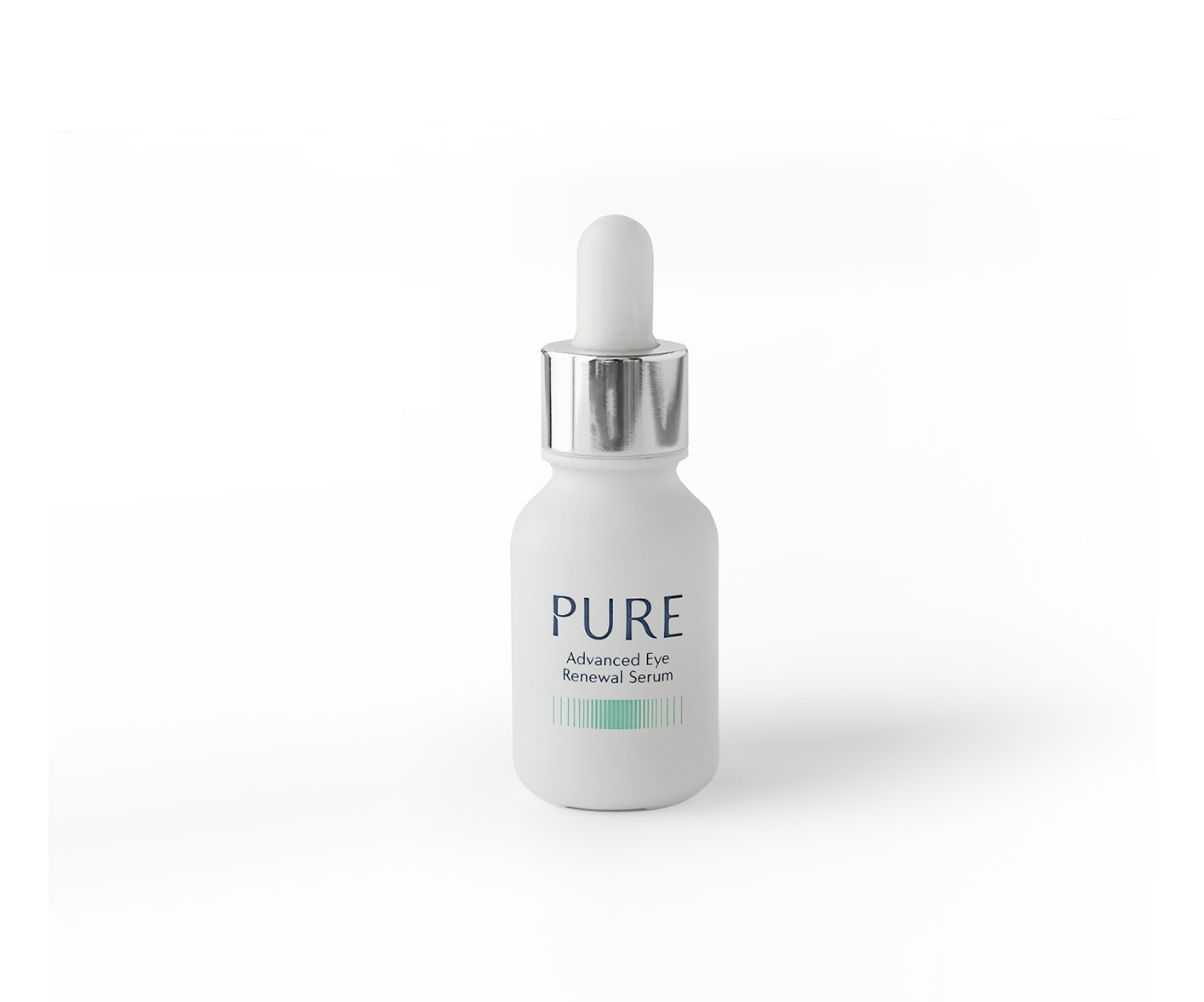
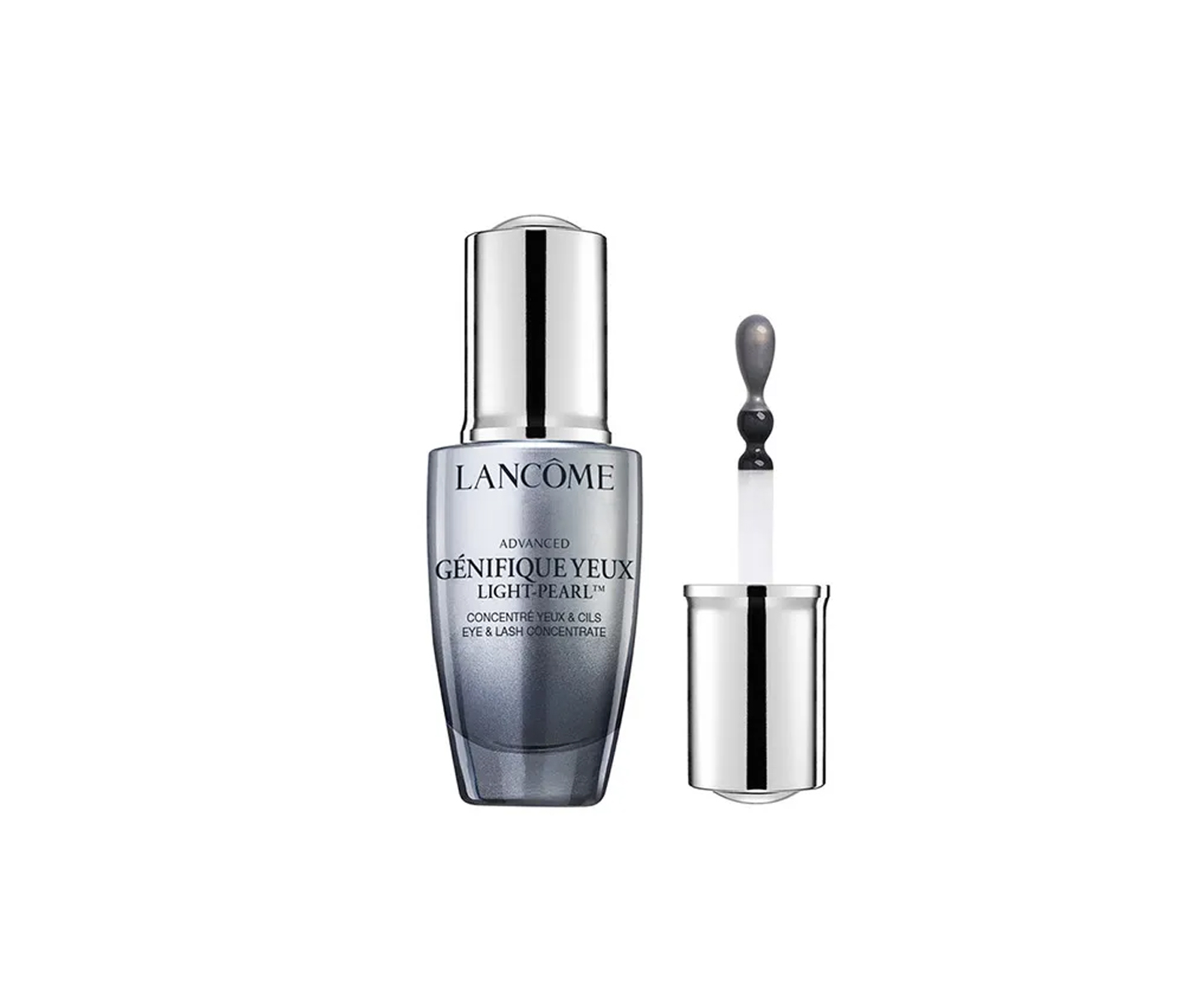
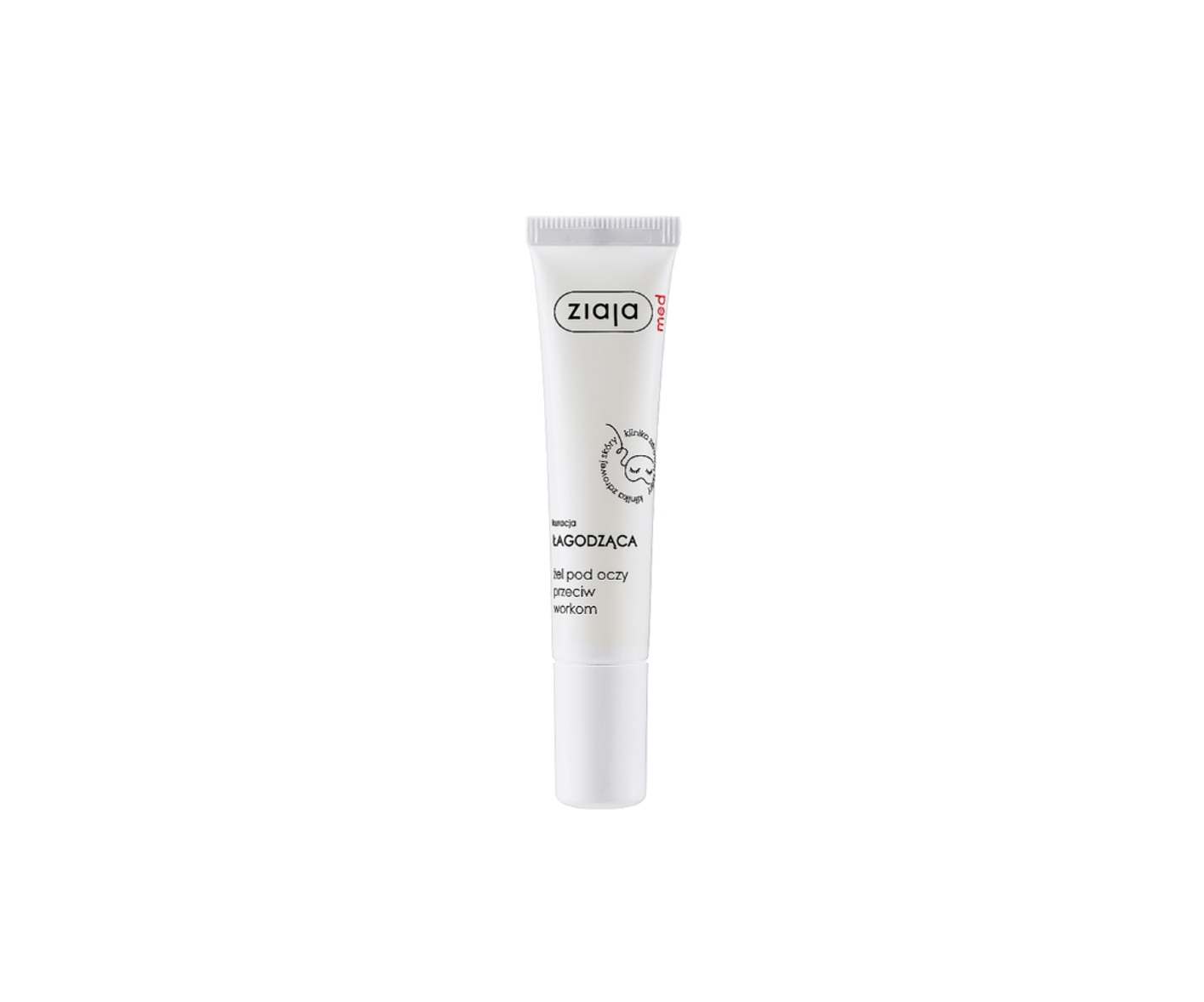
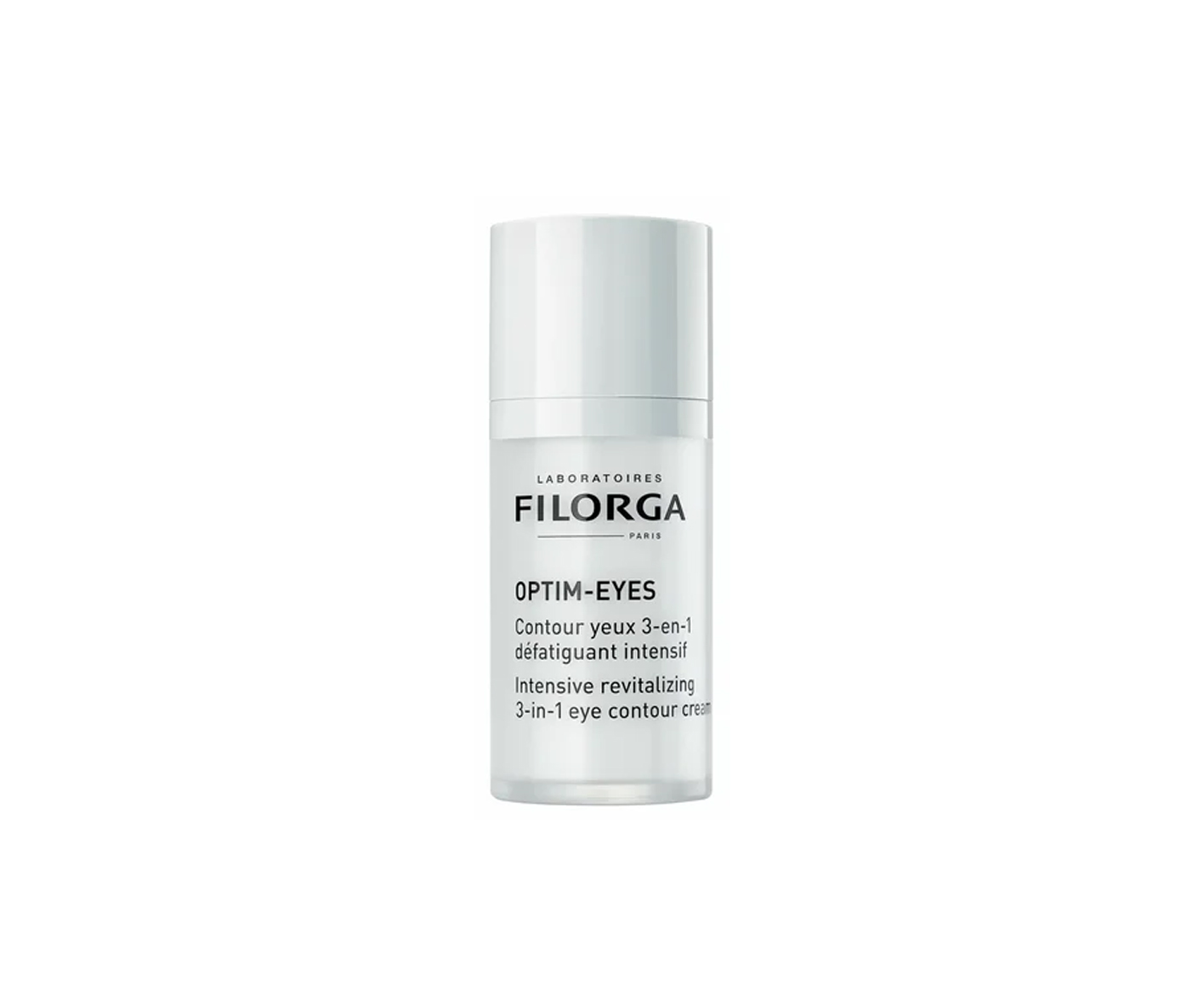
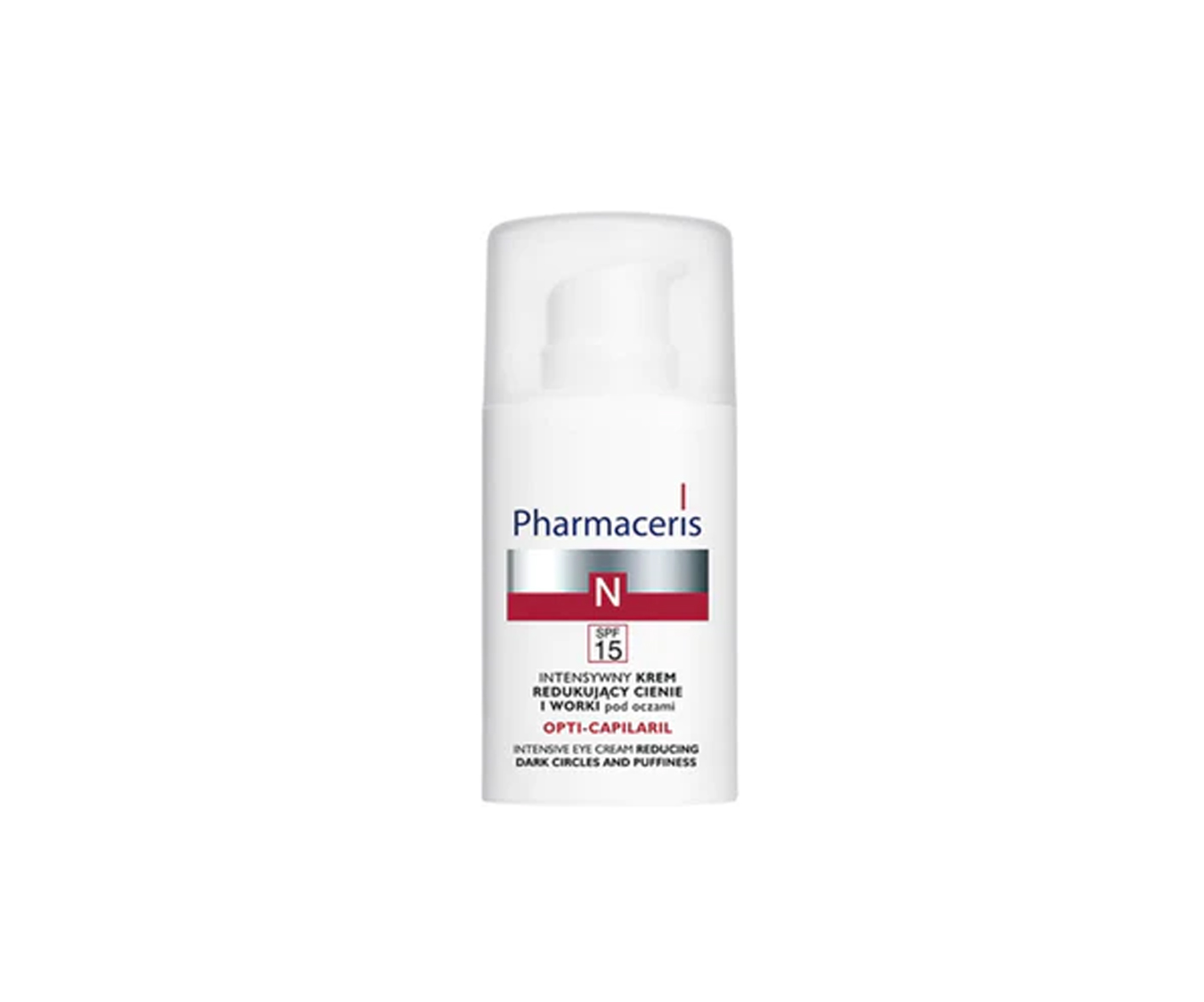
Check out these five cosmetic suggestions for under-eye bags and forget about this unsightly facial skin problem.
Facial skin is exposed to various external factors such as UV radiation, adverse weather conditions and numerous pollutants. In addition, over the years, it loses the ability to retain moisture in the epidermis on its own, causing it to become increasingly dry. With age, the skin also loses amounts of collagen and elastin production responsible for its elasticity and firmness. Facial skin is thinner and more delicate than other skin areas on the body and is therefore prone to the appearance of discolouration, dark circles or bags under the eyes. It therefore requires careful and regular care.
In this article, you will learn how the skin of the face is structured, how to care for it properly and which cosmetics to use to prevent puffiness under the eyes.
Facial skin structure
It is important to know how the skin is structured in order to care for it properly. Its different layers have different functions and require special care and attention to keep the facial skin healthy and beautiful for as long as possible.
The facial skin contains structures such as the sebaceous glands, which produce the natural oil sebum, the sweat glands, the hair follicles and the blood vessels that supply the skin with oxygen and nutrients. In addition, the facial skin is highly innervated to be able to perceive many sensory stimuli.
Like other parts of the skin, the facial skin is made up of three main layers:
The dermis is the thickest layer of skin. It is very resilient and tough. It is between 1 and 3 millimetres thick. It contains blood vessels, sebaceous and sweat glands, numerous dermal papillae, the adductor muscle, the hair follicle and nerve endings. The dermis consists of two layers:
- the papillary layer, which has an undulating structure and contains numerous dermal papillae;
- the reticular layer, which contains collagen and elastin fibres responsible for the firmness and strength of the skin.
The epidermis is the direct boundary between the body and the external environment. It protects against harmful substances and also has a pigment, melanin, which gives hair and skin its colour. It is located directly above the dermis.
The subcutaneous tissue is located under the dermis. It consists mainly of adipose and connective tissue. Functions of this layer include thermal insulation, energy reserve and protection of internal organs.
Common facial skin problems
Given that the facial skin is the part of the skin most exposed to direct exposure to the sun and adverse weather conditions, it often struggles with various problems and ailments. Here are some of them:
Skin ageing. Skin ageing is most visible and fastest on the face. The skin's ageing process is natural and manifests itself in wrinkles, loss of elasticity, sagging, discolouration and loss of natural radiance.
Skin dryness. Skin can be prone to dryness especially during winter. Dry skin is rough, flaky, tight and prone to irritation. It can be the result of inadequate care or be genetically determined.
Skin discolouration. Discolouration of the skin, such as sun spots, acne blemishes and hyperpigmentation, can be the result of excessive melanin production or skin damage.
Under-eye bags. Bags under the eyes can cause the appearance of fatigue, distort the appearance of the face and affect the overall condition of the skin. They are most often caused by an unhygienic lifestyle, excessive sunbathing or are a symptom of health problems.
Grey skin. Grey skin is a condition in which the skin appears to lack a healthy, natural tone. It is often associated with insufficient blood circulation in the skin vessels, tissue hypoxia or other health problems.
How can facial skin problems be dealt with?
Skin problems can spoil your mood and bring you down, but there are a few general tips that can help you deal with the most common complaints.
Firstly, ensure regular and gentle skin care, preferably with cosmetics dedicated to specific problems. It is best to use mild cleansers and avoid irritating ingredients. Moisturising the skin should always be a key skincare routine, even for oily skin.
Secondly, you need to pay attention to your diet. A healthy diet has a huge impact on the condition of the skin.
Thirdly, you should reduce stress, which also significantly affects the condition of your skin. If any skin problems recur, worsen or persist despite following the above rules, it is worth consulting a dermatologist. Remember that everyone's skin is different, so what works for one person will not necessarily work for another.
Cosmetics for bags under the eyes - how do they work?
Under-eye bags and puffiness are usually the result of lymphatic stasis. They are most often caused by sleep deprivation, fatigue, long hours at the computer and also due to dehydration. Puffiness around the eyes can also be caused by an overgrowth of adipose tissue associated with an abnormal metabolism of fat cells. In addition, bags under the eyes, as well as dark circles, can be caused by various diseases related to the heart, thyroid gland or kidneys.
Good cosmetics for bags under the eyes should have a light consistency, e.g. gel, to gently cool the skin. Plant extracts with anti-edematous and brightening properties should also be included, as well as active ingredients to improve skin firmness and elasticity. Regardless of the type of cosmetic used, it is advisable to store it in the fridge. You can also use ready-made eye preparations in the form of a ball stick, in which the metal ball also cools the skin. Getting rid of bags under the eyes is a difficult and lengthy task. The effect of the cream can be supported by more concentrated preparations such as serums and special eye masks.
For whom are bags under the eyes targeted?
Under-eye bags are suitable for anyone, regardless of gender, who wishes to minimise the appearance of under-eye puffiness. They can be used by people of all ages and skin types who experience this unsightly problem.
People with a genetic predisposition to under-eye puffiness can also benefit from under-eye bags. Those who suffer from puffiness due to fatigue, stress or poor dietary habits will also benefit.
It is important to pay attention to the ingredients in these cosmetics and adapt them to the individual needs of the skin. For example, people with a tendency towards allergies or sensitive skin should choose cosmetics for under-eye bags carefully and, if in doubt, consult a dermatologist before implementing them into their skincare routine.
What results can be achieved with an under-eye bag treatment?
The use of cosmetics for bags under the eyes can bring many benefits to the skin. As well as reducing puffiness, they provide the delicate skin around the eyes with nourishing and moisturising ingredients to help improve the condition and appearance of the skin and help reduce the signs of ageing. Thanks to many valuable ingredients, they strengthen the skin's structure and reduce the appearance of wrinkles and fine lines.
Cosmetics for bags under the eyes also increase the elasticity and firmness of the skin and intensively moisturise and smooth the skin. The addition of powerful antioxidants such as vitamin C and E protects the skin from harmful factors such as UV radiation and unfavourable weather conditions.
However, it is worth remembering that the effects of cosmetics on bags under the eyes may vary depending on the individual needs of the skin, the type of cosmetic and the regularity of use. In addition, maintaining a hygienic lifestyle, i.e. getting enough sleep, eating a healthy diet and avoiding stress, can also improve the condition of the skin around the eyes and eliminate bags.
Key ingredients in cosmetics for bags under the eyes
The key ingredients in cosmetics for bags under the eyes can vary depending on the specific product, but there are a few components often used in this type of preparation. These include:
- Caffeine: Helps to reduce puffiness by stimulating blood circulation and reducing water retention in the skin.
- Retinol: Promotes collagen production, thereby improving skin elasticity and reducing the appearance of wrinkles.
- Peptides: May support the skin's regenerative processes, improving firmness and elasticity.
- Hyaluronic acid: Intensely hydrates the skin by retaining water in the layers of the skin, helping to improve elasticity and hydration.
- Snail mucus: Has properties that promote skin regeneration and healing processes. It is also used as an ingredient to smooth and lighten hyperpigmentation.
- Vitamin K: Helps to reduce the appearance of blood vessels, which can reduce dark circles under the eyes.
- Plant oils: Such as argan oil, jojoba oil and rosehip oil, which moisturise and nourish the skin. They help to strengthen the skin barrier and improve elasticity.
- Antioxidants: Such as vitamin C or E protect the skin from oxidative stress and environmental damage.
Benefits
There are many benefits to using cosmetics for under-eye bags. Here are some of the main benefits of regular use of these products:
- Reduction of under-eye puffiness.
- Improved skin firmness and elasticity.
- Hydration of the skin.
- Reduction of dark circles under the eyes.
- Protection against external factors.
- Slowing down the skin's ageing process.
Disadvantages
Using cosmetics for bags under the eyes can also have negative effects. The most common disadvantages of using these products include:
- Possibility of skin irritation.
- Intolerance of the active ingredients.
- The need for regular application.
- Chemical composition.
It is important to tailor cosmetics to individual skin needs and be mindful of possible side effects. It is always advisable to carry out a skin test or consult a dermatologist before using new preparations.
How often should I use cosmetics for under-eye bags?
The frequency of use of under-eye bags depends on the specific product and the skin needs of the individual. It is generally recommended to apply these cosmetics once or twice a day, usually in the morning and evening. It is important to read the instructions on the product's packaging carefully, as different preparations may have different recommendations for frequency of application.
It is also important to apply cosmetics for under-eye bags systematically to get the best results. Regularity is key, as many active ingredients take time to work properly.
It is important to remember that the effectiveness of these cosmetics can depend on factors such as a healthy lifestyle, adequate sleep, a diet rich in nutrients and avoiding factors that can cause puffiness, such as excess salt in food or stress.
How to use cosmetics for bags under the eyes?
The application of cosmetics for bags under the eyes is easy, regardless of the type of cosmetic. Different formulations may differ slightly in the way they are applied, but there are a few universal tips:
- Cleanse your skin. Make sure your face is clean before applying cosmetics. You can use a gentle cleanser or micellar lotion to clean it, to remove any impurities and make-up residue. Then gently pat your face dry with a towel.
- Apply cosmetic product to clean fingers or hands. If using a pipette or pump applicator, apply directly to face.
- Gently work the product into the under-eye area. You can start at the inner part of the eye and gradually work outwards, using light massaging or patting motions. Avoid pressing or stretching the skin so as not to irritate it.
- Allow the cosmetic to absorb before applying other skincare products or make-up. Absorption time may vary depending on the consistency of the product.
What should I consider when choosing a product for under-eye bags?
When choosing cosmetics for under-eye bags, there are several important factors to consider:
Skin type: Choose products that are suitable for your skin type. For example, cosmetics for sensitive skin have a slightly different composition than those for normal skin.
Active ingredients: Pay attention to the active ingredients in the product. Caffeine, retinol, peptides, hyaluronic acid, vitamin K, antioxidants - these are just a few examples of ingredients that can benefit the skin around the eyes.
Testing: Before using a new product regularly, carry out an allergy test, especially if you have sensitive skin. Check that the product does not cause irritation or allergic reactions.
Reviews and feedback: Read reviews from other users to find out how a product worked for other people. This is an invaluable source of information.
Type of cosmetic and method of application: Choose products that suit you best (cream, serum, eye mask). Choose products that you feel most comfortable applying.
Discover the 5 best cosmetics for under-eye bags in 2026
When creating our product reviews, we consider the ingredients and research their safety. We analyse the opinions of industry experts and the experiences of product users. We obtain recommendations from authorised retailers and use available sources of knowledge on active ingredients and their effects. We personally verify the action, texture, scent and feel of the products, and assess value for money.
Below are detailed reviews by our editors with a description of each product indicated.