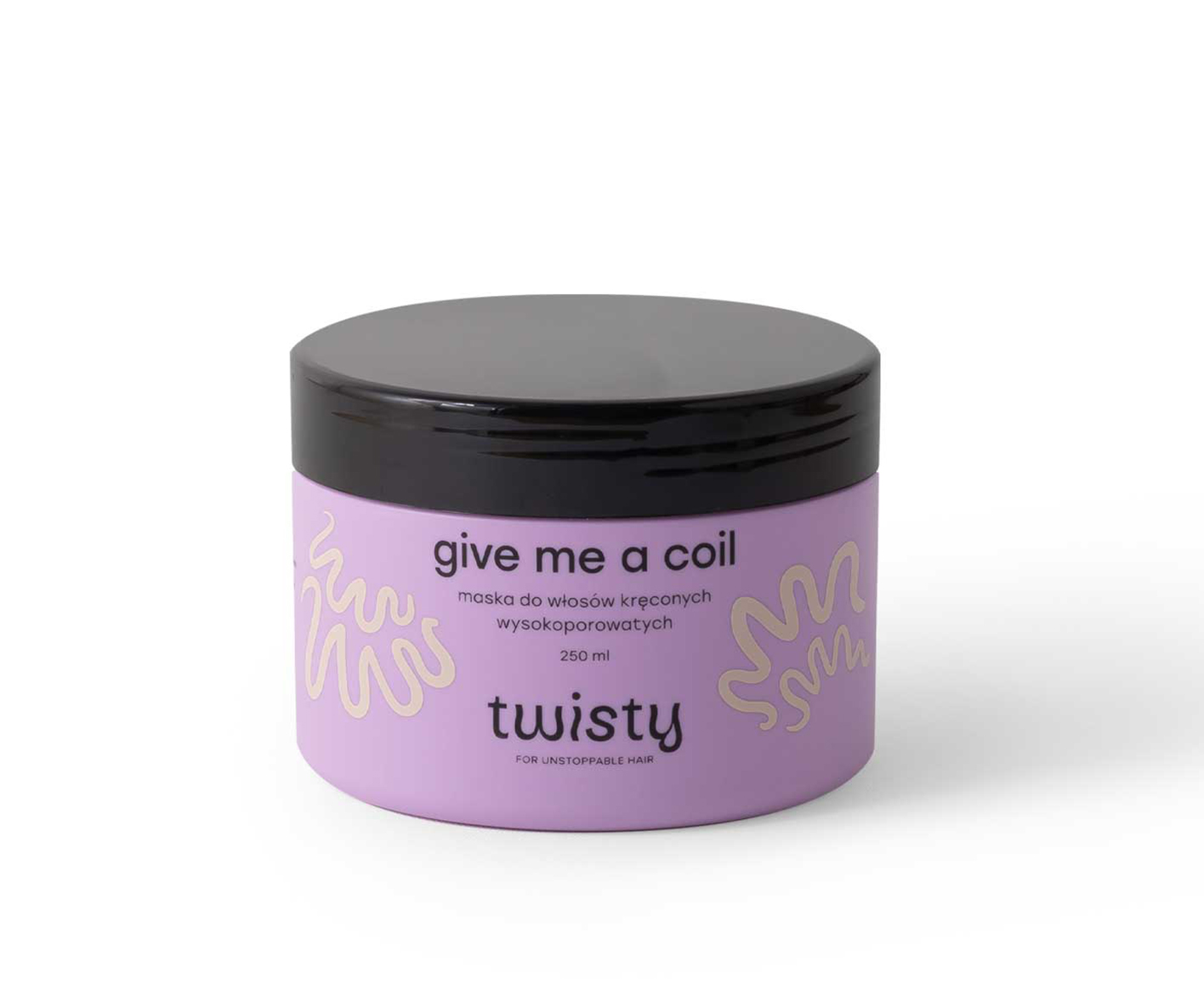
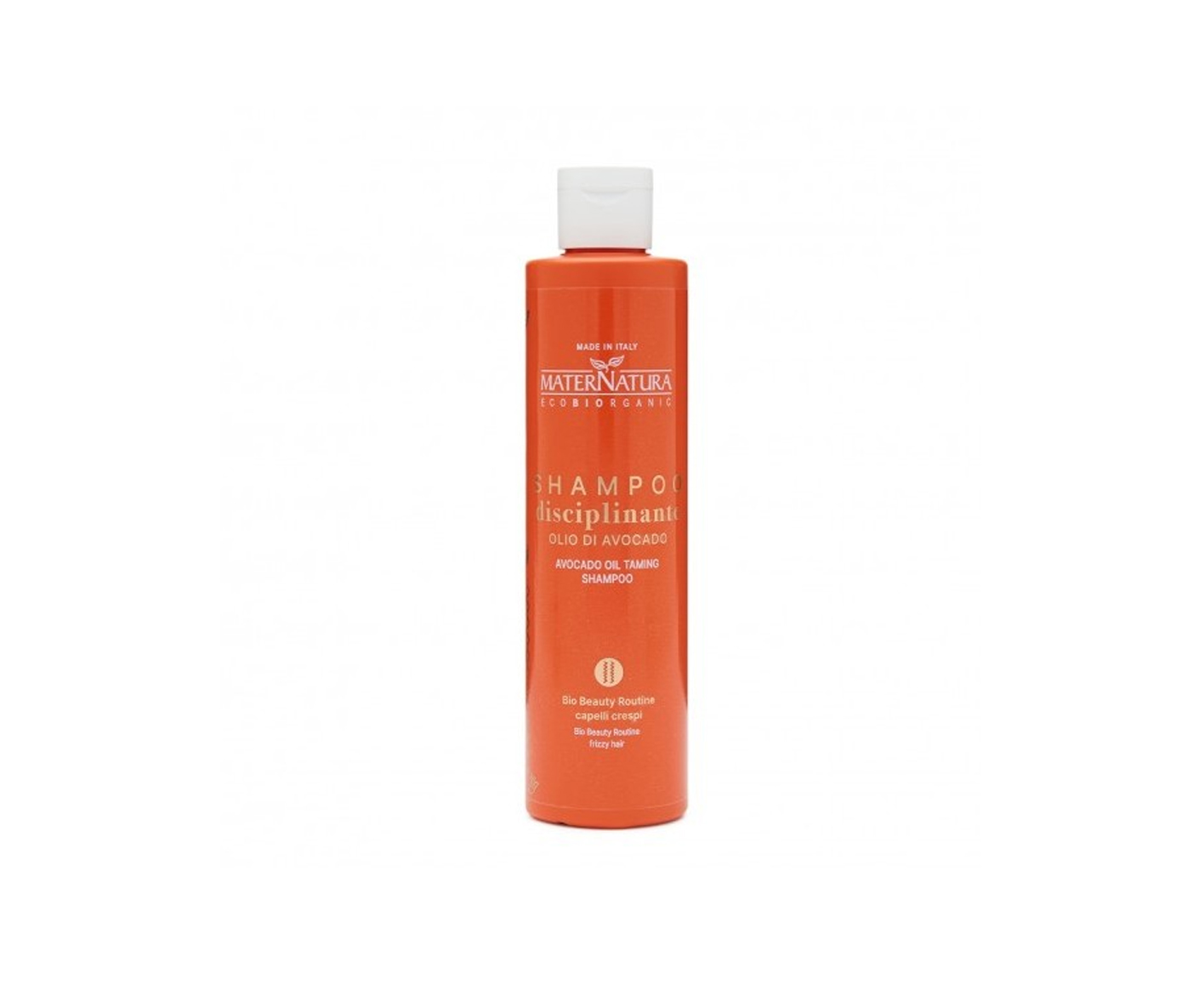
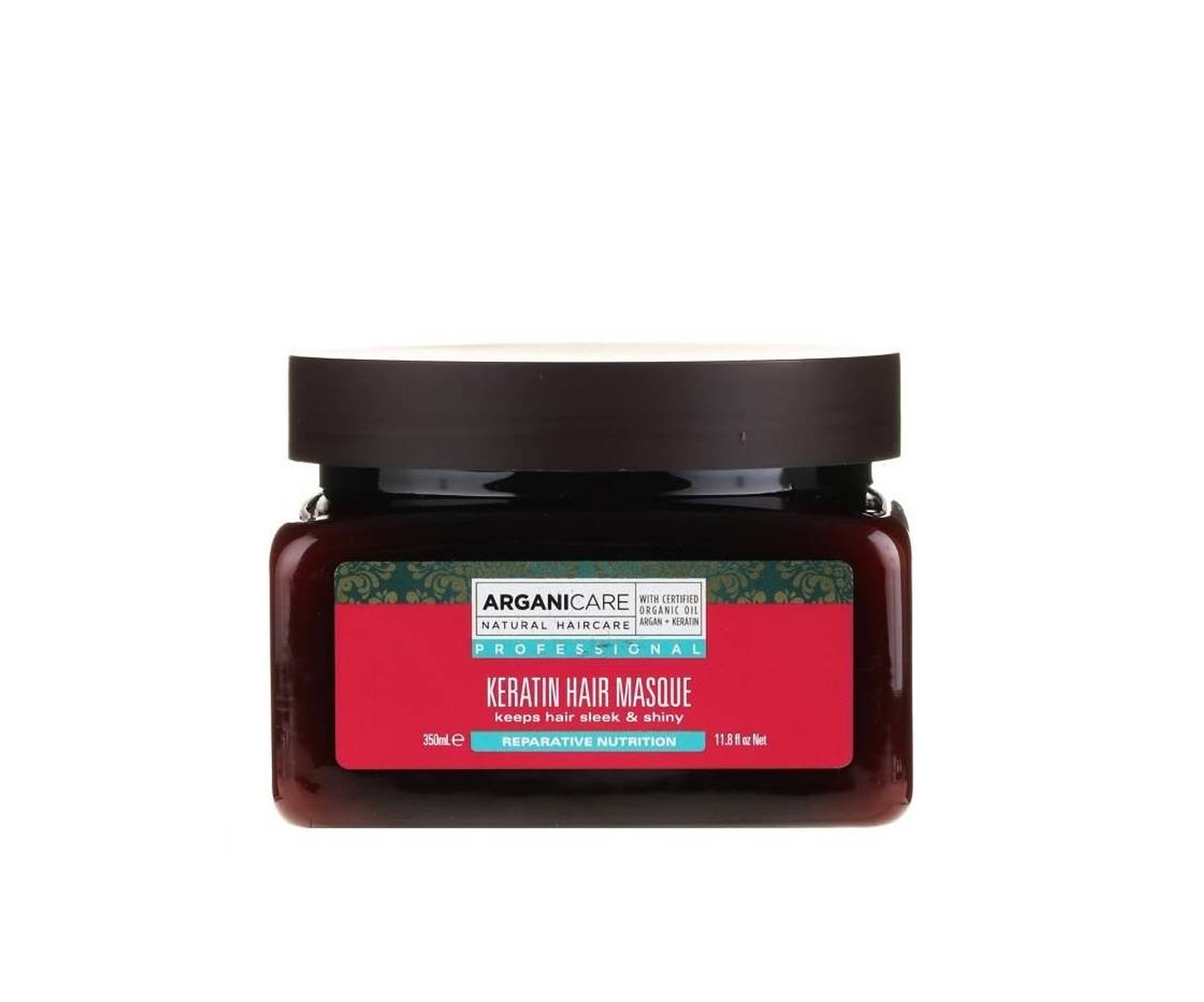
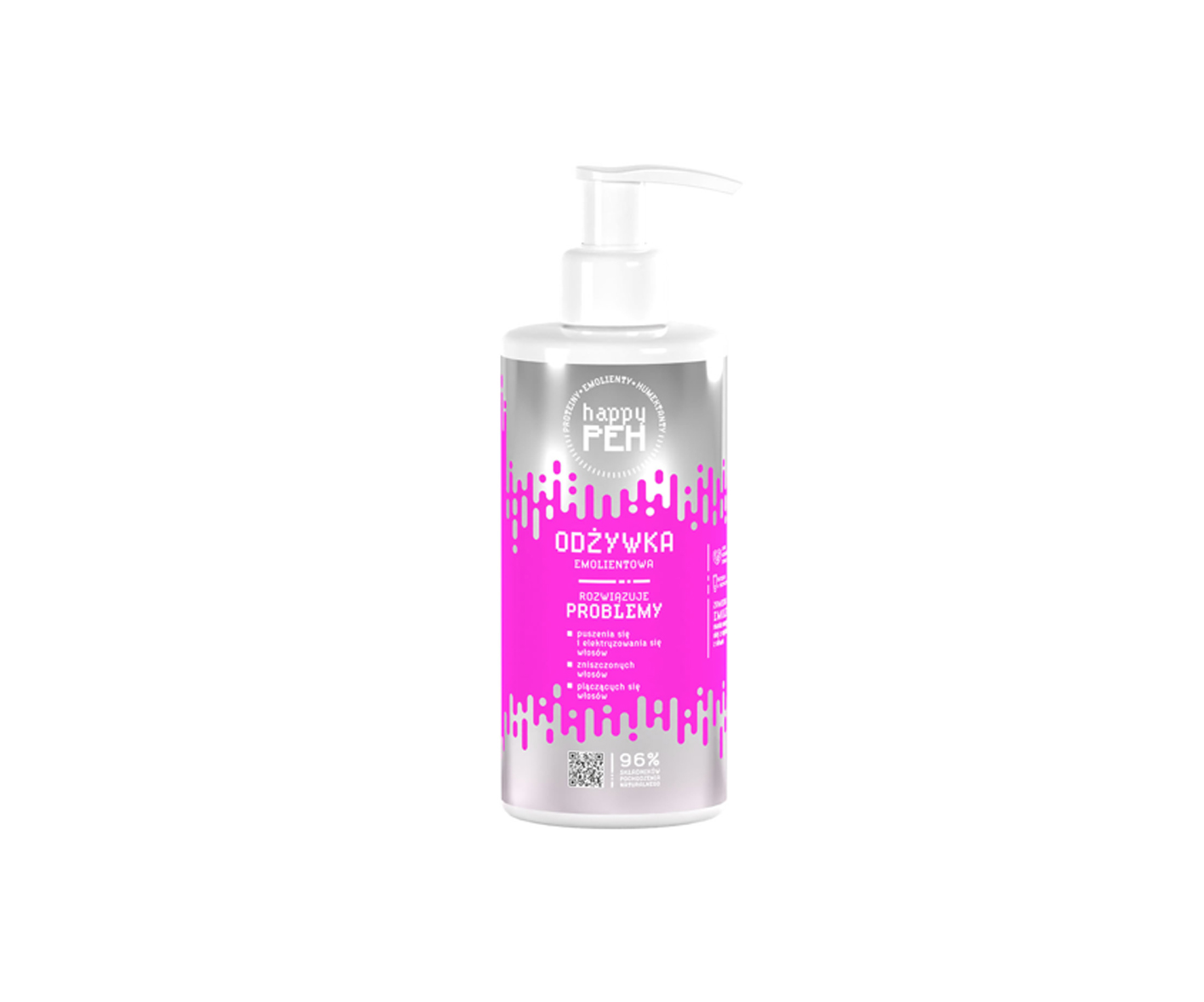
Check out these 5 suggestions of tried-and-tested cosmetics for high-porous hair to give your strands the best care and a glamorous look!
Curly, wavy or straight. Long, short, natural or coloured. What your hair is like is not important. What is important is that it is well-groomed and healthy. And in order to achieve this, it is necessary to care for it properly. However, not all cosmetics are suitable for every hair type. The right choice of ingredients for the specific needs of your hair is the secret to achieving a beautiful look. In this article, you will learn about the porosity of hair and why it is so necessary to adapt hair care products to the individual hair types. You will also learn about the best hair care products for hair with high porosity.
What is hair porosity?
Determining your hair's porosity is essential for tailoring the right hair care products. Only then is it possible to consciously and comprehensively provide your hair with everything it needs. This, in turn, translates into ideal condition and a great appearance.
Hair is characterised by a very complex structure. Their inner part is the root embedded in the hair follicle. The follicle protects the root and is surrounded by a strong network of blood vessels and nerves. The root very much influences the condition and appearance of the hair. The rounded shape of the lower part of the root is the bulb. It contains the nutrients necessary for the hair to be nourished and grow properly.
The outer (visible) part is the stem. It is mainly made up of keratin - a tough fibrillar protein. The hair shaft consists of layers such as:
- - the medullary layer - not present in people with very fine hair. It sometimes contains gas bubbles responsible for the grey colour;
- - cortical layer - the layer surrounding the medulla. It makes up around 80% of the weight of the whole hair. It is responsible for the hair's properties such as elasticity and resilience, as well as its colour;
- - The cuticle - the outer part of the hair shaft, which is made up of keratin scales arranged in a tiled pattern. It is most vulnerable to thermal, chemical or external damage.
Each of these layers is divided into several others. The outermost layer (sheath) has very important functions. It is primarily responsible for protecting the deeper cells from moisture loss. Its job is also to protect the hair from external factors. In order for it to function properly, the cuticles must fit tightly together. This is when the hair is smooth and shiny. The more the scales pull apart, the less tightly bonded the hair is. The porosity of the hair is precisely the degree of tightness.
The hair's porosity refers to its degree of tightness.
- - Low porosity hair - with tight and tightly packed scales. Low porosity hair is smooth and shiny. They do not require much care.
- - Medium porosity hair - the most common and combines the characteristics of low and high porosity hair. Characterised by the fact that it improves quickly with proper care.
- - Highly porous hair - with scales that are very distorted from the cortex. Requires special and appropriate care. They are difficult to style.
What are the special characteristics of very reactive hair?
Highly reactive hair is characterised by very open cuticles, which means that the hair's natural protective barrier is not strong enough. Highly porous hair absorbs substances, but also gives them up quickly. This applies mainly to giving up moisture and nutrients. For these reasons, high porous hair is dull, rough and lacks smoothness and softness. It is often frizzy, tangled and static.
This type of hair is also characterised by high sensitivity and is therefore prone to damage, split ends and breakage. In addition, it is susceptible to mechanical damage and does not do well with hot air styling or invasive hairdressing treatments.
Highly porous hair tends to tangle and is difficult to comb and style. Often this type of hair is experienced by owners/owners of curly or wavy hair.
Highly porous hair can be hereditary or caused by inadequate care that lacks the right ingredients.
How do I care for my hair with high porosity?
As already mentioned, high porosity hair is sensitive and therefore needs special care. Above all, it is important to choose cosmetics with a gentle and mild effect. Shampoo for high-pored hair should not contain strong detergents such as SLS or SLES, and conditioner should not contain alcohols such as denatured alcohol and benzyl alcohol, which can be very drying.
PEH cosmetics, i.e. products that contain the right amount of proteins, emollients and humectants, will work very well for highly porous hair. In order to determine which products bring the best results, it is important to observe the hair and recognise its needs. Providing too much of a particular group of ingredients will have undesired effects just as much as providing too little.
The right hair care products for highly porous hair close the cuticles, smooth and rebuild damaged hair structure. They restore shine, elasticity and bounce in the case of curls. Regular trimming of the ends, avoiding invasive hairdressing procedures and avoiding dryness, for example through prolonged exposure to the sun, are also very important for the care of high porous hair.
Cosmetics for high porous hair - which are the best?
Cosmetics for high porous hair should contain ingredients that aim to intensively moisturise and smooth the hair, as well as thoroughly regenerate it. It is important that they are able to restore the healthy appearance of the hair and also rebuild damaged hair structures.
Based on the type of cosmetic, hair care products for high-pored hair are divided into:
Shampoos - should be based on mild cleansing agents, suitable for daily use. Shampoos with chemical ingredients such as SLS, SLES or parabens should be avoided. Highly porous hair is often dry, so it is important that shampoos contain moisturising ingredients such as natural oils, panthenol or shea butter.
Conditioners - people with high porosity hair should use a conditioner after every wash (as long as it is not a protein conditioner) to nourish, smooth and moisturise. It is good that these cosmetics contain, for example, honey, aloe vera, glycerine, hyaluronic acid, panthenol or urea. For highly porous hair, leave-in conditioners can be used to help tame the hair and leave a protective film on the hair.
Masks - these products are ideal for the care of high porous hair, mainly because they have a stronger nourishing effect than traditional conditioners. Masks often contain a higher proportion of active ingredients. As well as moisturising, high-pored hair also needs a protein treatment. For such treatments, wheat protein hydrolysate, for example, is a very good ingredient. However, it is important to remember that too much protein is not good for the condition of the hair, as it can cause, for example, dryness or breakage. In this case, you should leave out the proteins and additionally moisturise your hair. This also applies to protein-based conditioners.
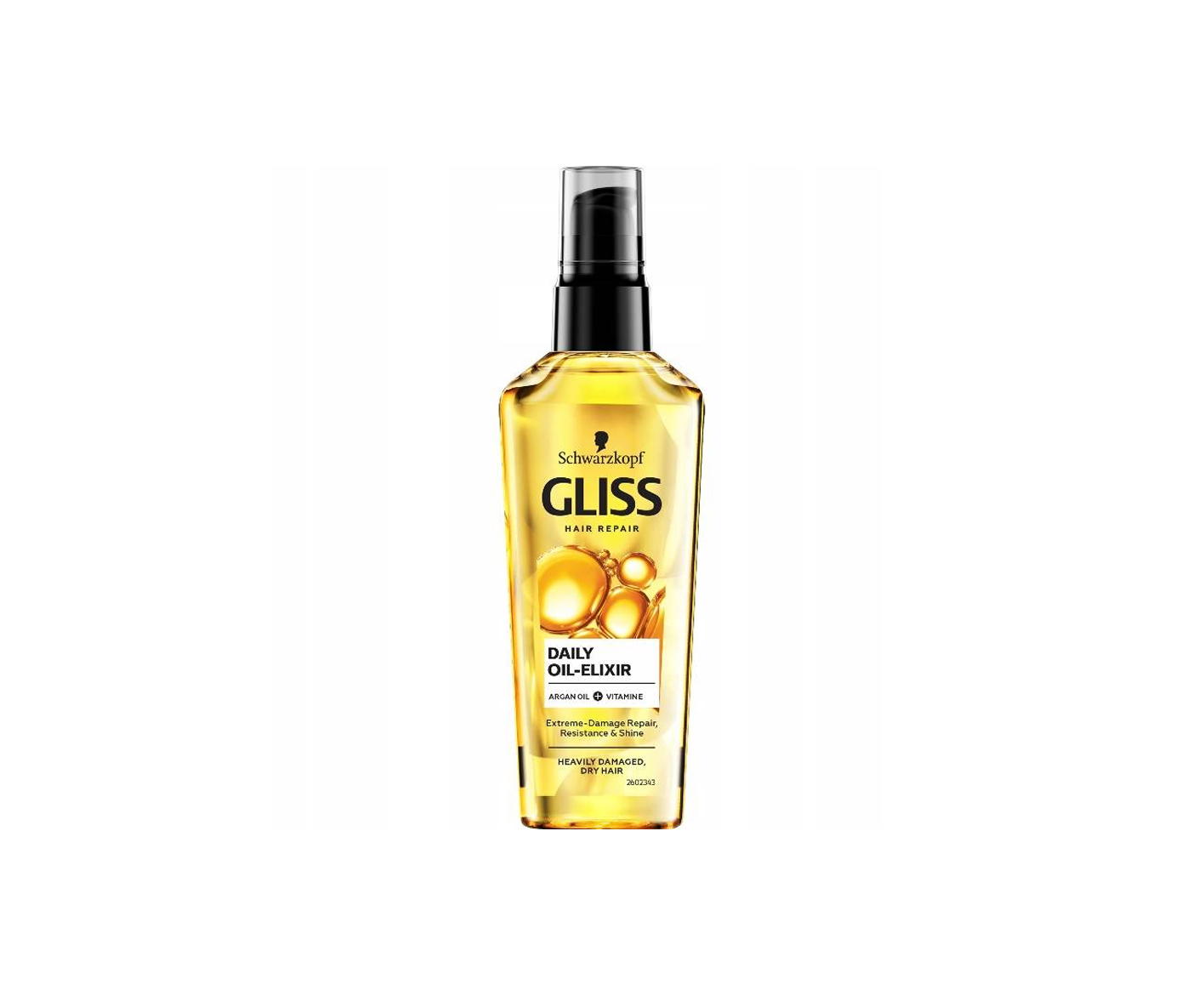
Oils - oiling your hair is a treatment that is particularly needed for highly porous hair. Oils make hair less susceptible to external factors and dryness. In addition, using oils makes it easier to comb, prevents static and smooths the hair. On the other hand, oiling the ends prevents split ends. Such properties are demonstrated by olive oil, avocado oil, hemp oil and jojoba oil, among others.
What are the effects of using cosmetics for highly porous hair?
Regular use of cosmetics for high-pore hair will first of all moisturise and nourish the hair. The use of hair care products for high-pored hair will keep the hair from becoming tangled, frizzy or static, making it easier to comb, style and maintain.
The use of protein in the care of high porous hair will not only regenerate and strengthen the hair, but also improve the natural curl pattern, making curly hair bouncy and soft.
Key ingredients in hair care products for high-pored hair
The key ingredients in hair care products for high-pored hair are to close the cuticles, repair damage and prevent frizz, and to intensely moisturise the hair. The following ingredients have these properties and should therefore be sought out in products for high-pore hair.
- Proteins: Strengthen and regenerate fine hair. Silk, collagen, keratin, elastin, wheat and soya proteins are most commonly found in cosmetics. However, it is important to use these ingredients in moderation, as excess proteins can cause tangles and brittleness in the hair.
- Vegetable oils: Oils such as jojoba oil, argan oil, hemp oil and coconut oil are good sources of lipids that help to keep hair supple, moisturised and protected.
- Plant extracts: Aloe vera, urea, calendula or chamomile have moisturising and smoothing properties for the hair. They have a soothing effect on the scalp and also help to retain moisture in the hair.
- Ceramides: Help rebuild damaged hair structure.
- Shea butter: It is rich in fatty acids and moisturisers, making it effective in moisturising and softening high-porosity hair.
- Hyaluronic acid: Helps maintain moisture levels by retaining water in the hair
- Panthenol (pro-vitamin B5): Has strong moisturising properties and improves hair elasticity and resilience.
Benefits
The use of cosmetics for high porous hair has many benefits for the health and appearance of the hair. The most important are:
- Reconstructing and regenerating the hair.
- Prevention of frizz and static.
- Intensive hydration of the hair.
- Protection against moisture loss.
- Softening and smoothing the hair strands.
- Enhancement of the natural curl pattern.
- Protection against damage and external factors.
- Increasing the shine of the hair.
- Facilitating styling and detangling.
- Prevention of split ends.
- Pleasant to use.
Disadvantages
Although there are many benefits to using cosmetics for high-pore hair, there are also disadvantages to using them. Here are some examples:
- Excessive use can weigh hair down.
- The possibility of allergic reactions to certain ingredients.
- Improper selection of ingredients.
- Incorrect proportions of ingredients.
How do I use products for high-pore hair?
The use of cosmetics for high-pore hair depends mainly on the type of product and the individual needs of the hair. Here are some important tips on how to use these cosmetics.
Shampoos:
Wet your hair before applying shampoo. Place a small amount in the palms of your hands and work it into your scalp, massaging it gently for a few minutes. Afterwards, rinse with lukewarm water. It is best to use shampoo for high porous hair every 2-3 days. However, the frequency depends on the manufacturer's guidelines or your personal preference.
Conditioners:
When using conditioners for high porous hair, it is a good idea to follow the OMO method, i.e. nourish-wash-nourish. This prevents some of the active ingredients in the shampoo from adversely affecting the condition of your hair. Apply conditioner to the ends of your hair as a first step - don't rinse it out! Then wash your hair with your favourite shampoo. After rinsing out the conditioner, apply it again and after a few minutes rinse it out with lukewarm water. Use conditioners for highly porous hair after every wash. Protein conditioners are an exception, as they are recommended to be used every 2-3 washes.
Masks:
Apply the High Porosity Hair Mask to previously shampooed hair. Distribute the mask throughout the length of the hair. Do not apply to scalp. Keep the mask on your hair for approx. 20 - 30 minutes. You can place a special cap or warm towel over your head. This will allow the active ingredients to penetrate the deep layers of the hair structure. You can use the mask depending on the condition of your hair. If it is very dry and damaged, use the mask even several times a week, e.g. interchangeably with conditioner.
Oils:
Use hemp oil, linseed oil or grape seed oil to oil highly porous hair. You can apply oil to dry hair or to wet hair.
Dry oiling will help tame the hair, make it easier to comb and ensure velvety smoothness. In this case, apply the oil all over your hair (you can use a comb) and leave the product on your hair for no less than 30 minutes. If your hair is very dry, you can leave the oil on overnight. If your hair is very dry, you can leave the oil in your hair overnight, but make sure to protect your bedding and use a shower cap 1-2 times a week.
You don't need to wash your hair to use wet oil, just soak it in lukewarm water. Then towel off any excess water and apply the oil. As with the dry oiling method, apply the product to the entire length of your hair. After a minimum of 30 minutes, rinse out the oil with lukewarm water.
When using products for highly porous hair, make sure to rinse all products with lukewarm, not hot, water. This will close the cuticles and prevent frizz. Avoid blow-dryers, flat irons and curling irons. Highly porous hair, due to its sensitivity, very much dislikes hot air styling.
Observe how your hair reacts to each ingredient when using products for high porous hair. Adapt the proportions to your hair's needs.
Always carefully read and follow the manufacturer's instructions on how and how often to use a particular product.
What to look out for when choosing cosmetics for high-pore hair?
When choosing cosmetics for high porous hair, pay attention to a few important factors to ensure that the product will meet all your hair's needs.
Ingredients: Always read the labels of cosmetics. Make sure they do not contain any harmful substances such as SLES, SLS, silicones, parabens or sulphates.
Fragrance and texture: Choose a cosmetic in your favourite scent. The huge selection of products will make this task easier for you. You can also adjust its consistency to your preference. Some people prefer lighter formulas, while others prefer thicker ones.
Reviews and feedback: Read reviews of a particular cosmetic to find out what other people's experiences of using it are. This can provide valuable information on the actual effectiveness of the cosmetic.for high-pored hair.
Discover the top 5 best cosmetics for high porous hair in 2026
When creating our product reviews, we consider the ingredients and research their safety. We analyse the opinions of industry experts and the experiences of product users. We obtain recommendations from authorised retailers and use available sources of knowledge on active ingredients and their effects. We personally verify the action, texture, scent and feel of the products, and assess value for money.
Below are detailed reviews by our editors with a description of each product indicated.