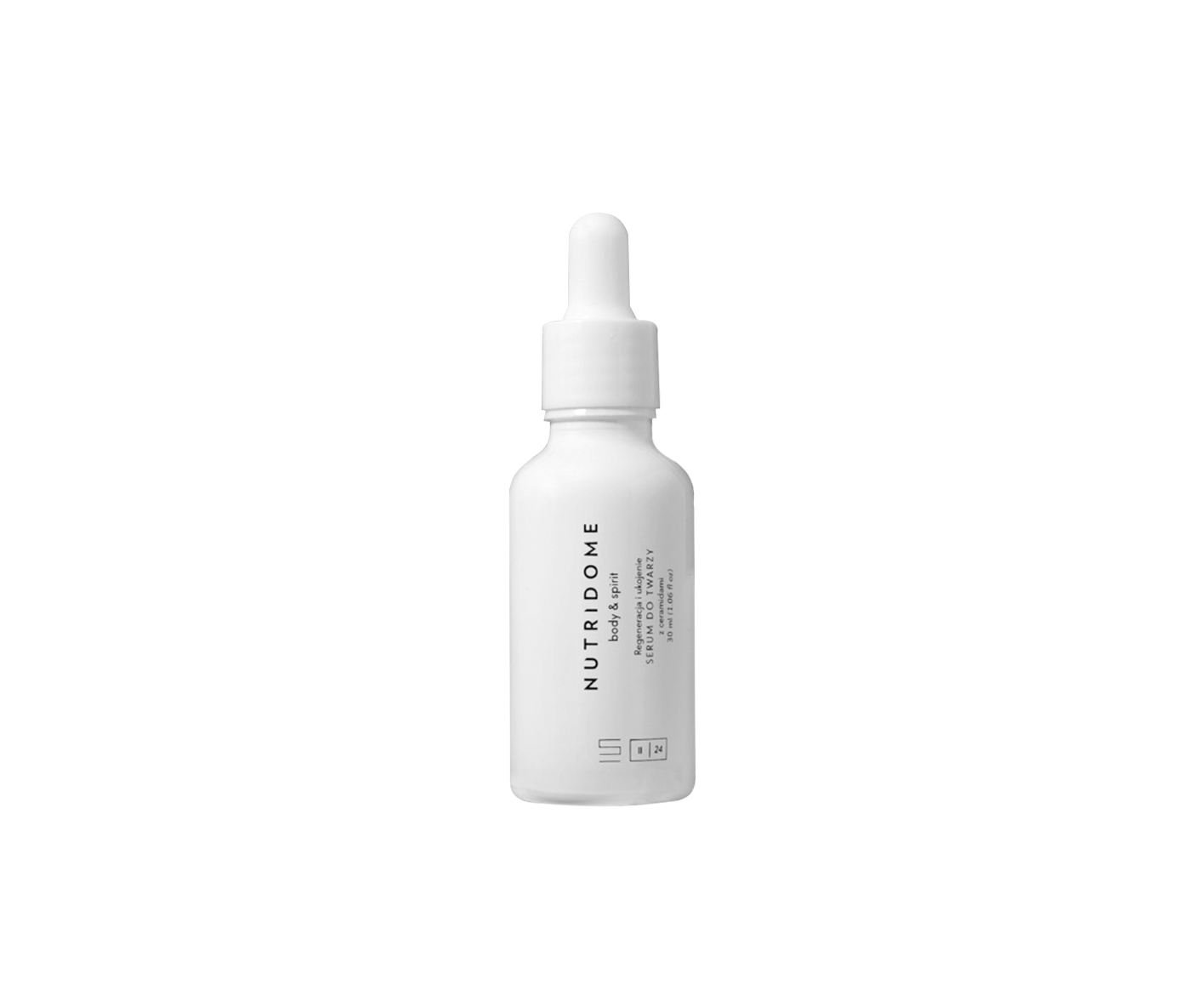
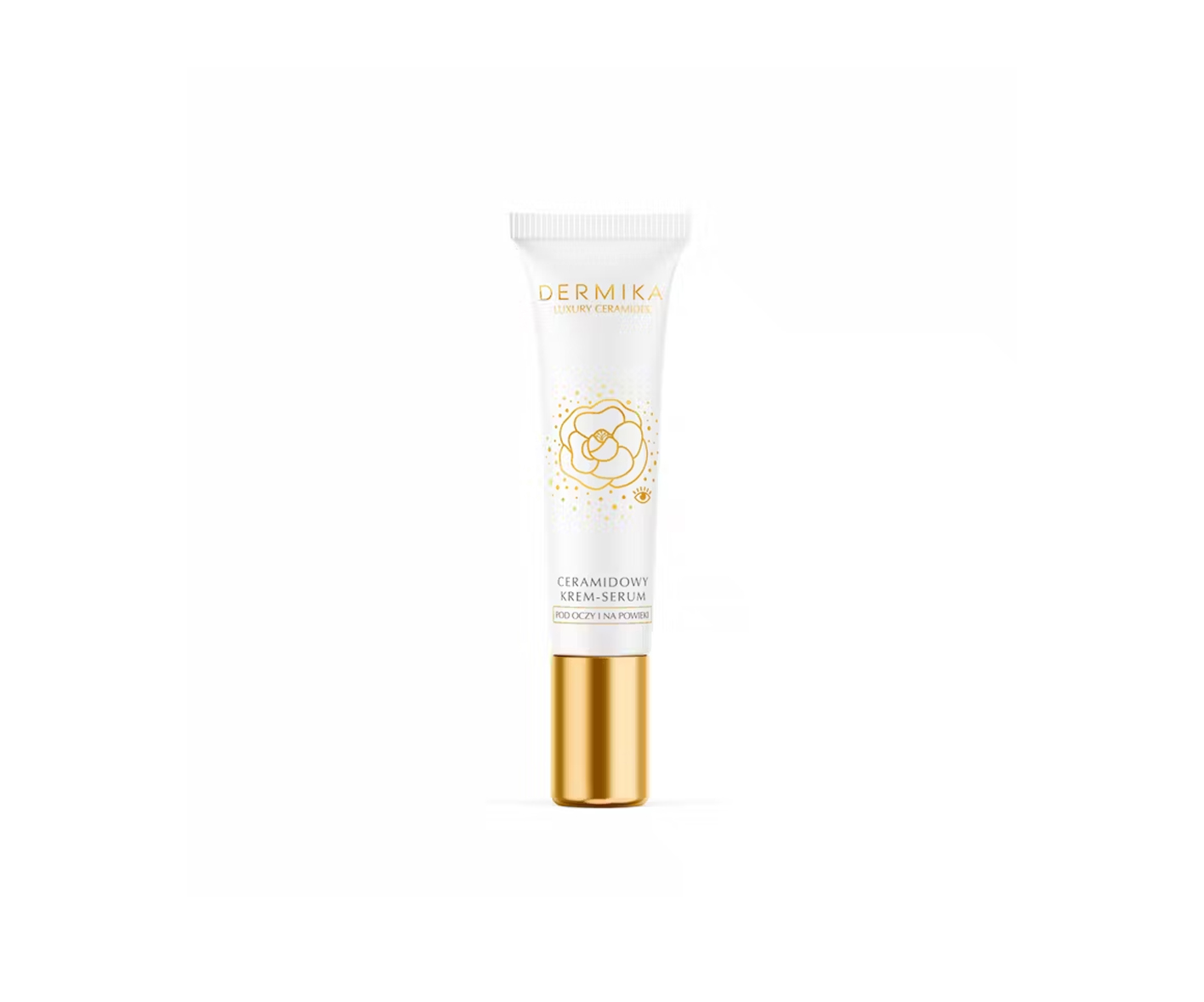
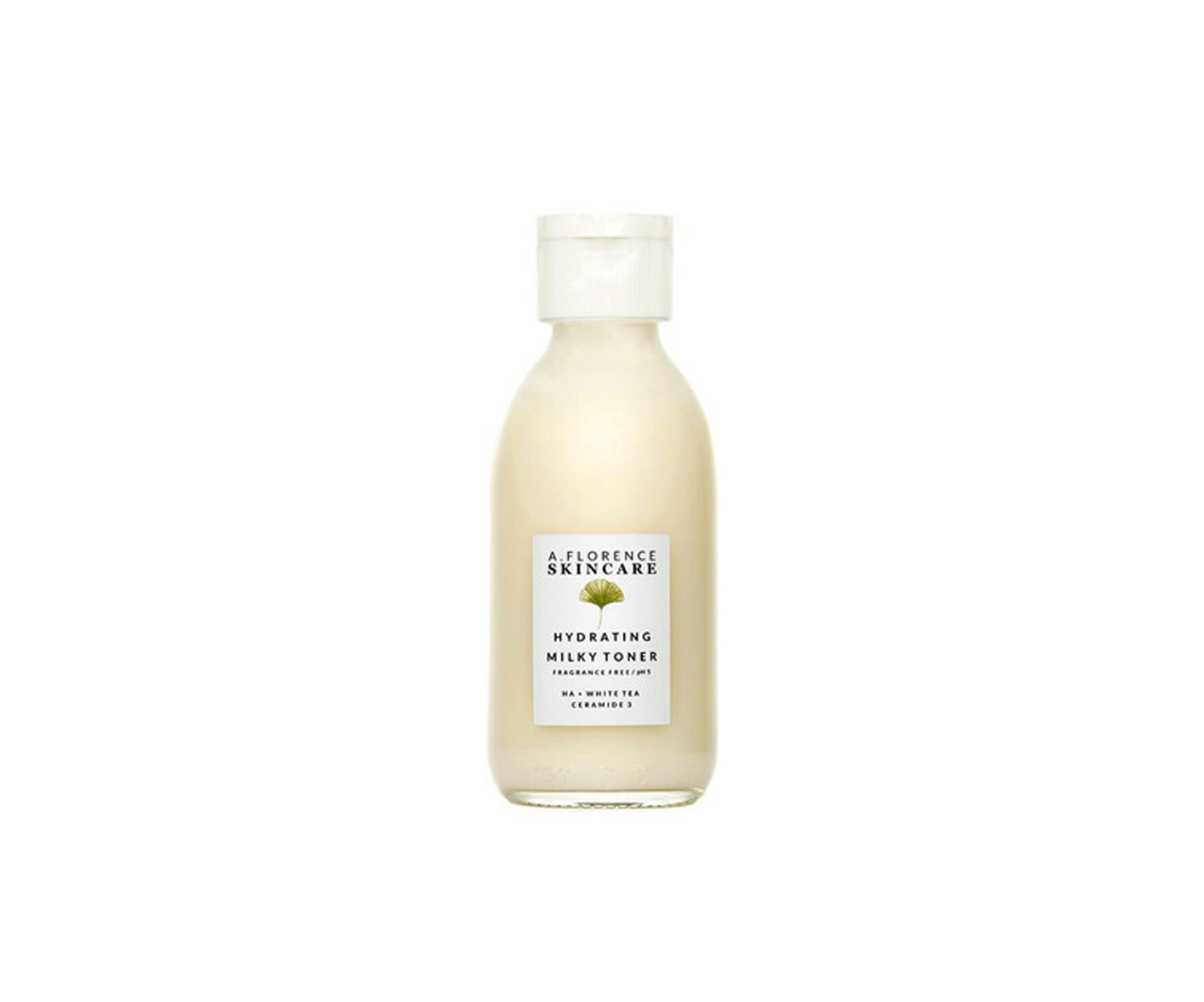
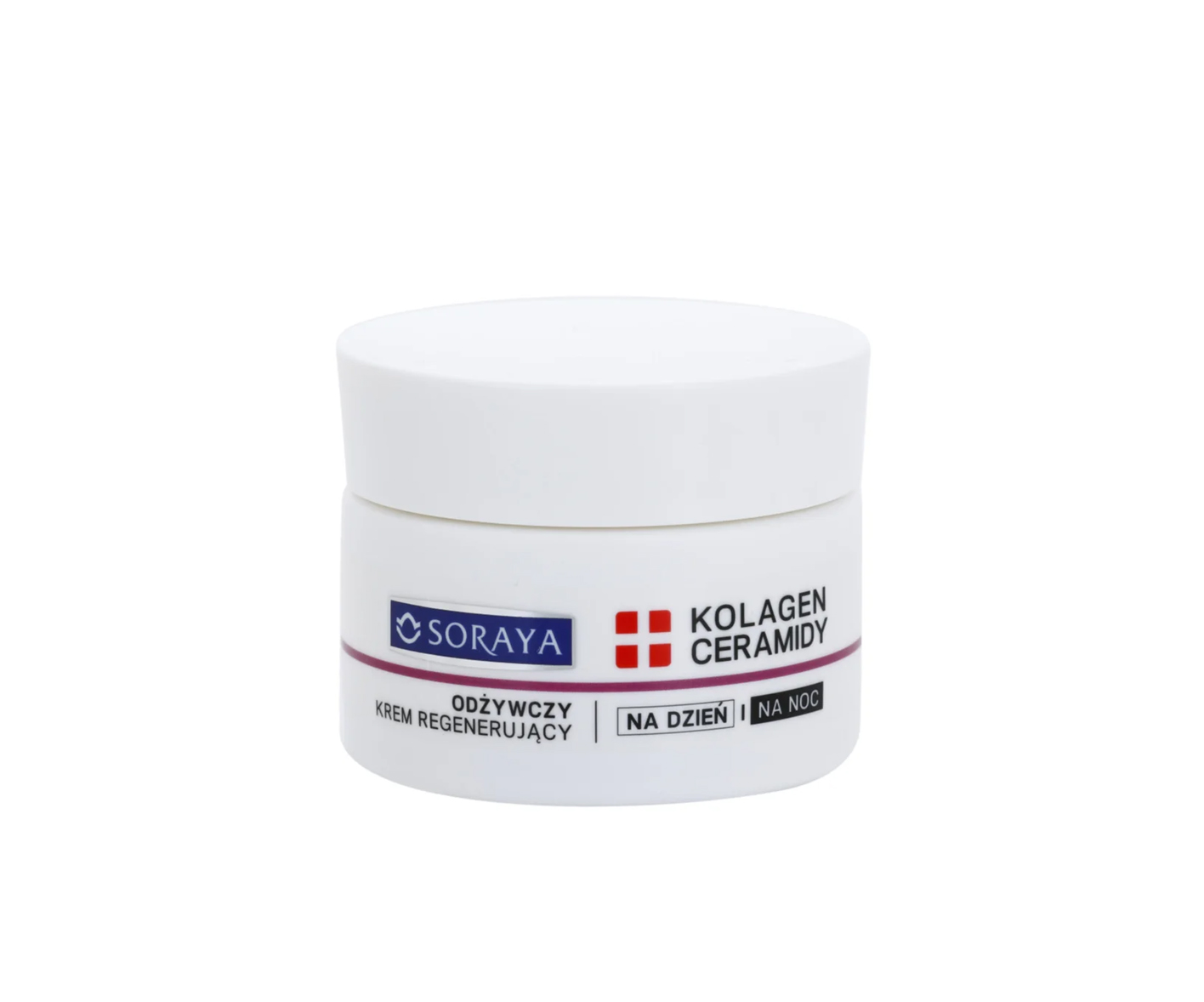
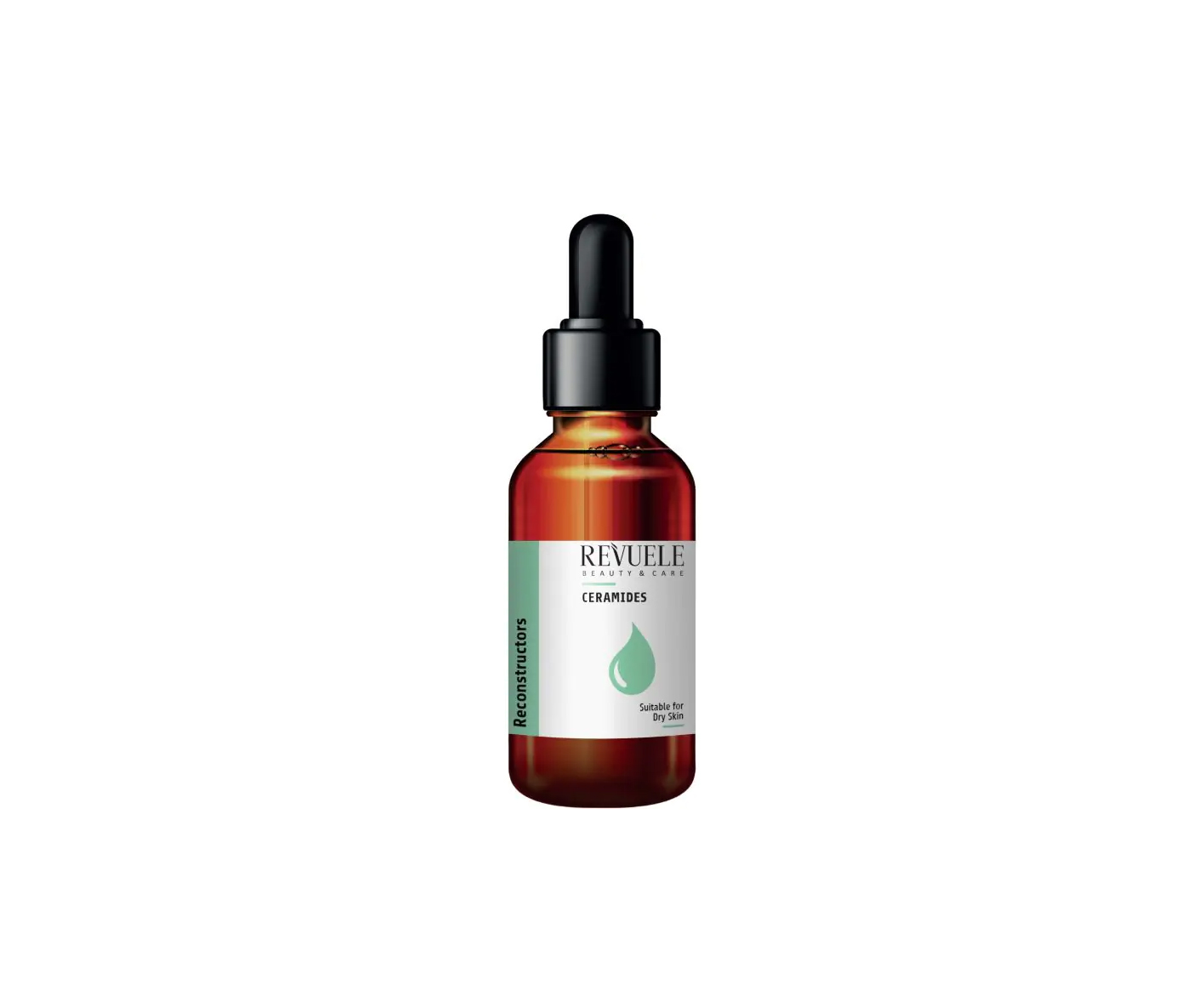
Discover the 5 ceramide suggestions for skin care to enjoy a beautiful, healthy and dazzling appearance!
As the body's largest organ, our skin performs many extremely important functions in the body. Among the most important are protection against external factors, mechanical damage and water loss from the epidermal layers. The skin contains many substances, components and structures that have a direct effect on the condition and appearance of the skin. Ceramides, which are produced in the epidermis, are one such element. In this article, you will learn exactly what ceramides are, their importance for the condition of the skin and how to use them in daily skin care.
Structure of the skin
The skin consists of three layers: the dermis, the epidermis and the subcutaneous tissue.
The dermis is the thickest layer of the skin. It is very resilient and tough. It is between 1 and 3 millimetres thick. It contains blood vessels, sebaceous and sweat glands, numerous dermal papillae, the adductor muscle, the hair bulb and nerve endings. The dermis consists of layers:
- papillary with an undulating structure containing dermal papillae,
- reticular, which contains collagen and elastin fibres responsible for the skin's firmness, elasticity and strength.
The subcutaneous tissue is located beneath the dermis. It consists mainly of adipose and connective tissue. Functions of this layer include thermal insulation, energy reserve and protection of internal organs.
The epidermis consists mainly of living cells called keratinocytes. During a process called keratinisation, these cells gradually transform to form different layers with distinct characteristics. In the structure of the epidermis, the following layers are distinguished:
* basal layer;
* spinous layer;
* granular layer;
* stratum corneum.
The basal layer is responsible for the initial differentiation of keratinocytes and the differentiation of cells of the spinous layer.
The spinous layer is also known as the living Malpighi layer. It is made up of cells linked to each other by proteins (desmosomes). Within this layer, the cells gradually flatten and move upwards.
The stratum granulosum is responsible for the maturation of keratinocytes, which are flattened by up to 30 times.
In the stratum corneum, 3 additional layers can be distinguished:
* light layer - appears only in the palms and on the heels;
* compact layer - is the actual stratum corneum;
* disconnected layer - is subject to regular exfoliation.
The stratum corneum is made up of dead cells - corneocytes. Exfoliation of the stratum corneum occurs every 1-2 weeks and the keratinisation process lasts approximately 1 month.
The epidermal cells adhere tightly to each other, but there is a microscopic space between them, which is filled with a mixture of lipid substances. It consists of:
- Ceramides - make up about 40% of the lipid substance, their main component being essential fatty acids (EFAs), especially linoleic acid and linolenic acid. Ceramides protect against excessive water loss and help maintain a high level of epidermal hydration;
- cholesterol sulphate;
- natural moisturising factor (NMF), which consists mainly of amino acids, lactates, mineral ions and sugars.
The quality and adequate level of these important substances can be maintained through a hygienic lifestyle, especially a proper diet and regular and appropriate skin care.
Ceramides - what are they and how do they work?
Ceramides are the skin's natural lipid component, produced in the stratum corneum and stored in fat cells. Ceramides are commonly referred to as the intercellular cement, as they act as a water-lipid barrier that protects the skin against water loss and improves water absorption, which translates into adequate skin hydration. Ceramides promote the reconstruction of the epidermis weakened by harmful external factors in order to restore the skin's natural barrier function and thus prevent the appearance of skin problems or conditions.
The most important task of ceramides is to prevent transepidermal water leakage from the epidermis (TEWL), in other words, to prevent dryness and dehydration of the skin and the deterioration of its condition and appearance.
Other important tasks of ceramides include:
* creating a protective barrier for the skin against harmful external factors such as UV radiation, adverse weather conditions and sudden temperature changes,
* maintaining an appropriate level of elasticity of the stratum corneum,
* counteracting excessive exfoliation of dead skin cells,
* slowing down the appearance of the first signs of skin ageing.
Ceramide types
There are 7 types of ceramides in the stratum corneum. These are: ceramides 1, 2, 3, 4, 5, 6I and 6II. In cosmetic formulations, they are most frequently found under the namesCeramide EOP, Ceramide NG, Ceramide NS, Ceramide NP, Ceramide AS, Ceramide AP, Ceramide EOS.
The main building blocks of ceramides are essential fatty acids. Ceramides present in cosmetics are closest in structure and structure to the naturally occurring ceramides in the skin: ceramide 1 - EOP, ceramide 3 - NP and ceramide 6-II, i.e. AP. Ceramide 1 is particularly important as it has the ability to bond with the adjacent lipid layer. This makes it "bond" the epidermal cells even more strongly. Ceramide 6-II, on the other hand, contains phytosphingosine, which rebuilds the damaged skin barrier and has an anti-inflammatory effect. Ceramides are high-value ingredients that are active and effective even in low concentrations.
Ceramide deficiencies
Unfortunately, ceramides decrease with age. Their declining levels are also influenced by stress and the adverse effects of external factors such as UV radiation or sudden temperature changes. In women, menopause and the hormonal changes associated with it are responsible for a decrease in ceramides.
In addition, disturbed ceramide levels can be caused by the use of inappropriate skincare products with irritant substances. Decreased levels of ceramides are also associated with the occurrence of inflammatory skin conditions such as atopic dermatitis, acne, psoriasis or skin allergies.
The most common symptoms of ceramide deficiency include:
* sallow skin lacking in radiance,
* excessive dryness,
excessive dryness, * flaking of the epidermis,
* irritation,
* reduced skin firmness and elasticity.
It is therefore very important to replenish ceramides. This prevents excessive dehydration and peeling of the skin. Fortunately, it is possible to supply the skin with essential ceramides by introducing cosmetics containing these irreplaceable and valuable ingredients into the skincare routine.
Ceramides in cosmetics
Ceramides of animal, synthetic and plant origin are currently used in the cosmetic industry. They influence the condition and improve the protective function of the skin. Plants, for example, produce a diverse group of sphingolipids, also known as phytoceramides. They can be found in cereals, rice, maize, potatoes, sweet potatoes and soya, among others. Plant ceramides and those in human skin are very similar in their chemical structure
Ceramides in cosmetics and dermocosmetics are used primarily to prevent and treat dry skin. Ceramide deficiency compromises the natural water-lipid barrier of the epidermal layer and thus leads to excessive dehydration.
Replenishing ceramide levels is therefore a key element in improving the condition of dry, sensitive and irritation-prone skin. Products based on ceramides are cosmetics with intensive nourishing and regenerating effects, designed to counteract excessive water loss. Their regular use contributes to the reconstruction of the protective barrier that protects the skin from harmful external factors and thus ensures its health and beautiful appearance.
Ceramides - for whom are they intended?
Ceramides are suitable for all skin types. They are suitable for dry, sensitive, mature and even atopic skin types. Due to the fact that ceramides are effective in retaining water in the epidermal layers of the skin, they should be introduced into the daily skincare routine, especially for people with dry and sensitive skin, but also for those prone to irritation.
People with mature skin will also benefit from the valuable properties of ceramides supplied in cosmetics. Ceramides effectively improve skin firmness, increase its elasticity and reduce wrinkles.
Cosmetics with ceramides are known for their anti-inflammatory and soothing properties. For this reason, they are often used as an antidote for inflammatory skin diseases such as acne, psoriasis and atopic dermatitis (AD). Introducing them into the care of atopic skin seals the stratum corneum, improves regenerative processes and relieves the itching, dryness and irritation that are bothersome symptoms of this condition.
For those using retinol or AHA/BHA acid treatments, a cream with ceramides will bring soothing and necessary hydration to the skin. By sealing the skin, ceramides will reduce the skin's susceptibility to irritation and dryness and accelerate its regeneration and reconstruction.
A major advantage of cosmetics with ceramides is that they do not enter into any undesirable reactions with other active ingredients. Therefore, they can be incorporated into daily skincare routines without fear.
Cosmetics with ceramides are available in the form of face and body creams, face serums, scalp and hair care preparations, lip balms, hand creams and even nail conditioners.
Advantages of using cosmetics with ceramides
The use of cosmetics with ceramides brings countless benefits to the skin. Here are the most common ones:
-
Strengthening the skin's protective barrier.
- Intensive moisturising of the skin.
- Prevention of water loss from the skin layers.
- Regeneration and nourishment of the skin.
- Anti-ageing of the skin.
- Soothing irritation.
- Supporting the treatment of acne, atopic dermatitis and other inflammatory conditions.
- Reconstructing the skin after dermatological treatments.
- Ease of application.
Disadvantages of using cosmetics with ceramides
Although the use of cosmetics with ceramides is safe and beneficial for the skin, there are also several disadvantages to their use. The following are examples:
- Regularity of application.
- High costs.
- Possible allergic reactions to other ingredients in cosmetics with ceramides.
How to use ceramides?
Cosmetics with ceramides are intended for daily care. They do not react with other ingredients in cosmetic products and are safe to use for all skin types. They may differ in the way they are applied depending on the formulation (face serum, face cream, body lotion). However, there are several rules for their application that are very similar to the use of other types of skincare cosmetics:
Cosmetics with ceramides should be applied to clean skin. Gentle cleansers or toners can be used for this purpose. In the case of body lotion with ceramides, it is best to use it after bathing.
Apply the cosmetic according to the manufacturer's instructions on the packaging and then wait for it to be absorbed.
If using a facial serum, apply your favourite cream after it has been absorbed. Ideally, it should also contain ceramides to enhance the moisturising and nourishing effect on the skin.
Use cosmetics with ceramides systematically to maintain their correct level in the skin. The effects of ceramides may only be visible after some time of regular use.
What should I consider when choosing cosmetics with ceramides?
When choosing cosmetics with ceramides, there are several key factors to consider:
Amount and type of ceramides in the formulation: the more ceramides in the formulation, the better. Choose cosmetics with ceramides that are closest in structure and structure to those naturally found in the skin. These include AP, NP and EOP ceramides. Also pay attention to other cosmetic ingredients such as hyaluronic acid, vitamins or plant extracts, which will enhance the action of ceramides.
Skin type: Always choose cosmetics adapted to your skin type and the problems you want to eliminate.
Reviews and opinions: Read other people's reviews and opinions on a particular product. The experiences of other users are a valuable source of information on the actual effectiveness of a cosmetic.
Convenience of application: Choose cosmetics whose application will not be problematic or negatively affect the product's performance.
Discover the 5 best ceramides for skincare in 2026
When creating our product reviews, we consider the ingredients and research their safety. We analyse the opinions of industry experts and the experiences of product users. We obtain recommendations from authorised retailers and use available sources of knowledge on active ingredients and their effects. We personally verify the action, texture, scent and feel of the products, and assess value for money.
Below are detailed reviews by our editors with a description of each product indicated.