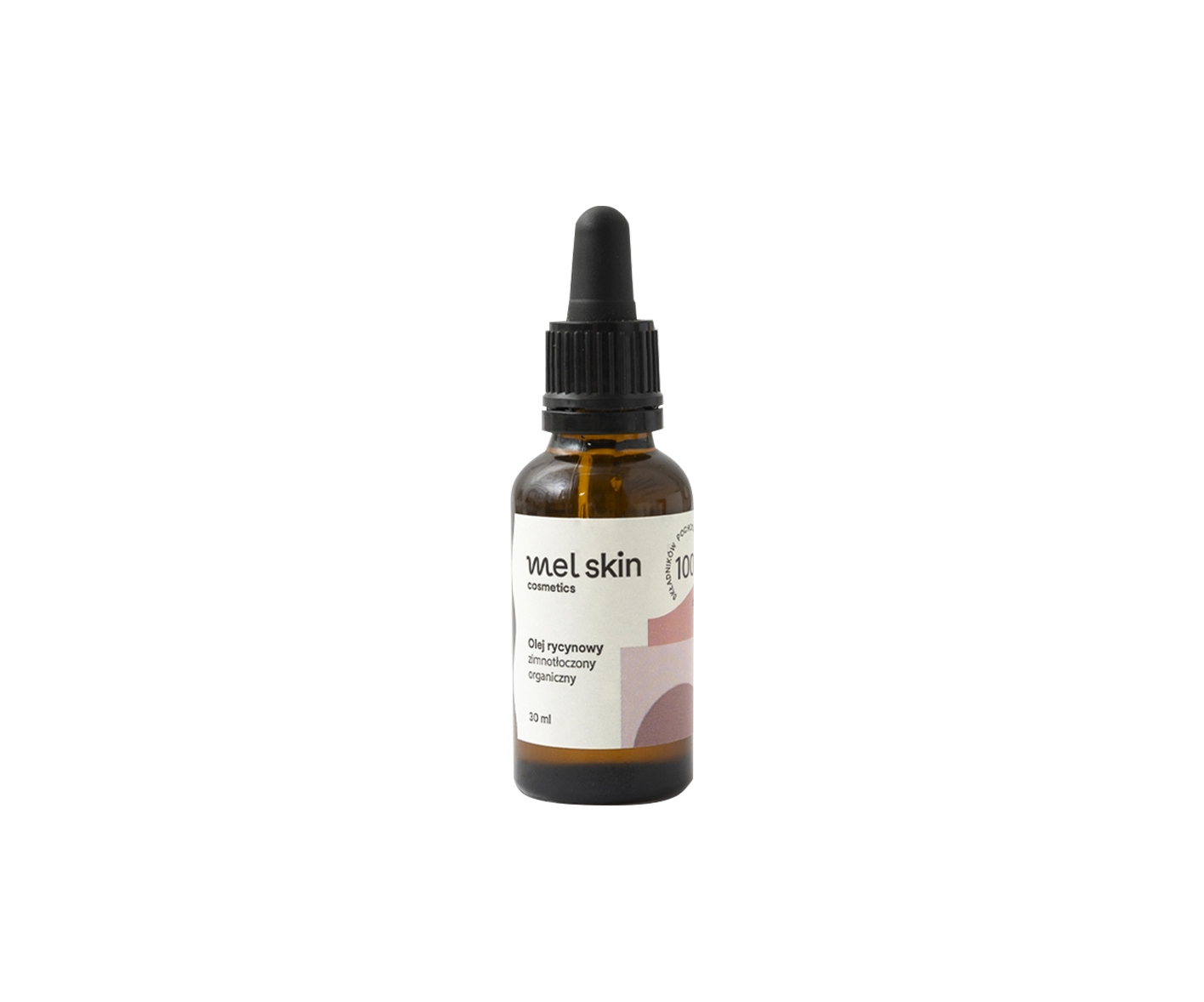
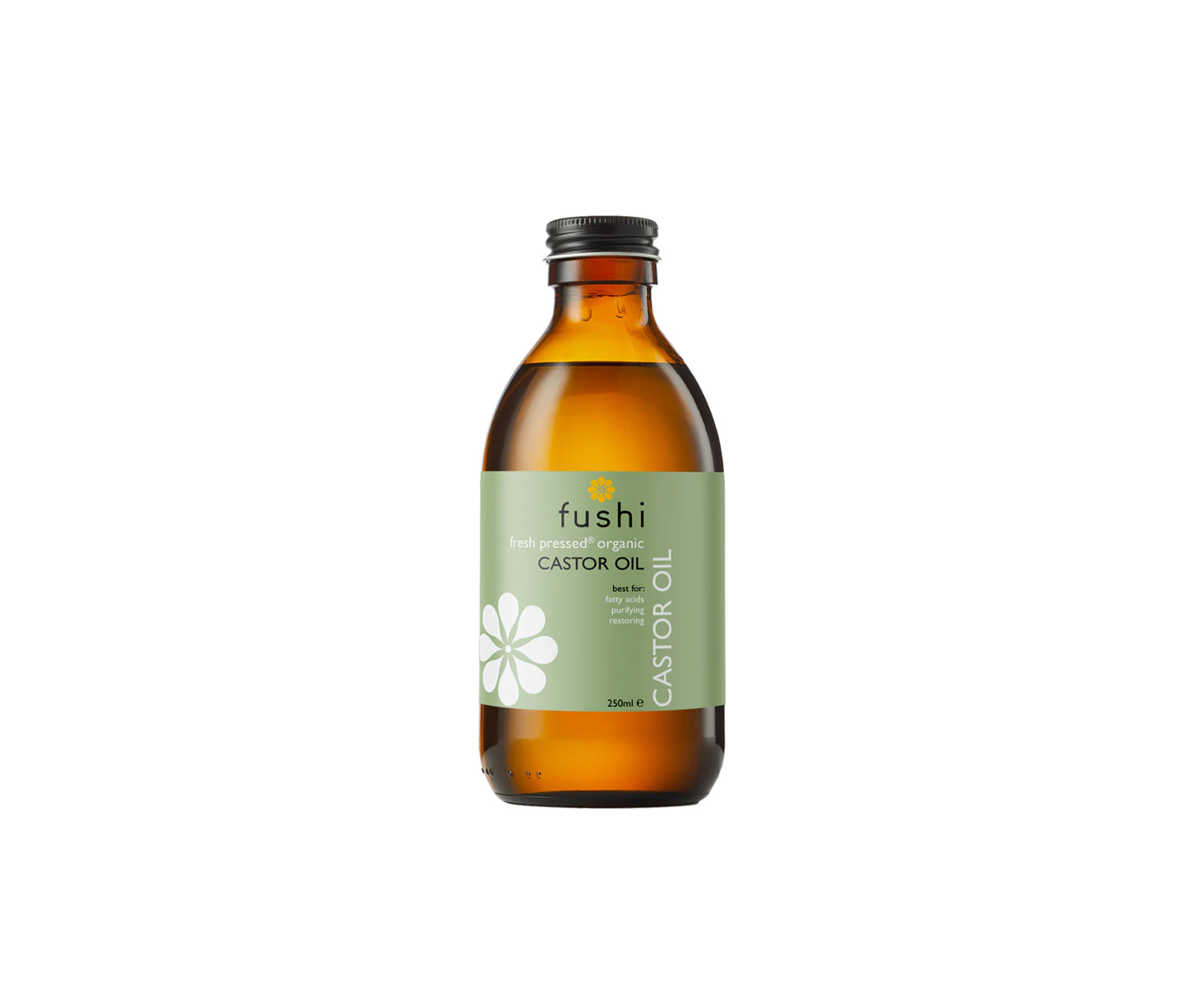
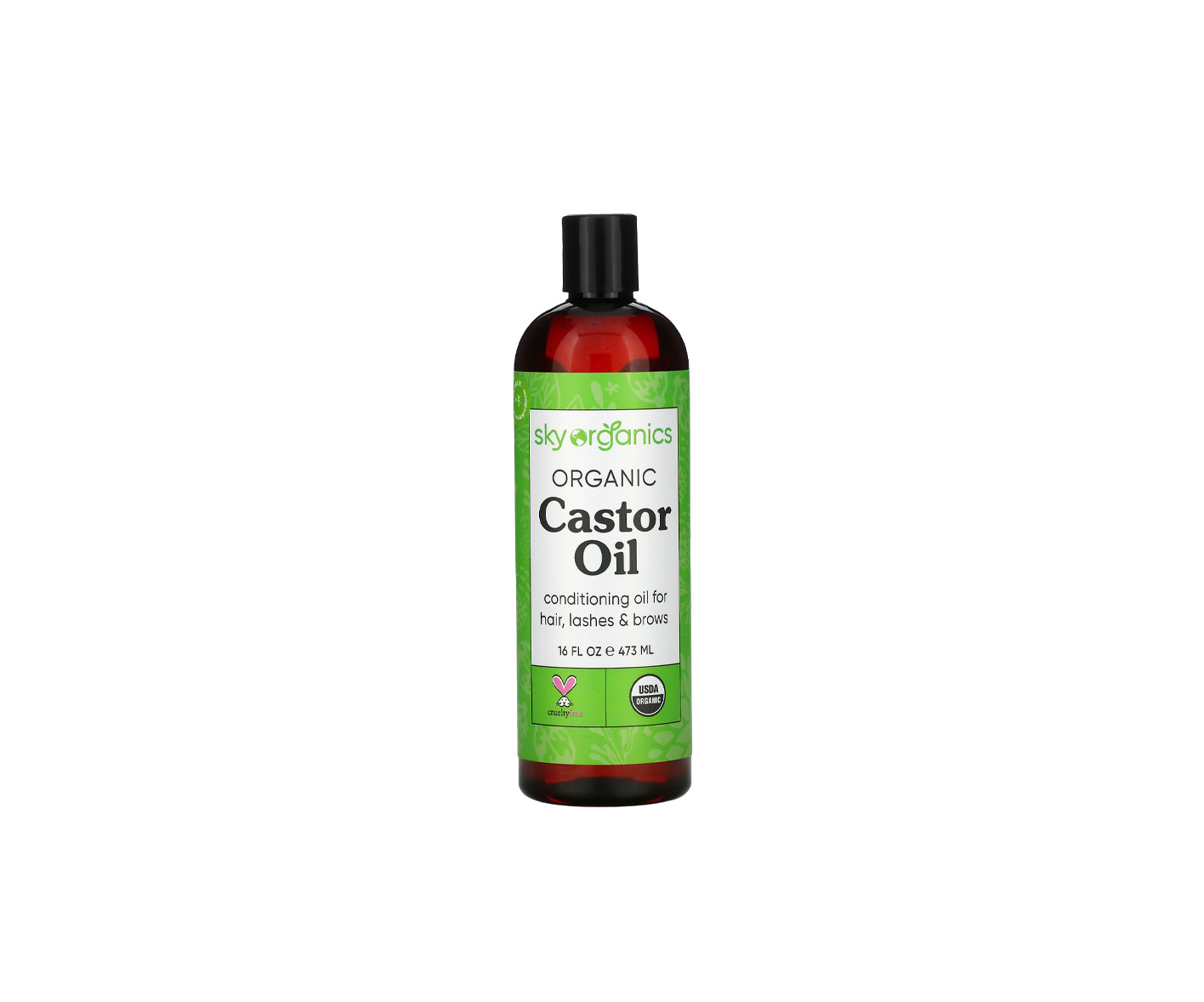
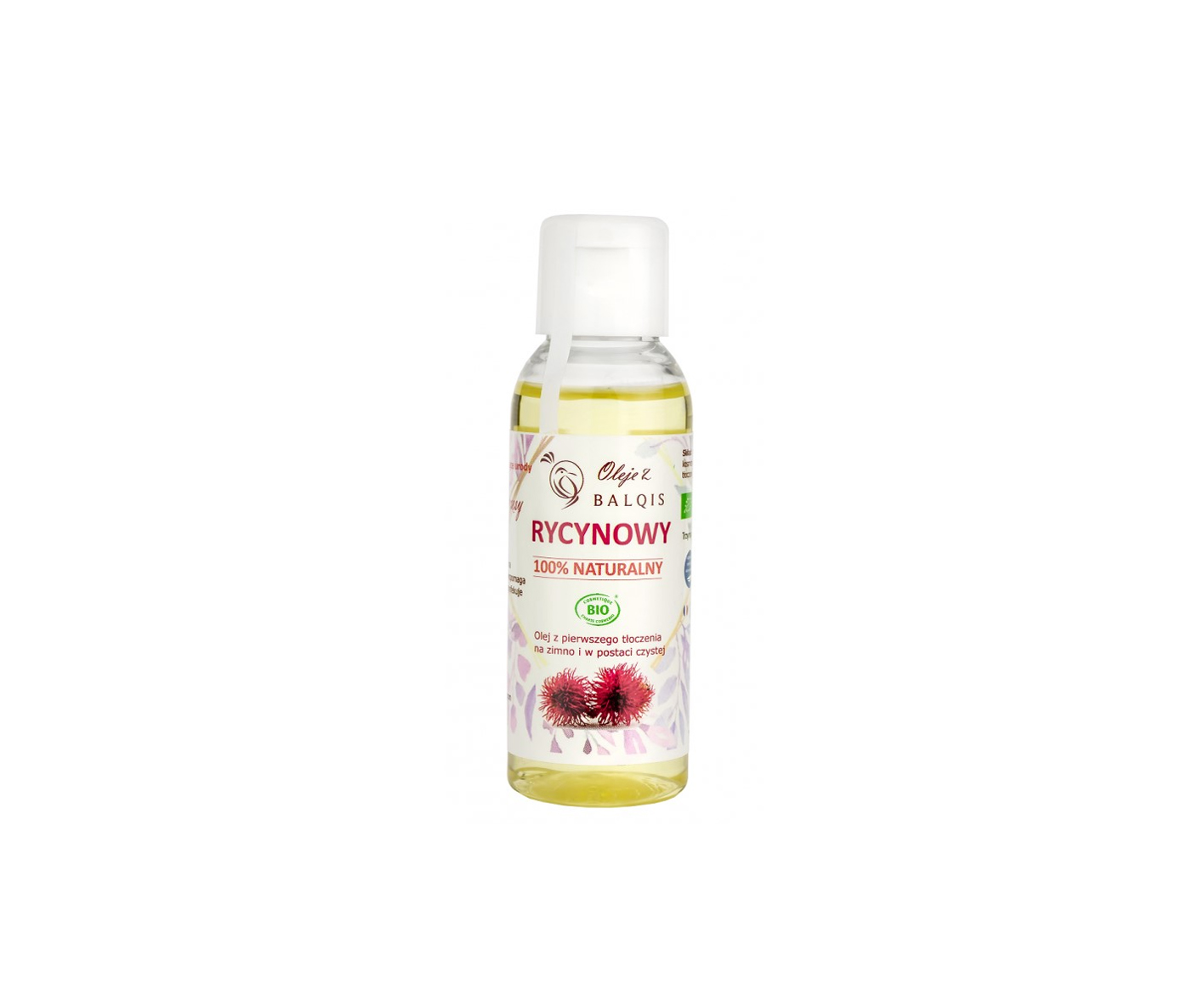
Learn about all the nourishing and conditioning properties of castor oil and discover the top 5 products for healthy skin and shiny hair.
The beautiful appearance of skin and hair is a sign of a person's health and well-being. Their appearance plays a key role in first contact and determines a person's attractiveness. Radiant, healthy skin and shiny hair significantly contribute to a person's well-being and self-confidence. In the following article, you will learn how to care for your skin and hair properly, which preparations to use to make them look unique and to keep them healthy.
Structure of the skin
The skin covers the entire surface of the body and is therefore considered one of the most important human organs. The skin forms an outer covering that, in addition to its aesthetic qualities, performs a number of extremely important functions necessary for maintaining health and well-being.
The structure of the skin comprises three basic layers: the dermis, subcutaneous tissue and epidermis. The skin also contains sweat and sebaceous glands, hair, blood and lymph vessels and nerve endings. The skin on the hands and feet differs from the skin on the face, head and trunk because it has no layer of subcutaneous tissue, hair or glands, making it thickened.
Dermis
The dermis is the thickest layer of the skin. It is very resilient and tough. Its thickness ranges from 1 to 3 millimetres. The dermis contains fibrous connective tissue containing receptors, sweat glands, blood vessels, hair roots and nerves. The dermis is divided into three layers:
- papillary, which is characterised by numerous convexities and is connected to the epidermis
- the sub-papillary, which is a thin and uniform layer in which nerves, surface veins and arteries run. This layer is responsible for regulating body temperature.
- the reticular layer, which contains collagen and elastin fibres responsible for the firmness and strength of the skin.
The dermis contains numerous nerve endings that allow it to receive external stimuli, e.g. temperature, pain or pressure.
Subcutaneous tissue
The subcutaneous layer contains blood vessels and nerve fibres, as well as adipose tissue. The main function of this layer is to participate in the thermoregulation process. Although the subcutaneous tissue is closely related to the skin, it is not considered part of it.
The epidermis
The epidermis stands at the forefront when it comes to the skin's protective functions. This outermost layer is responsible for stopping any dangerous substances from entering the body. The epidermis is made up of five layers: horny, clear, granular squamous and basal.
Skin - key functions
One of the most important functions of the skin is to protect it from external agents. The epidermis, or top layer of the skin, is responsible for protection against viruses, bacteria and also mechanical injury. The skin also plays a key role in thermoregulation. Sweat glands in the skin effectively cool the body in hot conditions. Conversely, by constricting blood vessels, the skin prevents heat loss in cold temperatures. Thanks to the sebaceous glands, which produce a natural fat - sebum - the skin is properly moisturised, elastic and firm.
When exposed to sunlight (UVB), the skin is able to produce vitamin D, essential for bone health and the proper functioning of the immune system. This is definitely an amazingly surprising ability of the skin.
Facial skin
The facial skin is a particularly important component of the skin. First and foremost, it is exposed to direct external factors such as sun, wind, cold or pollution. Moreover, it is on the face that the first signs of ageing are most quickly visible, such as loss of firmness and elasticity, the appearance of fine lines, wrinkles and discolouration.
It should also not be forgotten that the face is the most visible part of the body. Therefore, its appearance and the condition of the skin are the factors to which attention is always given first. Well-groomed facial skin contributes to attractiveness and well-being.
Facial skin is also more delicate and thinner than the skin on other parts of the body. It therefore requires special care and protection and the use of cosmetics dedicated to its needs.
The most common skin problems
The most common skin problems include:
- Acne. This is a very common, visible and embarrassing skin condition (most common in adolescents). It is manifested by blackheads, papules and pimples. Acne can be caused by excessive sebum production, blocked skin pores, bacterial infection and hormonal factors.
-
Psoriasis. This is a chronic autoimmune disease that is very time-consuming to treat. It is characterised by red, scaly patches on the skin that can be dry, itchy and also painful.
-
Eczema. This is an inflammatory skin condition that causes itching, redness, dryness and painful cracking of the skin. Eczema can have various causes, such as allergies, reactions to irritants and environmental factors, or be genetic.
-
Seborrhoeic dermatitis. This is a chronic inflammatory skin condition that causes excessive sebum production. It manifests as oily skin, and scaly, red patches.
-
Skin discolouration. Skin discolouration visible on the face, such as sun spots, acne blemishes and hyperpigmentation, can result from excessive melanin production or skin damage.
-
Skin dryness. The skin can be prone to dryness especially during winter periods or with inadequate care. Dry skin is usually rough, flaky, tight and prone to irritation. This applies to both body and facial skin.
-
Skin ageing. Skin ageing is most visible and fastest on the face. The skin ageing process is natural and manifests itself in wrinkles, loss of elasticity, sagging, discolouration and loss of radiance.
It is important to remember that everyone's skin is different, and any skin problems may have different causes and require an individualised approach to treatment and the use of appropriate products. If you have any skin problems, it is best to consult a dermatologist, who will diagnose the problem and its causes and, based on this, recommend the appropriate treatment and care.
How do I deal with skin problems?
Skin problems can be chronic, recurring, embarrassing, painful and frustrating. Fortunately, there are many proven ways to deal with them effectively. The main thing is to take care of your skin hygiene and ensure it is well cared for. It is advisable to choose natural cosmetics with as few irritants as possible. Make skin care part of your daily routine. Check the composition of cosmetics and use only those dedicated to your skin type.
It is extremely important to moisturise the skin regularly. It is good to choose moisturising creams or lotions that are suitable for a specific skin type. They should be applied especially after washing the body and face.
Remember to protect yourself from the sun - the sun's rays can make many skin problems much worse. Always use sunscreen with a high SPF. Take care to protect your scalp and eyes. Wear sunglasses with sunscreen and avoid being in the sun during the hottest hours, and if you do, look for a shady spot.
Lead a healthy lifestyle and avoid stress. Remember to ensure you have a healthy diet rich in fruit, vegetables, whole grains and unsaturated fats. Avoid smoking, limit your alcohol intake and get regular physical activity.
Hair - structure and function
The main function of the hair is to protect it from sweat and external factors, as well as thermoregulation. An equally important function that hair performs is, of course, its aesthetic qualities. Thick and shiny hair is a sign of health and attracts the eye. Many people therefore go to great lengths to ensure that their hair is properly moisturised, nourished and looks beautiful.
Hair structure
Hair is a thread-like and keratinised epidermal product that can be found on a large area of the human skin - above all on the head, but also around the eyes, under the arms, in the groins, intimate areas, on the lower legs and, in men, also on the chin and chest,
What we see with the naked eye is only a small part of the hair structure. Its complex structure is as follows:
- Stalk - is the visible part of the hair that extends above the skin.
-
Root - is located in the centre of the hair follicle. The root of the hair is made up of the bulb and the papilla.
-
The bulb, or pad, is characterised by a specific thickening that represents the beginning of the hair. The bulb connects to the papilla.
-
The papilla - provides the bulb with the necessary nutrients. Its destruction results in permanent hair loss.
-
The cuticle, or cuticle or follicle -.has the function of protecting the root of the hair and ends in the bulb.
The developmental stages of the hair
Hair goes through three developmental stages:
- Anagen, or active hair growth - lasts d 2 to 6 years.
- Catagen, or the so-called involution phase - lasts from 2 to 4 weeks.
- Telogen, or the phase of resting, dying and hair loss
The sequence of this cycle is constant and repeatable. The hair grows about 10-12 mm per month and the whole growth process takes about 7 years. Interestingly, hair grows fastest during the summer and while sleeping, and between 16-24 years of age. The life of a single hair lasts approximately 6-7 years.
The most common hair problems
Hair problems affect a great many people. The causes can be traced back to a number of illnesses, genetic conditions or inadequate care and unhealthy lifestyles. The most common problems of the hair and scalp are:
- Dandruff is a condition in which white, dry scales appear on the scalp and are visible on hair and clothing. Special shampoos, dedicated hair care products and medication are used to combat dandruff.
-
Hair loss can be caused by many factors, such as stress, hormonal disorders, poor diet, heredity or invasive hair treatments. The use of special shampoos and conditioners, the introduction of vitamins and nutrients into the diet, as well as avoiding excessive hair styling, will help to combat hair loss.
-
Hair breakage Hair can become brittle and fragile due to mechanical damage, excessive heat styling (e.g. straighteners, hair dryers) and improper care. Moisturising and conditioning products, regular trimming of the ends and limiting the use of curling irons, hair dryers and straighteners will help.
-
Oily hair is caused by excessive sebum production by the sebaceous glands of the scalp. Oily hair looks thin and lacks volume. There are many preparations and shampoos available to combat this problem.
-
A dry scalp and dull hair are most often caused by a lack of moisture. A dry scalp can be prone to irritation and cause itching. To combat this problem, choosing the right hair care products and massaging the scalp will help, which will boost sebum production by stimulating circulation.
- Hair growth disorders can lead to an uneven distribution of hair on the skin. In this case, a doctor should be consulted to select appropriate treatments and therapies.
Remember that beauty begins on the inside. A daily balanced diet can be supplemented with preparations rich in ingredients that contribute to the beautiful appearance of skin and hair. The right dietary supplement should provide the body with essential nutrients and support natural biological processes.
Castor oil
Castor oil (oleum ricini) is a substance obtained from the seeds of the castor bean (Ricinus communis). The active ingredient is ricin. Ricin is a protein naturally occurring in every part of the castor plant. Its highest concentration is found in the seeds, from which castor oil is extracted. Ricin is toxic to humans and animals. Its ingestion can lead to many dangerous health effects or even death. For this reason, castor oil released into commerce is devoid of ricin. It is removed during the thermal treatment of the oil.
For medicinal purposes, castor oil is unrefined and cold-pressed. Only then does it retain its beneficial properties. It has a thick consistency and is colourless (sometimes it can have a light yellow colour). Given its nourishing nature, it is often used in hair, eyelash and eyebrow and skin care cosmetics. It can be safely used in its pure form or combined with other ingredients.
How does castor oil work?
Castor oil has a very wide range of effects. In cosmetics, it is most commonly used to moisturise the skin and hair, as it retains water in the deep layers of the skin. It is excellent for combating dry skin on the elbows, knees and feet. It has a soothing and calming effect on skin inflammation and accelerates wound healing. It prevents excessive seborrhoea and acne. When used regularly, castor oil improves the appearance of the skin, reducing signs of ageing.
Castor oil is also excellent for improving the appearance of hair. It helps smooth and regenerate hair by actively stimulating the roots. Use of the oil gives hair shine and volume. Castor oil is used to stimulate the growth of eyelashes, eyebrows and hair and contributes to their natural darkening, making them look thicker.
Castor oil is also used to reduce fluid absorption in the small intestine and to stimulate intestinal peristalsis. This results in the elimination of constipation problems. In addition to its action in improving the digestive system, castor oil also supports the immune system and the proper functioning of the respiratory tract.
Who is castor oil for?
Castor oil must not be used by people who are prone to allergies. Castor oil, like any ingredient, can be allergenic. Therefore, it is best to perform a skin test on the bend of the elbow before use. It should not be used by pregnant or breastfeeding women, and it should not be administered to young children. Acute abdominal inflammation and gastrointestinal diseases are contraindications to its use.
Apart from the groups mentioned above, castor oil can be used by anyone. It is particularly recommended for people who wish to naturally improve the condition and appearance of their skin, hair, eyelashes, eyebrows and nails, and slow down the processes responsible for skin ageing.
Castor oil is also a useful preparation for people struggling with skin and hair problems such as acne, seborrhoeic dermatitis, discolouration, hair loss and brittleness, hair growth disorders, and excessive dryness of skin and hair.
For those struggling with constipation, castor oil is recommended for ad hoc use. If constipation occurs frequently, consultation with a specialist is essential.
What key ingredients does castor oil contain?
Castor oil is a rich source of various chemical compounds. Its complex composition may vary depending on the brand and quality of the oil, but for the most part castor oil consists mainly of the following compounds:
- The main component is the glyceride of 18-carbon ricinoleic acid (85-95%). It is this component that gives castor oil so many beneficial care and nourishing properties.
- In addition, castor oil contains glycerides of oleic, linoleic, palmitic and stearic acids.
What effects does the use of castor oil have?
When using castor oil, it is important to be aware that achieving visible results requires, above all, regularity and time. Depending on the use of castor oil, different effects can be achieved.
When used in hair care, castor oil makes hair softer, healthier, thicker, stronger and regains its shine. Used regularly, it contributes to faster hair growth, which stops hair falling out. The scalp becomes more moisturised, the activity of the sebaceous glands is regulated, which, as a result, is helpful in the treatment of many skin diseases such as dandruff or seborrhoeic dermatitis.
Castor oil used in skin care makes the skin moisturised, smooth, firm and elasticIt reduces wrinkles, reduces the appearance of scars, discolouration and accelerates wound healing. The use of castor oil is effective in relieving skin inflammations such as acne and eczema.
Advantages and disadvantages of using castor oil
The main advantages of using castor oil include:
- moisturising the skin reducing wrinkles and discolouration
- making the skin firmer and more elastic
- improvement of skin tone
- reducing the appearance of scars
- soothing inflammation of the skin
- making hair denser
- preventing hair loss
- restoring hair's shine
- regulating sebaceous glands
- accelerating hair growth
The disadvantages of using castor oil are as follows:
- can cause allergies
- it darkens hair and can weigh hair down
- is very thick, which makes it difficult to apply and wash out
- may cause dryness of the skin after long use
- can weigh hair down
How often can castor oil be used?
Depending on how it is used, castor oil can be used at different frequencies. Here are examples:
- Hair care. For hair oiling, it is recommended to use castor oil 1-2 times a week.
-
Skin care. Castor oil can even be used as a lotion on a daily basis.
-
Care of eyelashes and eyebrows. You can apply castor oil to your eyelashes and eyebrows daily. It is recommended to apply it at night to strengthen the hairs and stimulate their growth.
- Acne treatment. For acne, castor oil can be applied daily or even several times a day to the affected areas of the skin
-
Treatment of constipation. It is advisable to take 1- 2 tablespoons of oil once a day for a few days or until the discomfort subsides. If the oil does not work during this time, a visit to a specialist will be necessary.
How to apply castor oil?
As with the frequency of use, castor oil can be applied in a variety of ways, depending on your needs and the effects you want to achieve. It can be taken internally and externally.External ingestion consists of:
- Applying the oil to the eyebrows and eyelashes with a brush. Be very gentle and take care not to get the oil in the eyes. This can cause burning and severe tearing of the eyes.
- Massaging the oil into the ends of the hair to strengthen and moisturise them and prevent splitting. Applying directly to the scalp.
- Applying to the entire length of the hair. This is known as oiling. It is important to apply small amounts of oil, as this method can cause tangles in the hair.
- In addition, oiling should be applied to damp hair, as this makes it easier to apply the product and also speeds up penetration into the hair structure.
-
Rubbing the oil into the scalp to stimulate hair growth. Once the oil has been rubbed in, it can be left on the skin for 30 minutes and then washed off
- Spot application. It is recommended to apply the oil directly to pimples and blemishes. This is the best way to fight acne.
-
Applying oil packs to the area of skin that requires it.
What to look out for when buying castor oil?
The most important thing to pay attention to when choosing castor oil is the way it is produced. Cold-pressed and unrefined oil is a guarantee of its effectiveness and the highest concentration of active ingredients. Oils produced in the extraction process, often at elevated temperatures, are poorer in the beneficial properties of castor oil. It is also worth choosing 100% natural oils.
If you know that you will not use up a whole large bottle of castor oil quickly, opt for a smaller capacity bottle. This is because the effects of light, air and moisture affect the rancidity of the oil.
Discover the top 5 castor oils in 2026
When creating our product reviews, we consider the ingredients and research their safety. We analyse the opinions of industry experts and the experiences of product users. We obtain recommendations from authorised retailers and use available sources of knowledge on active ingredients and their effects. We personally verify the action, texture, scent and feel of the products, and assess value for money.
Below are detailed reviews by our editors with a description of each product indicated.