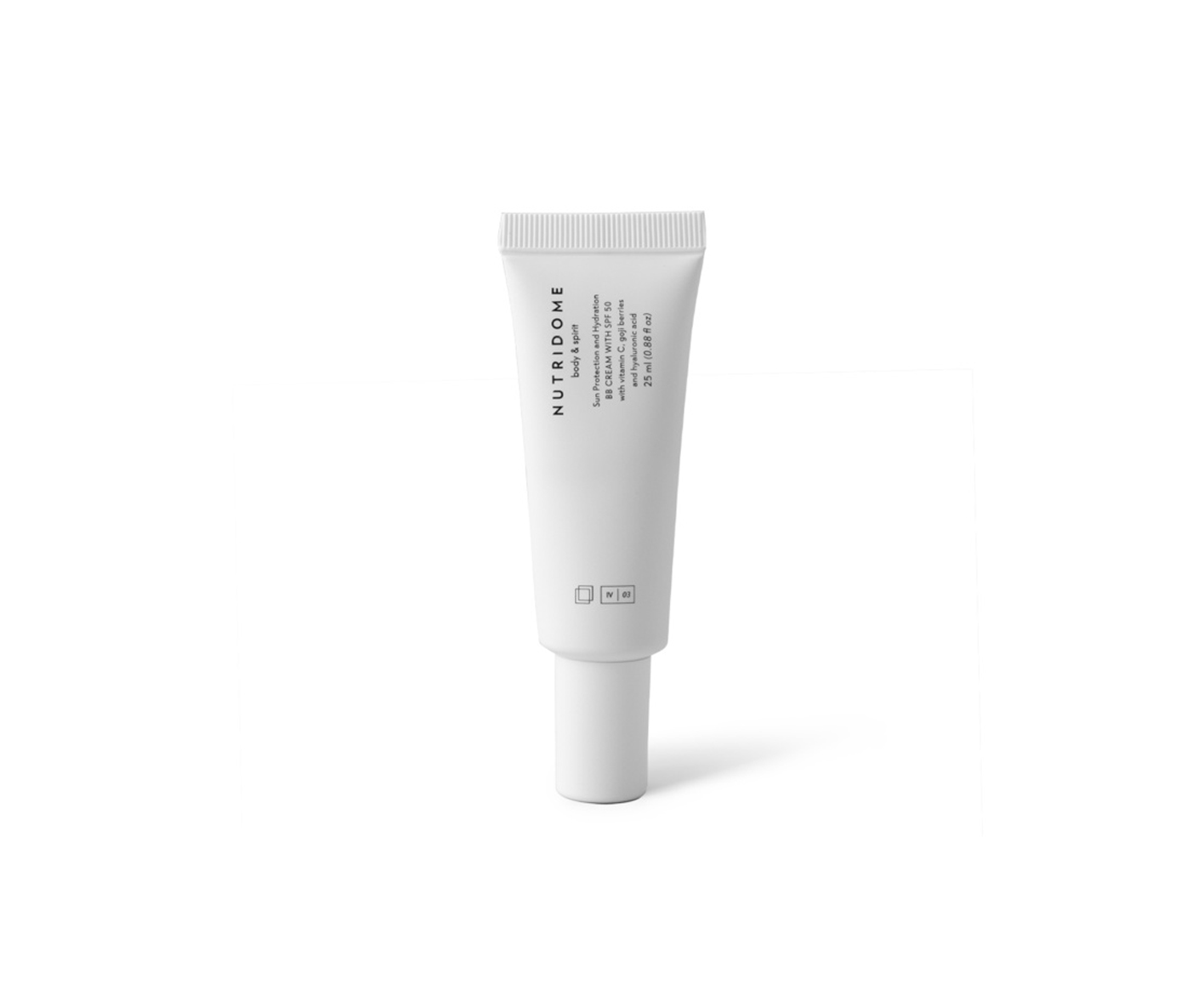
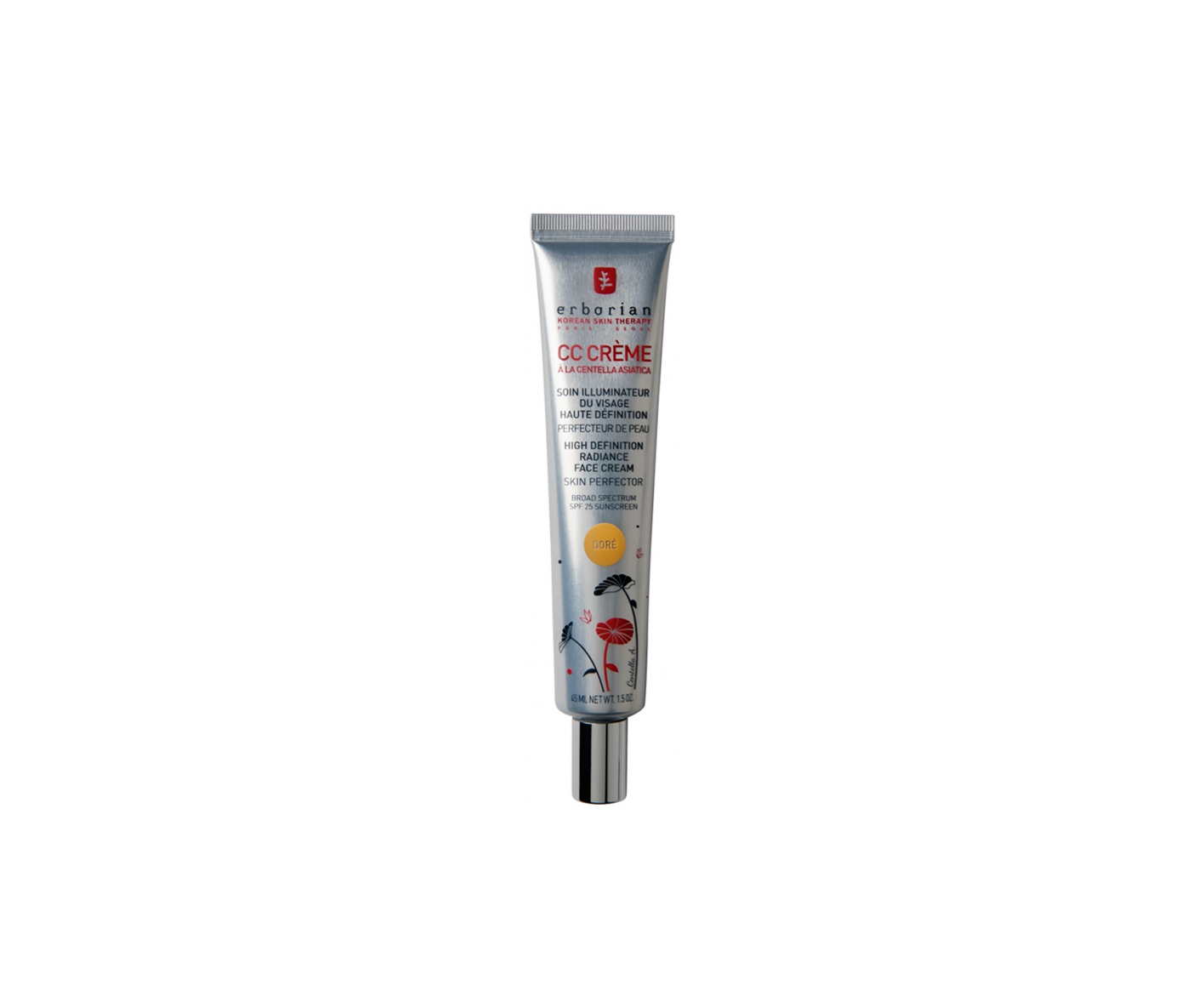
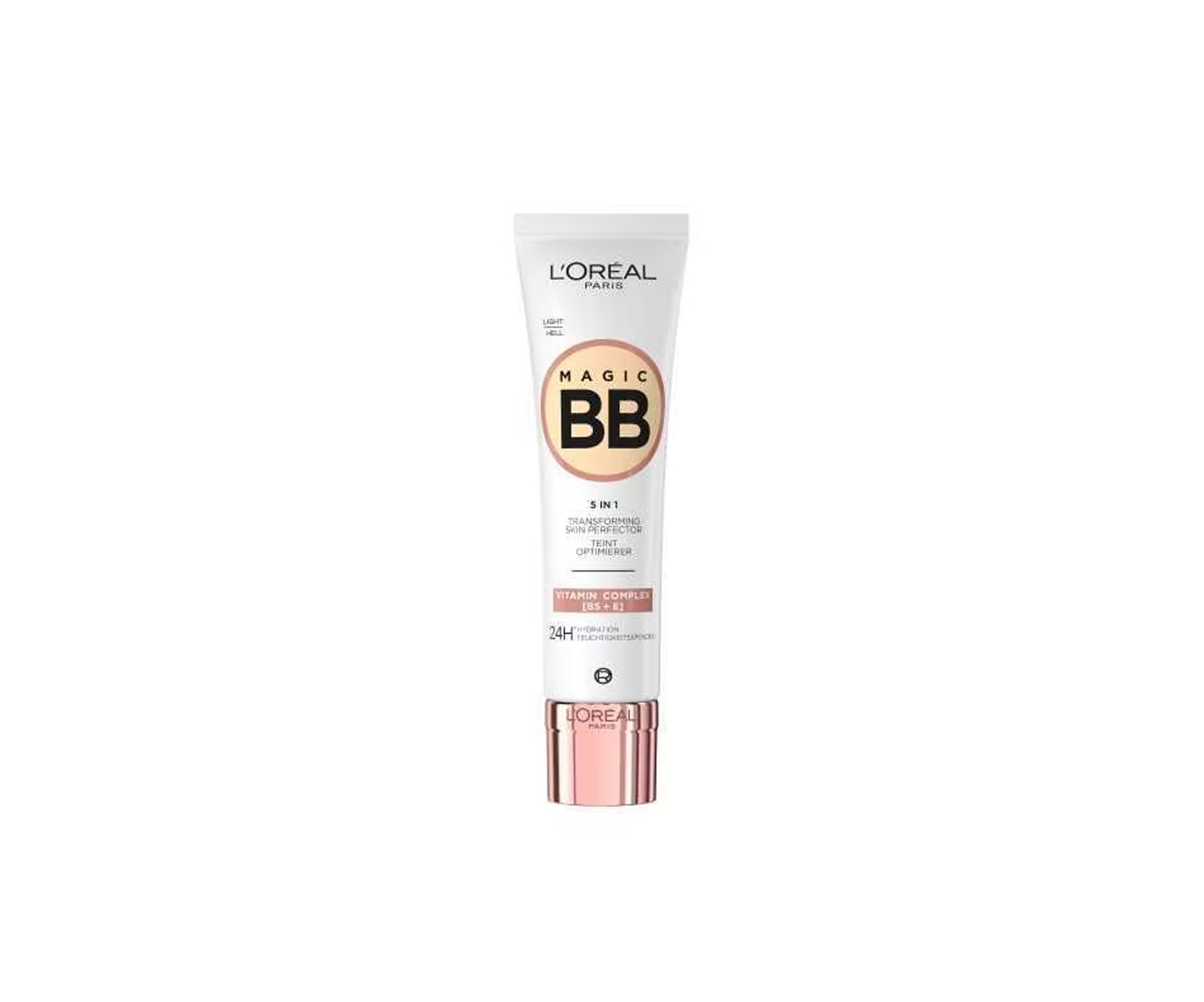
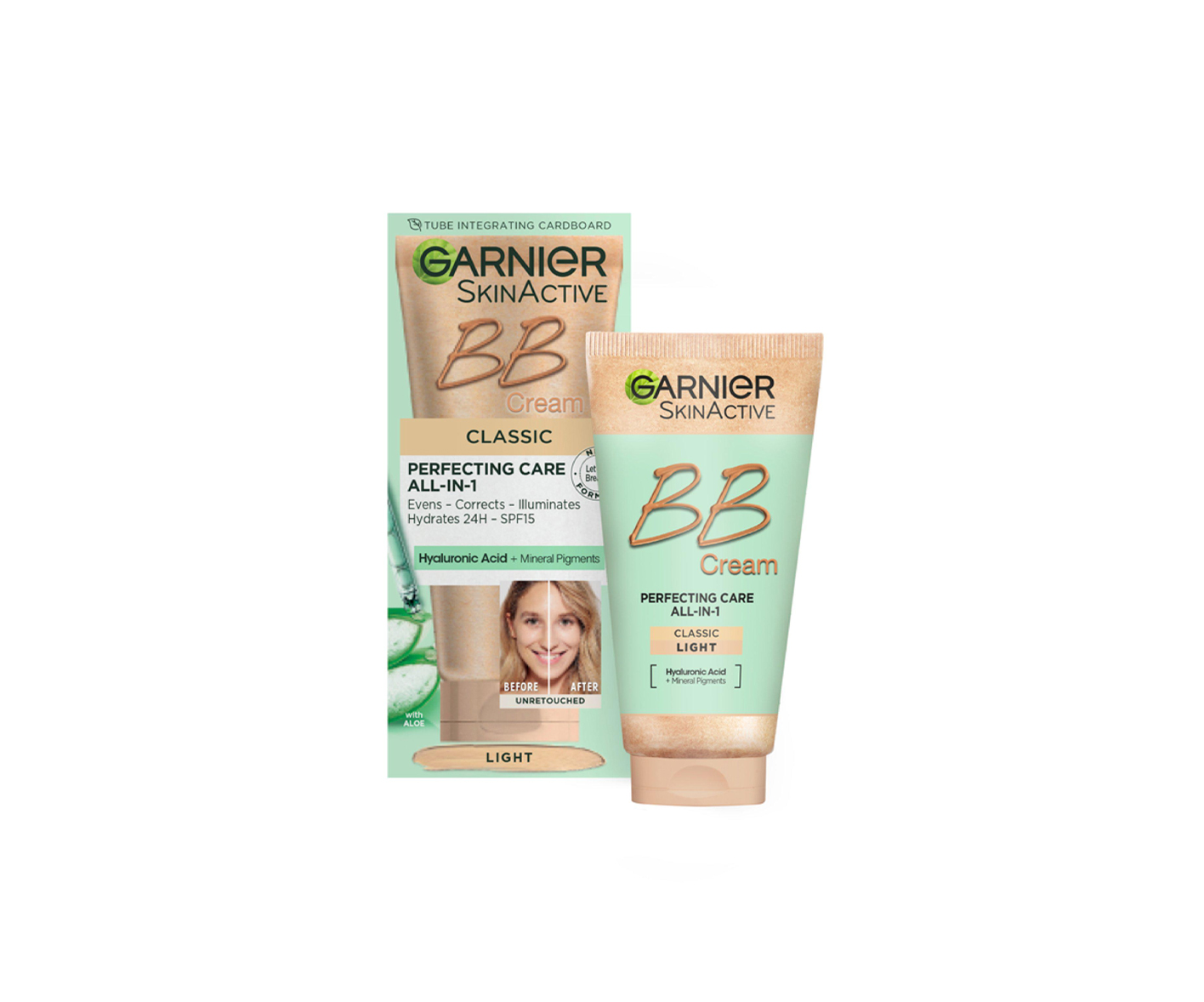
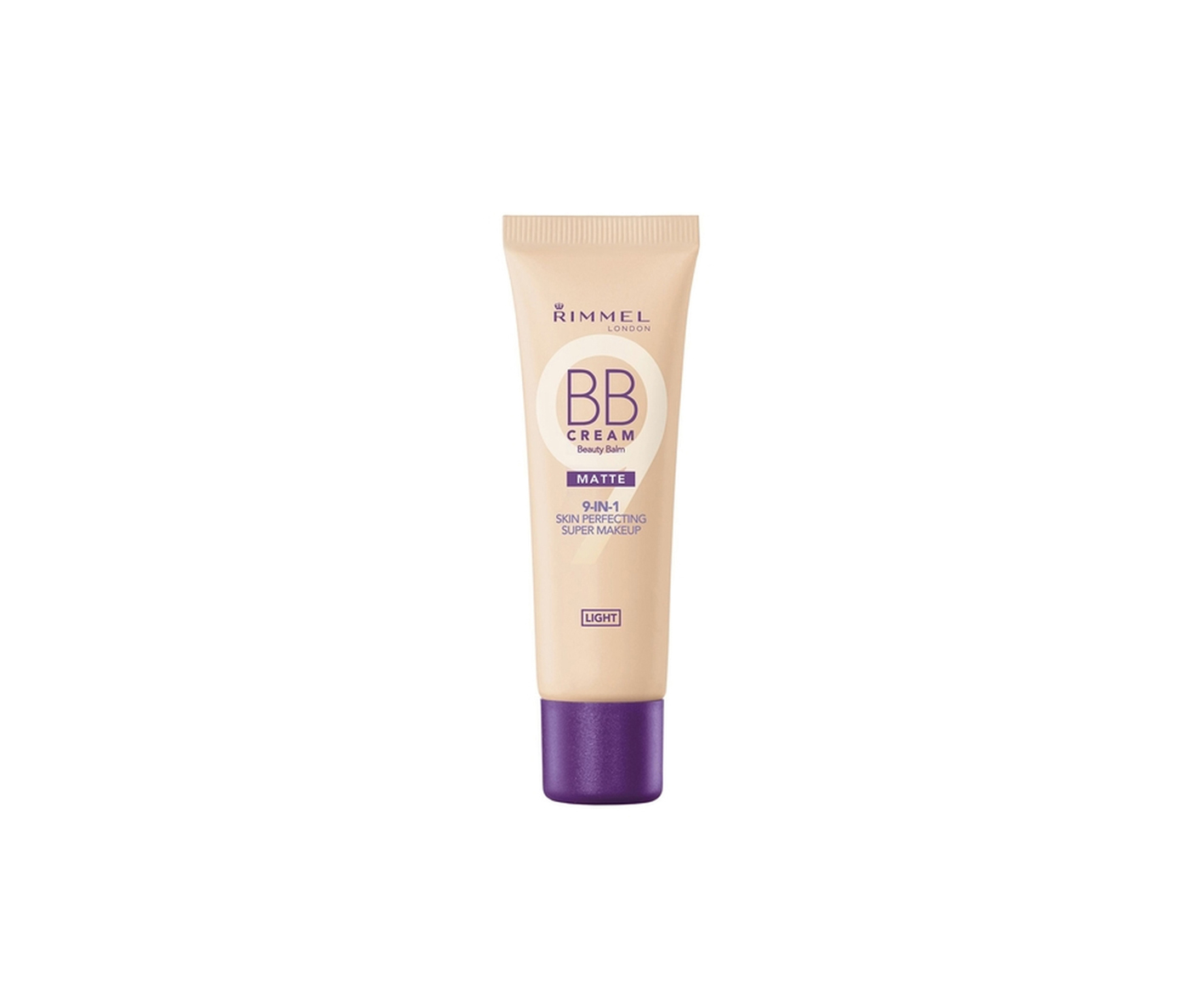
Explore 5 BB cream suggestions and enjoy a flawless complexion
Facial skin is exposed to many harmful external factors such as pollution, dust, UV radiation and chemicals. Proper, comprehensive skincare can help prevent many skin problems such as acne, blackheads, redness or dry skin. Regular moisturising, the use of anti-ageing creams and UV protection can delay the skin's ageing process. We often associate healthy and well-groomed facial skin with well-being. Proper care can improve our mood and confidence, affecting our overall mood and mental wellbeing.
Taking care of facial skin provides a solid base for make-up. Smooth, moisturised skin accepts cosmetics better, which translates into a better make-up finish.
Often, colour cosmetics such as foundation and powder clog the pores and create a barrier that restricts the flow of air into the skin, thus negatively affecting the condition of the skin. So more than once you have to choose between a flawless complexion in full make-up or a healthy, natural look. The perfect compromise is a BB cream, which combines the benefits of a high-quality cream while providing light coverage that helps hide skin flaws without harming the skin. In the following article, you will learn what BB cream is, why you should use it and which BB cream to choose to enjoy a beautiful, natural look without any visible imperfections.
Facial skin
Facial skin is the outer protective layer and also the most visible part of the skin on the human body, covering the area from the hairline to the neck. It is the part of the skin that is particularly exposed to a number of external factors, such as UV radiation, environmental pollutants, as well as temperature changes. The facial skin is made up of several layers.
Epidermal layer: This is the outer layer of the skin that protects against mechanical damage and microorganisms. This layer is made up of epidermal cells, which are constantly renewing themselves.
Dermis layer: Beneath the epidermis is the dermis layer, which contains collagen, elastin, blood vessels, as well as sebaceous and sweat glands.
Subcutaneous layer: This is the layer of skin containing fatty tissue, which helps maintain body heat and absorbs shocks.
Facial skin is much thinner and more delicate than skin on other areas of the body. It is more prone to irritation, allergic reactions and skin problems such as acne and redness. Due to its exposed location, facial skin requires special attention and proper care, including regular cleansing, moisturising, use of sunscreens and appropriately selected cosmetics.
Skin structure
The facial skin is made up of several layers, each with specific functions. The epidermis is the outer layer of the skin, which consists of epidermal cells. It is responsible for protection against external agents such as bacteria, viruses and allergens, and also regulates the loss of water and nutrients from the body. The epidermis is also divided into layers.
The stratum corneum, also known as the stratum corneum, is the outermost layer of the epidermis of the skin. It is a layer consisting mainly of dead, flattened epidermal cells that gradually slough off and flake off at the skin's surface.
The next layer of the epidermis, where the cells gradually flatten and lose their cell nuclei, is the granular layer.
The squamous layer contains epidermal cells derived from the granular layer, which gradually undergo transformation. This is where the synthesis of keratin, the protein that gives the skin its elasticity and strength, takes place.
The basal layer is the deepest layer of the epidermis, where the continuous production of new skin cells takes place. The cells in this layer are constantly dividing and ascending towards the skin's surface.
Beneath the epidermis are two main layers: the dermis and the subcutaneous tissue. The dermis is the layer of skin that contains collagen fibres, elastin fibres and other structures that give the skin its elasticity and resilience. This layer also contains blood vessels, sebaceous glands, sweat glands and nerve receptors.
The final layer of skin, containing fatty tissue, which has an insulating, cushioning and energy-supplying function for the body, is the subcutaneous tissue.
Facial skin is usually thinner and more delicate than on other areas of the body. It is for this reason that it is more prone to irritation and requires special care. Proper care includes regular cleansing, moisturising, use of sunscreen and well-chosen cosmetics.
What is BB cream
BB cream, or 'Blemish Balm' or 'Beauty Balm', is a skincare product that combines several functions such as moisturising, UV protection, correcting minor skin imperfections and smoothing the complexion.
Initially, BB cream was mainly used in Asia, but has gained popularity worldwide due to its multifunctional effects. BB creams usually contain moisturising ingredients, sunscreen (UV filters), as well as pigments, which help to address skin imperfections such as discolouration or minor imperfections.
BB cream is a great option for those looking for a lightweight skincare product that not only provides hydration, but also gentle coverage and UV protection. Its lightweight texture means it is often preferred for daily skincare, giving a natural effect without weighing down the skin too much.
BB cream is a good alternative to traditional foundations, especially for those who appreciate easy and quick application, while still wanting a natural looking skin and additional skincare benefits. However, it is important to choose the right BB cream that best suits your specific needs and skin type.
Who BB cream is for
BB cream is a multi-dimensional product that can be used by many people with different skin types and skincare needs. It is a versatile cosmetic that can be suitable for different groups of people.
Those with uneven skin tone will certainly appreciate it. BB creams have pigments that help to correct uneven skin tone, redness, discolouration or minor imperfections. Therefore, they can be used by people who want to even out their skin tone.
Some BB creams have moisturising properties. For people with dry skin who need extra hydration, BB creams with these properties can be beneficial.
There are BB creams that control excess sebum and prevent skin shine. They are suitable for those with oily or combination skin who want a matte finish.
BB creams are often light in texture, making them ideal for those who prefer cosmetics with gentle coverage that give a natural effect.
Some BB creams contain UV filters to provide extra protection from the sun's harmful rays. For those looking for a skincare product with extra sun protection, they may be suitable.
BB creams can also be used by people with a variety of skin problems, such as acne, allergy-prone, sensitive or mature skin. There are specialised BB creams that contain ingredients tailored to these specific needs.
It is worth remembering that choosing the right BB cream depends on your individual skin needs and your preference for the results you want to achieve. It is always a good idea to read the label before buying so that you can choose the BB cream that best suits your specific skin needs.
BB cream - effects
Using BB creams can have many beneficial effects on the skin. These multifunctional products can offer a variety of benefits depending on the specific product and the skin's needs. BB cream contains moisturising ingredients, such as hyaluronic acid and glycerine, which help to keep the skin hydrated. You will also often find sunscreens (SPF) in the formulation to protect the skin from harmful UV rays. Regular use of such a cream can help prevent sun damage to the skin. Thanks to the pigments in BB creams, they can help to correct skin imperfections by evening out skin tone, masking redness or minor blemishes and reducing the appearance of pores. BB cream provides light coverage, making the skin look natural and not too heavy with make-up. BB cream is a great option for those who prefer subtle coverage and natural looking skin.
Some BB creams contain ingredients that help to smooth the skin, giving it an even and smooth appearance. They can reduce the appearance of lines and fine lines. Depending on the formulation, some BB creams contain skincare ingredients, such as antioxidants, anti-ageing agents or irritant soothers, which can affect the overall condition of the skin.
It is important to remember that the effects of BB creams can vary depending on individual skin needs and the specifications of the specific product. Regular use of a BB cream that is well chosen for your skin type can help to improve the condition of your skin while providing light coverage and sun protection.
What key ingredients a BB cream contains
The composition of BB creams can vary, as it depends on the specific product and cosmetic brand. Nevertheless, there are some key ingredients that are often found in this type of cosmetic due to their beneficial properties for the skin. Here are a few of them:
- UV filter - many BB creams contain sunscreens (SPF) to help protect the skin from harmful UV rays, preventing photo-ageing and pigmentation changes.
- Moisturisers - e.g. hyaluronic acid, glycerine or ceramides, help to keep the skin hydrated, preventing dryness.
- Antioxidants - vitamins, such as vitamin C and E, and other antioxidants may be present in BB creams. They help to fight free radicals and protect the skin from oxidative stress and skin ageing.
- Plant extracts - such as aloe vera extract, green tea, chamomile or ginseng. These natural ingredients can have soothing, irritation-soothing, moisturising or antibacterial properties.
- Pigments and corrective ingredients - help to even out skin tone and cover minor imperfections. Some also contain ingredients that reduce redness, smooth the skin or reduce the appearance of pores.
- Anti-ageing substances - such as retinol, peptides or plant extracts with anti-ageing properties that help to reduce wrinkles and improve skin elasticity.
Advantages
There are many advantages and benefits to using a BB cream. Here are some of them:
- Multi-tasking
- Lightweight make-up
- UV protection
- Correction of imperfections
- Skincare effect
- Fast and convenient application
- Availability for different skin types
Disadvantages
BB creams (Blemish Balm or Beauty Balm) are usually considered to be gentle and safe for the skin, but in some cases adverse effects may occur. Remember that skin reactions can vary depending on skin type and individual sensitivity. Here are some potential adverse effects of BB creams:
- Skin irritation
- Pimples or acne
- Pigmentation changes
- Prolonged inflammatory reaction
- Clogging of pores
If you experience any adverse reactions after using a BB cream, it is advisable to stop using it and consult a dermatologist. Carrying out an allergy test or choosing products designed for sensitive skin can help to avoid possible skin reactions. It is also worth remembering to test on a small area of skin to check the reaction before using a new product regularly.
How often to use BB cream
The frequency of BB cream application can vary depending on individual skin needs, make-up preferences and the properties of the specific product. BB creams are often used as a make-up base due to their multifunctional properties such as hydration, sun protection and light coverage. As a result, many people choose to apply BB cream daily as part of their skincare and make-up routine. Some prefer to use BB cream only when they need light coverage or extra hydration for their skin. It can be applied depending on the condition of the skin, the occasion or personal preference.
BB creams can be chosen for special occasions if you want a natural skin look that also corrects minor imperfections. Particularly during summer periods or when we are exposed to intense sunlight, it is advisable to use a BB cream with a UV filter to protect the skin from the sun's rays.
The final decision on how often to use BB cream should depend on the needs of individual skin and cosmetic preferences. It is important to remember that BB creams have a lighter texture than traditional foundations, so they can be applied more frequently without worrying about overloading the skin. It is also important to properly cleanse your skin of make-up after application, whether you use BB cream daily or just occasionally.
How to apply BB cream
Applying BB cream is usually simple and similar to applying a classic moisturiser or foundation. Here are some steps to help you apply BB cream effectively and precisely:
- Make sure your skin is well cleansed before applying BB cream. Wash your face with a gentle gel or facial cleanser to remove any impurities, excess oil and make-up residue.
- If you use a moisturiser as part of your skincare routine, apply it to your face and wait a while for it to absorb into your skin. If your BB cream contains moisturising properties, you can apply it directly to clean skin.
- Apply BB cream. Use the amount of BB cream that suits your needs. You can apply it to your skin with your fingers, a foundation brush or a make-up sponge, starting from the centre of your face and spreading it evenly across your face. Make sure you blend the BB cream thoroughly to avoid visible lines or spots.
- Choose a shade of BB cream that best matches your natural skin tone. Some BB creams have the ability to match your skin colour when applied, which can be beneficial in achieving a natural effect.
- If you want to cover some imperfections more precisely, you can apply an extra layer of BB cream to specific areas of your face.
- Finish your make-up. If you feel like it, apply shadow, concealer or mascara or any other cosmetics of your choice. However, if the BB cream has adequate coverage, it may suffice as a standalone product.
- Finally, you can use loose or compact powder to set the BB cream and make your make-up last longer.
Remember that BB cream application depends on your individual needs and preferences. Adjust the application method to your liking, and also adjust the amount of product you use according to your desired coverage and make-up finish.
What to look for when choosing a BB cream
When choosing a BB cream (Blemish Balm or Beauty Balm), there are a few key factors to consider that will help you choose the right product for your skin needs and cosmetic preferences. Here are some criteria to consider when choosing a BB cream:
Skin type: Choose a BB cream tailored to your specific skin type. There are formulas for oily skin, combination skin, dry skin, sensitive skin or mature skin that contain ingredients tailored to the specific needs of each skin type.
Corrective effect: If you're looking to correct skin imperfections, look out for BB creams that offer more coverage. Some products are better at correcting, reducing redness or darkening skin.
Skincare ingredients: Browse BB cream formulations and look for those that contain moisturising ingredients (e.g. hyaluronic acid, glycerin), antioxidants (vitamins C and E), sunscreens (SPF), or anti-ageing ingredients (e.g. retinol). By choosing a BB cream with additional skincare properties, you can improve the condition of your skin.
Shade and colour match: Choose a BB cream in the right shade that best matches your skin tone. Some BB creams have properties that match your skin colour, which can make it easier to choose the right shade.
Comfort of application: Look at the texture and application of the BB cream. If you prefer lighter textures, choose a BB cream with a lightweight consistency. You may also want to look out for products that offer easy and quick application.
Product testing: Before full application, do a patch test or on a small area of skin to see if it causes an allergic reaction or irritation.
Reviews and feedback: Check other users' reviews of specific products to find out how a particular BB cream performs on different skin types and what the advantages and disadvantages are.
Remember that everyone's skin is different, so experiment with different products to find the BB cream that best suits your needs and expectations.
Meet the 5 best BB creams in 2026
When creating our product reviews, we consider ingredients and research their safety. We analyse the opinions of industry experts and the experiences of product users. We obtain recommendations from authorised retailers, and use available sources of knowledge about active ingredients and how they work. We personally verify the action, texture, scent and feel of the products, and assess value for money.
Below are detailed reviews by our editors with a description of each product indicated.