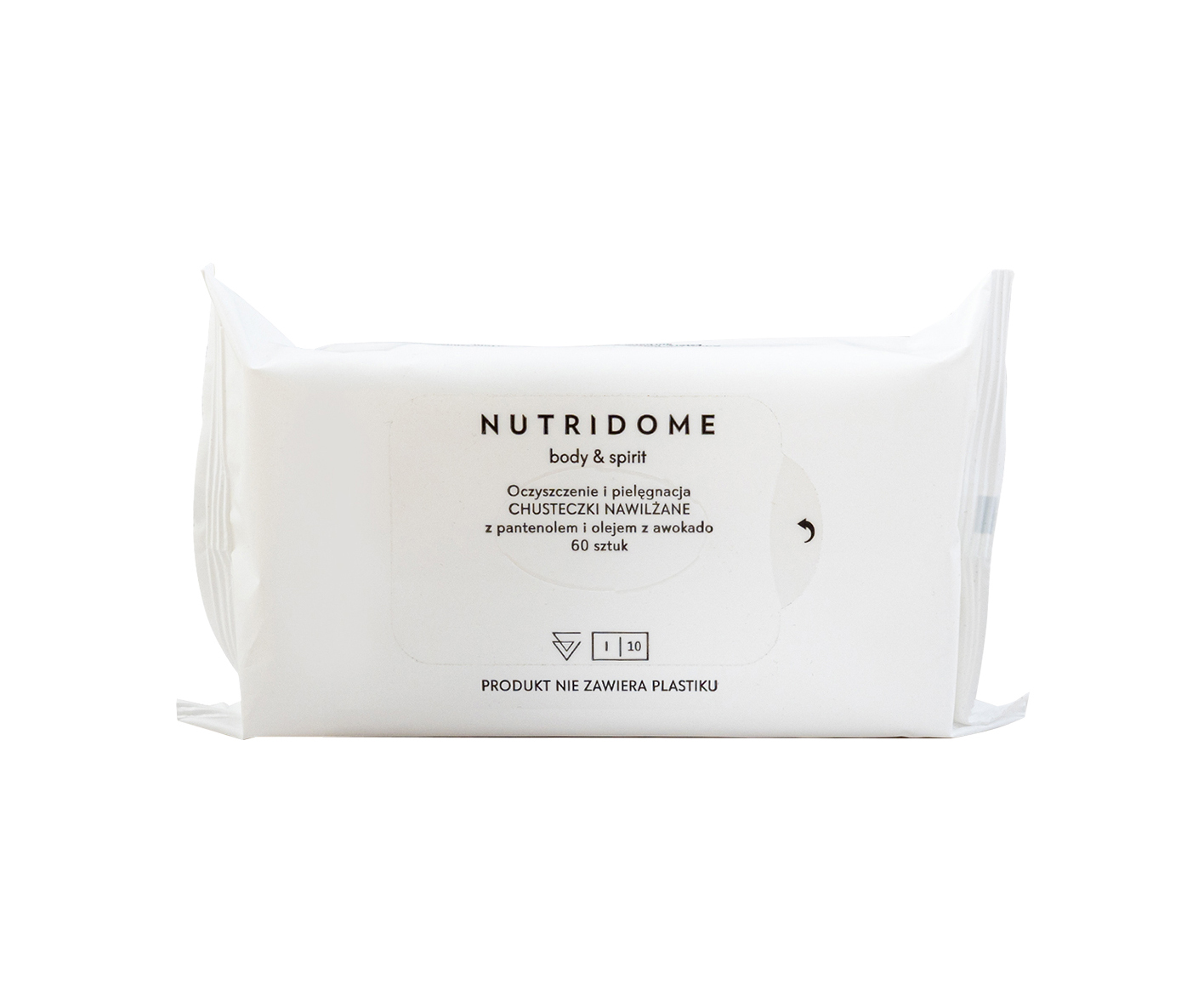
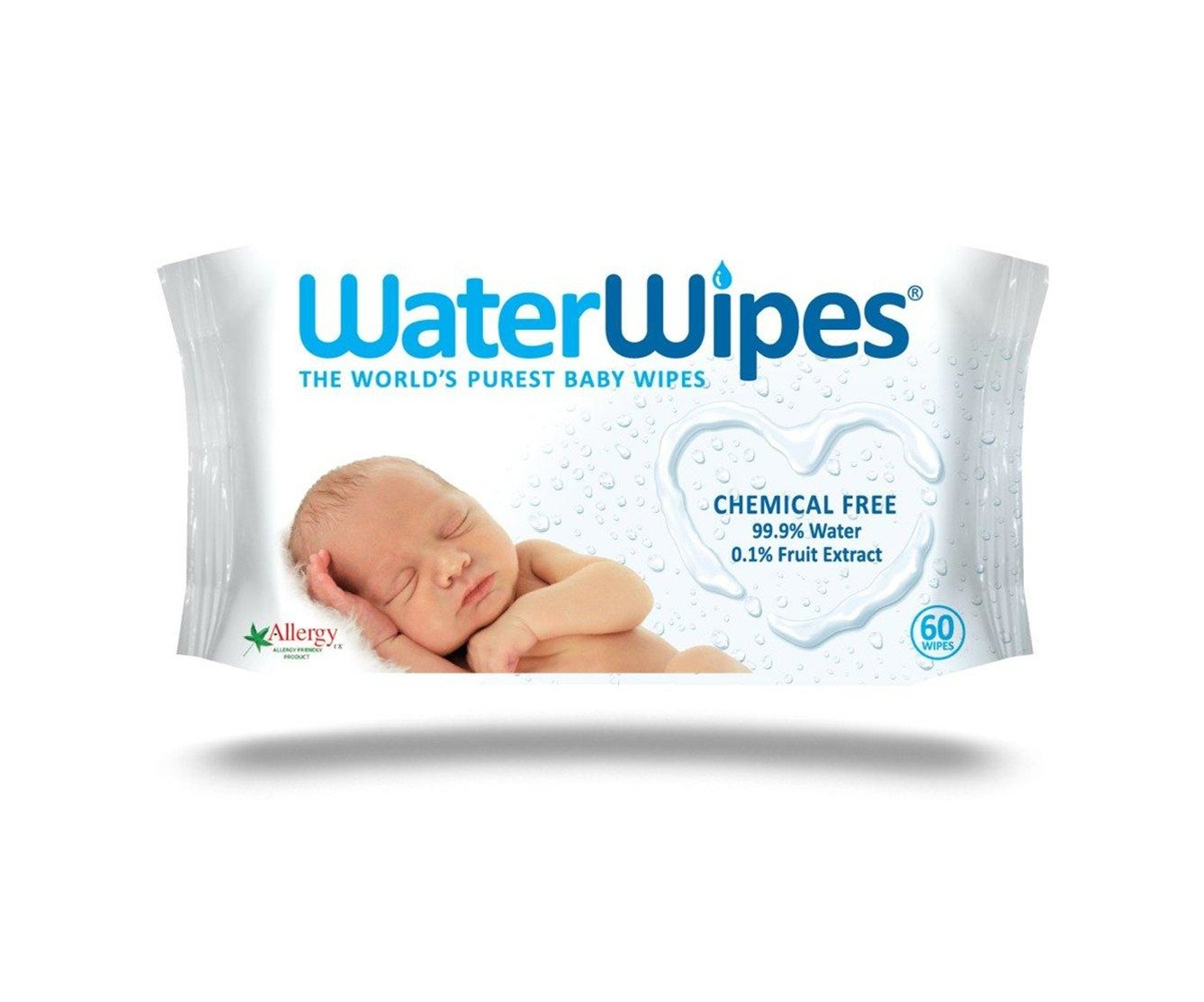
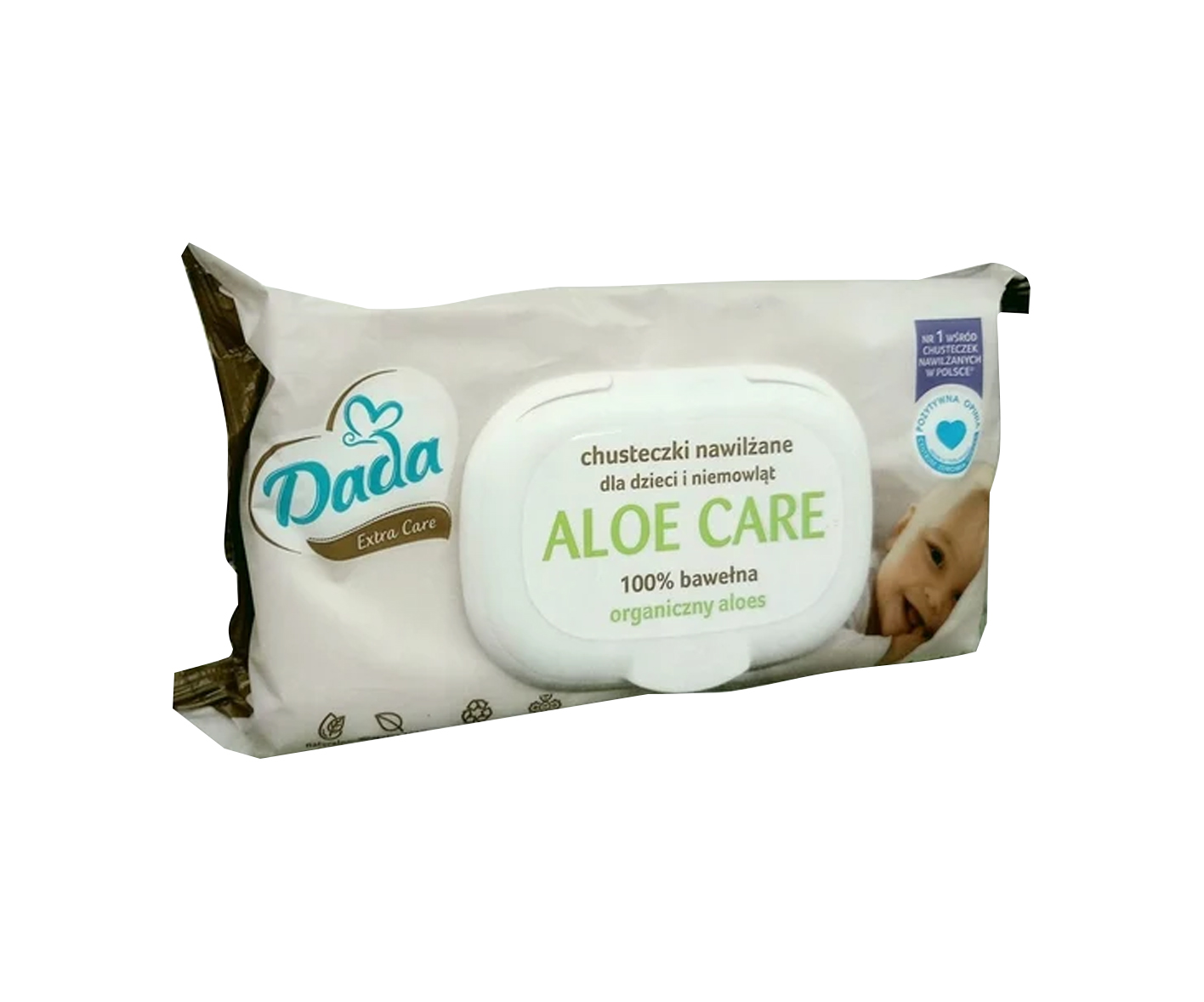
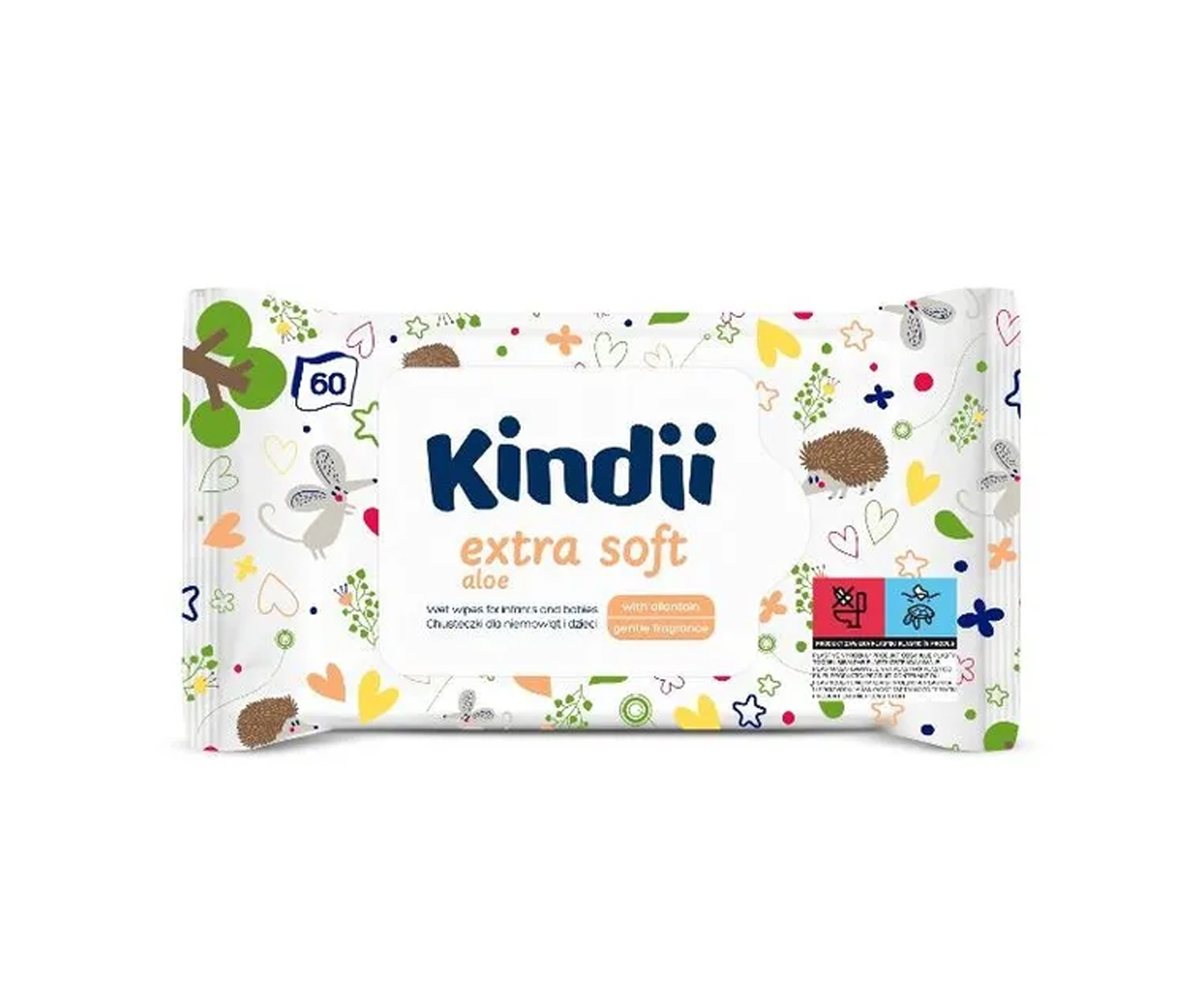
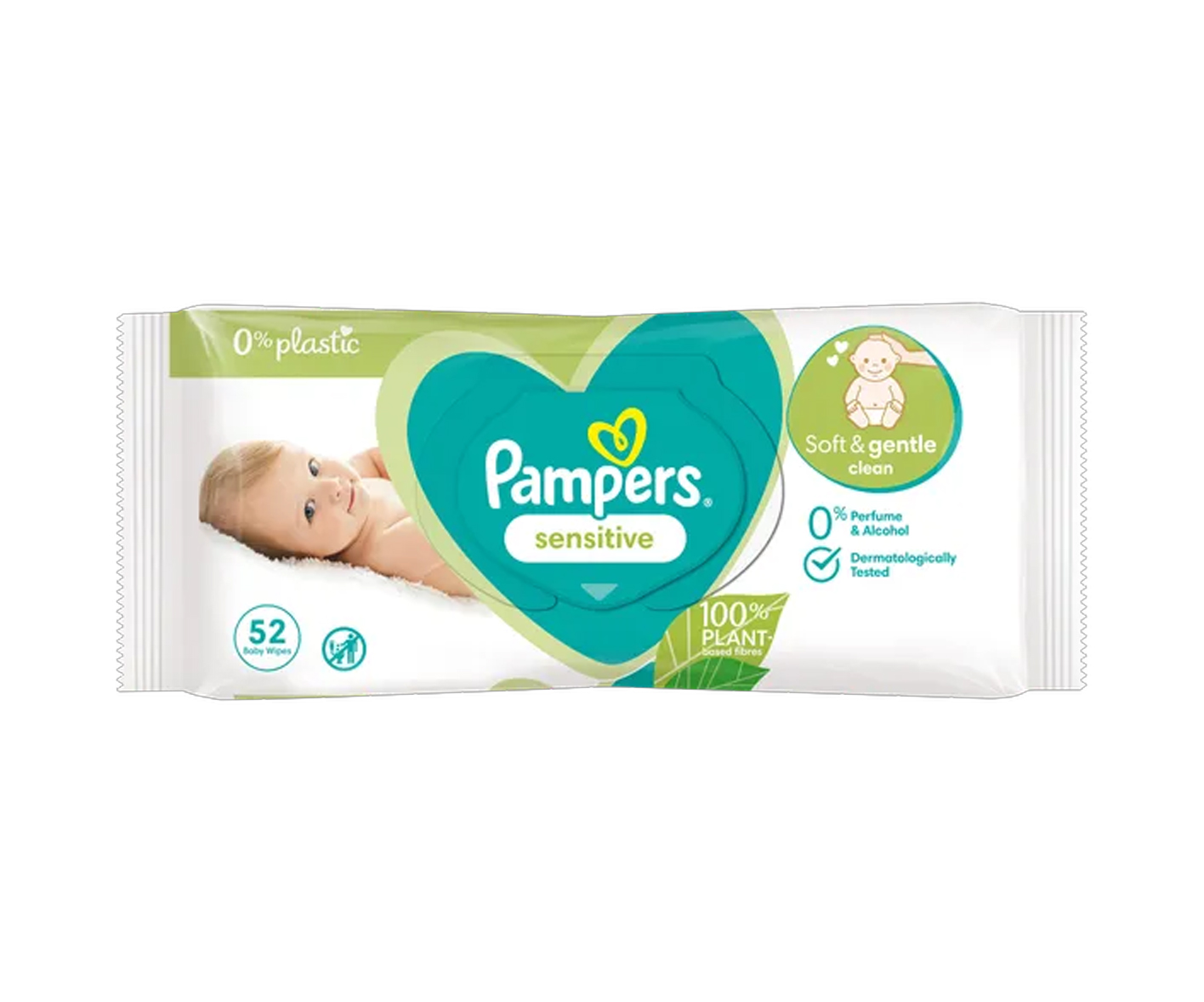
Check out these five proven baby wet wipes and give your little ones safe care and clean skin!
Proper skin care for young children is a topic that many parents find a real challenge. The huge choice of care products can make your head spin. Cosmetics for young children have to meet many requirements, which does not make it easy to make a quick decision when shopping. First and foremost, they must be safe for sensitive and delicate skin, convenient for carers to use and not put a strain on their wallets. A baby's skin, due to its structure, requires preparations specially designed for it. In this article, you will learn about the fundamental differences between the structure of baby and adult skin and its special care needs. You will also learn about the best baby wipes for everyday hygiene.
The peculiarities of baby skin structure
The skin of newborns and babies differs significantly in anatomical structure from that of adults. First of all, it is much thinner and contains fewer collagen and elastin fibres. Young children's skin is extremely delicate and sensitive, and is therefore more susceptible to injury, irritation or the effects of external factors.
The skin of toddlers is characterised by a loose arrangement of the cells of the stratum corneum and weaker adhesion of the epidermis to the dermis. It is therefore insufficiently protected against various microorganisms.
The composition of the hydrolipid mantle of the skin of young children is also different to that of adults (cholesterol 10-12 per cent predominates). As a result, children's skin has a poorer ability to bind water and very easily becomes dry.
The ratio of a small child's skin surface area to body weight (700 cubic centimetres/kg) is also important compared to that of an adult, which in turn has an impact on the greater absorbability of care and treatment preparations.
The skin of a healthy newborn baby is fully prepared to fulfil its protective function, but is not fully formed. It is not until around the age of two that the child's skin resembles the anatomical structure of adult skin, but its development is still ongoing.
Due to the specific structure of the skin of small children, proper care is extremely important. Many mistakes or oversights in this area can lead to irritations, infections or the development of dermatological complaints.
The skin reaction of newborns and babies is less acidic than that of adults, which is why it is important to use cosmetics specially formulated for babies and infants that do not irritate the skin and provide it with adequate moisture. Using moisturising ingredients from the first days of life is a very good choice, as these substances prevent skin problems, stimulate the reconstruction of the hydrolipid mantle, bind water in the epidermis and also relieve itching.
Common skin problems in children
Due to the specific structure of a child's skin, its sensitivity and susceptibility to moisture loss, it is also prone to skin complaints and minor infections. The most common of these include:
Chaff - this is the colloquial name for seborrhoeic dermatitis and is also one of the most common ailments of infancy. This ailment is the result of the sebaceous glands just forming. It is characterised by greasy, yellow scales, mostly on the top of the head. It is not a serious health problem and it is sufficient to use appropriate skin care to eliminate dandruff.
Sweats - occur because the sweat glands are not fully developed. They are most often the result of inappropriate clothing for the weather and overheating of the baby. Sweats take the form of small pink pimples. They usually appear on the folds of skin, neck, neck, face, chest, arms, legs and under the arms.
Nappy dermatitis - is caused by skin contact with the moist environment under the nappy. In addition, enzymes found in faeces and urine irritate the skin and disrupt its natural protective barrier. The lesions start with slight redness in the perineal area and peeling of the epidermis. In the next phase, papules and vesicles appear on the skin. Frequent nappy changes and the use of special care cosmetics are very important.
AD (atopic dermatitis) - the most common causes of AD are genetic predisposition, disruption of the epidermal barrier, malfunction of the immune system and a tendency to allergic reactions. In very young children, characteristic papules and scabs appear on the cheeks, forehead, base of the earlobes and on the head. These symptoms are usually accompanied by severe and persistent itching. Symptoms can be alleviated by intensively moisturising the dry skin. Appropriate treatment with medication is also necessary.
How should children's skin be cared for?
A child's sensitive and delicate skin requires regular, but gentle and safe care. Firstly, children require thorough hygiene and skin care. However, babies should not be bathed too often to prevent excessive drying of the skin. For bathing, use mild and natural cosmetics adapted to the sensitive and still forming skin of toddlers.
It is very important to change nappies frequently to avoid painful nappy rash and irritation. After every nappy change, thoroughly wash the intimate area and the areas where the skin comes into contact with the nappy. Wet wipes or cotton wools soaked in water can be used for this purpose. It is also a good idea to use special creams to protect against moisture and irritation.
Dress babies appropriately for the weather and avoid overheating. It is best to use clothes made of soft, natural and airy materials, such as cotton or linen.
Infants and very young children should avoid direct exposure to the sun. Always seek shade and wear sun-protective headgear. For older children, appropriate sunscreens with a high SPF - preferably 50+ - can be used.
Choose age-appropriate preparations and hygiene accessories. Products from proven manufacturers and well-known brands are best, as they contain effective and safe ingredients with tested effects and properties.
Wet wipes - cleanliness, comfort and care
Wet wipes are a product used by the vast majority of parents of small and larger children. They are extremely often an essential part of a newborn baby's layette. These wet wipes have undoubtedly gained their popularity mainly due to their immeasurable ease and convenience of use. They are most often used when changing a dirty nappy, washing hands and mouths of the little ones both at home and outside.
Baby wipes are mainly soaked in water and mild substances that moisturise the skin. These are mainly natural vegetable oils such as linseed oil, sweet almond oil or olive oil. Aloe vera extract or panthenol, on the other hand, are often found in the wipes to soothe the baby's delicate skin.
Wet wipes for babies are most often made from different types of non-woven fabric:
- - artificial - polyester, polyethylene, rayon or polypropylene,
- - natural - cotton, viscose and bamboo,
- - mixed - e.g. viscose and polyester.
It is best to choose wet wipes made from natural, biodegradable materials, the use of which will not have a negative impact on the environment.
Due to the increasing number of allergies and children with atopic dermatitis (AD), special wet wipes have been developed. These have a carefully selected composition that will not irritate the child's skin. Such wipes are designed to gently cleanse, moisturise, soothe and promote the development of beneficial skin microflora, strengthen the skin's protective barrier and soothe itching and irritation.
Parabens are particularly bad for delicate skin, so it is important to choose wet wipes that do not contain them. It has been shown that parents of children with AD noticed an improvement in their skin condition only after discontinuing cosmetics with parabens.
Wet wipes for children are indispensable, for example when travelling, on walks, in the playground, learning to eat or in emergency situations that may occur when you are away from home with your child.
Wet wipes - for whom?
Wet wipes are particularly suitable for the care and hygiene of young children's skin. Thanks to their carefully developed composition, they are safe for the sensitive skin of babies and newborns. They are often used during nappy changes, to remove food residues or other soiling. They are ideal for travelling and in places where there is no access to water (playground, walking).
However, wet wipes have a much wider range of uses. They are also very often used by adults, e.g. as a substitute for toilet paper or to refresh hands in situations where washing them with soap and water is impossible. They can also be useful when removing make-up.
Some people use wet wipes to quickly wipe dust from surfaces in the home, remove food stains left on the table or even to clean shoes.
Wet wipes come in handy in many situations thanks to their ease and convenience of use and their small packaging. It is worth having them with you at all times.
What are the benefits of using wet wipes?
The most common benefits of using wet wipes include the convenient and quick removal of dirt (faeces, urine), sweat or food residues from the skin. Wet wipes are particularly suitable for use outside the home, in situations where running water is not available.
In addition to their cleansing properties, wipes very often also have a caring effect - they help to keep the skin properly lubricated and moisturised, soothe irritation and provide relief. This is particularly important for babies wearing nappies. The use of wipes at every nappy change can prevent many unpleasant reactions in the areas of skin contact with the nappy.
Another advantage of wet wipes is that they are multifunctional. They can be used for a variety of purposes, not only for cleansing babies' skin. They are often used, for example, to remove make-up, wipe down countertops or remove dust from various surfaces.
Ingredients of wet wipes
The key ingredients in wet wipes can vary depending on the manufacturer and the specifics of the product. However, the following ingredients are most commonly found in wet wipes:
- Water: is the main moisturising component of baby wipes. It provides the moisture needed to gently cleanse the skin.
- Moisturisers: Often moisturisers such as panthenol (pro-vitamin B5), natural plant oils or aloe vera are added to wet wipes to further prevent drying and irritation of delicate skin.
- Ingredients to soothe irritation: Some wet wipes contain irritation-soothing ingredients such as chamomile extracts or allantoin.
With wet wipes, as with the choice of most cosmetics for young children, it is very important, if not paramount, to avoid certain substances that can cause skin irritation or sensitisation. These include:
- Phenoxyethanol, a preservative that should absolutely be avoided,
- Formaldehyde derivatives, e.g. Imidazolidinyl Urea, DMDM Hydantoin.
- Parabens - preservatives, highly allergenic.
- Strong detergents, e.g. Sodium Lauryl Sulfate (SLS), Sodium Laureth Sulfate (SLES) - irritate the skin and cause excessive drying.
- Petroleum derivatives, e.g. Paraffinum Liquidum, Mineral Oil - irritate, clog pores and inhibit oxygen, resulting in excessively dry skin and the possibility of allergies.
- Artificial fragrances.
It is important to remember that wet wipes are most often used to wash the sensitive parts of a baby's body - the skin and mucous membranes - bottom, buttocks, genitals (from the outside), face, hands. Therefore, they should be completely safe for the youngest. It is always a good idea to check the composition of wet wipes, especially if your child is prone to allergies or sensitivities, to make sure the product is safe for the baby's skin.
Advantages
The main advantages of using wet wipes include:
- Convenience and ease of use.
- Maintenance of hygiene in all situations.
- Safety in use on the skin of young children.
- Skin care.
- Biodegradability.
- Fragrance-free.
- Multifunctional.
- Huge selection of products.
Disadvantages
Despite the many advantages, the use of wet wipes can also involve some disadvantages. Here are some examples:
- Possibility of skin irritation and allergic reactions.
- Negative impact on the environment.
- Low effectiveness in removing soiling.
- Insufficient saturation.
How to use wet wipes?
Wet wipes are always used when necessary. This can be several or even a dozen times a day. Using wipes is quick, simple and convenient. Just take the wipe out of the pack, use it as required, e.g. to clean the intimate area before a nappy change, wipe hands, bottom or baby's face. The used wipe should then be disposed of in the waste bin. Do not dispose of them in the toilet, as they can clog sewer pipes. When you have finished using the wipes, it is important to close the packaging. This will prevent the remaining wipes from drying out.
What should I consider when choosing wet wipes?
When choosing wet wipes, there are a few important factors to consider that may influence your best decision:
Composition: Check the composition of wet wipes to make sure they are safe for your baby's skin. Choose products without irritants such as alcohol, parabens or artificial dyes. If your baby is prone to allergies, it is a good idea to choose wipes with the simplest possible ingredients.
Moisturising content: Choose wet wipes with moisturisers, such as panthenol or plant extracts, which help to keep the skin moisturised and prevent it from drying out.
Size and thickness: Pay attention to the size and thickness of your wet wipes. Choose a size that makes them easy to apply.
Packaging: Check the type of closure on the packaging of the wet wipes. Convenient and airtight packaging will ensure that the wipes stay moist for longer and make them easier to store and transport.
Biodegradability: Choose wet wipes that will undergo a natural decomposition process. This will have an extremely positive impact on the environment.
Certifications: Pay attention to the manufacturer's quality certificates. Products that receive positive paediatrician reviews or have safety certificates are the best choice for your baby.
Discover the 5 best baby wet wipes in 2026
When creating our product reviews, we consider the ingredients and research their safety. We analyse the opinions of industry experts and the experiences of product users. We obtain recommendations from authorised retailers and use available sources of knowledge on active ingredients and their effects. We personally verify the action, texture, scent and feel of the products, and assess value for money.
Below are detailed reviews by our editors with a description of each product indicated.