Learn all about the care properties of baby sweat creams and take advantage of the top 5 suggestions of these cosmetics to take care of the delicate skin of babies from the first days of their life!
When a little human being is born, for his parents it is the most beautiful and important day of their lives. They want to give him or her all the best. In addition to a great deal of love, care and attention, parents also pay great attention to the care of their little ones. They choose cosmetics that provide comprehensive yet safe care for their baby's delicate skin. In this article, you will learn about the unique needs of baby skin, the most common problems it suffers, and the cosmetics that should be used to ensure the greatest comfort for babies in their first months of life.
Infant skin - what makes it different?
Newborn and infant skin, and particularly its outermost layer, the stratum corneum, which forms a protective barrier, is more delicate and thinner than adult skin. The sweat and sebaceous glands are not fully developed, so that, for example, the thermoregulation process does not yet function properly, and the lipid content of the horny layer of the skin is underdeveloped. The formation of the child's skin's protective properties continues at least until the child is one year old.
Compared to the skin of an adult, the skin of newborns and babies absorbs more water, but it also loses it much more quickly. This is because a child's skin in the first year of life has less natural moisture retention factors in the epidermis.
In addition, the skin of newborns and infants absorbs all substances from the external environment much more intensively. For this reason, the composition of baby care products must be beyond doubt. The infant's skin must be protected from anything that could damage its protective barrier or interfere with its normal development, e.g. by upsetting the skin's pH value or disturbing its lipid layer. Traditional soaps, for example, damage the lipid layer and should therefore not be used on children.
Infant skin - structure
The structure of the individual layers of skin in a newborn baby differs slightly from that of an adult. 3 layers of skin can be distinguished in all skin types, irrespective of age:
The epidermis - a layer made up of keratinocytes and corneocytes (horny layer), containing pigment (melanin), as well as cells of the nervous and immune systems. In the epidermis, a distinction is made between the cornified, luminous, granular, spinous and basal layers.
The dermis - a layer consisting of collagen fibres, elastic fibres, containing connective tissue cells such as fibrocytes, lymphocytes, fibroblasts, mast cells, histiocytes, blood vessels, nerve endings and skin appendages (e.g. nails, sweat and sebaceous glands, hair). The dermis is divided into a papillary layer and a reticular layer.
Subcutaneous tissue (hypodermis) - a layer consisting of fat cells and fibrous connective tissue, contains nerve fibres, blood vessels and excretory parts of the sweat glands.
The skin of newborns and infants, compared to already mature skin, contains a thinner hydrolipid mantle and epidermis. Also, the stratum corneum, granular and squamous layer of the epidermis is underdeveloped, with a loose cell arrangement, and adhesion to the dermis is much weaker than in adult skin. As the child's skin matures during the first 2-3 years of life, special care should be taken during this period to protect it from mechanical and physical damage and to provide it with comprehensive care.
The most common skin problems in infancy
As the skin of an infant is much thinner and more delicate than the skin of an adult, and absorbs substances and factors from the external environment more, it is exposed to various dermatological complaints. The most common problems of young skin include:
Baby acne is the appearance of small red pimples almost overnight. They most often appear on the face, occasionally on the chest or back. This condition occurs between 1 day and 6 weeks of a baby's life and usually does not require intervention. Acne lesions are caused by hormonal disorders, but unventilated clothing or high environmental temperatures can contribute significantly to their appearance. This is why it is important not to overheat the baby and to ventilate the rooms in the house frequently. Acne goes away on its own within a few weeks or months.
Flaky skin is another common occurrence in newborns and babies, as their skin dries out more quickly. Care should be taken to ensure that the skin is properly oiled with commercially available products and under no circumstances should the exfoliated skin be scraped off, as this risks damaging the skin, causing infections and painful sores.
Dandruff is characterised by white or yellowish skin scales that may appear greasy. Excessive sebum secretion and the action of fungi of the genus Malassezia, found naturally on the skin, are thought to be the cause of the formation of freckles. Dandruff is usually a mild condition and does not cause itching or pain. The most important thing is to regularly wash your baby's head with a mild shampoo and gently remove the scales with a soft hairbrush. Cysticercosis usually disappears spontaneously within a few months.
Sweats are a common affliction for babies. Their sweat glands are not yet fully developed. As a result, perspiration does not always escape, but stays in the pores and clogs them. Sweats usually develop in areas where the skin is exposed to moisture, i.e. around the neck, nape, armpits, groin, back and buttocks. The lesions are red in colour and lumpy, and can cause a burning sensation, itching and even pain. Drug treatment is not usually necessary and the lesions heal spontaneously within a few days. It is advisable to wear light, airy clothing and to use special creams/ointments on the affected areas.
Nappy rash is most often caused by prolonged skin contact with urine and/or faeces. The skin takes on a red, inflamed appearance. Prevention of nappy rash consists of changing the nappy as often as possible, preferably after every urination or bowel movement, and using special, oily protective creams for babies.
Although most skin disorders in babies and newborns are not dangerous and disappear on their own, if there is any doubt about the nature of the problem, it is always best to consult a paediatrician.
Sweat creams for babies
Sweat creams for babies are cosmetic products that are used to alleviate and prevent the problems associated with the occurrence of perspiration and nappy rash in babies. Sweats, also often referred to as nappy rash, is a skin condition that is a common ailment that occurs in almost all infants. They can be seen especially in areas where the skin is exposed to moisture, heat and friction, i.e. the nape of the neck, neck, bends of the knees and elbows, as well as where it comes into contact with the nappy. They usually take the form of small, red pimples, surrounded by red erythema.
Sweat creams for babies are mild and gentle products that help to keep the skin dry, prevent irritation and help existing flare-ups or sweats to heal. These cosmetics should be hypoallergenic and free from substances that can irritate the sensitive and delicate skin of young children. Sweat creams form a protective barrier protecting the skin from moisture, urine and faeces. They most often contain ingredients with soothing properties, such as zinc oxide, lanolin, aloe vera or panthenol, which are effective in reducing irritation and speeding up the skin's healing process.
Who are the baby creams for?
Although the name of the cosmetics directly indicates the main recipients, there is nothing to prevent them from being used also by all persons with very sensitive skin prone to irritation and allergic reactions. Sweat creams for babies, thanks to their delicate, hypoallergenic formula and the use of irritation-alleviating ingredients, are also suitable for older children and adults.
When choosing a baby sweat cream, it is always worth paying attention to the composition of the product and making sure it is suitable for your baby's skin. If in any doubt, consult your paediatrician, who can advise you on the right skincare product.
What are the effects of using creams for baby perspiration?
Using the right creams for sweats can bring many benefits to your baby's skin and ensure that it is well cared for. The most common effects of using these cosmetics include:
1) Prevention of sweats. Sweat creams form a protective layer on the baby's skin, preventing moisture collection, irritation and flare-ups.
2) Soothing irritation/chafing. If nappy rash or perspiration occurs, perspiration creams can speed up its healing and alleviate associated irritation such as itching, burning or pain.
3) Moisturising the skin: many perspiration creams contain moisturising ingredients such as glycerine, vegetable oils or lanolin to help keep the skin moisturised, which contributes to skin health and prevents dryness.
4) Protection against infections. By forming a protective layer on the skin, sweat creams can also help prevent other skin infections.
What are the key ingredients in sweat creams for babies?
The ingredients in baby sweat creams can vary depending on the specific brand and product, but there are a few ingredients that are often found in this type of cosmetic. Here are some of them:
- Zinc oxide: This is one of the most important ingredients in baby sweat creams. Zinc oxide forms a protective layer on the skin, helping to prevent contact with moisture and irritants such as urine and faeces. In addition, it has anti-inflammatory properties and helps to heal irritations.
- Lanolin: This is a natural ingredient of animal origin that has a moisturising and softening effect on the skin. It is often used in creams for perspiration due to its skincare properties.
- Aloe vera: This plant is known for its skin-soothing and moisturising properties. It can also speed up its healing.
- Panthenol (provitamin B5): Panthenol is often added to sweat creams for its moisturising and soothing properties. It helps to keep the skin moisturised.
- Glycerine: This is a moisturiser that helps retain water in the skin and prevents excessive water loss.
- Vegetable oils: Some sweat creams may contain vegetable oils, such as coconut oil or almond oil, which provide extra care and moisture to babies' skin.
Advantages of using sweat creams for babies
There are many advantages to using baby sweat creams, especially in terms of caring for babies' delicate skin. Here are some of the main advantages:
- Preventing the formation of sweats.
- Soothing irritation/irritation.
- Care of infants' skin.
- Protection against skin infections.
- The composition is suitable and safe for the infant's skin.
- Comfort and well-being of the baby.
- Ease of use.
Disadvantages of using sweat creams for babies
Despite the many advantages of using sweat creams, there are also several disadvantages associated with their use. These include:
- Allergic reactions.
- Excessive use.
- Lack of expected effects.
It is important to remember that even the best cosmetics cannot replace proper hygiene. It is extremely important to change nappies frequently and provide comprehensive care for babies. In addition, one must bear in mind that not all perspiration is caused by irritation and flare-ups, in which case the use of perspiration creams may not bring the expected results. In such a situation, it is essential to consult a paediatrician, who will be able to pinpoint the cause of the perspiration and recommend the best solution.
How often should I use creams for baby perspiration?
It is important to know that too frequent use of the cream for baby perspiration can lead to over-moisturisation of the skin, which can also have an adverse effect on the condition of the baby's skin. Therefore, it is important to adapt the frequency of cream application to the individual needs of the baby's skin. It is assumed that these cosmetics should be applied after every nappy change, especially when any irritation is visible on the skin.
It is also a good idea to apply the perspiration cream before bedtime in order to adequately protect the skin, which will be in contact with moisture for a longer period of time. Sweat cream can also be applied after bathing to give the delicate skin extra protection.
If you have any doubts about the use of a cream for perspiration, it is worth consulting your paediatrician. The specialist will assess the baby's skin condition and the cause of the irritation and, on this basis, will decide how often to apply the dedicated preparations.
How do I apply the creams for baby perspiration?
The application of creams for baby perspiration is simple, however, it is worth remembering a few rules in order to ensure the best effectiveness of the preparations.
1) Make sure your hands are clean and dry before applying the cream.
2. clean and dry your baby's skin well before applying the cream.
3) Apply a small amount of the cream to your hand and spread it over areas of skin exposed to moisture, friction and where irritation has already occurred.
4. massage it gently into the baby's skin to ensure even distribution.
5. allow the cosmetic to dry well before putting on a new nappy or clothes. Otherwise the cream may smear and will not be effective.
What to look for when choosing a baby sweat cream?
When choosing a baby sweat cream, it is worth paying attention to a few important factors to ensure that the cosmetic is suitable and safe for the baby's delicate skin.
Composition: Check the composition of the cream and make sure it does not contain chemicals that can irritate sensitive skin. The ingredients should be hypoallergenic and natural.
No fragrances: Cosmetics for little ones should be fragrance-free or have a very delicate, harmless scent. This is because fragrances can cause allergic reactions.
Consistency: Sweat cream should have a consistency that makes it easy to apply and spread evenly. It must not be too thick or greasy so as not to clog pores.
Opinions and reviews: Read other parents' reviews of a particular cosmetic. This can give you valuable tips on the effectiveness and safety of the product.
Storage and shelf life: Make sure the product is properly packaged and has a shelf life that will allow you to use it before the expiry date. Store it according to the manufacturer's recommendations.
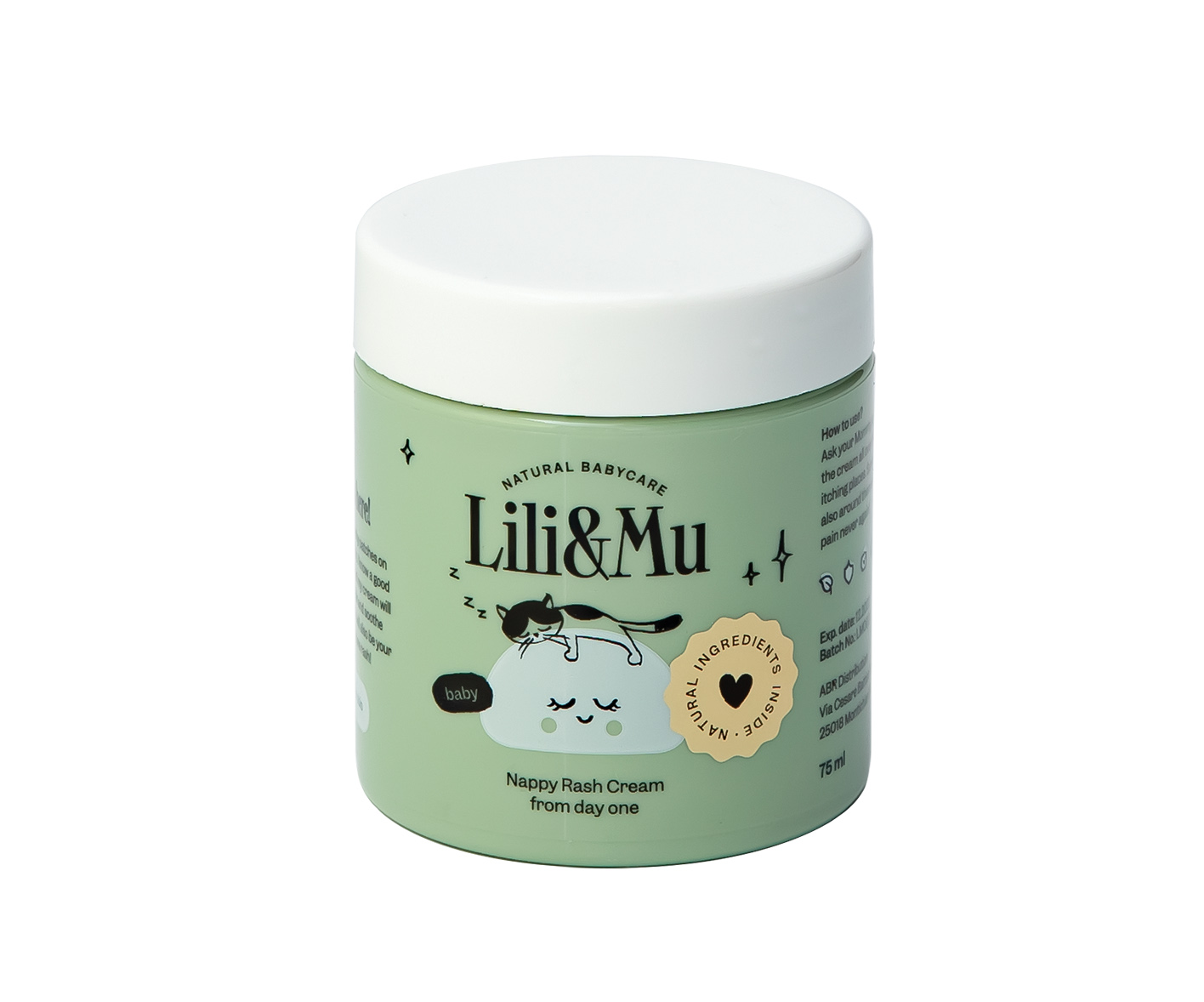
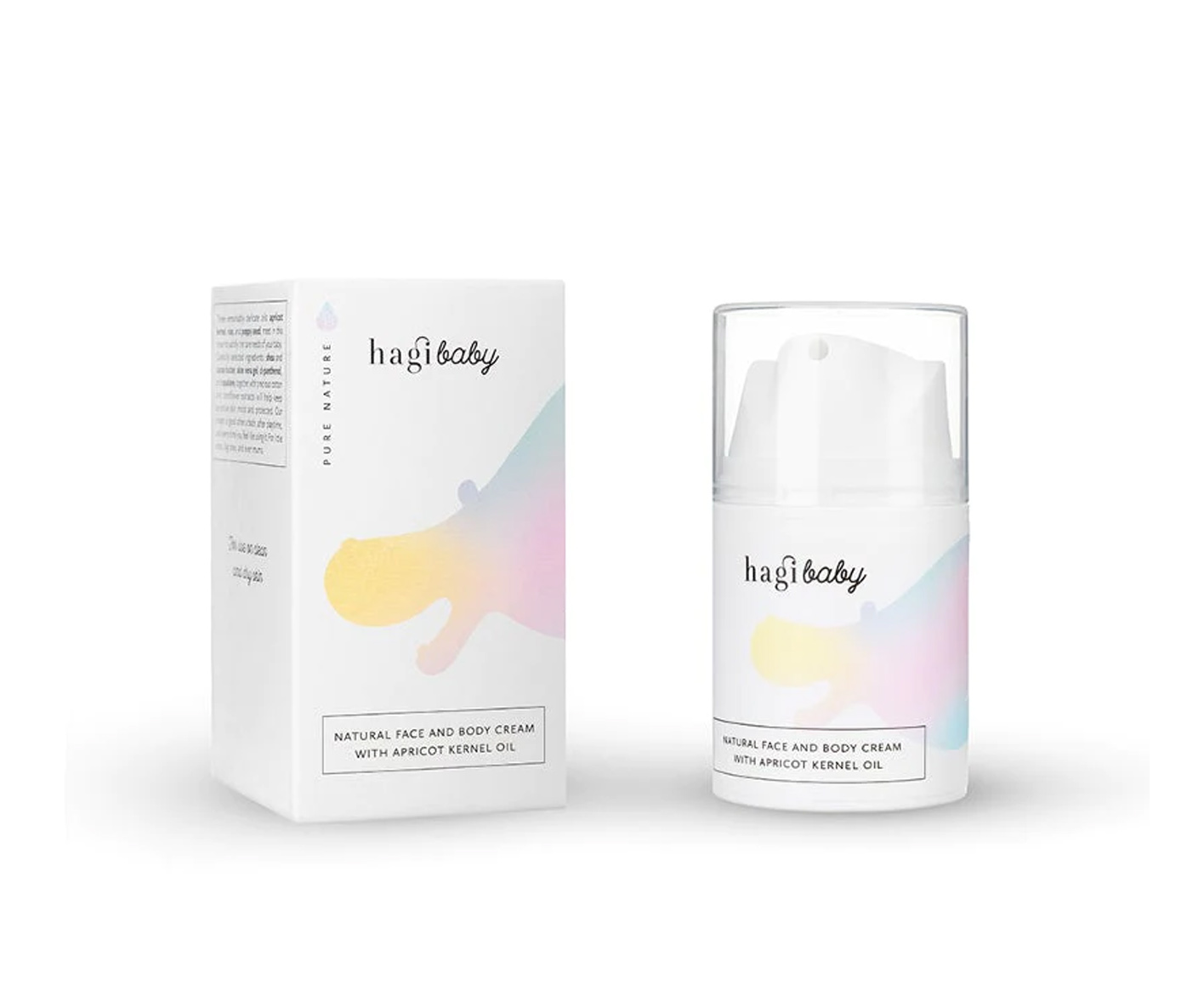
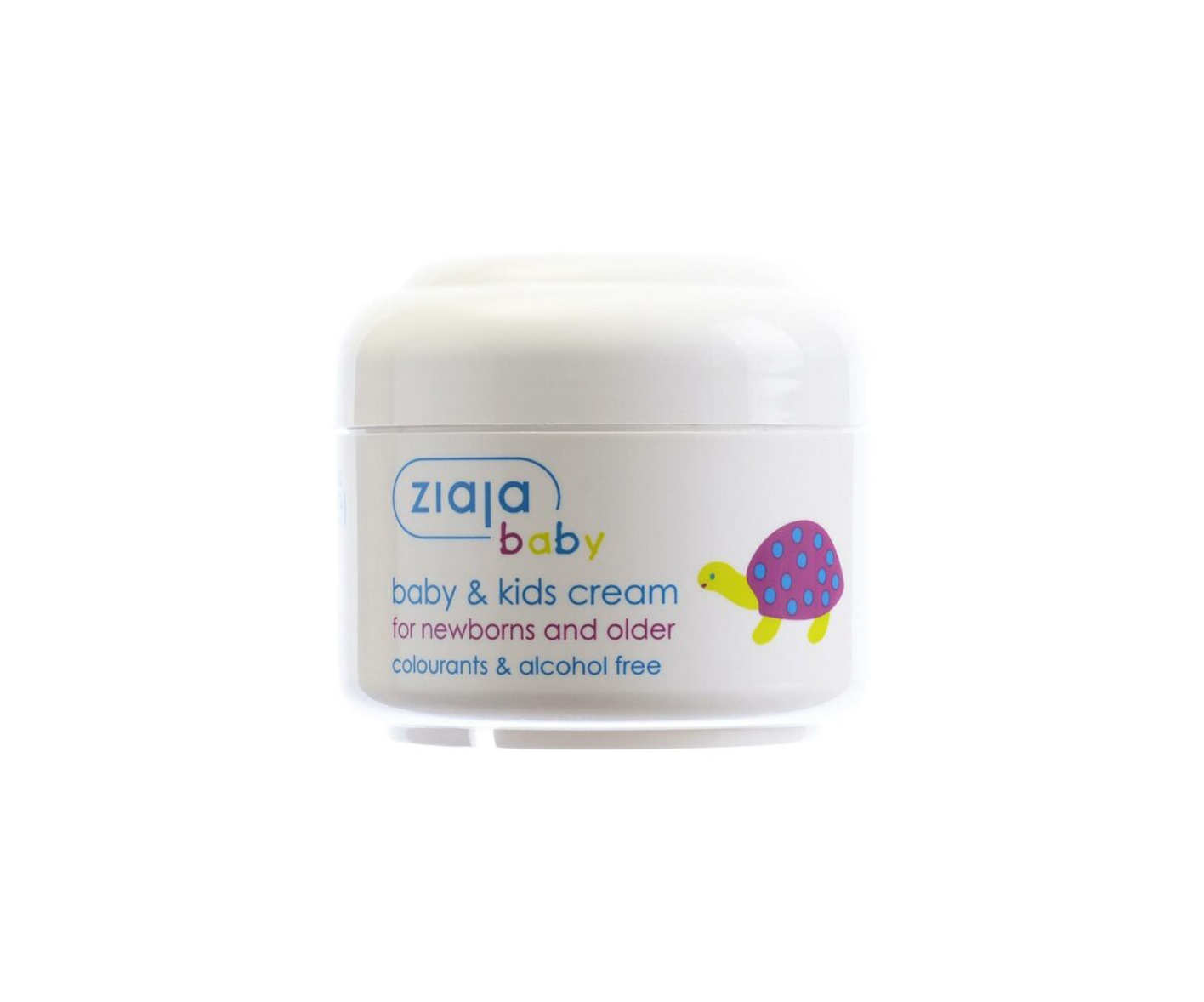
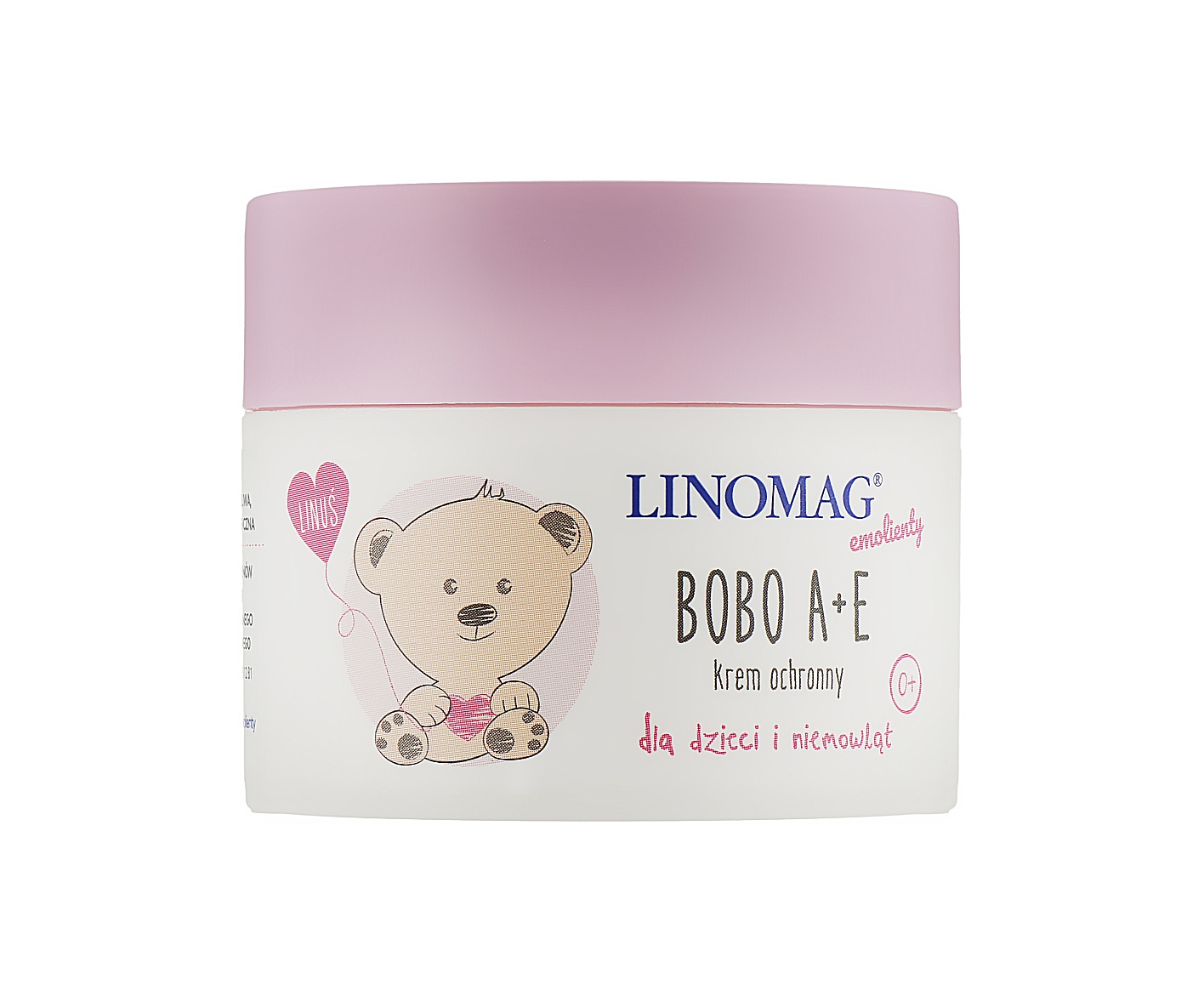
Meet the top 5 best creams for baby sweats in 2026
When creating our product reviews, we consider the ingredients and research their safety. We analyse the opinions of industry experts and the experiences of product users. We obtain recommendations from authorised retailers and use available sources of knowledge on active ingredients and their effects. We personally verify the action, texture, scent and feel of the products, and assess value for money.
Below are detailed reviews by our editors with a description of each product indicated.