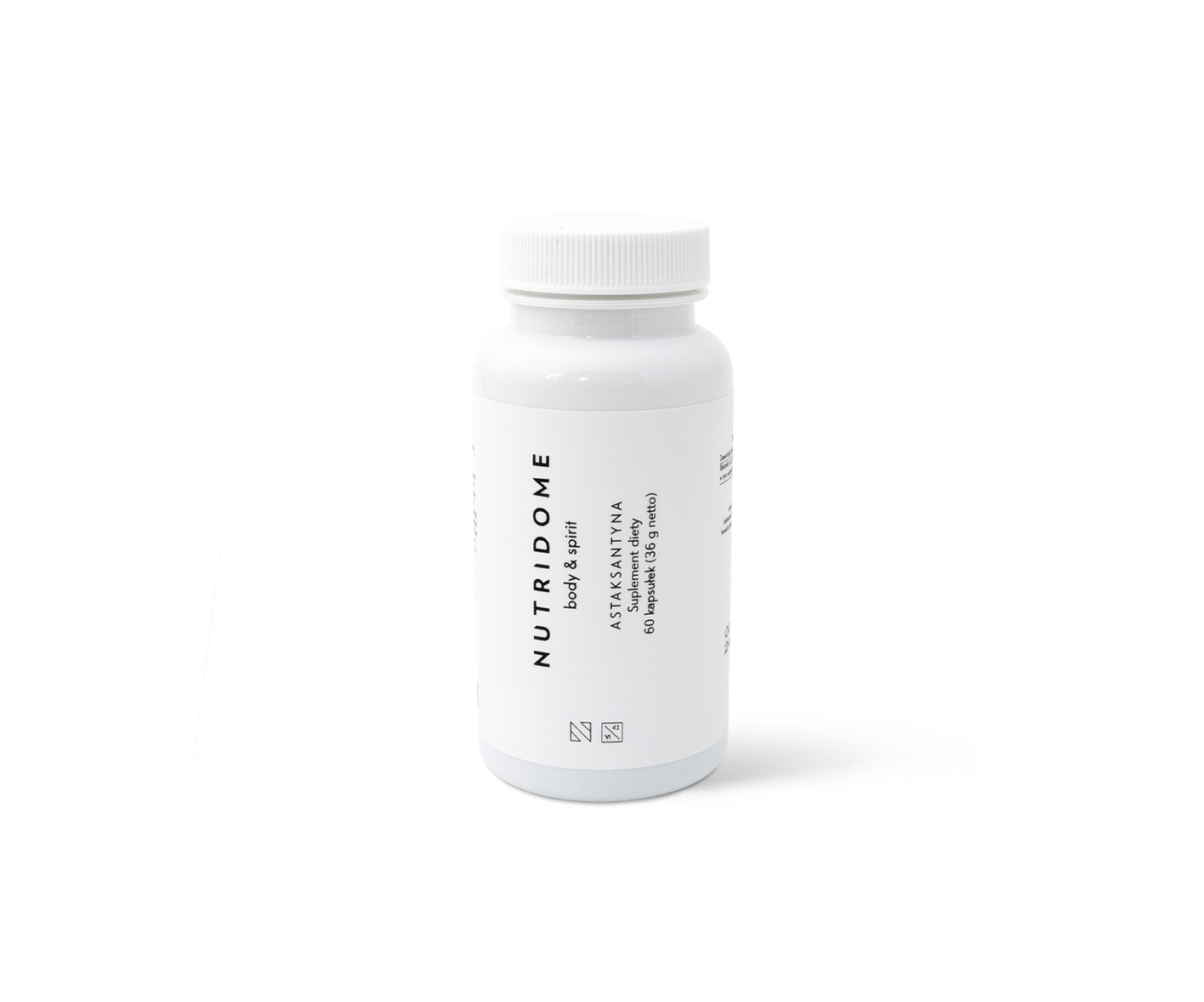
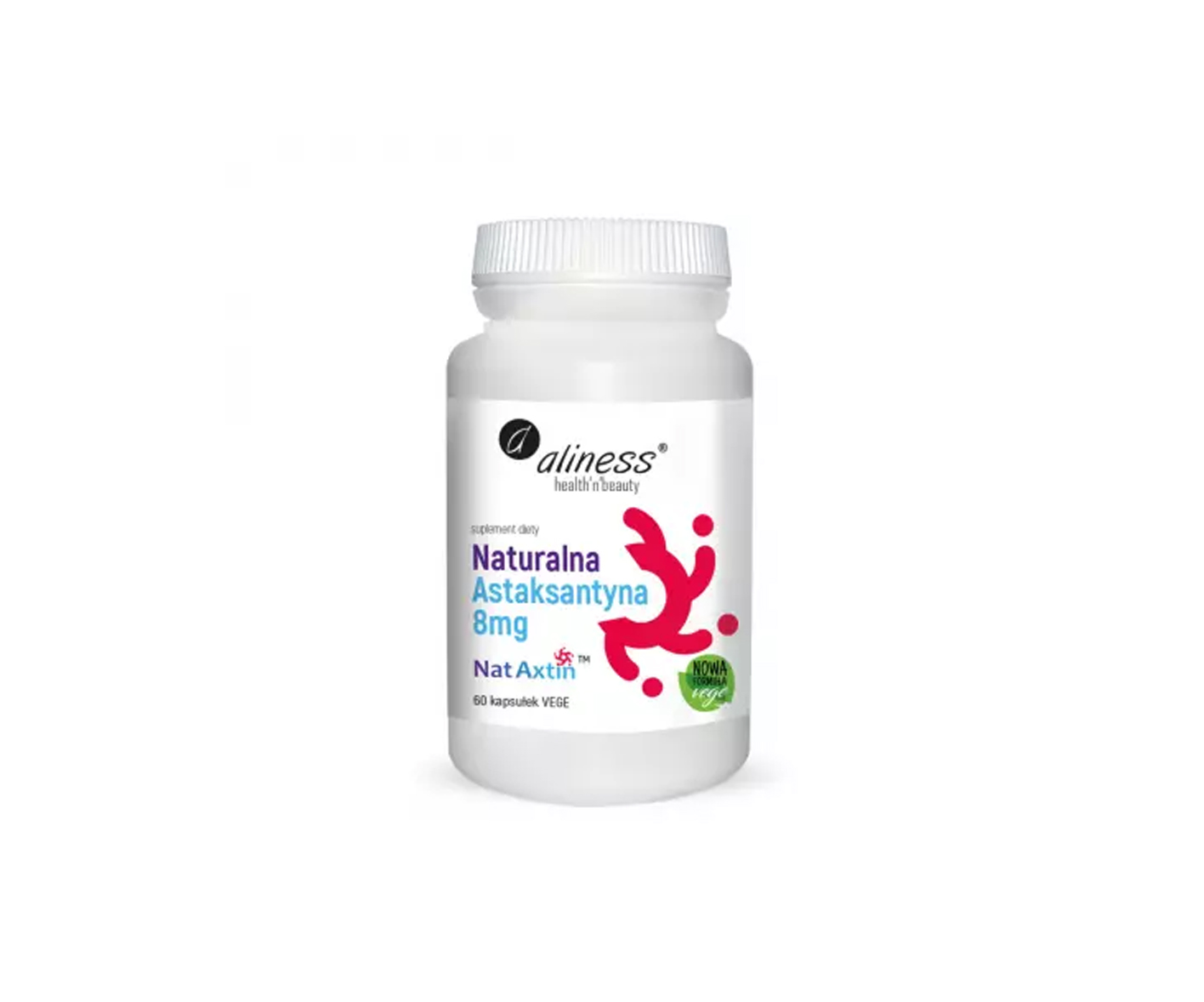
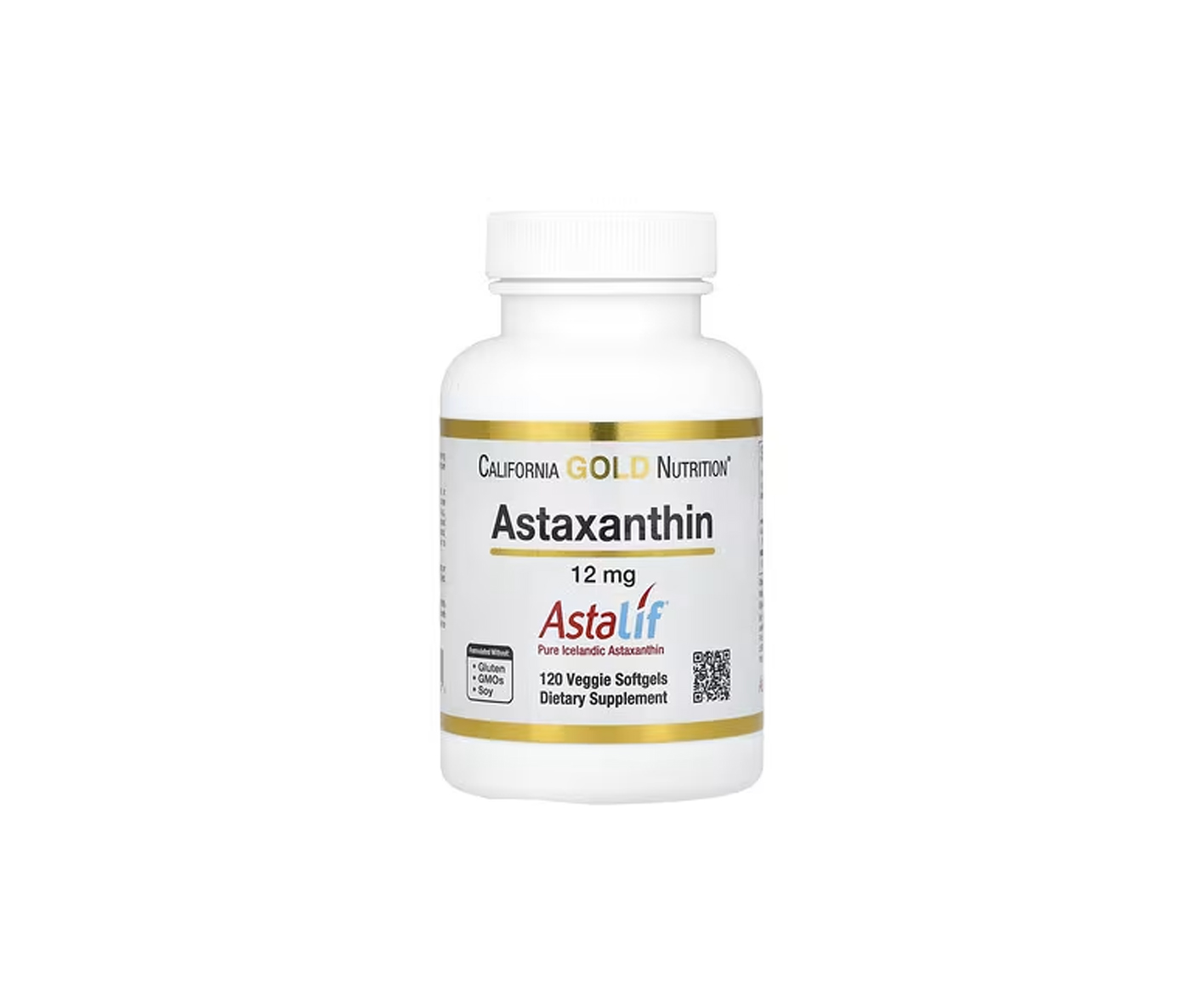
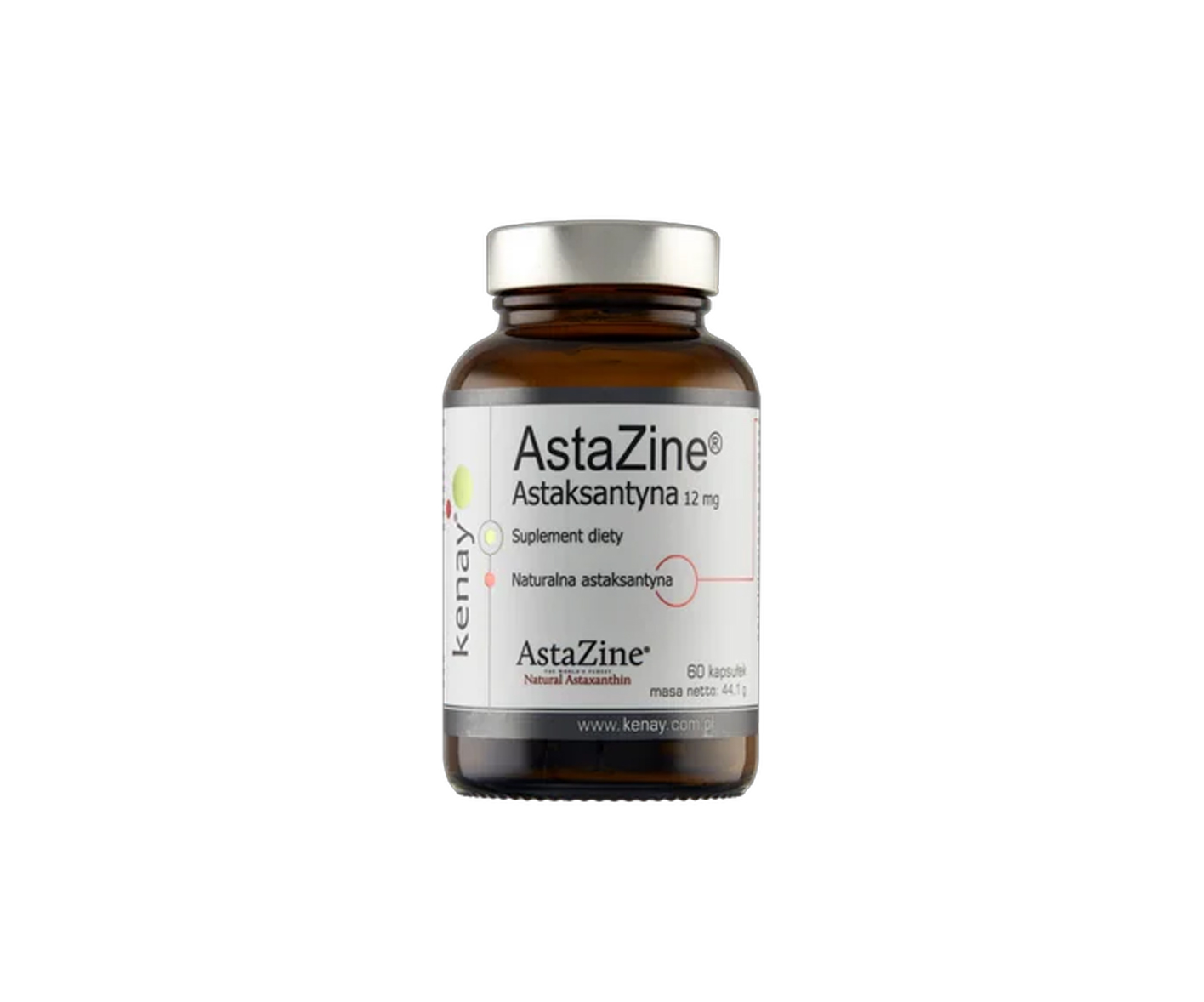
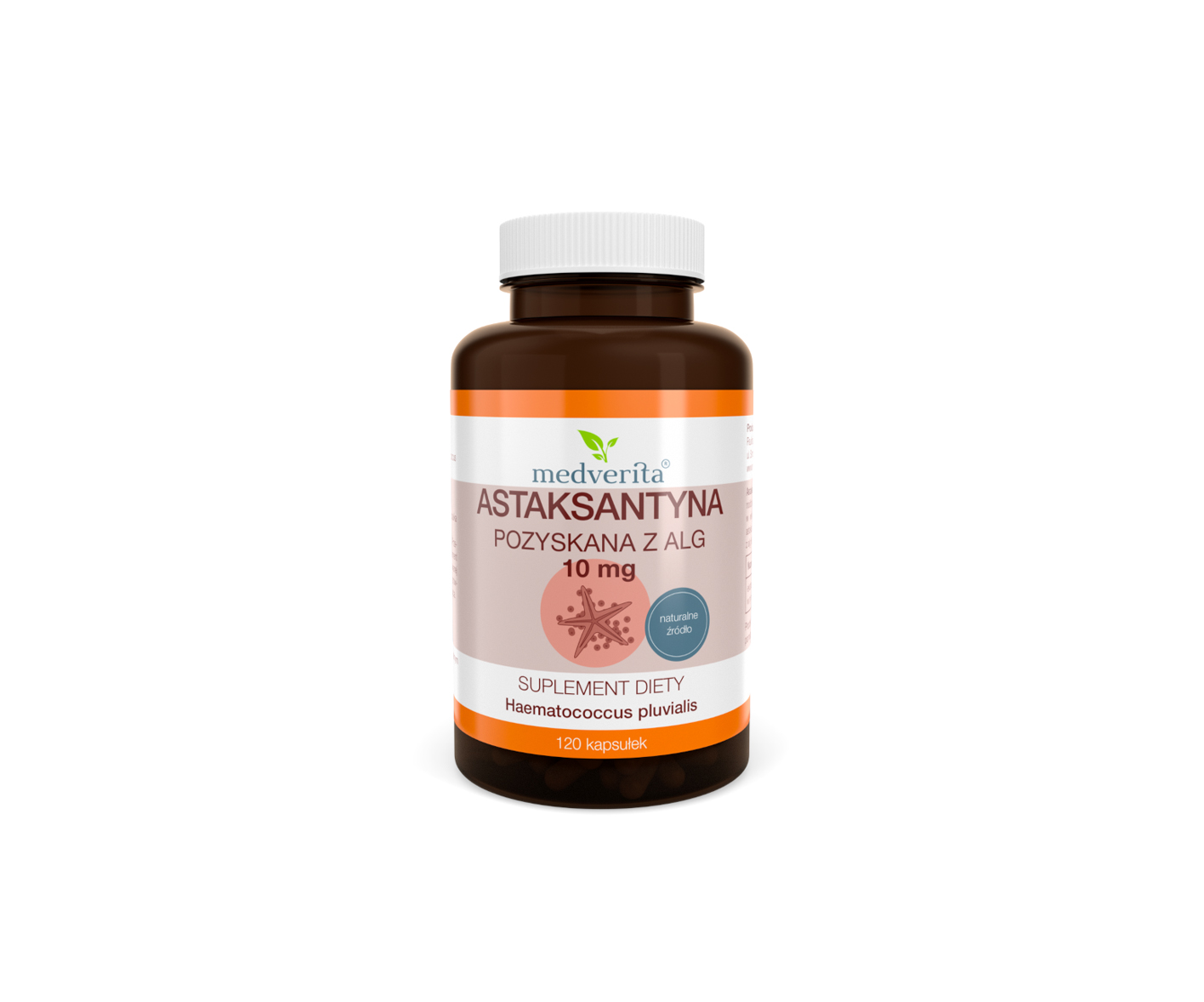
Discover the 5 best supplements with astaxanthin and take care of your body!
Astaxanthin, a powerful antioxidant from the carotenoid family, is gaining increasing interest in the world of science and medicine for its remarkable properties. This naturally occurring pigment, which gives a pink or red colour to some seafood such as shrimp or salmon, shows an impressive ability to neutralise free radicals. In an era in which oxidative stress is recognised as one of the main contributors to ageing and the development of many chronic diseases, astaxanthin appears as a promising ally in the fight to maintain health and vitality. In the following text, you will learn more about what free radicals are, how to prevent the onset of oxidative stress and what role astaxanthin plays in this issue.
What are free radicals
Free radicals are unstable molecules or atoms that have at least one unpaired electron on their outer electron shell. This characteristic makes them highly reactive and they seek to stabilise their structure by 'stealing' electrons from other molecules in the body. Free radicals can be formed naturally in the body as a by-product of metabolic processes, but also under the influence of external factors such as UV radiation, air pollution or tobacco smoke. Due to their unstable nature, free radicals quickly react with other molecules, which can lead to damage to cell structures. The most common are reactive oxygen species (ROS), such as superoxide anion or hydroxyl radical, but there are also reactive nitrogen species (RNS). In excess, they can cause oxidative stress, contributing to damage to DNA, proteins and lipids, which in turn can lead to accelerated ageing processes and the development of various diseases. In controlled amounts, they have important functions in the body, e.g. in the immune system or in cell signalling processes.
The body has natural defence mechanisms against free radicals in the form of antioxidants, such as vitamins C and E, or antioxidant enzymes. Understanding the nature of free radicals is key to appreciating the role of antioxidants, such as astaxanthin, in maintaining cellular health and overall body health.
Oxidative stress
Oxidative stress is a state of imbalance between the production of free radicals and the body's ability to neutralise them. It occurs when the amount of reactive oxygen species exceeds our body's defence capabilities.
The causes of this phenomenon range from environmental pollution to intense physical exertion. The consequences can be severe: damage to DNA, proteins and lipids leading to accelerated ageing and the development of chronic diseases.
The body defends itself against oxidative stress with its own antioxidant systems and with antioxidants provided by the diet. Therefore, it is important to consume antioxidant-rich foods, such as fruit, vegetables, as well as supplements containing powerful antioxidants, such as astaxanthin.
Understanding the mechanisms of oxidative stress helps to appreciate the role of a healthy lifestyle and a proper diet in maintaining good health and counteracting the ageing process.
How to protect cells from oxidative stress
Oxidative stress is a serious threat to our health, fortunately there are effective ways to protect against it. A diet rich in antioxidants is key - eat plenty of colourful vegetables and fruit, which are natural sources of these valuable compounds. Also consider supplementation with powerful antioxidants such as astaxanthin.
Regular, moderate physical activity strengthens the body's natural defence mechanisms. However, avoid excessive exercise, which can increase the production of free radicals. It is a good idea to limit exposure to harmful external factors - use sun protection, avoid air pollution and tobacco smoke. Manage stress through relaxation techniques and ensure you get enough sleep.
Remember to stay well hydrated and limit your intake of alcohol and highly processed foods. Regular checkups will help monitor your body's oxidative stress levels.
By following these simple strategies, you can significantly reduce the negative effects of oxidative stress on your health and well-being.
What is astaxanthin
Astaxanthin is a natural pigment belonging to the carotenoid family, known for its intense red colour. This unique compound is mainly found in marine organisms such as algae, salmon, shrimp or Antarctic krill, giving them their characteristic pink or red colour.
However, astaxanthin is much more than just a colouring agent. It is recognised as one of the most powerful antioxidants known, surpassing even vitamin C or E. This remarkable property makes astaxanthin effective in neutralising free radicals and alleviating oxidative stress in the body.
Scientific studies confirm that astaxanthin has a number of beneficial health effects. It can support cardiovascular health, improve cognitive function, protect the skin from harmful UV radiation, as well as support the immune system and reduce inflammation in the body.
Due to its unique properties, astaxanthin is gaining popularity as a dietary supplement, especially among those looking for natural ways to improve health and slow down the ageing process.
Who astaxanthin is for
Astaxanthin is a versatile supplement that can benefit many groups of people. Its unique properties make it an increasingly popular choice among those who care about their health and are looking for natural ways to improve their quality of life. It is particularly beneficial for athletes, supporting muscle recovery and reducing inflammation, and for people who care about their skin, as it protects against UV rays. It also supports cognitive function in the elderly, improves eye and heart health, and neutralises free radicals in those exposed to pollution. For those struggling with cardiovascular problems, astaxanthin can be a valuable addition to the diet. Research indicates its potential in maintaining normal cholesterol and blood pressure levels, resulting in better heart health.
Those with weakened immune systems should not be overlooked either. Astaxanthin can boost the body's natural immunity, which is extremely valuable during periods of increased risk of infection.
Astaxanthin - effects of use
Astaxanthin is a powerful antioxidant that offers many health benefits. Regular use can reduce inflammation and promote muscle recovery, which is particularly beneficial for athletes. It also protects the skin from UV radiation, slowing down the ageing process. It supports eye health, improving visual acuity and reducing fatigue, which is important in an age of heavy screen use. Additionally, astaxanthin supports cognitive function, improves heart health and boosts immunity, making it a versatile health-promoting supplement.
Key ingredients
Astaxanthin supplements primarily contain:
- Astaxanthin - the main ingredient, which is a powerful antioxidant from the carotenoid group.
- Lipid carriers - such as safflower oil, olive oil or fish oil, which improve the absorption of astaxanthin as it is fat-soluble.
- Supporting substances - vitamins (e.g. vitamin E) and minerals that further support its antioxidant effects.
- Natural sources of astaxanthin - it is often extracted from microalgae (Haematococcus pluvialis) or from marine organisms such as krill or salmon.
- Gelatin - often used in capsules, although vegan versions made from plant-based ingredients are also available.
Together, these ingredients form a formula that supports the bioavailability of astaxanthin and its health-promoting effects.
Benefits
There are many health benefits to using astaxanthin, thanks to its powerful antioxidant properties. Here are the most important of these:
- Reduction of inflammation
- Supporting muscle regeneration
- Protection of the skin
- Protection against oxidative stress
- Support for eye health
- Improved cognitive function
- Protection of the cardiovascular system
- Strengthening immunity
Disadvantages
Astaxanthin, although considered a safe supplement, can sometimes cause unwanted side effects, especially with overlong or excessive use. These include:
- Change in skin tone (orange pigment)
- Gastrointestinal disorders
- Lowering of blood pressure
- Drug interactions
- Allergic reactions
Astaxanthin - how often to use
Astaxanthin is usually safe with regular use, but frequency and dose depends on individual needs and the manufacturer's recommendation. The daily dose is usually between 4 and 12 mg per day, depending on the purpose of supplementation (e.g. for skin protection, eye health or muscle regeneration). Astaxanthin can be used daily, but periodic breaks are advisable so that the body does not become accustomed to the supplement.
Astaxanthin - how to use it
Astaxanthin should be used according to a few basic principles in order to maximise its health-promoting properties. Here are the key guidelines:
- A dose of 4-12 mg per day is usually recommended, depending on the needs of the body and the purpose of supplementation. Lower doses are used prophylactically and higher doses for more intensive health support (e.g. in sports).
- Astaxanthin is best taken with a meal that contains fat. As a fat-soluble substance, astaxanthin is better absorbed in the presence of lipids.
- Taking the supplement daily provides the most stable effects. However, it is worth taking periodic breaks, especially with long-term intake.
- To notice the full benefits, astaxanthin supplementation can be taken for several weeks or months, depending on individual needs. Effects at the level of skin or eye health may require several weeks of regular use.
- People taking medication, pregnant or breastfeeding women or those with chronic diseases should consult a doctor before starting supplementation.
By following these guidelines, the health benefits of astaxanthin can be optimised.
Astaxanthin - what to look for when choosing a supplement
When choosing an astaxanthin supplement, it is worth paying attention to several key aspects to ensure quality, efficacy and safety. Here are the most important tips:
Source of astaxanthin: The best supplements contain astaxanthin extracted from natural sources, such as the microalgae Haematococcus pluvialis. Natural astaxanthin is more bioavailable and more effective than synthetic astaxanthin.
Dosage: Check that the supplement offers the correct daily dose of astaxanthin. A typical range is 4-12 mg per day, depending on the purpose of supplementation (prevention, support for skin health, eye health or post-exercise recovery).
Lipid carriers: As astaxanthin is fat-soluble, choose supplements that contain lipid carriers such as fish oil, olive oil or other healthy fats. These help the substance to be better absorbed.
Purity and quality certificates: It is worth checking if the product has quality certifications such as GMP (Good Manufacturing Practice) or other certifications confirming high production standards. Make sure the supplement is free of contaminants, pesticides and heavy metals.
No unnecessary additives: Avoid supplements containing artificial colours, preservatives, fillers or allergens. Choose products with simple, clear ingredients.
Form of supplement: Astaxanthin is available in various forms - capsules, softgels and sometimes in liquid form.
Reviews and recommendations: Check out other users' reviews and expert recommendations. It is also worth noting scientific studies that confirm the efficacy of a particular product.
Manufacturer and brand reputation: Choose supplements from reputable manufacturers that have a good reputation in the dietary supplement market and transparent manufacturing information.
By following the above criteria, you can choose an astaxanthin supplement that is both effective and safe for your health.
Discover the top 5 astaxanthin supplements in 2026
When creating our product reviews, we consider the ingredients and research their safety. We analyse the opinions of industry experts and the experiences of product users. We obtain recommendations from authorised retailers and use available sources of knowledge on active ingredients and their effects. We personally verify the action, texture, scent and feel of the products, and assess value for money.
Below are detailed reviews by our editors with a description of each product indicated.