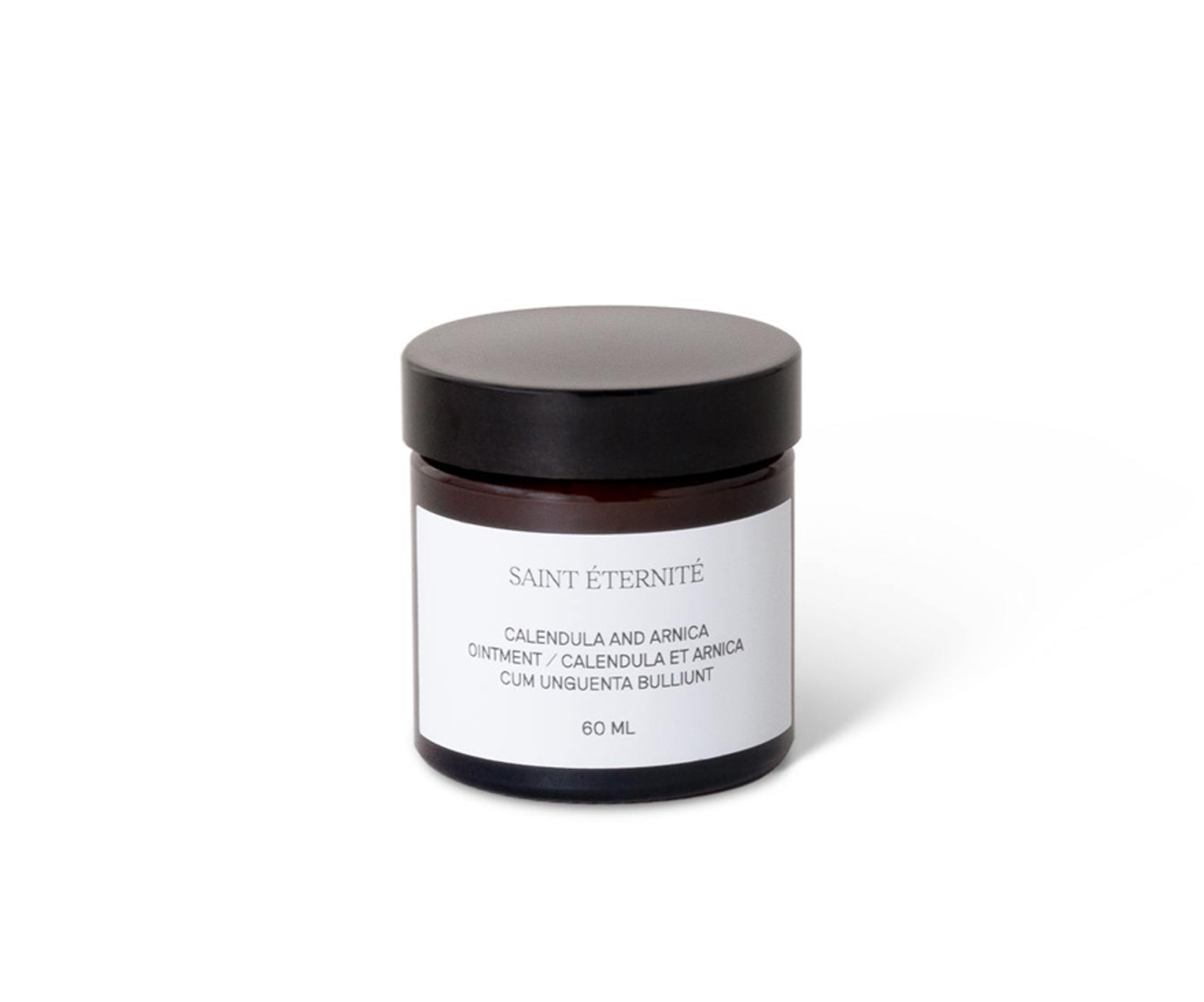
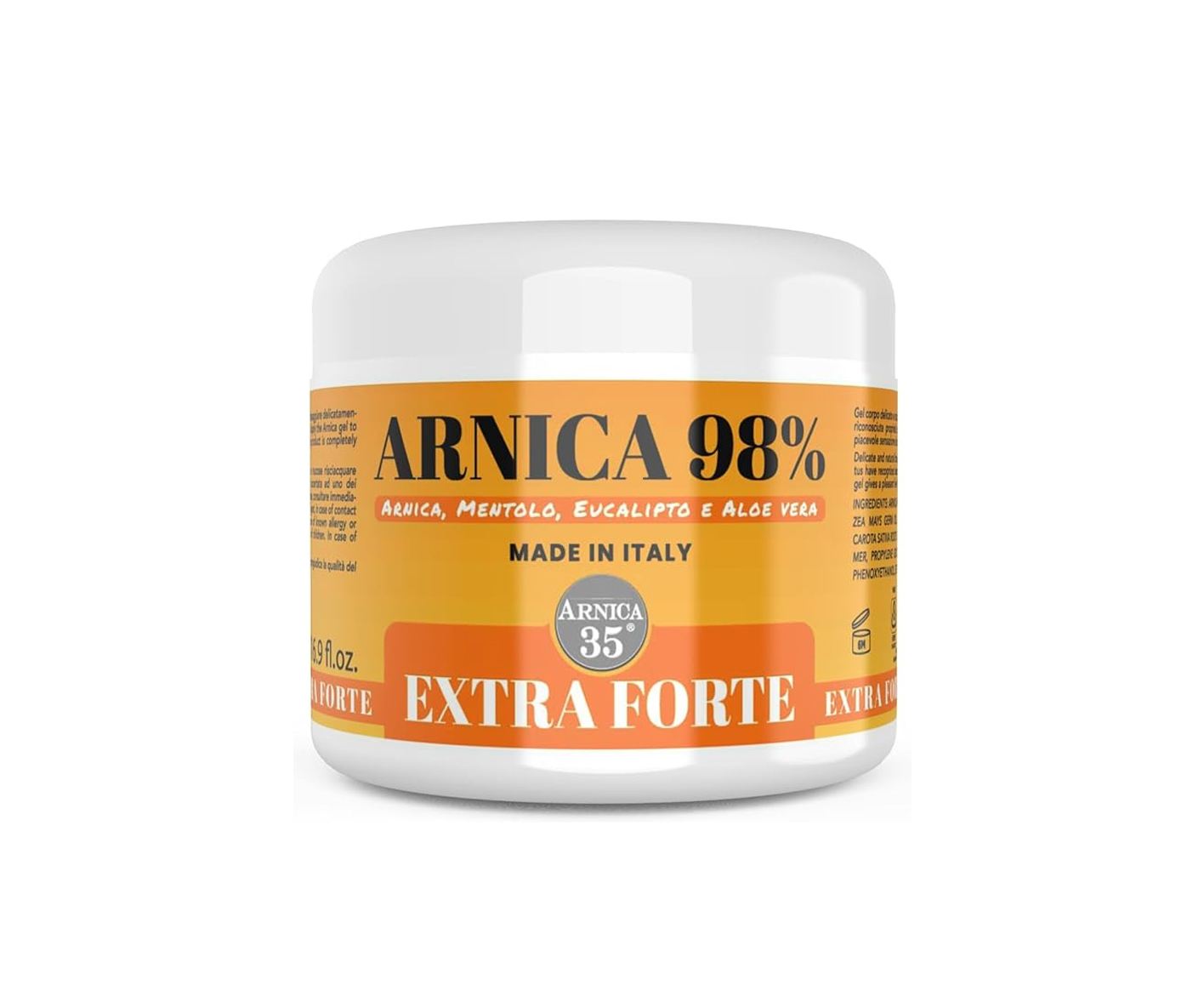
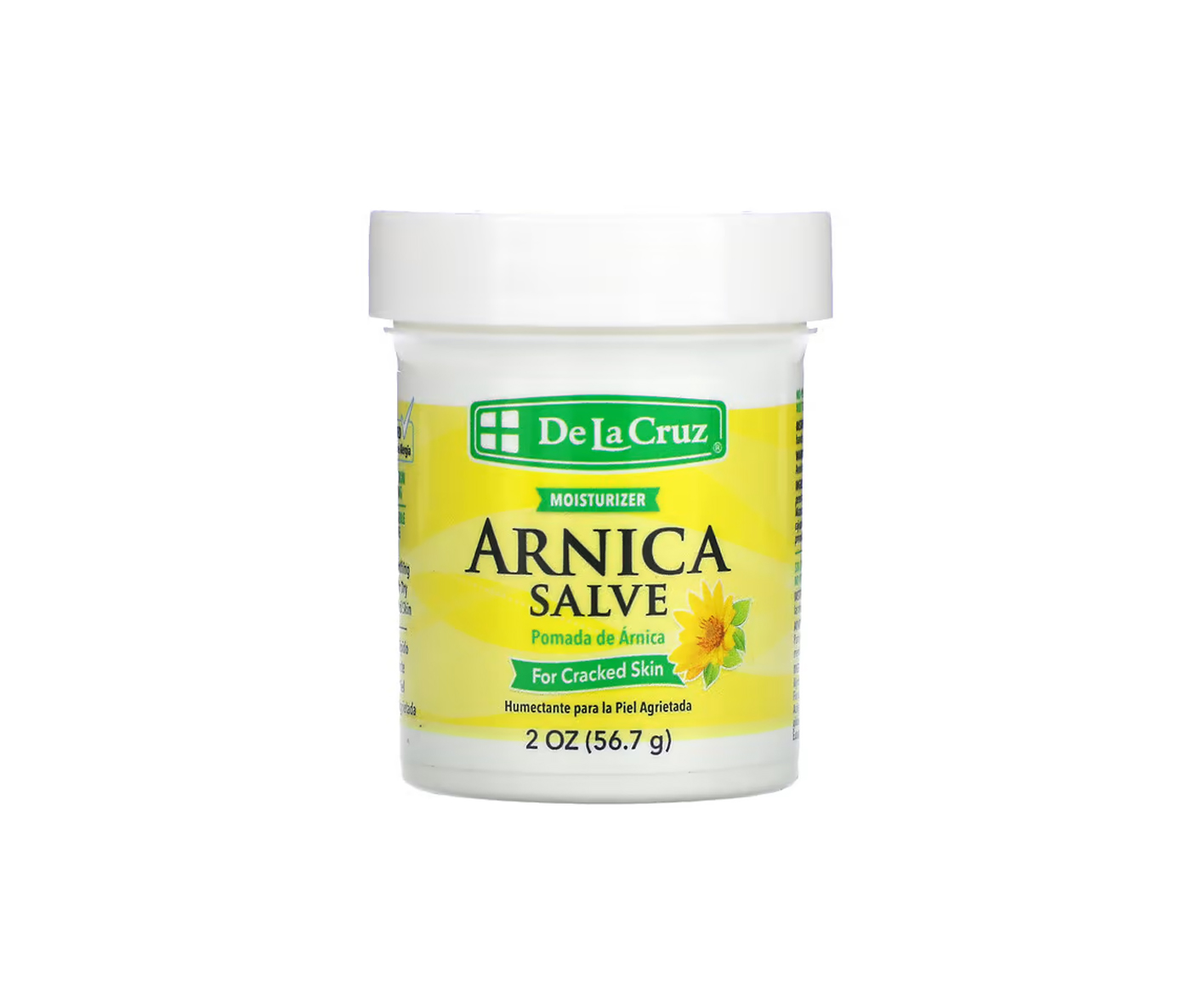
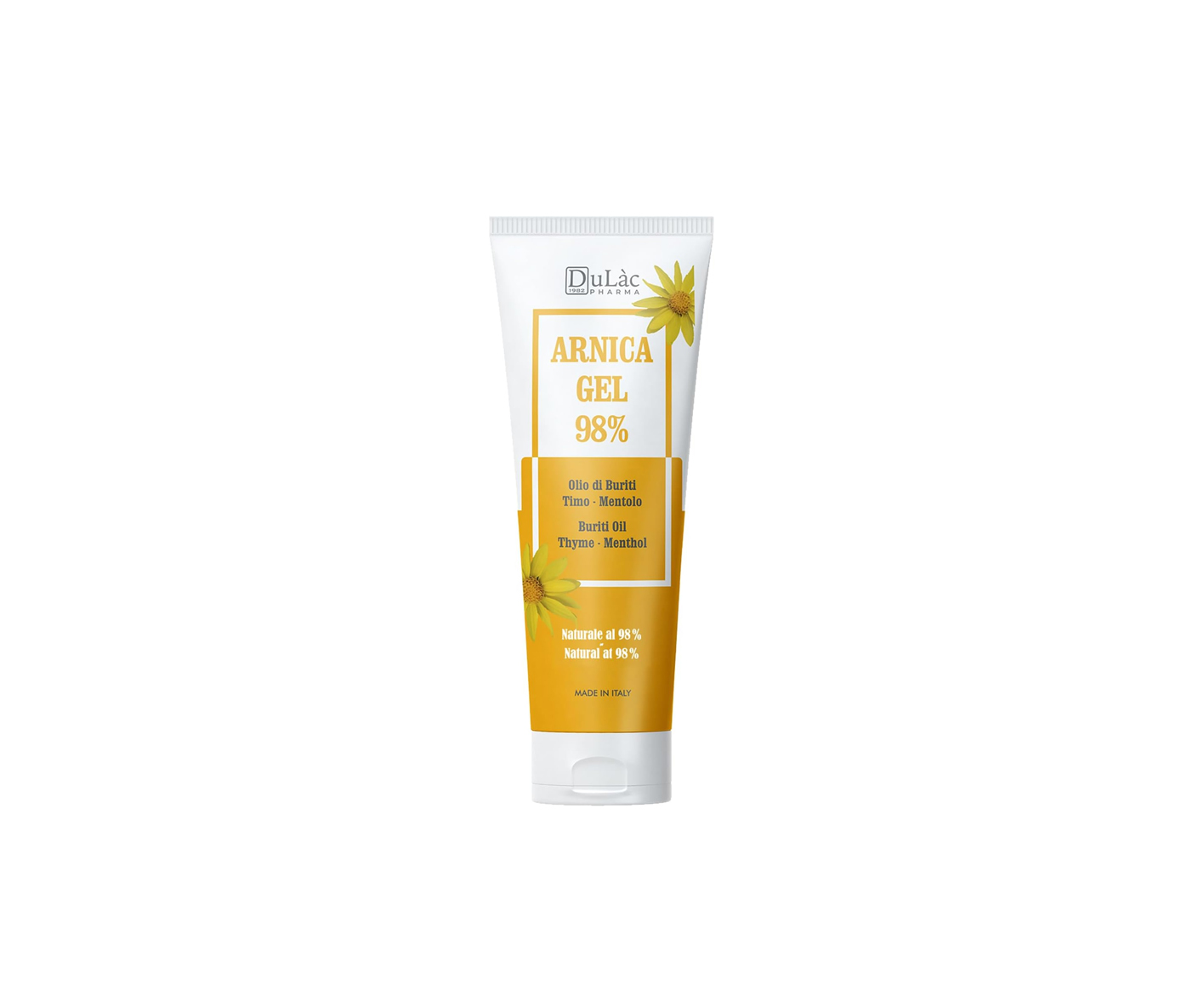
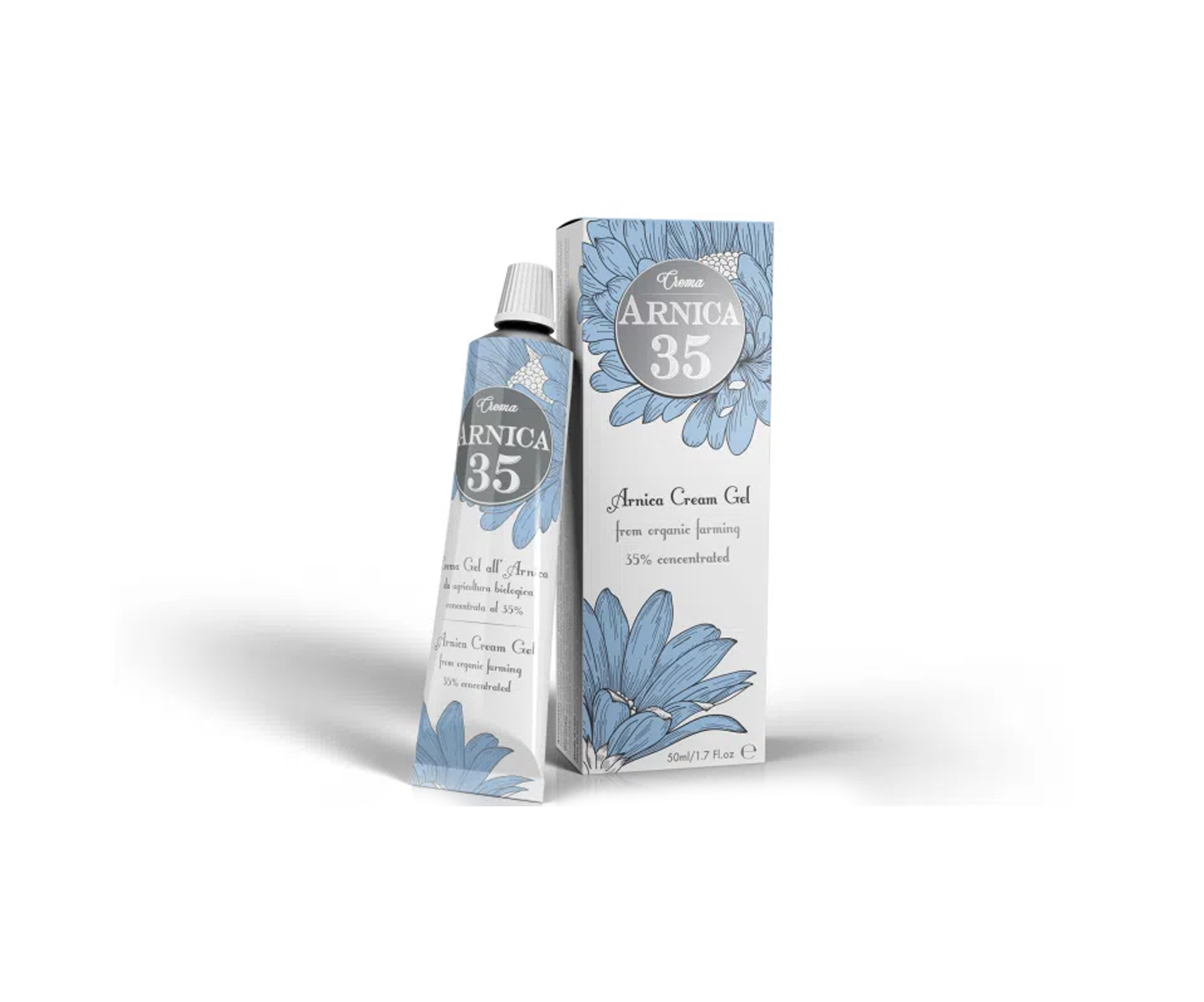
Discover the 5 best cosmetics with arnica and get relief!
There is a world of secrets hidden under the skin. Sometimes it reveals itself in the form of bruises and swellings - silent witnesses to our daily struggles. These colourful spots and bumps on the body are not only traces of pain, but also evidence of the body's extraordinary capacity for self-defence and regeneration. From childhood adventures to adult stumbles, bruises and swellings accompany us throughout our lives, telling stories we would often prefer not to remember. In this text, we will delve into the fascinating micro-world of these seemingly simple phenomena, discovering their biological basis and learning how we can support our body in fighting them. We will also talk about how arnica works and how it can make bruises or swellings invisible.
Bruises and swellings
Swelling and bruising are common occurrences that everyone has dealt with. Although they may appear similar, their nature is quite different. Oedemas are excessive accumulations of fluid in the body's tissues. They resemble swellings and can be the result of inflammation, injury or circulation problems. They are characterised by a tightening of the skin and often accompanied by pain. Bruises, on the other hand, are coloured marks on the skin, formed when the blood vessels beneath the surface of the skin are damaged. They are most often the result of blows or bruises. Their colour evolves from red to purple to yellow, reflecting the healing process. Although different in nature, swellings and bruises often occur together, especially after trauma. They are a kind of alarm system for our bodies, signalling that something needs attention and recovery.
Although they are usually not dangerous and pass spontaneously, it is worth consulting a doctor if they occur frequently or intensely. Remember that our body has a remarkable ability to heal itself, and swellings and bruises are living proof of this.
How does a bruise form?
A bruise is damage to the tissues under the skin that is caused by the rupture of blood vessels, mainly capillaries. To better understand the structure of a bruise, there are several key elements and stages. The main cause of a bruise is the rupture of small blood vessels, most commonly capillaries. These vessels are located just under the skin and are responsible for supplying blood to the tissues. When blood vessels are damaged, blood escapes from them into the surrounding tissues. Blood that moves outside the vessels can no longer perform its function, so it gradually breaks down. The colour of the bruise changes over time as the blood is gradually broken down and absorbed by the body. Here is what these changes look like from a biological point of view:
The initial colour (red/purple) - is due to the presence of haemoglobin, the oxygen transport protein in red blood cells.
Blue/purple - when the blood ceases to be oxygenated, the colour shifts to darker shades, mainly blue and violet.
Green - haemoglobin breaks down to form bilirubin and biliverdin, resulting in a greenish colour.
Yellow - the final stage in which blood metabolites, mainly bilirubin, give a yellow colour to the bruise, which begins to be absorbed.
Blood that leaks into the surrounding tissues (skin, fatty tissue, muscle) may cause mild inflammation and swelling. The surrounding tissues react to the presence of blood, causing pain and swelling. The body gradually absorbs the blood dispersed in the tissues, breaking down the haemoglobin into components that are removed from the body. This process takes from a few days to a few weeks, depending on the size and depth of the bruise and the body's ability to regenerate.
A bruise is therefore the result of local damage and the body's response to the blood leak, and its colour and size change as the body repairs the damaged vessels and removes blood from the tissues.
Bruising - causes of formation
A bruise occurs as a result of damage to the blood vessels (usually capillaries) under the skin, which causes blood to leak into the surrounding tissues. A bruise usually occurs as a result of mechanical trauma such as a blow, fall or pressure, but can also have other causes.
The most common cause of bruising is a direct blow, which ruptures the blood vessels under the skin. Blood flows out of the vessels but does not break the surface of the skin, leading to visible discolouration.
Heavy pressure on the body, for example during an intense workout, wearing tight clothes or any other form of prolonged pressure, can also lead to blood vessel damage and bruising.
In people with blood clotting disorders, such as haemophilia or von Willebrand's disease, bruising can occur more frequently and for no apparent reason. The body has difficulty clotting the blood properly, resulting in a greater tendency to bruise even with minor injuries.
These are disorders that affect excessive bleeding and may be caused by problems with blood vessels, platelets or clotting proteins. Examples include purpura (e.g. thrombocytopenic purpura) or autoimmune diseases.
Some medications, especially those that affect blood clotting, can increase the risk of bruising. Such drugs include anticoagulants (e.g. aspirin, warfarin, heparin), steroids, non-steroidal anti-inflammatory drugs (NSAIDs, e.g. ibuprofen).
In older people, the skin becomes thinner and the blood vessels more fragile, making bruises appear more easily and more visible.
Deficiencies of certain vitamins, especially vitamin C and K, can increase susceptibility to bruising. Vitamin C is crucial for the production of collagen, which strengthens blood vessels, and vitamin K helps blood clotting.
Liver conditions, such as cirrhosis, can affect the ability of the blood to clot, leading to bruising more easily.
A bruise occurs when blood vessels are damaged and blood leaks into the tissues under the skin. The most common cause is mechanical trauma, but there can also be other factors, such as blood clotting disorders, the use of medications, liver disease or vitamin deficiencies.
Ways to treat bruising and swelling
Swelling and bruising are unpleasant but often unavoidable consequences of our daily activities. Whether after an intense workout or an unfortunate bump on the corner of a table, each of us is looking for effective ways to quickly get rid of these bothersome marks. Fortunately, there are several proven methods that can provide relief and speed up the healing process.
The first line of defence is always a cold compress. Applying ice or a cold compress immediately after an injury can significantly reduce swelling and limit the development of a bruise. However, remember not to apply ice directly to the skin - always wrap it in a towel or use special cold compresses.
Another effective ally in the fight against swelling and bruising is arnica. This inconspicuous plant with yellow flowers hides powerful anti-inflammatory and anti-edema properties. Available in the form of gels, ointments or homeopathic tablets, arnica has enjoyed a long-standing reputation in both folk and modern medicine. Gently massaging arnica gel into the site of an injury can provide rapid relief and accelerate the absorption of the bruise.
Adequate diet and hydration also play an important role in the healing process. Eating foods rich in vitamin K (spinach, broccoli) and vitamin C (citrus, peppers) can aid the healing process. Drinking plenty of water will help remove toxins and reduce swelling.
Remember, however, that despite the effectiveness of these home methods, it is always advisable to consult your doctor if you have a serious injury or if symptoms persist. Your health comes first and a professional opinion can protect you from potential complications.
By using these methods, you can significantly speed up the healing process and ease the discomfort of swelling and bruising. Remember, however, that everyone's body is different and may react in different ways. Be patient and attentive to your body's signals and you will surely find the method that works best for you.
What is arnica
Arnica is a medicinal plant known for its anti-inflammatory, analgesic and regenerative properties. It is mainly found in the mountainous regions of Europe and North America. It is most commonly used externally in the form of ointments, gels or creams to relieve bruises, contusions, swelling and muscle and joint pain. Thanks to the active substances it contains, such as flavonoids and essential oils, arnica promotes healing, reduces swelling and improves circulation in damaged tissues. However, its use on open wounds should be avoided.
For whom arnica
Arnica is recommended for people struggling with mechanical injuries such as bruises, contusions or sprains, as well as athletes who often experience injuries. It is also effective in relieving muscle and joint pain, especially in people suffering from arthritis or muscle strain. Thanks to its anti-edema properties, arnica can help people with post-traumatic or post-surgical swelling. It is also used after surgical or dental procedures and in relieving swelling after insect bites. However, arnica should not be used on open wounds or in people who are allergic to plants of the asteraceae family.
Arnica - effects of use
The use of arnica has a number of beneficial effects, especially in the context of relieving ailments related to injuries and inflammation. Arnica effectively relieves inflammation thanks to its sesquiterpenes and flavonoids. It helps to reduce swelling and pain caused by injury and inflammation. Thanks to its analgesic properties, Arnica can provide relief from muscle pain, joint pain and pain resulting from bruises and contusions. Arnica improves blood and lymph circulation at the site of injury, which helps to reduce swelling and accelerate the absorption of accumulated blood in the tissues. Thanks to its anti-inflammatory and analgesic properties, arnica promotes regenerative processes in damaged tissues, which speeds up the healing of bruises and contusions.
The use of arnica can also improve the overall condition of the skin, soothing irritation and promoting skin regeneration after injury. Regular use of arnica preparations on bruises can accelerate their absorption and reduce the appearance of discolouration.
Arnica is usually applied externally in the form of ointments, gels or creams. However, its use should be avoided on open wounds and in people with allergies to plants of the asteraceae family.
Key ingredients
Arnica contains several key ingredients that are responsible for its healing properties. Here are the most important of these:
- Flavonoids - e.g. luteolin and quercetin, have potent anti-inflammatory and antioxidant effects, helping to reduce inflammation and protect cells from oxidative damage.
- Sesquiterpenes - the main sesquiterpene in arnica is helenalin, which has anti-inflammatory and analgesic properties. Sesquiterpenes help relieve pain and reduce swelling.
- Essential oil - has antimicrobial and anti-inflammatory properties to promote healing and reduce swelling.
- Coffee acid - is a powerful antioxidant that helps protect cells from oxidative stress and supports regeneration processes.
- Vitamins and minerals - support skin health and general body functions.
Advantages of
Arnica, when used as an ointment or as an additive to a cream, can bring many benefits to the skin. Here are the main effects of using arnica:
- Reducing inflammation
- Pain relief
- Reduction of swelling
- Acceleration of the healing process
- Improving the condition of the skin
- Reducing bruising
Disadvantages
The use of arnica, despite its many beneficial properties, can be associated with some undesirable effects, especially if not used as directed. Here are the possible side effects:
- Skin irritation
- Allergies
- Skin reactions
- Systemic effects
- Drug interactions
- Dizziness and headaches
Arnica - how often to use
Arnica should be used according to the manufacturer's recommendations or the doctor's instructions. Usually preparations containing arnica, such as ointments, gels or creams, are applied 2-3 times a day. A thin layer of the preparation should be applied to the area affected by the injury or inflammation and gently massaged in. It is important to apply arnica only to intact skin and avoid contact with open wounds. If irritation occurs, discontinue use. Regular use of arnica can speed up the healing process of bruises, contusions and swelling, but it is always a good idea to monitor the skin's reaction and adjust the frequency of application if necessary.
Arnica - how to use it
Arnica is mainly applied externally in the form of ointments, gels or creams. Here's how to apply arnica correctly:
- Make sure the product contains arnica in the correct concentration and is intended for external use.
- Before using it for the first time, carry out a sensitisation test by applying a small amount to a small patch of skin. If there are no allergic reactions after 24 hours, you can safely use the product.
- Make sure the area of skin you will be applying Arnica to is clean and dry. Apply a thin layer of ointment, gel or cream to the area affected by the injury, bruise or inflammation. Gently massage the preparation into the skin.
- Frequency of application: Apply Arnica 2-3 times a day, unless the manufacturer or doctor recommends a different frequency.
- Avoid contact with open wounds. Arnica should only be applied to undamaged skin. Avoid applying to open wounds or damaged skin to prevent irritation and infection.
- Monitor the skin for any signs of irritation, such as redness, itching or rashes. If these symptoms occur, discontinue use and consult your doctor.
- Store the product in a dry, cool place, away from direct sunlight and out of the reach of children. Using Arnica according to these guidelines will help to effectively relieve bruises, contusions and swelling, while minimising the risk of adverse reactions.
Arnica - what to consider when choosing a cosmetic
When choosing a cosmetic containing arnica, it is worth following a few key criteria to ensure that it is effective and safe to use. Here are the most important aspects to pay attention to:
Product composition: check the concentration of arnica that the product contains. Effective formulations contain concentrated extracts of it, but are not overly potent, which can lead to irritation.
Other ingredients: Look out for additional ingredients, such as moisturisers, soothing substances (e.g. aloe vera, vitamin E) or analgesics, which can support the action of arnica and improve the condition of the skin.
Cosmetic form: choose the form of preparation that best suits your needs. Ointments are greasier and may be better for use on larger areas of skin, while gels and creams are lighter and absorbed more quickly.
Manufacturer reputation: Choose products from reputable manufacturers or brands that are known for the quality of their cosmetics and have positive feedback from users.
Certification and testing: Make sure the product has passed dermatological tests and is safe for the skin. This information can usually be found on the packaging or in the leaflet. Check whether the product has quality or organic certifications that can attest to its safety and quality.
Safety of use: Avoid products with added substances that may cause irritation or allergic reactions, such as artificial colours, strong preservatives or parabens.
User reviews: Read reviews from other users and check for opinions on the efficacy and safety of the cosmetic.
Price: Although price does not always reflect quality, very low prices may suggest the use of poorer quality ingredients. Choose products at a reasonable price that corresponds to quality and effectiveness.
When choosing a cosmetic with arnica, follow these tips to ensure you get the best results and minimise the risk of adverse reactions.
Discover the 5 best cosmetics with arnica in 2026
When creating our product reviews, we consider the ingredients and research their safety. We analyse the opinions of industry experts and the experiences of product users. We obtain recommendations from authorised retailers and use available sources of knowledge on active ingredients and their action. We personally verify the action, texture, scent and feel of the products, and assess value for money.
Below are detailed reviews by our editors with a description of each product indicated.