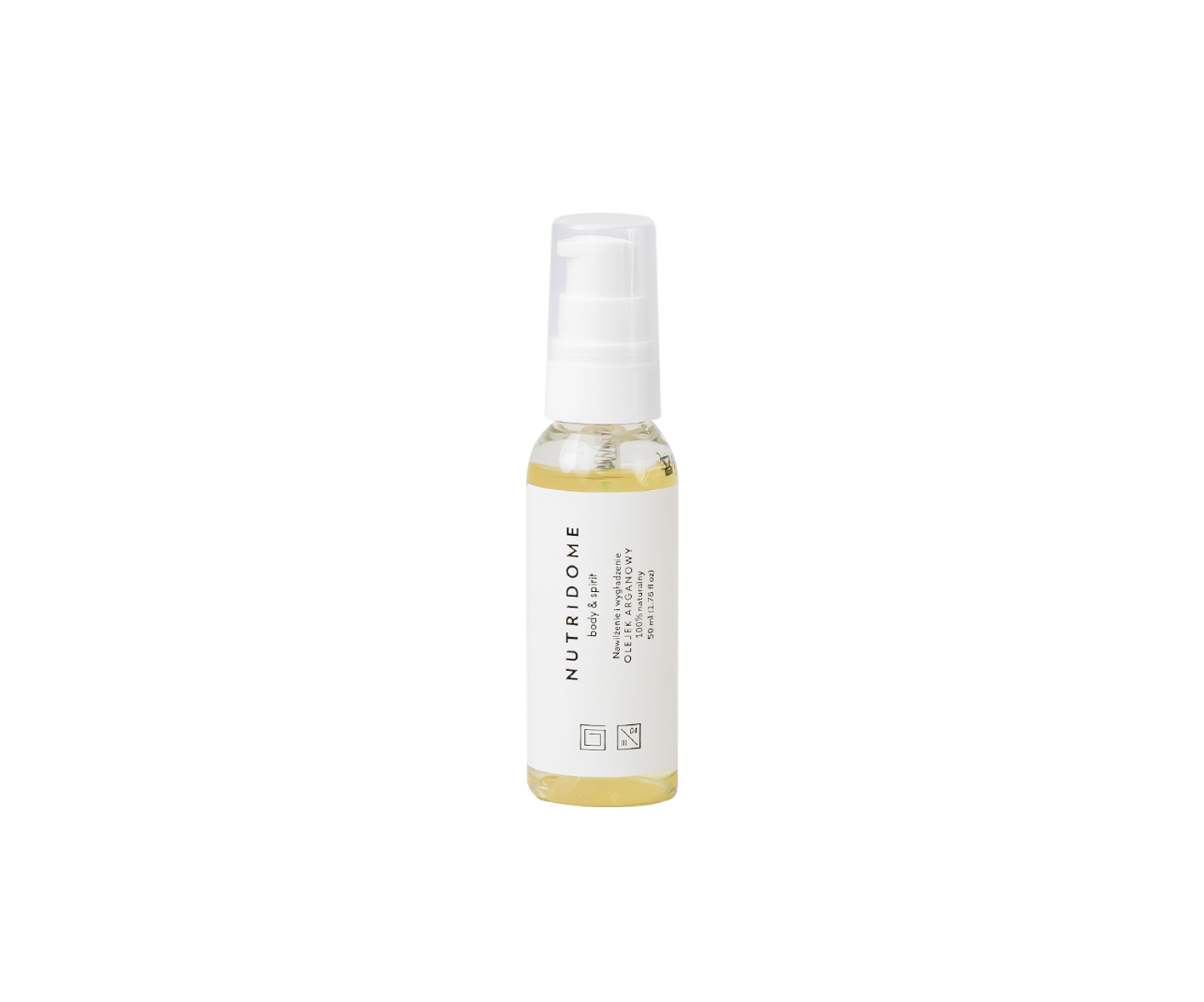
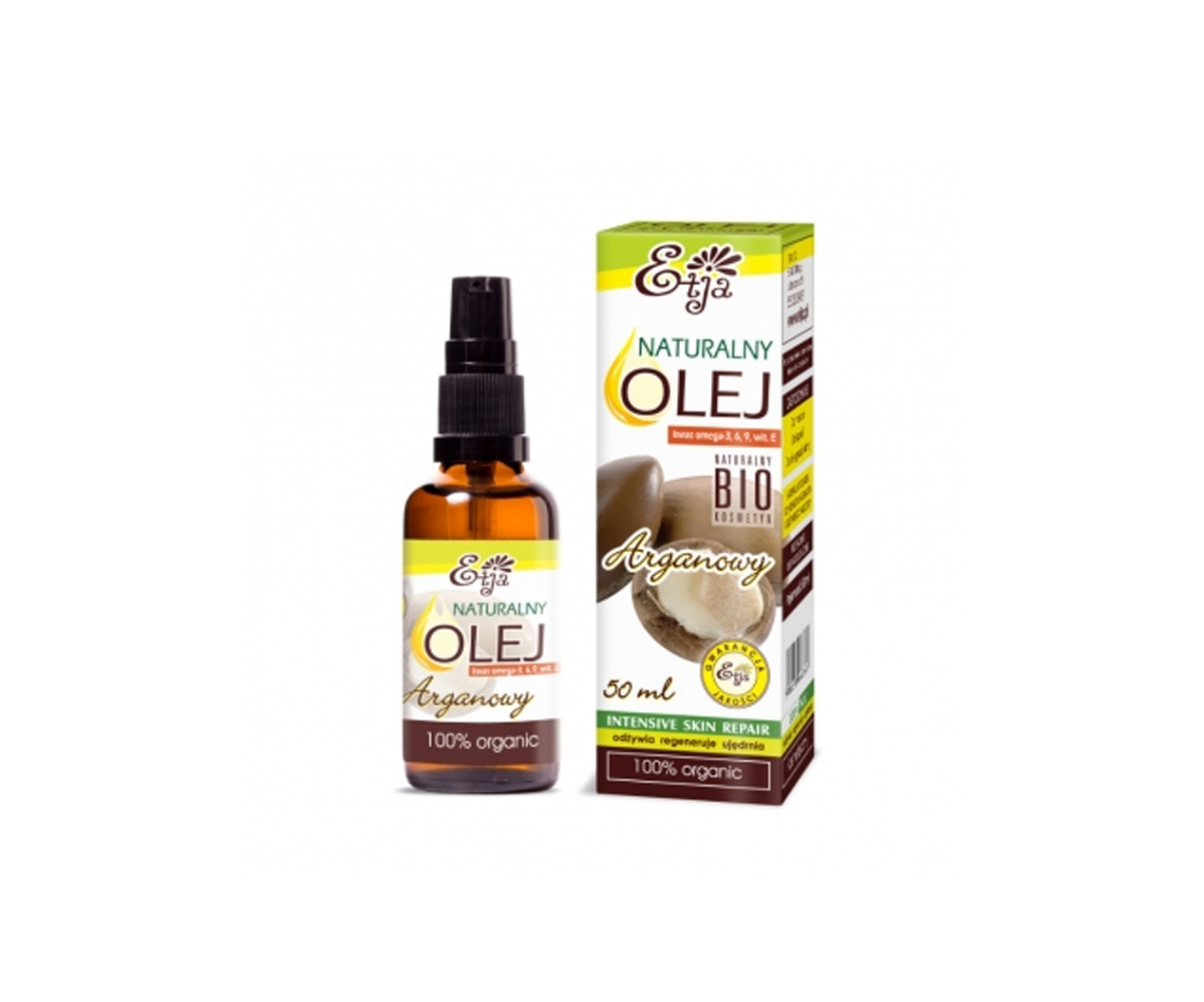
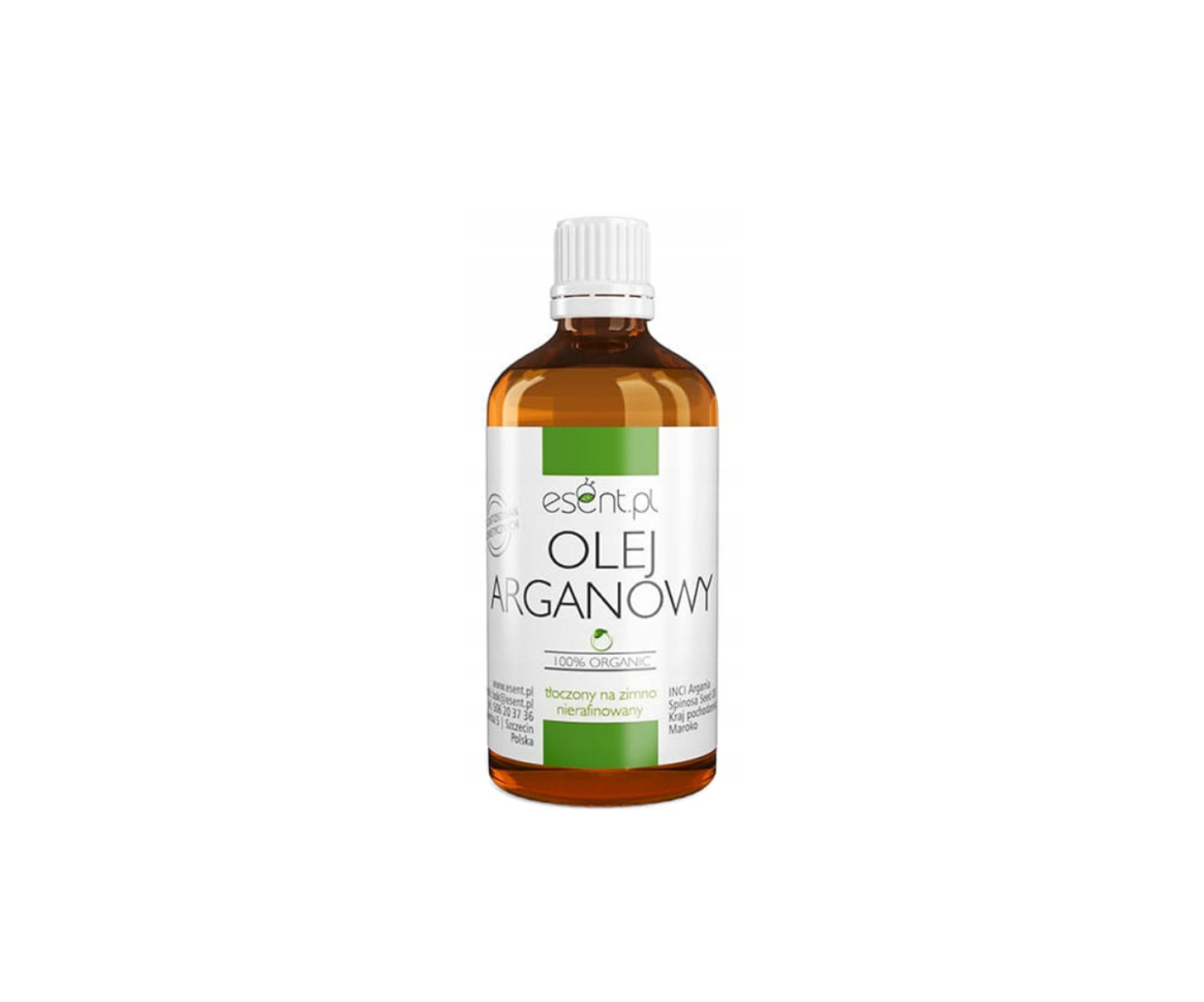
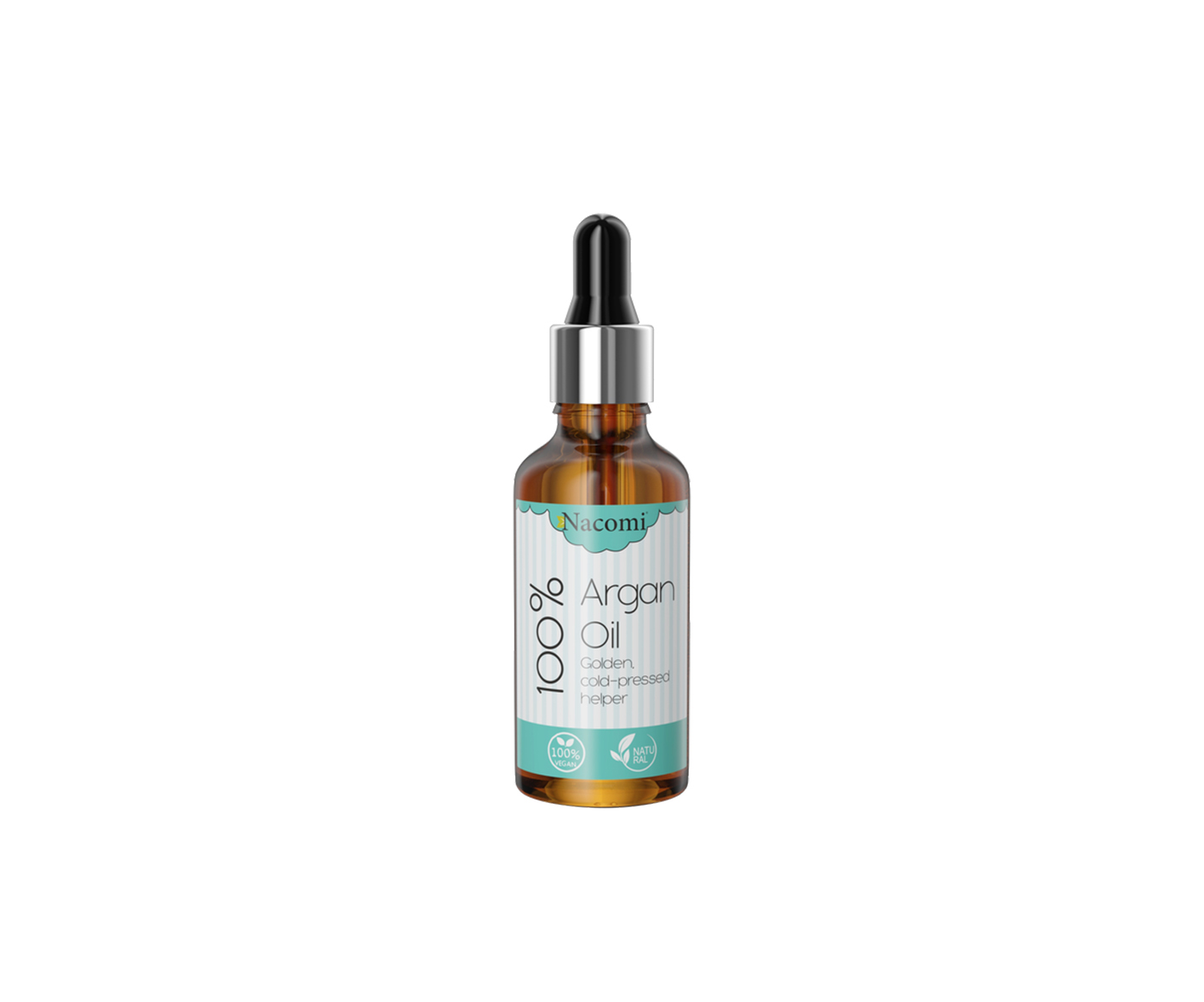
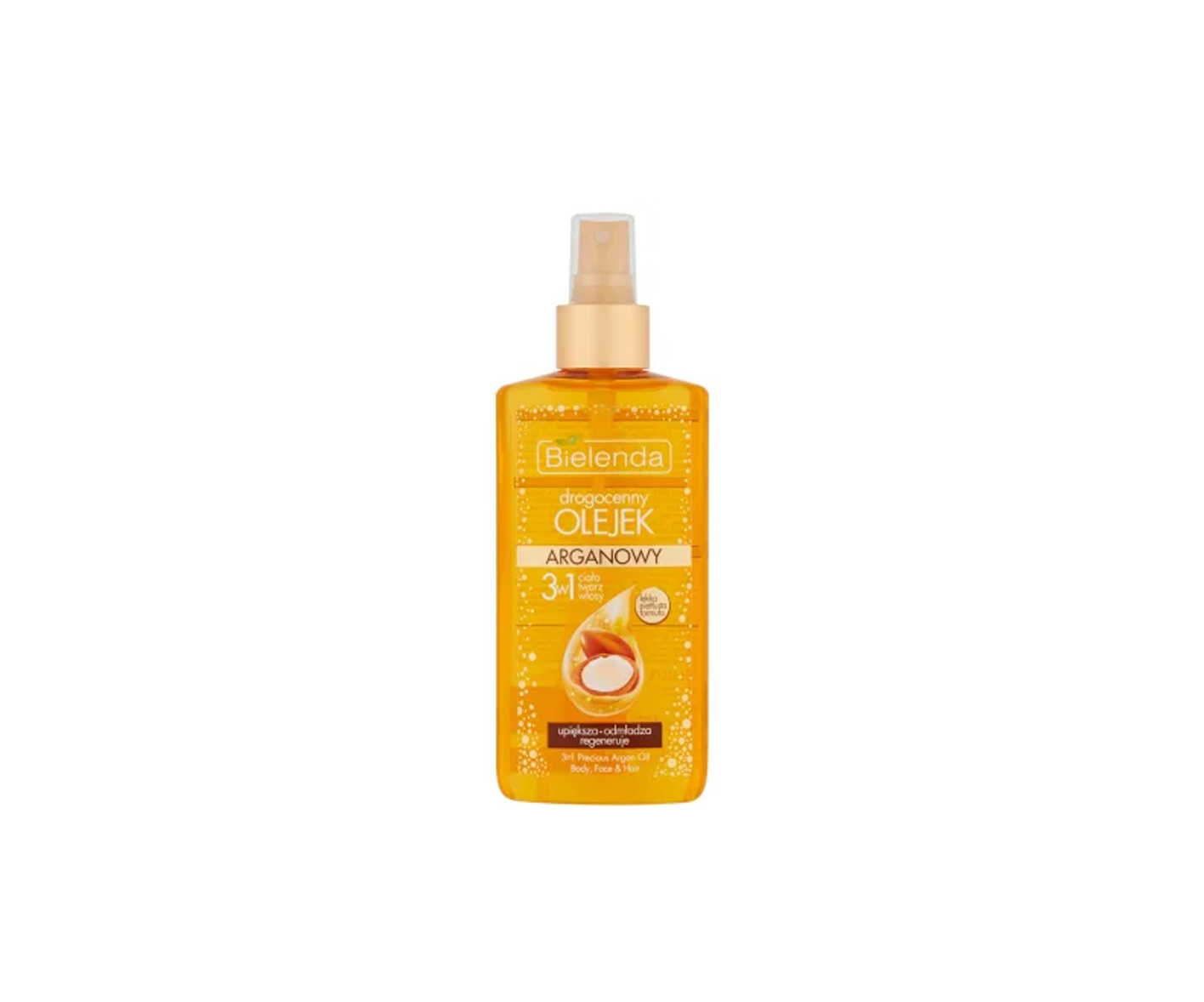
Hair and skin play an important role in our perception of aesthetics and self-esteem. Healthy skin and well-groomed hair can have a positive impact on our confidence and self-esteem. However, there is much more to skin and hair than appearance. The condition of the hair and skin can be an indicator of the body's overall health. For example, skin problems can indicate certain medical conditions or vitamin deficiencies. Changes in hair structure can also be linked to health problems. Both skin and hair have important functions in the human body. Like the skin, hair protects against UV radiation, influences thermoregulation and sensory perception.
Taking care of the condition of the skin and hair has an impact not only on the aesthetic aspects, but also on the overall health and well-being. Regular hygiene, proper diet, avoiding harmful substances and ensuring adequate hydration are just a few factors that can contribute to maintaining healthy hair and skin. It is important to provide your skin and hair with vitamins and other ingredients that are contained in natural cosmetics, such as argan oil. You can read about how argan oil affects the condition of your hair and skin, as well as what to look for when choosing the right cosmetic, in the article below.
Skin and hair
The skin is the largest organ of the human body and is the outer layer covering the entire body. The skin consists of three layers: the epidermis, the dermis (dermis), and the subcutaneous tissue. The skin has many functions, including protection against pathogens, regulation of body temperature, production of vitamin D when exposed to UVB radiation, perception of sensory stimuli, and is also an important aesthetic element.
Hairs are keratinised structures that grow from hair follicles located in the skin. Hair has various functions, such as UV protection of the scalp, temperature regulation through heat retention, sense of touch (via receptors in the hair bulb). They also have an impact on aesthetics and self-esteem.
Skin and hair are usually considered to work together as an integral part of our body. Proper care of both skin and hair is important to maintain their health and function. Proper hygiene, diet, avoidance of harmful substances and attention to the overall health of the body all have an impact on the condition of the skin and hair.
Hair structure
Hair grows from the hair follicle, which is located in the skin. The hair bulb (Bulbus) is the lowest part of the follicle, located deep in the skin. It is in the bulb that active hair growth takes place. The cells in the bulb divide and the new cells move upwards, gradually transforming into keratin, the substance from which the hair is built. The follicle is the structure surrounding the hair bulb. The follicle is anchored to the skin and has the function of holding the hair in place. The interior of the follicle contains the root of the hair and the hair shaft, which grows to the surface of the skin. The hair shaft (Shaft) is the visible part of the hair, protruding above the skin surface. The shaft is made up of keratin cells and keratin, which gives the hair its structure and strength. The Hair Follicle is a complex consisting of the hair follicle and surrounding structures such as the sebaceous gland, sweat gland and muscles around the follicle. These elements work together to maintain a healthy hair growth cycle. The Sebaceous Gland is located in the skin next to the hair follicle and produces sebum, a natural oil that moisturises the hair and skin and prevents excessive dryness.
Hair goes through a growth cycle that includes a growth phase (anagen), a transition phase (catagen) and a resting phase (telogen). The hair grows from the root and when it reaches a certain length, it falls out and new hair grows in its place. This cycle is regulated by various factors, including genetics, hormones and the overall health of the body. Caring for the health of the hair follicle and taking proper care, such as by using cosmetics containing argan oil, have an impact on the appearance and condition of the hair.
What is argan oil
Argan oil is a vegetable oil extracted from the seeds of the argan tree (Argania spinosa), a tree mainly found in Morocco. The oil is valued both for its nutritional properties and its wide use in skin, hair and nail care. Due to its valuable properties, it is referred to as the Gold of Morocco. Argan oil is obtained by cold-pressing the seeds of the argan tree. This process preserves most of the nutrients contained in the oil. Argan oil is a rich source of fatty acids, including omega-3, omega-6 acids and vitamin E. It also contains phytosterols, antioxidants and other nutrients.
Argan oil - uses
Argan oil is used to moisturise and nourish the skin. It can help reduce dryness, soothe irritation and improve skin elasticity. It also acts as a natural antioxidant, which can help protect the skin from harmful external factors.
Argan oil is valued in hair care. It acts as a deep moisturiser, preventing dry hair. It can also improve the condition of dry and brittle hair ends. Additionally, argan oil is used to combat frizz and give hair a healthy shine.
The oil can be used to care for nails and the nail area, helping to keep them supple and moisturised.
Interestingly, in Morocco, argan oil is also used in cooking as an ingredient in salads or dips. Not only is it tasty, but it also provides nutritional value. In order to maintain the high quality of argan oil, it is worth looking out for certifications, such as organic or Fair Trade certification.
Argan oil has gained popularity in both cosmetics and culinary fields due to its beneficial nutritional properties.
Cosmetics containing argan oil
Argan oil is widely used in the cosmetics industry for its beneficial properties for skin, hair and nails. Here are some types of cosmetics that may contain argan oil:
Face creams. Moisturising, anti-ageing and nourishing creams often contain argan oil as an ingredient that helps to maintain skin elasticity, reduce dryness and prevent wrinkles.
Body creams. Body creams and lotions with argan oil can help moisturise and nourish skin all over the body. They can also help to soothe irritation and redness.
Face and body oils. Argan oil is often used as an ingredient in its pure form or as an ingredient in skin care oils. These oils are rich in nutrients that promote skin regeneration.
Hair shampoos and conditioners. Hair care products such as shampoos, conditioners and masks often contain argan oil. This ingredient helps to moisturise and nourish the hair, preventing dryness and breakage.
Hair serums. Hair serums with argan oil can be used as a styling product that both nourishes and gives hair shine.
Nail balms. Nail balms or oils containing argan oil can help keep nails and the nail area healthy and moisturised.
Lip care. Lip care products, such as balms or lipsticks, can also contain argan oil to moisturise and soften lips.
Cosmetic masks. Facial masks, whether moisturising, cleansing or anti-ageing, may contain argan oil as an ingredient with beneficial properties for the skin.
For whom argan oil
Argan oil is beneficial for a variety of skin, hair and nail types. Argan oil is rich in fatty acids and vitamin E, making it an excellent moisturiser for dry and dehydrated skin.
It will also be appreciated by those with signs of ageing skin. For mature skin, argan oil can help reduce wrinkles, improve skin elasticity and generally fight the signs of ageing. Argan oil is gentle and often well tolerated by the skin, making it suitable for those with sensitive skin. Due to its non-comedogenic properties, argan oil can be used by those with acne, helping to moisturise the skin without the risk of clogging pores. Argan oil can be beneficial for people with various skin problems such as psoriasis and atopic dermatitis, helping to moisturise and soothe irritation.
Argan oil is commonly used in hair care products as it helps to moisturise, smooth and rebuild the hair structure. Argan oil can be used to care for nails and cuticles, helping to keep them looking healthy.
Argan oil is a natural plant product, which makes it attractive to those who prefer natural ingredients in cosmetics.
Key ingredients that argan oil contains
Argan oil is a rich source of various nutrients that benefit the skin, hair and nails. The key ingredients contained in argan oil are:
- Fatty acids - these are mainly oleic and linoleic acids. These are omega-9 and omega-6 fatty acids, which play an important role in maintaining skin elasticity, hydration and reducing water loss through the skin.
- Vitamin E (tocopherol) - is a powerful antioxidant. It helps fight free radicals, protecting the skin from oxidative damage and promoting regenerative processes.
- Squalene - is a natural component of sebum (skin oil) that is found in the lipid layer of the skin. Additional squalene from argan oil helps to keep the skin moisturised.
- Phytosterols - are plant compounds that have anti-inflammatory properties and help to regenerate the skin. They can also promote healing and soothe irritation.
- Tocopherols (other than vitamin E) - in addition to vitamin E, argan oil contains other tocopherols that help maintain a healthy cell structure and fight the signs of ageing.
- Polyphenols - antioxidant substances that protect the skin from free radical damage. They help maintain the healthy appearance of the skin.
- Sterols - help regulate sebum production, promote the restoration of the skin's lipid barrier and have anti-inflammatory effects.
- Phenolic acids - have antioxidant and anti-inflammatory properties, which can be beneficial to skin health.
These ingredients make argan oil an effective moisturiser, nourisher and anti-ageing agent. Argan oil is used in many cosmetic products such as creams, hair oils, body lotions and nail care products.
Argan oil - effects of use
The use of argan oil can provide a variety of benefits for the skin, hair and nails. Argan oil is rich in fatty acids and vitamin E, which makes it excellent for moisturising the skin, helping to maintain its elasticity. Thanks to its antioxidant content, such as vitamin E, argan oil helps to fight free radicals, which can help to reduce signs of ageing, such as wrinkles. Argan oil has soothing and anti-inflammatory properties, which can help to relieve skin irritation, such as after sunbathing or for dry skin.
Argan oil can be helpful against acne as it is light and non-comedogenic, meaning it does not clog pores. For mature skin, argan oil can be an effective moisturiser, helping to maintain firmness and elasticity.
Argan oil is great for moisturising hair, adding shine and smoothing the texture. It also helps to restore damaged hair. Argan oil forms a protective layer around the hair, which helps prevent frizz and makes hair smooth. Due to its fatty acid content, argan oil can help regenerate dry and split ends. Argan oil can be applied to the scalp to soothe dandruff and moisturise dry skin.
Argan oil can help maintain the elasticity of nails, protecting them from breakage and splitting. Applying argan oil to the cuticles around the nails can help to moisturise them and prevent cracking.
Argan oil can help maintain the elasticity of nails, protecting them from breaking and splitting. Applying argan oil to the cuticles around the nails can help to moisturise them and prevent cracking.
Argan oil - benefits of use
Using argan oil has a number of benefits for skin, hair, nails and overall health. Here are some of the main benefits of using argan oil:
- ☑ Moisturising and Nourishing
- ☑ Anti-ageing of the skin
- ☑ Soothing irritation
-
☑ Combats acne
-
☑ Healing of wounds and scars
- ☑ Hydration and smoothing of hair
-
☑ Prevention of frizz
-
☑ Restoration of hair ends
- ☑ Reduction of dandruff
- ☑ Maintenance of healthy nails
- ☑ Moisturising of cuticles
Argan oil - adverse effects of use
Argan oil is generally considered safe for most people, but some people may experience some allergic reactions or irritation. Below are some of the potential adverse effects of using argan oil:
- ☒ Allergy
-
☒ Acne exacerbation
-
☒ Skin irritation
- ☒ Characteristic odour
-
☒ Reactions to low-quality products
How often to use argan oil
The frequency of application of argan oil depends on the individual needs of the skin, hair and nails, as well as the type of cosmetic product containing argan oil. If you have dry or irritated skin, you can apply argan oil daily, especially in the evening before bed. Gently massage the oil into cleansed skin. If your skin is normal or combination, applying argan oil a few times a week may be enough to give your skin the nutrients it needs. Argan oil can be used after sunbathing to soothe skin irritation and provide hydration.
Use argan oil as a hair mask 1-2 times a week. Spread the oil evenly over damp hair, leave it on for a few hours or overnight and then wash your hair. You can use a small amount of argan oil as a serum for the ends of your hair every day to prevent frizz and keep your hair healthy.
Apply argan oil to your nails and cuticles daily, especially before bed. Gently massage the oil into your nails and nail area.
It is important to adapt the frequency of application to your own needs and the reaction of your skin. There is no one 'ideal' frequency, as it depends on individual skin conditions and skincare goals.
How to use argan oil on hair and skin
Argan oil can be applied in a variety of ways depending on your needs and the areas of your body you wish to care for. Below are some popular ways to use argan oil:
For Skin:
- Apply a small amount of argan oil to cleansed facial skin. Gently massage the oil in circular motions. You can do this morning and evening.
- After a bath or shower, apply the argan oil to your body. Massage it into the skin, especially in areas that are more prone to dryness.
-
You can apply argan oil spot-on to dry and flaky areas such as elbows, knees or heels.
- Use argan oil regularly to promote skin elasticity and counteract signs of ageing. You can also use it on the neck and décolletage area.
For Hair:
- Before washing your hair, apply argan oil to your hair, focusing on the ends. Leave it on for at least 30 minutes or overnight, then wash your hair.
- Use a small amount of argan oil as a serum for the ends of your hair to prevent frizz and keep your hair smooth.
- Before using a hairdryer, flat iron or curling iron, apply a little argan oil to protect your hair from heat.
What to consider when choosing argan oil
When choosing argan oil, it's worth paying attention to a few key factors to make sure you're getting a high-quality product that will retain its beneficial properties. Here are some criteria to guide you:
Type of oil: Choose argan oil that is labelled 'pure' or 'unprocessed'. There are two types of argan oil: food grade (for eating) and cosmetic grade (for skin, hair and nail care). When choosing for cosmetic purposes, make sure the product is intended for use on the skin.
Method of extraction: the best argan oil is cold-pressed. This means that the oil is extracted by gently pressing the argan seeds without the use of heat. This method helps to preserve the full range of nutrients.
Packaging: Argan oil is sensitive to light and heat, which can lead to a loss of its properties. Choose products packaged in dark bottles or packaging that protects the oil from light.
Composition: Check the composition of the argan oil. For a high-quality product, the composition should contain only argan oil. Avoid products that contain artificial additives, fragrances or other vegetable oils unless you are sure that is what you want.
Certifications: Products with quality certifications, such as organic or fair trade, can attest to a high standard of production. Certifications confirm that the argan oil has been sustainably sourced.
Fragrance: Natural argan oil has a delicate nutty fragrance. Avoid products with an intense, artificial fragrance, which may indicate chemical additives.
Reputation of the manufacturer: Choose argan oil from reputable manufacturers or brands. Read product reviews and check other users' opinions to find out about other people's experiences with a particular product.
Consistency: Argan oil should have a light and non-greasy texture. A quality oil should be easily absorbed and not leave a greasy film on the skin.
Remember that individual skin reactions can vary, so it is always a good idea to do a skin test before using a new product regularly. If you have concerns or special needs, consult your dermatologist.
Discover the top 5 cosmetics containing argan oil in 2026
When creating our product reviews, we consider the ingredients and research their safety. We analyse the opinions of industry experts and the experiences of product users. We obtain recommendations from authorised retailers and use available sources of knowledge on active ingredients and their effects. We personally verify the action, texture, scent and feel of the products, and assess value for money.
Below are detailed reviews by our editors with a description of each product indicated.