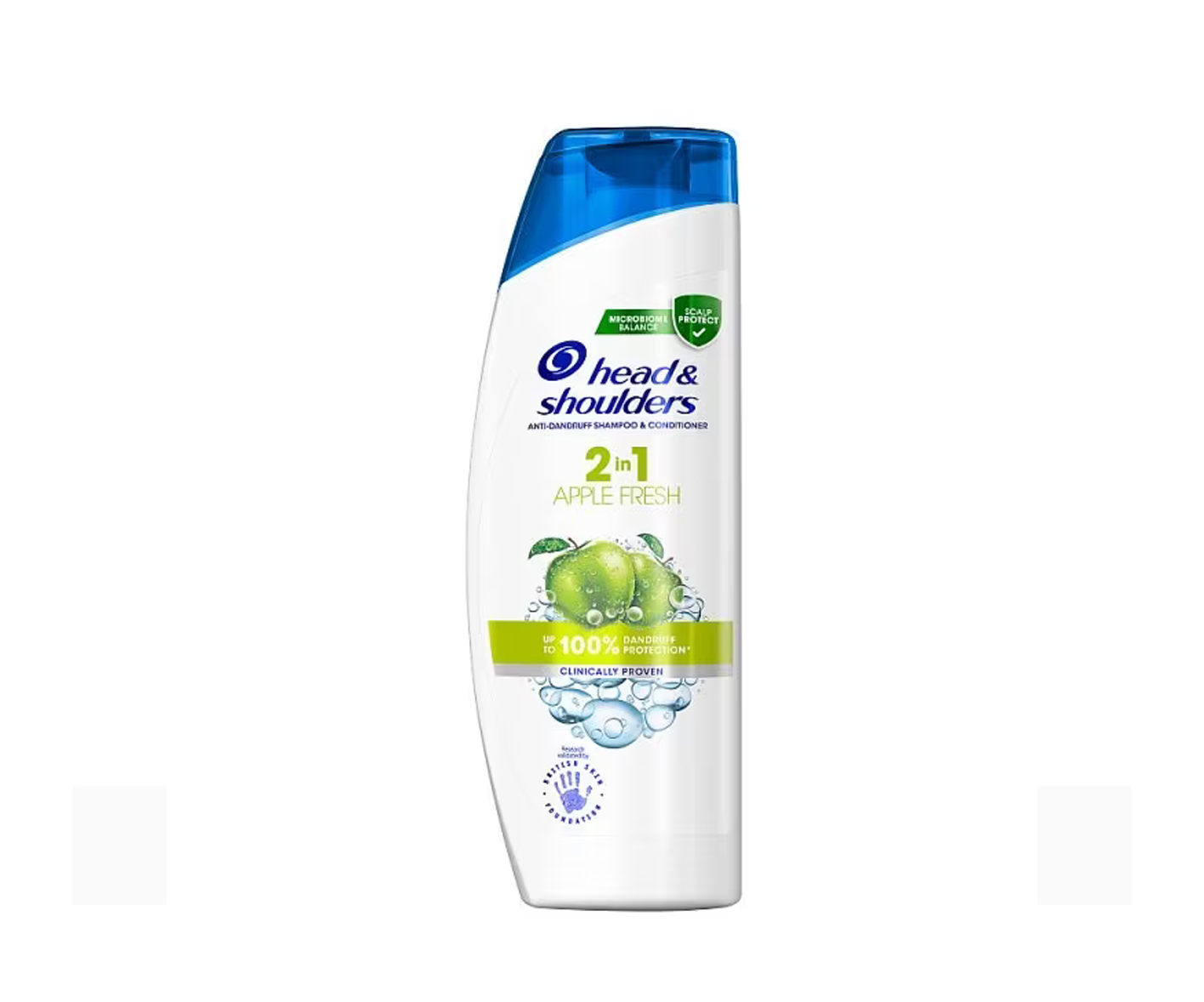
Although beauty is a subjective feeling, I think we can all agree that healthy, clean and radiant hair adds to beauty and is pleasing to both the eye and the mood. In different cultures, hair can have symbolic meaning and be an important part of appearance. Beautiful hair can affect the way we are perceived by other people and how we present ourselves in society. Whatever our reason for caring about our aesthetic appearance, it is helpful to know how to look after our hair properly. Conditioners, masks, supplements and, of course, shampoos can help us with this. It is important to choose the right care regime for your hair type, as well as any skin problems, such as a dry scalp, excess sebum production or dandruff. In this article, we take a look at the scalp and its proper care. You will learn how to care for a healthy scalp, as well as what dandruff is, where it comes from and how to get rid of it effectively.
The scalp
The scalp is the part of the skin that covers and protects the scalp area, including the hair and hair roots. The scalp is richly vascularised and contains numerous sebaceous glands that produce sebum, a natural oil that moisturises the hair and skin.
It consists of several layers, including the epidermis, dermis and subcutaneous tissue. The epidermis is the outer, protective layer of the skin that protects us from external factors such as UV radiation, pollution and microorganisms. The dermis contains collagen fibres, elastin fibres and other components that give the skin its elasticity, resilience and strength. It also contains blood vessels, sensory receptors, sebaceous glands, sweat glands, hair follicles and connective tissue.
Deepest, all the way under the dermis, is the subcutaneous tissue (hypodermis). It consists mainly of adipose tissue, which acts as a thermal insulator and energy store. It also contains larger blood vessels and nerves.
A healthy scalp should be adequately moisturised; care should be taken not to make it too dry or too oily. A feature of a healthy scalp is also the absence of excessive flaking. If you observe scales on your hair or shoulders it is a sign that you need to pay more attention to maintaining proper care. Scalp problems may be indicated by itching, redness or pain.
It is important to care for the skin properly, ensuring that it is moisturised, protected by sunscreen and cleansed regularly to maintain its health and protective function.
Scalp problems
The scalp can be susceptible to a variety of problems and conditions. One of the most common skin problems affecting the scalp is dandruff It manifests as excessive flaking of the skin and the appearance of white flakes on the hair and shoulders. Dandruff can be caused by dry skin, a fungal infection (dandruff scabies) or other factors.
Seborrhoeic dermatitis is an inflammatory condition of the scalp that often occurs in people with excessive sebum production. It manifests as itching, redness of the skin, scaly and greasy hair. It can lead to the formation of dandruff and skin eruptions.
The scalp can also be negatively affected by psoriasis, which is a chronic autoimmune disease. It manifests itself by the appearance of silvery scales on the skin, often accompanied by redness and itching.
Another undesirable condition that can manifest as itching, redness and eruptions is eczema, also known as atopic dermatitis.
Fungal infections can also occur on the scalp, which can lead to dandruff, itching, seborrhoea, alopecia areata and the formation of purulent lesions. Alopecia areata is a condition in which the scalp loses hair in specific areas, forming balding patches. It can also be caused by the immune system.
How to deal with scalp problems
Scalp problems can be bothersome and affect our wellbeing. Fortunately, most of them can be prevented.
It is important to wash your scalp regularly to keep it clean and healthy. Use mild shampoos designed for the scalp and avoid strong detergents that can irritate it. Try to use lukewarm or cool water when washing your hair. Hot water can contribute to a dry scalp and exacerbate problems.
When washing your hair, gently massage your scalp with your fingertips. This will help stimulate blood circulation and exfoliate dead skin cells. Avoid excessive use of styling products. Styling products such as hairspray and gels can irritate the scalp. Use them sparingly and try not to apply them directly to the skin.
Avoid frequent shampooing. Although it is important to keep your scalp clean, washing too often can lead to excessive dryness. Try to adapt the frequency of washing to your individual needs.
Your scalp may react to various irritants, such as certain shampoo ingredients, perfumes or hair dyes. If you notice a skin reaction after using a certain product, try to avoid it.
Proper nutrition and hydration have a positive effect on the condition of the scalp. Try to eat healthy meals, rich in vitamins and minerals, and keep your body properly hydrated.
Stress can have a negative impact on the condition of the skin. Introduce relaxation techniques into your life, take care to relax so that you look at the world as gently as possible and feel less stressed.
If scalp problems are bothersome or persist despite the measures you have taken, it is worth consulting a dermatologist or trichologist. The specialist will be able to accurately assess your skin condition and recommend the appropriate treatment.
What is dandruff?
Dandruff, also known as scalp psoriasis (Latin: pityriasis capitis), is a condition where dry, white or yellowish scales appear on the scalp. It is a common skin problem that can occur in people of all ages.
The most common causes of dandruff are:
- Excessive sebum production. When there is excessive sebum production by the sebaceous glands of the scalp, the skin cells can quickly regrow and shed in the form of visible scales.
- Malassezia fungus is a type of yeast that is normally found on the skin. However, in some people, it can cause an allergic reaction or excessive proliferation of skin cells, leading to the formation of dandruff.
- Dry scalp. The scalp can be prone to dandruff when it is excessively dry. Dry skin can be caused by external factors such as cold air, blow-drying, using aggressive shampoos or frequent hair washing.
- Certain external factors such as stress, diet, hormonal changes, skin diseases, inadequate hair hygiene or the use of aggressive hair styling products can contribute to dandruff.
Dandruff can sometimes be difficult to control and can cause discomfort, itching and a feeling of uncomfortable hair. In most cases, dandruff can be effectively controlled and treated with special anti-dandruff shampoos, proper hair and scalp care, and in some cases it may also be necessary to consult a dermatologist for more advanced forms of treatment.
Anti-dandruff shampoo
Anti-dandruff shampoo is a hair care product that is designed to combat and prevent the problem of dandruff. Dandruff is a condition where dry, scaly and easily flaky patches of skin appear on the scalp.
Anti-dandruff shampoos usually contain active ingredients that help control dandruff and normalise the skin cell renewal process. Anti-dandruff shampoo is suitable for people suffering from dandruff or chronic problems associated with excessive scalp flaking, for people of all ages. However, in the case of dandruff problems in children, it is advisable to consult a dermatologist before using the treatment.
Before using an anti-dandruff shampoo, it is recommended to wash the hair and scalp thoroughly and then massage the shampoo gently into the scalp. Leaving the shampoo on for a few minutes before rinsing may increase its effectiveness. It is important to note that some anti-dandruff shampoos may be intended for daily use, while others may be used once in a while, depending on the manufacturer's recommendations.
What key ingredients do anti-dandruff shampoos have?
The most common ingredients in anti-dandruff shampoos are:
- Zinc pyrithione - has antibacterial and antifungal properties. Helps fight candida, which is often responsible for the formation of dandruff.
- Selenium sulphate - inhibits fungal growth on the scalp. It is effective in the treatment of seborrheic dandruff.
- Salicylic acid - has a keratolytic effect, which means it exfoliates dead skin cells. Helps eliminate dandruff and remove excess sebum.
- Octopirox - an antifungal ingredient that fights the yeast and bacteria responsible for dandruff.
Effects of using an anti-dandruff shampoo
The use of an anti-dandruff shampoo can have different effects depending on the specific product and individual scalp conditions. The main effect expected from the use of an anti-dandruff shampoo is the reduction or complete elimination of dandruff The active ingredients present in the shampoo can help regulate sebum production, soothe scalp irritation and combat fungal infections that are often associated with dandruff.
Some anti-dandruff shampoos contain ingredients that help restore the PH balance of the scalp. These can have an anti-inflammatory and moisturising effect, preventing the skin from becoming excessively dry or oily.
Ingredients such as zinc pyrithione, selenium, salicylic acid, which are often present in anti-dandruff shampoos, can help reduce itching and scalp irritation associated with dandruff.
A selection of anti-dandruff shampoos contain ingredients that are beneficial to the condition of the hair. They can help to moisturise and strengthen the hair, preventing breakage and improving the overall appearance.
It is worth bearing in mind that the effects of anti-dandruff shampoo can vary from person to person and individual skin response. Some people may need to test several different products before finding the one that works most effectively. If dandruff symptoms persist despite regular use of an anti-dandruff shampoo, it is worth consulting a dermatologist for further diagnosis and treatment.
Advantages of using anti-dandruff shampoos
The use of anti-dandruff shampoos has many benefits, including:
- Effective control of dandruff
- Easing scalp irritation
- Regulation of sebum production
- Regulation of the PH balance of the scalp
- Cleansing the scalp
- Improving the condition of the hair
Undesirable effects of using anti-dandruff shampoos
Anti-dandruff shampoos can be effective against dandruff, but some can also cause unwanted side effects. Here are some examples of such effects:
- Dryness and irritation of the skin
- Hair loss
- Disruption of the scalp's natural PH regulation
- Allergic reactions
- Counteracting effect (the skin may become accustomed to the shampoo and no longer respond to its effects)
It is important to note that not every person experiences these adverse effects when using anti-dandruff shampoos. However, if you do have any problems after using such a shampoo, it is advisable to consult a dermatologist who can help you choose an appropriate treatment.
How often to use anti-dandruff shampoo
How often you should use an anti-dandruff shampoo depends on several factors, such as the severity of your dandruff, the composition of the shampoo and the recommendation of your doctor or dermatologist. In general, it is recommended to use anti-dandruff shampoo 2-3 times a week, unless otherwise recommended by your doctor.
Remember that excessive use of dandruff shampoo can lead to dry skin and irritation. If your scalp is sensitive or you have dry hair, you may want to consider using dandruff shampoo less frequently, such as once a week or every other week.
It is also important to carefully read and follow the manufacturer's instructions, which may include specific information on how often to use a particular anti-dandruff shampoo.
How do I use anti-dandruff shampoo?
- Read and follow the instructions; each anti-dandruff shampoo may have slightly different application recommendations.
- Wet your hair with lukewarm water before applying dandruff shampoo. Shampoo works most effectively on wet hair.
- Apply a small amount of shampoo to the palms of your hands and gently work it onto the scalp. Then massage the scalp for a few minutes. Avoid using your fingernails as they can irritate the skin.
- After applying the anti-dandruff shampoo, it is recommended to leave it on the skin for about 5 minutes. This will allow the active ingredients of the shampoo to act on the scalp.
- After 5 minutes, rinse your hair thoroughly with warm water. Make sure that all the shampoo has been removed.
- Depending on the recommendations on the dandruff shampoo packaging, you may need to repeat the process.
Most anti-dandruff shampoos should not be used daily unless the manufacturer recommends otherwise. Excessive use can lead to a dry scalp. It is important to maintain daily hair and scalp hygiene to prevent dandruff recurrence. Washing your hair regularly and keeping your skin clean can help maintain a healthy scalp.
What to consider when choosing an anti-dandruff shampoo
There are several factors to consider when choosing an anti-dandruff shampoo. Here are some tips that can help you make the right choice:
- Type of dandruff: There are two main types of dandruff - dry and oily. Anti-dandruff shampoos are usually available to combat one or both types. If you have dry dandruff, it's worth choosing a shampoo with moisturising properties. If you have oily dandruff, on the other hand, shampoos with sebum-regulating properties may be more suitable.
- Active ingredients: Look at the labels of anti-dandruff shampoos and pay attention to the active ingredients. Some ingredients, such as zinc pyrithione, sulphur, selenium disulphide or salicylic acid, are known for their anti-dandruff properties. Choose a shampoo that contains the right ingredients for your dandruff type.
- Gentleness: Anti-dandruff shampoos often contain cleansers that can be more irritating to the scalp. If you have sensitive skin or a tendency to irritation, look for shampoos labelled as gentle or designed for sensitive skin.
- Recommendations and reviews: Read the reviews of other people who have already used a particular anti-dandruff shampoo. You may find valuable feedback on the efficacy, action and possible side effects of a particular product.
Remember that each person may have different needs and reactions to different anti-dandruff shampoos. Something that works well for one person may not necessarily work for another. Therefore, it is worth experimenting and finding the product that best suits your skin and needs.
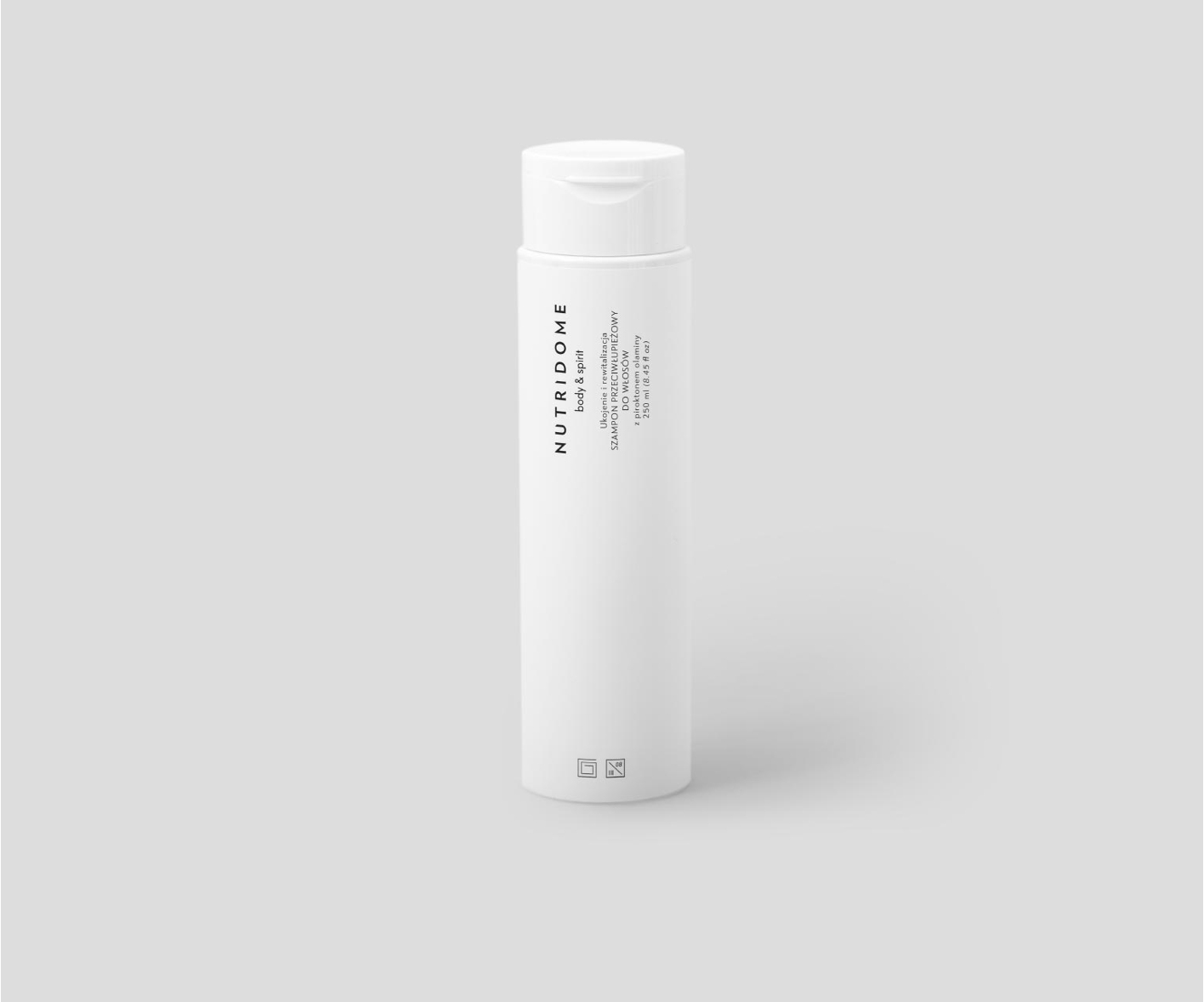
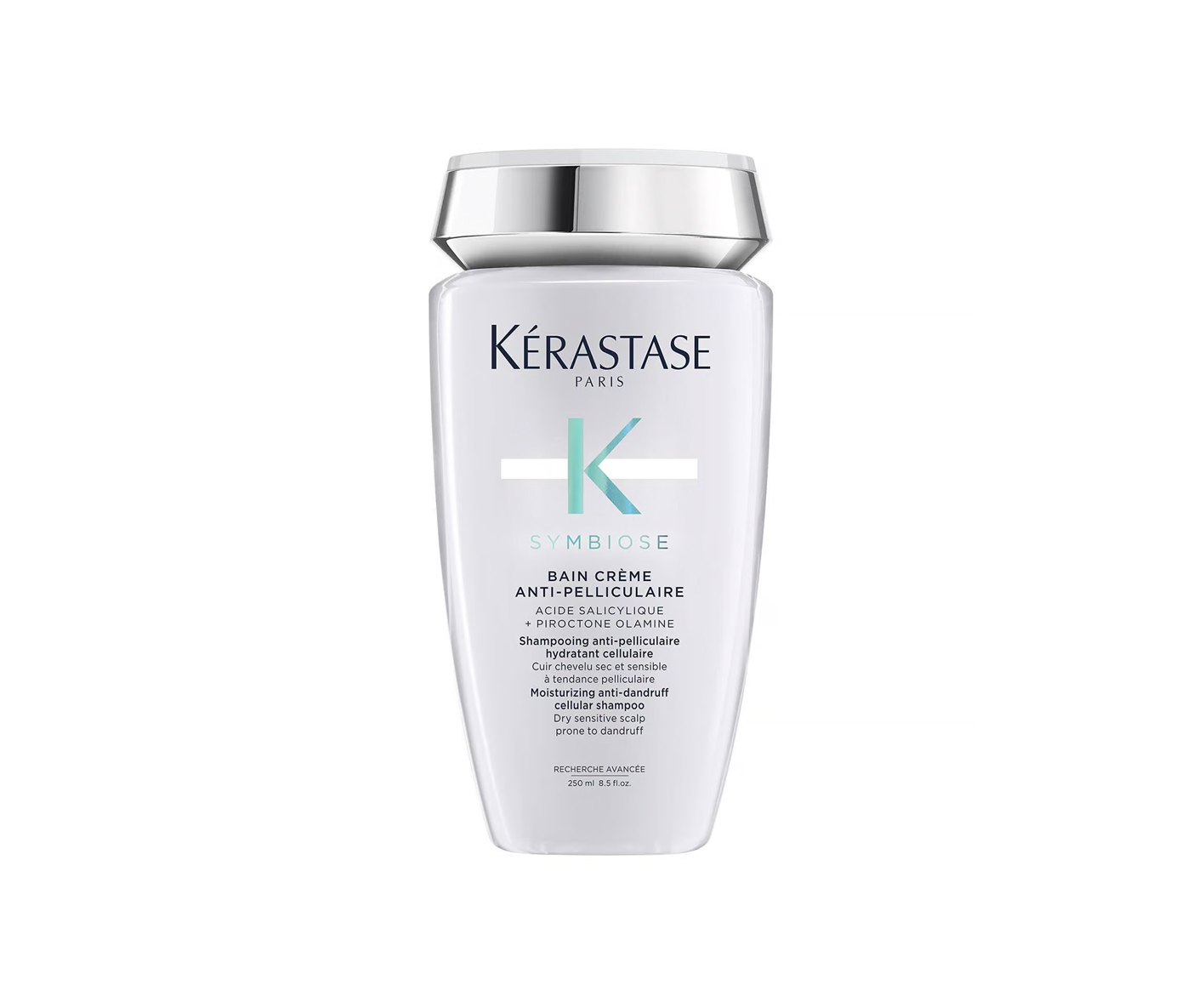
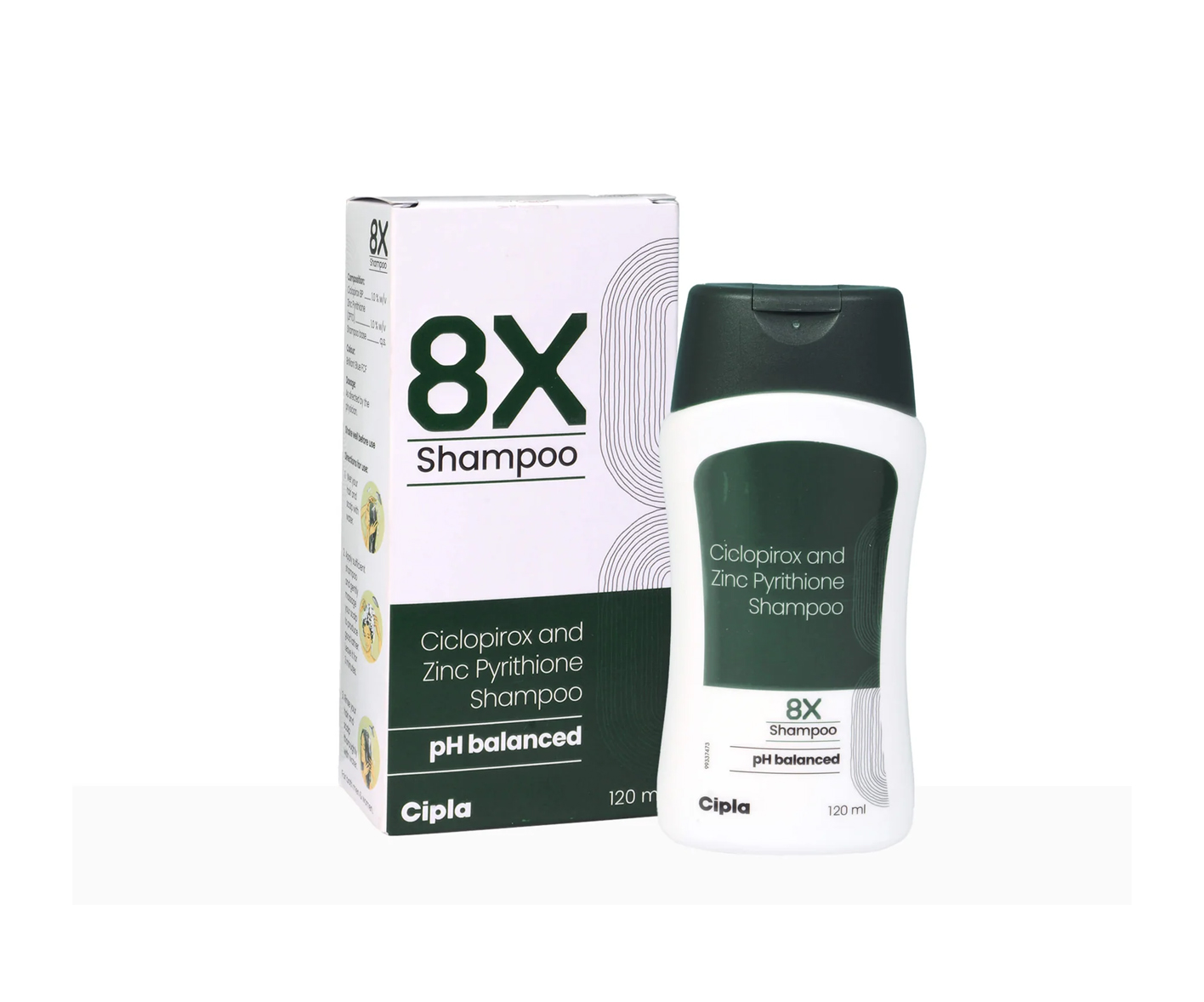
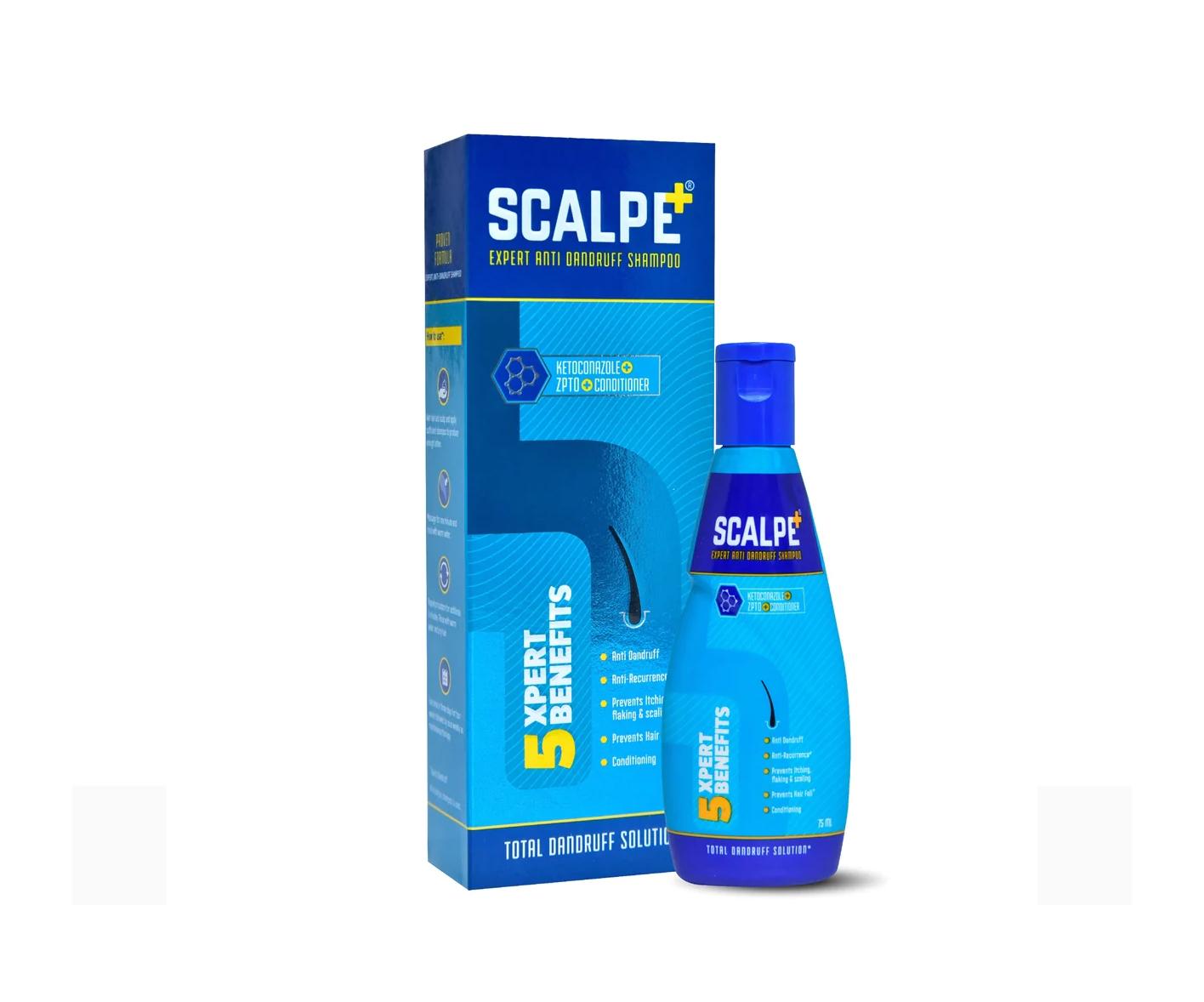
ZnamLek collected market data and analysed the products over a 3-month period, thanks to which we selected the Top 5 products in this category (check)
Meet the top 5 anti-dandruff shampoos in 2026
When creating our product reviews, we consider the ingredients and research their safety. We analyse the opinions of industry experts and the experiences of product users. We obtain recommendations from authorised retailers and use available sources of knowledge on active ingredients and their effects. We personally verify the action, texture, scent and feel of the products, and assess value for money.
Below are detailed reviews by our editors with a description of each product indicated.