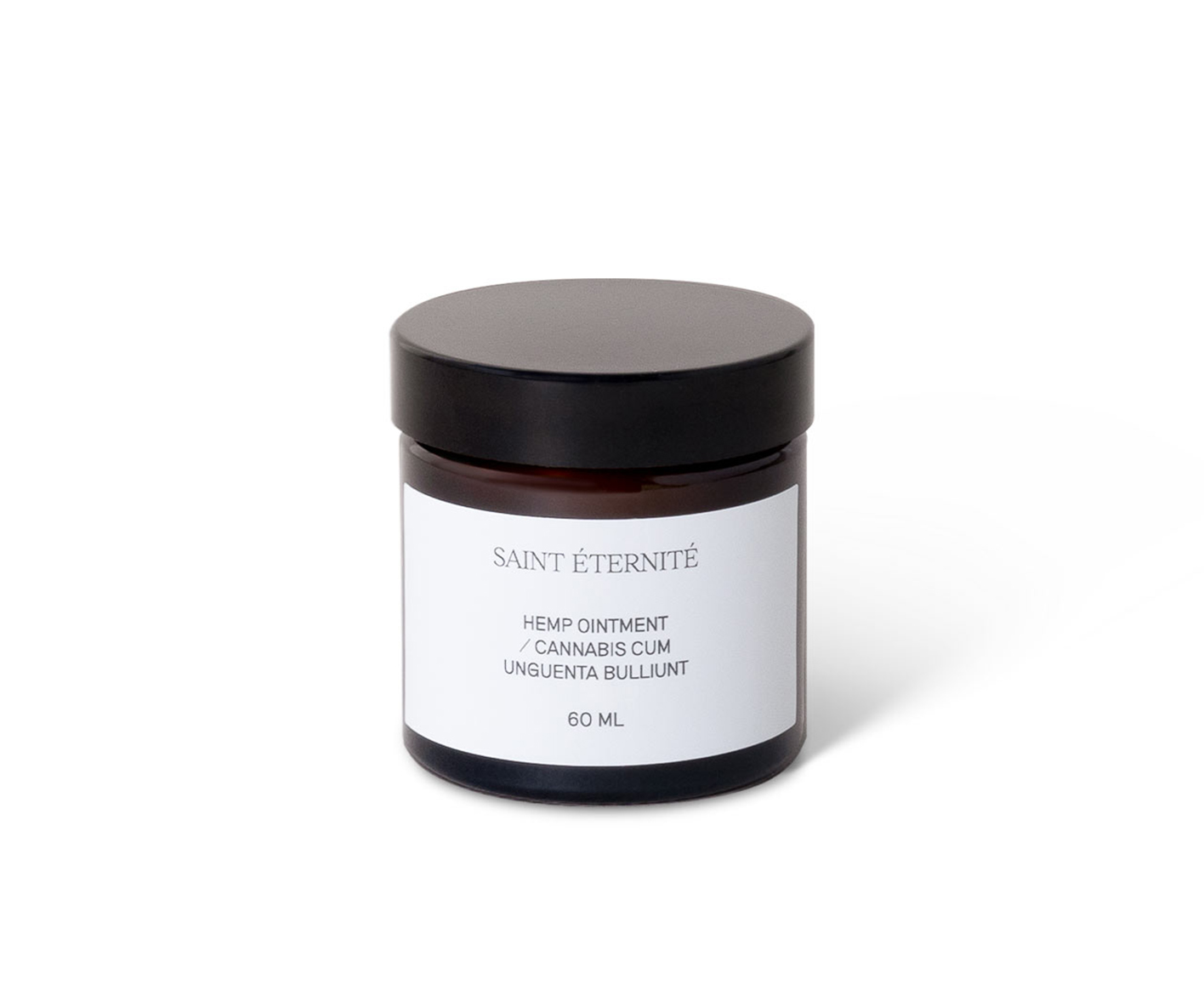
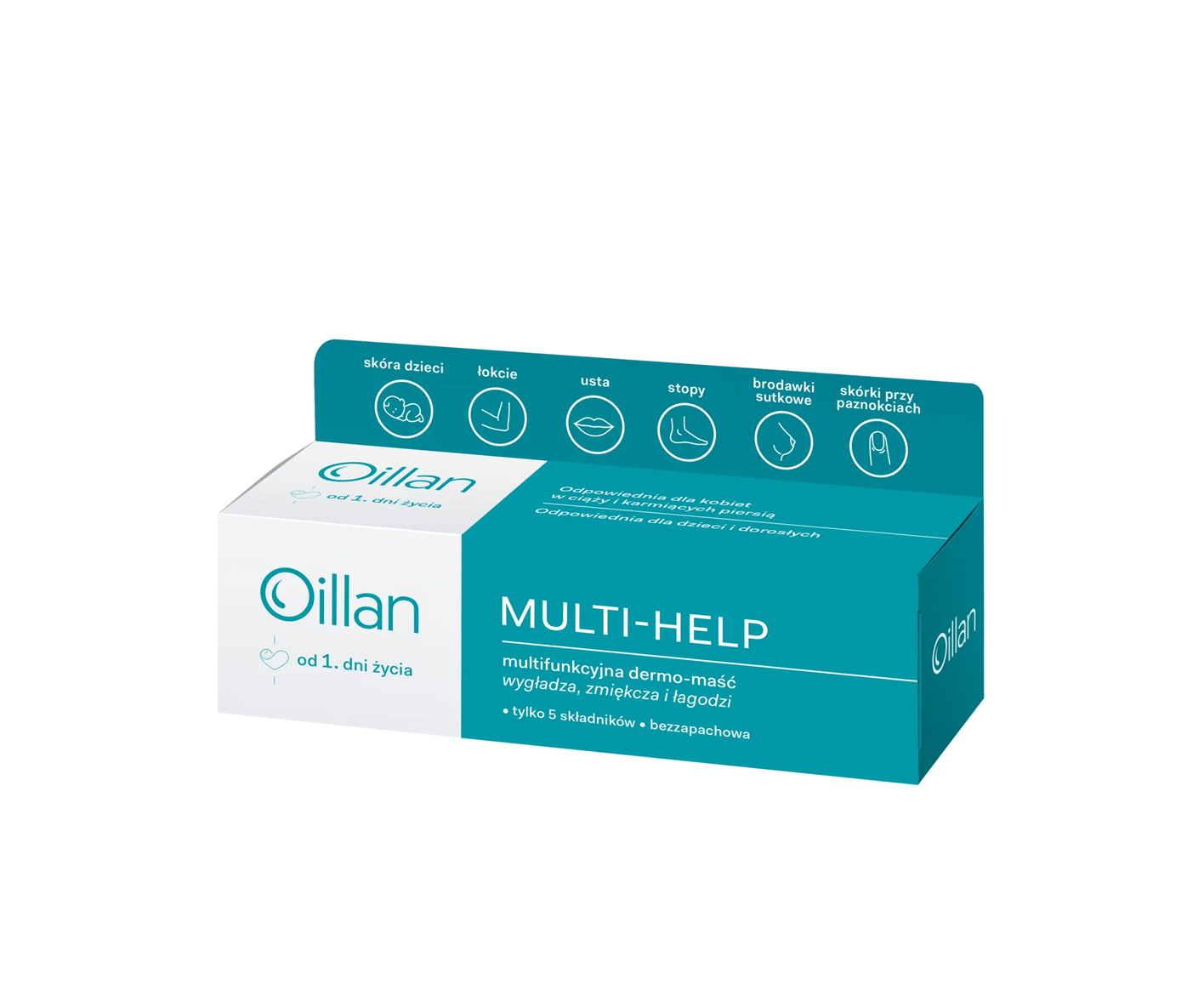
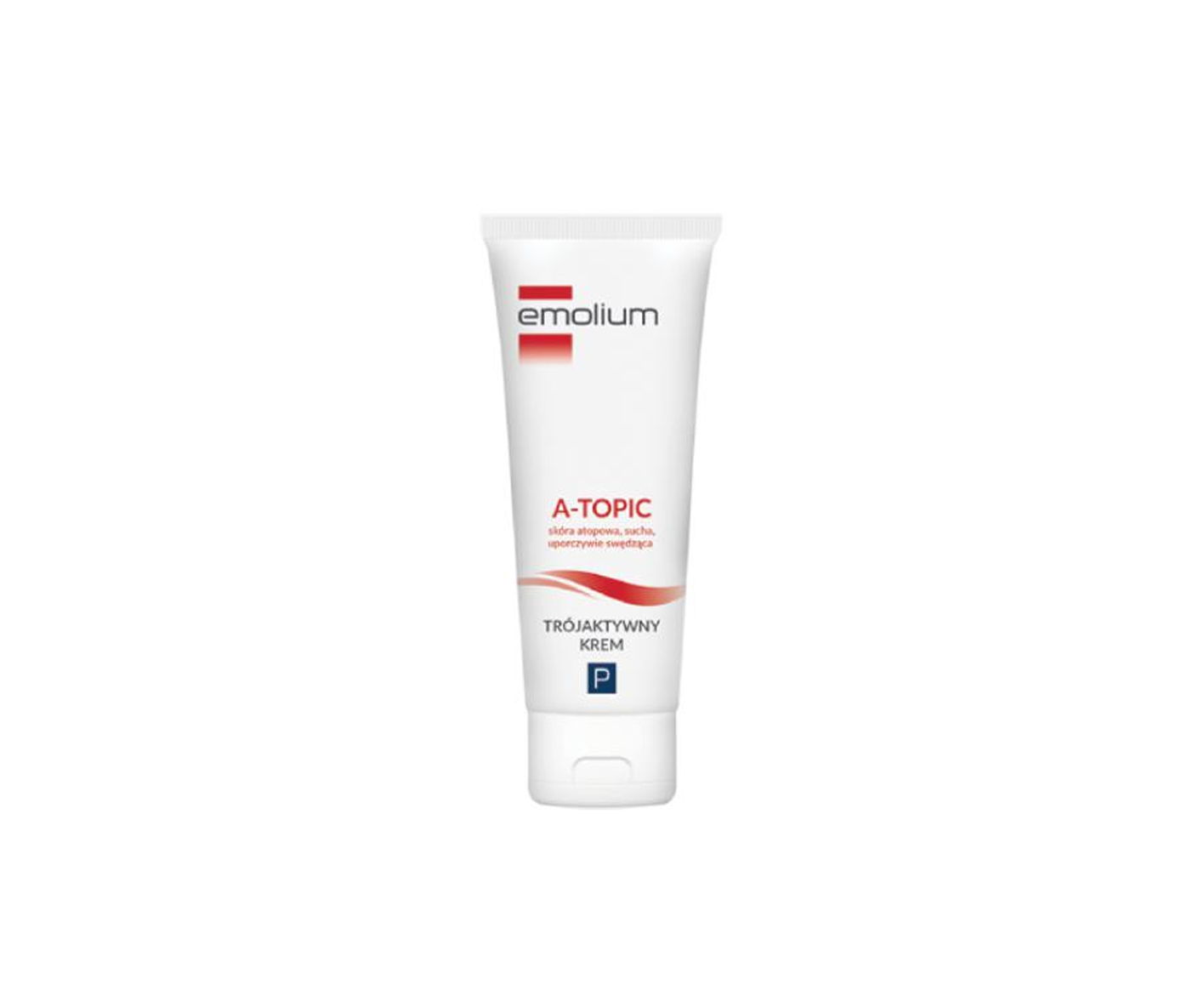
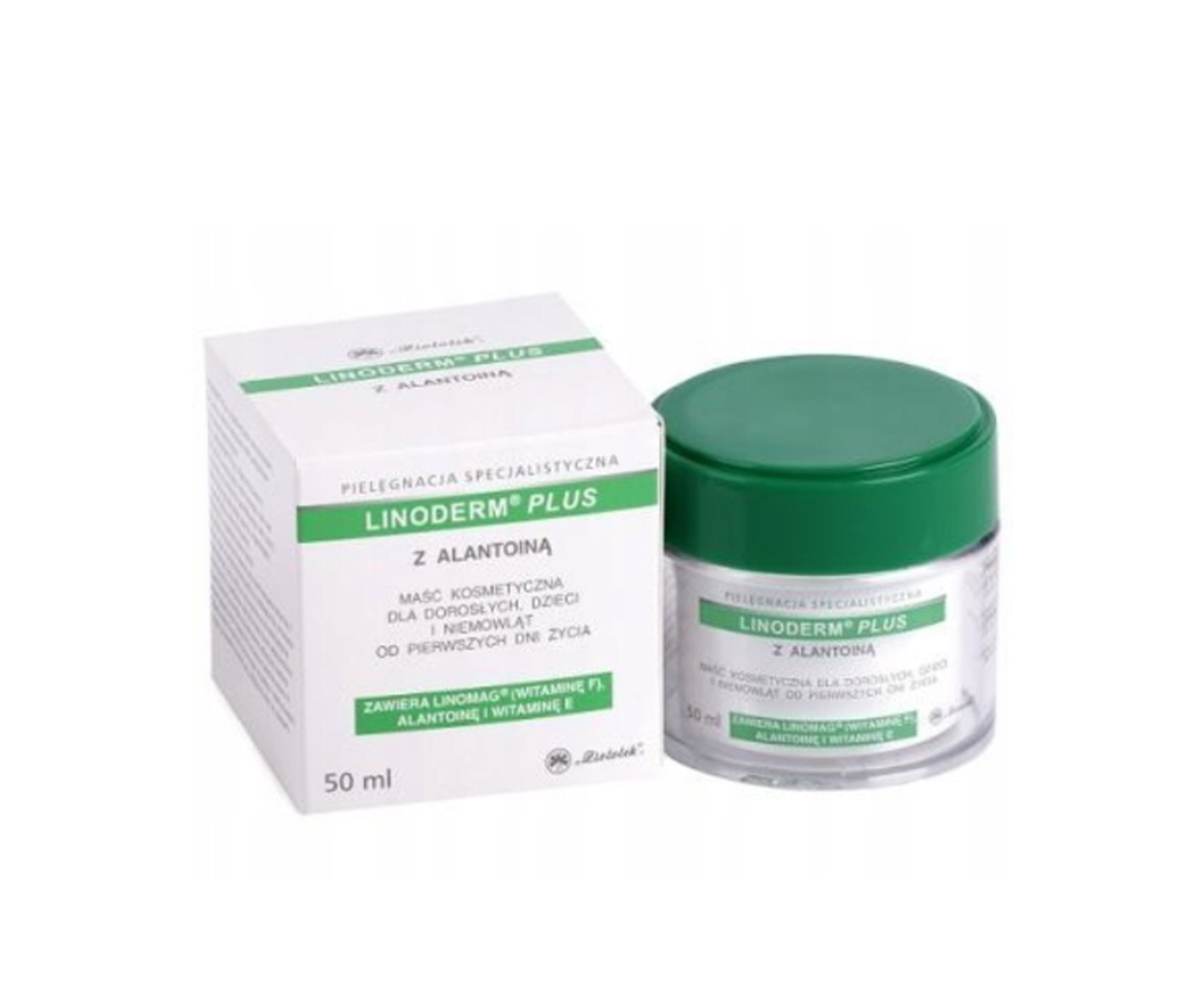
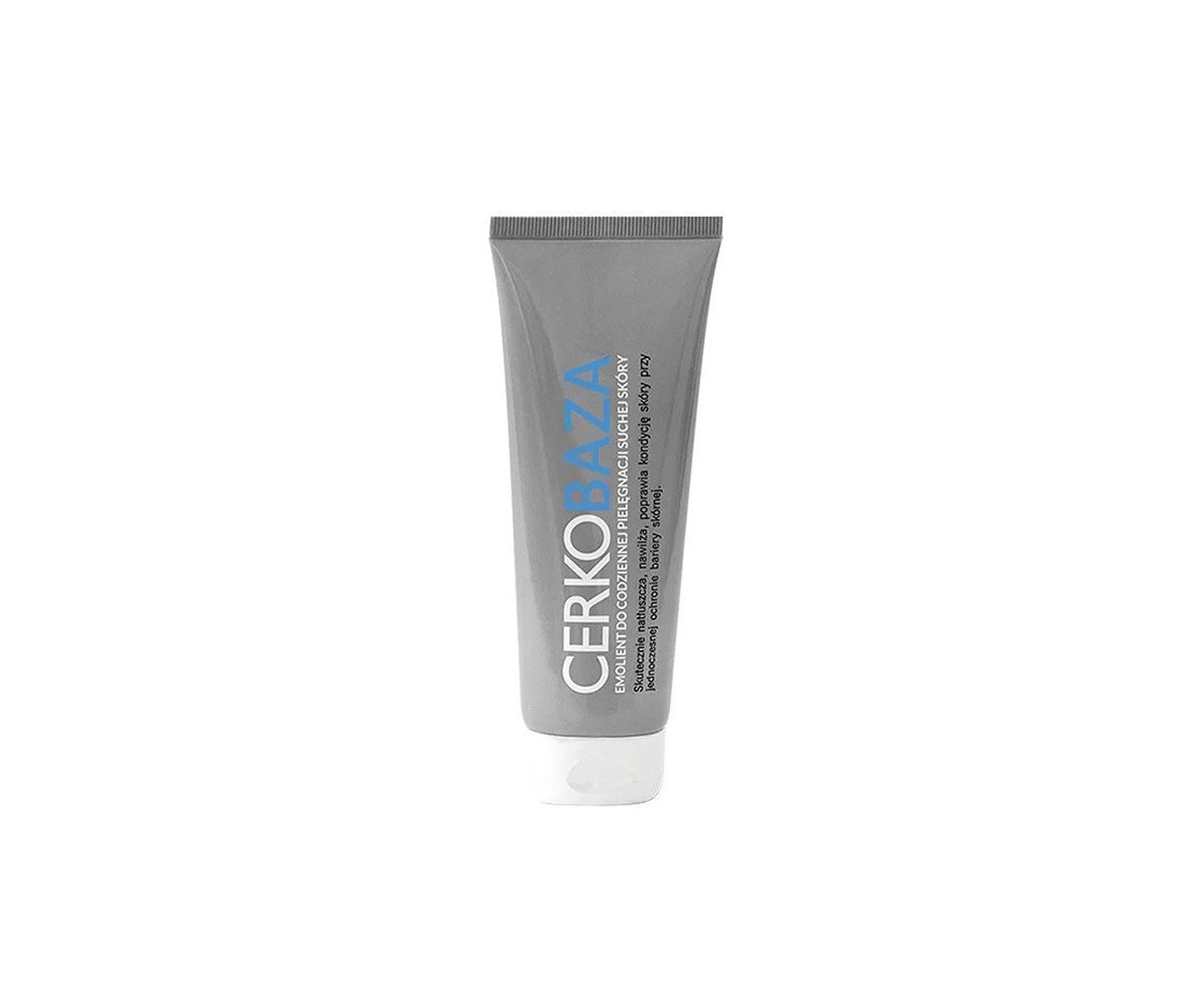
Discover 5 suggestions of ointments for atopic dermatitis and forget about dryness!
Dry skin is a condition in which the skin loses its natural moisture and elasticity, becoming dry, rough, sometimes flaky and prone to irritation. It can be caused by many different factors, including environmental conditions, skincare habits, general health or genetic predisposition. Dry skin can be one of the symptoms of atopic dermatitis, but people with AD do not always have dry skin at the same time. However, dry skin is a common symptom in AD and is usually one of the key factors in exacerbating the discomfort associated with the condition.
Treatment of AD often includes moisturising the skin as an important part of therapy. The use of moisturising creams, lotions or ointments helps to relieve dry skin and reduce itching. With atopic dermatitis, it is also important to use anti-inflammatory drugs, corticosteroids and sometimes antihistamines to control inflammation and reduce the negative effects of the condition. Find out what atopic dermatitis is and how to manage it by reading the following article.
Skin
The skin is the largest organ of the human body, forming a flexible, durable and damage-resistant structure that envelops and protects the entire body. It is a complex organ, performing a number of vital functions for the health and functioning of the body.
The skin consists of many layers, of which there are three main ones: the epidermis, the dermis and the subcutaneous tissue. The epidermis is the outer layer of the skin that provides protection against mechanical damage, infection, UV radiation and water loss. It is made up of epidermal cells that are constantly renewing themselves, encapsulating dead cells that gradually exfoliate. The dermis (derma) is the layer beneath the epidermis, containing blood vessels, sebaceous glands, sweat glands, hair and the nerve receptors responsible for receiving sensory stimuli.
The subcutaneous tissue is the layer beneath the dermis, containing adipose tissue and has insulating, energy-storing and shock-absorbing functions.
Skin functions
The skin has a number of important functions for the health and proper functioning of the body. The skin is a physical barrier that protects the body from harmful external agents such as bacteria, viruses, fungi, chemicals and UV radiation. The epidermal layer prevents the entry of pathogens and limits the loss of water and nutrients. The skin is a key organ for maintaining an adequate body temperature. Sweat glands secrete sweat, which evaporates from the surface of the skin to remove excess heat. Changes in blood flow in the skin vessels also help to regulate body temperature
The skin is equipped with various sensory receptors that enable it to receive stimuli from the environment. These receptors allow us to feel touch, pain, temperature and other sensory stimuli Sweat glands in the skin secrete sweat, which helps regulate body temperature and also promotes the elimination of toxins from the body The sebum secretion by the sebaceous glands helps to moisturise and protect the skin. The skin is involved in the synthesis of vitamin D in response to UV radiation. Vitamin D is important for bone health and the immune system.
The skin plays a role in immunity, acting as a barrier against pathogen invasion and taking part in the local immune response in the event of infection or injury. The skin is also of aesthetic importance. Well-groomed, healthy and well-hydrated skin has a positive effect on appearance and well-being.
Skin diseases
There are many different skin diseases that can have different causes, symptoms and treatments. Here are some common skin diseases:
Psoriasis (seborrhoeic) This is a chronic autoimmune disease that causes excessive growth of skin cells, leading to red patches covered with silvery-white scales.
Dandruff. A scalp condition that manifests itself as flaky white skin flakes, sometimes accompanied by itching.
Atopic dermatitis (AD) A chronic skin condition characterised by dry, itchy skin, redness and cracking of the skin, most commonly seen in children.
Acne A skin condition characterised by clogged sebaceous glands and inflammation, leading to the formation of blackheads, papules, pustules and scars.
Vitiligo. A skin condition in which the cells that produce the pigment melanin die or stop producing the pigment, leading to a loss of skin pigmentation.
Seborrhoeic dermatitis. This is an inflammatory skin condition in which the sebaceous glands are clogged, leading to redness, papules and pustules.
Skin allergies. The skin can react allergically to various substances, which can lead to hives, atopic dermatitis, angioedema and other allergic reactions.
Treatment of skin conditions can include the use of medications, creams, ointments, light treatment (phototherapy), lifestyle changes and, in some cases, even biological therapy. If you are experiencing skin problems, it is advisable to consult a dermatologist to obtain an appropriate diagnosis and treatment plan tailored to your individual needs.
Atopic dermatitis
Atopic dermatitis (AD), also known as atopic eczema, is a chronic skin condition that often occurs in children but can also affect adults. It is an inflammatory skin condition that causes dry, itchy and sometimes painful skin lesions.
Symptoms of atopic dermatitis can vary from person to person, but can include:
- ● Dry skin. The skin becomes very dry, rough and flaky.
- ● Pruritus. This is one of the most troublesome features. The skin becomes very itchy, leading to scratching, which in turn can lead to skin irritation.
- ● Red and inflamed patches. Red, inflamed patches of various sizes and shapes may appear on the skin.
- ● Skin cracking. The skin may be sensitive and easily prone to cracking, especially in areas prone to bending, such as the bends of the elbows or knees.
- ● Rash. A rash may occur, which can take various forms such as blisters, pustules or papules.
The causes of atopic dermatitis are not fully understood, but it is thought that they may be the result of a combination of genetic, environmental and immunological factors. Factors such as allergies, the presence of atopy in the family, genetic load, exposure to environmental irritants, and immune disorders can all contribute to the development of AD.
Atopic dermatitis - how to manage it?
Treatment of AD aims to relieve symptoms and control the disease. It may include the use of moisturising creams and ointments, as well as avoiding skin irritants. In severe cases, pharmacological treatment such as prescription corticosteroids may be included to reduce inflammation.
Antihistamines are also often recommended to reduce itching, as well as anti-allergic medications, so that complaints may occur much less frequently.
Many times, atopic dermatitis necessitates lifestyle changes, such as avoiding potential sensitisers or wearing clothes made of soft, natural materials, and avoiding irritants such as germicides in public swimming pools.
It is also important to consult a dermatologist, who can tailor a treatment plan to the patient's specific needs. Regular medical care and skin care can help control the symptoms of AD and improve the quality of life of the affected person.
Ointments to relieve atopic dermatitis
Atopic dermatitis (AD) soothing ointments aim to reduce inflammation, moisturise the skin and relieve symptoms such as dryness, itching and redness. Here are some types of ointments that are often used in the treatment of AD:
Corticosteroid ointments. These are ointments containing corticosteroids that reduce skin inflammation. They are available in different concentrations, from weak to strong, depending on the severity of the symptoms. The doctor prescribes the appropriate corticosteroid ointment to suit the needs and areas affected by AD.
Moisturising ointments. Moisturising ointments are key in AD skin care as they help to moisturise and maintain the elasticity of the skin, reducing dryness and flaking. They may contain substances such as glycerine, hyaluronic acid, lanolin, vegetable oils or ceramides.
Ointments with calcineurin inhibitors. Some ointments containing calcineurin inhibitors, such as tacrolimus or pimecrolimus, can be used in the treatment of AD as an alternative in cases where other therapies are unsuccessful. These substances reduce inflammatory skin reactions.
Antihistamine ointments. Some ointments containing antihistamines may be helpful in reducing the itching and discomfort associated with AD.
For whom are ointments for atopic dermatitis
Ointments for the treatment of atopic dermatitis (AD) are usually recommended by a dermatologist for people who suffer from this skin condition. Atopic dermatitis is a chronic condition that often affects children, but can also affect adults. Ointments are usually recommended for people with symptoms of AD, such as dry skin. Atopic dermatitis ointments are also intended for people who have been diagnosed or diagnosed with atopic dermatitis based on previous symptoms or test results.
Effects of using ointments for atopic dermatitis
The use of ointments to treat atopic dermatitis (AD) can have many benefits and effects for those affected by this skin condition. Ointments often contain anti-inflammatory ingredients, such as corticosteroids or calcineurin inhibitors, which help to reduce skin inflammation by relieving redness, swelling and irritation. A key aspect of treating the symptoms that atopic dermatitis brings is moisturisation. Emollients and moisturisers in ointments help to retain moisture in the skin, reducing dryness, flaking and roughness of the skin. Ointments containing antihistaminic ingredients or soothing substances can help to reduce the intensity of itching, making the patient much more comfortable.
Regular use of ointments can lead to a reduction in AD symptoms such as redness, skin eruptions, cracking and dryness, ultimately improving the overall condition of the skin. Regular skin care with appropriate ointments can reduce the frequency of recurrence of AD symptoms. By reducing the severity of symptoms, such as itching and discomfort, treatment with ointments can significantly improve the patient's comfort.
However, it is important to remember that the therapeutic effects may vary depending on individual skin characteristics, the severity of the disease and the response to the ingredients used. It is important to use ointments regularly as recommended by the dermatologist and to monitor any skin reactions or changes during therapy.
In addition to treatment with ointments, it is important to follow other medical recommendations, such as avoidance of irritants, proper skin hygiene, dietary and lifestyle changes, which can help control the symptoms of AD.
Key ingredients in atopic dermatitis ointments
Ointments used to treat atopic dermatitis (AD) may contain a variety of ingredients to help relieve symptoms, moisturise the skin and reduce inflammation. Here are some key ingredients that are often found in ointments designed to treat AD:
- Corticosteroids - reduce skin inflammation. They can be used in different concentrations depending on the severity of AD symptoms. Examples of corticosteroids include hydrocortisone, betamethasone, mometasone and others.
- Emollients - are designed to moisturise and soften the skin, reducing dryness and flaking. Emollients include, for example, lanolin, glycerine, hyaluronic acid, vegetable oils (e.g. coconut oil, jojoba oil, almond oil) and petroleum jelly.
- Calcineurin inhibitors - reduce inflammatory skin reactions and can be used to treat AD, especially when other therapies are unsuccessful.
- Antihistamines - ointments may contain antihistamines, which can help to reduce itching and relieve skin irritation.
- Soothing and calming substances - e.g. aloe vera, bisabolol, provitamin B5 (dexpanthenol). They aim to reduce irritation and soothe the skin.
- Safe moisturising ingredients - especially important are ingredients that do not irritate the skin, such as ceramides, which play an important role in restoring the skin's protective barrier.
Advantages of
Ointments for the treatment of AD have a number of advantages that can benefit people suffering from atopic dermatitis. Here are some of the main advantages of ointments in the treatment of AD:
- Reduction of inflammation
- Moisturising and protecting the skin
- Itch relief
- Adaptability of treatment
- Safe and effective
- Long-term use possible
Disadvantages
The use of ointments to treat atopic dermatitis (AD) can provide relief from symptoms, but there may also be unwanted side effects. Some of the possible side effects may include:
- Pigmentation changes
- Hair growth
- Allergic reactions
- Dilation of skin vessels
- Changes in skin texture
How often to use ointments for atopic dermatitis
The frequency of application of atopic dermatitis (AD) ointments depends on a number of factors, including the severity of symptoms, the type of ointment used, the dermatologist's recommendations and the patient's individual needs. Often, ointments for AD are applied once or several times a day, depending on the doctor's recommendations and the manufacturer of the cosmetic. It is important to maintain regularity in the application of the ointment, even at times when the symptoms of AD appear to be less or when the skin appears to be in better condition. Maintaining regularity can help prevent recurrence of symptoms. In some cases, especially when the skin condition improves, the doctor may recommend a gradual reduction in the frequency of ointment use or a reduction in the concentration of the drug. Prolonged use of corticosteroid ointments can lead to side effects, so it is important to follow your doctor's advice on the duration of treatment and frequency of application.
It is always important to remember that each case of AD is different, so recommendations for frequency of ointment use will be different for each person.
How to use atopic dermatitis ointment
The use of ointments for atopic dermatitis requires certain steps and procedures to ensure effective application of the medication to the affected areas of the skin. Here are some tips on how to apply atopic dermatitis ointment:
- Make sure your hands are clean and dry before applying the ointment. Use soap and water to wash your hands thoroughly, then dry them with a towel.
- If possible, cleanse your skin with a mild, unscented soap or mild cleanser. Dry the skin gently, avoiding rubbing, to avoid irritation.
- Apply a small amount of ointment to the area affected by AD as recommended by your dermatologist. Carefully massage the ointment into the skin, avoiding rubbing too hard.
- Avoid applying the ointment to sensitive skin areas such as around the eyes, nose, mouth, as well as to damaged skin or open wounds.
- Apply the ointment as recommended by your doctor or the manufacturer. This can be once a day, several times a day or according to individual indications. It is important to maintain regularity in application, even if the symptoms of AD appear to be less.
- Use the ointment for the recommended period of time, even if symptoms improve. Usually the treatment of AD follows the schedule set by your doctor.
- Be aware of possible skin reactions to the ointment, such as redness, itching, burning or the appearance of a rash. If you notice any worrying symptoms, consult your doctor.
- After applying the ointment to the skin, allow it to be completely absorbed and dry. Avoid covering the area with clothing that is too tight or clinging, which can make it difficult for the skin to breathe.
What to consider when choosing an atopic dermatitis ointment
When choosing an ointment for atopic dermatitis (AD), there are several factors to consider in order to match the best product to your individual needs and skin condition. Here are some criteria to consider:
Composition of the ointment: Read the composition of the ointment to ensure that it does not contain substances to which you are allergic and to select soothing, moisturising and inflammation-reducing ingredients such as emollients, aloe vera, glycerine, hyaluronic acid, lanolin, ceramides or calcineurin inhibitors.
Concentration of active ingredients: Some ointments contain different concentrations of active ingredients, for example corticosteroids. Depending on the severity of the AD symptoms, the doctor may prescribe an ointment with an adapted concentration.
Type of AD: There are different types of atopic dermatitis - from mild to more advanced. For example, moisturising ointments may be sufficient for mild symptoms, while corticosteroid ointments may be necessary for more severe symptoms.
Patient age: Some ointments are specifically designed for children and babies, containing ingredients that are more gentle and suitable for a child's sensitive skin.
Skin sensitivity: People with AD often have sensitive skin, so it is important to choose an ointment with a mild action, avoiding substances that can cause irritation.
Before purchasing an AD ointment, it is advisable to consult a dermatologist, who will help select the most suitable product, taking into account the patient's specific skin situation and individual needs. It is also important to follow the manufacturer's recommendations for the use of the ointment to ensure effective treatment and minimise potential side effects.
Discover the top 5 best ointments for atopic dermatitis in 2026
When creating our product reviews, we consider the ingredients and research their safety. We analyse the opinions of industry experts and the experiences of product users. We obtain recommendations from authorised retailers and use available sources of knowledge on active ingredients and their effects. We personally verify the action, texture, scent and feel of the products, and assess value for money.
Below are detailed reviews by our editors with a description of each product indicated.