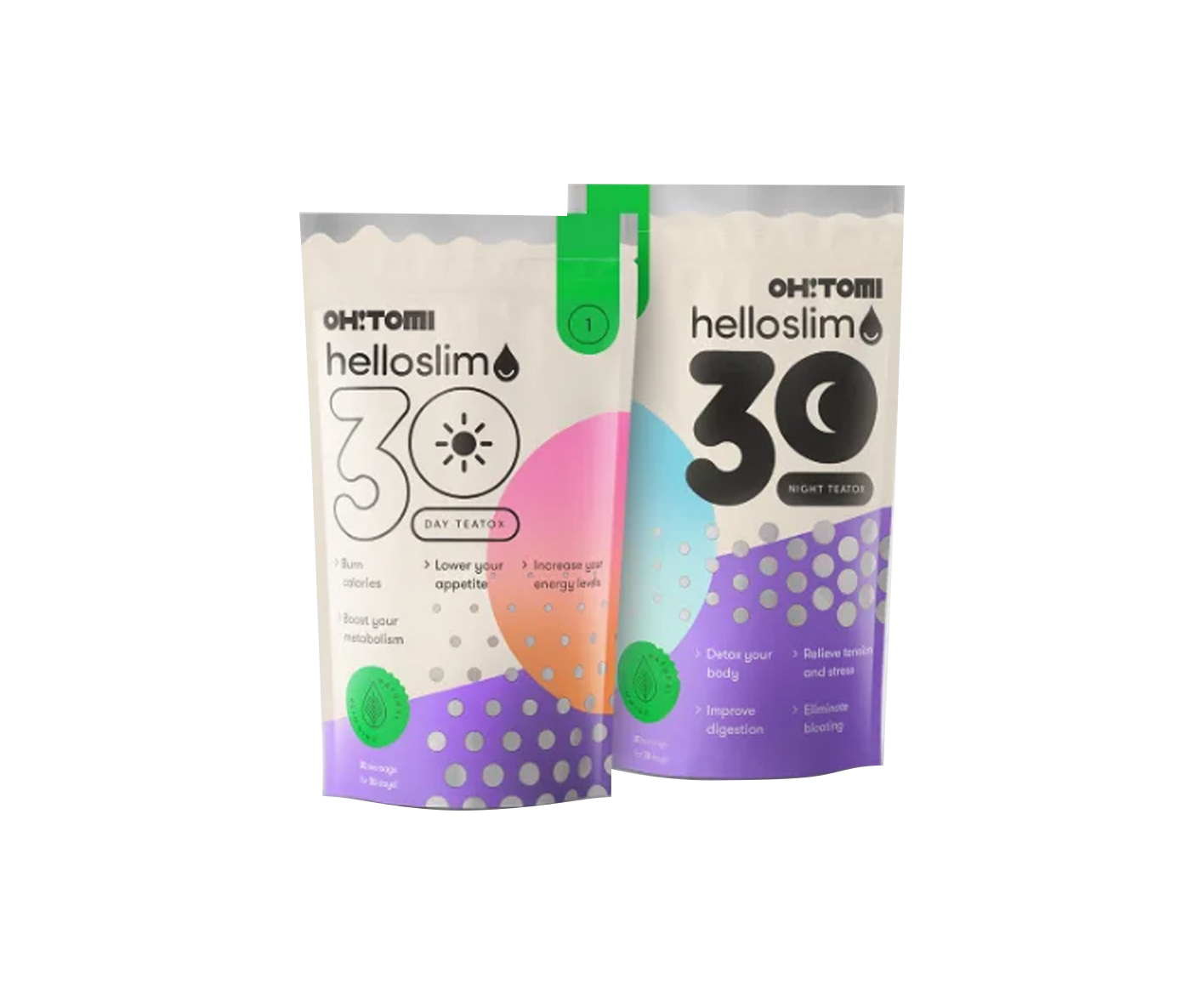
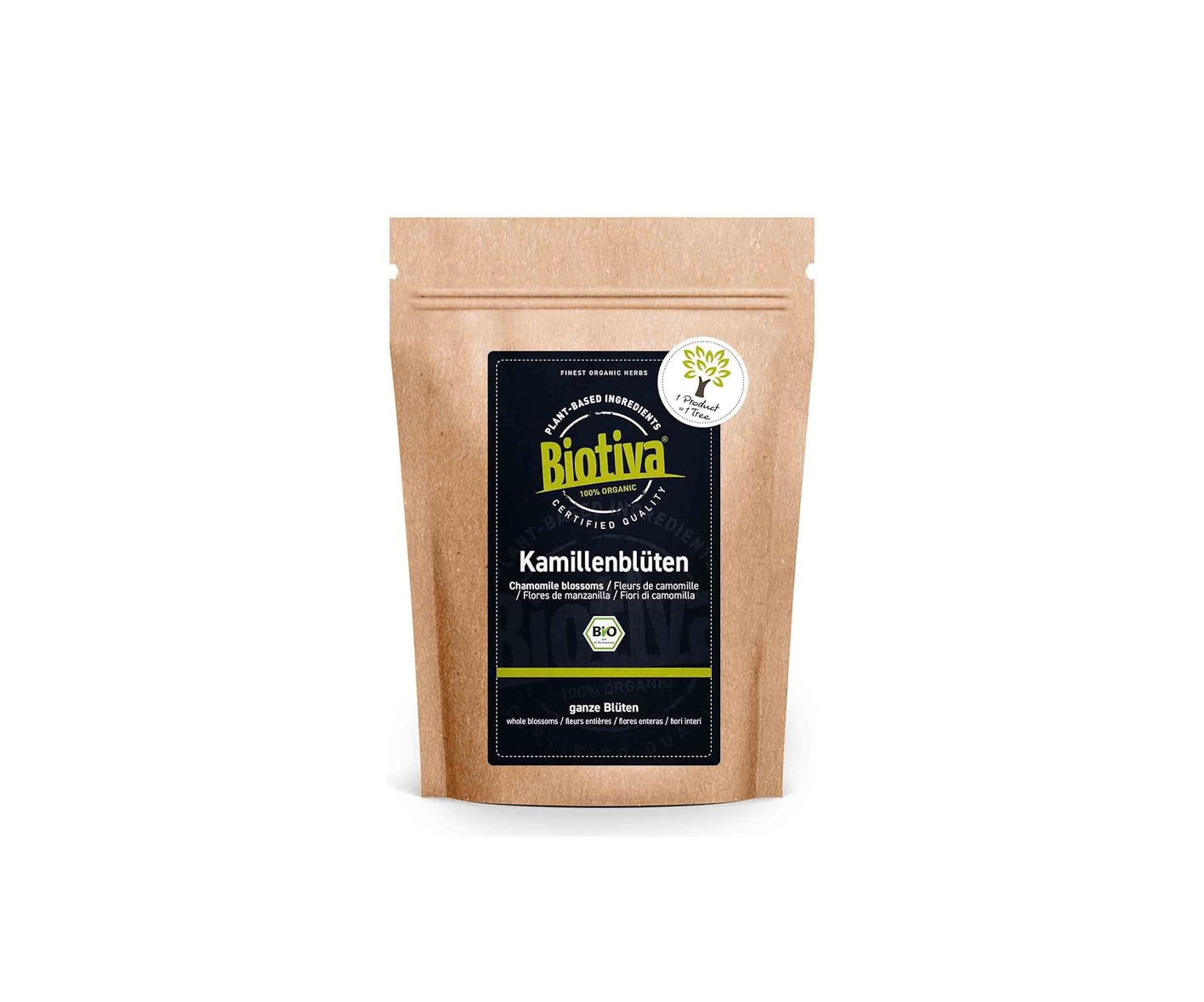
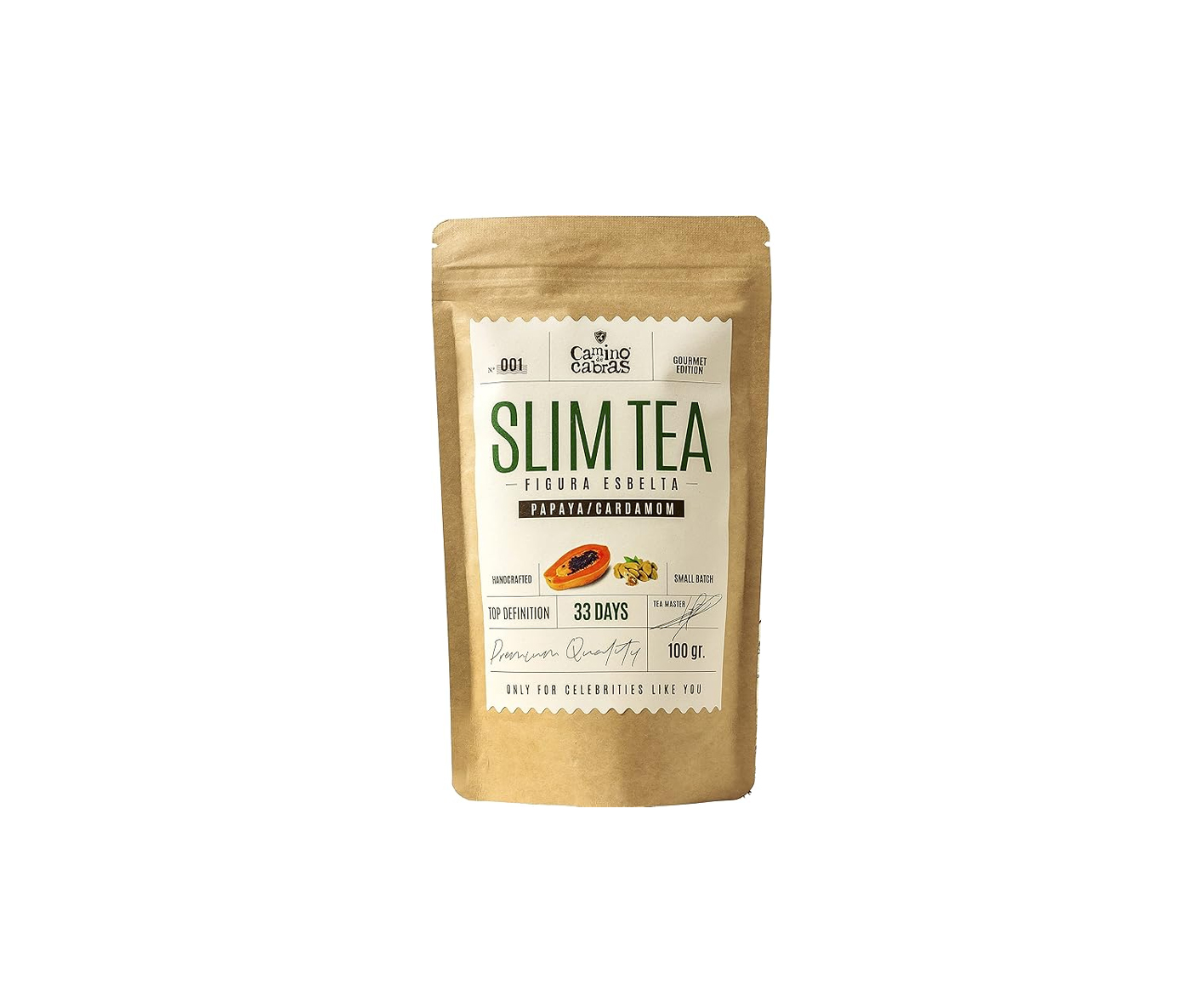
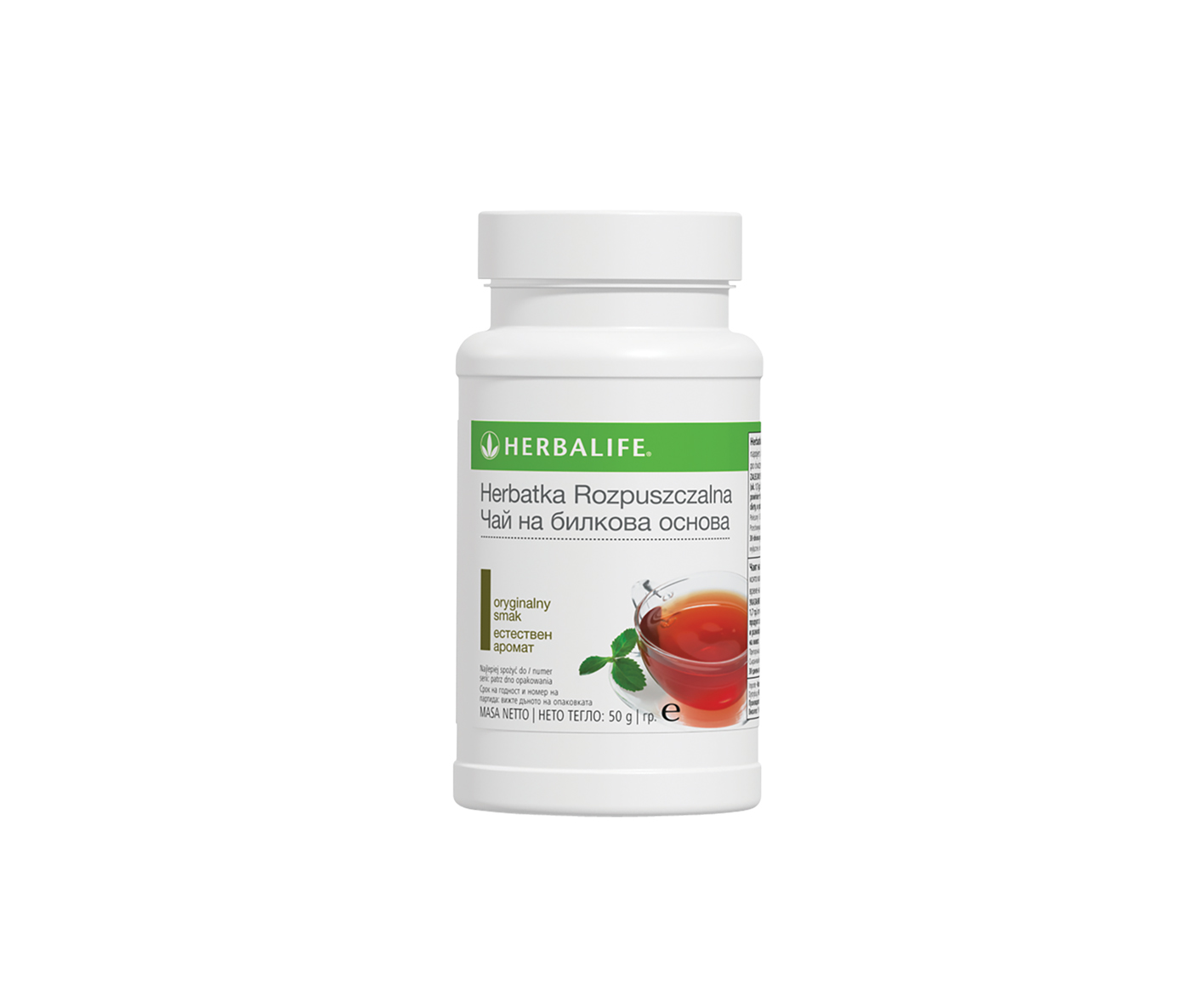
Discover 5 suggestions for teas that make intermittent fasting easier and take care of your body!
Taking care of your body is an investment in the future, with both short and long-term benefits. Healthy eating habits, regular physical activity, avoiding addictions and looking after your mental health all contribute to a better sense of wellbeing, more energy, improved quality of life and a longer, healthier life. An excellent way to nurture your health is to use intermittent fasting. Intermittent fasting (fasting) is a dietary method that involves alternating periodic eating and non-eating. It has gained popularity due to its health benefits such as weight loss, improved metabolism and better blood sugar control. From the following article, you will learn exactly how to use intermittent fasting, how it affects your body and how to make adhering to it less burdensome.
Intermittent fasting - what is it?
Looking after your body and following intermittent fasting can be a challenge, but many people find benefits in this regime that motivate them to continue. Intermittent fasting is easy to understand and implement. It does not require complicated diet plans or calorie counting. There are many methods of intermittent fasting, allowing you to tailor your plan to suit your individual lifestyle and preferences. By reducing the eating window, we often eat fewer meals, which can simplify daily life and reduce the time spent on cooking and meal planning. Practising fasting regularly can improve self-discipline and control over eating habits.
Intermittent fasting - types
There are several methods of intermittent fasting. As a result, intermittent fasting can be practised by people with a variety of preferences. Here are the most popular methods:
16/8 method: This involves eating during 8 hours and fasting for the remaining 16 hours. For example, one might eat from 12:00 to 20:00 and then fast for the rest of the day.
5:2 Method: This involves eating normally 5 days a week and restricting calorie intake to around 500-600 calories for 2 days a week.
Eat-Stop-Eat: Consists of fasting for 24 hours once or twice a week. For example, from lunch one day to lunch the next day.
Warrior Diet Method: This involves eating small portions of raw fruit and vegetables during the day, and eating one large meal in the evening, within a 4-hour window.
Spontaneous fasting: This is a more flexible approach where you skip meals depending on the situation and appetite.
Intermittent fasting - challenges
In the first few weeks it can be difficult to adjust to new eating times, especially if you are used to regular meals. Social occasions, such as family gatherings, can be more difficult to manage if they fall outside your eating window. You may feel hungry and tired at first, especially during fasting hours. In some situations, such as sudden changes of plans, sticking strictly to the eating window can be difficult.
Fortunately, there are ways to cope with the above difficulties. Use the following tips if you feel like it. Start with less restrictive methods, such as the 12/12 method, and gradually move to more advanced schemes, such as 16/8. Drinking plenty of water helps to control hunger. Unsweetened teas and coffee can also help. There are teas that make you feel satiated, so it is definitely easier to make it to the eating window without feeling hungry.
Consume wholesome, balanced meals to provide your body with the necessary nutrients and energy for the fasting period. Prepare meals in advance to avoid snacking and eating unhealthy snacks.
If you feel unwell or uncomfortable, adjust your approach. Intermittent fasting is not for everyone and your health should always come first. Find people who also do intermittent fasting to share experiences and support each other.
Intermittent fasting - health benefits
Intermittent fasting is associated with a number of health benefits that are supported by scientific research. The main benefit is weight and fat loss. Intermittent fasting reduces calorie intake and increases metabolism and promotes fat burning, especially abdominal fat. It can lower blood sugar levels and increase insulin sensitivity, which is beneficial for people with or at risk of type 2 diabetes.
Intermittent fasting helps regulate hormones such as insulin and growth hormone, which supports metabolism. It can lower LDL cholesterol (bad cholesterol) and triglycerides, which reduces the risk of heart disease. It improves markers of cardiovascular health, such as blood pressure and CRP (C-reactive protein) levels.
Intermittent fasting can stimulate the production of brain-derived neurotrophic factor (BDNF), which promotes neuronal health and neuroplasticity.
It may reduce the risk of neurodegenerative diseases such as Alzheimer's and Parkinson's. Regular fasting can reduce inflammatory markers in the body, which is beneficial for overall health and can counteract many chronic diseases.
Intermittent fasting can promote repair processes in cells, including autophagy, which involves removing damaged cells and regenerating new ones. In addition, it supports a healthy gut microbiota, which is crucial for digestion and overall health.
Teas and herbs to facilitate intermittent fasting
Teas and herbs can support intermittent fasting by alleviating feelings of hunger, improving digestion and also supporting overall health. Their great advantage is that they can be consumed while fasting. Herbs and teas have different actions, so you can tailor them to your needs. Many of them enhance the effects of intermittent fasting. Below you will find some popular herbs and teas with which you can vary your intermittent fasting.
Green tea is rich in catechins, especially EGCG (epigallocatechin gallate), which support fat burning and metabolism. It also acts as a natural stimulant, which can help to maintain energy during fasting. It can be drunk hot or cold, with no sugar or milk added, so as not to break the fast. Peppermint aids digestion, relieves stomach cramps and can reduce hunger. Its refreshing taste also helps to negate cravings for snacking. Drink peppermint tea without additives while fasting.
Ginger aids digestion, has an anti-inflammatory effect and can alleviate the feeling of nausea that sometimes accompanies fasting. It also helps to maintain healthy blood sugar levels. You can prepare an infusion of fresh ginger root or use ginger tea bags. Rooibos tea is naturally caffeine-free and rich in antioxidants. It helps regulate blood sugar levels and can help burn fat. Drink rooibos without added sugar, preferably warm. Cinnamon helps to stabilise blood sugar levels, which can reduce feelings of hunger and prevent attacks of ravenous appetite. Add a cinnamon stick to warm water or tea for a fine, aromatic infusion. Oolong is a partially fermented tea that combines the benefits of green and black tea. It supports metabolism and fat burning while providing a light, natural energy boost. It can be drunk both hot and cold, without additives. Dandelion supports liver health, has a diuretic effect that helps detoxify the body, and also aids digestion. Prepare an infusion of dried dandelion leaves or roots. Nettle has cleansing properties, helps detoxify the body and provides many minerals such as iron and magnesium. An infusion of nettle can be drunk during a fast to provide the body with essential micronutrients. Chamomile has a calming effect, helps with relaxation and can aid digestion. It is also gentle on the stomach. Chamomile tea is ideal for the evening, especially if you need sleep support. Yerba mate provides caffeine, but in a milder way than coffee, which can help to maintain energy and concentration during fasting. It also contains antioxidants and compounds that help burn fat. Yerba mate can be drunk traditionally or in infusion form, avoiding additives that could break the fast.
Don't overdo caffeinated teas to avoid over-stimulation, which could affect sleep and health. Teas and herbs can be an excellent complement to intermittent fasting, helping to maintain energy, control hunger and support overall health.
For whom teas add variety to intermittent fasting
Teas and herbs that add variety to intermittent fasting may be suitable for many people. Their use may depend on individual needs, preferences and health status.
Teas such as green tea, oolong or cinnamon tea can support metabolism and fat burning, which can be helpful for those trying to reduce weight during intermittent fasting. Green tea, cinnamon and herbal teas such as mint or ginger can support blood sugar stabilisation and improve insulin sensitivity, which is particularly beneficial for those at risk of diabetes or insulin resistance.
Teas such as mint, ginger, chamomile and dandelion can support digestive processes, which is beneficial during intermittent fasting, especially when the body is adapting to new eating habits.
Those in need of energy and concentration will appreciate yerba mate, green tea and oolong tea. They provide a mild stimulant in the form of caffeine, which can help maintain energy and concentration during long periods of fasting.
Teas such as chamomile and rooibos have calming properties, which can help with relaxation and improve sleep quality, especially when intermittent fasting is associated with sleep disturbances.
Teas and herbs to facilitate intermittent fasting - effects of use
The key ingredients in teas and herbs to aid intermittent fasting can support the body in a number of ways: from increasing energy and metabolism, to stabilising blood sugar levels, to supporting digestion and reducing inflammation. Choosing the right teas and herbs according to your needs and preferences can make intermittent fasting easier and more effective.
Key ingredients
Teas that facilitate intermittent fasting contain a variety of ingredients that support the body during periods of fasting. These ingredients can help control hunger, stabilise blood sugar levels, improve digestion, and increase energy and concentration. Here are the key ingredients in teas that can facilitate intermittent fasting:
- Caffeine - (Sources: Green tea, yerba mate, oolong, black tea) is a natural stimulant that helps increase alertness, concentration and energy. It can also support fat burning processes by speeding up metabolism. With these properties, it can help you get through long hours of fasting when energy levels may be lower.
- Catechins (EGCG) - (Sources: Green tea) are powerful antioxidants that support fat burning, improve metabolism and may increase insulin sensitivity. All of these may support weight loss and metabolic health during fasting.
- Polyphenols - (Sources: Green tea, oolong, black tea, rooibos) antioxidants that protect cells from oxidative damage, support heart health and may help regulate blood sugar levels. Regular consumption of polyphenols may also reduce inflammation in the body.
- Gingerol - (Sources: Ginger) the main bioactive compound in ginger, has strong anti-inflammatory and antioxidant properties. It aids digestion, can relieve nausea and support metabolic health, which is particularly beneficial during fasting.
- Menthol - (Sources: Peppermint) has a cooling and calming effect, which can relieve stomach discomfort and reduce appetite. It helps to relax the smooth muscles in the digestive tract, which promotes digestion and comfort during fasting.
- Triterpenes - (Sources: Rooibos) have anti-inflammatory properties and may support heart and immune system health. Rooibos is also rich in antioxidants, which helps protect cells from oxidative stress during fasting.
- Rosmarinic acid - (Sources: peppermint, sage) has anti-inflammatory and antioxidant properties. It can support brain health, improving memory and concentration, which is beneficial during long hours without food.
- Cinnamon - (Sources: Cinnamon Tea) is known for its ability to stabilise blood sugar levels, helping to control hunger and prevent sudden drops in energy. It also has anti-inflammatory and antioxidant effects.
- Rutin - (Source: Nettle) a flavonoid that has anti-inflammatory and antioxidant properties. Nettle supports detoxification of the body, provides important minerals and may help with skin and hair health.
- Saponins - (Sources: Dandelion) support digestive health and help detoxify the body. Dandelion also has a diuretic effect, which supports the removal of toxins and excess fluids from the body.
Benefits
Using teas to facilitate intermittent fasting has many benefits that can support the fasting process and provide additional health benefits. Here are the main benefits:
- Appetite suppression
- Increased energy and concentration
- Improved cognitive function
- Supporting metabolism and fat burning
- Supporting digestion
- Stabilisation of blood sugar levels
- Anti-inflammatory and antioxidant properties
- Supporting detoxification of the body
- Relief of stomach disorders
- Relaxation and stress reduction
- Variety of flavours
Disadvantages
Although teas that facilitate intermittent fasting have many benefits, they can also cause some undesirable effects, especially when consumed in excess or inappropriately selected for individual needs. Here are some of the potential unwanted effects:
- Excessive caffeine consumption
- Stomach irritation
- Diuretic effect
- Drug interactions
- Allergic reactions
- Problems with iron absorption
- Sleep disturbance
- Excessive stimulation of digestion
How often to consume intermittent fasting teas
The consumption of teas to facilitate intermittent fasting should be tailored to individual needs, goals and the body's response. During intermittent fasting, calorie-free teas (e.g. green tea, mint, chamomile, rooibos) can be drunk without restriction as they do not break the fast and can help to control hunger and maintain energy. It is recommended to consume 1-3 cups per day, spread throughout the day, to reap the benefits of the properties of these teas without the risk of over-stimulation. Teas such as ginger, peppermint and dandelion can be consumed after meals to aid digestion and prevent bloating. 1 cup after main meals (1-2 times a day) is usually sufficient to support digestion. Teas such as green tea, oolong, yerba mate or black tea contain caffeine, so care should be taken not to consume them in excess, especially at late hours. 1-2 cups in the morning or early afternoon should be sufficient to boost energy and concentration, without the risk of over-stimulation. Teas with a calming effect, such as chamomile or rooibos, can be consumed in the evening to help relax and improve sleep quality. 1 cup in the evening before bed is usually sufficient to achieve the desired effects.
Teas such as dandelion and nettle have a diuretic effect, so excessive consumption can lead to dehydration. It is important to drink them in moderation and balance your intake with sufficient water. 1 cup a day should be sufficient to support detoxification, but avoid consumption just before bedtime.
It is a good idea to take breaks from regularly consuming the same teas to avoid the body becoming accustomed to them and potentially weakening their effect. For example, a break of a few days can be taken after several weeks of regular consumption.
How to use teas that facilitate intermittent fasting
Using teas that facilitate intermittent fasting can support both the fasting process and your overall health. Here's how you can effectively incorporate these teas into your routine:
- Choose the right teas for the time of day. Start your day with a caffeinated tea to help you wake up and boost your energy levels. You can choose green tea, oolong, black tea or yerba mate. These teas aid concentration and prepare your body for the challenges of the day.
- During the day, reach for lower-caffeine or herbal teas, such as rooibos or ginger tea, to sustain energy but avoid excess caffeine. You can also choose green tea if you tolerate caffeine well.
- For the evening, choose non-caffeinated herbal teas that have a calming effect and promote relaxation, such as chamomile, lemon balm, or rooibos. Avoid teas with caffeine to avoid disrupting your sleep.
- Consume teas at appropriate times during the fasting period. During the fasting period, drink teas that do not contain calories so as not to break the fast. Green tea, mint, chamomile or rooibos are good choices. They can help to suppress hunger, improve digestion and increase energy. After meals, you can consume teas that aid digestion, such as ginger tea, spearmint or dandelion. These will help improve digestion and prevent bloating.
- Adjust the amount of tea you consume. Consume 1-3 cups of teas per day, spreading them out throughout the day to benefit from their properties without the risk of over-stimulation or stomach irritation. Monitor your mood and adjust the amount of tea according to your body's response.
- Remember to drink water too, especially if you are consuming teas with a diuretic effect. This will help to avoid dehydration.
- Vary the types of teas. Introduce different types of teas into your diet to provide your body with a variety of nutrients and avoid getting used to one tea. For example, alternate between herbal teas, teas with caffeine, and detoxifying teas throughout the week.
- Take a short break from regular tea consumption every few weeks to avoid weakening their effects and allow your body to recover.
- Pay attention to the quality of the tea. Try to choose high quality teas, preferably organic, without flavourings or artificial substances. Avoid teas that contain artificial flavours and choose those that have a pure composition.
- Pay attention to the right temperature and brewing time to get the best flavour and maximum health benefits. For example, green tea should be steeped at 70-80°C for 2-3 minutes to avoid a bitter taste.
- Monitor your body's reactions. Pay attention to how your body reacts to different teas. Adjust the amount or type of tea if you notice any unwanted effects, such as abdominal pain, nausea, excessive agitation or difficulty sleeping.
Using teas to facilitate intermittent fasting can be very beneficial if you adjust the type and amount of tea to suit your lifestyle and your body's response. Choose your teas carefully according to the time of day, keep an eye on moderate intake and monitor your wellbeing to reap maximum benefits while minimising the risk of adverse effects.
Teas to facilitate intermittent fasting - what to look for when choosing one
Choosing the right teas to facilitate intermittent fasting requires you to consider a few key factors to maximise their health benefits, while minimising the risk of unwanted effects. Here's what to consider when choosing teas:
Calorie content: During the fasting window, it is crucial to choose teas that do not contain calories or sugar so as not to break the fast. Avoid teas with honey, fruit or flavoured drinks that may contain hidden calories.
Additives: Choose teas without artificial additives or preservatives. Natural, organic products are the best choice as they offer a purer composition and higher quality.
Effect of tea: If your goal is to suppress your appetite while fasting, reach for teas such as peppermint, cinnamon or yerba mate, which can help control feelings of hunger. If you need support in maintaining energy and concentration, choose caffeinated teas such as green tea, black tea, oolong, or yerba mate. If you want to support digestion, go for teas such as ginger, mint, or dandelion, which support digestive processes and can prevent bloating.If you're looking for an evening tea, choose herbs with a calming effect such as chamomile, lemon balm, or rooibos to help you relax and prepare for sleep.
Individual health needs: If you have specific health problems such as reflux, stomach ulcers or high blood pressure, avoid teas that may exacerbate your symptoms. For example, green tea or ginger tea can irritate the stomach, and teas with caffeine can affect blood pressure.
Drug interactions: Some teas can interact with medicines. For example, green tea can reduce the effectiveness of high blood pressure medication, and cinnamon can affect blood sugar levels. Consult your doctor before choosing a tea if you are taking medication.
Opinions of other users: Other people's opinions can be a valuable source of information, especially when choosing teas to facilitate intermittent fasting. Choose products whose effectiveness is confirmed by the experience of others.
Tea quality and origin: Choose organic certified teas that come from trusted sources. Certification ensures that the tea has been grown without pesticides or chemicals, which has a direct impact on the quality and taste of the brew.
Taste and personal preference: choose teas that you like in terms of taste for your enjoyment. There are many types of teas on the market, so experiment with different flavours such as mint, citrus, herbal or spicy.
Variety: introducing a variety of teas into your diet can add variety to your routine and make intermittent fasting more enjoyable.
The choice of teas to facilitate intermittent fasting should be based on calorie content, performance, caffeine tolerance, individual health needs, product quality, taste preferences and budget. Carefully selected teas can support the fasting process, improve mood and provide pleasure, making fasting more sustainable and effective.
Discover the top 5 teas and herbs to facilitate intermittent fasting in 2026
When creating our product reviews, we consider the ingredients and research their safety. We analyse the opinions of industry experts and the experiences of product users. We obtain recommendations from authorised retailers and use available sources of knowledge about active ingredients and their effects. We personally verify the action, texture, scent and feel of the products, and assess value for money.
Below are detailed reviews by our editors with a description of each product indicated.