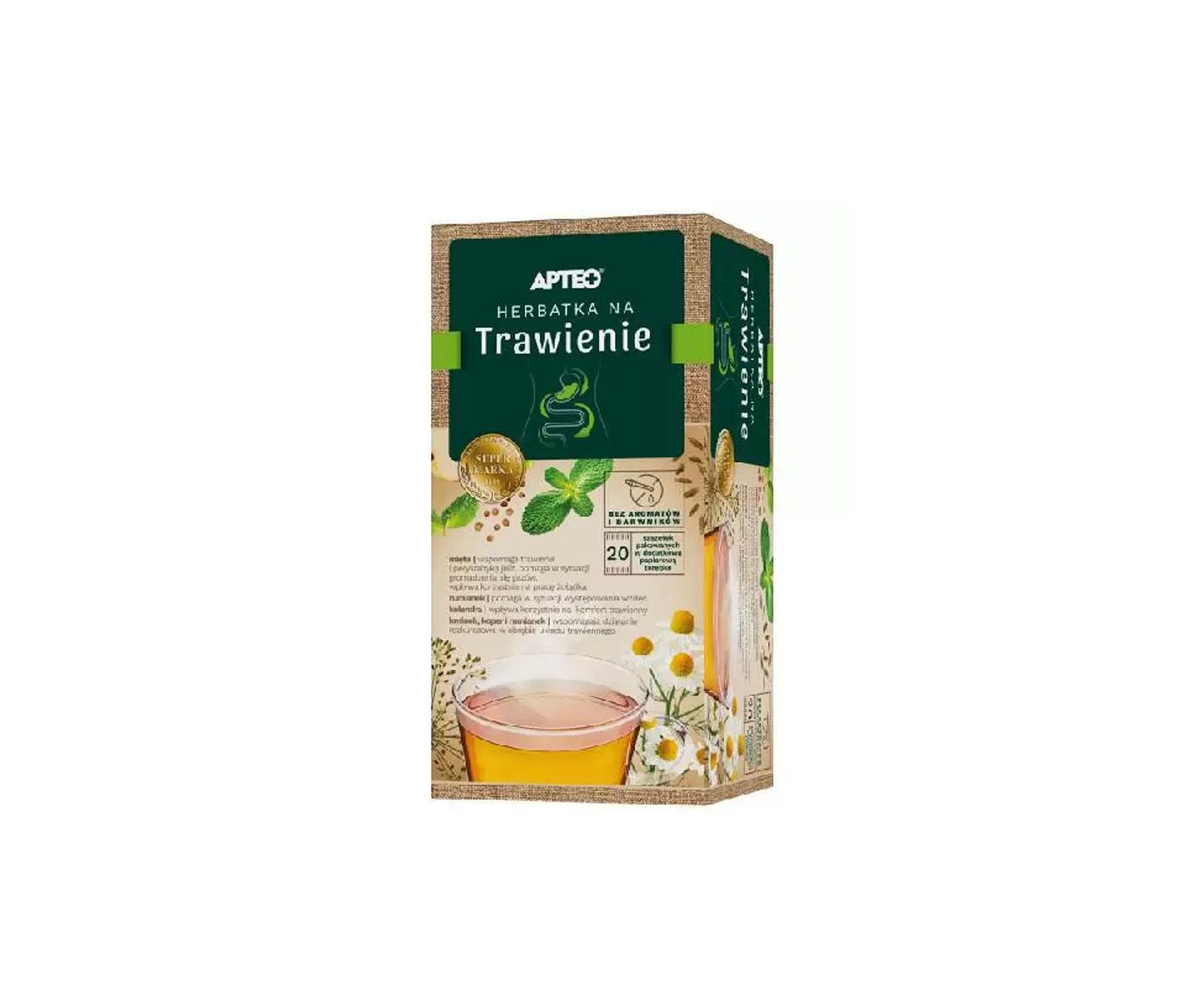
Discover 5 suggestions of proven teas for bloating and comfort!
Gut comfort has a significant impact on your wellbeing and quality of life. Unfortunately, abdominal health problems, including bloating, are quite common. It is estimated that around 20-30% of adults experience regular bloating. Around 10-15% of the world's population is affected by irritable bowel syndrome (IBS). It is one of the most common gastrointestinal disorders, with bloating being one of the main symptoms. It is estimated that around 45% of the population faces indigestion at least once a year, and the above statistics are still rising. This is probably due to a busy lifestyle, an enormous amount of stress and poor nutrition. A diet rich in fatty, fried, processed foods and fizzy drinks can increase the risk of bloating and other digestive problems. Sedentary lifestyles, lack of physical activity and stress can all negatively affect the health of the digestive system.
Improving bowel comfort may require some changes in lifestyle and eating habits. Incorporating more fibre-rich vegetables and fruits, such as broccoli, carrots, apples, pears and berries, as well as whole grain products and probiotics, into the diet is a good direction towards the goal of abdominal comfort and... life. Changing the habit of drinking sugary drinks to teas and herbs is also a great way. There are ready-made blends that are composed to respond to abdominal problems and reduce bloating and other digestive problems. From the article below, you will learn more about the gut, the role it plays and discover suggestions for the best teas for bloating and other digestive problems. Take care of your gut and improve your wellbeing.
Intestines
The intestines are part of the digestive system and play a key role in digestion, absorption of nutrients and excretion of unabsorbed food debris. The health of the gut is crucial to the overall health of the body, as proper digestion and absorption of nutrients are essential for maintaining optimal physical and mental health.
Structure of the intestines
The intestines consist of two main parts: the small intestine and the large intestine. The small intestine is a long, coiled section of the digestive tract that begins immediately after the stomach and ends in the large intestines. It is divided into three parts: the duodenum, the jejunum and the ileum.
The duodenum is the first section of the small intestine. It is approximately 25-30 cm long. This is where the mixing of food content with digestive juices (e.g. enzymes from the pancreas and bile from the liver) takes place. The jejunum is the next section of the small intestine after the duodenum. It is longer than the duodenum (about 2/5 the length of the small intestine). It is the site of the main absorption of nutrients such as amino acids, sugars, fatty acids, vitamins and mineral salts. The ileum (ileum) is the last section of the small intestine. It is longer and more twisted than the jejunum. Here further absorption of nutrients takes place, as well as the absorption of vitamin B12 and iron.
The large intestine is located after the small intestine and is much wider but shorter. It consists of the following parts: the cecum, the colon and the rectum. The cecum (cecum)t is the initial section of the large intestine. It has the form of a vesicle and is connected to the small intestine via the ileocecal valve (Bauhin's valve). The colon (colonic) is the main part of the large intestine. It is divided into several segments: ascending colon, transverse colon, descending colon and sigmoid colon. The colon absorbs water from the faecal mass to form stool. The rectum is the final segment of the large intestine, which stores faeces before excretion.
Both parts of the intestines are inhabited by a variety of microorganisms, known as the intestinal flora. This microflora plays an important role in gut health and the overall health of the body by synthesising vitamins, breaking down certain nutrients and supporting the immune system.
Gut functions
The gut performs many important functions in the body that are crucial to the health and proper functioning of the entire digestive system. The main function of the gut is digestion. The intestines are the main place where the process of food digestion takes place. After passing through the stomach, digested food enters the intestines, where nutrients are further broken down into more simple compounds, such as amino acids from proteins, fatty acids from fats and monosaccharides from carbohydrates. This process is aided by digestive enzymes, which are secreted by the pancreas and bile from the liver.
The intestines are the main site for the absorption of nutrients into the bloodstream. Intense absorption of nutrients, such as amino acids, fatty acids, glucose, vitamins (such as vitamin B12 and K) and mineral salts (such as iron and calcium), takes place in the small intestines, especially in their last section, the small intestines. Another function is the production and absorption of vitamins. The bacterial flora present in the large intestines are involved in the production of certain vitamins, such as vitamin K, biotin (vitamin B7) and folic acid (vitamin B9). These vitamins are then absorbed through the intestines and are important for many metabolic processes in the body. The large intestines are responsible for the further absorption of water and mineral salts from food residues that have not been absorbed in the small intestines. This process leads to the formation of faeces, which are later excreted through the rectum during defecation.
The intestinal microflora plays a key role in the functioning of the immune system. Bacteria present in the gut support the production of antimicrobial substances and regulate the body's inflammatory response. A healthy gut flora is important for preventing infections and reducing inflammation in the body.
The intestines help to eliminate unabsorbed food residues and other toxins and metabolic wastes that can be harmful to the body. This process is crucial to maintaining the health of the digestive system and the overall health of the body.
The gut performs a number of extremely important functions that are essential for the health and proper functioning of the entire body. A proper diet, adequate bacterial flora and regular physical activity are key to maintaining gut health and overall digestive health.
What is bloating
Flatulence, also known as intestinal gas or meteorosis, is a condition in which gases (air or other gases produced by digestive processes) build up in the digestive tract. This manifests as increased abdominal bloating, a feeling of fullness and sometimes pain or discomfort. Flatulence is a common occurrence and can be caused by a variety of factors.
Flatulence - causes
One cause of bloating can be excessive swallowing of air (e.g. when eating or drinking through a straw).
Gases are produced during digestion through fermentation. Intestinal bacteria break down certain unabsorbable nutrients, leading to the production of gases such as hydrogen, methane and carbon dioxide. Some foods, especially those rich in fibre, can be difficult to digest and can lead to increased gas production.
The causes of gas can also be found in certain diseases. One of the most common causes of bloating, related to intestinal hypersensitivity to food and stress, is irritable bowel syndrome (IBS).
Food intolerance, for example lactose or fructose intolerance, can lead to bloating after eating the right products. Celiac disease, inflammatory bowel disease and inflammatory bowel disease can lead to increased gas production.
Diet is also a common cause. Eating large quantities of gas-forming foods such as beans, cabbage, broccoli, fizzy drinks.
Tea for flatulence
Flatulence teas are herbal teas or blends of herbs that are known to relieve digestive discomforts such as bloating, gassiness or indigestion. These teas may contain various herbs that aid digestion and reduce excess gas in the intestines. Teas for bloating can also have a calming effect on the digestive system, which helps to reduce intestinal tension and prevent excessive gas production. However, it is important to remember that each body may react differently to different herbs, so it is advisable to start with small amounts and observe your body's reactions. For more serious digestive problems, it is always advisable to consult your doctor.
Who bloating teas are for
Flatulence teas can be beneficial for people experiencing a variety of digestive problems such as bloating, excessive gas, indigestion or other digestive complaints. These teas can be helpful for those struggling with bloating and excessive gas, people with indigestion and a tendency to constipation and other intestinal problems. However, it is important to note that for more serious digestive problems, such as severe abdominal pain, bloody stools, weight loss or long-term digestive problems, it is necessary to consult a doctor. Flatulence teas can be an effective dietary supplement in relieving periodic digestive problems, but they are not a substitute for professional medical assessment and treatment.
Flatulence teas - effects of use
The use of teas for bloating can have varying effects depending on the herbal ingredients in the tea and the individual's response. Herbs such as peppermint, cumin or aniseed have anti-gas properties that can help to break down gas in the intestines and reduce bloating. Flatulence teas often contain herbs that support the digestive process, such as ginger, which can stimulate the production of digestive juices and make food easier to digest. Herbs such as fennel or aniseed have analgesic and antispasmodic properties, which can help relieve painful intestinal cramps and general intestinal discomfort. Some of the herbs in herbs for bloating can act to soothe the digestive system, reducing intestinal tension and contributing to an overall feeling of relief. Drinking tea for bloating can also be mentally and physically relaxing, which can further help to reduce stress, which can sometimes exacerbate digestive problems.
The effectiveness of bloating teas can vary depending on the individual's needs and response. Some people may experience quicker results, while others may require regular use of the tea over a longer period of time to notice the desired effects. It is important to choose bloating teas made from high-quality ingredients to maximise their therapeutic potential.
What key ingredients do bloating teas contain
- Peppermint - helps to relax the smooth muscles of the digestive tract, which can help to reduce bloating and gas.
- Cumin - known for its anti-gas effects, it helps to break down gas in the digestive tract.
- Ginger - has anti-inflammatory properties and helps to relieve intestinal discomfort and reduce bloating.
- Fennel - otherwise known as fennel; has an antispasmodic effect on the intestinal muscles, helps digestion and reduces bloating.
- Aniseed - has analgesic and antispasmodic effects, which can help relieve painful intestinal cramps.
Benefits
Using bloating teas can have many benefits for health and wellbeing, especially for people who struggle with digestive problems. Here are some of the main benefits:
- Relieving intestinal discomfort
- Calming effect on the digestive system
- Overall relaxing effect
- Reduces flatulence
- Improves digestion
- Natural composition
- No side effects of medication
- Easy to use
Disadvantages
Flatulence teas, although usually considered safe, can sometimes cause adverse effects, especially when consumed in large quantities or by people who may have hypersensitivity to certain plant ingredients. Here are some potential adverse effects of bloating teas:
- Allergic reactions
- Gastrointestinal disorders
- Interactions with medications
- Laxative effect
- Risk of premature birth
- Increased risk of bleeding
How often to use flatulence teas
The frequency of use of bloating teas depends on individual health needs and the type of herbs used. Flatulence teas can be used as needed, i.e. when symptoms of bloating, excessive gas or other digestive complaints occur. You can drink bloating tea once a day or even several times a day to relieve symptoms. If you are prone to bloating or experience digestive problems frequently, you may want to consider drinking bloating tea regularly, such as daily or several times a week, to support your intestinal health and prevent the onset of the condition. Many people choose to consume bloating tea immediately before or after a meal to support digestion and prevent bloating. If you know you have a stressful day coming up for your digestive system (e.g. a big holiday or party), you may want to consider drinking bloating tea beforehand to reduce the risk of digestive problems. If you are using a ready-made bloating tea blend, it is always worth checking the manufacturer's recommendations for frequency and quantity of consumption.
How to use bloating teas
Using bloating teas is relatively straightforward, but there are a few things to consider to maximise their potential:
- Choose the right tea. There are many bloating teas on the market that contain different herbs. Choose one that contains herbs known for their anti-gas and digestion-supporting properties, such as peppermint, cumin, ginger or aniseed.
- Tea preparation. As recommended on the packet or recipe, brew the tea the appropriate amount of time. Usually, simply pour 1-2 teaspoons of the herbal mixture over a glass of boiling water and allow to steep for 5-10 minutes.
- Consumption. Flatulence tea is best drunk warm or lukewarm, not too hot, so as not to irritate the stomach. It can be drunk both before and after meals to promote digestion. Some people prefer to drink it on an empty stomach in the morning or in the evening before bed to relieve intestinal discomfort.
- Monitor the body's response. Each body may react differently to the herbs in bloating teas. If you notice any adverse symptoms or side effects, stop drinking the tea and consult your doctor.
Tea for bloating - what to look for when choosing one
When choosing the right bloating tea, there are a few key criteria you should follow to maximise the benefits and ensure your safety:
Composition: Check the composition of the tea on the packaging. Pay attention to whether it contains herbs known for their anti-gas and digestion-supporting properties, such as peppermint, cumin, ginger, aniseed, fennel or liquorice root. It is good if the composition is natural and the teas contain no artificial additives.
Quality of ingredients: Choose teas for flatulence made from high quality plant ingredients. It is good if the ingredients come from certified organic sources, which can ensure their purity and naturalness.
Sweeteners: Avoid bloating teas that contain extra sugar or sweeteners, which can negatively affect gut health and counteract their healing properties.
Recommendations and reviews: Read reviews from other users or ask for recommendations from people who have used a particular bloating tea. Reviews can give you an insight into the effectiveness and quality of the product.
Safety and contraindications: Before purchasing, check that the teas do not contain any ingredients to which you may be allergic or which may interfere with other medicines you are taking. If you have any significant health problems, consult your doctor before starting to drink bloating tea regularly. Some herbs should not be used by pregnant women.
Instructions for use: Read the manufacturer's recommendations on how often and how to consume the tea. Some teas may be best taken before meals, while others after; so it is worth following the recommendations.
Choosing the right tea for bloating can help relieve bowel discomfort and improve digestive comfort. Remember, however, that bloating teas should be considered as an adjunct to a healthy diet and lifestyle, and it is advisable to consult your doctor if you have more serious or long-term digestive problems.
Discover the top 5 best teas for bloating in 2026
When creating our product reviews, we consider the ingredients and research their safety. We analyse the opinions of industry experts and the experiences of product users. We obtain recommendations from authorised retailers and use available sources of knowledge on active ingredients and their effects. We personally verify the action, texture, scent and feel of the products, and assess value for money.
Below are detailed reviews by our editors with a description of each product indicated.