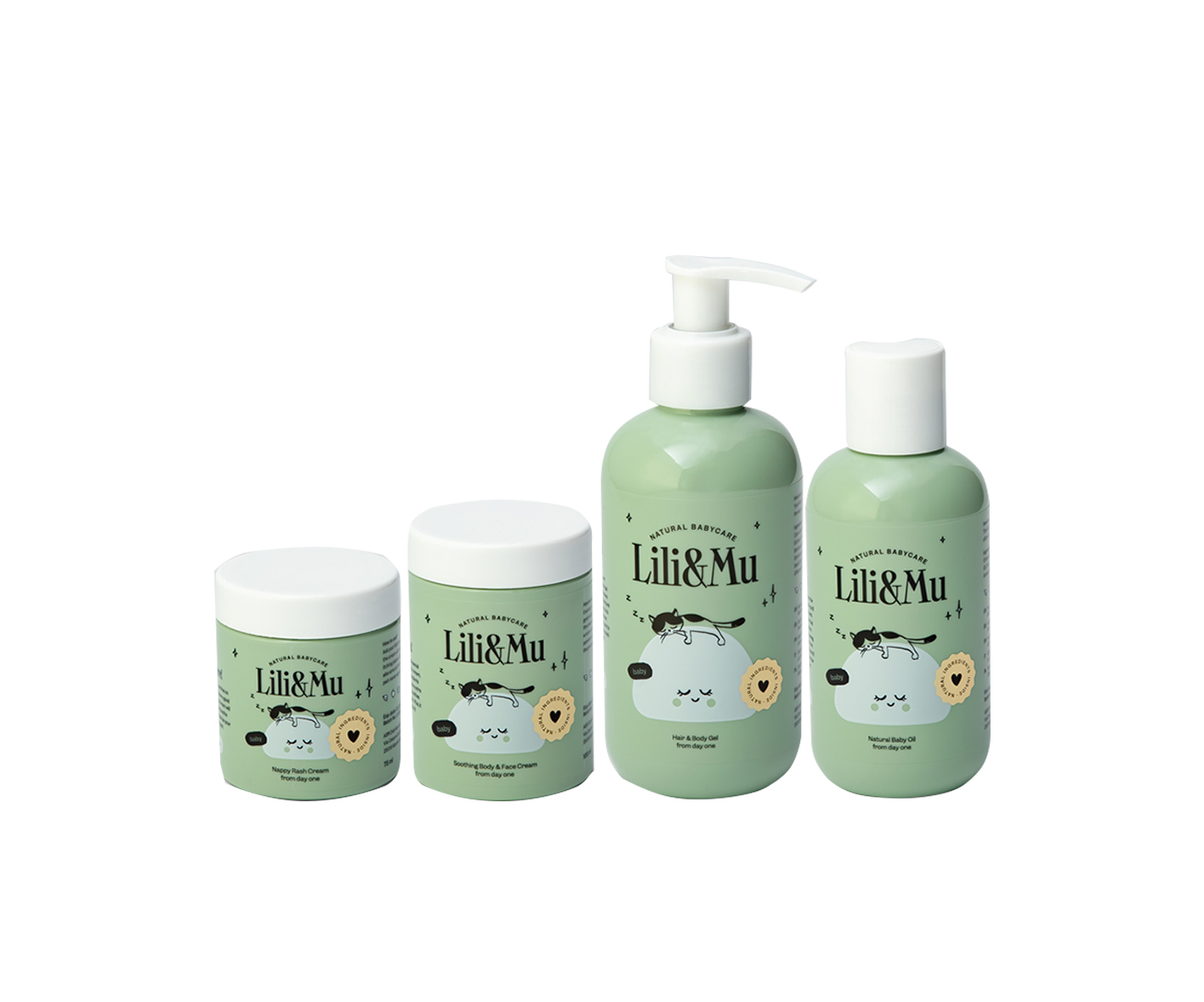
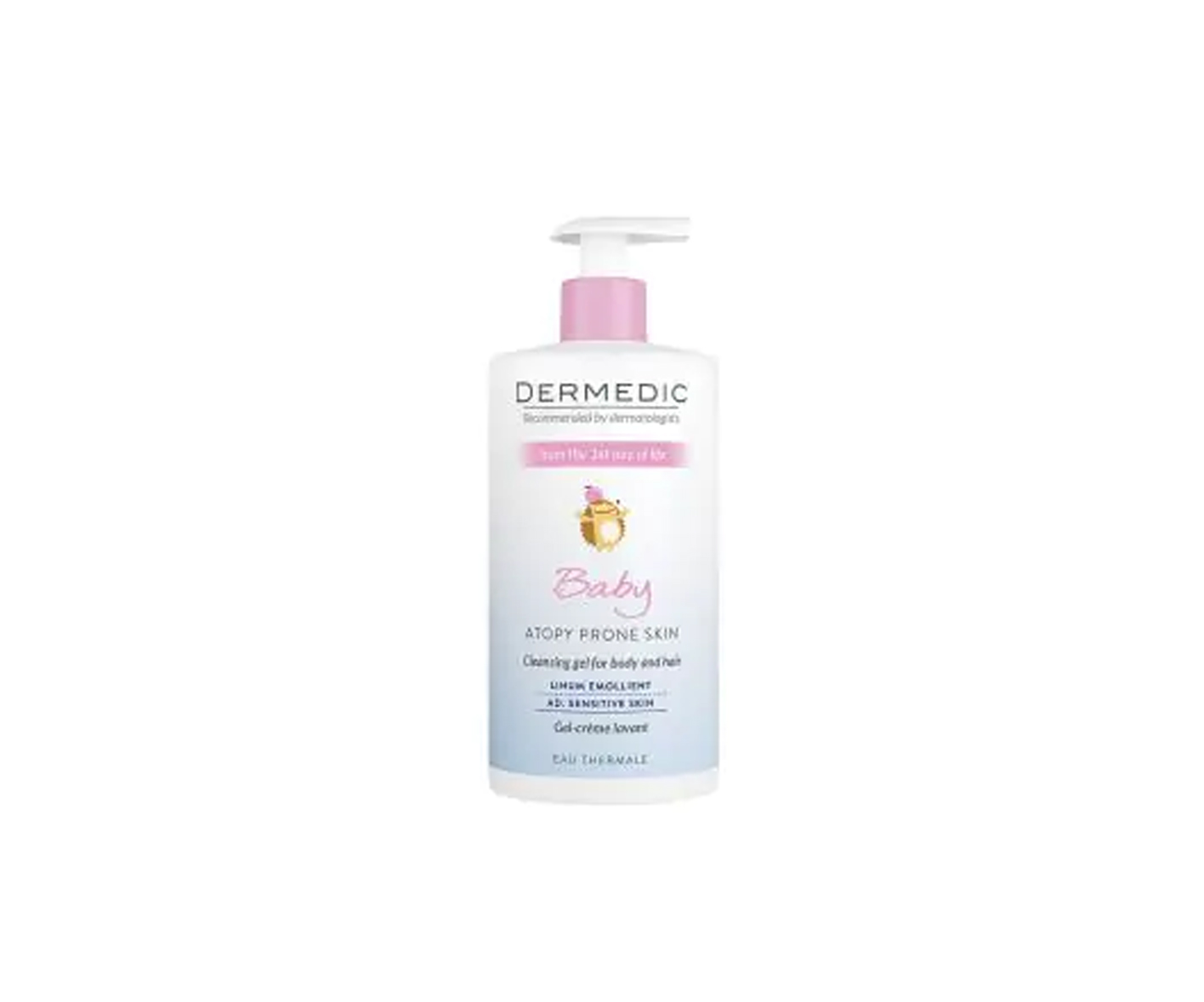
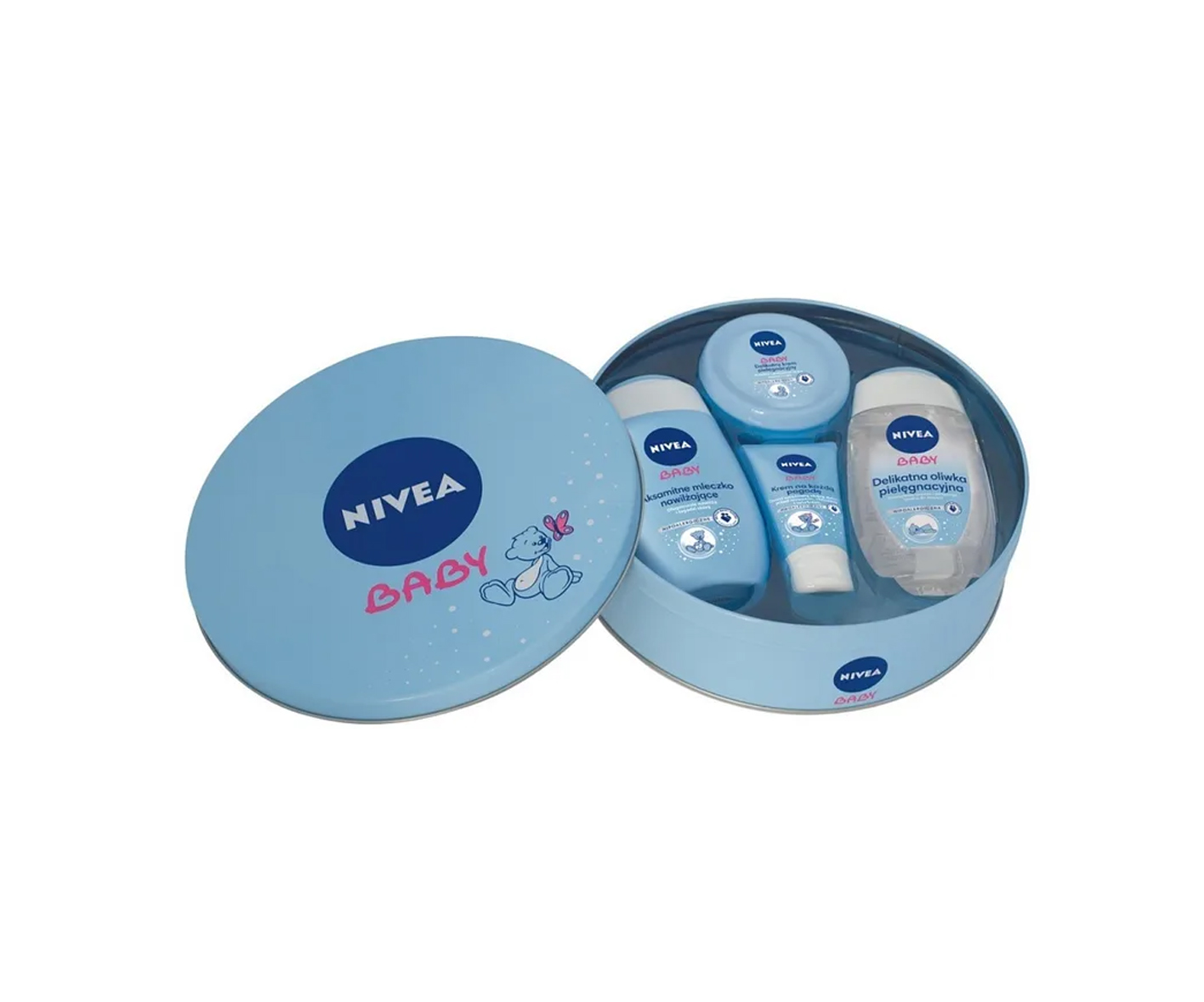
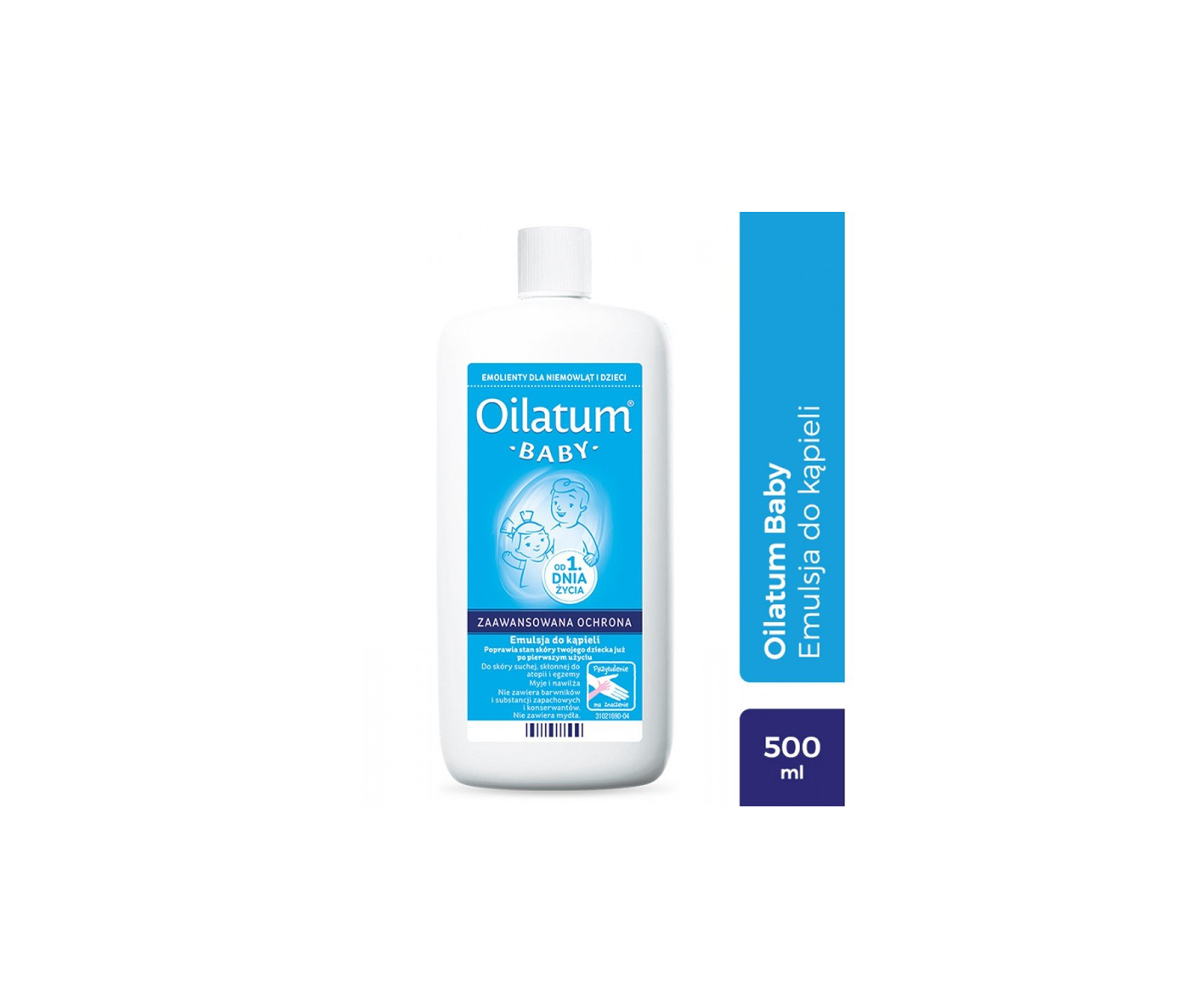
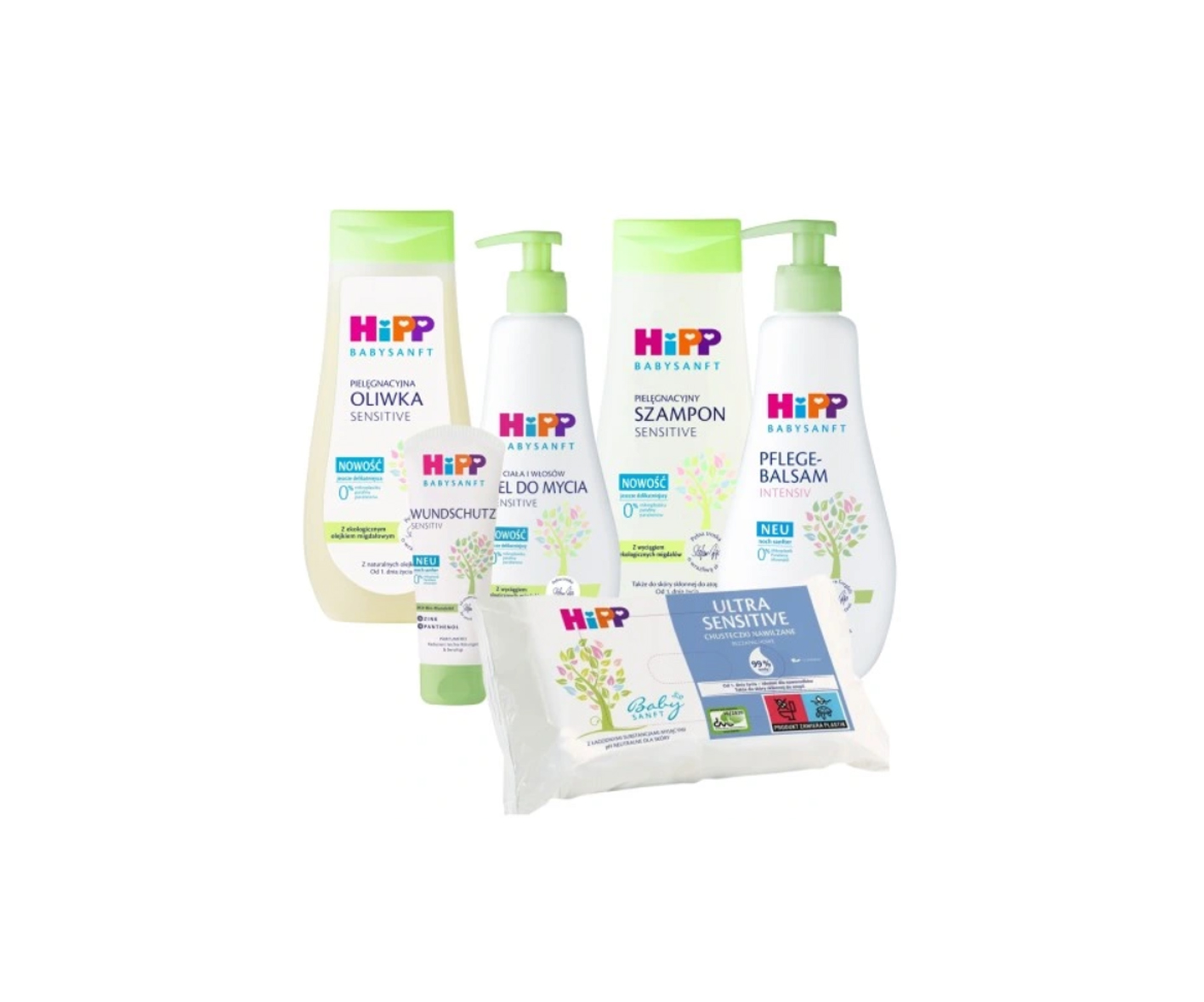
Discover 5 suggestions for cosmetics for children and take care of sensitive skin!
Children's skin is usually more delicate and sensitive than that of adults and therefore needs special care. Because of its sensitivity, it is prone to irritation, allergies and other problems. Regular washing and care of the skin helps to prevent skin infections. Neat areas between skin folds, such as in the nappy area, require special attention to avoid flare-ups and infections. Baby skin care does not end with bathing, of course. Proper skin care helps to keep the skin moist, prevent dryness, flaking and itching. This, in turn, affects the child's overall comfort and contributes to maintaining healthy skin condition. There are various baby cosmetics available on the market, but not all of them are safe and comprehensively meet the needs of children and their parents. It is important that cosmetics that come into contact with a child's skin have a friendly composition that is as natural as possible, are hypoallergenic and protect the delicate body from external factors. In the following article, we tell you how to care for your child's skin and what to consider when choosing cosmetics for children.
Children's skin
The skin is the largest organ of the human body and plays a key role in protecting the body from harmful external factors. Children's skin is usually thinner than adult skin, which makes it more susceptible to injury and irritation. Infants and young children tend to have less melanin in their skin than adults. Melanin has a protective role against UV radiation, so children's skin is more susceptible to sunburn. The collagen structure in children's skin is less developed than in adults. Collagen is responsible for the elasticity and strength of the skin, so this softer structure makes children's skin more susceptible to damage. Children's skin is more permeable, which means it can let chemicals through more easily and is more prone to allergic reactions.
These differences make children's skin more sensitive and in need of special care, especially in terms of protection from the sun, chemicals and other potential irritants.
Structure of baby's skin
A baby's skin is made up of three main layers, each with specific functions. The epidermis is the outer layer of the skin and is the first line of defence against harmful substances. It is made up of several layers of cells, the outermost of which is the stratum corneum, which protects against water loss and mechanical damage. The epidermis contains melanocytes, which produce melanin, the pigment responsible for skin colour. In infants and young children, these cells may be less active, making the skin paler.
The dermis is the layer beneath the epidermis. It contains numerous structures such as blood vessels, collagen fibres, elastic fibres and nerves. This layer contains the sebaceous and sweat glands, which help regulate body temperature by producing sebum and sweat. Collagen and elastin in the dermis give the skin elasticity and strength.
The subcutaneous tissue is the layer beneath the dermis that contains fat cells (adipocytes). It has an insulating function, helping to maintain body temperature and protecting against injury. Blood vessels and nerves are also stored in this layer.
A child's skin differs from adult skin not only in its structure, but also in its function and physiological properties. It is thinner, more elastic and also more susceptible to external influences. Skin cell growth is faster in children, making the skin more dynamic and more susceptible to change. Therefore, special attention and proper care of children's skin is necessary to keep it healthy and comfortable.
Children's skin problems
Children's skin, due to its delicacy and specific characteristics, can be prone to various skin problems. Here are some common skin problems in children.
Sunburn. Children's skin is more sensitive to UV radiation, which makes them more susceptible to sunburn. Prolonged exposure to the sun without adequate protection can lead to burns and skin damage.
Nappy rash. In babies and young children, the area under the nappy can be prone to nappy rash, caused by prolonged contact with urine and faeces, as well as moisture.
Flakiness and dryness of the skin. Children's skin can be prone to flaking and dryness, especially during winter periods or when irritating laundry detergents are used.
Skin allergies. Children may be susceptible to skin allergies, which can result from exposure to allergens in the environment, such as pollen, dust mites, chemicals in cosmetics or detergents.
Infantile acne. Some infants may develop infantile acne, characterised by pimples and pustules on the face and sometimes on other areas of the skin.
Pruritus and irritation. Babies may experience various forms of pruritus and skin irritation, which may be caused, for example, by insect bites, hives or allergic reactions.
Fungal infections. Fungi can cause skin infections, especially in areas where the skin is warm and moist, such as skin folds.
Eczema. Eczema is a chronic inflammation of the skin that can manifest as dry, red, itchy and flaky skin.
It is always a good idea to consult a doctor or dermatologist if your child has any skin problems. A professional diagnosis and recommendations will help to deal effectively with skin problems and keep your child's skin healthy and well moisturised. Also remember to use appropriate cosmetics for children, avoid potentially irritating substances and protect your child's skin from harmful environmental influences.
Cosmetics for children
Children's cosmetics are skincare products specifically designed to meet the delicate skin and needs of children. These products are designed to minimise the risk of irritation and allergies and usually contain ingredients that are mild, hypoallergenic and free from potentially harmful substances. Baby cosmetics include a variety of products such as shampoos, soaps, creams, body lotions, massage oils, protective creams and many more.
Baby cosmetics are often formulated to minimise the risk of allergic reactions. Ingredients are carefully selected to be gentle on sensitive children's skin. Children's cosmetics contain ingredients that are recognised as safe and suitable for children's skin, while being free from potentially harmful substances such as parabens, phthalates or artificial colours. Typically, baby cosmetics have a delicate fragrance that is not too intense so as not to irritate a child's sensitive sense of smell.
Baby skincare products often include sunscreen creams that are focused on protecting a child's delicate skin from UV radiation. There are also specialised baby cosmetics for specific skin problems, such as creams for atopic skin or products for baby skin with eczema.
Shampoos, soaps and bath gels for children are often formulated not to irritate the eyes, which is important when washing a young child's hair and body. Many children's cosmetics undergo dermatological tests to confirm their safety for the skin.
When choosing cosmetics for children, it is always worth paying attention to the labels, ingredients and manufacturer's recommendations.
For whom are children's cosmetics suitable?
Children's cosmetics are, of course, mainly intended for children, but most of them are also ideal for the sensitive skin of adults and older people. These products are specially formulated with children's delicate skin and needs in mind. They are usually safe, hypoallergenic and free of potentially harmful substances so as to reduce the risk of irritation and allergies. Baby cosmetics include a variety of products for body care, hair care and other aspects of daily hygiene. The category 'cosmetics for children' may include:
Cosmetics for the youngest children, such as bath soaps, skin creams, massage oils or nappy oils.
Products tailored to the care needs of older childrensuch as shampoos, conditioners, hand and body creams and sun protection creams.
Specialist cosmetics for children with specific skin problems, such as atopic dermatitis, eczema or dry skin.
Children's cosmetics are therefore widely available on the market and tailored to different age groups and individual skincare needs. Remember that every child is different, so it is worth paying attention to their specific skin needs and preferences. When choosing cosmetics for children, it is advisable to read labels, check ingredients and use products recommended by a paediatrician or dermatologist.
Baby cosmetics - effects of use
Using the right cosmetics for children can have various benefits for the child's skin and overall well-being. Children's cosmetics, especially those containing emollients, help to moisturise the skin, preventing dryness and flaking. This is particularly important for children with dry or irritation-prone skin. Children's cosmetics often form a protective layer on the skin, which can help protect against the negative effects of external factors such as wind, cold or UV radiation. Gentle ingredients in children's cosmetics, such as plant extracts or soothing substances, can help prevent skin irritation, especially in children with sensitive skin. Regular use of cosmetics can help to improve the elasticity of the skin, making it smoother and softer. Some baby cosmetics contain antibacterial or antifungal substances, which can help prevent skin infections, especially in areas prone to flare-ups and redness. The experience of daily grooming itself, which becomes a pleasure and routine that promotes hygiene and a healthy lifestyle, can also be beneficial for the child.
Baby cosmetics are usually formulated to avoid harmful and potentially irritating substances, which is important for delicate baby skin. Children's cosmetics are often available in special versions for different age groups, taking into account the specific needs of babies, toddlers or older children.
However, it is worth remembering that every child has individual needs, so it is important to adapt the type of cosmetics to the specific skin conditions.
Key ingredients in children's cosmetics
- Safe cleansing substances - baby cosmetics often contain mild cleansing substances, such as glycerine, which gently cleanse the skin without irritating it.
- Plant oils - (e.g. sunflower oil, coconut oil or almond oil) oils are rich in nutrients and help to keep the skin moisturised.
- Plant extracts - (e.g. chamomile, aloe vera or calendula) have a soothing and calming effect on the skin.
- Proteins and vitamins - some baby cosmetics contain additional proteins and vitamins, such as vitamin E or panthenol, which help to regenerate the skin and maintain a healthy appearance.
- Emollients - substances or preparations designed to soften and smooth the skin by preventing water loss and helping to retain moisture. They are particularly important in the care of dry, atopic or irritable skin.
Advantages of
- Gentle and safe
- Moisturising and caring
- Protection against external factors
- Prevention of irritation
- Safe washing substances
- Hygiene education
- Stimulation of the senses
- Adaptation to different needs
Defects
- Skin allergies
- Skin irritations
- Respiratory problems
- Eye irritations
- Reactions to a specific ingredient
- Interaction with drugs or other substances
- Risk of swallowing
- Overuse
Cosmetics for children - how often to use
The frequency of use of cosmetics for children depends on several factors, such as the type of product, the individual needs of the child's skin and the recommendations of the paediatrician or dermatologist. Here are general guidelines on the frequency of use of different types of cosmetics for children:
Soaps and washing gels. It is advisable to wash your baby every day, especially areas that require thorough hygiene, such as the hands, face, neck and genitals. Choose gentle, pH-neutral soaps that do not compromise the skin's natural barrier.
Shampoos. Your child's hair can be shampooed several times a week, depending on individual needs. If your child tends to have oily hair, more frequent washing may be necessary. Avoid overuse of shampoos to avoid disturbing the natural balance of the scalp.
Moisturising creams. Use moisturiser daily, especially if your child's skin is prone to dryness. Moisturising after bathing or before bedtime can be particularly beneficial. Choose products with mild ingredients, without chemical additives or fragrances.
Protective creams. If your baby is prone to flare-ups, use a protective cream at every nappy change. It is also advisable to use protective creams before going out in the sun to protect delicate skin from UV rays.
Lotions or oils. If you use lotion or oil to massage your baby, you can do this several times a week. Remember to choose baby-safe products without chemicals that can cause irritation.
Bath cosmetics. Bath cosmetics, such as foams, salts or oils, can be used once a week or according to personal preference. However, it is important to avoid products that may dry out the baby's skin.
It is a good idea to adapt the frequency of use of cosmetics to the individual needs of your child's skin. If your child is prone to allergies, dry skin or other dermatological problems, it is worth consulting a paediatrician or dermatologist to select suitable products and develop a care plan tailored to your child's individual skin conditions.
How to use cosmetics for children
The use of cosmetics for children requires delicacy and attention to ensure the safety and well-being of the little ones. Here are some general guidelines on how to use cosmetics for children:
Soaps and washing gels:
- Gently wash your child's skin, avoiding strong rubbing.
- Pay special attention to areas that require thorough hygiene, such as the hands, neck, face and genitals.
- Choose products with a neutral pH and without irritants.
Shampoos:
- Avoid getting shampoo in your child's eyes. In case of contact with the eyes, rinse them immediately with water.
- Dilute the shampoo appropriately before application if recommended on the label.
- Gently massage your child's scalp and then rinse the shampoo thoroughly.
Moisturising creams:
- Apply moisturiser to your baby's skin after bathing, especially if the skin is dry.
- Carefully rub the cream into the skin, focusing on areas that are more prone to dryness, such as the elbows, knees and skin around the mouth.
- Avoid using too much product to avoid leaving a greasy layer.
Protective creams:
- Use a protective cream at every nappy change to prevent nappy rash.
- Make sure your baby's skin is dry before applying the protective cream.
- Spread the cream evenly, especially on areas prone to flare-ups.
Lotions or oils:
- If you are using lotions or oils to massage your baby, warm the product in your hands before application to avoid a cold feeling on the skin.
- Massage gently, using gentle pressure. Avoid massaging too much, especially on delicate areas.
Bath cosmetics:
- Add bath cosmetics to the water in the amount recommended on the packaging.
- Avoid bathing for too long, as this can lead to dry skin.
- Rinse your baby's skin with clean water after bathing.
Avoid chemicals:
- Choose products that are free of chemicals, parabens, artificial colours and fragrances.
- Before using a new product for the first time, conduct a skin test to check for allergic reactions.
Be careful:
- Avoid cosmetics getting into your child's eyes.
- Keep products out of children's reach to prevent accidental ingestion or access.
- The use of cosmetics for children should always be tailored to the individual needs of the child's skin, and products should be chosen according to the recommendations of the paediatrician or dermatologist.
What to consider when choosing cosmetics for children
When choosing children's cosmetics, there are a few key criteria that should be taken into account to ensure that they are safe, effective and that their delicate skin is well cared for. Here are some tips to take into account:
Ingredients: Check the composition of the cosmetic and choose products with natural, gentle ingredients. Avoid chemicals, parabens, artificial colours, fragrances and other potentially irritating ingredients.
Hypoallergenic: Choose baby cosmetics labelled as hypoallergenic. These products have been tested for skin allergies, minimising the risk of allergic reactions.
Neutral pH: Choose cosmetics with a neutral pH, which are compatible with the natural pH of your baby's skin. This helps to balance the skin and prevents excessive dryness.
Irritant-free products: Avoid cosmetics that contain irritants, especially if your child has sensitive skin. Irritants can cause irritation and allergies.
Skin testing: Before using a new cosmetic on a regular basis, carry out a skin test on a small area of skin to make sure it does not cause allergic reactions.
Age-appropriate: Choose products appropriate to the age of your child. Babies, toddlers and older children may have different skincare needs, so it is advisable to choose cosmetics tailored to their specific developmental stage.
Specialised products: If your child has a specific skin need, such as a tendency to flare-ups, atopic dermatitis or dry skin, choose cosmetics specifically designed to address these problems.
Doctor's recommendations: In case of skin problems, consult your paediatrician or dermatologist. The specialist can recommend specific products or ingredients that will be suitable for your child's skin.
Testing baby cosmetics: Read reviews, opinions and recommendations from other parents on specific brands and products. The experiences of others can provide valuable information on the efficacy and safety of products.
Knowing your baby's skin needs: Understanding the individual needs of your child's skin, such as the level of hydration, susceptibility to allergies or the presence of skin problems, will help to tailor the choice of cosmetics to specific needs.
In conclusion, it is crucial to take care of your child's safety and well-being by using cosmetics tailored to their individual needs and carefully reading product labels before purchasing.
Discover the top 5 best baby kits and cosmetics for 2026
When creating our product reviews, we consider the ingredients and research their safety. We analyse the opinions of industry experts and the experiences of product users. We obtain recommendations from authorised retailers and use available sources of knowledge on active ingredients and their effects. We personally verify the action, texture, scent and feel of the products, and assess value for money.
Below are detailed reviews by our editors with a description of each product indicated.